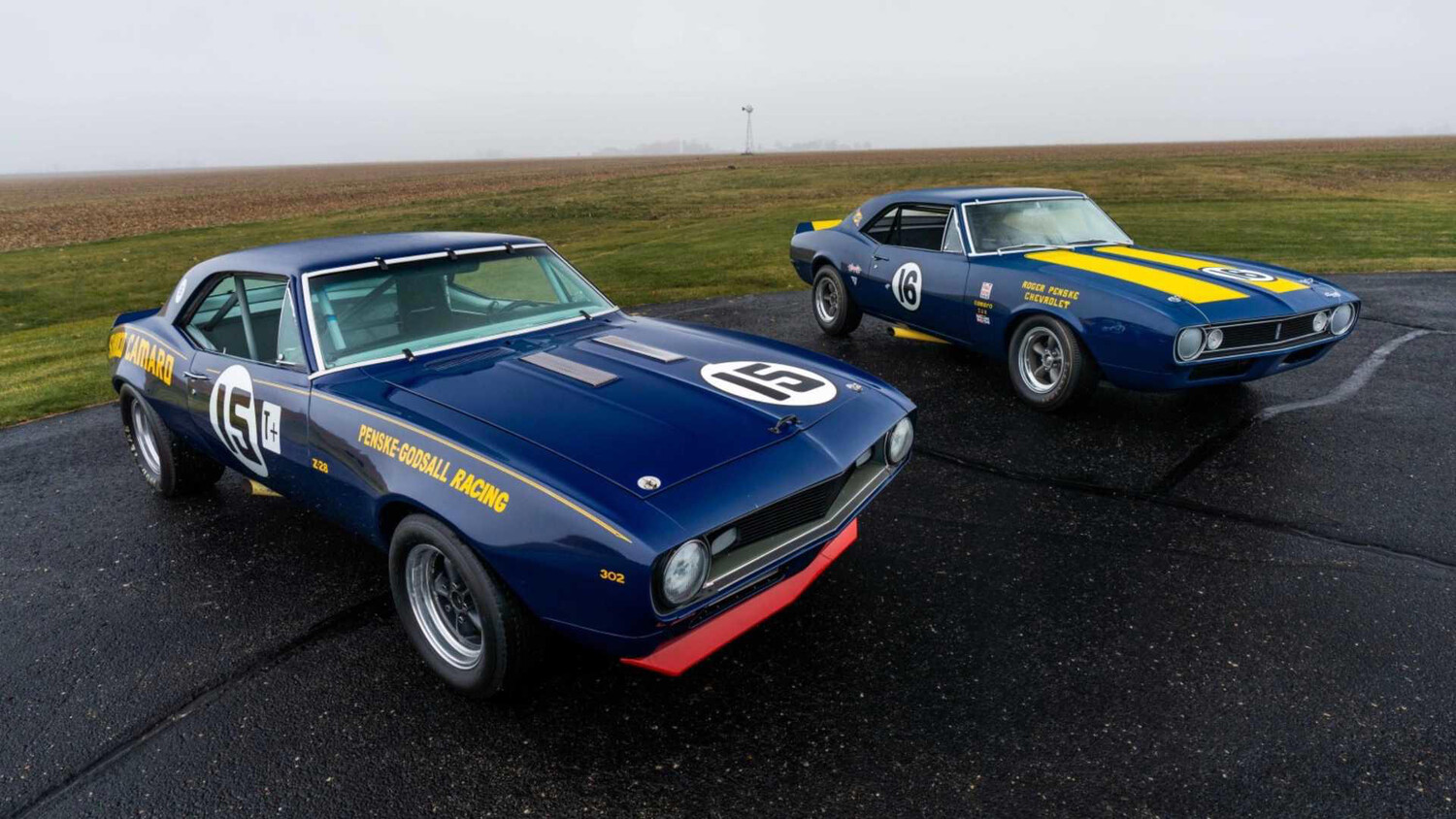
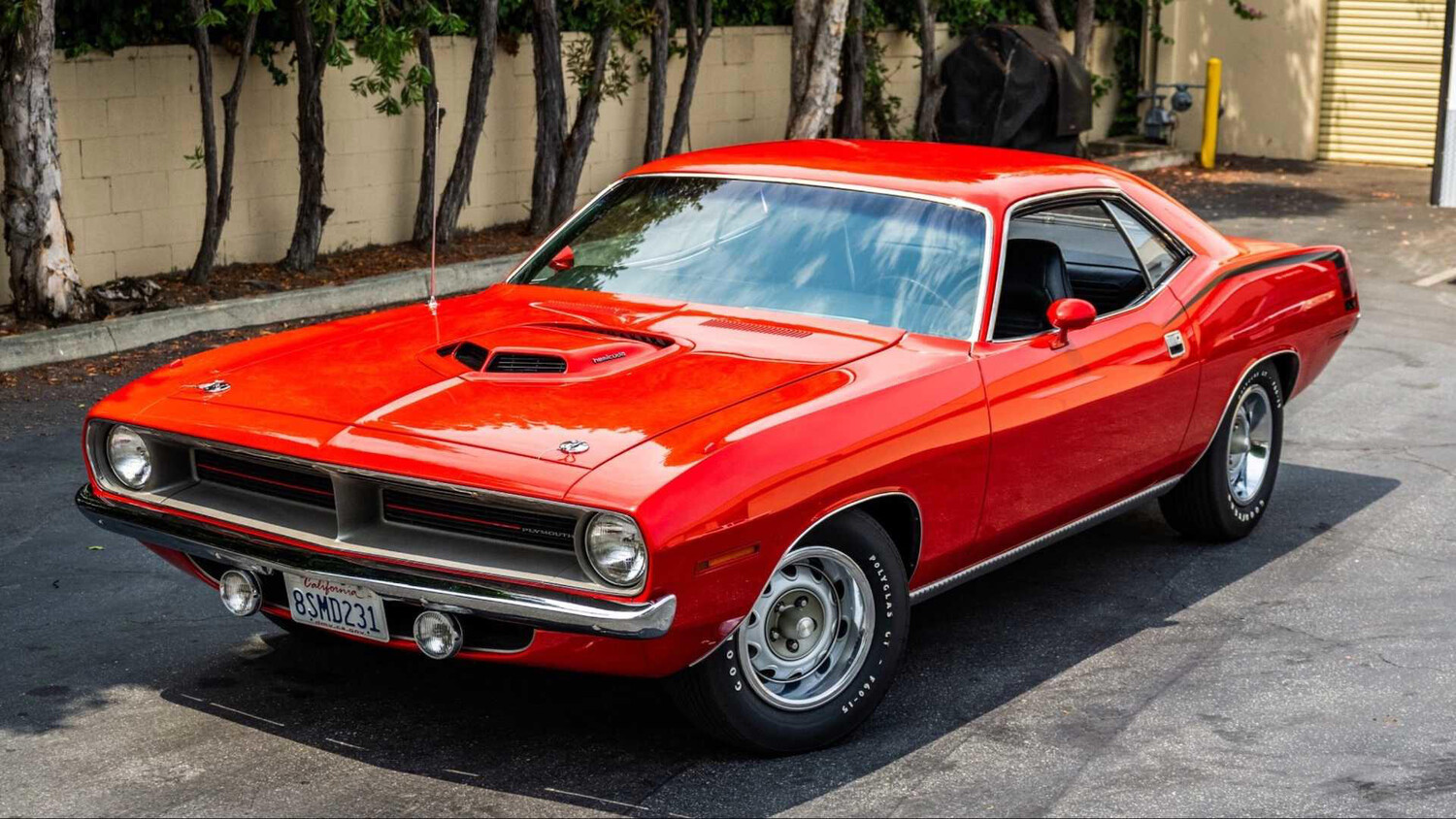
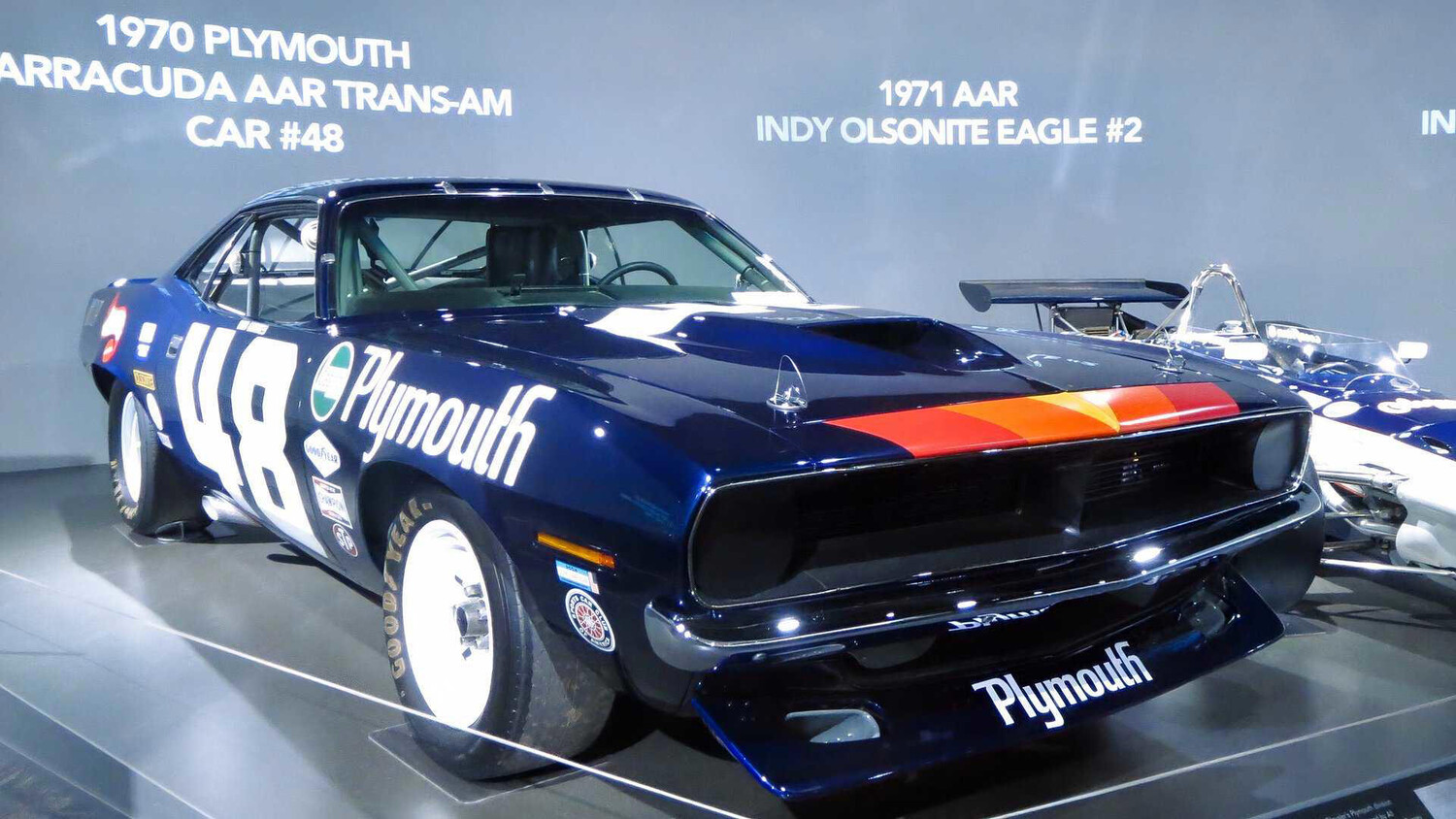
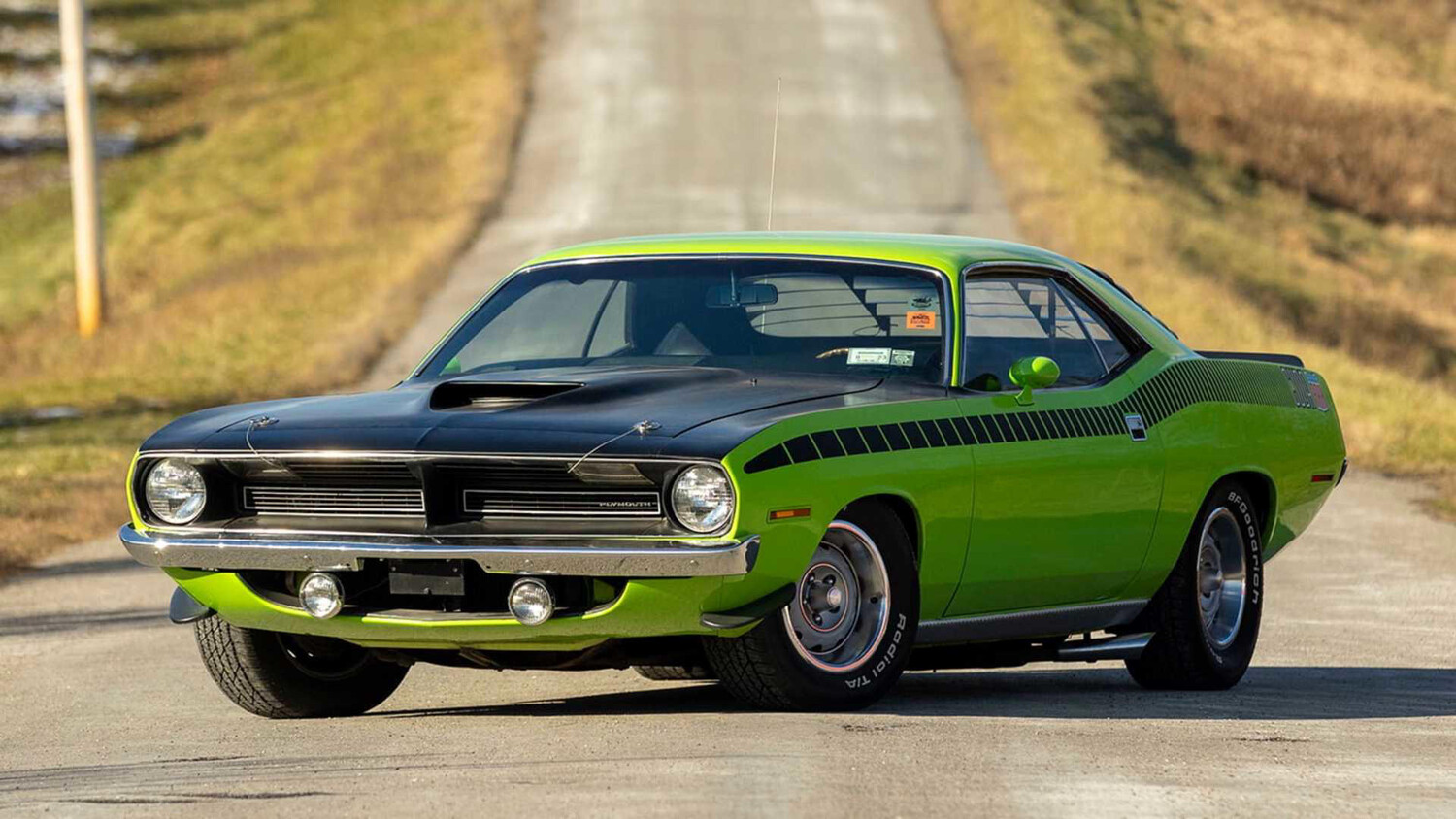
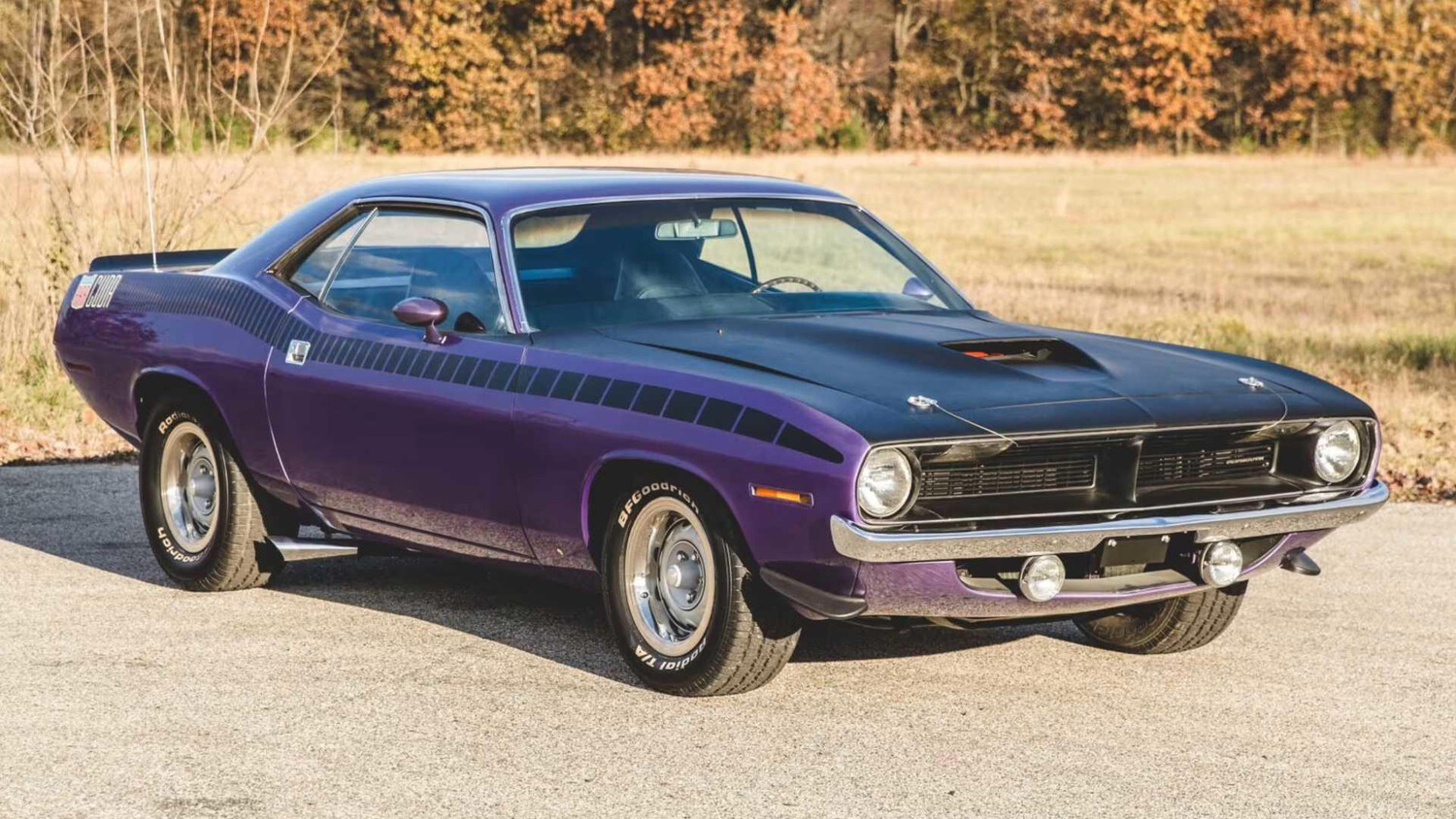
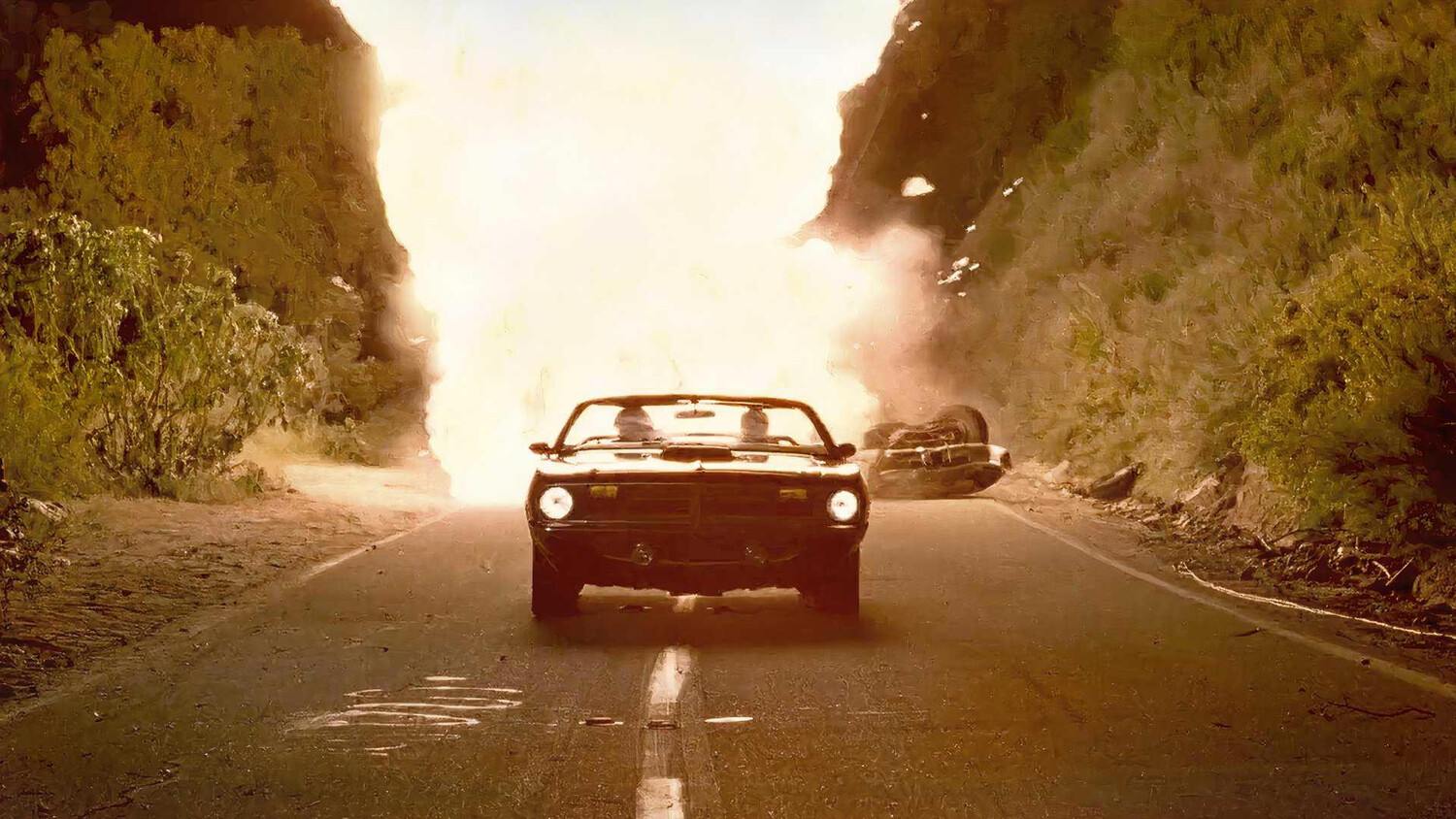
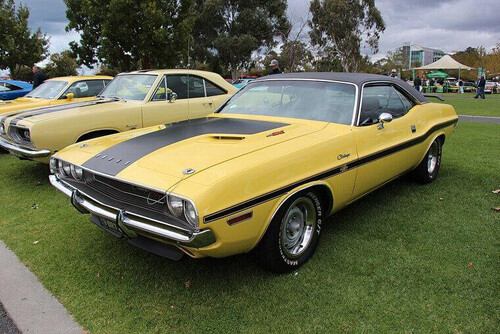
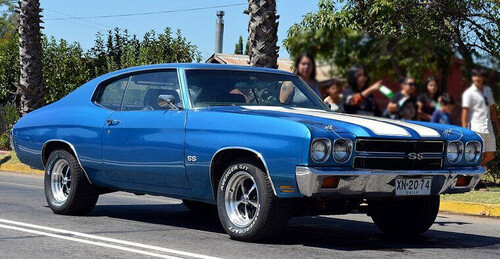
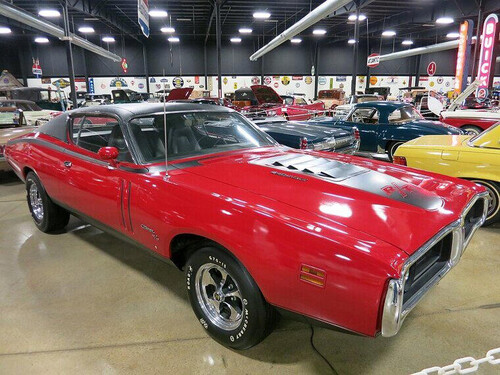
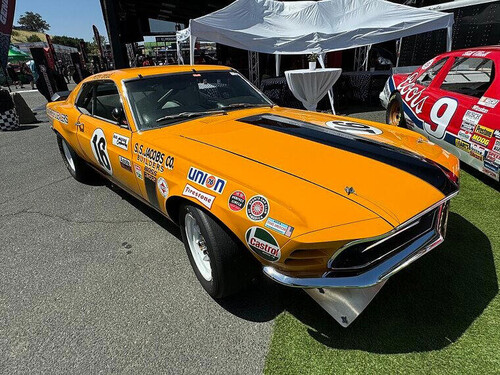
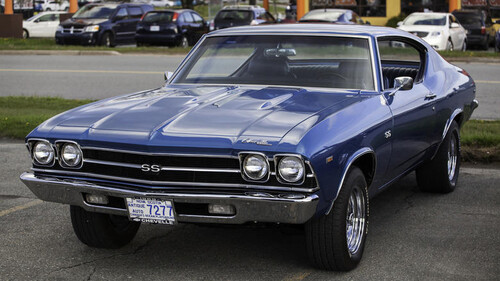
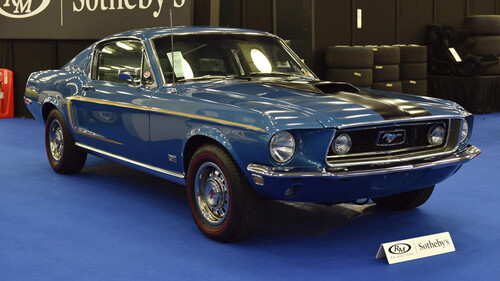
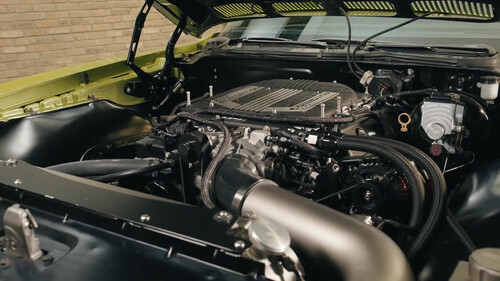
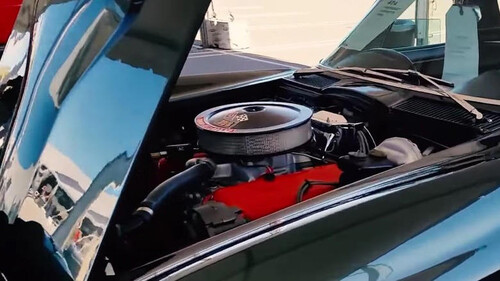
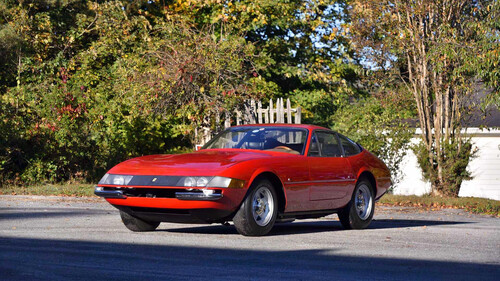
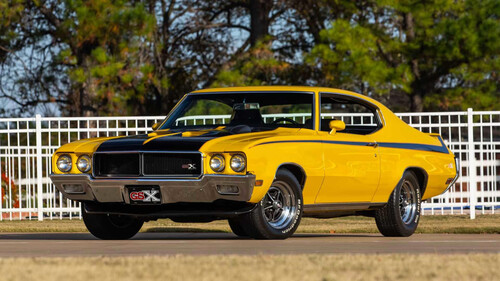
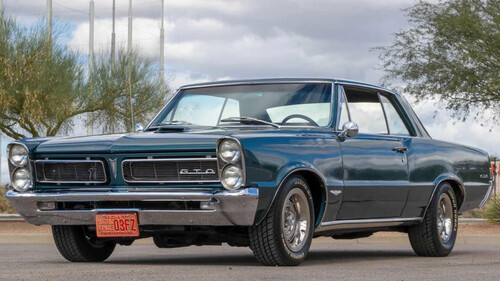
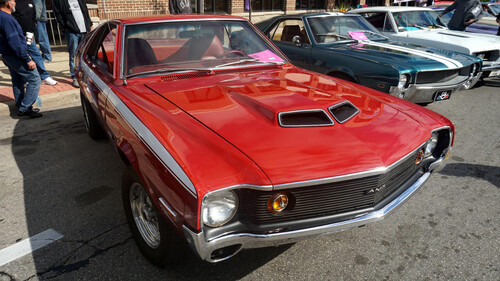
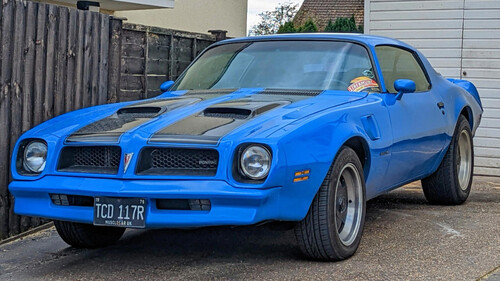
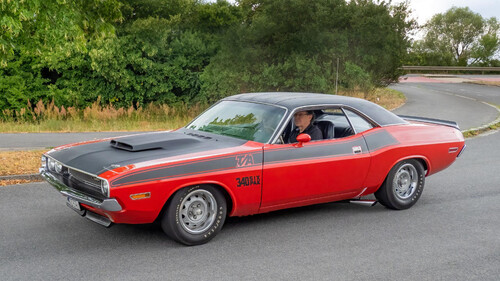
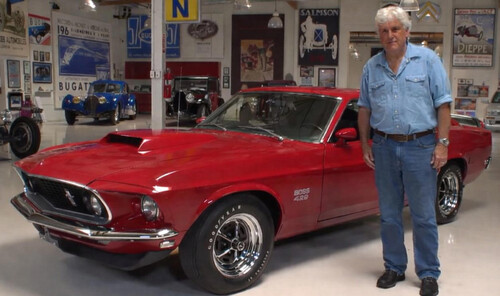
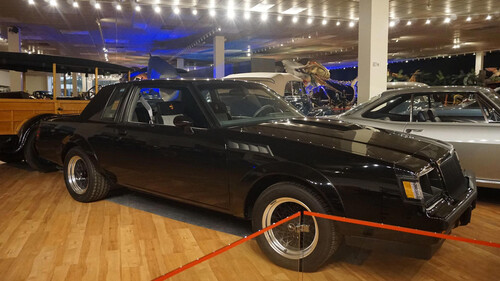
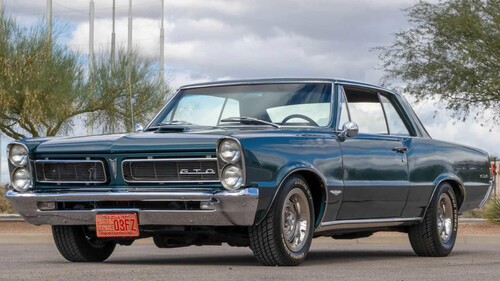
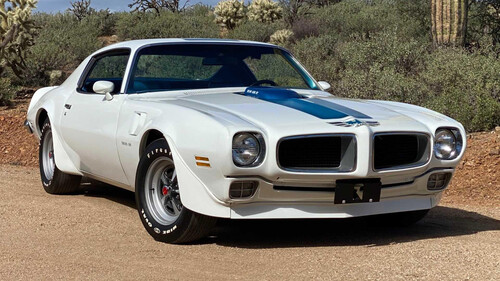
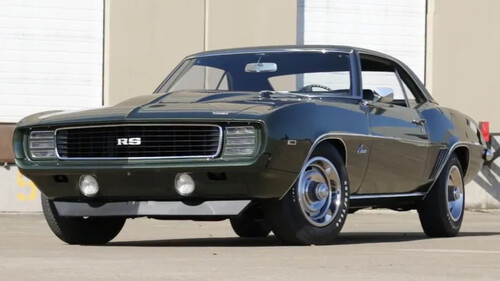
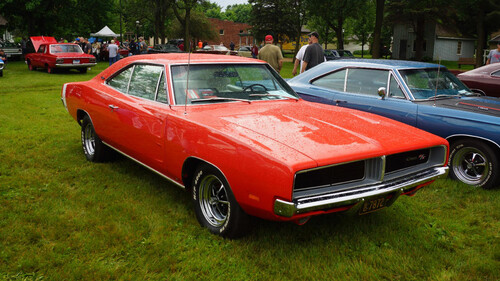
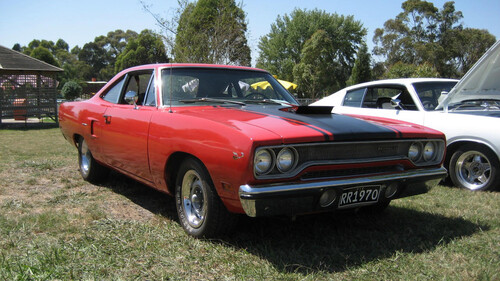
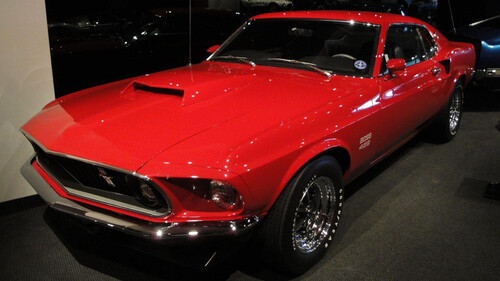
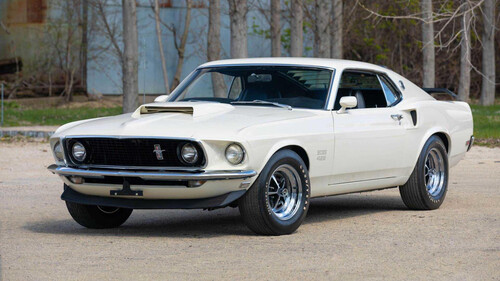
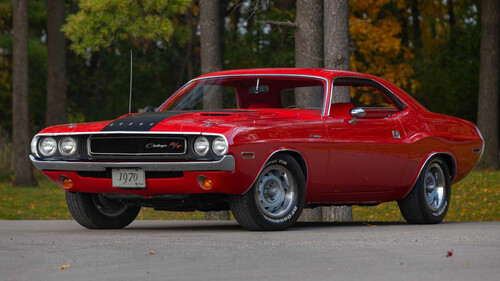
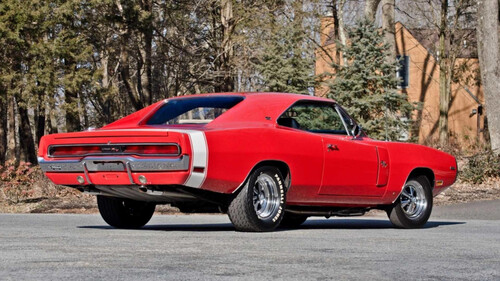
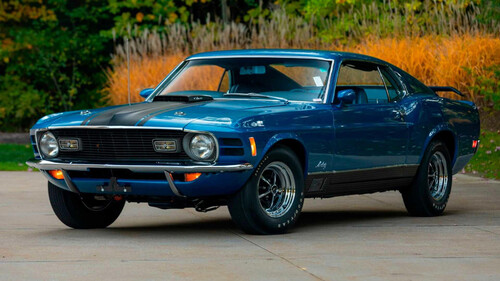
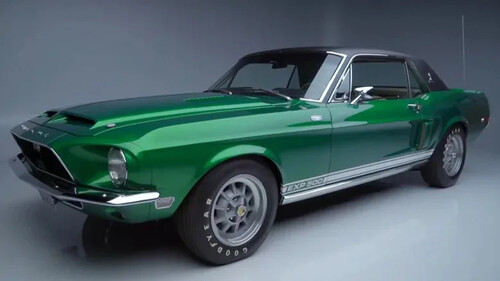
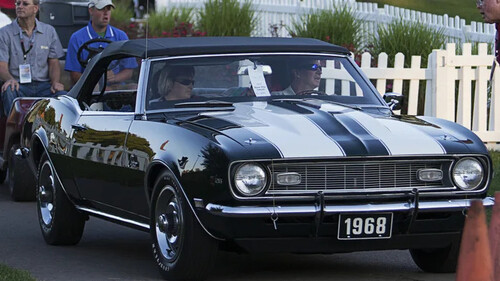
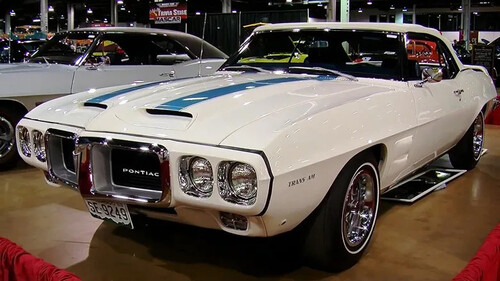
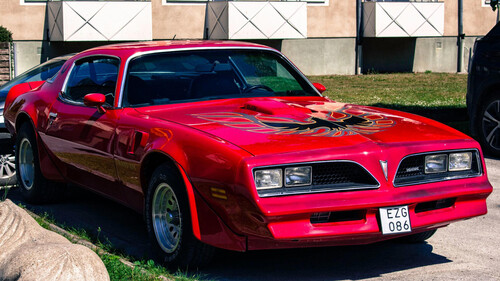
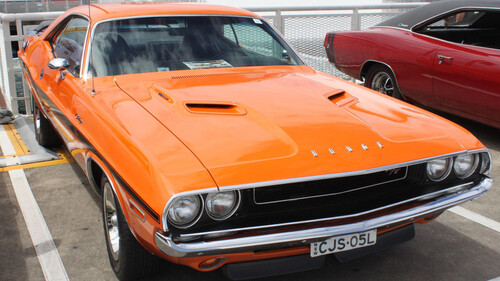
Modern vehicles, especially luxury brands, don't even have names but rather an indecipherable jumble of letters and numbers like a Genesis GV80, or the insanely incomprehensibleLexusUX 300h. Back in the day, however, cars had names and if they were accompanied by digits or an alphabet soup, they all meant something. A Ford Mustang Mach 1 428 SCJ was a ride capable of pulling some Gs with a 428ci Super Cobra Jet V-8 and a Chevy Chevelle SS 454 was a Super Stock car with a massive 450-horsepower, 500 pound-feet of torque 454ci big-block.Things like a Mercury Cyclone GT (Grand Touring) or Dodge Coronet R/T (Road and Track), and even the AMC Javelin SST (Super Sports Touring) were pretty easy to figure out. The Pontiac GTO (Gran Turismo Omologato) wasn't immediately recognizable and even the English translation of "Grand Touring Homologated" didn't make a lot of sense to most people, but at least those letters stood for something. Just as puzzling is the Plymouth AAR 'Cuda, which some folks may think is a pirate-themed special edition (Arr, thar be a 'Cuda in Davy Jones Locker), but almost nobody knows the real meaning. Dan Gurney’s Incredible Journey Raycrosthwaite/Wikimedia CommonsThe story of the AAR 'Cuda cannot be told without first touching on racing legend Dan Gurney, who was integral in its creation. Volumes are needed to give justice to Gurney's contribution to motorsports, but in a nutshell, he did it all. From Formula One, to IndyCar to NASCAR, Gurney has captured too many checkered flags to count. After winning the 24 Hours of LeMans in 1967, Gurney famously sprayed champagne in celebration, starting that tradition in the winner's circle. He also won the 1971 outlaw Cannonball Baker Sea-to-Shining-Sea Memorial Trophy Dash, AKA the Cannonball Run, from New York to California in 35 hours and 54 minutes, driving a Ferrari 365GTB/4 Daytona. Gurney probably gained more fame as a car-builder and race team owner, which is where the AAR 'Cuda comes into play, but we need to set up a couple more things before we can get into that. Sports Car Club of America Trans-Am Racing Series Mecum The Sports Car Club of America began the Trans-Am Racing Series, initially called the Trans-American Sedan Championship, in 1966 to compete with the European endurance races like LeMans and Nürburgring. The first race, a 12-hour marathon, at the Sebring International Raceway had class wins by an Alfa Romeo GTa and Dodge Dart. The Trans-Am classes were under 2.0 liters and over 2.0 liters, with a cap of 5.0-liters as the largest displacement allowed. This racing series eventually grew into a war of the pony cars, and the Ford Mustang was an early participant, but Chevy was the first to build a car specifically for the Trans Am race circuit with the 1967 Camaro Z/28. The Z/28 became the Camaro's high-performance trim, but in '67, it had a very unassuming 290-horsepower 302ci V-8, to meet the SCCA's engine limit. Third-Gen ‘Cuda Aquatic Apex Predator Bring a Trailer The 1964 Plymouth Barracuda beat the Mustang by a couple of weeks to become the first pony car on the market, but it was a weird-looking, underpowered ride with enough rear window for three or four vehicles, and wasn't terribly successful. By the second-gen in 1967, the style improved as well as the power, but as a compact, it wasn't highly regarded in the Golden Age of American Muscle. Then, in 1970, the Barracuda came out on the new Chrysler E-body platform and was arguably the baddest-looking set of wheels for the entire classic era. The high-performance Hemi 'Cuda, was essentially a factory drag car, with a 425-horsepower, 490 pound-feet of torque 426ci V-8, and turned in 13.1-second quarter-mile ETs, the fastest of any car back then. Okay, so we've covered Dan Gurney, the SCCA's Trans Am Series, and the third-gen 'Cuda, all seemingly random subjects, but we swear these will all converge awesomely in the next section. The Plymouth AAR ‘Cuda Out Trans Am-ed The Firebird zombieite/Wikimedia CommonsIn 1964, Dan Gurney and Carroll Shelby, both who would go on to decimate Ferrari at LeMans, started a racing team known as All American Racers. By now, you have probably figured out what AAR 'Cuda stands for, but we still need to make the connection. Gurney helped Plymouth develop a special version of the third-generation 'Cuda in 1970 specifically to compete in SCCA's Trans-Am racing series. Different from the God-like Hemi 'Cuda street machine, the AAR 'Cuda had modest power and was geared toward endurance racing, rather than rocket-powered acceleration. In 1970, both Gurney and his protégé Swede Savage droveAAR 'Cudasin the Trans-Am Series. While we're talking about names, Pontiac actually paid a licensing fee to the SCCA to dub their Firebird performance package the "Trans Am," but the car never participated in a single race.While the All American Racers 'Cuda was great at earning pole positions, when it came to the slog of an endurance race, the normally bullet-proof Plymouth suffered a series of catastrophic failures, including blown engines, gear box failures, and differential problems. These are common issues for a first-year race-car, but Chrysler pulled the plug before the end of the 1970 Trans-Am season before these things could be worked out. While the AAR 'Cuda never got a chance to realize its potential, it was a pretty damn cool set of wheels, with a scooped black-out hood, side exhaust which are so awesome every car should have them, and a 340ci Six-Barrel V-8, featuring a three-two-barrel carb set up, as well as the best stripes and graphics of any 1970 Mopar. Making the 340+6 a SCCA-Compliant 5.0-Liter Mecum The 1970 AAR 'Cuda came equipped with a 340ci Six-Barrel V-8 that was fed by three two-barrel Holley carburetors, that produced an okay 290 horsepower and 345 pound-feet of torque. For a low-displacement small-block, the AAR 'Cuda had decent acceleration with a 5.8-second 0-60 time and 14.4-second quarter-mile. This car wasn't built for drag racing, but rather endurance racing, and so its 137 mph top speed was a definite plus. 340 cubic inches equals 5.57 liters, which exceeded the SCCA's Trans-AM Racing Series limit of 5.0 liters, that translates to a 305ci engine. Plymouth got around this discrepancy by destroking the 340, which shortened the piston travel, resulting in enough fewer cubic inches to qualify it for competition. The race engine was also tuned and upgraded with performance parts that made it more like a 350-horsepower V-8, which Plymouth probably should have made an option on the AAR 'Cudas sold to the public. Qualifying the AAR ‘Cuda for Competition Mecum Speaking of moving some units, there was another requirement the AAR 'Cuda had to meet before being allowed on the track, and that involves the weirdest word in racing: homologation. The word comes from the Greek idea of agreeing on a standard and, in practical terms, just means that a vehicle has to be sold in a certain number to regular people. Back in the day, stock car racing had actual vehicles that anyone could get at their local dealership. In fact, there was a saying that went something like "win on Sunday, sell on Monday," because fans wanted to drive the same cars their favorite drivers were taking checkered flags in. To meet SCCA homologation requirements, Plymouth had to sell 2,500 AAR 'Cudas, but ultimately built 2,724, broken down by 1,120 four-speed manuals and 1,604 automatics. The Most Valuable Classic Mopar Small-Block Mecum Hemi-equipped Mopars are the top-dollar cars, and as an example, the value of a '70 Dodge Charger Hemi R/T exceeds a base 318 model by almost $150,000. Basically, big-blocks rule as collectibles, but the 340 small-blocks have been coming on strong with the likes of the Plymouth Duster and Dodge Demon closing in on the six-figure threshold. Then, there is the 340 Six-Pack 1970 AAR 'Cuda, which has become a small-block trailblazer. According to Hagerty, this rare Mopar's value ranges from $46,000 for a project car to $141,000 for a Concours condition showpiece. The '70 AAR 'Cuda isn't only just the most valuable small-block Mopar, it's worth more than a lot of big blocks, including many 440 Six-Pack cars. The thing is, Hagerty's top condition value is a bit on the low side, as you will soon see, and the AAR 'Cuda actually gives the Hemis a run for their money. AAR ‘Cuda Auction Theatrics Mecum That Moulin Rouge 1970 Plymouth AAR 'Cuda pictured above is a numbers-matching, one-owner car, in perfect but unrestored condition and is the only one known to exist in that color with a four-speed manual transmission. All of that stuff is like gold to Mopar collectors, and it sold for an astonishing $308,000 at Mecum Kissimmee 2023. According to the listing, the car was a graduation gift for the family's daughter, and we may have just identified the coolest parents of all-time, or at least of the Golden Age. Dropping the gavel at that price puts the AAR 'Cuda in Hemi territory as a collectible, and it wasn't entirely a fluke. There have been other auction sales in the multi-hundreds of thousands which crowns the AAR 'Cuda as the King of the Small-Blocks. The AAR ‘Cuda’s Challenger T/A Cousin Mecum Dodge got their own version of the AAR 'Cuda with the 1970 Challenger T/A, which clearly stands for Track Assassin. Actually, it's for "Trans Am" that Dodge initialized to save a few bucks on a licensing deal with the SCCA. Equipped with the same 340, though Dodge calls theirs the Six-Pack, and with the same performance as the AAR 'Cuda, it's really a matter of taste as to which car is more badass. Unlike the Pontiac, which never raced in the Trans-Am series, the Challenger R/T did and had just as many issues as the AAR 'Cuda. With a production run of 2,339 units, it's less rare than it's E-Body Plymouth cousin, and as such, also less valuable. With values from $49,100 to $117,000, the Challenger T/A is still a big-money collectible that is also championing the cause for the Mopar small-blocks. Spooky Legacy of the AAR ‘Cuda Starway International, Inc. The Phantasm horror movie franchise is known for high-weirdness, gallons of gore, and the crazy skull-drilling silver flying sphere, but most importantly, the Plymouth Hemi 'Cuda that Reggie and Mike drive, hunting down the super-creepy Tall Man. Through five films, there has been a scene-stealing 'Cuda, though not always a real Hemi, that, more often than not, literally drives the story. Movie series creator, writer, and director Don Coscarelli chose the 'Cuda as his franchise player, because of an experience he had in high school. As he tells it, one day, some kid at his school showed up in the parking lot with a brand new 1970 Plymouth AAR 'Cuda and wowed the entire class. Coscarelli recalls thinking it was the coolest damn thing he ever saw, and when it came time to make the first Phantasm movie, he insisted upon having a 'Cuda playing a prominent role.Sources: Chrysler, Hagerty, Mecum