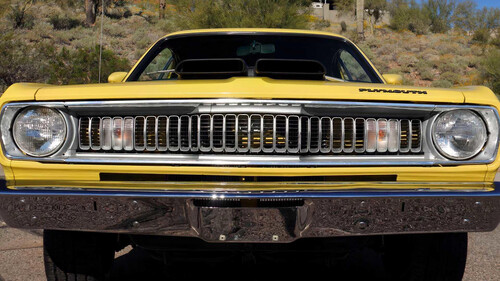
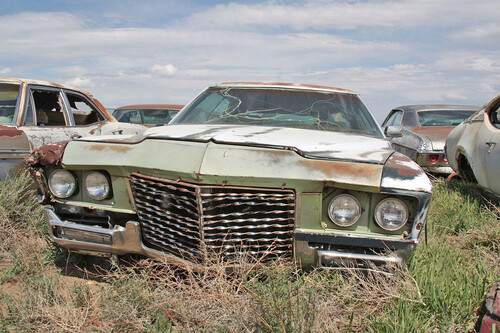
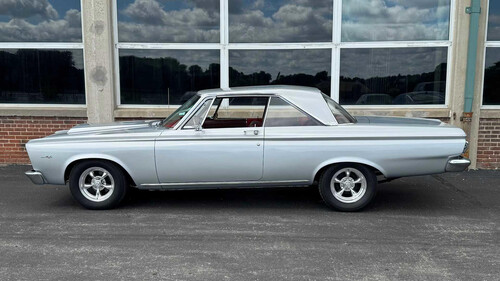
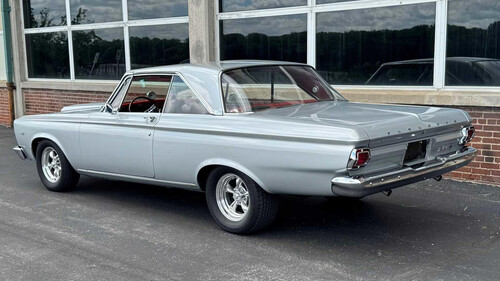
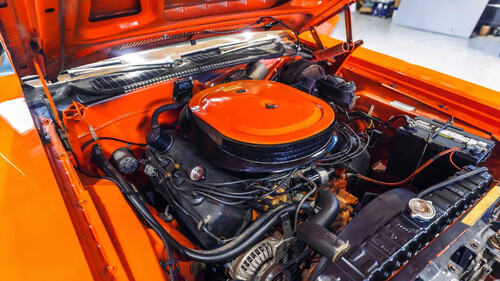
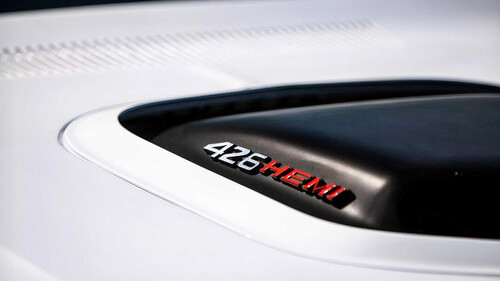
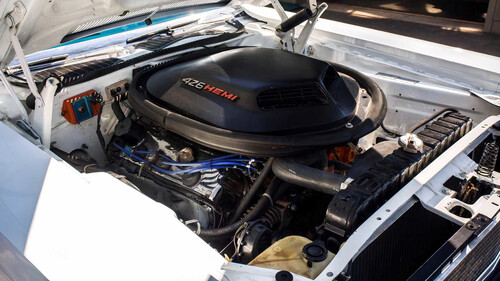
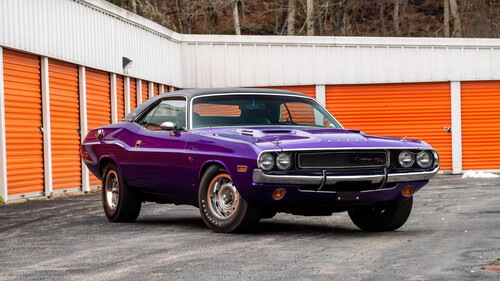
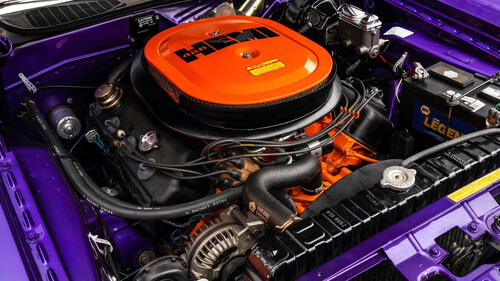
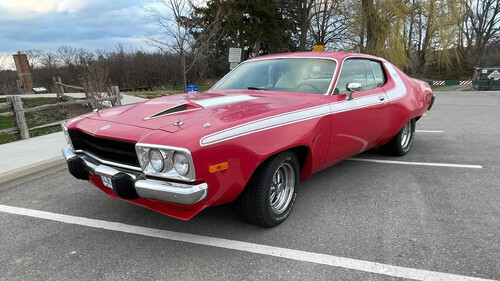
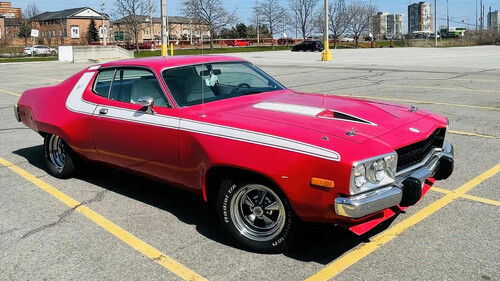
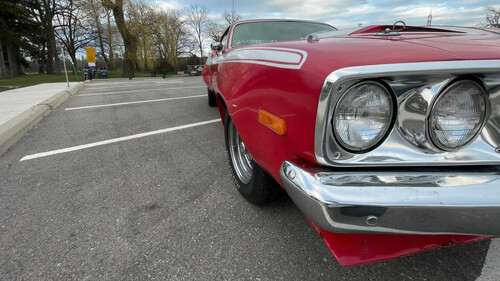
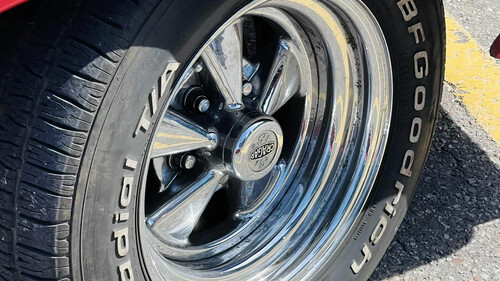
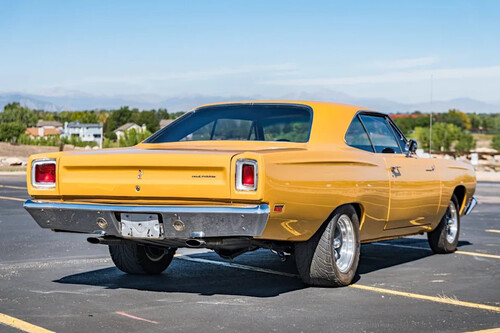
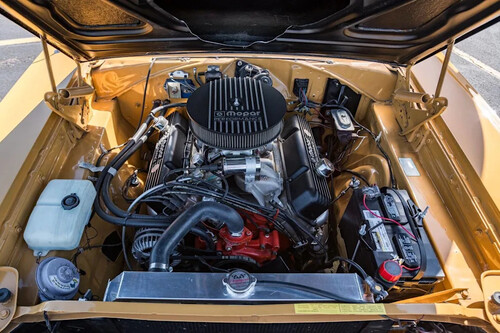
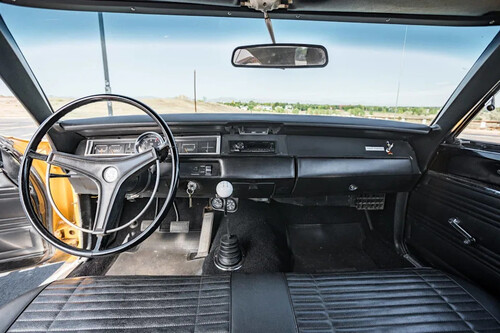
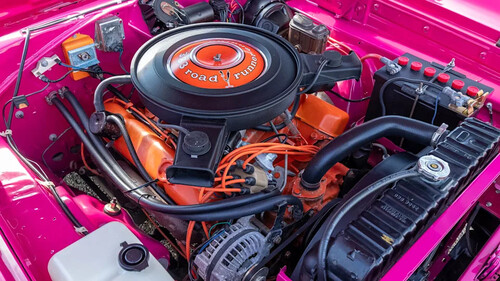
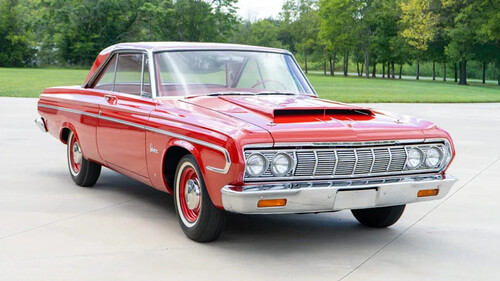
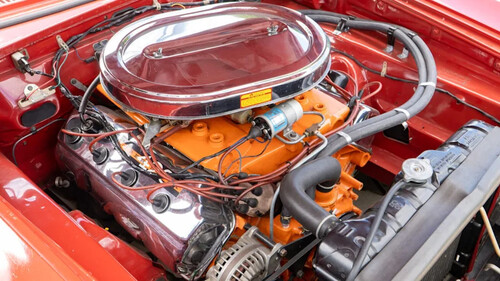
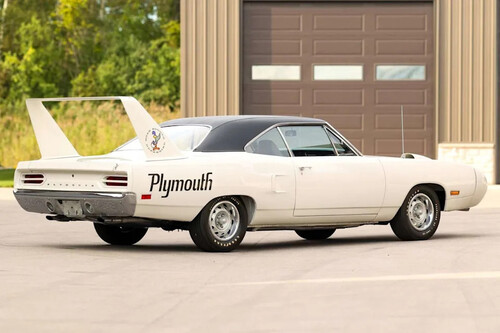
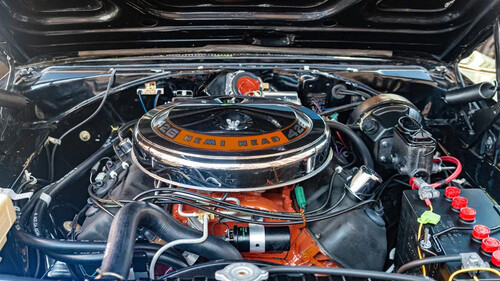
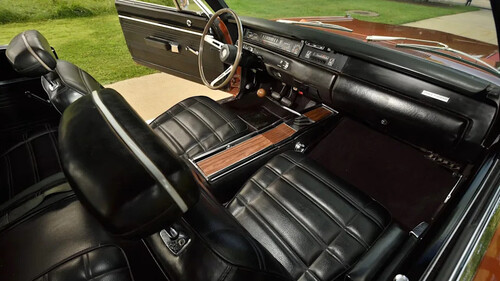
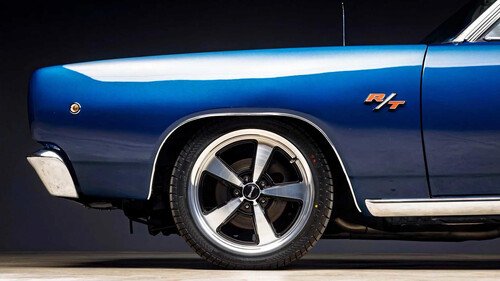
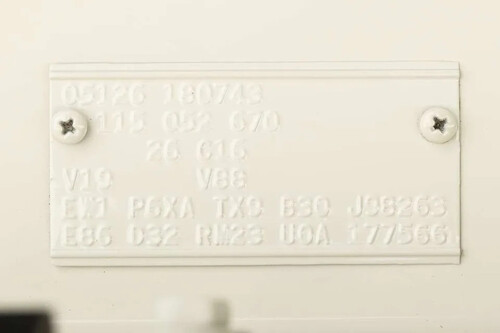
The 1971 Plymouth GTX arrived just as the muscle car era began changingThe 1971 Plymouth GTX entered showrooms at a fascinating moment in automotive history. On one hand, it represented everything enthusiasts loved about the golden age of American muscle. It offered bold styling, powerful big-block engines, aggressive performance, and the kind of road presence that defined Detroit’s horsepower wars. It was the latest chapter in Plymouth’s effort to build a premium muscle car capable of competing with the best performance machines on the market. On the other hand, the world that had created the GTX was beginning to disappear. Insurance rates for high-performance cars were rising. Emissions regulations were becoming more demanding. Manufacturers were preparing for lower-compression engines and stricter federal requirements. Consumer priorities were slowly shifting, and the era of unlimited horsepower was nearing its end. The 1971 GTX found itself caught between two automotive worlds. It arrived as one of the most capable muscle cars Plymouth had ever produced, yet it also became one of the last true representatives of the original muscle car formula. Looking back today, the car serves as both a celebration of the muscle car era’s peak and a preview of the challenges that would soon reshape the American performance landscape. In many ways, the 1971 GTX was a farewell delivered before anyone fully realized the party was ending. The GTX Had Already Earned Its Reputation The GTX first appeared for the 1967 model year as Plymouth’s answer to buyers who wanted more than a basic muscle car. At the time, many performance models focused almost exclusively on speed. Plymouth decided there was room for something slightly more sophisticated. The GTX combined powerful engines with upgraded interiors, additional trim, and a more upscale image than some of its lower-priced stablemates. The strategy earned the car a nickname that Plymouth proudly embraced: “The Gentleman’s Muscle Car.” Unlike the stripped-down Plymouth Road Runner, the GTX emphasized both performance and comfort. Buyers could enjoy serious horsepower without sacrificing the conveniences expected from a premium vehicle. That combination helped establish the GTX as one of the most respected cars in Plymouth’s lineup. By 1971, however, the market around it was beginning to change. A New Look for a New Decade The 1971 model year brought significant styling changes to Plymouth’s intermediate lineup. The GTX adopted a more dramatic appearance than its predecessors, reflecting broader trends in automotive design. Curvier bodywork, a revised front fascia, and aggressive detailing gave the car a modern look that differed noticeably from the cleaner, more restrained designs of the late 1960s. The styling was unmistakably muscular. Dual hood scoops, bold proportions, and a wide stance communicated performance even before the engine started. Many enthusiasts today consider the 1971 body style one of the most distinctive designs Plymouth ever produced. Yet beneath the dramatic sheet metal, the company was already adapting to new realities. The muscle car market was no longer expanding at the same pace it had only a few years earlier. Big-Block Power Remained Available Fortunately for enthusiasts, the GTX still offered serious performance. Plymouth continued to make powerful big-block V8 engines available, ensuring the car retained its muscle car credentials. The standard engine was a 440-cubic-inch V8, a powerplant that had already earned a reputation for delivering exceptional torque and strong acceleration. Buyers seeking even greater performance could order the famous 440 Six-Barrel setup, which used three two-barrel carburetors to improve airflow and increase output. The legendary 426 Hemi remained available as well. Officially rated at 425 horsepower, the Hemi was widely regarded as one of the most formidable American performance engines ever built. Its presence ensured that the GTX remained among the elite performance cars of its era. Yet despite the availability of such engines, fewer buyers were choosing them. Insurance Companies Were Changing the Game One of the biggest challenges facing muscle cars in 1971 came from an unexpected source. Insurance companies had begun paying close attention to high-performance vehicles. As accident statistics accumulated and horsepower continued to climb, insurers increasingly viewed muscle cars as high-risk automobiles. Premiums rose sharply, particularly for younger drivers who represented a large portion of the market. For many buyers, the cost of insuring a powerful muscle car became almost as significant as the purchase price itself. The GTX felt the impact. While enthusiasts continued to admire cars equipped with 440 and Hemi engines, some customers started looking for more practical alternatives. The insurance issue wouldn’t end the muscle car era by itself, but it accelerated changes already underway. Emissions Regulations Were Looming At the same time, manufacturers faced growing pressure from federal emissions standards. Throughout the 1960s, performance engineers had largely focused on maximizing power. High compression ratios, aggressive camshafts, and increasingly sophisticated induction systems helped produce impressive horsepower figures. Those strategies would become harder to maintain in the years ahead. New emissions requirements forced manufacturers to reconsider engine design. Lower compression ratios and revised tuning would soon become common throughout the industry. The 1971 GTX existed at the edge of that transition. Many of the engineering philosophies that created its performance would soon be altered significantly. As a result, the car occupies a unique position in muscle car history. It represents one of the last opportunities to experience the original formula before major changes arrived. The Hemi’s Final Year One detail that makes the 1971 GTX particularly significant is its relationship to the 426 Hemi. For Chrysler, 1971 effectively marked the end of the street Hemi era. Demand for the engine had declined dramatically compared to its peak years. Rising costs, insurance concerns, and changing market conditions all contributed to lower sales. As a result, relatively few Hemi-powered GTX models were produced. At the time, low production numbers were viewed as a disappointment. Decades later, they became one of the car’s greatest strengths. Collectors place enormous value on rarity, and the limited number of surviving Hemi GTXs has helped make them among the most desirable Mopars ever built. The engine’s final chapter added an additional layer of significance to the 1971 model. Sales Reflected a Changing Market The GTX’s declining sales told a larger story about the state of the industry. Just a few years earlier, buyers couldn’t seem to get enough horsepower. Performance packages spread across dealer lots, and manufacturers competed aggressively for enthusiasts’ attention. By 1971, that momentum was slowing. Many consumers still appreciated performance, but they increasingly weighed factors such as insurance costs, fuel economy, comfort, and practicality. The market was evolving. The GTX remained an excellent performance car, but it no longer existed in the same environment that had helped launch the muscle car boom. The shift wasn’t immediate, yet it was undeniable. The End of an Era Was Approaching Within only a few years, the muscle car landscape would look dramatically different. Compression ratios fell. Horsepower ratings declined. Performance became more difficult to achieve under tightening regulations. Some famous nameplates disappeared entirely, while others evolved into very different vehicles. The 1971 GTX arrived just before those changes transformed the industry. It preserved many of the characteristics enthusiasts associate with the classic muscle car era: large-displacement engines, rear-wheel drive, aggressive styling, and abundant torque. In hindsight, it feels almost like a final celebration of everything that had made muscle cars so popular. Collectors Eventually Took Notice For years, the 1971 GTX lived somewhat in the shadow of earlier muscle car legends. Many enthusiasts focused on the peak years of the late 1960s, when production numbers were higher and horsepower wars dominated headlines. Over time, however, collectors began recognizing the unique significance of the 1971 model. Its combination of distinctive styling, limited production, and historical timing made it increasingly attractive. The car wasn’t merely another muscle car. It represented a turning point. As awareness grew, so did appreciation for the GTX’s role in automotive history. Today, well-preserved examples are among the most desirable Plymouth performance cars of the era. A Muscle Car Between Two Worlds What makes the 1971 Plymouth GTX so fascinating is that it embodies both the peak and the beginning of the end. It offered the powerful engines, dramatic styling, and thrilling performance that defined the muscle car movement. At the same time, it arrived as external pressures began reshaping the industry that created it. Insurance costs, emissions regulations, and changing consumer priorities were already influencing decisions inside corporate boardrooms and engineering departments. The GTX couldn’t stop those changes. But it did preserve the spirit of the era for one final moment. The Right Car at the Wrong Time The 1971 Plymouth GTX wasn’t a failure of engineering, design, or performance. Quite the opposite. It was one of the most capable and attractive muscle cars Plymouth ever built. Its challenge was timing. The car arrived just as the conditions that had fueled Detroit’s horsepower wars began to disappear. The world was changing, and the muscle car industry had little choice but to change with it. That circumstance transformed the GTX into something more than a performance car. It became a historical marker. Today, the 1971 GTX stands as a reminder of the moment when the original muscle car era reached its final chapters—a powerful machine that celebrated everything enthusiasts loved about the movement just as the automotive world began moving in a different direction. More from Fast Lane Only Unboxing the WWII Jeep in a Crate 15 rare Chevys collectors are quietly buying 10 underrated V8s still worth hunting down Police notice this before you even roll window down