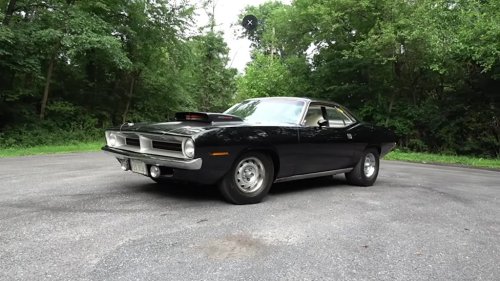
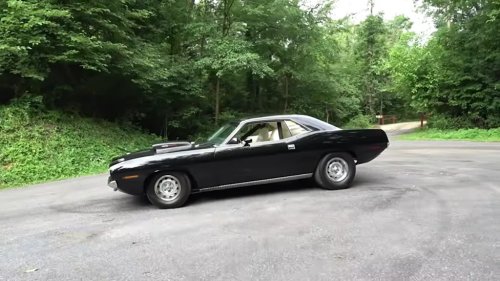
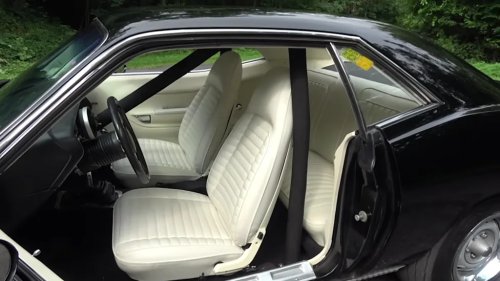
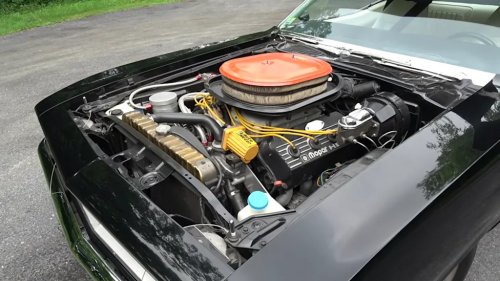
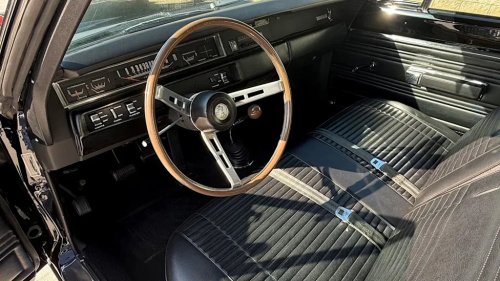
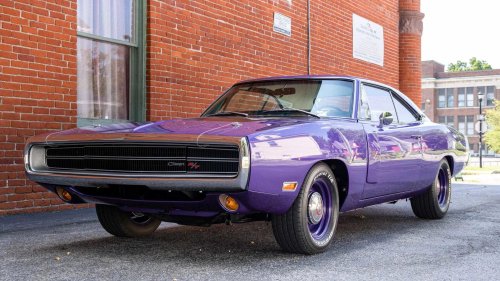
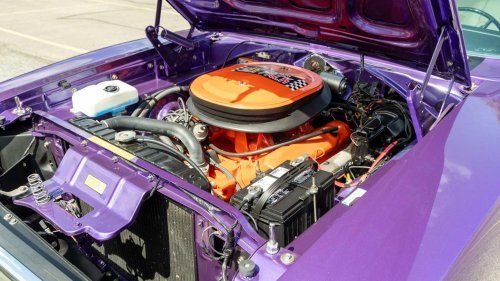
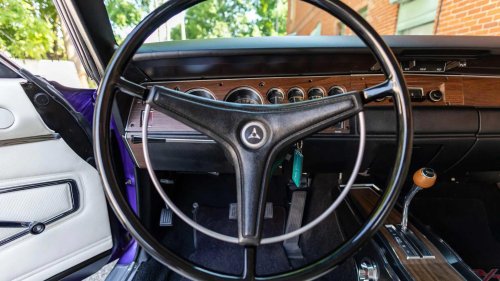
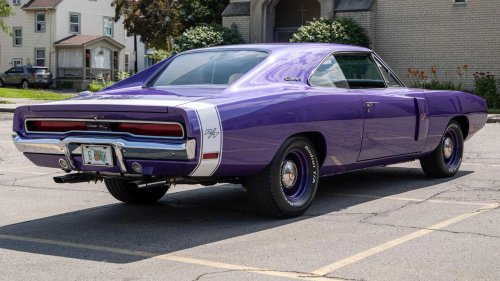
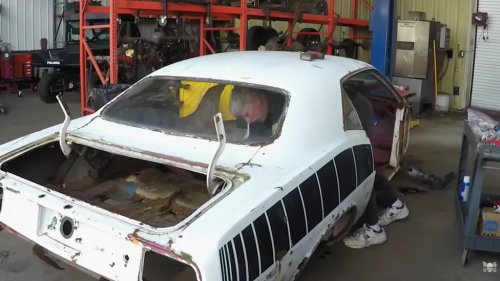
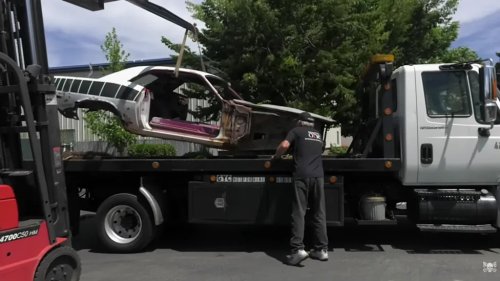
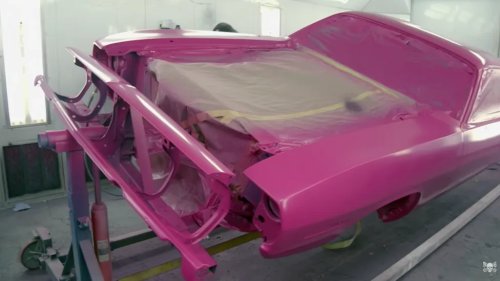
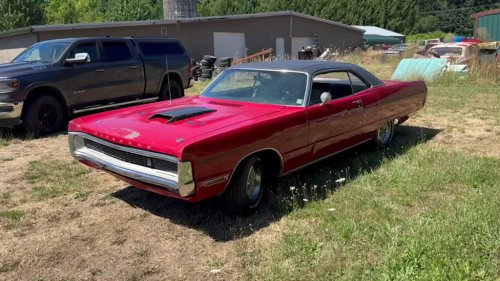
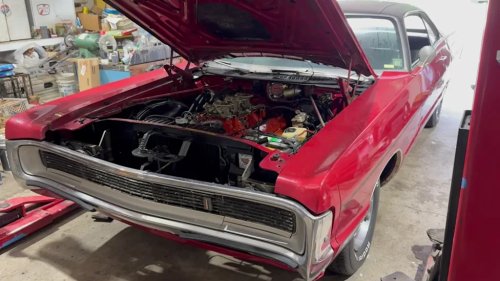
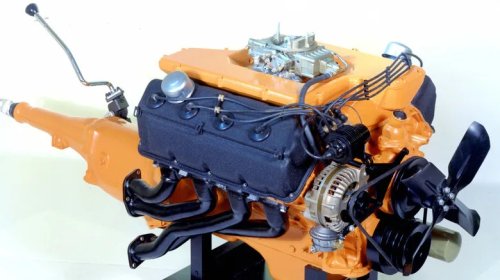
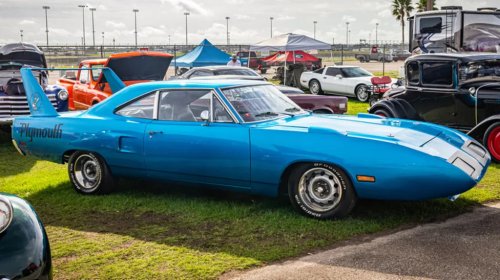
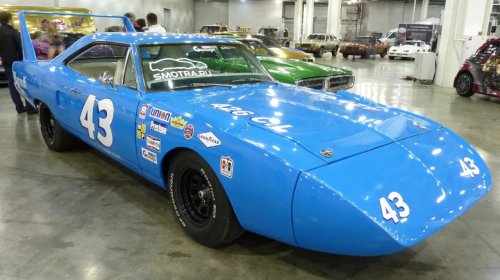
The Winged Warrior That Refused to DieFew American cars carry as much mythology per square inch as the 1970 Plymouth Superbird. Built for one season to satisfy NASCAR's homologation rules, its aero nose and towering rear wing were the product of genuine wind-tunnel science. So when a genuine Superbird turns up, it is always an event — even when that Superbird has been reduced to a blackened, twisted skeleton. This particular 440+6 car has traveled a stranger road than most, and it is once again looking for an owner on eBay.Sold as a Total Loss in 2021Back in January 2021 this exact chassis crossed the block as an insurance write-off. Photos from that period are genuinely startling: the steel shell was scorched to a rusty husk, the cabin gutted down to seat springs and the bare steering column, and the dashboard melted into a shapeless puddle. Somebody looked past all of that and paid $18,100 to keep it out of the crusher — a bold bet, given that almost none of the original sheet metal was salvageable and most of it was ultimately cut away and discarded.What Actually Survived the FireThe reason any of this made sense comes down to one component: the numbers-matching 440 Six-Barrel V8. In factory tune the 7.2-liter big-block was rated at 390 horsepower and a stout 490 lb-ft of torque, routed through a heavy-duty TorqueFlite three-speed automatic. That original engine, transmission, and rear end all made it through the blaze intact. If you want a primer on why originality like this drives value, our guide to what "matching numbers" really means is worth a read.A New Body From TexasRather than attempt the impossible with a fire-ruined shell, the builder sourced a clean, rust-free 1970 Road Runner donor body out of Texas and transplanted the surviving Superbird drivetrain into it. Rebodying a legend is never uncontroversial, and it lands squarely in the middle of the ongoing survivor versus restoration versus restomod conversation. What matters here is that the seller (eBay's srebuild) is completely upfront about the swap: the buyer receives paperwork for both the Texan donor and the original Superbird, so nothing about the car's provenance is hidden.How It Earned a Clean TitleBecause of the salvage history, the owner held the car in Kentucky for more than five years — long enough to legally reapply for and receive a clean title under a business name. That is an unusual outcome for a vehicle with such a catastrophic past, and it is exactly the sort of paperwork detail buyers should scrutinize. Our step-by-step inspection checklist covers how to vet titles and salvage history before committing.Where the Car Stands TodayThe present state is functional if unfinished. The engine bay is tidy, wearing a fresh air-cleaner setup and a modern FiTech three-two-barrel EFI system for everyday reliability, plus upgraded four-wheel disc brakes. The body wears a deliberate NASCAR-style patina with a fiberglass nose cone, fiberglass hood, and the signature wing dressed in period decals. Inside, the dash and steering wheel are in place and the floors are clean, though the headliner and original rear glass are still missing. It runs, drives, and stops well enough for short hops but needs finishing before regular road duty — the builder, by his own admission, simply lost interest.A Treasure Trove of Original PartsCrucially, this is far more than a fiberglass tribute on a B-body. The sale includes a remarkable cache of original Superbird hardware: the rough steel nose and fenders, the rear seat frame, door glass, trim, and even the trunk gutter with its factory stamp. The most precious survivor is the original fender tag, so fragile after the fire that it is being preserved in a zip-lock bag filled with oil while a reproduction tag rides on the car.Rarity and the BiddingReportedly around 408 automatics and 308 manuals were built among the roughly 1,920 Superbirds NASCAR required for 1970 homologation — all assembled in a frantic sixty-day window between October and December of 1969. This car shows 64,058 miles, and with several days left the bidding had climbed past $45,100. For a sense of how strong the Mopar market has become, see our coverage of a one-of-two 1972 Dodge Charger 440 Six Pack.The Bigger QuestionIs a rebodied, fire-survivor Superbird a clever resurrection or a step too far from originality? It is the same tension we explored in the original-versus-better-than-original debate, and it echoes stories like the burned Ferrari 328 mystery. Whatever your verdict, this Superbird is undeniably back from the ashes — and honest about how it got there.AdvertisementAdvertisementPhotos courtesy of the eBay seller srebuild.From Ashes to Auction: A Burned 1970 Plymouth Superbird 440+6 Rides Again on a New BodyThe reborn Superbird wearing its fiberglass nose, wing, and NASCAR-style patina. Photo: eBay seller srebuild.


















 +21 others