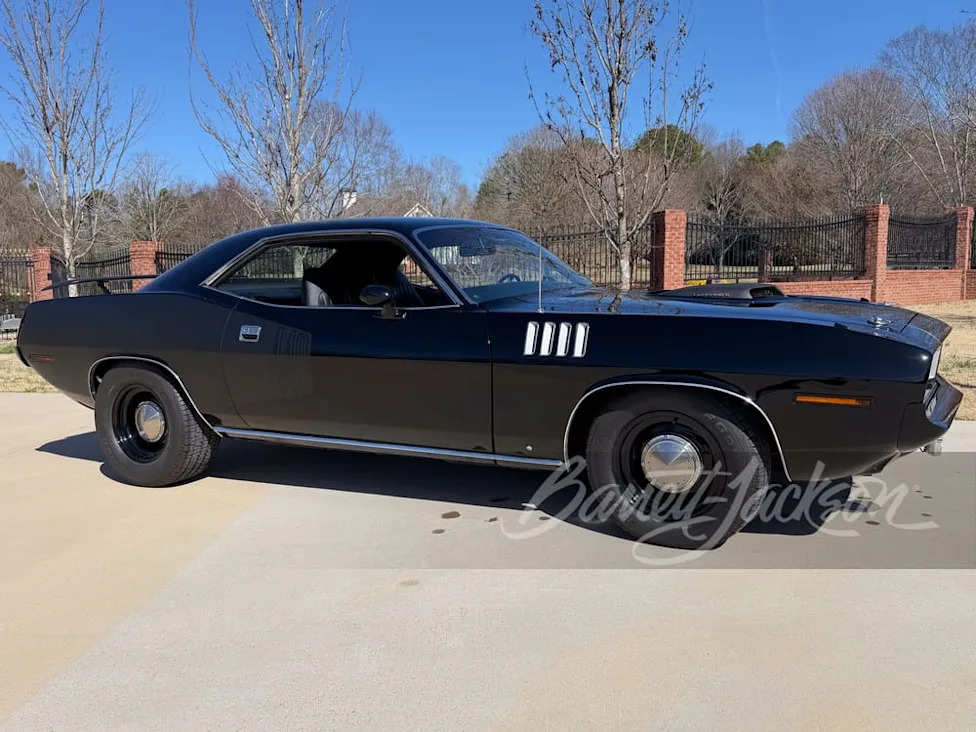
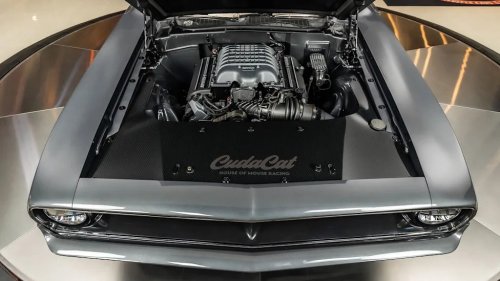
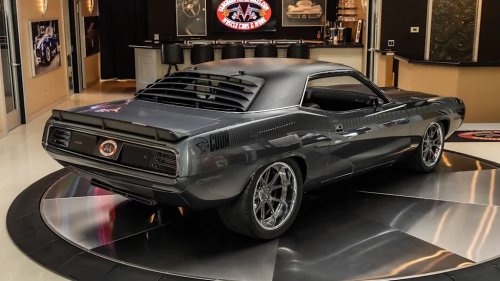
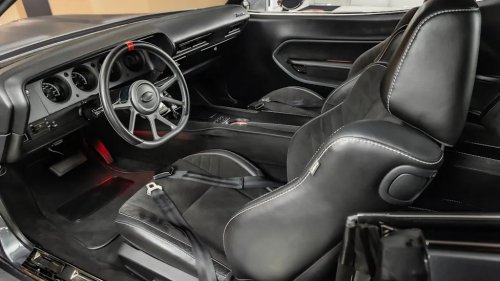
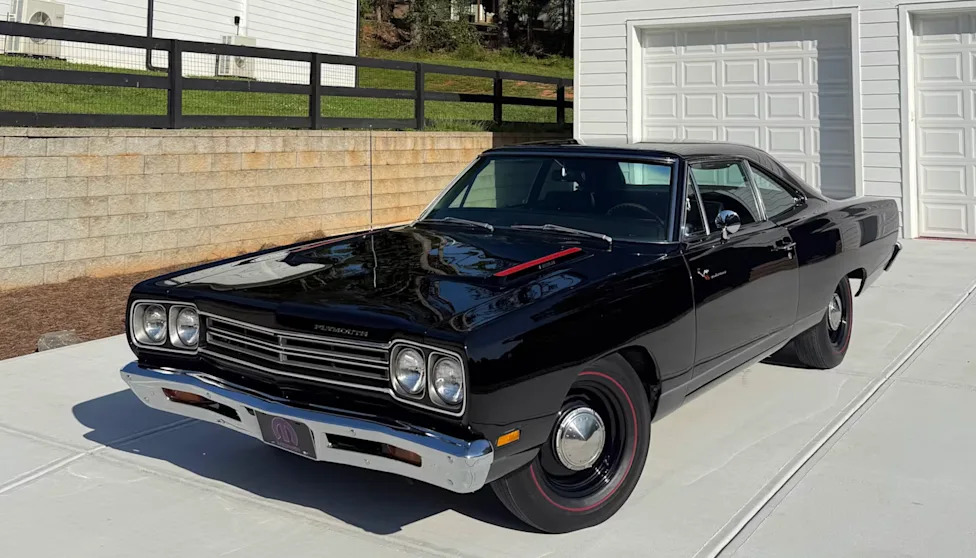
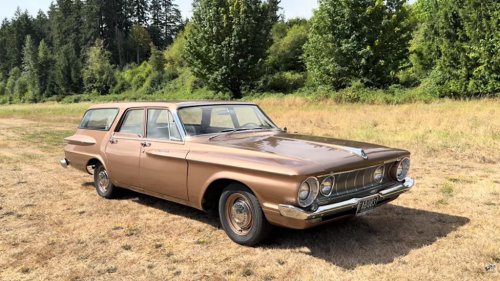
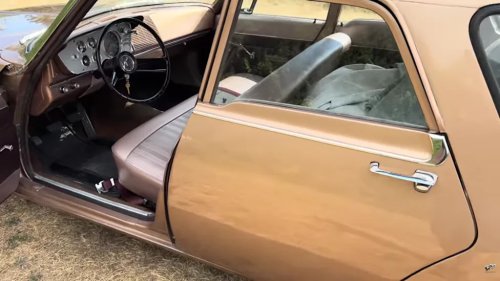
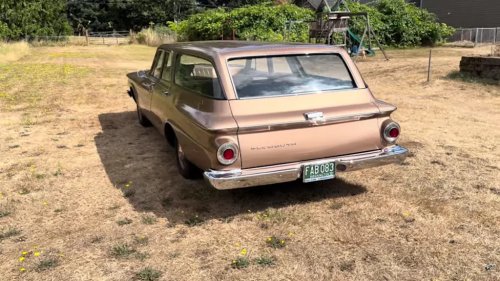
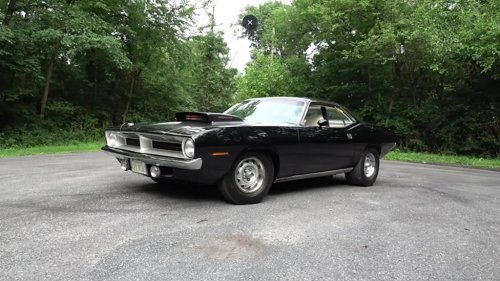
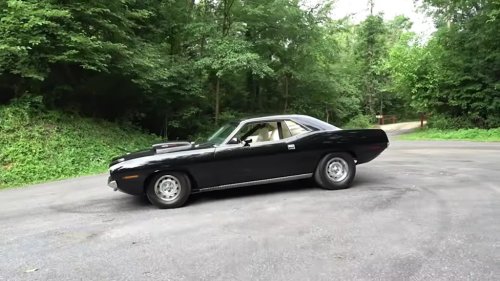
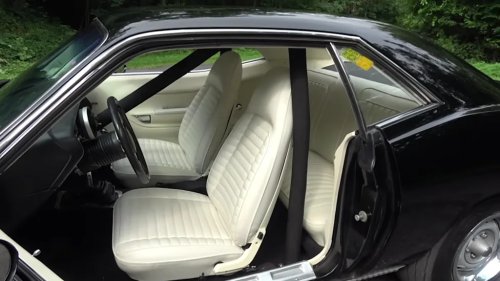
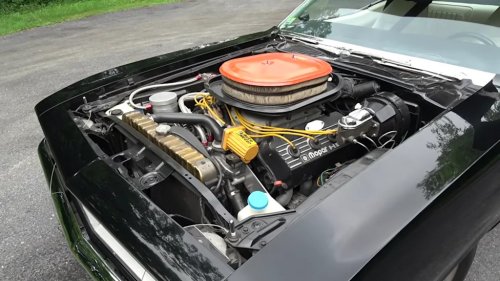
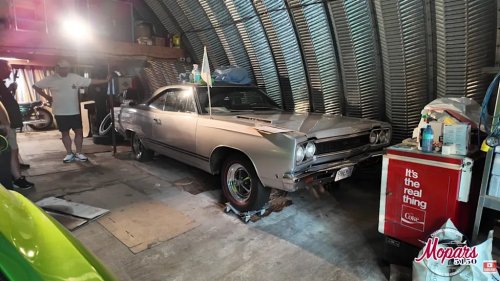
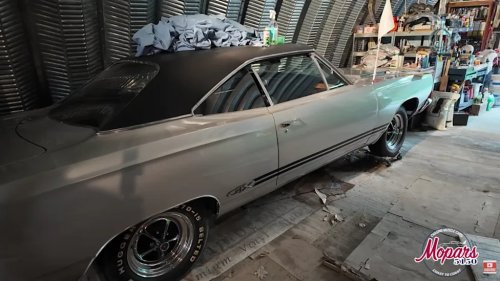
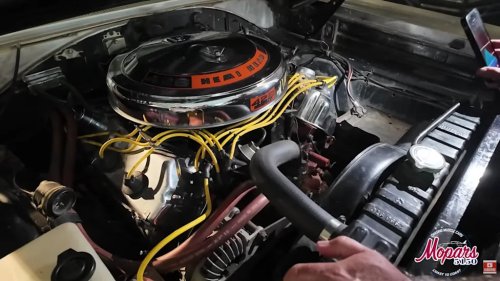
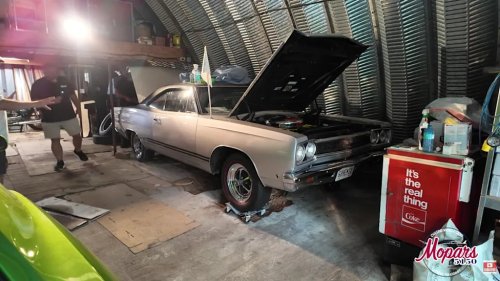
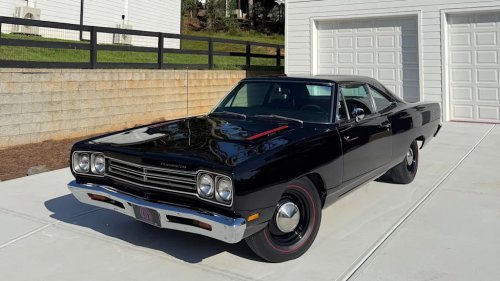
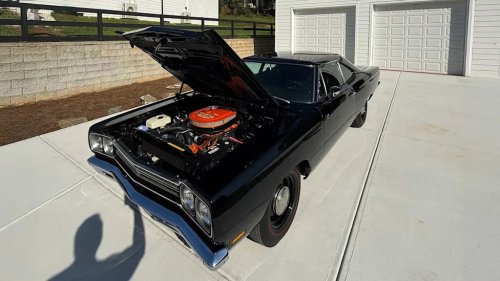
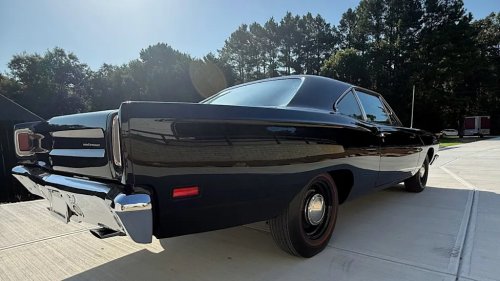
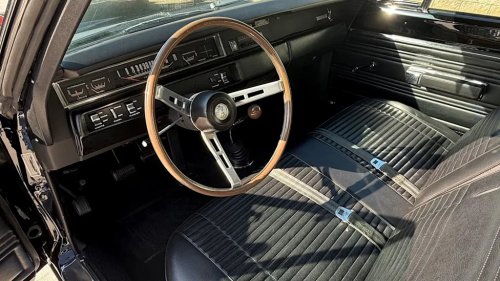
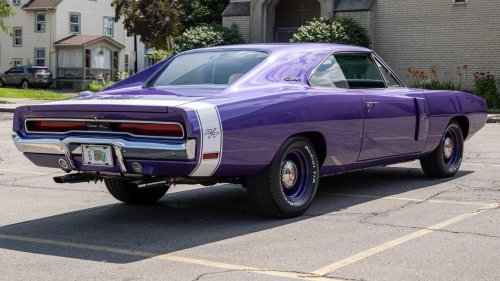
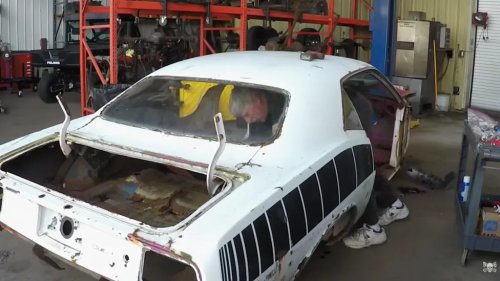
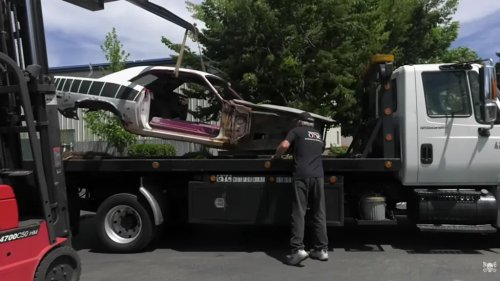
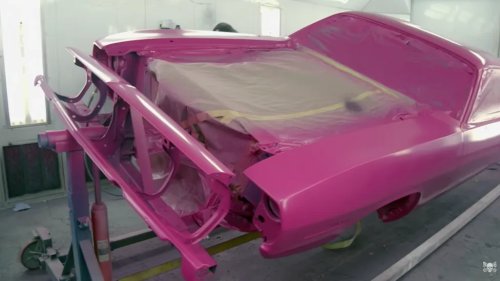
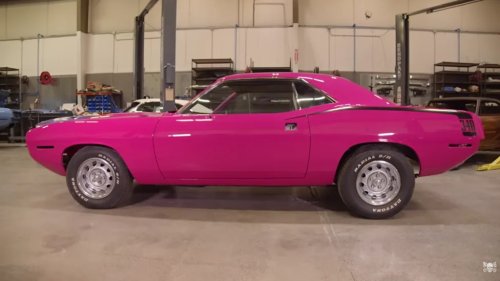
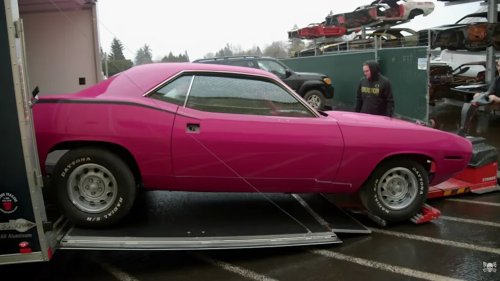
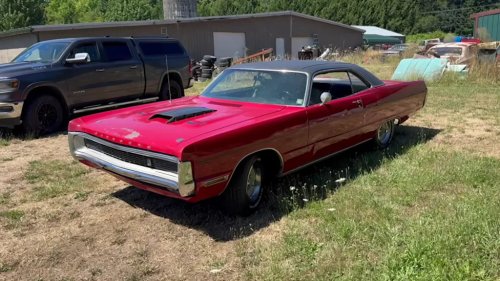
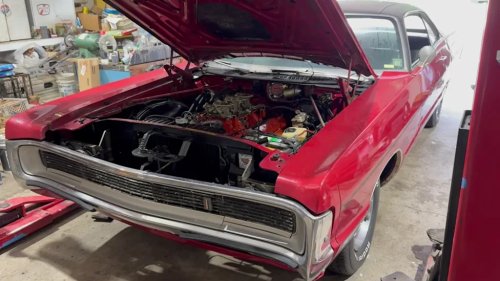
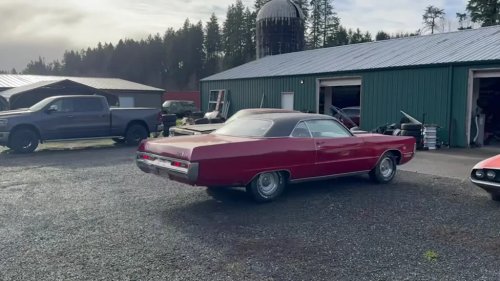
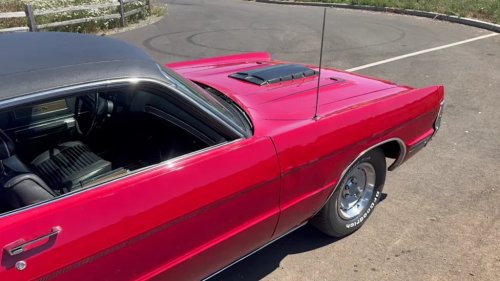
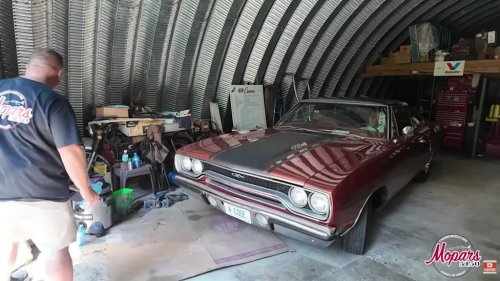
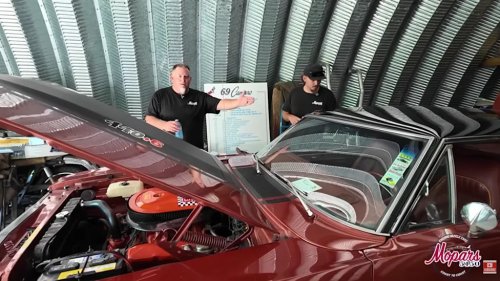
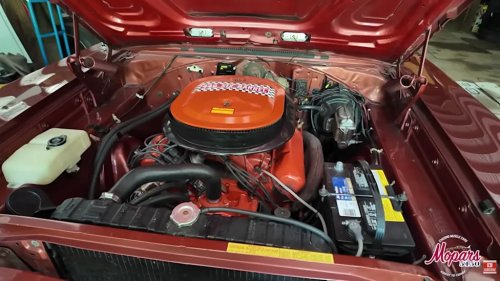
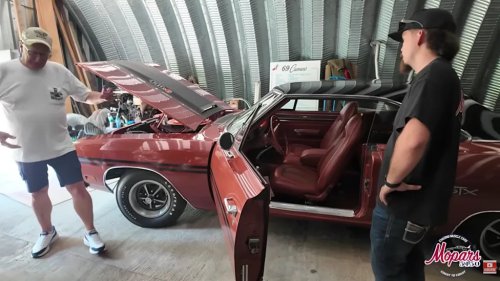
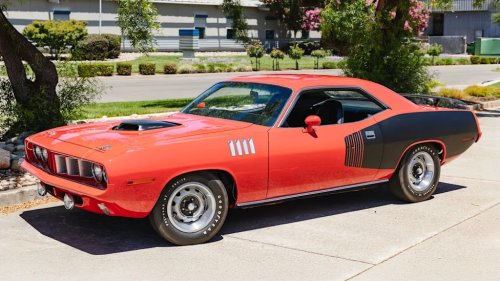
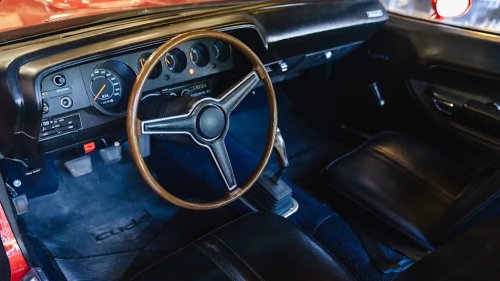
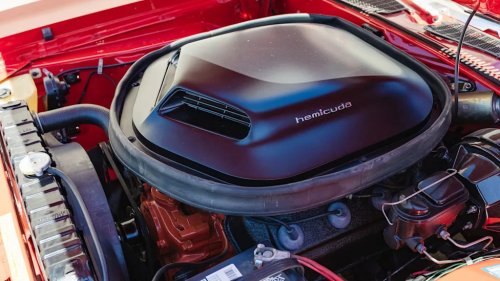
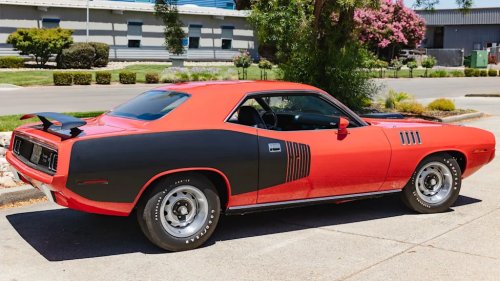
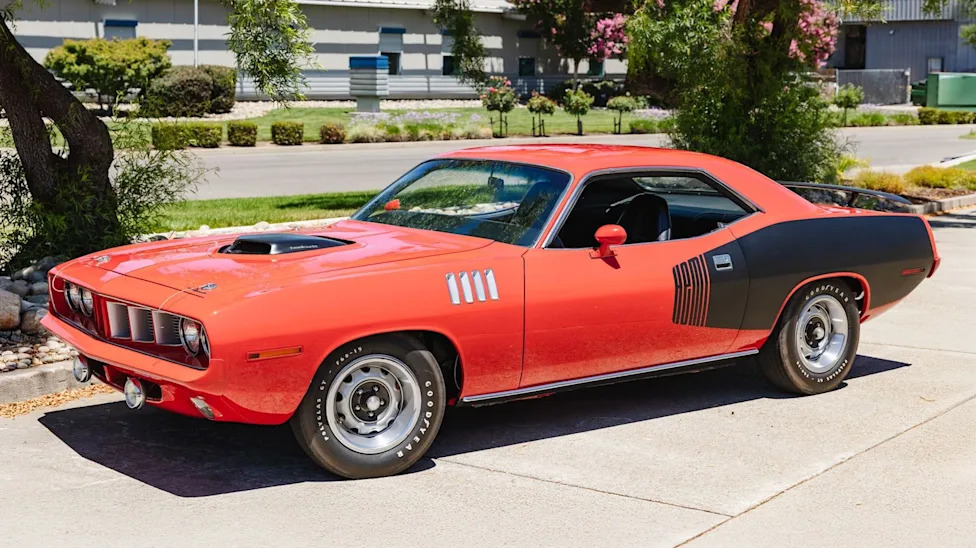
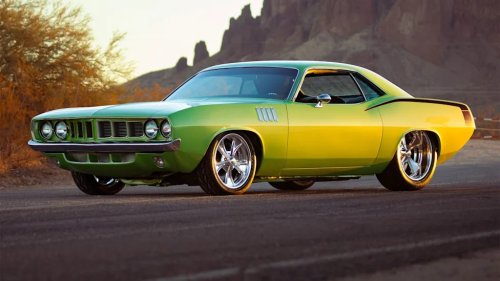
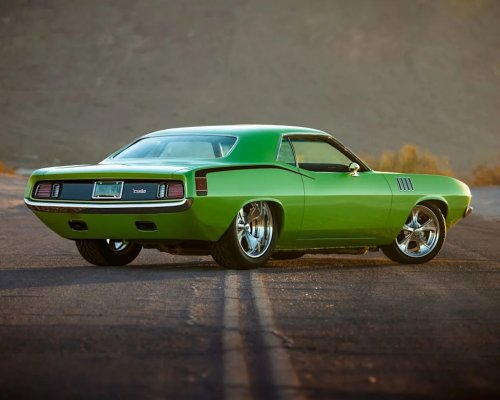
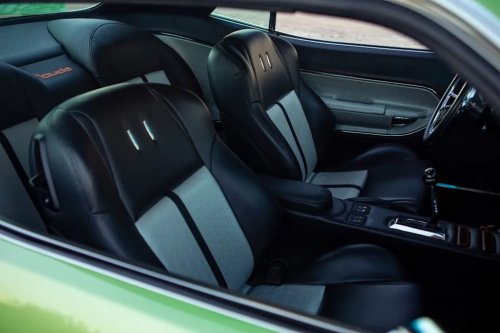
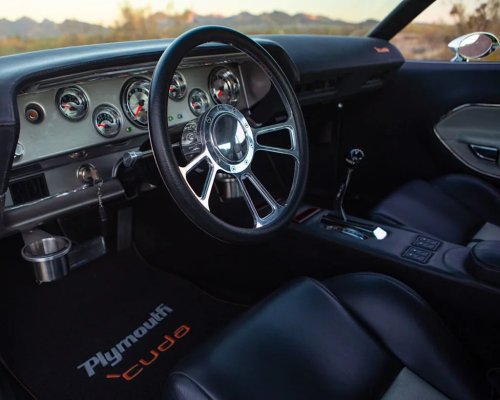
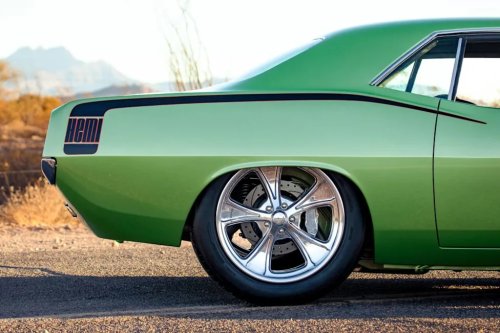
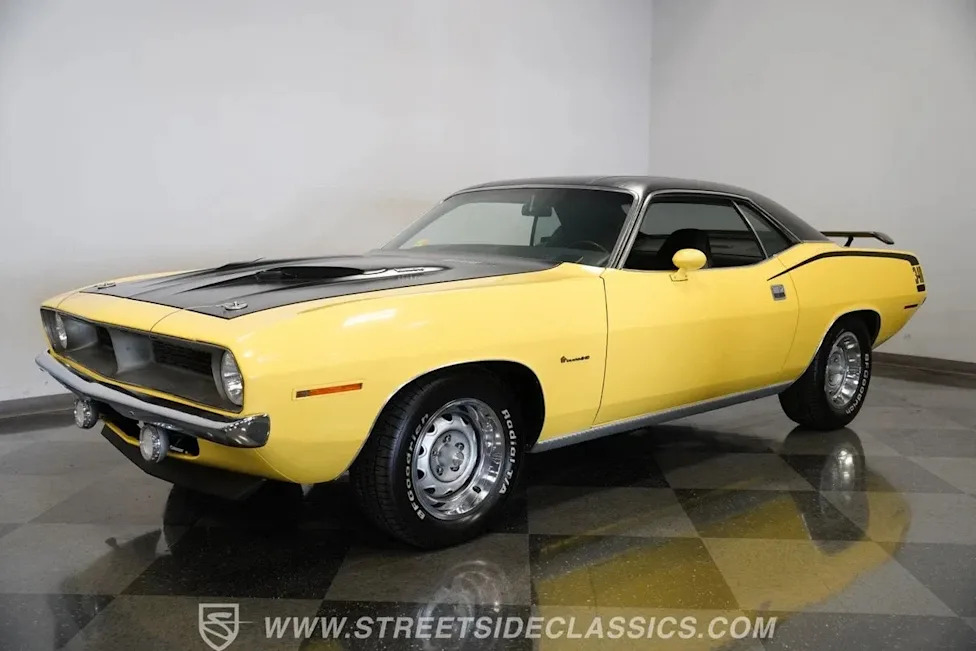
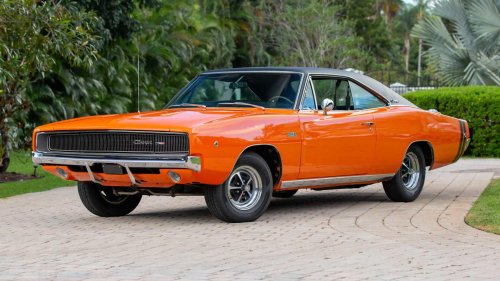
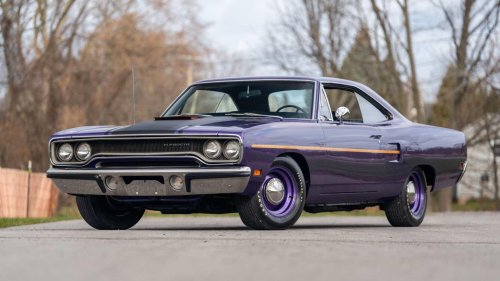
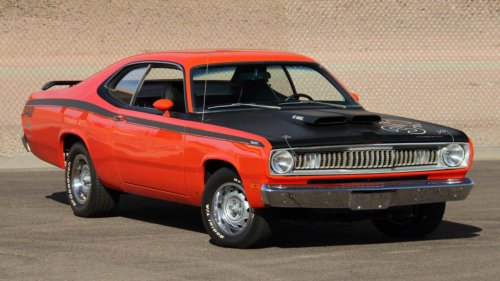
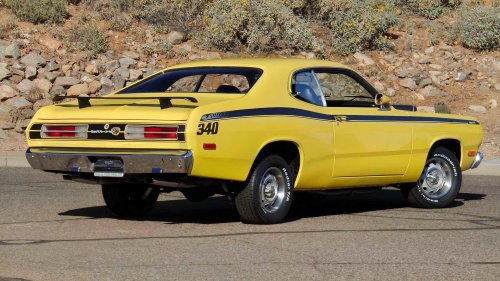
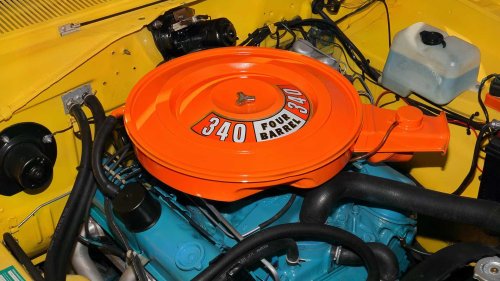
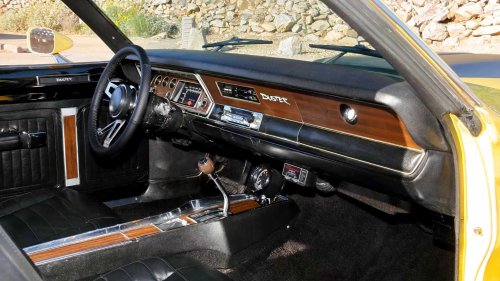
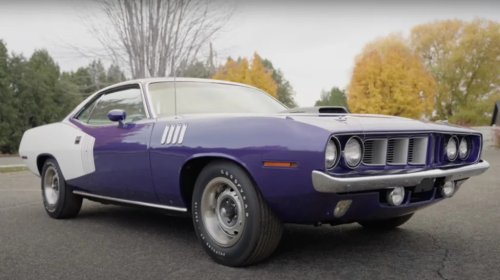
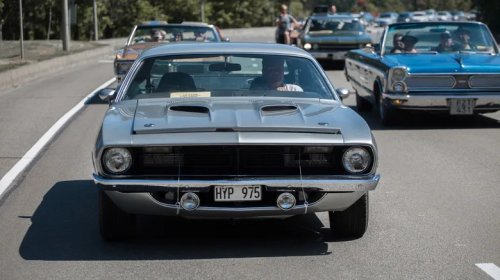
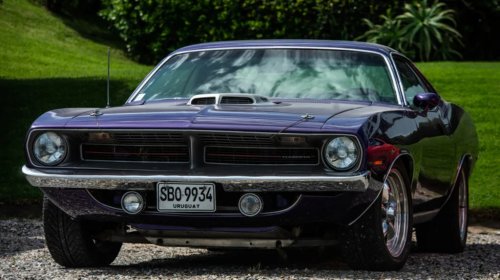
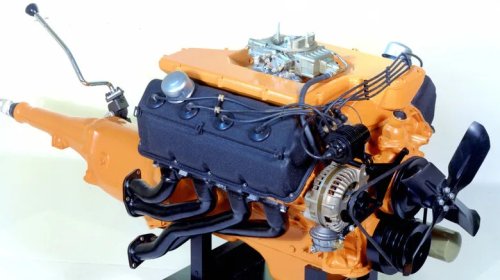
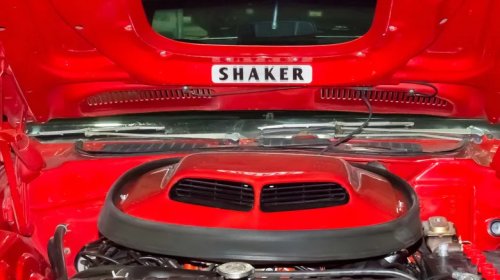
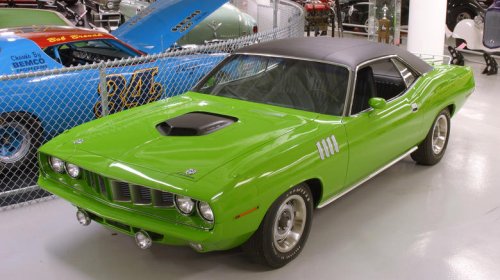
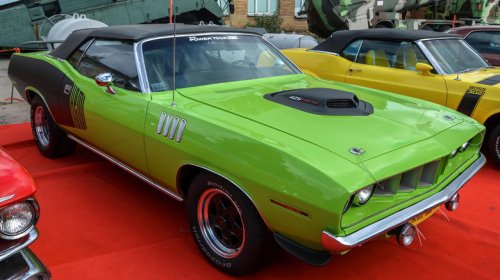
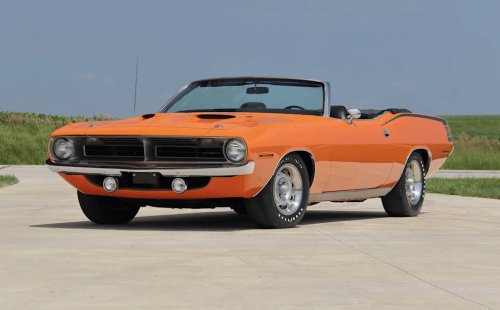
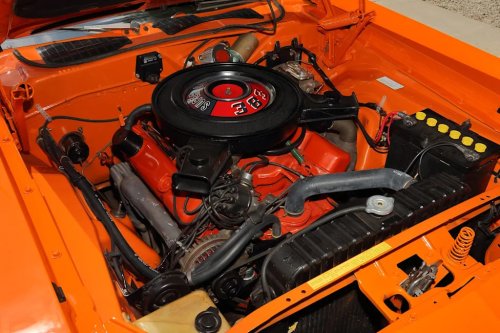
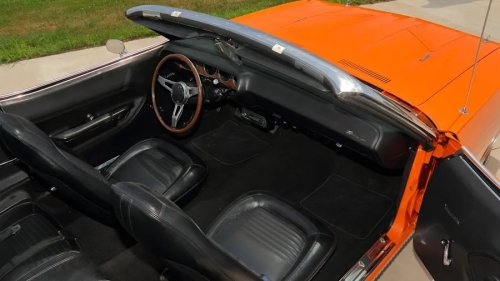
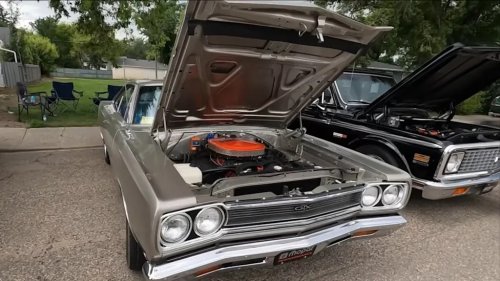
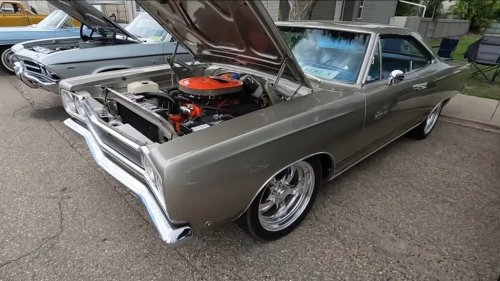
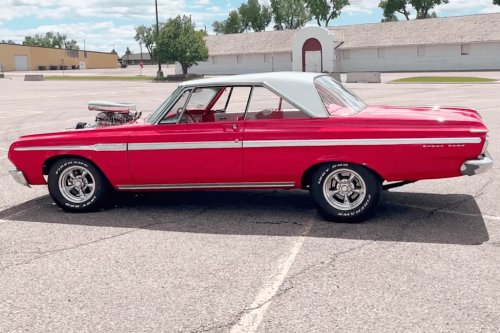
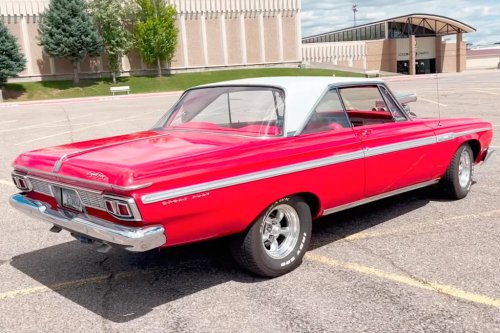
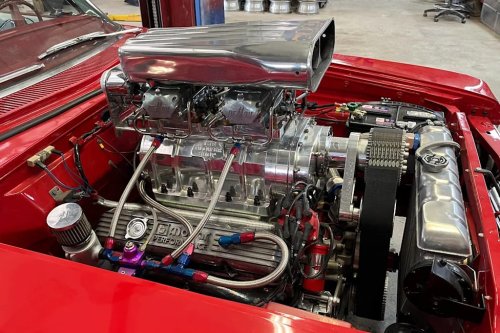
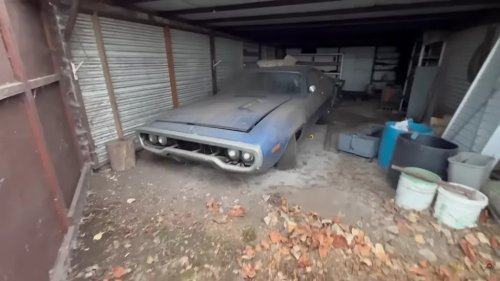
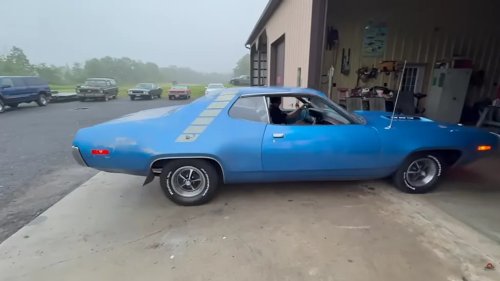
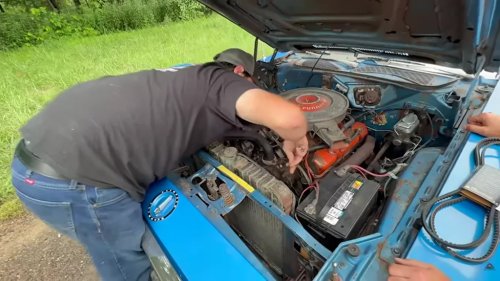
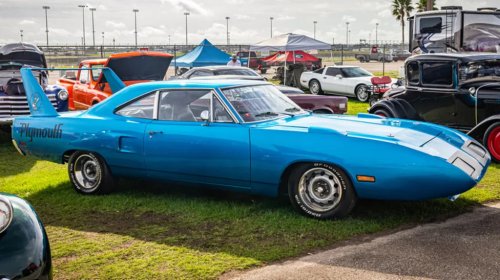
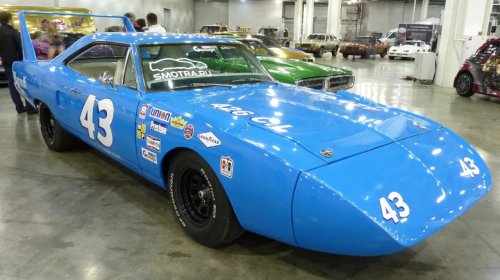
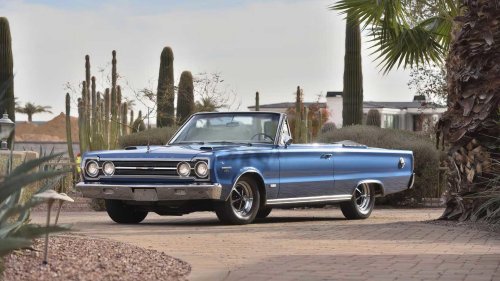
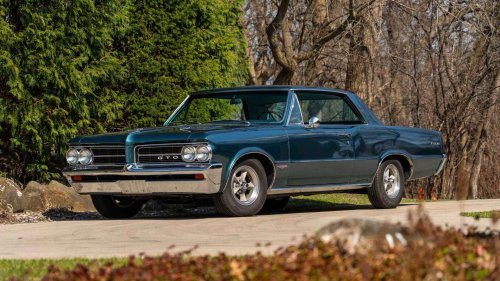
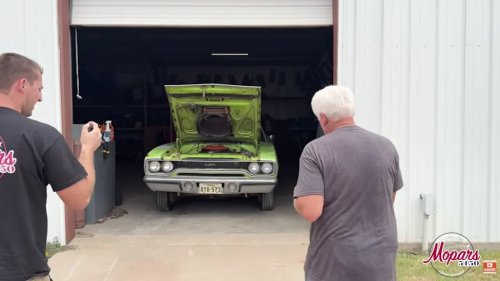
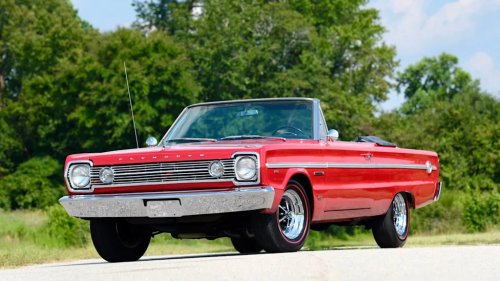
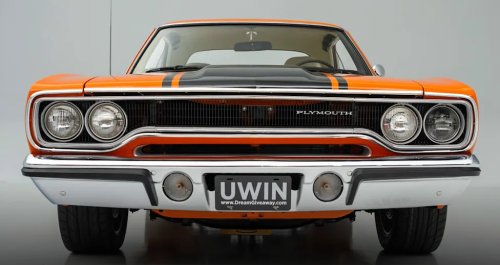
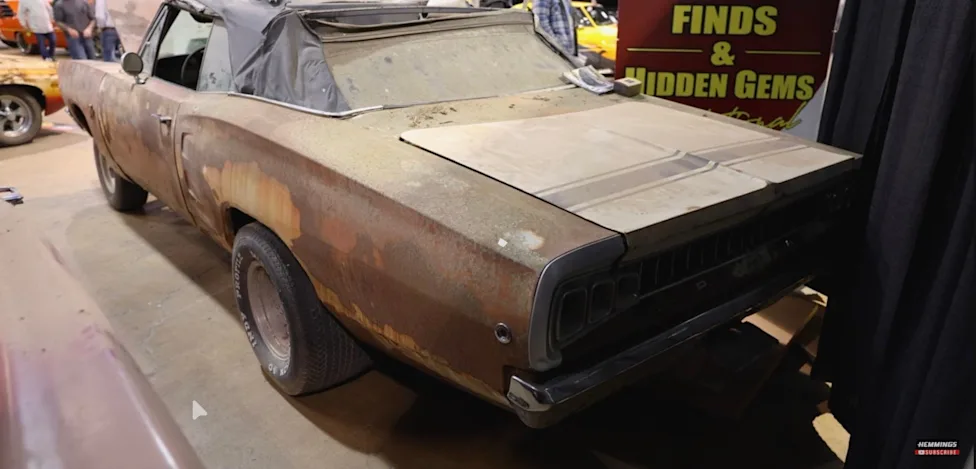
The Auto Archeologist's Rarest Barn Finds of the Year: A Plymouth Cuda, a Corvette, and MoreRyan Brutt has been documenting forgotten cars for years under the banner of the Auto Archeologist—a project that combines the patience of a researcher with the instincts of a collector. His annual roundup, produced in collaboration with Hemmings, is one of the more reliable documents of what serious barn find hunting actually looks like: not the staged surprise of a TV production, but the quiet, persistent work of someone who cultivates relationships and earns access over time.The most recent roundup, which drew nearly 30,000 views on the Hemmings YouTube channel, presented five discoveries that illustrate the full range of what barn find hunting can turn up in a single year.The Plymouth CudaThe most significant discovery in the roundup was a numbers-matching Plymouth Cuda from the early 1970s found in storage with documentation intact. The 'Cuda—short for Barracuda, applied to the performance variants of Plymouth's pony car—occupies a special position in the muscle car hierarchy. The 1970–1971 models are particularly prized: the 426 Hemi 'Cuda convertible is routinely cited as one of the rarest and most valuable American production cars ever built, with auction results occasionally reaching seven figures for the best examples.AdvertisementAdvertisementThe car Brutt found was not a Hemi car, but it was a genuine numbers-matching example with its original engine and drivetrain, original title documentation, and a condition that reflected careful storage rather than neglect. Cars like this—honest, documented, unrestored—represent exactly what the preservation-focused segment of the collector market has been paying premium prices for.The CorvetteThe C2 Corvette (1963–1967) has long been regarded as the purest expression of the early Corvette aesthetic—particularly the 1963 split-window coupe, which remains one of the most recognizable profiles in American automotive design. The example Brutt documented was a mid-year car in largely original condition, stored long enough that all of the original finishes and materials were intact, with the patina of honest age rather than the effects of poor storage or prior repair work.C2 Corvette values have appreciated substantially over the past decade. Even non-numbers-matching driver-quality examples in popular colors now regularly bring $55,000–$80,000. A documented, numbers-matching car with original paint and interior is a different tier entirely.The Heavy ChevyAmong the less immediately famous but genuinely interesting finds in the roundup was a Heavy Chevy—a budget-minded muscle car option offered by Chevrolet on the Chevelle platform in 1971–1972. The Heavy Chevy deleted some of the SS trim and features in exchange for a lower price, producing a car that was essentially an SS without the badges. Survivors are uncommon because they were thoroughly used as everyday transportation rather than pampered as show cars.The WagonThe station wagon segment of the muscle car era has developed into a genuine collector category in its own right. The high-performance wagons of the late 1960s and early 1970s—the Pontiac Safari, the Chevrolet El Camino, various Dodge and Plymouth utility haulers—were built on the same platforms and often with the same engines as the cars that became famous, but have historically sold at a fraction of the price. That gap has been narrowing.AdvertisementAdvertisementThe wagon Brutt documented was a rare example of a performance-spec wagon with its original drivetrain and documentation—the kind of car that five years ago would have sold quietly to an enthusiast at a modest price, and today generates real competition at auction.What the Auto Archeologist's Work DemonstratesWhat distinguishes Brutt's approach from television barn find content is the emphasis on documentation and history over drama. His finds tend to have paper trails—titles, service records, original window stickers when they exist. The cars are presented with honest condition assessments rather than the kind of optimism that characterizes auction house descriptions.For collectors who take the research seriously, his annual roundup functions as a calibration tool: here is what genuine barn finds look like, here is their condition, here is their documentation, and here is the range of what they represent for a buyer who knows what they're looking at.Related ArticlesAdvertisementAdvertisementThe Truth About Numbers-Matching Muscle Cars—And Why Collectors Still Chase ThemRaced, Parked, and Forgotten: Grandpa's 1969 GTO Judge Sat for Years Before Its ComebackFive Things Every First-Time Barn Find Buyer Gets Wrong (And How to Avoid Them)



















 +52 others