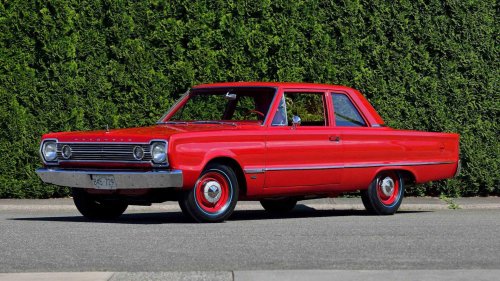
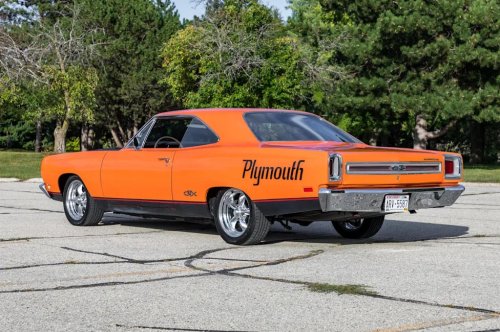
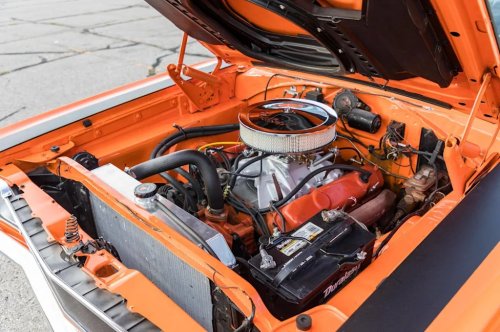
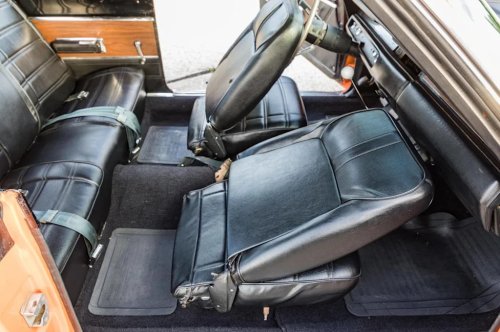
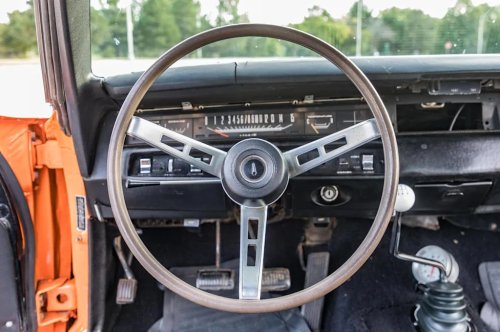
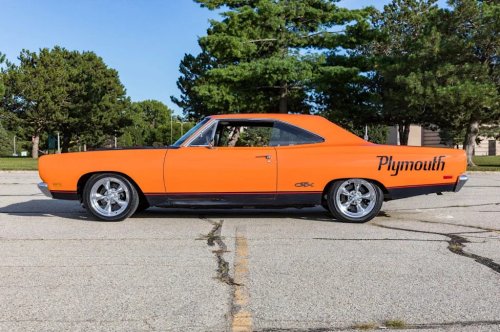
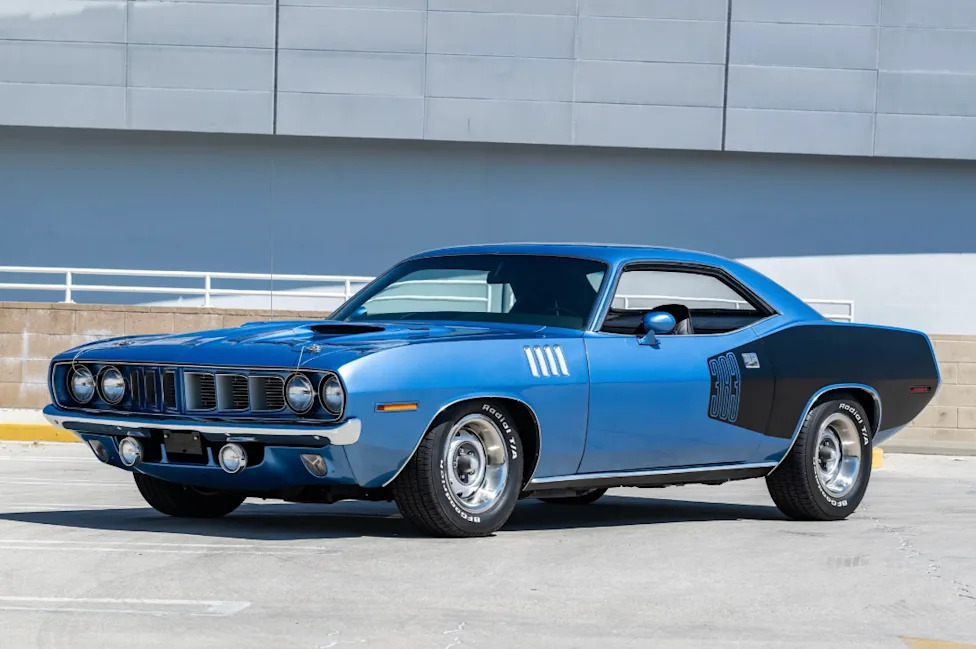
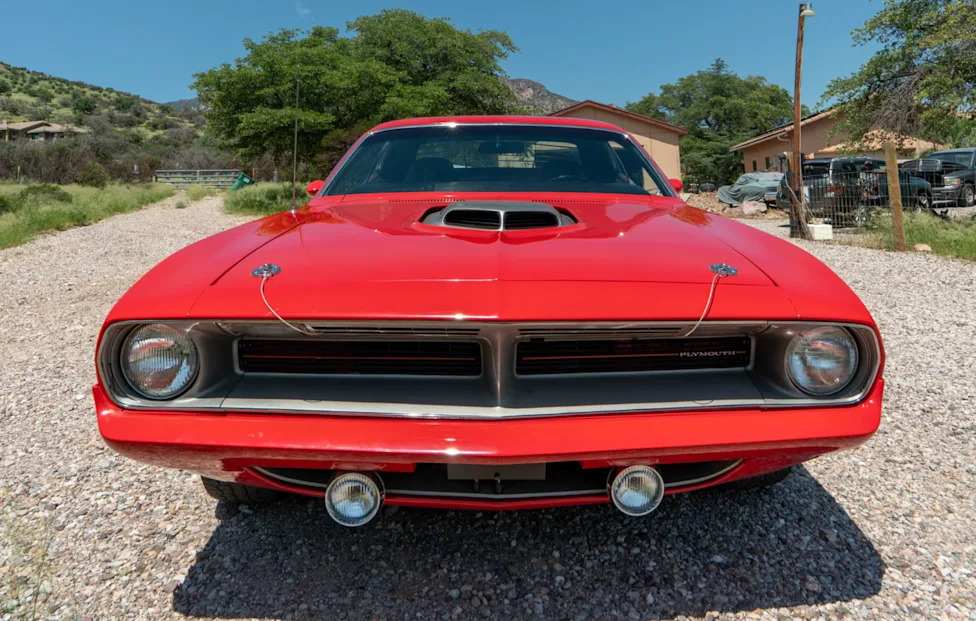
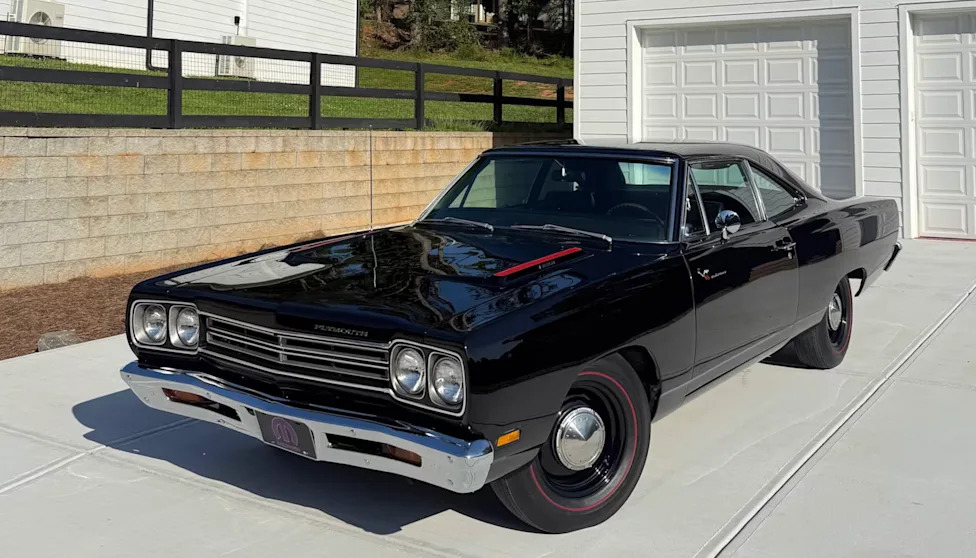
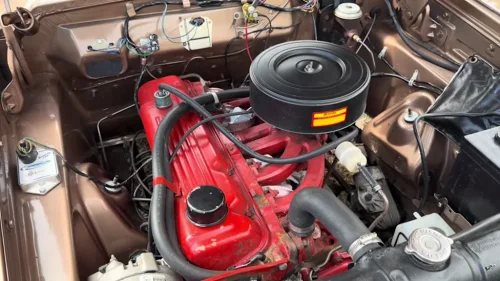
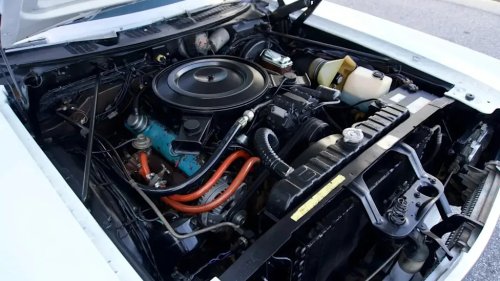
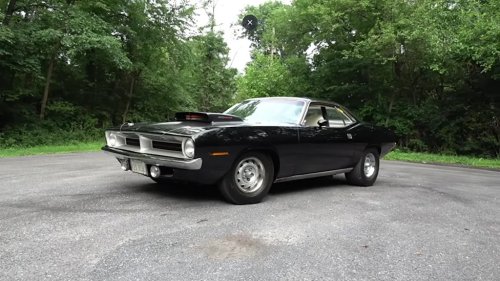
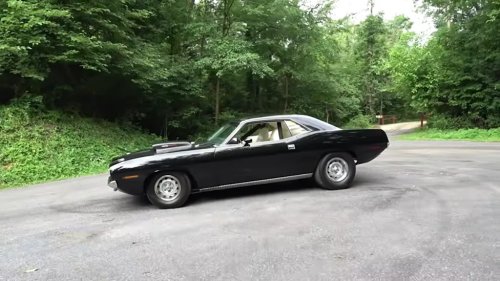
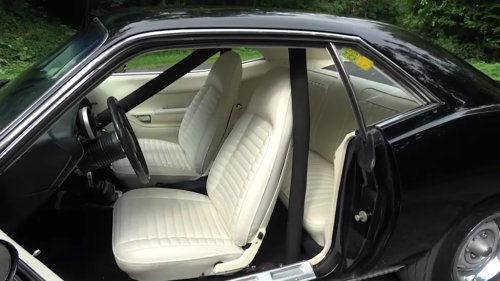
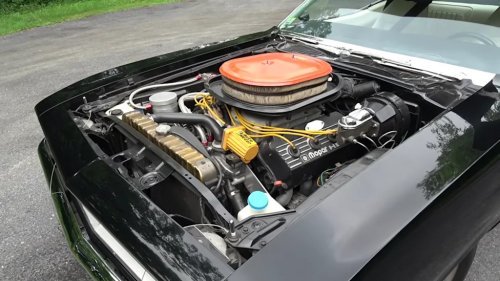
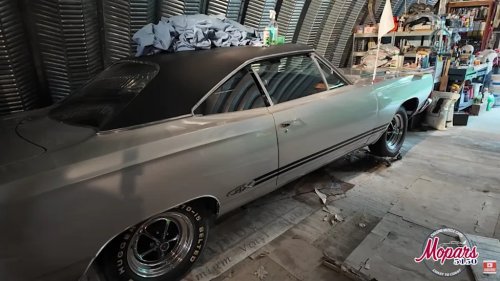
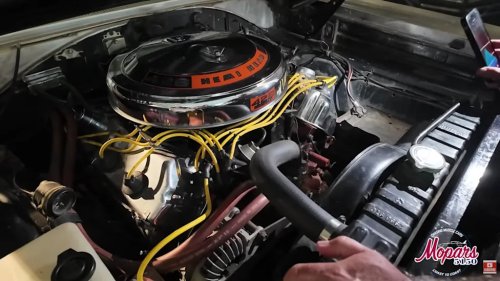
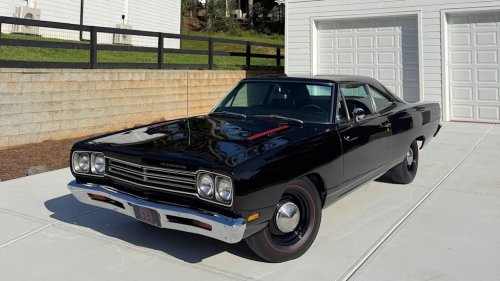
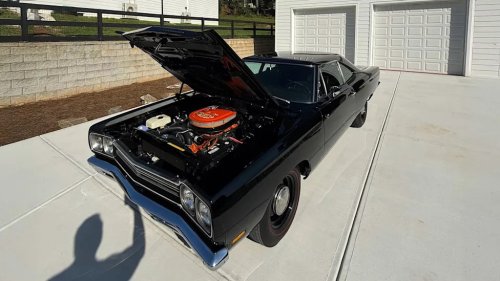
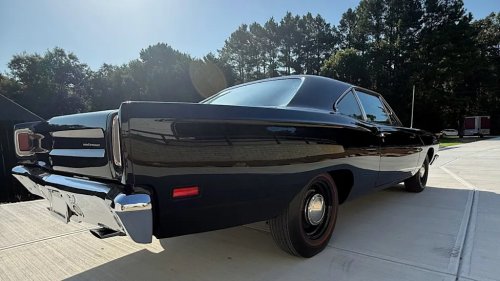
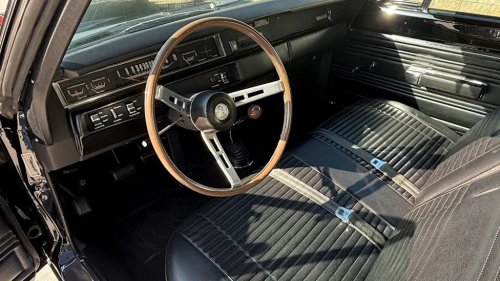
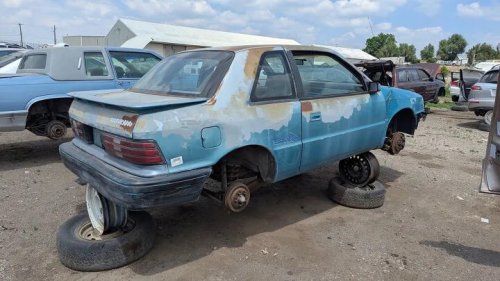
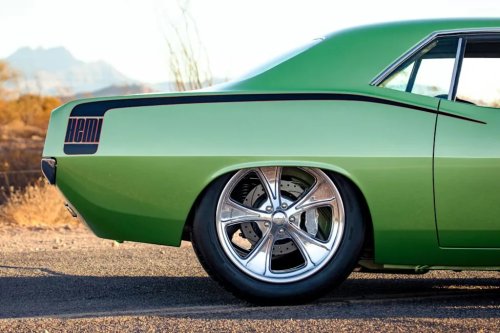
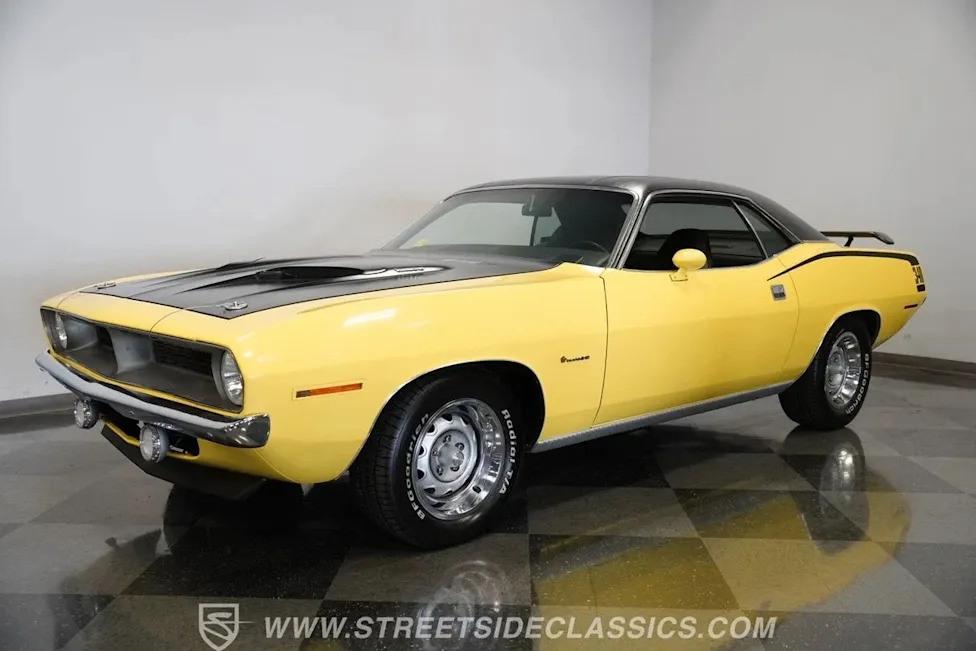
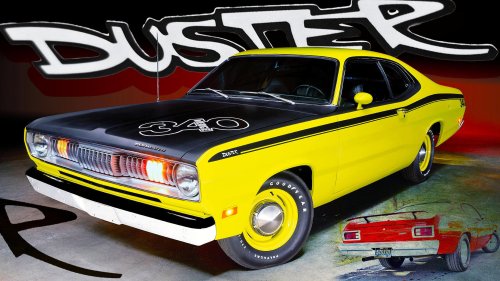
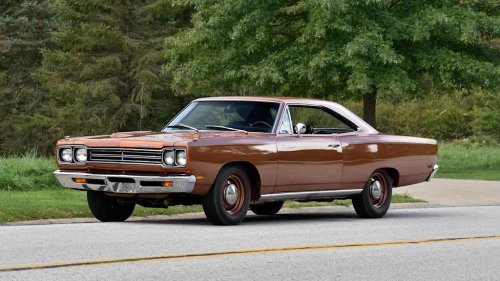
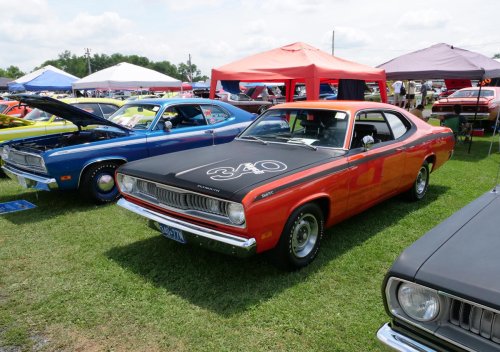
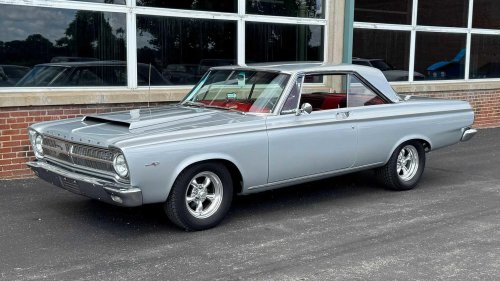
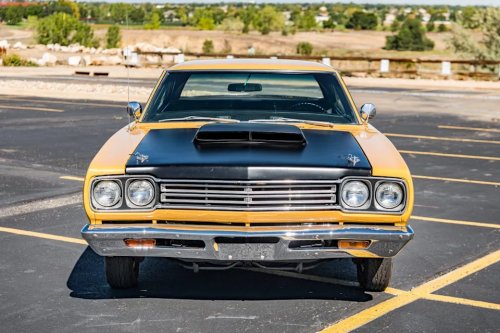
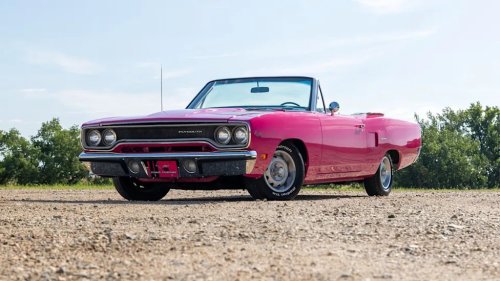
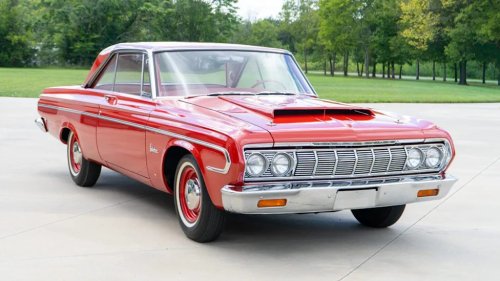
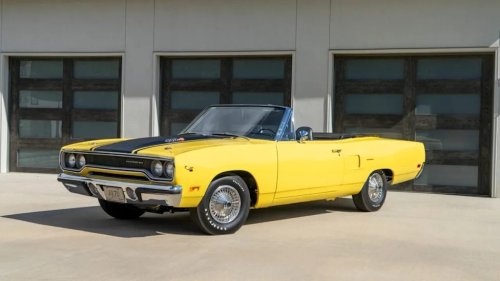
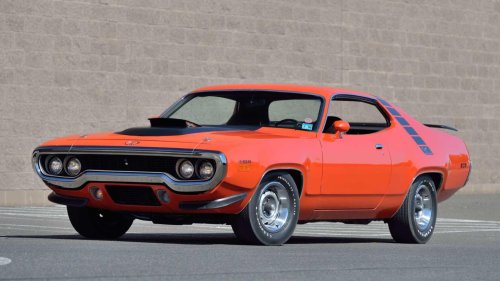
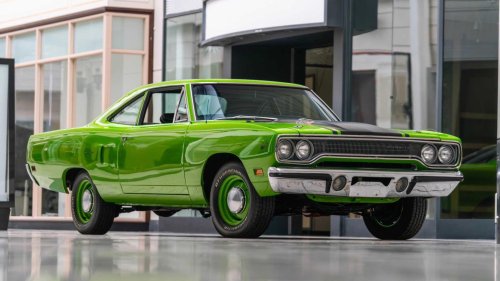
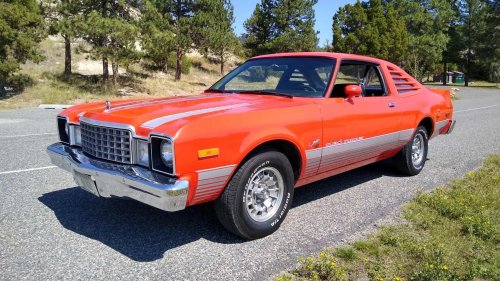
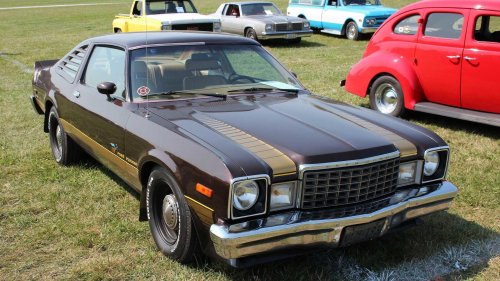
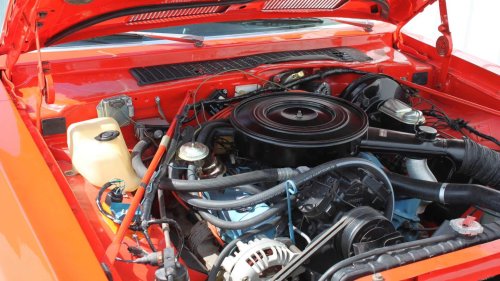
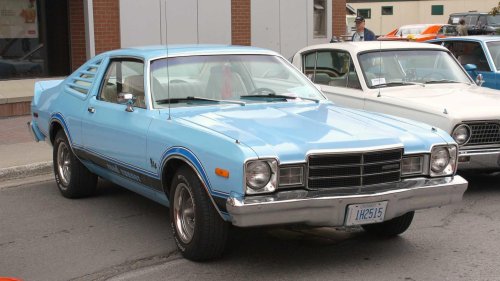
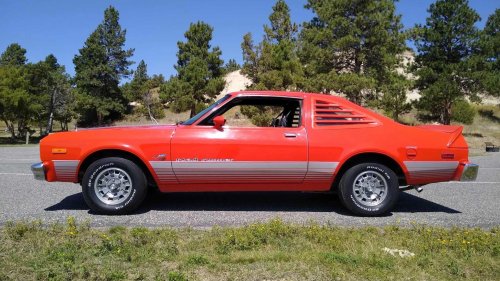
Many factors were killing the muscle car era in the 1970s, including rising emissions standards, insurance premiums, and the gas crisis. But that doesn’t mean automakers like Chrysler went down without a fight. The Detroit Big Three experimented to keep iconic nameplates and the racing movement alive.For example, Chrysler built an extremely undervalued muscle car to try and keep a legendary title alive. However, the muscle car is unfairly dismissed by purists despite serving as an affordable way to enter the Mopar R/T V8 era. This car is often cheaper than a clean Honda Civic and doesn’t deserve to be overlooked.Sure, this Plymouth Road Runner variant ran into a few crucial problems, but it still came out on the other side rocking plenty of power. It has enough muscle to smoke the Pontiac Trans Am on a quarter-mile strip, and that’s nothing to sleep on. It might be worth scooping this model up before its secret gets out. Chrysler Really Wanted To Keep The Road Runner Name Flying MecumThe Plymouth Road Runner name is pretty important to Chrysler and its muscle heritage. It was an affordable alternative to the Pontiac GTO that dropped in 1968. This muscle car was an immediate success with its affordable raw power, and sales exploded. The Road Runner quickly became one of the most popular models available.Unfortunately, its 426 cubic-inch Hemi and 440 six-barrel engines struggled to meet increasing emission standards. Rising gas prices and soaring insurance premiums also started turning buyers away from gas-chugging V8 performance cars. As a result, buyers turned their attention to smaller, more fuel-efficient rides.The Plymouth Road Runner was discontinued in 1975. It was rebadged as the Plymouth Fury with the mid-size B-body platform. You may know it as the formally named Plymouth Satellite, but that name was dropped as the Fury line gained the top-tier, high-performance two-door coupe.MecumDrivers ignored the package on the remodeled, smaller and boxier Fury. Only 7,100 models were produced as sales dropped. It didn’t cut the mustard as it lacked the racing heritage and raw performance that its predecessors from 1986-1972 had to offer. Chrysler’s team needed to go back to the drawing board. The Plymouth Volaré Got The Road Runner Package Bring A TrailerWhen the A-body Plymouth Valiant and Duster went out to pasture, they were replaced by the Plymouth Volaré in 1976. This car uses the F-body platform and needed a little extra spice, so it gained the available Road Runner package. As a result, the Plymouth Volaré Road Runner was available from 1976 until 1980. On the Dodge side, its twin is known as the Dodge Aspen R/T.This muscle car came standard with a 318 cubic-inch 5.2-liter V8 engine with 120 to 175 hp and 240 to 255 lb-ft of torque depending on carburetor configuration. You could upgrade to the 360 cubic-inch (5.9-liter) V8 engine for 195 hp and 280 lb-ft of torque. The Volaré Road Runner can accelerate from 0 to 60 mph in about 8.6 seconds with a quarter-mile time of about 15.8 seconds and a top speed of 115 mph.The 1977 features a standard 400 cubic-inch (6.6-liter) V8 engine with 200 hp and 325 lb-ft of torque. This engine helped the Trans Am accelerate from 0 to 60 mph in about 9.1 seconds. It can cover a quarter-mile in about 16.9 seconds with a top speed of 132 mph. Both nameplates were slower than their predecessors. However, on a positive note, they had much better handling, as earlier cars often only accelerated in a straight line.Other features that came with the Plymouth Volaré Road Runner package include a heavy-duty suspension system borrowed from a police package with a rear sway bar, upgraded E70x14 raised white-letter tires wrapped around Rallye wheels, a front air spoiler, wheel opening flares, louvered quarter windows, a blacked-out grille, and bodyside and rear panel tape stripes to complete the look. Here’s Why The Plymouth Volaré Road Runner Gets DismissedFlickr - Richard SpiegeMopar enthusiasts often turn up their noses at the Plymouth Volaré Road Runner as it’s often referred to as just an appearance package. The muscle lacked the raw power that earlier models had with their big block V8 engines. It’s a Sticker Car, meaning it’s a model that lost its racing power but got an aggressive styling package to try and make up for it.Plus, the F-body platform is a bit notorious for its problems. It quickly gained a reputation for being unreliable due to multiple recalls. The platform is prone to massive rust issues as the unibody construction suffered from severe rot that compromised structural integrity. Owners were plagued by rusting floorboards, lower quarter panels, frame rails, door bottoms, trunks, and spare tire wells.So many F-body cars were consumed by rust that it prompted Chrysler to release a 36-month anti-corrosion warranty in 1979 to try and turn its reputation around. The automaker was trying to win drivers back and promote its revised anti-corrosion protection process after the 1976 models were rushed into production. For three years, the car’s sheet metal was protected from completely rusting through.MECUMOther recalls include a steering disconnection where the steering wheel shaft disconnects from the rest of the system, engine stalling due to problems related to early emissions systems, suspension and braking component failures, hood latch failures, and multiple fire hazards due to leaky fuel hoses and missing muffler heat shields.The Plymouth Volaré was discontinued in 1980 as it struggled to meet increasing emissions standards. Its power was limited to 155 hp. Also, the market was shifting away from rear-wheel drive platforms to modern front-wheel drive K-cars with transverse engines. Also, Chrysler was eager to replace the Volaré after it proved to have so many severe issues. The Plymouth Volaré Road Runner Hides In Plain Sight Despite Being Rare Flickr - Richard SpiegeThe rust issue was so bad that most Plymouth Volaré Road Runner models were totally consumed and destroyed. About 18,719 models were produced, but collectors and enthusiasts believe that a small fraction of them still survive today. However, it still has value as a rare Sticker Car with attractive, bold aesthetics. It has a distinct 1970s styling and heritage of the malaise era, and they stand out from the crowd with unique characteristics. Plus, they’re affordable, providing a friendly entry point to the coveted Mopar R/T V8 era, and have potential as part bins for other projects, depending on condition and quality.Bring A TrailerProject cars in fair condition that may need body work fetch between $5,000 and $8,000. Models in good, driving condition that are clean and only require minor cosmetic fixes often go for between $8,000 and $14,000. Plymouth Volaré Road Runner examples that have been restored or are in excellent condition sell for $15,000 to over $24,0000.Cars with the more powerful 360 cubic-inch engine that's paired with the four-barrel carburetor often have more value. Also, models with the four-speed manual transmission have more interest than models with the more common three-speed TorqueFlite automatic transmission. The Super Coupe is the rarest package as a 1978-only variant with more aggressive styling.Source: Automobile Catalog, Bring A Trailer



















 +77 others