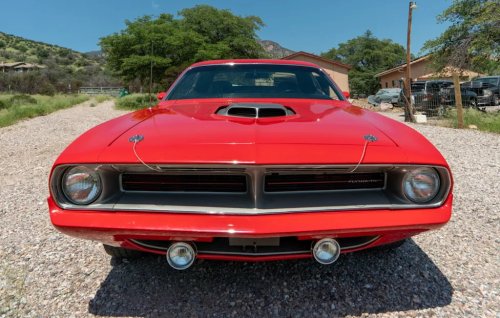
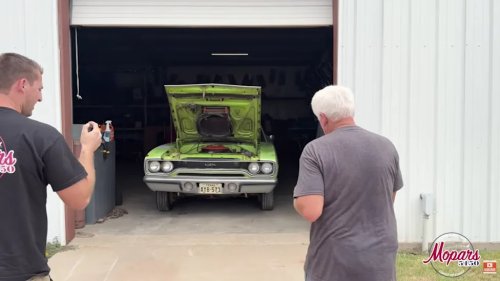
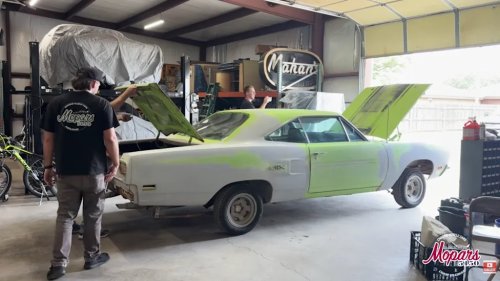
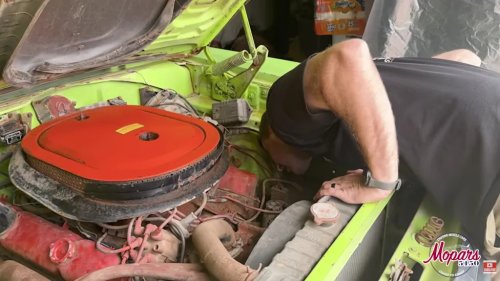
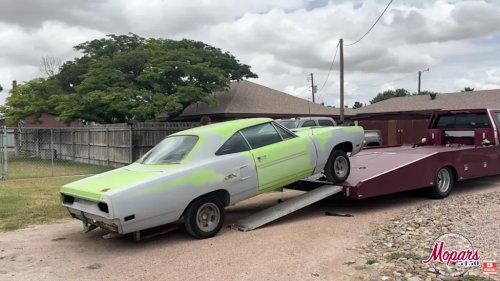
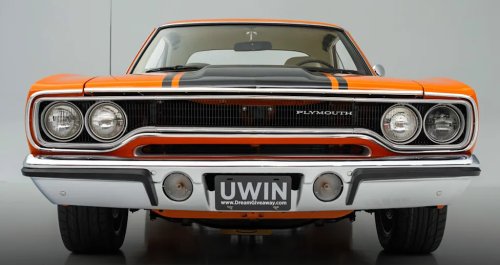
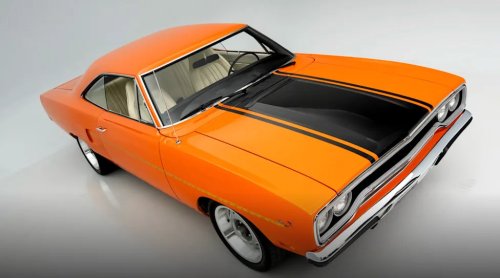
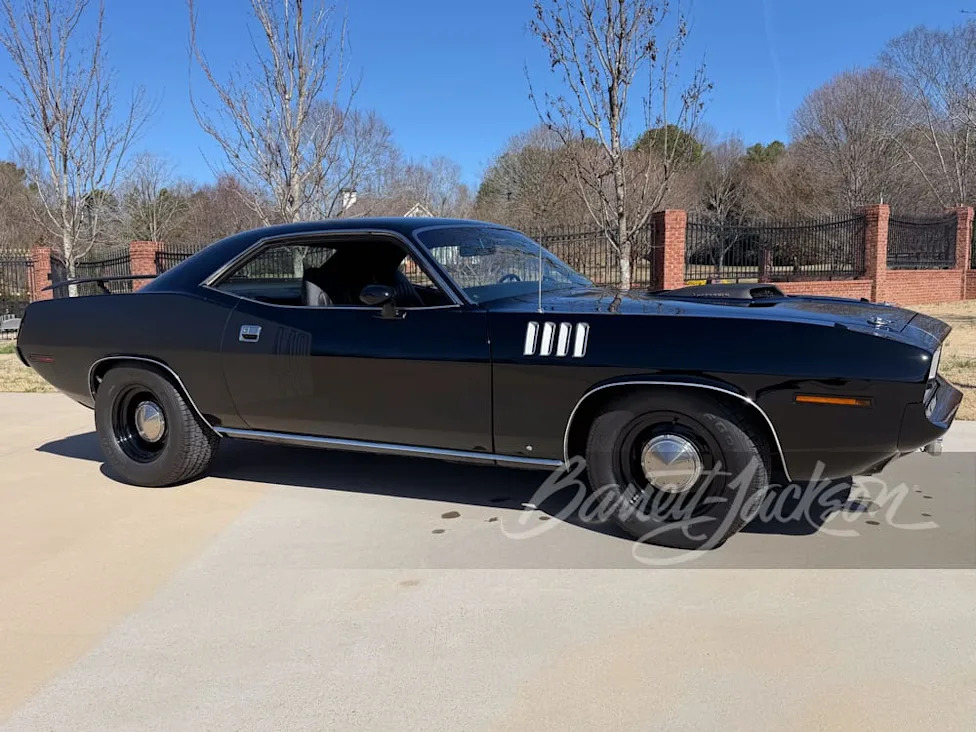
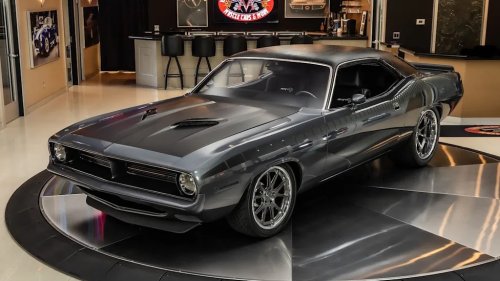
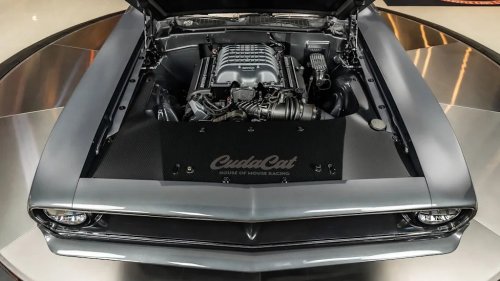
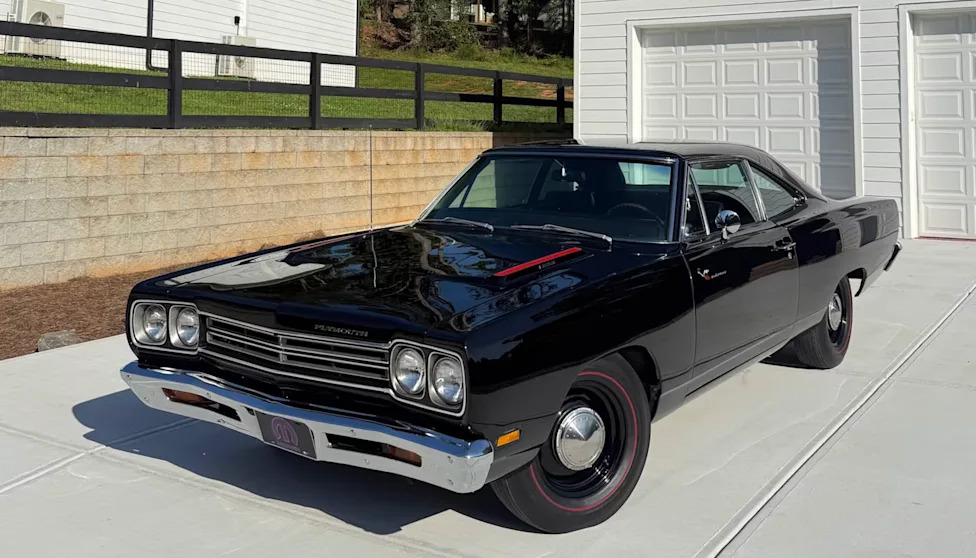
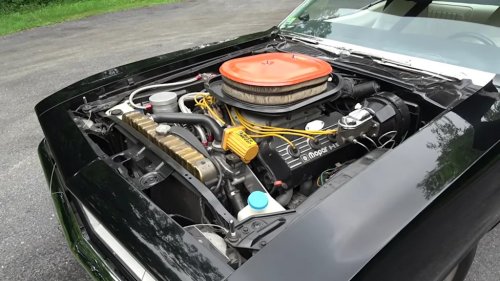
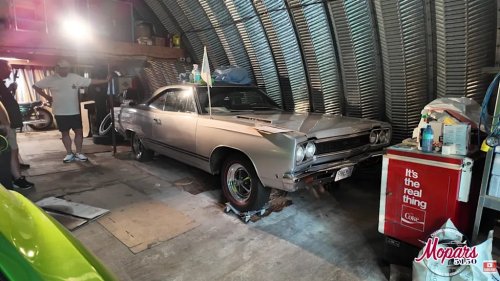
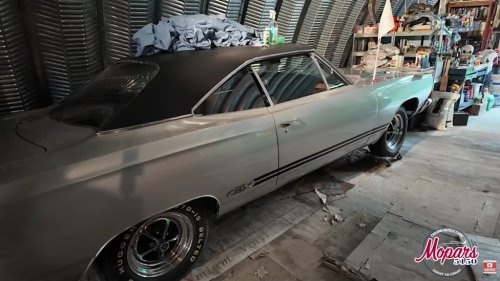
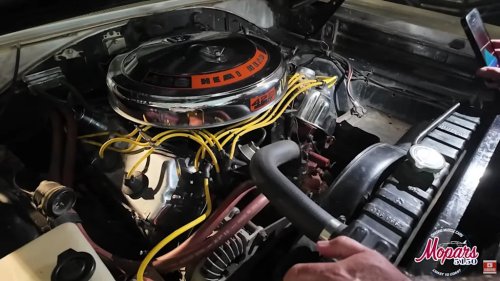
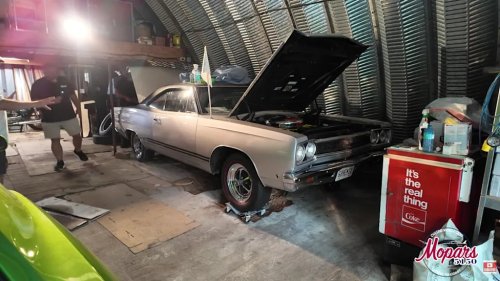
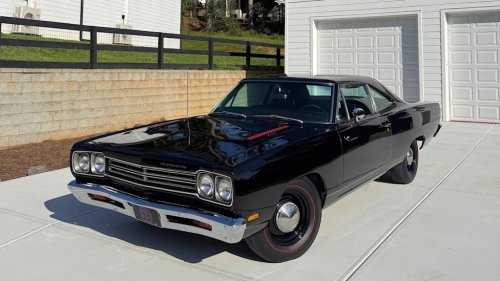
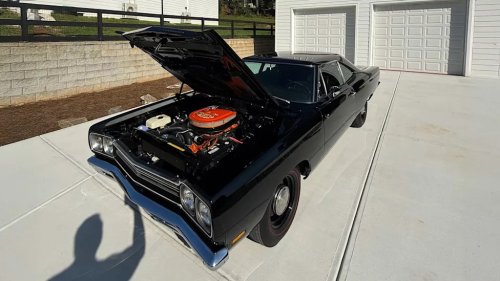
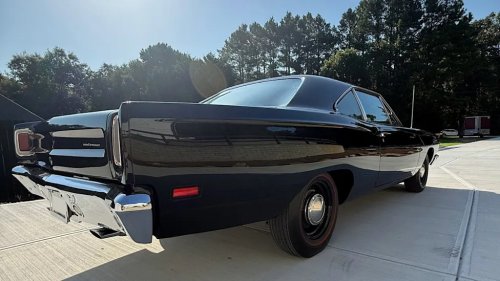
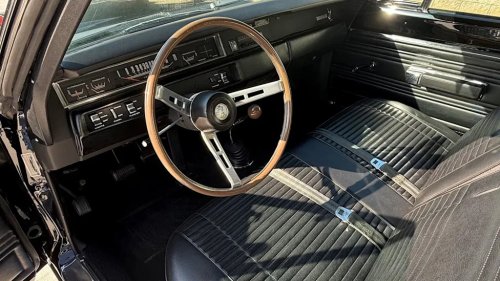
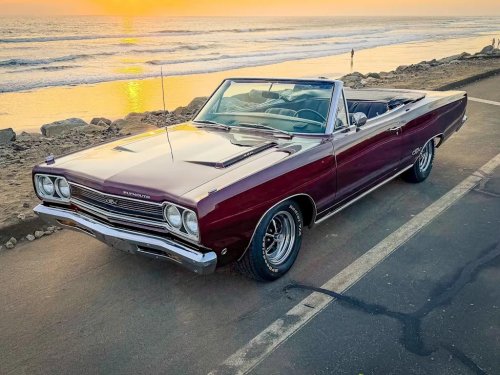
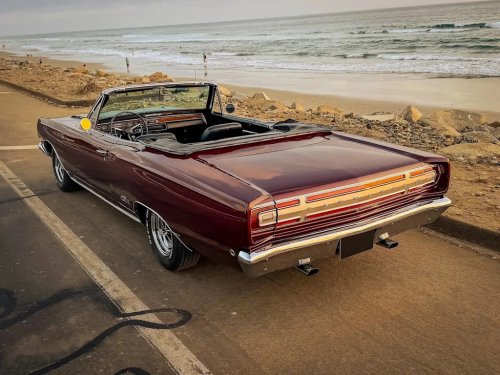
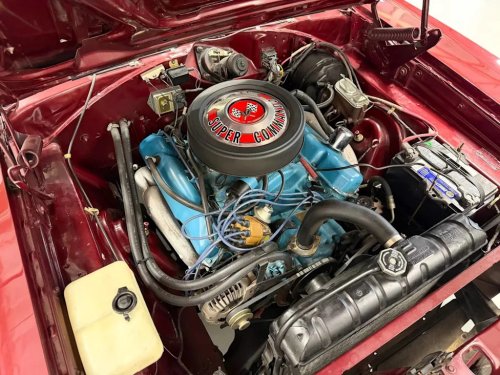
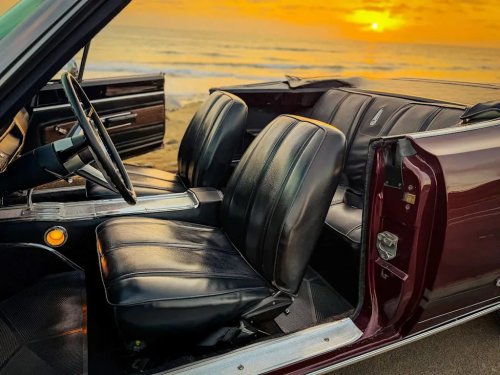
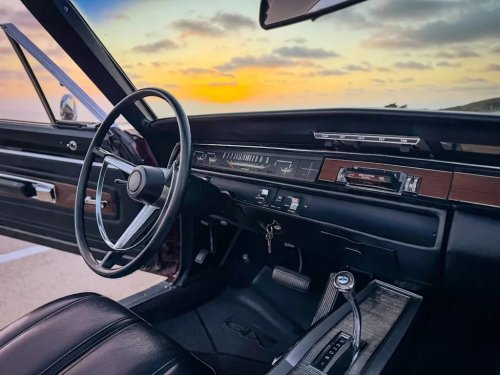
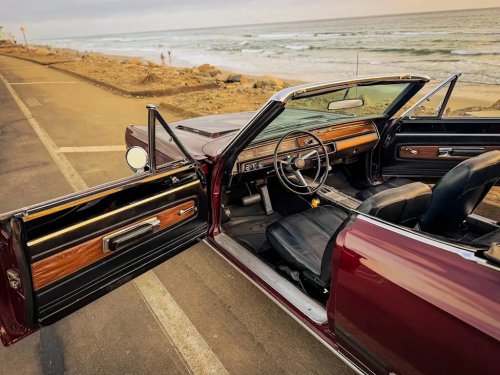
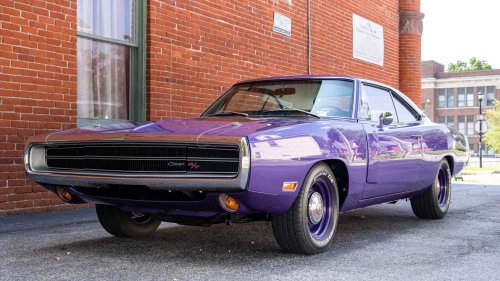
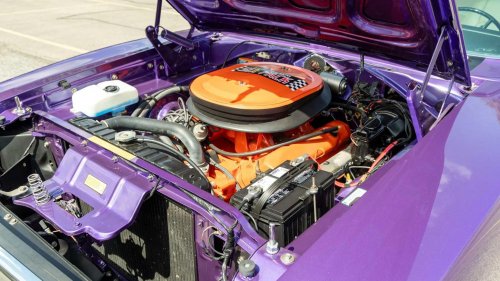
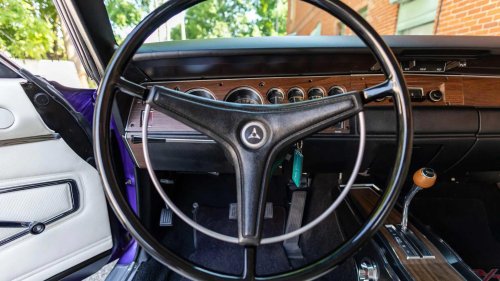
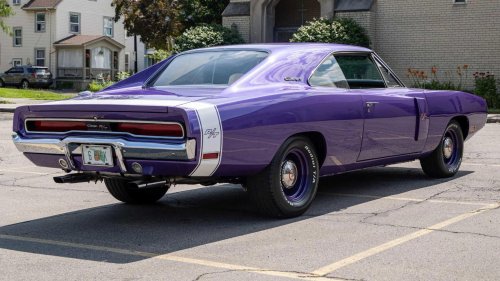
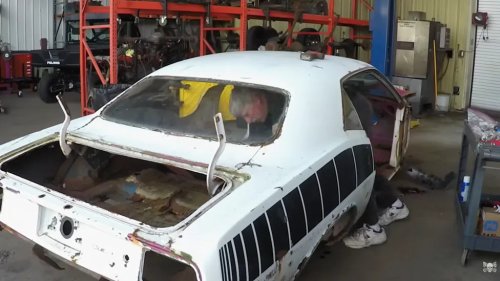
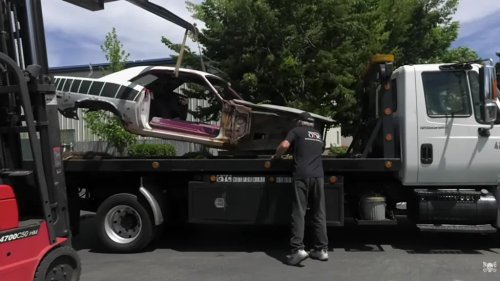
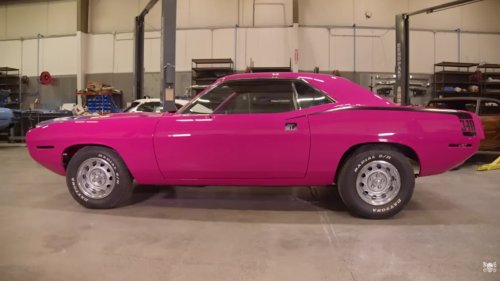
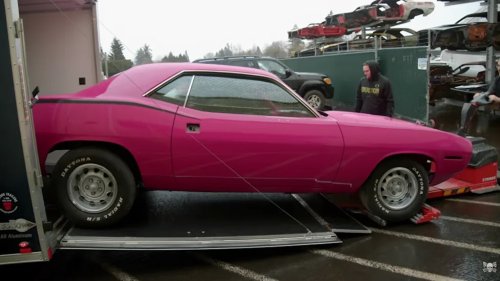
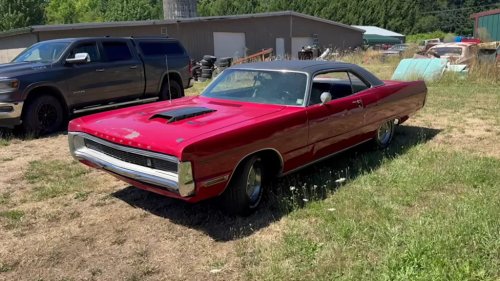
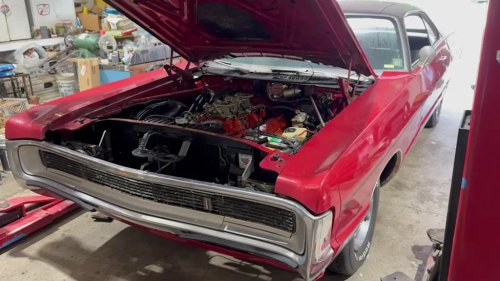
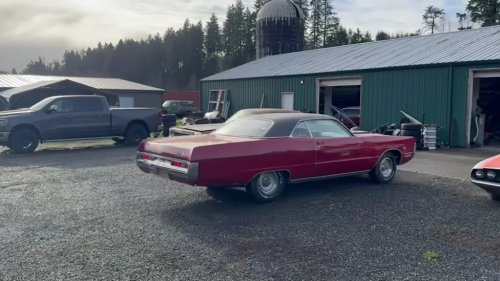
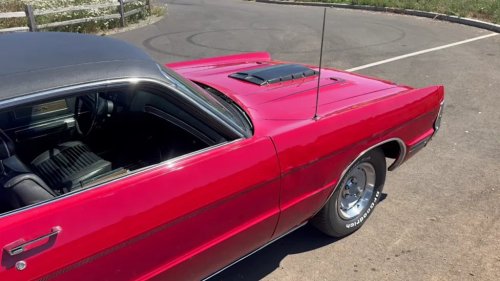
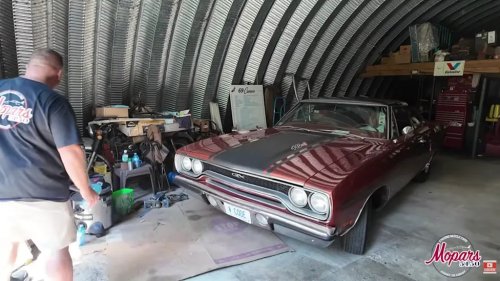
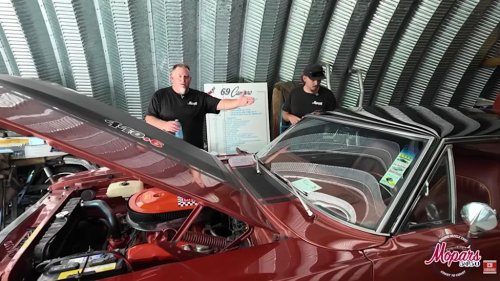
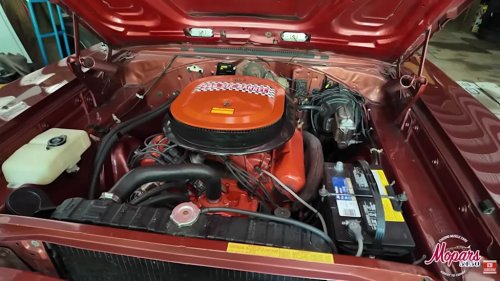
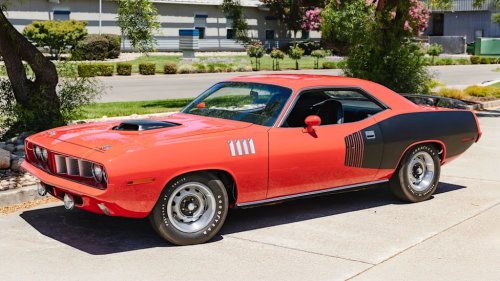
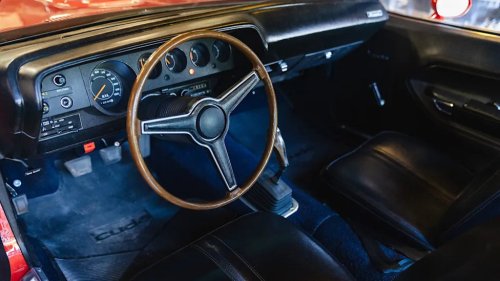
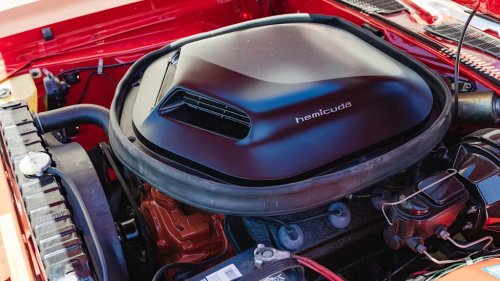
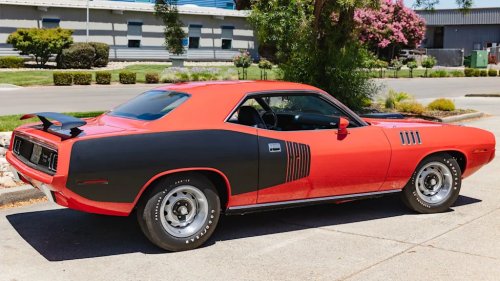
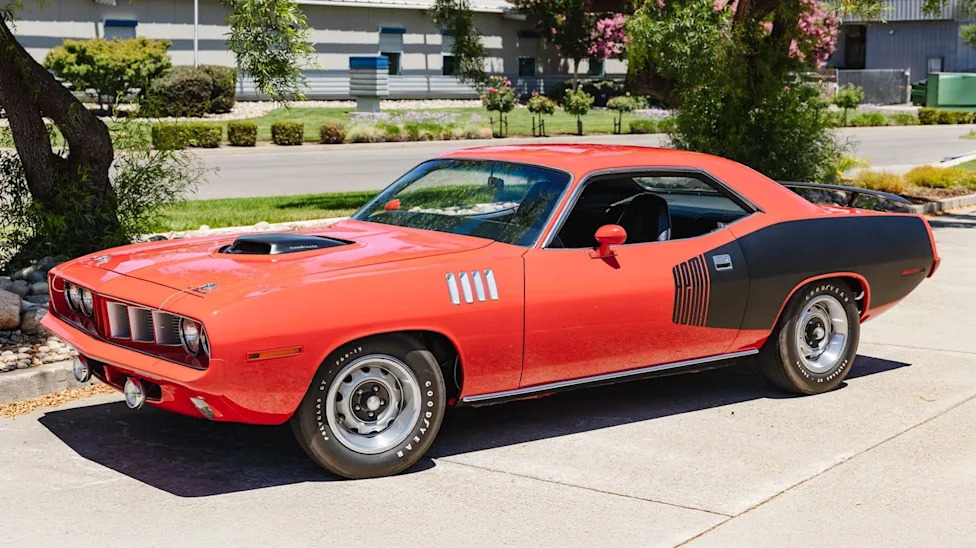
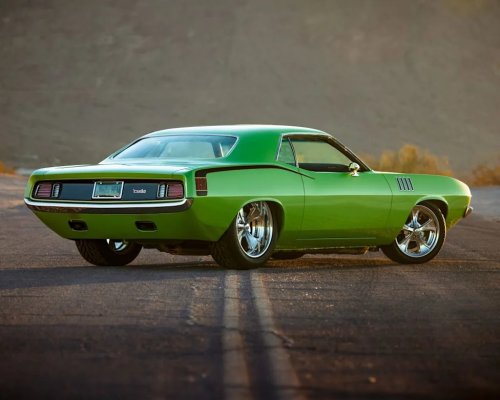
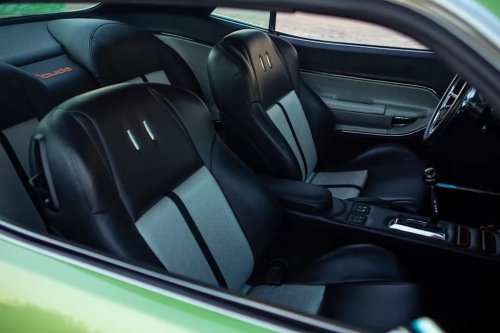
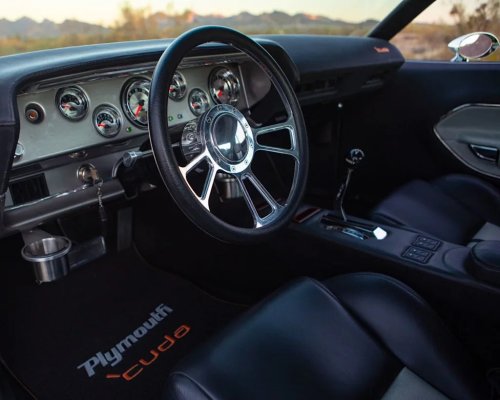
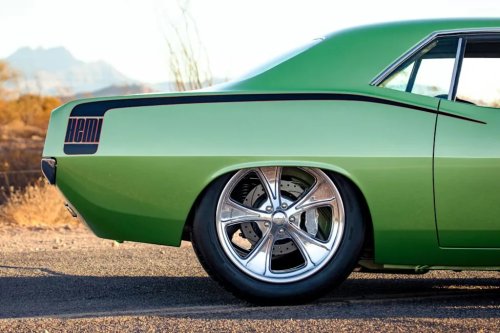
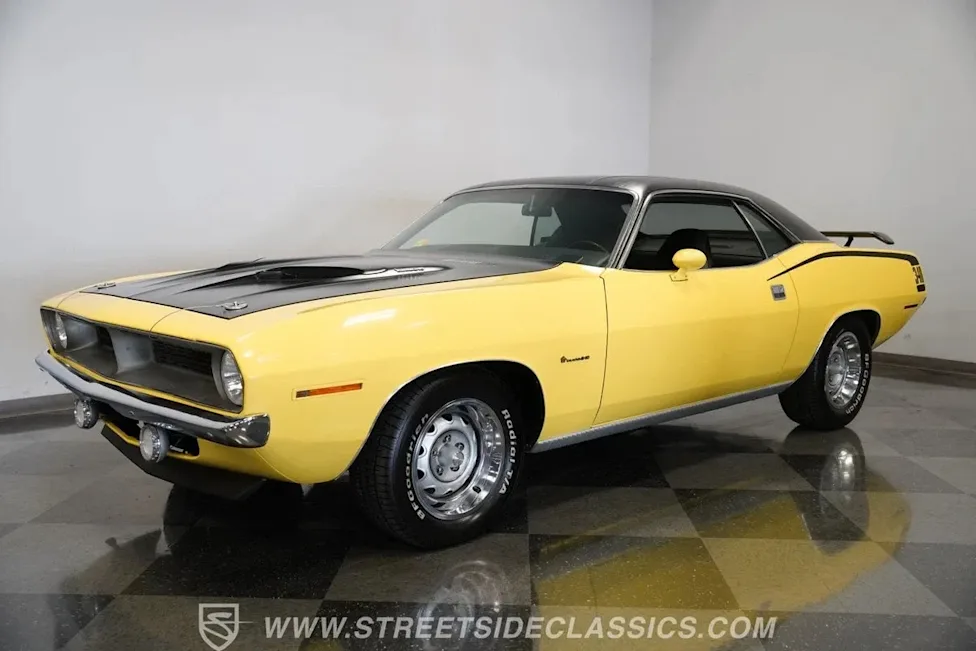
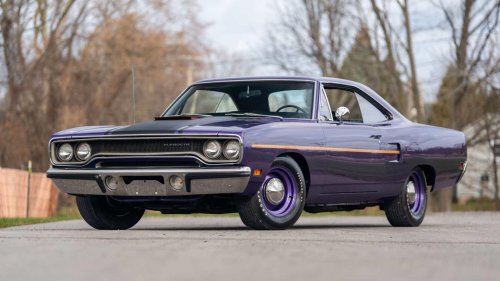
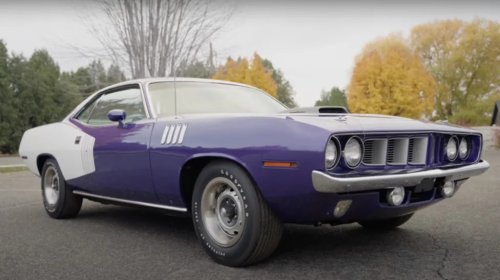
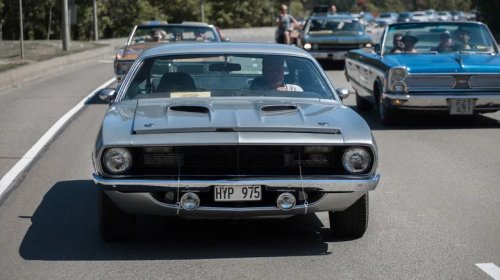
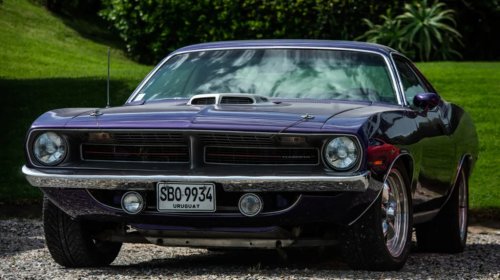
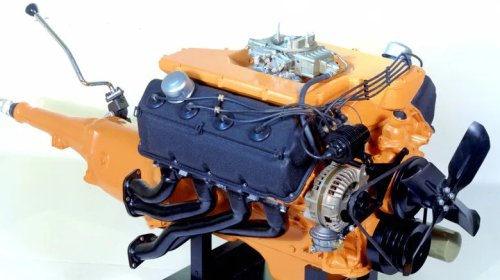
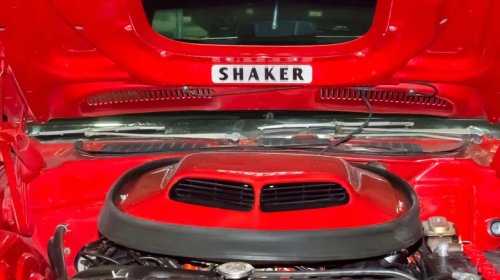
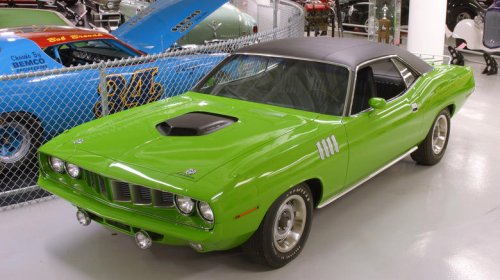
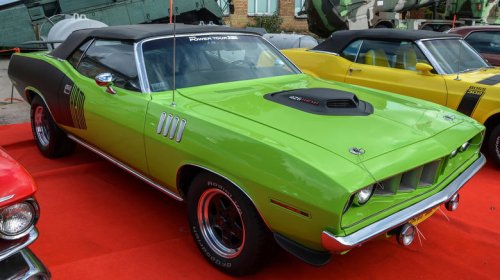
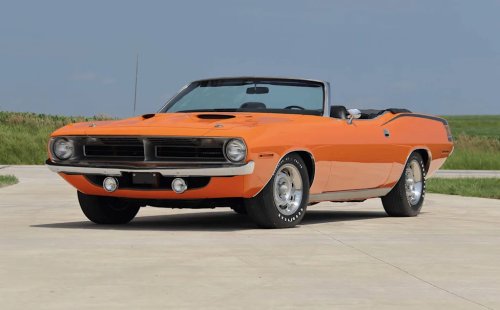
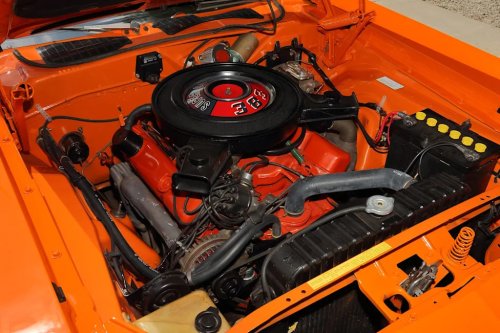
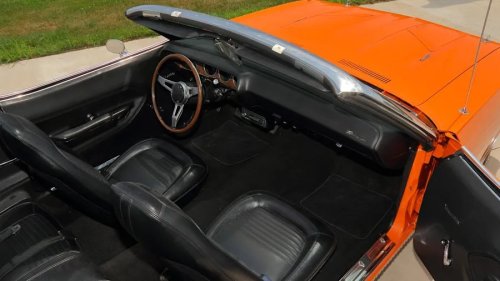
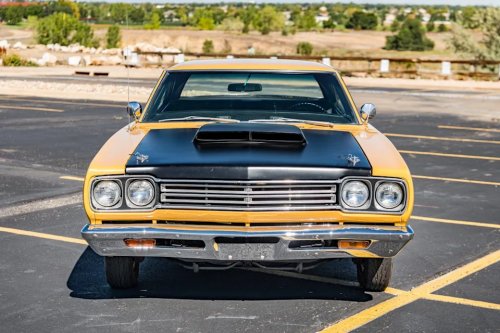
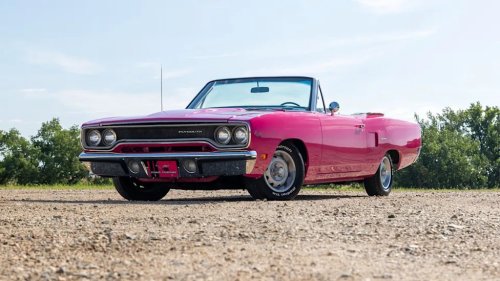
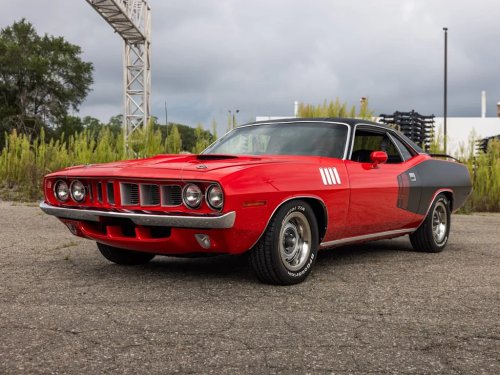
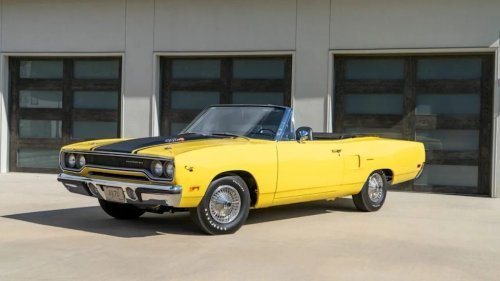
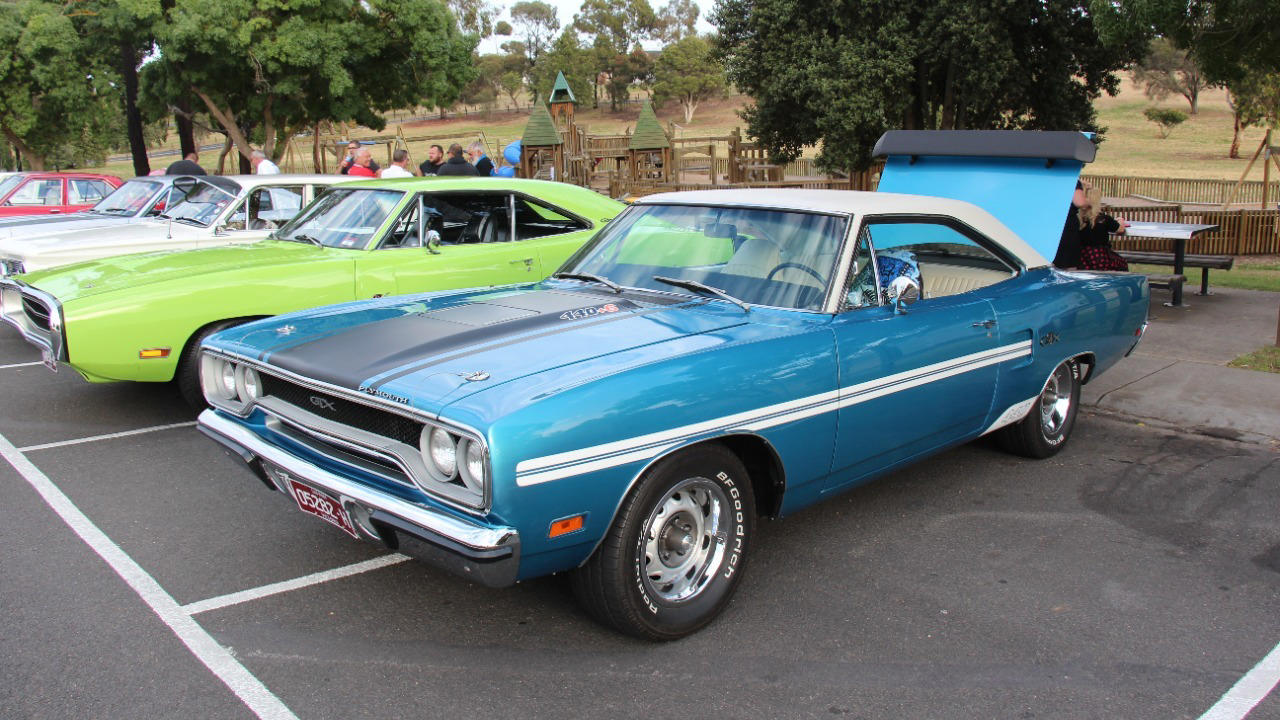
The 1970 Plymouth GTX aimed for refinement but missed a broader audienceThe 1970 Plymouth GTX arrived as a polished, high-spec muscle car aimed at buyers who wanted big power without giving up comfort. It carried serious performance hardware and upscale trim, yet it never broke out of its niche the way rivals did. That tension between refinement and limited appeal is exactly what makes the car so fascinating more than half a century later. The “Gentleman” muscle car idea Plymouth positioned the GTX as a luxury performance model, a step above the brand’s more bare-knuckle offerings. Enthusiasts often describe the 1970 Plymouth GTX as a bold and refined muscle car that blended brute force with upscale styling, and it was even nicknamed the Gentleman by fans who saw it as a more mature alternative to stripped street racers. The concept was simple: give buyers the full muscle-car experience, then wrap it in better materials, more standard equipment, and a quieter, more composed ride. That strategy slotted the GTX neatly into Plymouth’s own lineup. The cheaper Plymouth Road Runner chased younger, budget-focused drivers, while the GTX targeted customers willing to pay extra for comfort and exclusivity. One enthusiast description of a survivor car notes that the 1970 Plymouth GTX filled the slot nicely in Plymouth’s lineup as their luxurious muscle car, a bit more expensive than the Road Runner but still clearly a performance machine, and that it was built in an era when American manufacturers were still figuring out how much civility buyers really wanted in a hot car. In that same account, the owner calls it an original 440 car and talks about how the car is Real muscle that has aged its way to becoming a decent driver, a phrase that captures both the car’s raw origins and its later reputation as a cruiser rather than a drag-strip regular. That perspective appears in a detailed post about a personal car on Plymouth GTX. Power that matched the hype If the GTX sold itself as a gentleman’s car, the engine choices were anything but polite. Plymouth offered the 440 V8 in two configurations for 1970. There was the standard four-barrel version with 375 horsepower, and the company also sold a 440 Six Barrel setup that pushed the car into rarer, more fearsome territory. One account of a barn-find car points out that in 1970 Plymouth offered the 440 V8 in two configurations, and that the standard four-barrel version delivered 375 horsepower while the triple-carb version sat at the top of the regular production range, which made even a tired example feel special when it resurfaced after decades of storage. That breakdown of the 440 and 375 figures underlines how serious the GTX was about performance. Factory documentation and enthusiast histories often highlight the 440+6 combination as the sweet spot. Later analysis of seventies muscle cars describes how the GTX 440+6 Had Everything Going For It, but people wouldn’t bite, noting that Plymouth had created a package with huge power, aggressive gearing, and strong visual identity that still struggled to find buyers as insurance costs climbed and fuel worries crept in. That reflection on how the GTX had everything going for it, Had Everything Going For It, But People Wouldn, Bite, and how Plymouth tried to make the most of the badge in the early seventies, appears in a broader look at overlooked Mopar performance cars on Jan. Contemporary and modern testers alike describe the car as more than capable of brutal acceleration. A heritage-focused feature on a high-spec 1970 Plymouth GTX 440+6 car details how the big-block engine, heavy-duty driveline, and performance suspension turned the GTX into a serious street weapon that could still carry four adults in relative comfort. That profile of a restored example, with period-correct powertrain and factory options, appears in a deep dive on 1970 Plymouth GTX. Styling that walked a fine line The 1970 model year brought a more sculpted body and sharper detailing to Plymouth’s midsize line, and the GTX took full advantage. A later enthusiast write-up notes that the GTX was instantly recognizable by its distinctive styling, featuring aggressive lines, a bold grille, and dual racing stripes that signaled its performance intent even before the engine fired. That description of the car’s visual punch appears in a fan tribute to the revived image of the badge on the GTX. Yet the GTX never went as wild as some rivals. The trim, wheel designs, and interior appointments leaned toward subtlety rather than cartoonish aggression. Another enthusiast summary of the 1970 Plymouth GTX calls it a luxury muscle car combining performance with premium features, and stresses that it came standard with equipment that cost extra on more basic models, which made it feel closer to an executive coupe than a bare-bones racer. That overview of the car’s place in the market is captured in a community post about Jun Plymouth GTX. Compared with the Plymouth Road Runner, which often wore louder graphics and chased a younger crowd, the GTX looked almost restrained. One enthusiast’s history of the Road Runner notes that the Plymouth Road Runner could be optioned to 550 horsepower in modified form and that Plymouth decided it needed a dedicated muscle car that cost less than the GTX and appealed directly to buyers who cared more about quarter-mile bragging rights than about vinyl tops or plush seats. That contrast between a cheaper, harder-edged Plymouth Road Runner and the pricier GTX is laid out in a fan discussion that opens with a line about how, when a Road Runner is just not enough, some buyers still looked at the Plymouth GTX. Price, timing and the shrinking muscle market On paper, the GTX seemed perfectly positioned. It sat above the Road Runner in price, but below some high-end imports and luxury coupes, and it delivered performance that could embarrass many more expensive cars. Yet the timing could hardly have been worse. Later analysis of Mopar performance strategy points out that Chrysler timed its moves in a very constrained market, and that by 1970, the golden age of American muscle was already under pressure from rising insurance premiums, new emissions rules and changing buyer priorities. One detailed look at an all-original 1970 car notes that Mopar Muscle, All, Original Plymouth GTX Is Clean, Whistle, Costs a pretty penny today, but also explains how the car arrived just as the market began to turn away from big-cube excess. That reflection appears in a feature about a survivor car described as Mopar Muscle. Within Plymouth’s own showrooms, the GTX also faced internal competition. The cheaper Road Runner delivered similar straight-line thrills for less money, while the broader Chrysler Corporation family offered the Dodge Charger and other nameplates that spread the performance message across multiple brands. A video review of a restored 1970 Plymouth GTX places the car in the context of the golden age of American muscle from the mid60s to the early ‘7s, and compares it directly with icons such as the Ford Mustang and Dodge Charger that drew bigger crowds and more sustained attention. That comparison appears in a classic car review of the American Ford Mustang. The broader muscle-car market in 1970 was crowded and fiercely competitive. A collector-focused feature that names the 1970 Plymouth GTX as a Pick of the Day observes that 1970 was a big year for the muscle car market, and that Several elements converged to make that season both a high point and the start of a decline. Buyers could choose from a long list of high-powered coupes, and many gravitated to models that emphasized raw image over refinement. Why rivals like the Chevelle reached more people The 1970 Chevrolet Chevelle and the 1970 Plymouth GTX are two iconic muscle cars that embody the power and style of the era, yet they followed different formulas. A social media comparison that asks enthusiasts to choose between them frames the decision as a choice between the Chevelle’s broad, mainstream appeal and the GTX’s more focused, upscale character. That discussion, which specifically refers to the 1970 Chevrolet Chevelle and the 1970 Plymouth GTX as icons of the period, appears in a fan debate hosted by Chevrolet Chevelle. The Chevelle benefited from Chevrolet’s sheer scale and marketing muscle, plus a wider range of trims that started at relatively humble family-car levels and climbed to wild SS variants. The GTX, by contrast, was a single, high-spec idea. Buyers who wanted a cheaper Plymouth could walk to the Road Runner, while those who wanted pure luxury might look elsewhere in the Chrysler lineup. That left the GTX with a narrower slice of the market, even though its performance credentials matched or exceeded many rivals. Later commentary on the GTX’s legacy often argues that the car made a big promise at the wrong time. One enthusiast essay describes how The GTX was conceived as a halo muscle car, and notes that While the Fratzog designers were rubbing their hands with satisfaction at the styling and engineering, Plymouth was already facing headwinds that would soon make such cars harder to sell. That reflection on how the GTX, While the Fratzog, Plymouth tried to balance style, power and civility appears in a modern appreciation of the model on the GTX. Sales reality and collector hindsight Production numbers for the 1970 Plymouth GTX were modest compared with some contemporaries, and that scarcity has shaped its modern image. Valuation guides treat the car as a desirable but still somewhat underappreciated piece of the muscle era, with prices that reflect both its performance and its limited following outside enthusiast circles. A detailed valuation entry for the 1970 Plymouth GTX Base breaks down how condition, originality and options affect current prices, and it frames the car as a model that has gained respect over time, even if it never achieved the mainstream fame of some rivals. That structured look at values and market trends appears in the pricing tools for the 1970 Plymouth GTX. Survivor stories reinforce that sense of a car that was always a bit special, even if it was not a volume seller. One enthusiast account of a 1970 Plymouth GTX that sat for 30 years before being revived describes how the car hid a mystery under the hood, with the owner unsure whether it carried the standard 440 or a rarer configuration until the engine was inspected. That narrative, which emphasizes how even a long-dormant GTX still commands curiosity and respect, is captured in the same feature that details how Plymouth offered the 440 and 375 horsepower versions in 1970. More from Fast Lane Only Unboxing the WWII Jeep in a Crate 15 rare Chevys collectors are quietly buying 10 underrated V8s still worth hunting down Police notice this before you even roll window down


















 +50 others