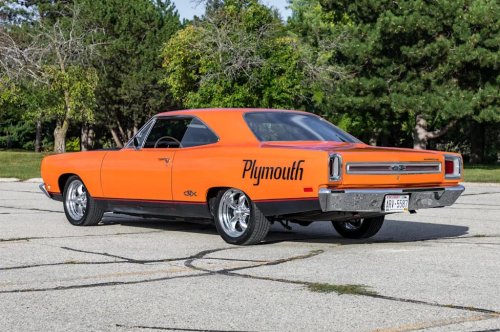
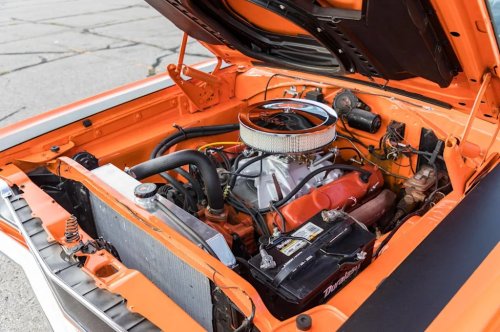
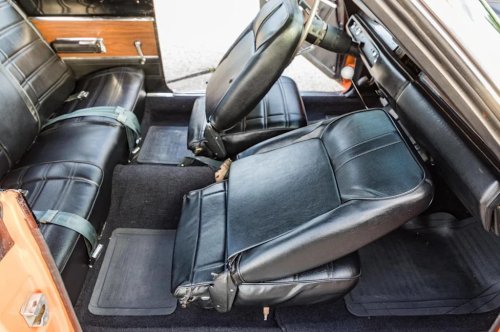
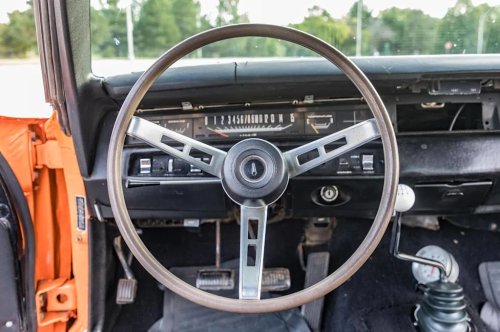
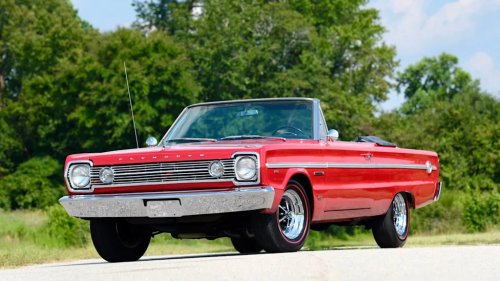
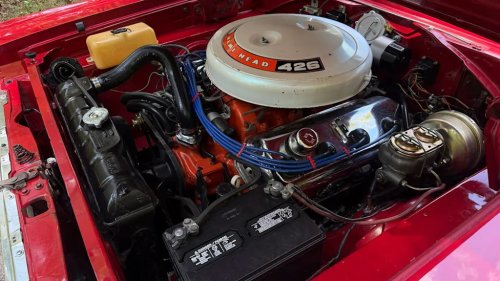
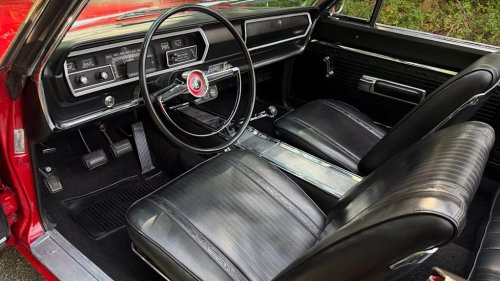
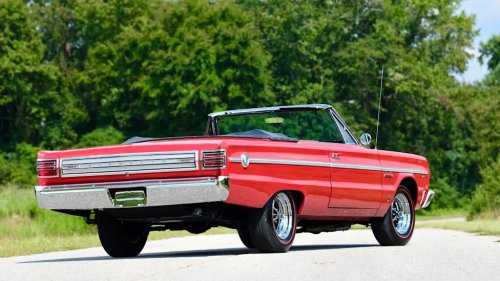
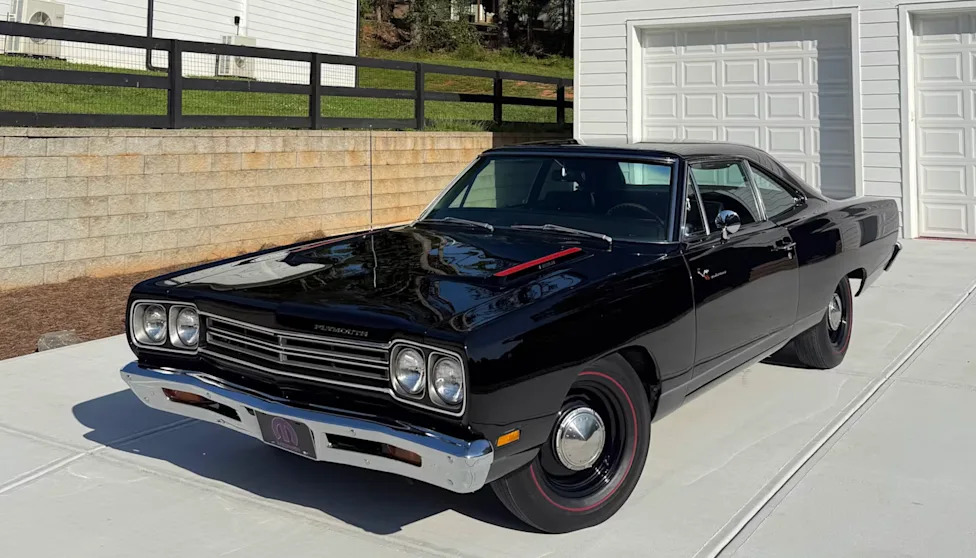
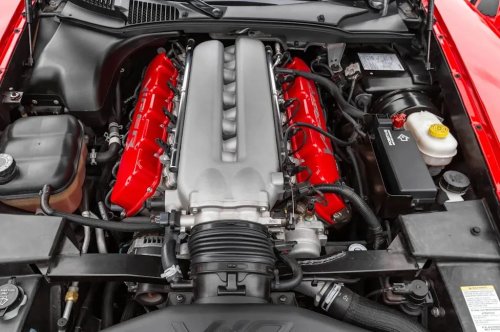
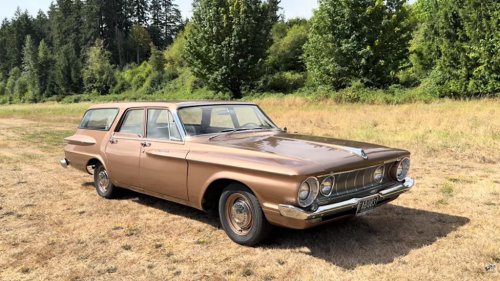
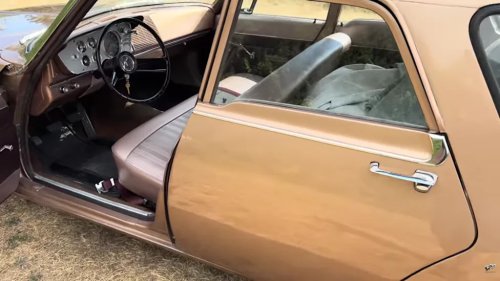
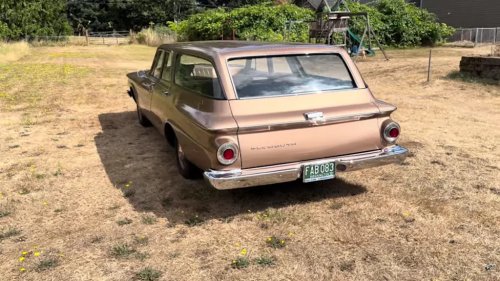
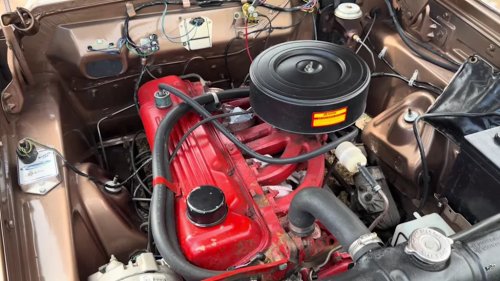
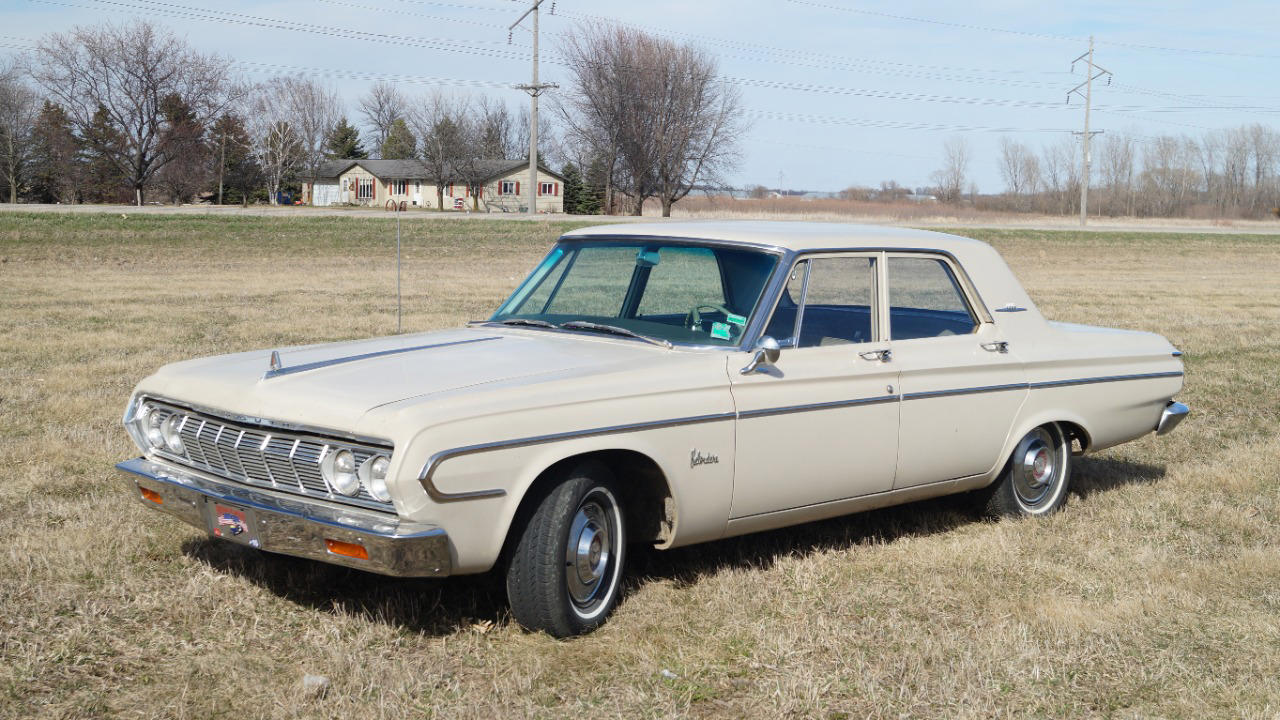
On paper, the 1964 Dodge 440 and 1964 Plymouth Belvedere looked like close cousins built to chase the same buyers. Both rode on Chrysler’s mid-size platform, both could be ordered with serious big-block power, and both carried the square-shouldered styling that defined early- to mid-sixties muscle. Yet in period and in hindsight, one of them quietly punched above its weight and rewrote expectations for what a mid-size sedan could do at the strip and on the track. Set against each other, the Dodge 440 represented the understated workhorse, while the Belvedere evolved into a surprise assassin that bridged taxi duty, NASCAR dominance, and factory drag glory. The contrast between them shows how small choices in engine strategy, weight, and marketing can turn similar hardware into very different legends. The shared Mopar starting point Both cars started from the same corporate logic. Chrysler wanted a mid-size package that could serve families during the week and enthusiasts on the weekend. The Dodge 440 and the Plymouth Belvedere shared a unibody layout, torsion-bar front suspension, and a menu of six- and eight-cylinder engines that overlapped heavily across the brands. Period specifications list the Dodge mid-size range with an ohv I-6 displacing 225 cubic inches, with bore and stroke of 3.40 by 4.13 inches and an output of 145 horsepower, along with available V-8s such as the 318 and larger big blocks. Those 225 cubic inch and 318 engines anchored the mainstream side of the lineup, giving Dodge dealers a sensible entry point before talk turned to quarter miles. Plymouth’s mid-size offerings followed the same pattern. The Belvedere sat in the middle of the brand’s range, above the basic Savoy but below the full-size models. Contemporary fact sheets describe the Plymouth Mid size cars as available with everything from economy sixes to the serious 426 CID Street wedge-head block that arrived for 1964. The shared engineering meant that, structurally, a Belvedere and a Dodge 440 were more alike than different. The split came in how each division chose to exploit that common hardware. Dodge leaned into the 440 badge as a trim level and, later in the enthusiast world, as a canvas for big-block swaps. Plymouth, by contrast, turned the Belvedere into a laboratory for Max Wedge and Hemi experimentation that would change the brand’s identity in racing. Dodge 440: the quiet workhorse with hidden teeth The Dodge 440 nameplate did not originally refer to the famous big-block displacement. It denoted a mid-level trim line that could be had with several engines, including the same small blocks and big blocks shared with other Dodge models. Over time, however, the car became a favorite platform for enthusiasts who wanted to drop serious power into a relatively plain shell. One enthusiast listing describes a 1964 Dodge 440 two-door hardtop identified by a specific VIN, showing 45,435 miles on the odometer and fitted with a Rebuilt 440 cubic inch big block that had been bored out to 453 cubic inches. That sort of build illustrates how the 440 became a blank slate: buyers could start with a modest car and, through the aftermarket, end up with a street brawler that far exceeded factory intent. Modern coverage of the model’s appeal points to the way a simple bench-seat Dodge could hide a serious engine. A feature on a similar early-sixties Dodge 440 describes it drawing power from a 426 Street Wedge, underscoring how the platform could accommodate engines far beyond its base specifications. That combination of anonymous styling and big displacement made the Dodge 440 a natural sleeper, especially in the hands of owners who were more interested in surprise than show. Factory engine charts from the period, which list the 225 six and 318 V-8 along with larger big blocks, show that Dodge gave buyers a sensible progression from commuter to performer. The division, however, did not push the 440 as a dedicated racing weapon in the same way Plymouth promoted its Belvedere variants. The Dodge 440 was capable, but it did not carry the same focused factory racing aura. Plymouth Belvedere: from taxi ranks to terror at the track If the Dodge 440 was the solid citizen, the Belvedere became the unexpected star. The car’s styling was clean and squared off, with crisp lines that fit the mid-size role without drawing too much attention. A period enthusiast comparison describes The Belvedere sitting in Plymouth’s mid-size lineup with boxy lines and a reputation built around performance variants. That same discussion recalls a Belvedere that ran 13.65 at the Drags on Mohawk XR70 tires, a specific quarter-mile figure that would have been impressive for a mid-size car on relatively modest rubber. The owner remembered that the one he had in the mid sixties looked just like the featured car and added that he Never thought of taking detailed photos at the time, which only adds to the mystique of these quietly quick sedans. The Belvedere’s sleeper credentials extended beyond sedans and hardtops. A story on a 1964 Plymouth Savoy Station with a 440 engine describes how what looked like a massive grocery getter hid serious performance. That Plymouth Savoy Station Wagon, Originally intended as a family hauler, became an ultimate sleeper once fitted with big-block power. It showed how Plymouth’s mid-size architecture, shared with the Belvedere, could carry far more performance than its conservative styling suggested. Racing history pushed the Belvedere even further beyond expectations. A profile of the 1964 Plymouth range notes that Plymouth models were a big part of the taxi cab industry, yet the same year Richard Petty’s number 43 Belvedere set a new standard in NASCAR competition. That dual role, serving fleets on city streets while also winning at the highest levels of stock car racing, gave the Belvedere a split personality that few rivals could match. On the drag strip, the Belvedere’s reputation grew even sharper. Enthusiast accounts describe Plymouth Belvedere lightweights that still hit the track decades later, proof that the factory’s weight-saving and engine combinations had lasting appeal. In that context, the Belvedere was no longer just a mid-size car; it was a purpose-built weapon that happened to share a silhouette with more ordinary sedans. Max Wedge, Hemi, and the power-to-weight play The real turning point for the Belvedere came when Plymouth began to treat it as a platform for its most aggressive engines. One enthusiast source explains that in 1964 the Belvedere could be equipped with a 426 Hemi, and that The Belvedere in that configuration marked the beginning of one of the most intimidating engine and body combinations Detroit had ever seen. The description emphasizes the lightweight body wrapped around that 426 Hemi, which transformed an unassuming mid-size into a fearsome contender. Alongside the Hemi, Plymouth also developed Max Wedge packages that pushed the limits of what a factory car could deliver. A detailed feature on a 1964 Max Wedge Belvedere describes an 11 to 1 compression big block that, when combined with the car’s curb weight, produced what the builder calculated as the greatest power-to-weight ratio available in a Pure Stock car. That combination shows how far Plymouth was willing to push its mid-size chassis in pursuit of drag strip dominance. Technical commentary from enthusiasts and historians points out that these engines were not just dropped into any body. A detailed discussion of the 1964 Plymouth Super Stock program quotes Tom Jr explaining that There are three competitive production Chrysler engines that came in cars meeting the Pure Stock definition. The Chrysler focus on Pure Stock eligibility meant that the Belvedere, as a mid-size model with room for big blocks, became a natural host for those powerplants. Video evidence from nostalgia racing events reinforces the point. A clip featuring a 1964 Belvedere Max Wedge lining up against a 1969 Camaro SS in a Pure Stock style matchup shows how competitive the Plymouth remained decades after its debut. The footage, captured in a 1964 Belvedere versus Camaro race, illustrates that the combination of power and relatively low weight still holds its own against later muscle cars that arrived with more aggressive marketing. These engines existed in the Dodge world as well, particularly in the Street Wedge configurations, but the Belvedere benefitted from a more concentrated effort. Plymouth turned its mid-size into the primary canvas for Hemi and Max Wedge packages, while Dodge spread similar hardware across different models and nameplates. That focus helped the Belvedere stand out as the car that quietly redefined expectations. Marketing, image, and why the Belvedere overachieved Beyond raw specifications, perception played a major role in how each car’s legacy formed. Dodge marketed the 440 as part of a broader lineup that included sedans, hardtops, and wagons, with trim levels that blended into the rest of the range. Enthusiast coverage of a bench-seat Street Wedge 440 today emphasizes the sleeper angle, but in period the car did not carry the same factory racing halo as Plymouth’s dedicated packages. Plymouth, on the other hand, leaned hard into motorsport. The presence of Richard Petty’s number 43 Belvedere in NASCAR, along with factory backed Super Stock programs, tied the nameplate directly to competition. A retrospective on the 1964 Plymouth models points out that while they were common as taxis, they were also very popular among racing fans, largely because of those high profile efforts. That blend of blue collar utility and high speed glamour gave the Belvedere a unique place in the Mopar story. Enthusiast communities today reflect that divide. Social media groups focused on mid sixties muscle routinely highlight the Mid Sixties Muscle matchups that pit a Plymouth Belvedere against rivals like the Ford Galaxie 500, often specifying engines like the 413 and 426 as the key to those comparisons. The Belvedere is framed as a benchmark in those discussions, a car that could be ordered with a 413 or 426 to take on big block Fords and Chevrolets head on. Even the more obscure corners of the Mopar world reflect Plymouth’s concentrated legacy. The 1964 Plymouth Super Stock documentation that traces back to Pure Stock drag racing organizations, with references to Pure Stock rules and historical builds, often centers on Belvedere and related Plymouth bodies. Dodge models appear, but they share the stage, while the Belvedere frequently takes the role of reference point. Digital footprints from organizations like the Discovered automotive history groups and their connected Plymouth themed feeds show a steady stream of Belvedere focused content. Even marketing oriented channels, such as a Discovered profile tied to heritage promotion and a related Plymouth linked page, use mid sixties Plymouth imagery as shorthand for classic American performance. More from Fast Lane Only Unboxing the WWII Jeep in a Crate 15 rare Chevys collectors are quietly buying 10 underrated V8s still worth hunting down Police notice this before you even roll window down



















 +73 others