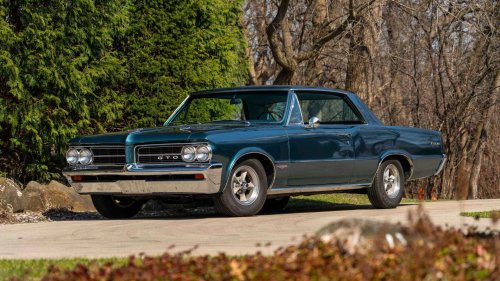
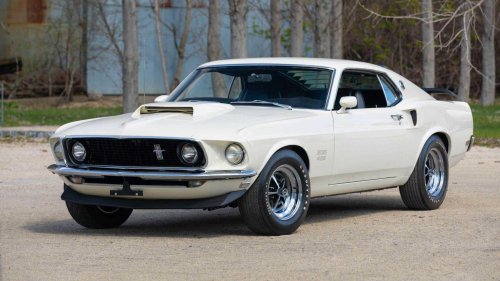
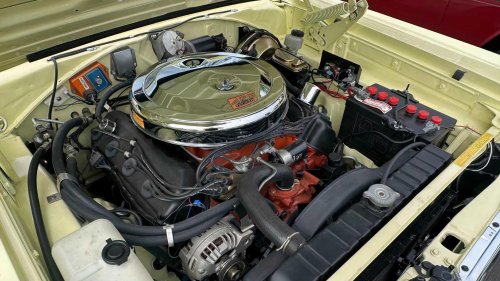
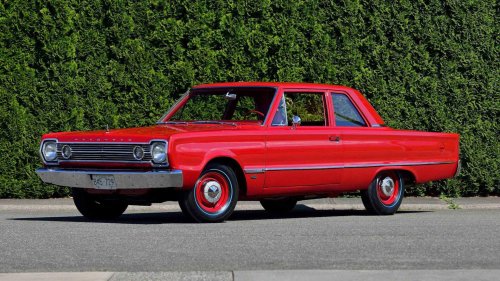
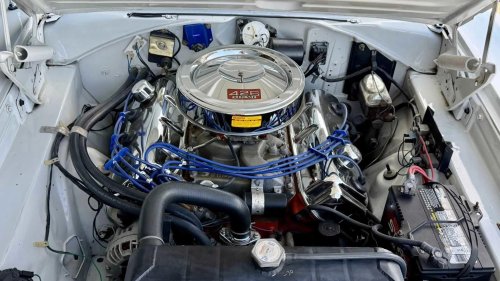
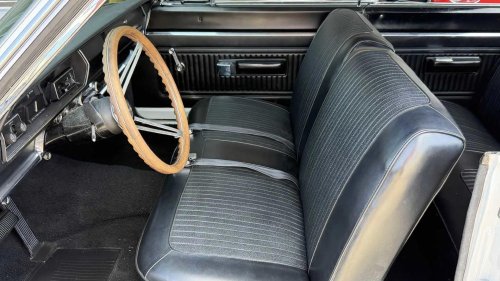
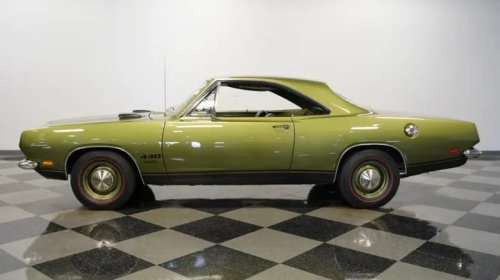
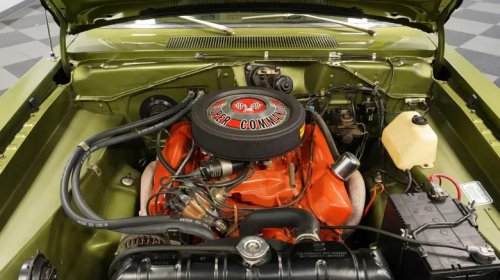
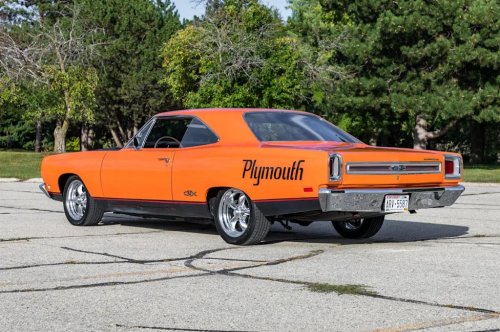
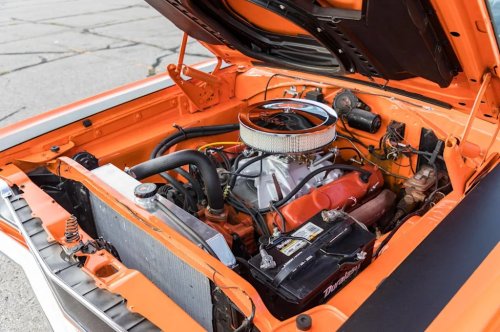
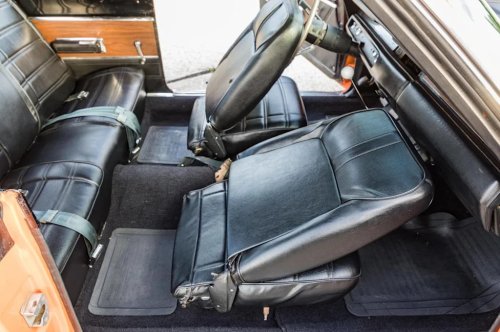
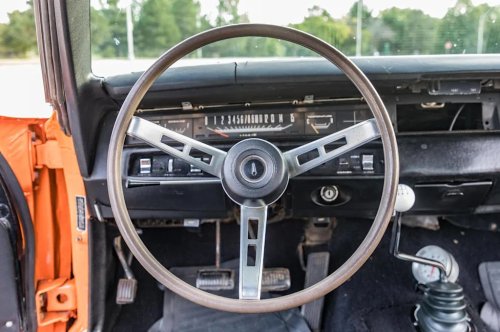
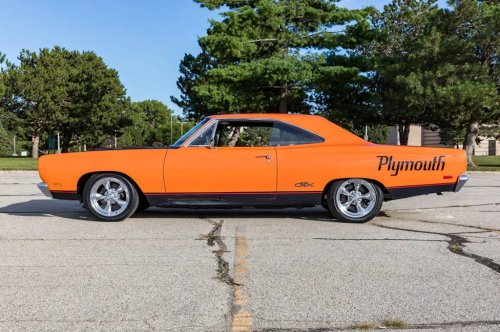
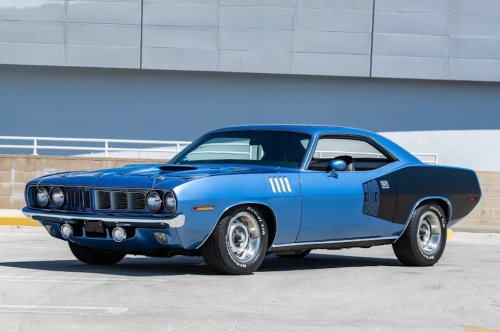
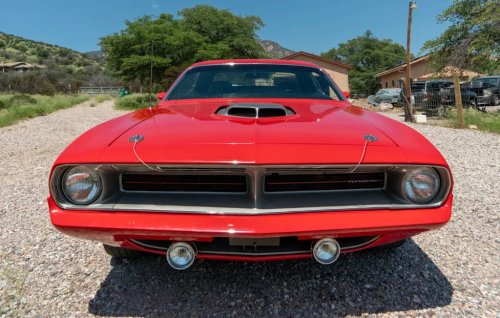
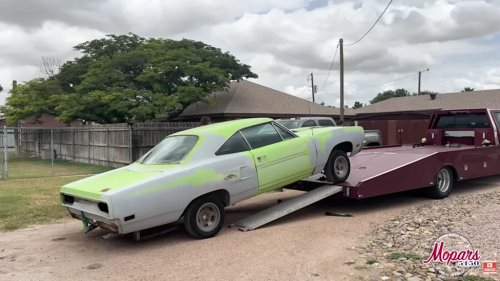
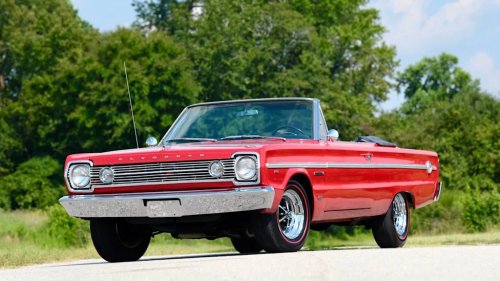
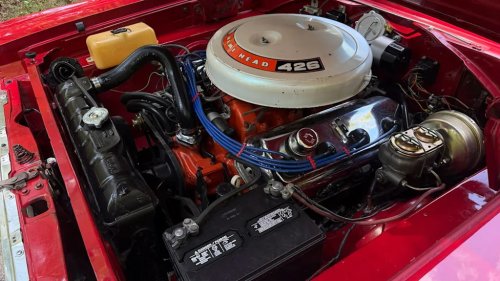
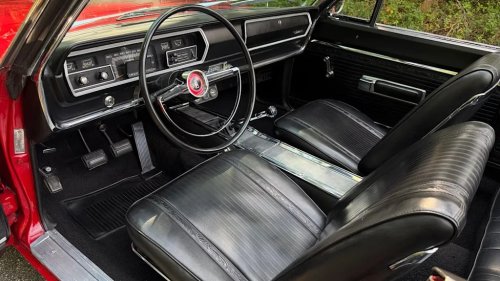
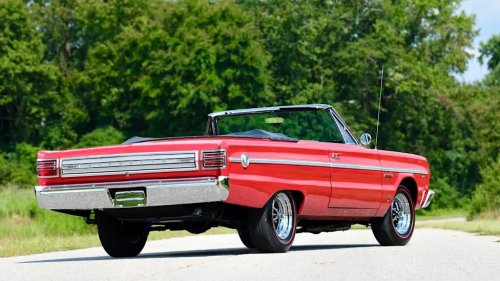
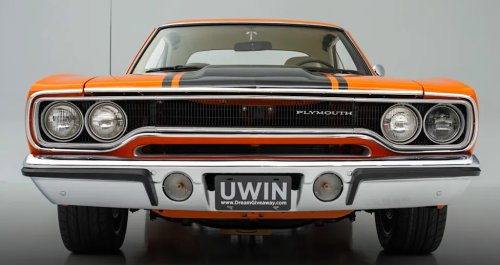
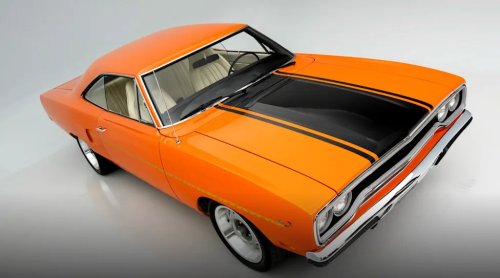
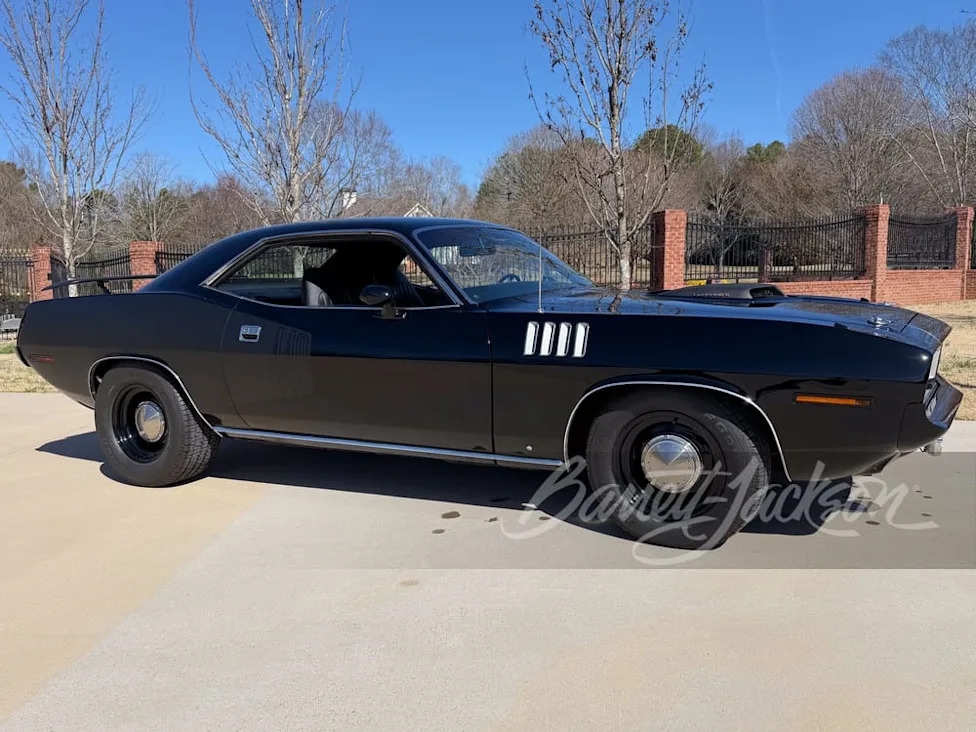
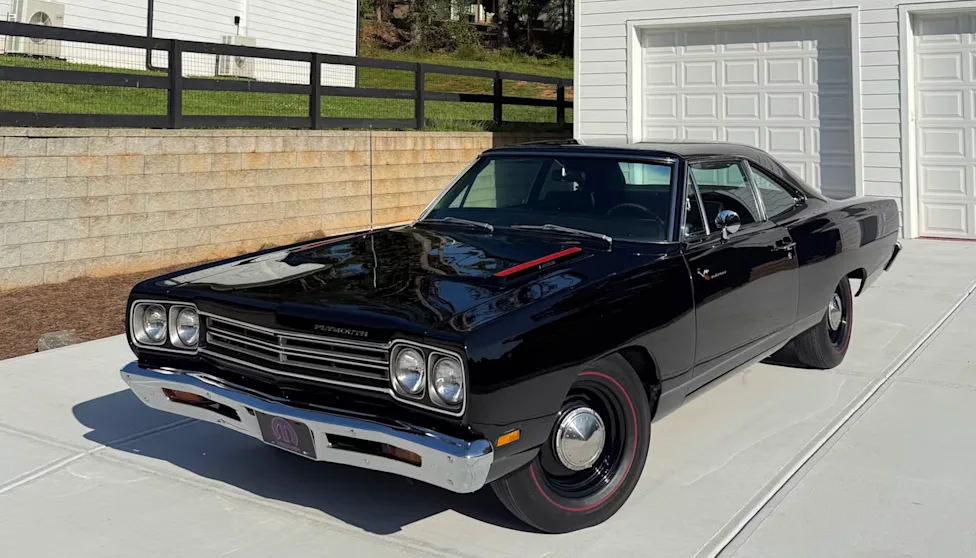
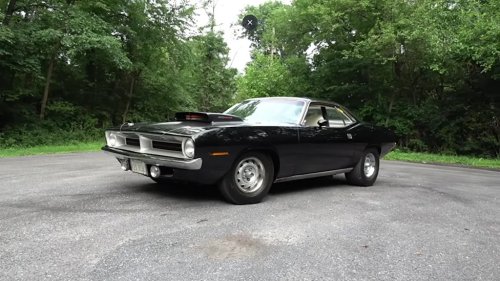
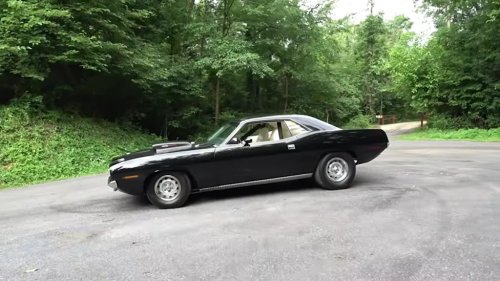
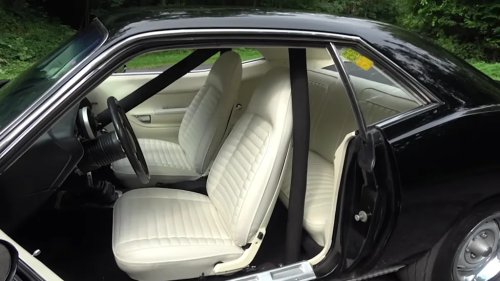
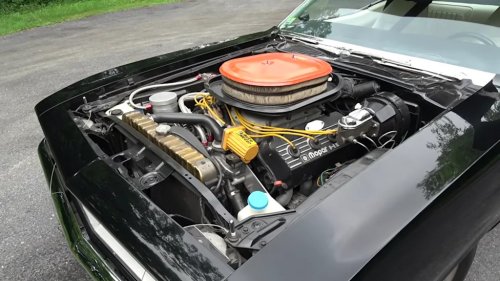
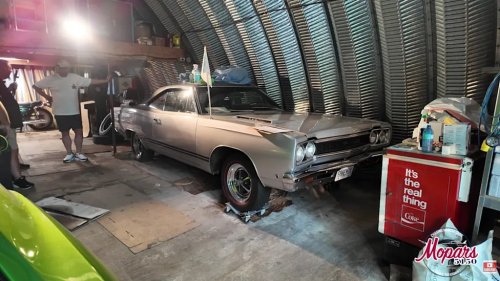
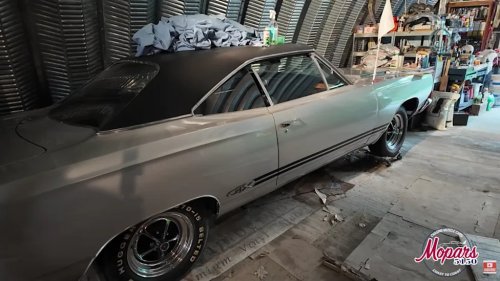
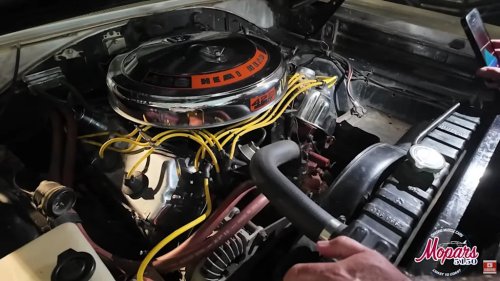
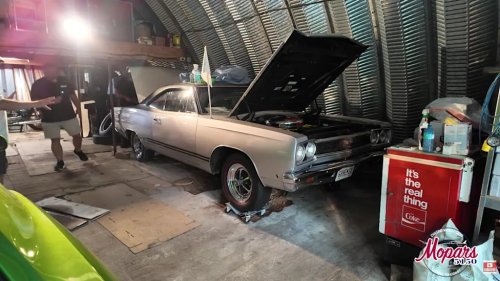
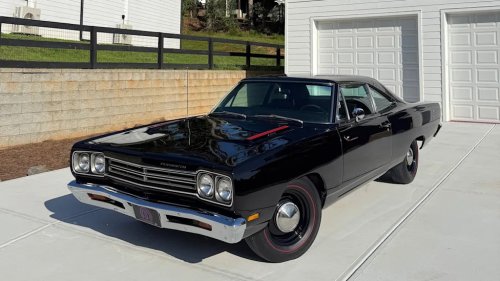
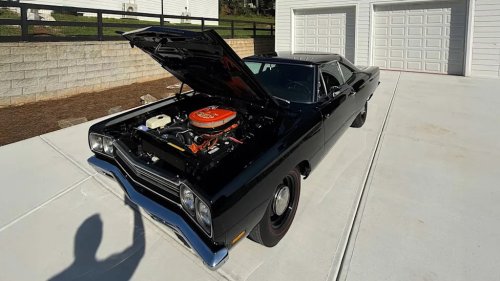
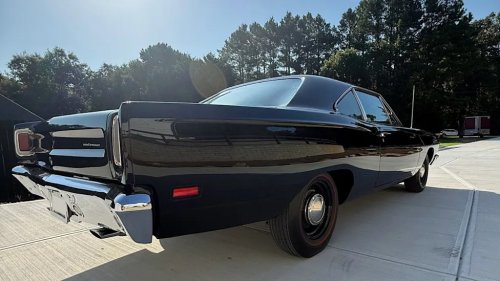
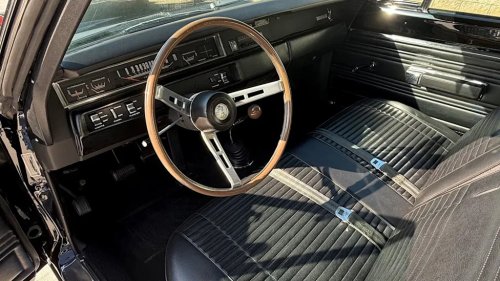
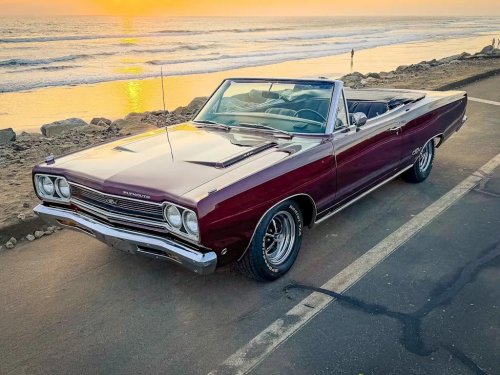
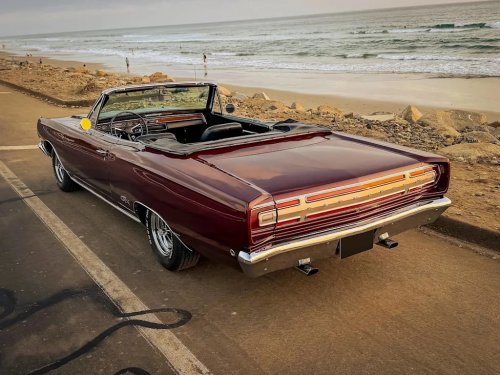
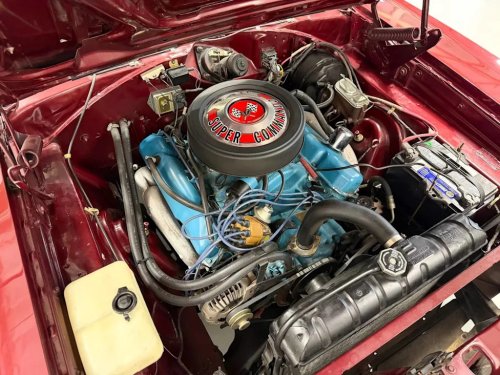
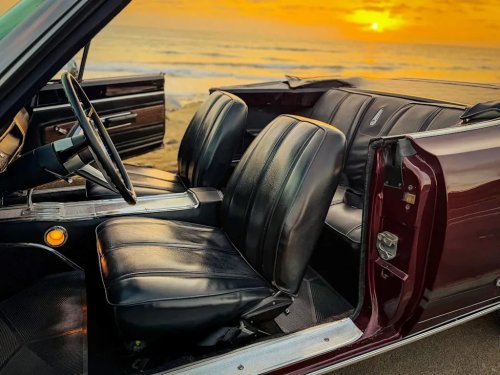
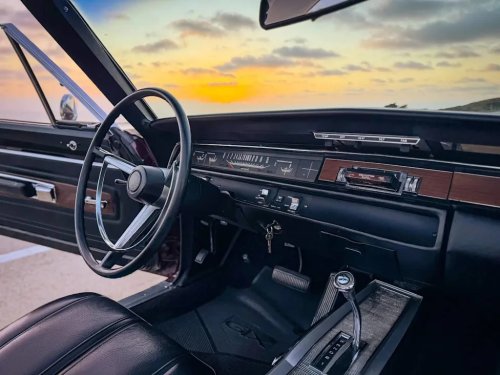
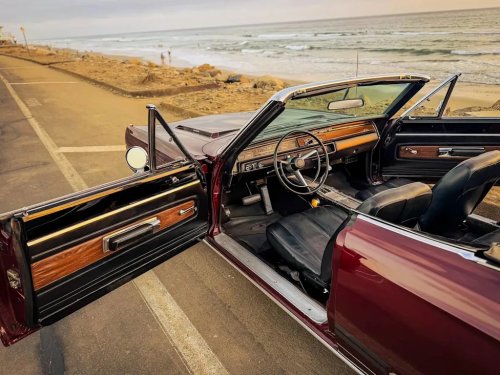
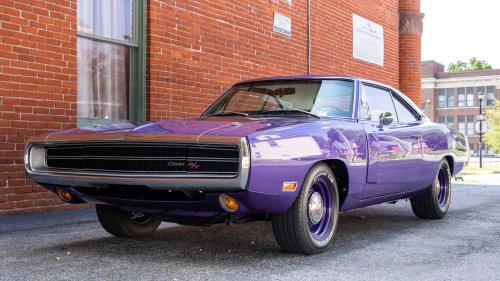
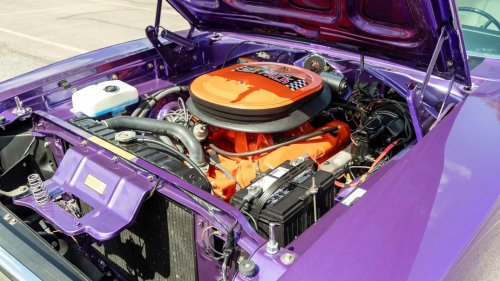
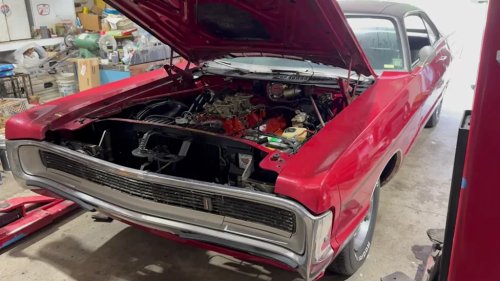
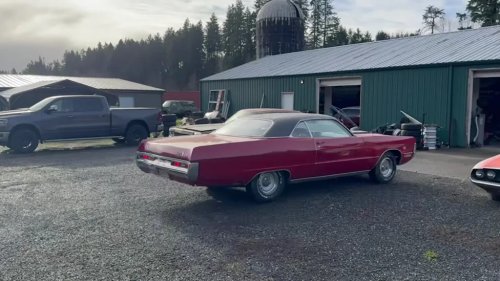
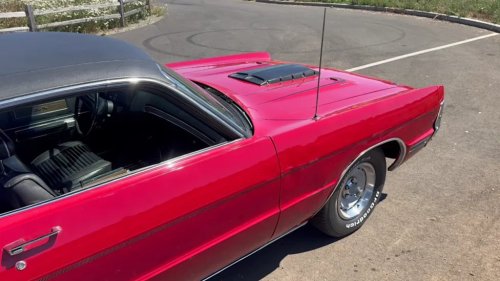
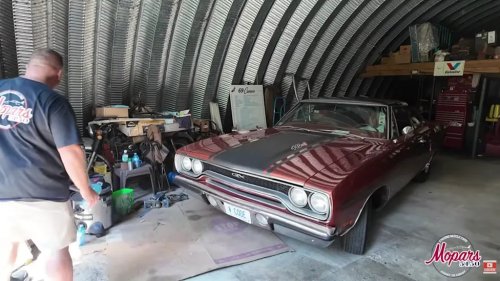
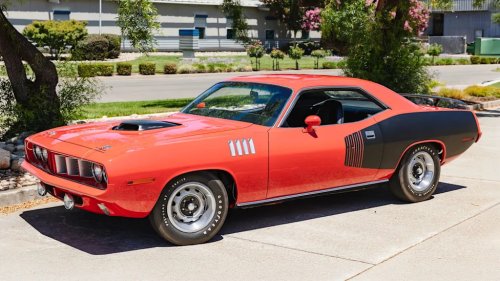
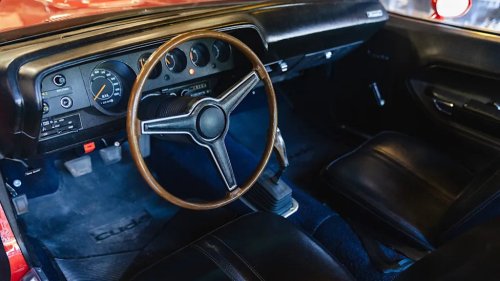
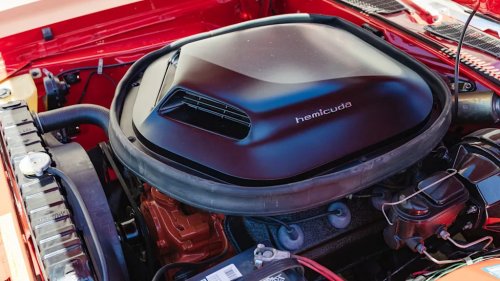
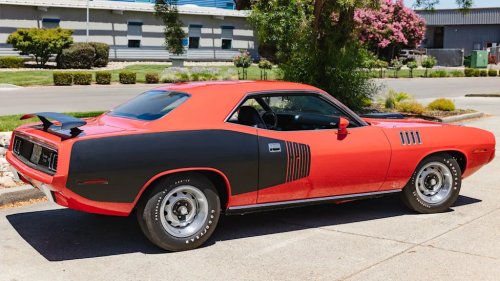
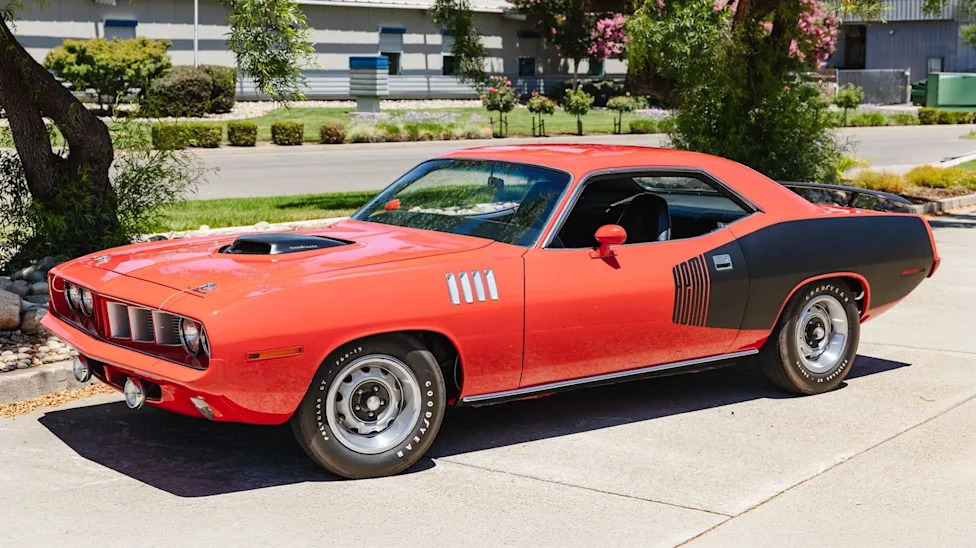
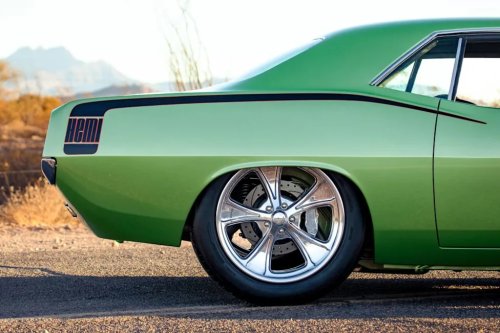
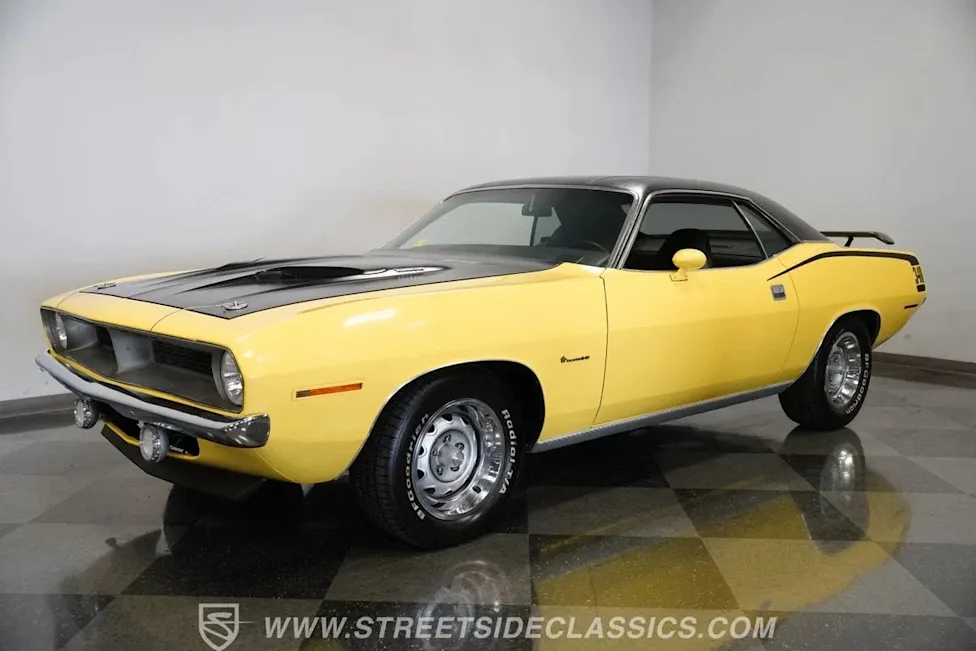
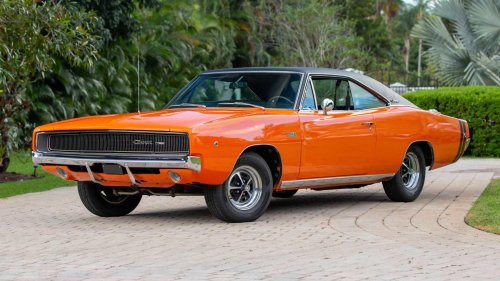
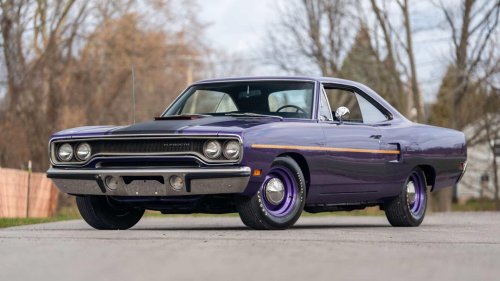
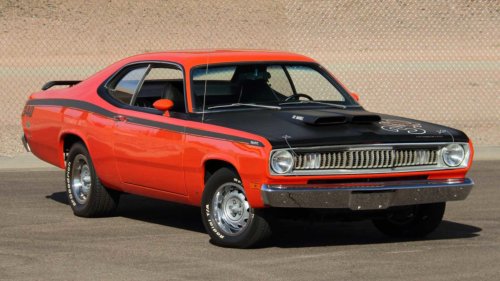
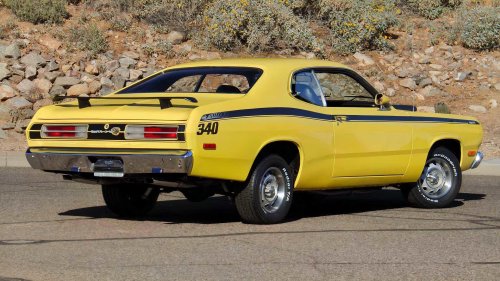
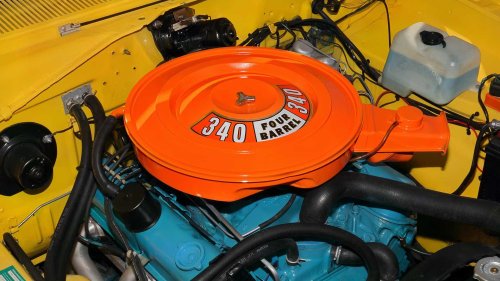
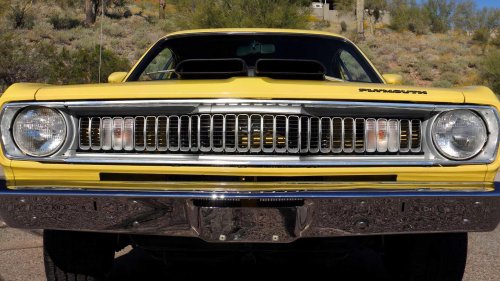
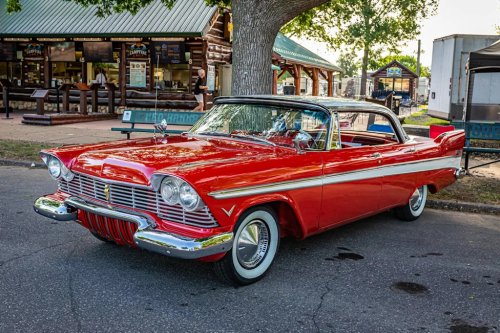
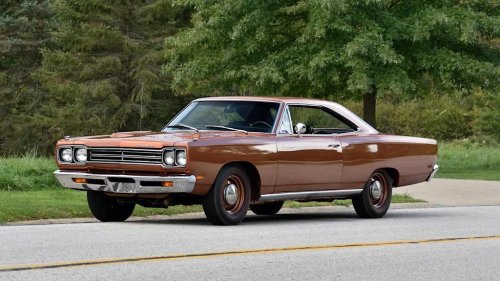
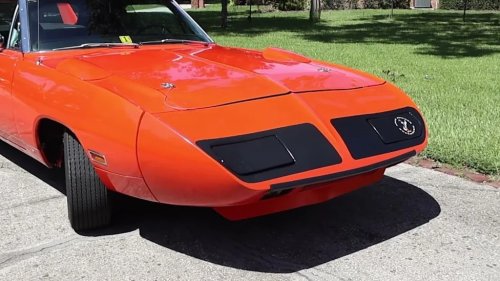
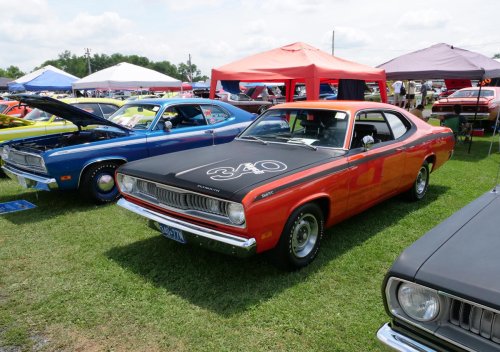
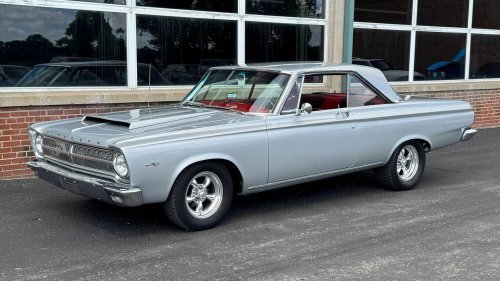
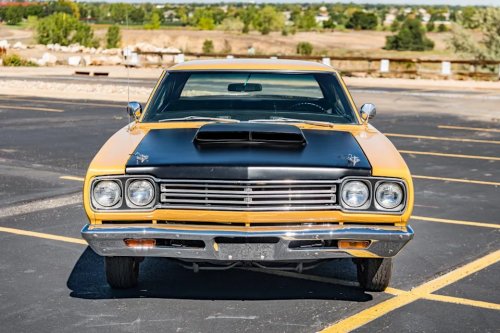
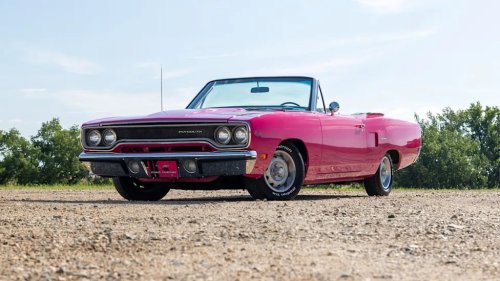
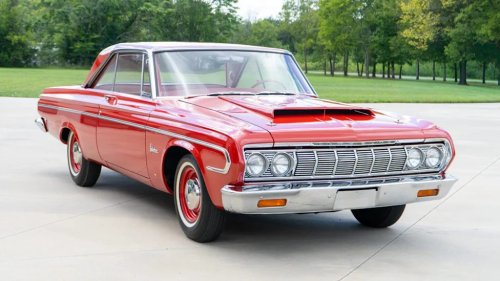
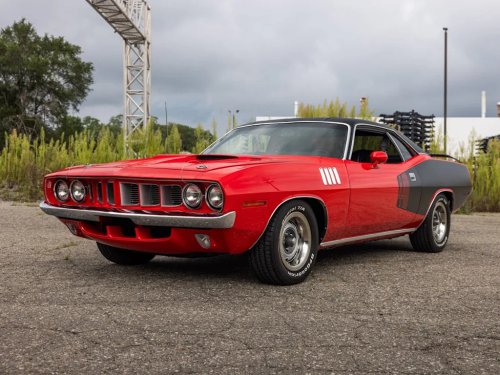
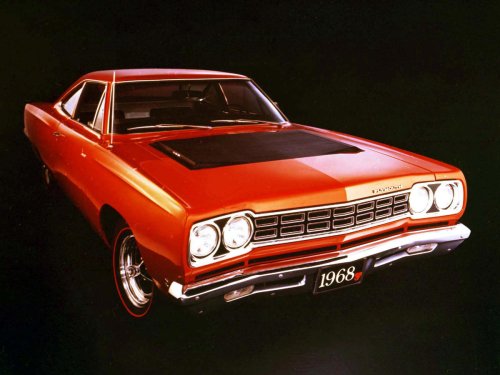
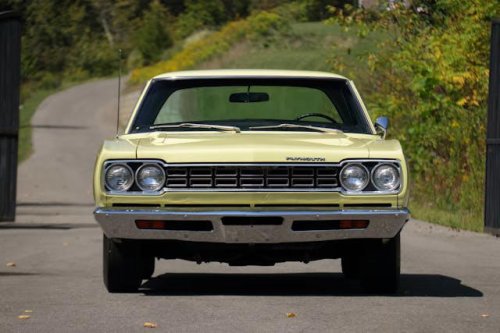
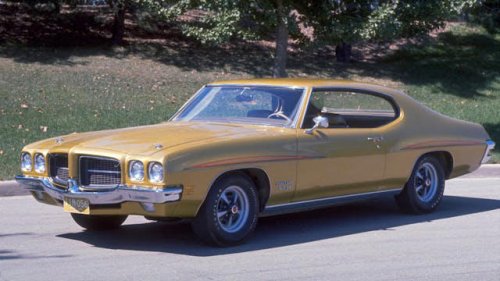
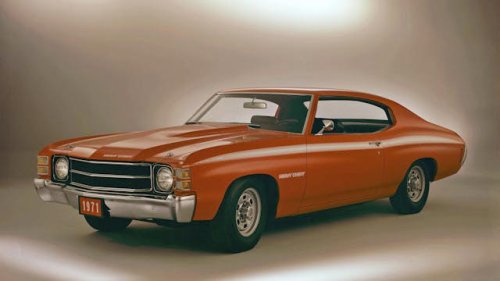
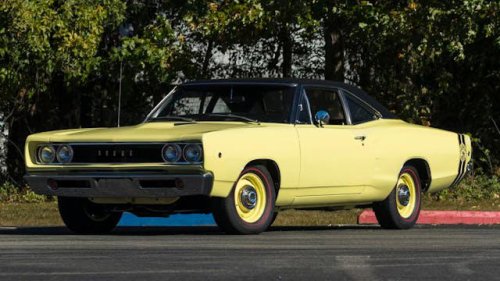
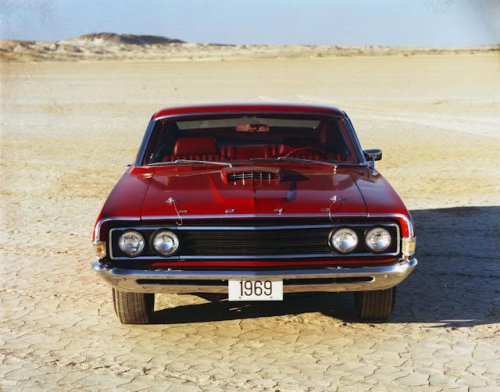
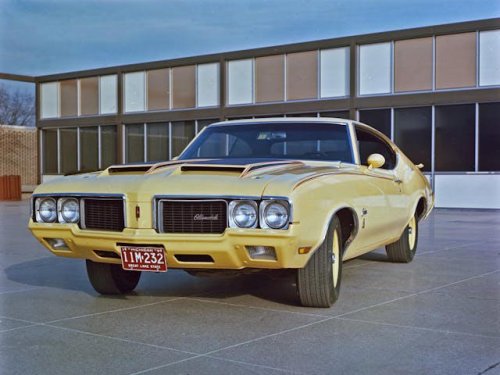
Budget Muscle: The Plymouth Road Runner Started a Trend The late 1960s were a challenging time for muscle cars, as a combination of rising insurance rates, increased gas prices, federal emissions controls and other factors resulted in a cratering market for high performance models like the Chevrolet Chevelle SS, Pontiac GTO, and Plymouth GTX. Flagging sales led manufacturers to trot out budget-priced no-frills variants of their most tire-shredding models. The Plymouth Road Runner may be the best known of these budget muscle cars, thanks to being first to the party and a clever marketing campaign linking the car to the cartoon character of the same name. But what is not as widely remembered is that Chevrolet, Ford, Dodge, Oldsmobile, and Pontiac all offered Road Runner alternatives of their own. Like the Road Runner, all packed plenty of power in a basic package, without a lot of bold graphics or unnecessary frills. Think vinyl floor coverings rather than carpet, and minimal extras of any kind that didn’t have something to do with straight line performance. Beyond that, none used exactly the same formula. Some of these alternatives even undercut the Road Runner’s base price when new, although values today vary widely and have more to with rarity, powertrain, and overall condition than with badging. What really sets these models apart is their smaller production numbers, which make some of these among the rarest of muscle cars. Here’s a quick look. 1968 Plymouth Road Runner Based on Plymouth’s most basic midsize Belvedere trim, the Road Runner debuted for the 1968 model year. Initially offered only as a pillared two-door coupe with low-buck tip-out rear windows, its few standard features included spartan interior accommodations with mats on the floors and a column shifter. Things like bucket seats and a console weren’t on the menu even as an option, although a radio and air conditioning were available. Outside, dog dish hubcaps and minimal badging were part of the package. Under the hood, however, is where the fun got started, with engine choices including a standard 335-horsepower, 383-cubic-inch V-8, or the mighty 426 Hemi for an additional $700 and change. It was an immediate sales success, and Plymouth sold 44,599 Road Runners during the first year of production, with a starting price of just $2870. That’s about $1000 less than a 1968 GTX. Today, expect to pay around $34,000 on average for a 1968 Road Runner coupe with a 383 V-8, in #3 (good) condition. That jumps to around $74,100 with the Hemi. 1970 Pontiac GT-37 Perhaps the least remembered of the budget muscle cars, the Pontiac GT-37 of 1970–71 was largely overshadowed by the GTO and its Judge variant. Like the Road Runner, the Judge had a somewhat whimsical attitude and Hollywood-inspired name of its own. But the GT-37 was strictly business, right down to its decidedly un-whimsical name. Based on the stripped T-37 coupe, the $198 GT Sport Package added side stripes, hood locking pins, chrome exhaust tips, and GT-37 badging. As with the Road Runner, the GT-37 came with few creature comforts, a simple interior, and a bench seat. Notably, the elimination of much sound deadening reportedly shaved 120 pounds. But unlike the Road Runner, the GT-37 was available with a variety of V-8 engines ranging from a standard 350-cubic-inch V-8 to Pontiac’s most potent 455 HO. But if rare is your thing, look no further: Just 1419 GT-37s were produced in 1970. Still, unless you’re looking at one of the ultra-rare GT-37s equipped with the 455 HO V-8, average prices remain well below those of GTOs from the same era. The Hagerty Valuation Tool lists average #3 prices for a 1971 GT-37 with the base V-8 at $15,200. A base GTO coupe from the same year checks in at $24,700. 1971 Heavy Chevy Advertised as being “Heavy on looks and light on price,” the Heavy Chevy arrived in mid-1971 and was produced through the 1972 model year. Like its budget-minded contemporaries, the Heavy Chevy was based on the lowest-spec midsize Chevelle and was meant to be both affordable and appealing to younger buyers. Opting for the Heavy Chevy got you a basic package, dressed up with a raised hood like the SS, with hood pins, a blacked-out front end Heavy Chevy graphics and side stripes, and Rally wheels (but no fancy trim rings). The interior was every bit as plain as its competitors, with a bench seat, vinyl floor coverings, and not a whole lot more. Engine choices ranged from a base 307-cubic-inch V-8 with a two-barrel carburetor to a 400-cubic-inch V-8. Sales were brisk, with around 16,000 examples sold over the two-year run. Like the GT-37, Heavy Chevy values generally trail those of a Chevelle SS from the same year. A base 1971 Chevelle SS with a 350 V-8 in #3 condition is worth about $25,000 on average, compared to just $16,800 for a Heavy Chevy with a 307. 1968 Dodge Super Bee Not to be left out from the buzz created by its Plymouth Road Runner stablemate, the Dodge Super Bee was launched for 1968 with a similar mission to deliver maximum performance for minimum bucks. Rushed to production midway though the 1968 model year, the Super Bee combined a base Coronet coupe with suspension and powertrain upgrades from the Coronet R/T, including the same 383 and Hemi 426 available with the Road Runner. Otherwise, the Super Bee formula is much the same as its competitors, from its bare bones interior to the lack of much visual excitement beyond a Bumble Bee stripe across the rear fenders and trunk. One bonus was the standard Rallye instrument cluster shared with the more expensive Charger, including gauges for temperature, oil pressure, and alternator. Other features included a four-speed manual transmission with Hurst shifter, a heavy-duty suspension, and more robust brakes. All that made the Super Bee something of a bargain, especially with a $3027 base price. Today, expect to pay around $36,400 on average for a 383-equipped 1968 Super Bee in #3 condition. That’s actually about $8000 more than a base 1968 Coronet R/T, which came with a 440 V-8. 1969 Ford Torino Cobra Launched in 1969, the Cobra joined the Torino lineup as a more budget-friendly alternative to the Torino GT. Designed to compete with the Road Runner, the Cobra was based not on a Torino but on the lowest-spec Fairlane 500 trim. Unlike its budget muscle competitors, the Cobra was offered in both Sportsroof (fastback) and two-door hardtop body styles. And unlike some others, Ford didn’t offer any small V-8s with the Cobra. The standard engine was a 335-horsepower, 428-cubic-inch V-8, matched with a four-speed manual transmission. The only engine option was a 428 CJ with Ram Air induction, which could be had for an additional $133.44. Interestingly, the 428 CJ had the same 335-horsepower rating as the base engine. Reportedly, this was an effort to throw off insurance companies and keep rates down, and did not reflect the CJ’s actual output, which was more like 400 hp. The starting price for a 1969 Cobra fastback was an entirely reasonable $3334. Today, expect to pay about $39,300 for a base 1969 Cobra Sportsroof. 1970 Oldsmobile Rallye 350 Oldsmobile may not be the first manufacturer to come up when the conversation turns to muscle cars, but the company that brought you the “Not Your Father’s Oldsmobile” ad campaign tried hard to convince buyers it wasn’t just a brand for senior citizens. Like the GTO, the Oldsmobile 4-4-2 arrived for the 1964 model year as a sort of gentleman’s muscle car. By 1970, the 4-4-2 could be ordered with the W-30 option, bringing a 455-cubic-inch V-8 with 370 horsepower. That year also brought the Rallye 350, an option package available on the low-spec F-85. Codenamed W-45, standard equipment included a fiberglass hood, sport steering wheel and mirrors, performance suspension, yellow Super Stock ll wheels, dual exhausts, and a rear spoiler. The only engine available was a hopefully insurance-friendly 310-horsepower, 350-cubic-inch V-8 in place of the 4-4-2’s 455. Every Rallye 350 was finished in brilliant Sebring Yellow, a color not for the timid that covered just about everything, including the wheels and urethane-coated bumpers. Somewhat surprisingly, the 1970 Rallye 350’s base price was less than that of a Road Runner of the same year. In spite of this, sales were slow, and the Rallye 350 got the axe after one year, when just 3547 had sold. Today, one of these rare models is worth about $32,000 in #3 condition. That’s about $4200 more than a 1970 4-4-2 coupe.



















 +60 others