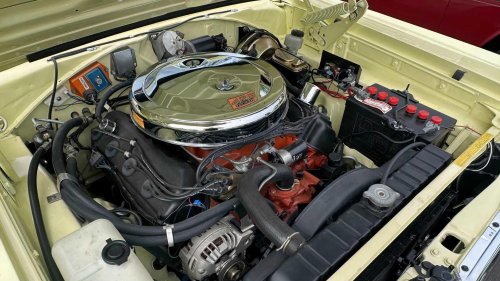
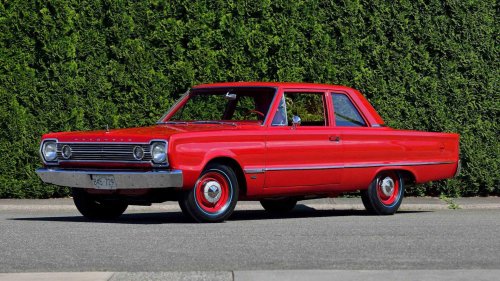
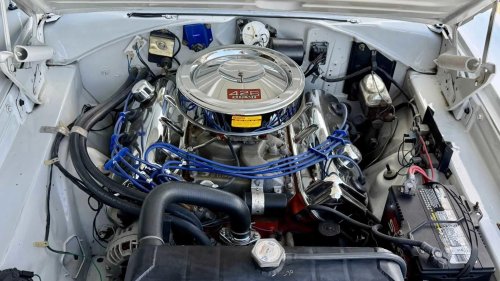
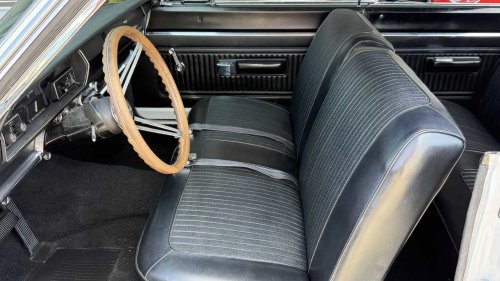
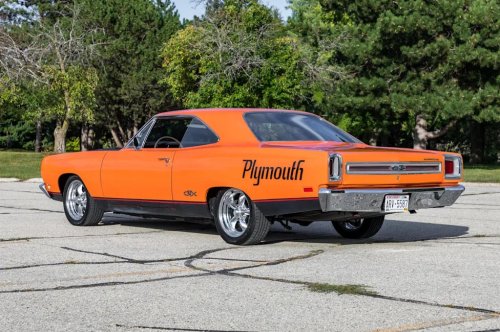
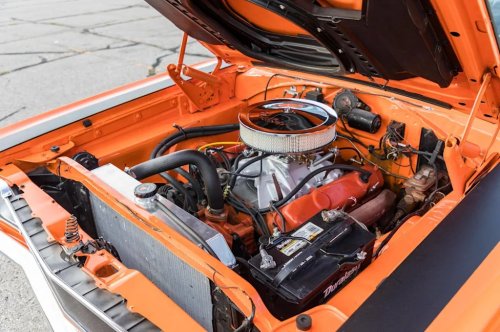
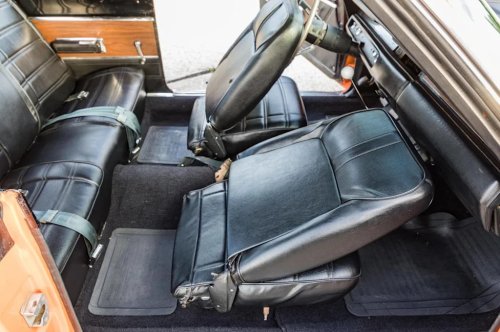
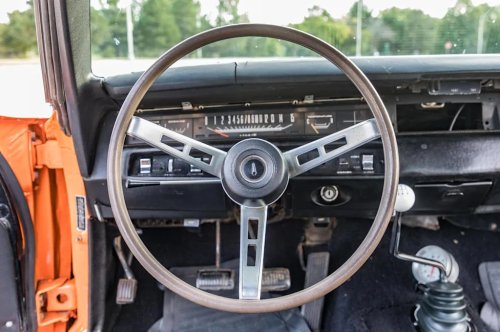
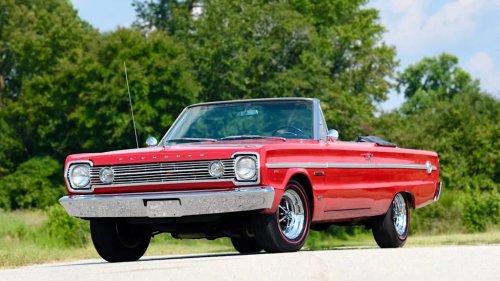
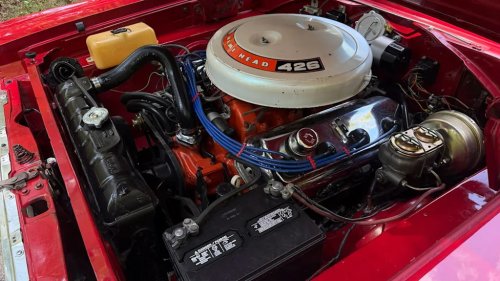
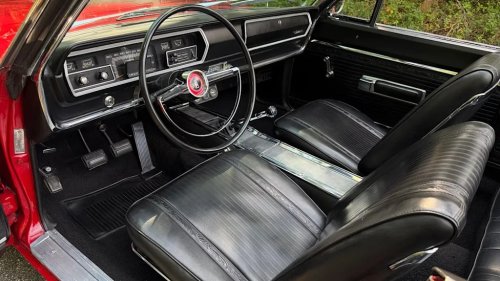
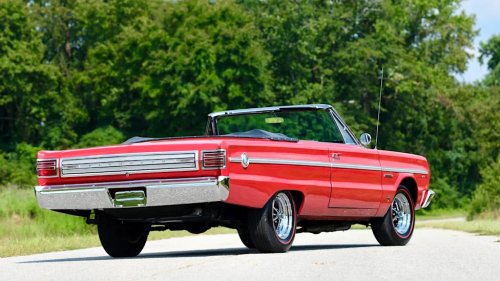
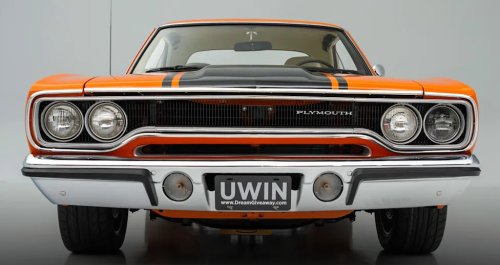
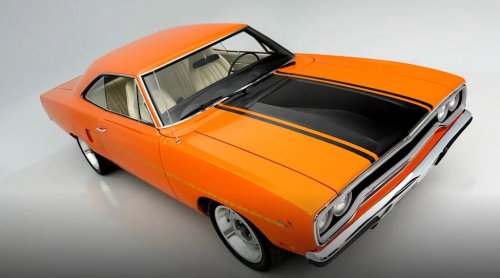
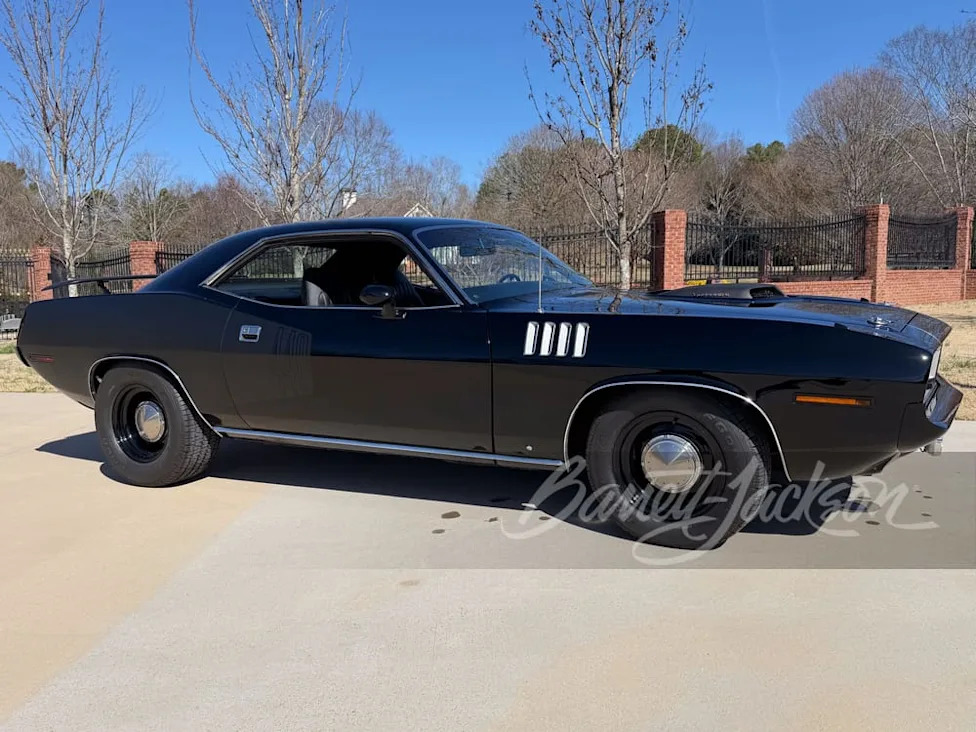
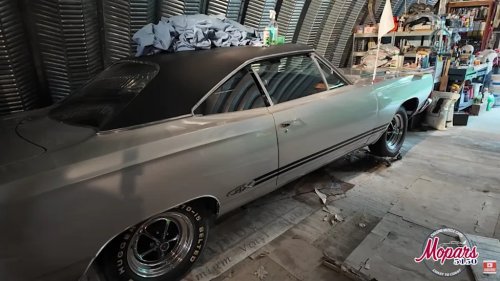
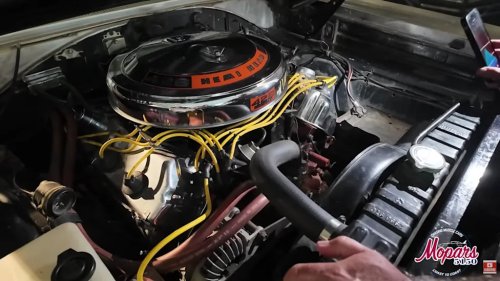
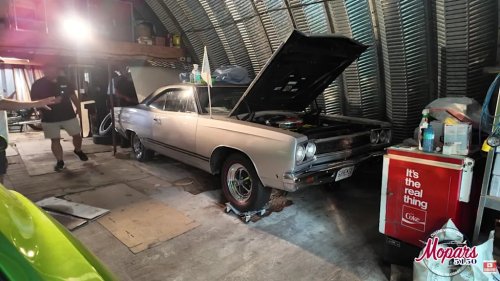
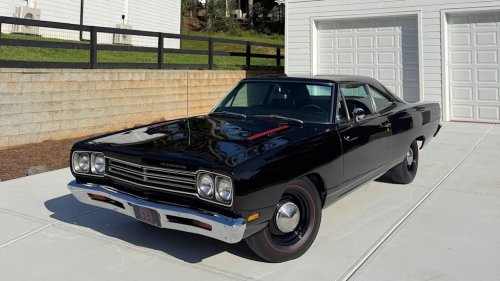
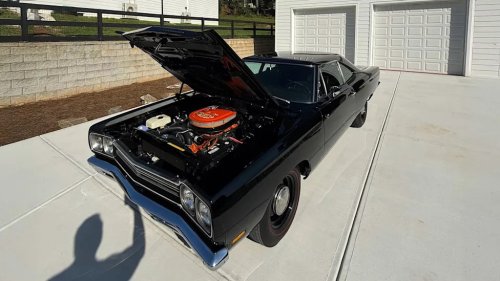
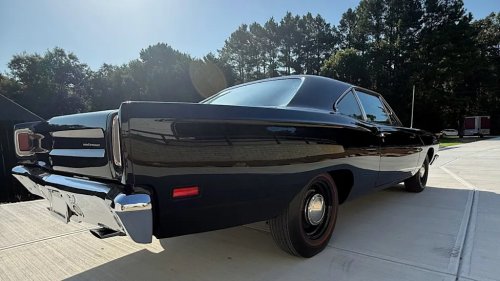
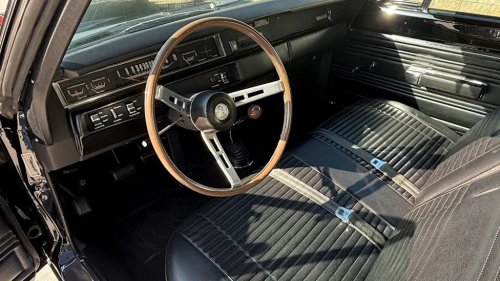
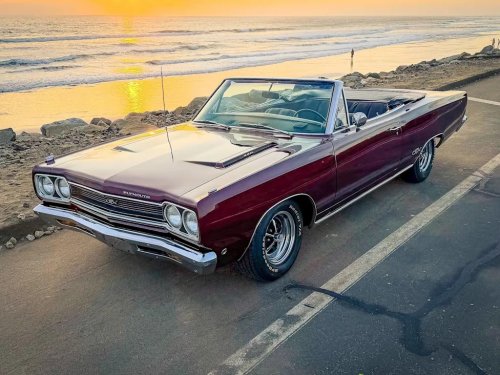
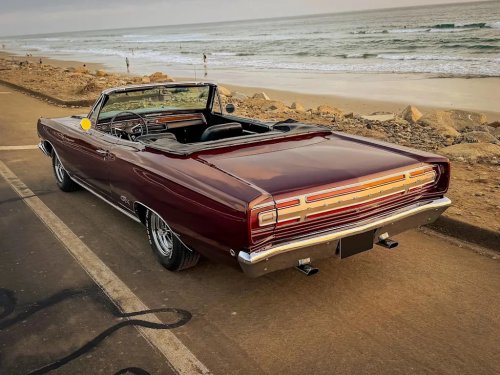
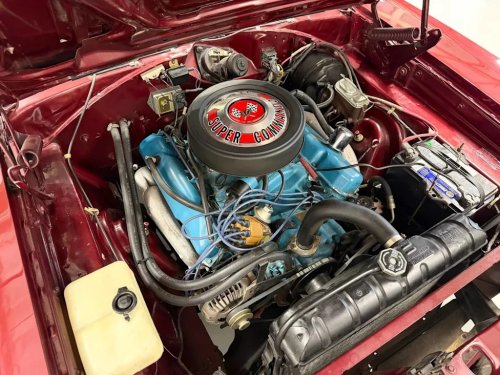
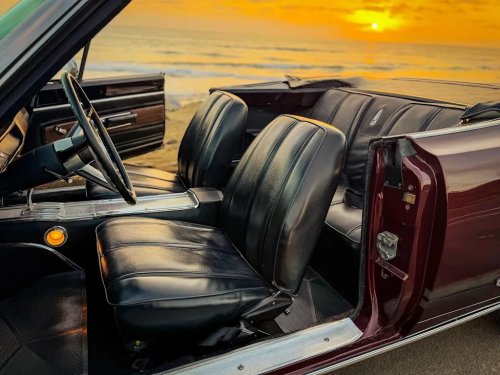
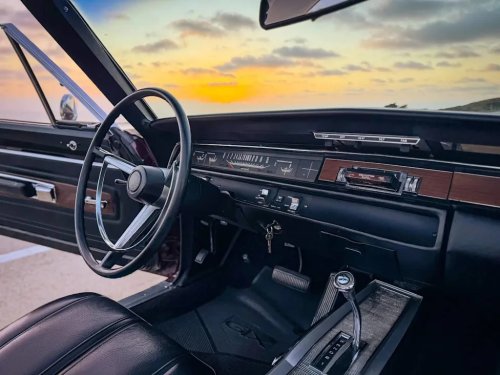
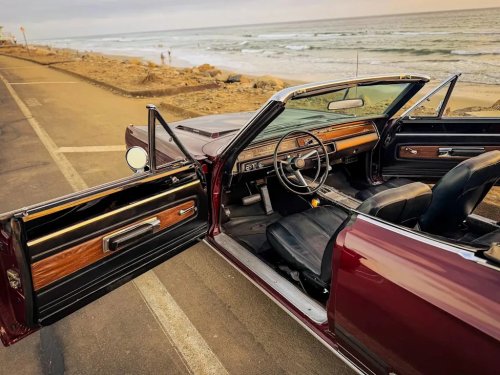
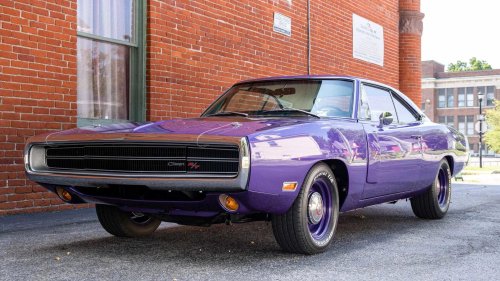
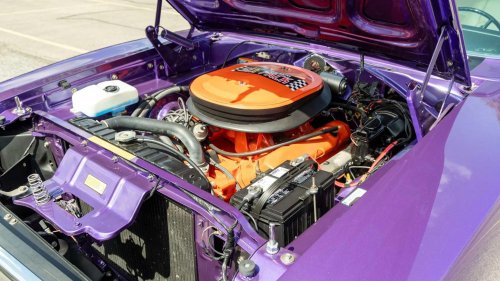
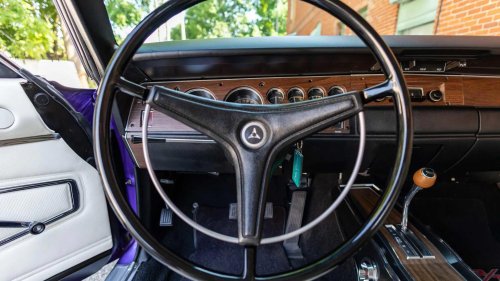
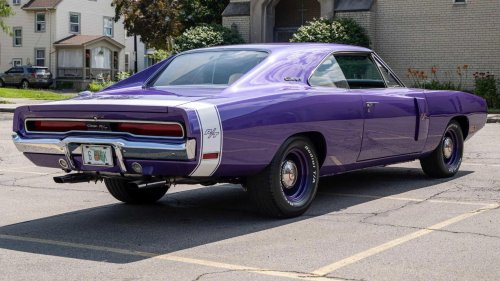
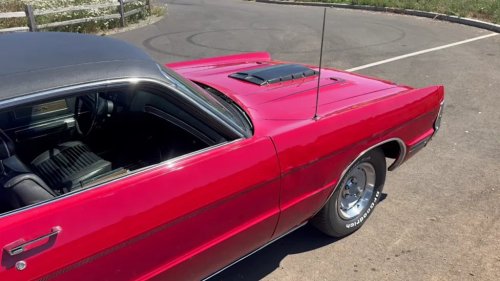
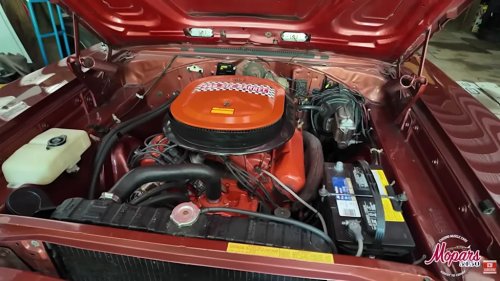
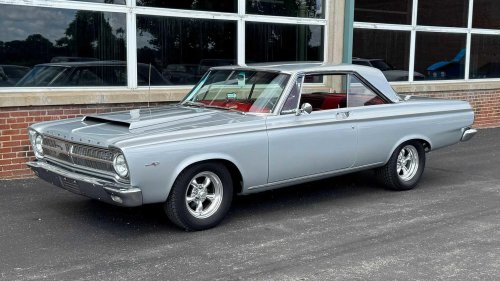
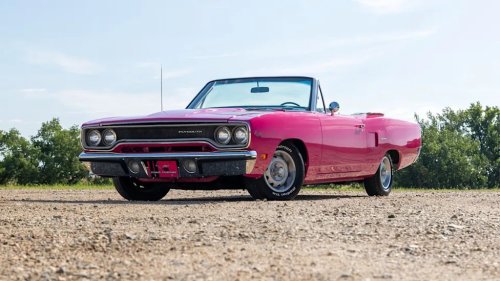
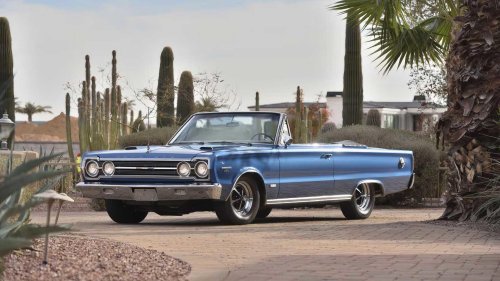
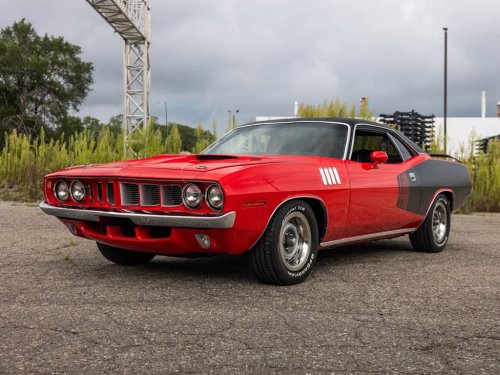
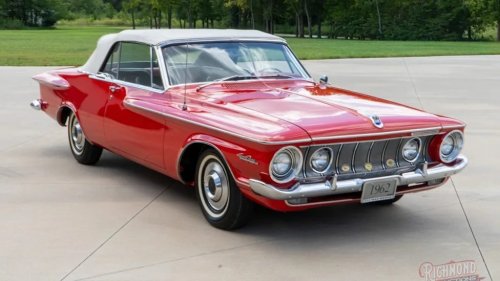
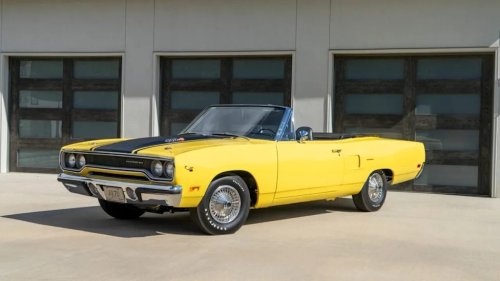
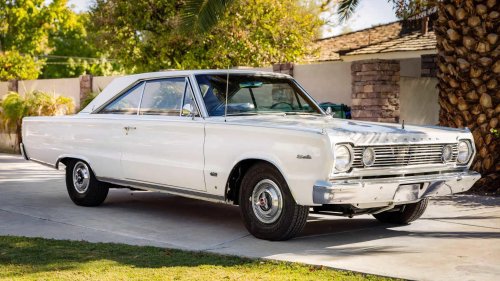
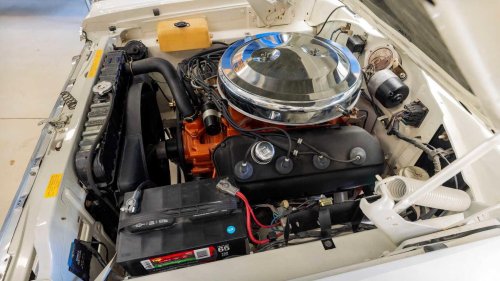
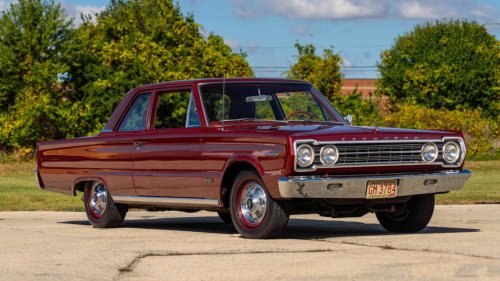
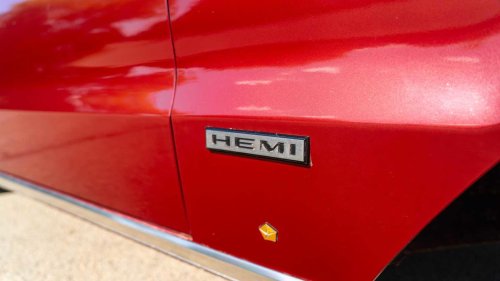
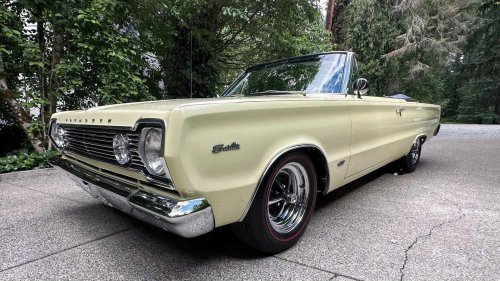
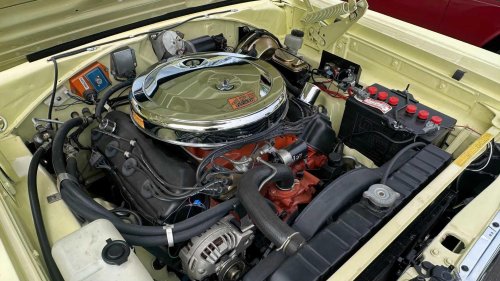
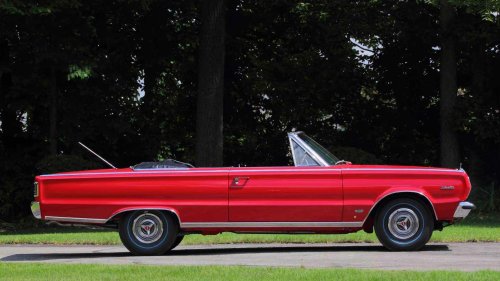
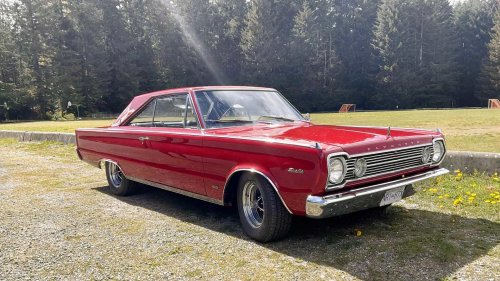
In Mopar lore, the same names always lead the conversation. Hemi ’Cudas, Road Runners, Chargers, you name it. For many enthusiasts, that feels like the whole story. The legends seem settled, and the surprises seem long gone.But Mopar history still hides a few wild cards. Before some of the bigger names took over, Plymouth slipped out a far stranger machine, built in tiny numbers and nearly lost to time. Only 27 factory convertibles got the combination in 1966, yet even serious fans often overlook it. That is what makes this car so interesting. It is rare, yes, but more than that, it is one of those forgotten machines that can still make hardened collectors start digging through old records like they misplaced the keys in 1968. The Early Hemi Story Bring a Trailer The car in question only makes sense once the 426 Street Hemi story comes into focus. Chrysler’s second-generation 426 Hemi started life as a race engine in early 1964, built for NASCAR and drag racing. It hit hard enough that racing politics and production-rule pressure forced Chrysler to create a public version for the 1966 model year. In other words, the street engine existed because the race engine had already made too much noise to hide. The street version kept the race-bred bones, but it got lower compression, cast-iron exhaust manifolds, a milder solid-lifter cam, and other changes that made it barely civilized enough for public roads.Even in street trim, the numbers still sounded insane. The 426 used a 4.25-inch bore and 3.75-inch stroke, 10.25:1 compression, twin four-barrel carburetors, and factory ratings of 425 horsepower at 5,000 rpm and 490 lb-ft at 4,000 rpm. That was enough to make most factory big-blocks look incompetent.via Bring A Trailer 1966 Plymouth Satellite Hemi SpecsPlymouth said the engine had seen more than one million miles of testing before release. It also bragged that a street-version Hemi Plymouth driven by Bob Sumers averaged 156.35 mph at Bonneville, setting a Class B American closed-stock-car record.In 1966, Plymouth kept the Street Hemi in its B-body mid-size cars, and even there, the production spread looked odd. The company’s mid-size Hemi total reached 1,546 cars, including sedans, hardtops, convertibles, and even a handful of station wagons. That strange spread shows how open the 1966 order sheet really was before Plymouth narrowed its image cars. Buyers also had to take a heavy-duty TorqueFlite automatic or a four-speed manual, and the package bundled serious chassis hardware. The Hemi was less an option box than a warning label. A Rare Car Hidden In A Transitional Moment Mecum The forgotten Plymouth sat in an odd spot before the brand sorted out its muscle-car identity. It came from the top of the Belvedere line, and even the standard equipment told that story. Bucket seats, a center console, deep-pile carpeting, extra trim, and a V8 as standard fare. The body choices also said plenty. This upscale model only came as a hardtop or a convertible, which already pushed it toward style before anybody got near the engine order sheet.For 1966, Plymouth had not yet created the GTX, which arrived for 1967 as a clearer, more deliberate performance image car. The Road Runner was still a ways out, arriving in 1968 as the cheaper, lighter, louder answer for buyers who wanted less trim and more attitude. The super rare car we are talking about here landed right in the middle of that handoff, before Plymouth put neat labels on its muscle machines and before the brand started selling attitude almost as hard as horsepower.Mecum Later, the GTX became the gentleman’s muscle car, the Road Runner became the blue-collar hero with the cartoon horn and the giant reputation. The 1966 open car with the big engine did not get a tidy role like that. It came early, wore nicer clothes, and then watched the spotlight move down the hall. Only 27 Open-Top Satellite Hemis Were Built Bring a Trailer That nearly forgotten car was the 1966 Plymouth Satellite Hemi convertible. Plymouth built 35,399 Satellite hardtops and 2,759 Satellite convertibles for 1966. Of those, 817 hardtops got the Street Hemi, and just 27 convertibles did. That means fewer than one percent of Satellite convertibles got the engine, and only about 0.07 percent of all 1966 Satellites carried the full open-top Hemi combination. Total Hemi Satellite production reached 844 cars, so the convertibles represented only about 3.2 percent of the Hemi Satellite story.The 27-car total looks even smaller in a wider context. Plymouth built 1,546 Street Hemi mid-size cars for 1966 across the Belvedere and Satellite family. So the Hemi Satellite convertible made up less than 2 percent of Plymouth’s entire mid-size Hemi output for that year. The hardtops already looked scarce at 817 units, but the convertibles lived in a far narrower lane.The mix itself is what makes the car so good. A Satellite convertible already leaned toward style. Add bucket seats, a console, bright trim, and a power top, then drop in an engine born from stock-car war and drag-strip duty. This is half boulevard cruiser, half demolition tool, all awesome. Top down, the driver would get all the extra soundtrack too. Lifter chatter, intake roar, and the kind of big-block exhaust note that made nearby conversations pointless. It was a car that offered open air and closed caskets for rear tires. Plymouth accidentally built something that felt classy and slightly unhinged at the same time. Rare Doesn't Mean Incapable Bring a TrailerThe numbers around the car help explain why so few buyers ordered one. A 1966 Satellite convertible carried a factory price of $2,910, and the Hemi option alone cost $907.60, and buyers still had to add either the four-speed manual for $184.20 or the heavy-duty TorqueFlite automatic for $206.30. So even the cheapest Hemi convertible sailed past the four-thousand-dollar mark before radio, power steering, or other comfort extras entered the chat. In percentage terms, the Hemi and mandatory gearbox added well over a third to the base price.That was a serious pile of money in 1966 for a mid-size Plymouth. Car and Driver’s Hemi Satellite hardtop test car, with extras, landed at $4,182.22, which shows how quickly the bill climbed once the fun started.Mecum The hardware backed up the bill, though. The Street Hemi used forged connecting rods, a forged crankshaft, mechanical tappets, a cast-aluminum intake manifold, and dual Carter AFB carburetors. The manual-transmission rear axle was at 3.55:1 and the automatic at 3.23:1. The engine also carried deep-breathing hemispherical chambers, a double-roller timing chain, and an extra-deep oil pan, while the Hemi package brought stiffer torsion bars and rear springs, metallic brake linings, and Goodyear Blue Streak tires. That is why the car felt so different from a normal engine-swap special.And it worked well, too. Car and Driver tested an early Hemi Satellite and recorded 0-60 mph in 5.3 seconds, the quarter-mile in 13.8 seconds at 104 mph, and a top speed of 130 mph. For a steel-bodied American intermediate in 1966, that was fierce. The magazine also noted fuel economy from about 9 to 14 mpg, which is another way of saying the gas gauge did not enjoy its job. A convertible added some weight, sure, but not enough to change the point.These 27 cars were proper big-torque street weapons with the roof cut off. The magazine also came away convinced that the Hemi Satellite was the best machine in its intermediate family, even while it grumbled about steering feel, trim quality, and a few rough edges. Why Almost Nobody Knows It Existed The first reason is simple. It lived in a one-year sweet spot that vanished almost overnight. Plymouth let the Street Hemi roam through its regular Belvedere and Satellite world in 1966, then changed direction. For 1967, the GTX arrived as the brand’s more focused performance flagship, with only three Hemi Satellites total that year, just two hardtops and one convertible. By 1968, the Road Runner had arrived with a clearer message, a lower price, and a much louder place in Mopar folklore. The forgotten ragtop never had a chance against that kind of branding avalanche.Then, the name itself. In 1966, the Satellite was still an upscale trim within the Belvedere family, not yet the broader standalone identity many people remember from later years. Then the Belvedere name faded out, and Satellite expanded into a wider range of cars. That makes the 1966 Hemi convertible easy to file under the wrong mental folder. Some people think “Belvedere” and picture a plain sedan, others think “Satellite” and jump straight to later Sport Satellites, Road Runners, or family-car duty. This car sits awkwardly between those memories, which is exactly where rare cars go to get forgotten.Bring a Trailer The third reason, of course, is image. Hemi mythology usually favors coupes, post cars, drag-strip stories, and machines that look like they want to pick a fight before the key even turns. The Satellite convertible does not quite fit that poster, right?. It started as the nicest Belvedere, not the cheapest. It had a well-trimmed interior with bucket seats, a console, and Plymouth’s Western-scroll-style vinyl. It looked respectable enough to fool the neighbors, right up to the moment it made the kind of noise that scared small birds off nearby power lines.In the end, the 1966 Plymouth Satellite Hemi convertible captures Mopar at a weird, brilliant moment before the legend got organized into cleaner nameplates and better-known mascots. It shows that Plymouth’s Hemi story did not begin with the cars everybody always mentions, and it proves that muscle-car history was messier, stranger, and more interesting than the clean highlight reel suggests. Sometimes that story wore bright trim, a folding top, and an identity crisis. And that is brilliant.



















 +42 others