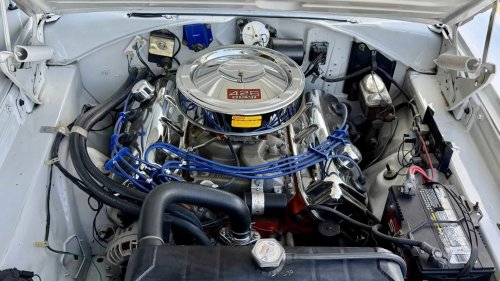
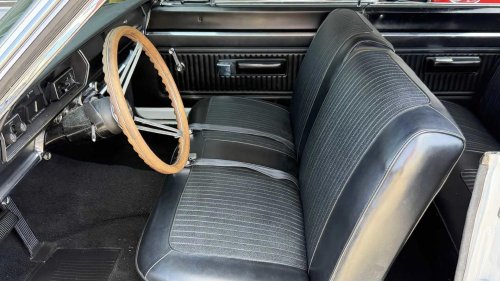
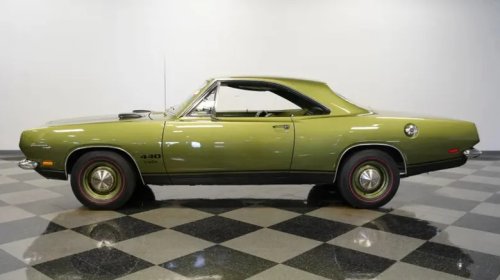
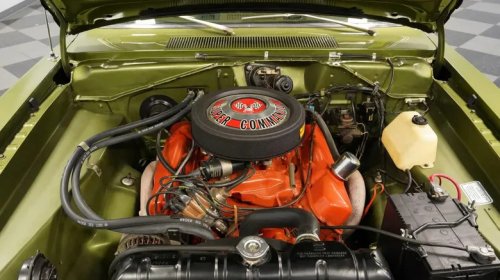
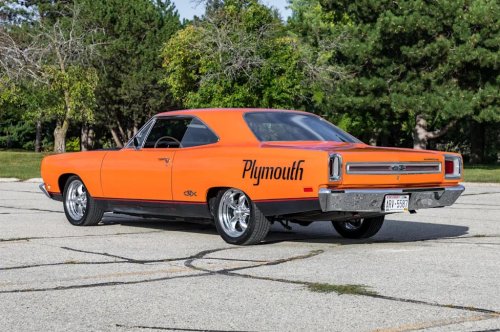
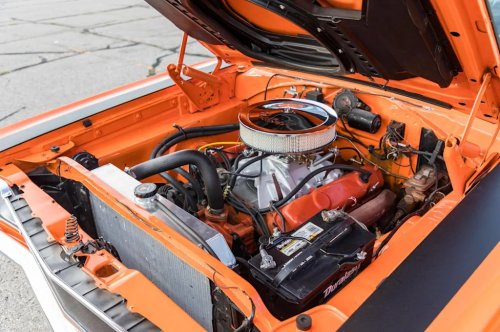
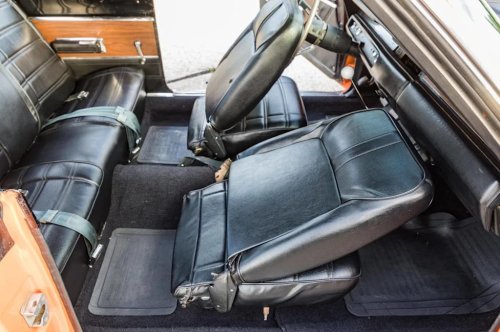
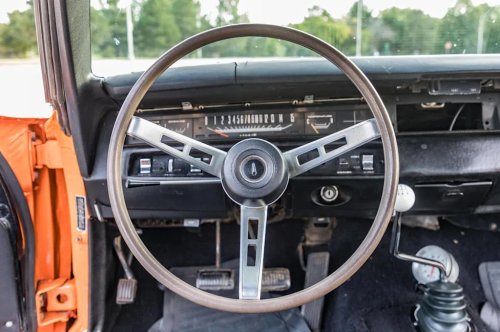
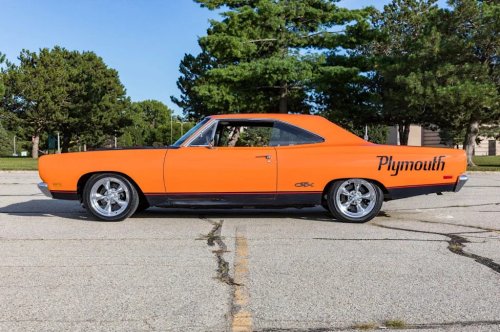
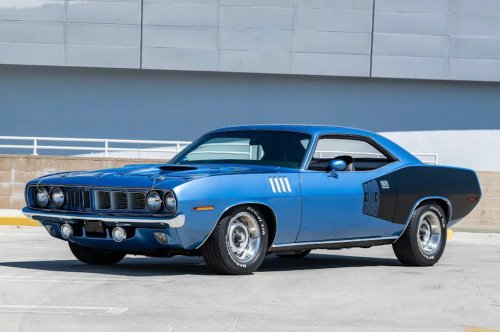
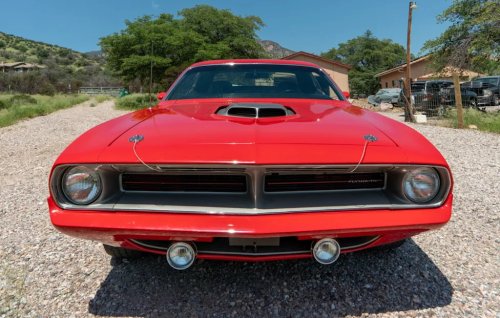
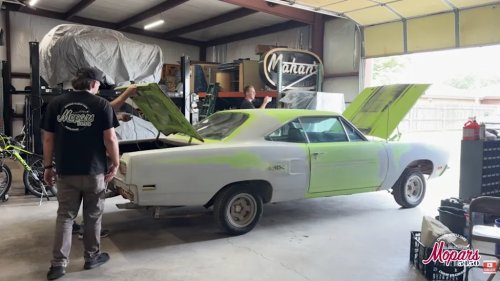
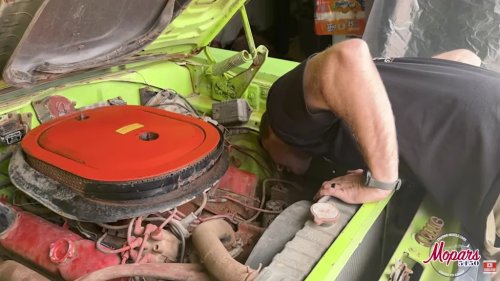
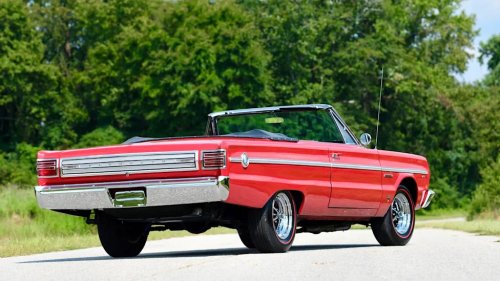
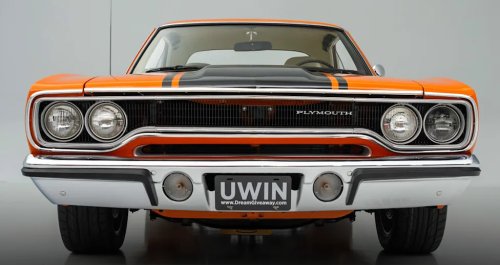
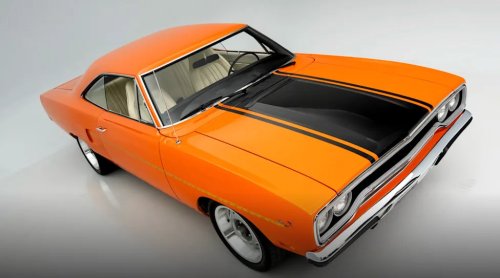
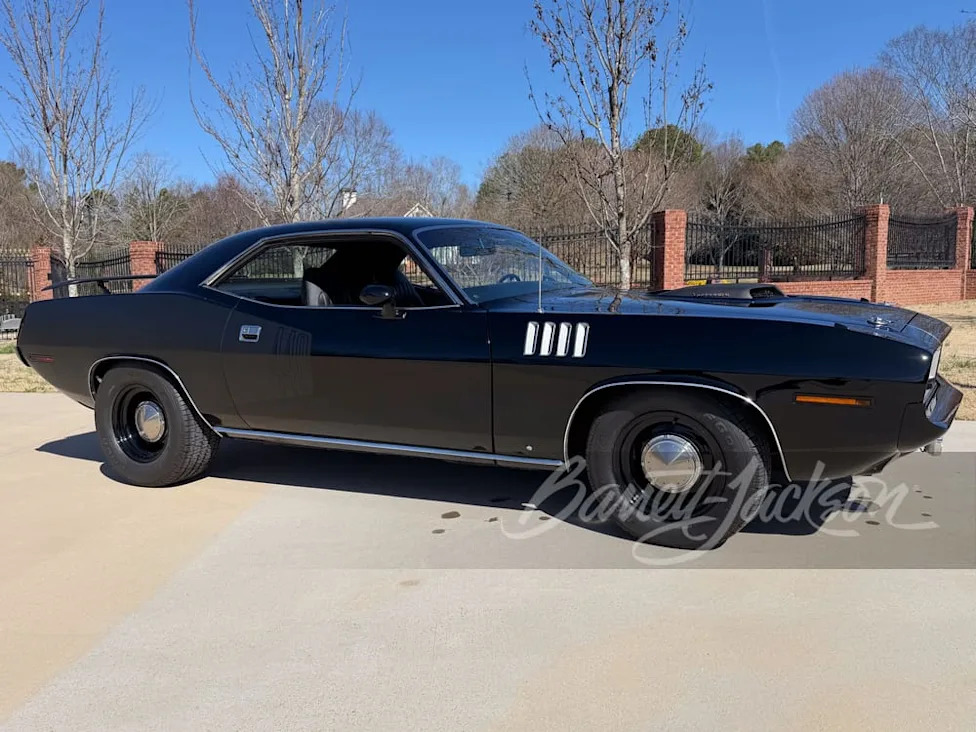
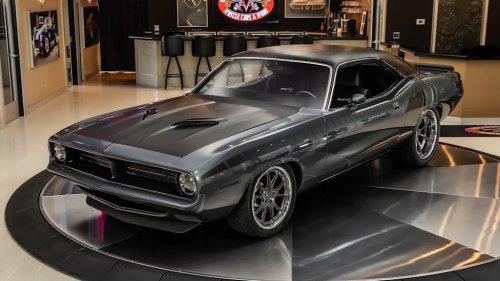
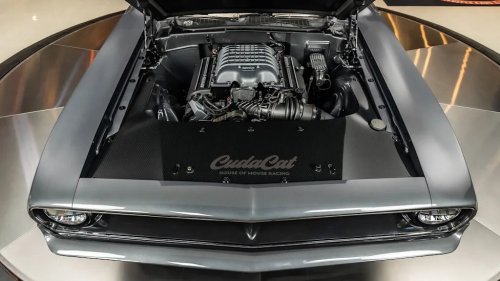
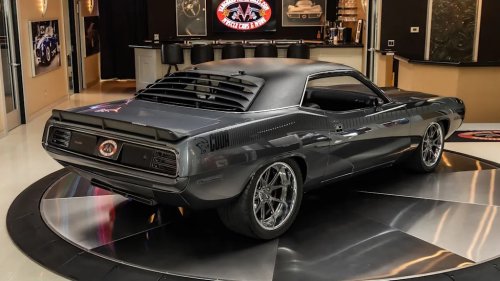
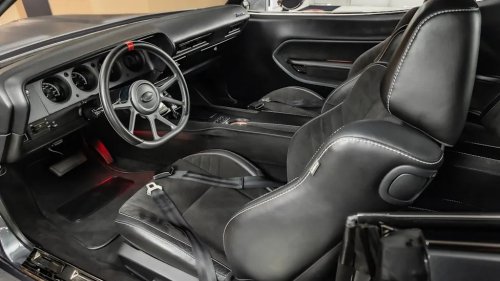
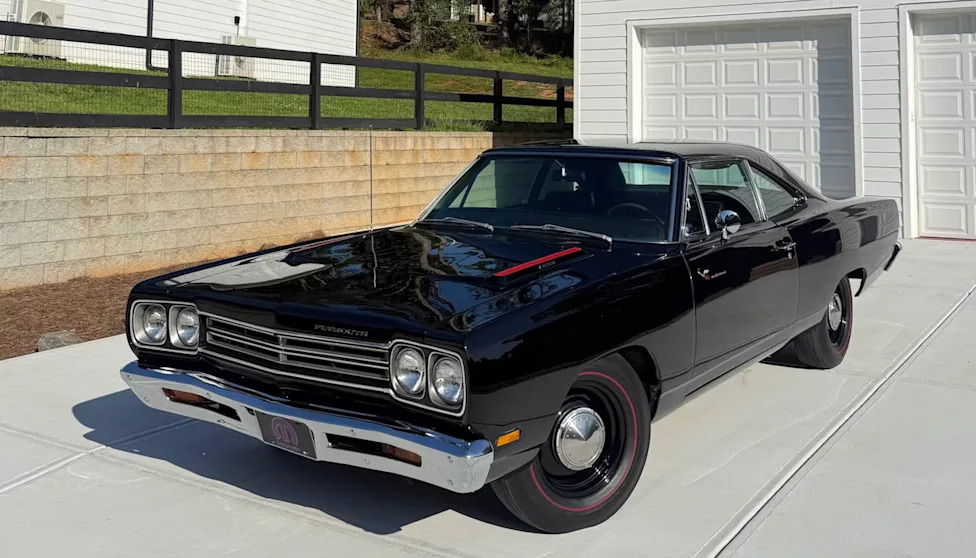
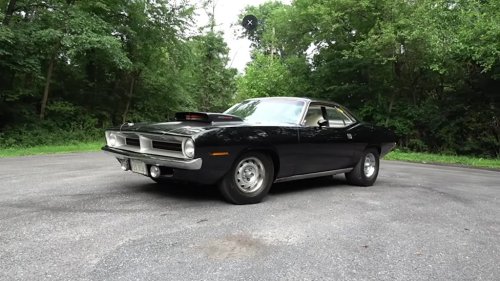
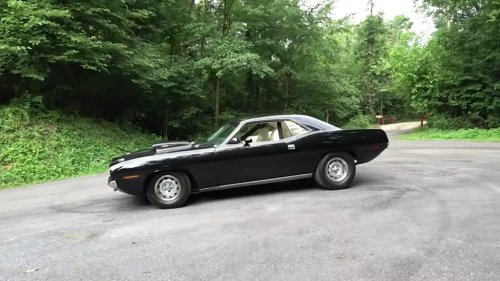
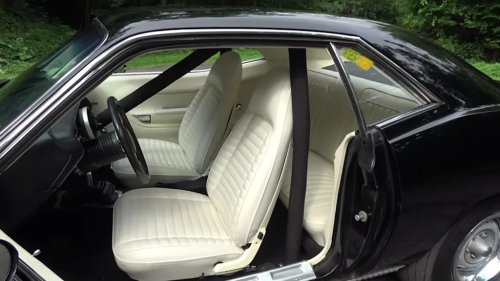
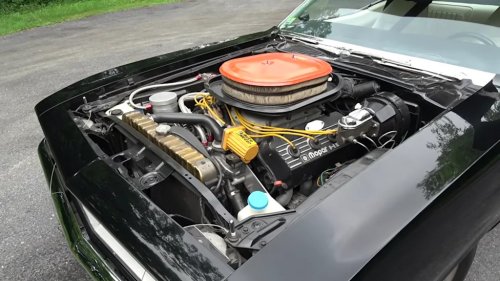
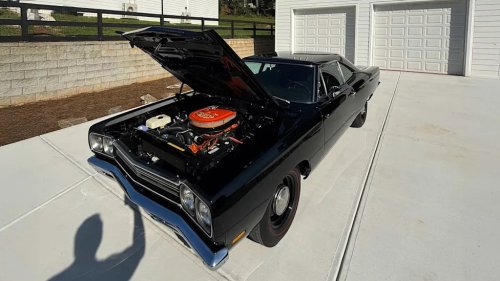
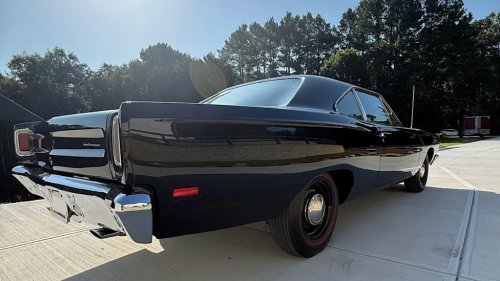
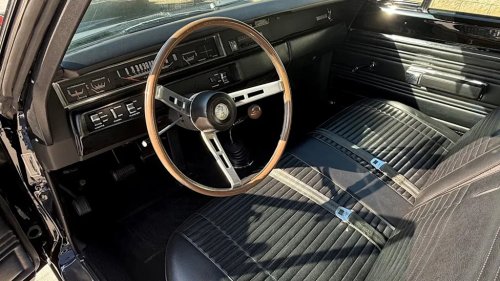
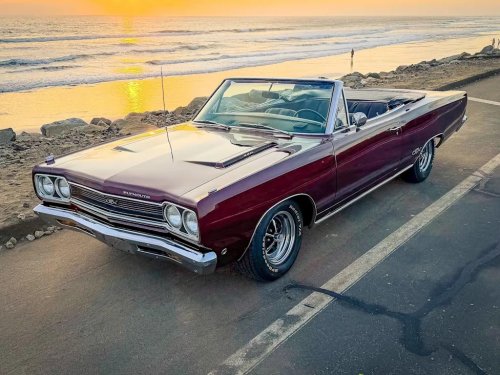
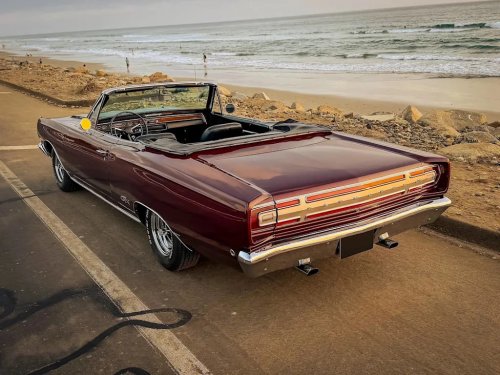
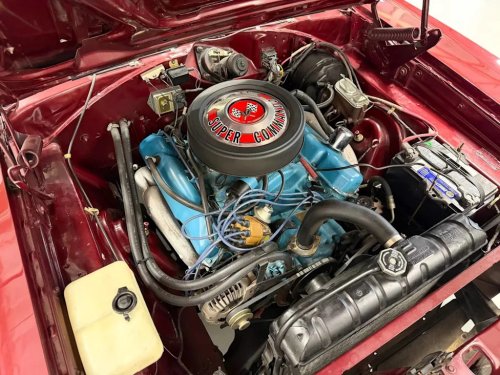
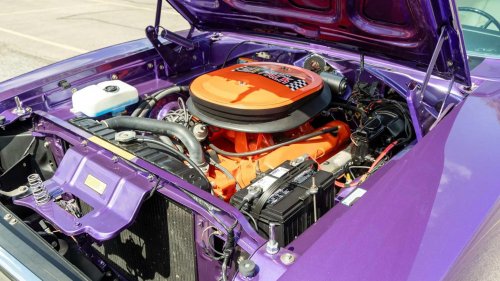
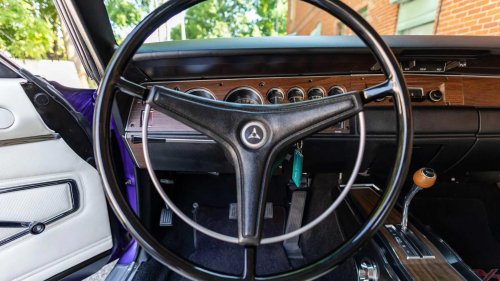
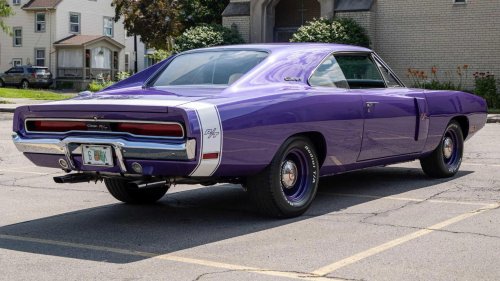
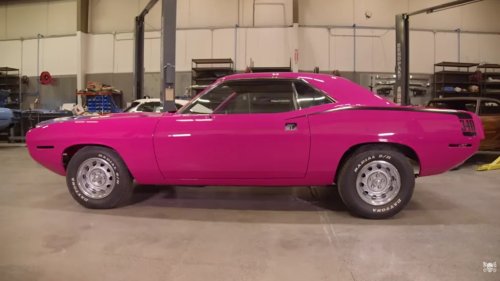
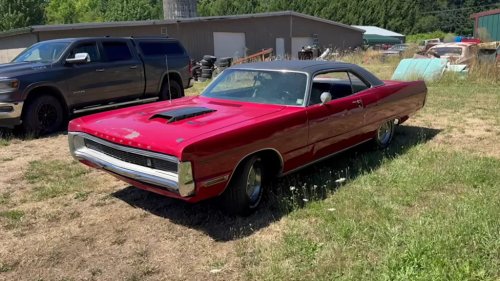
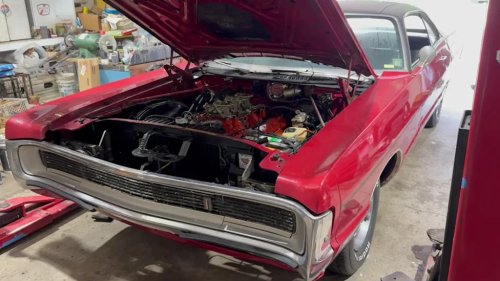
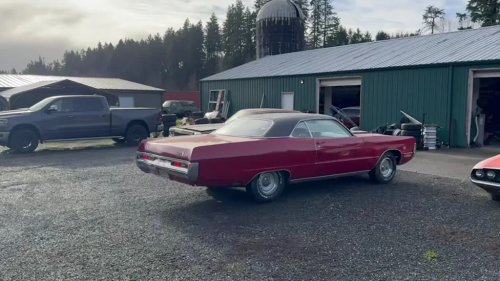
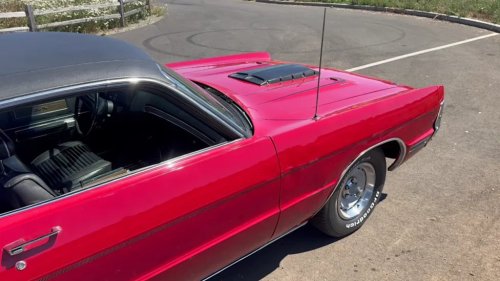
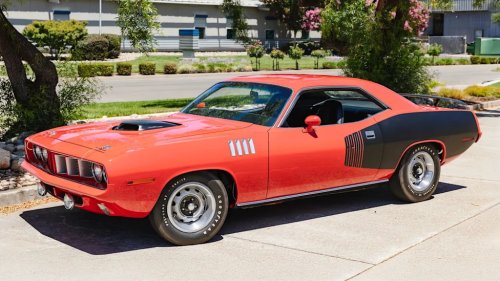
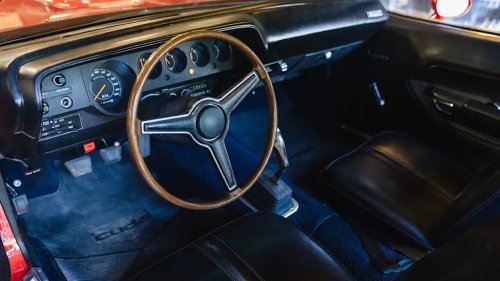
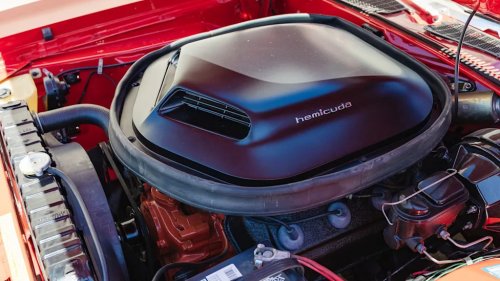
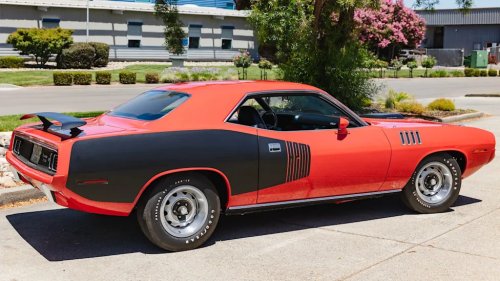
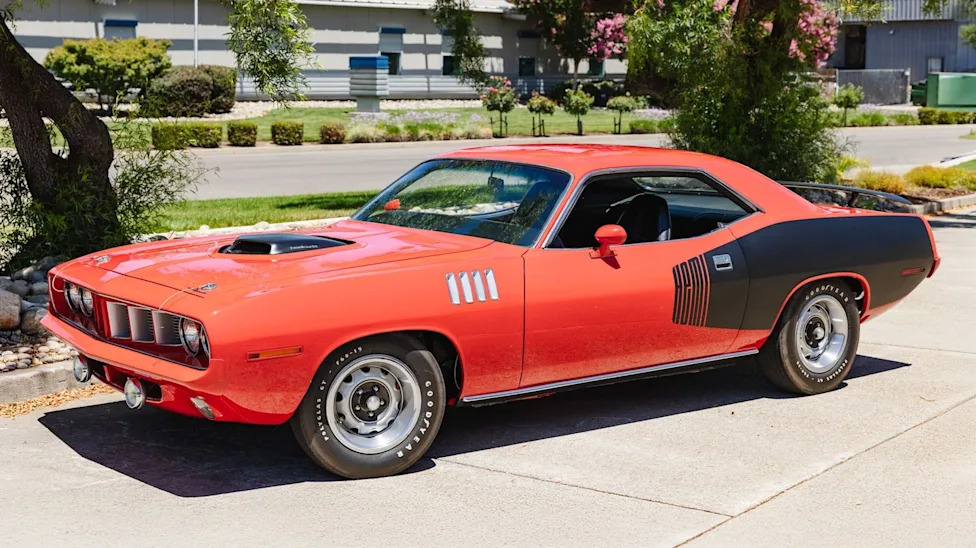
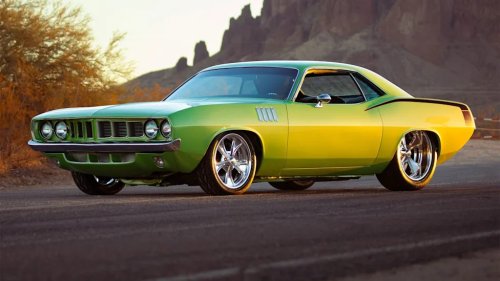
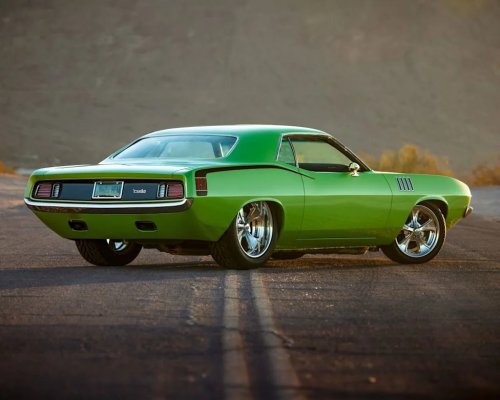
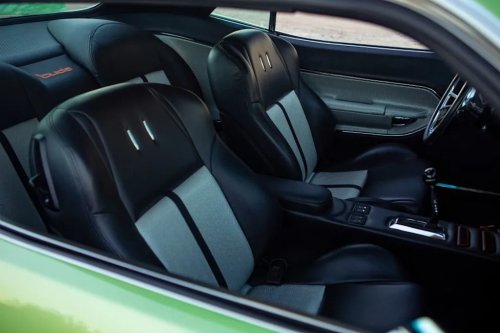
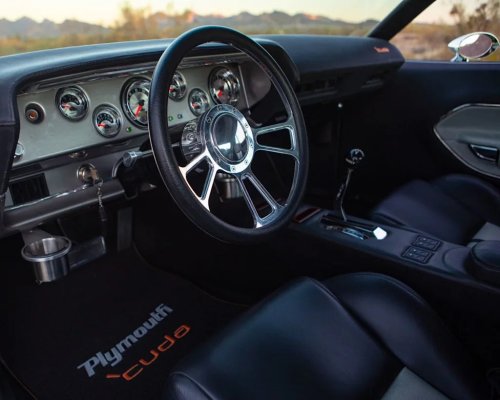
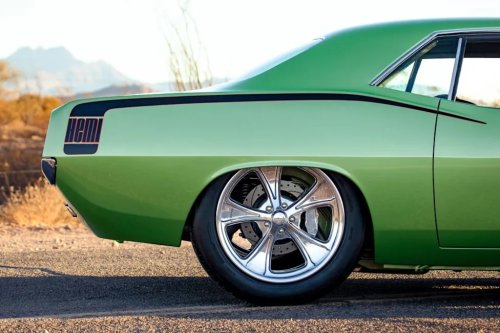
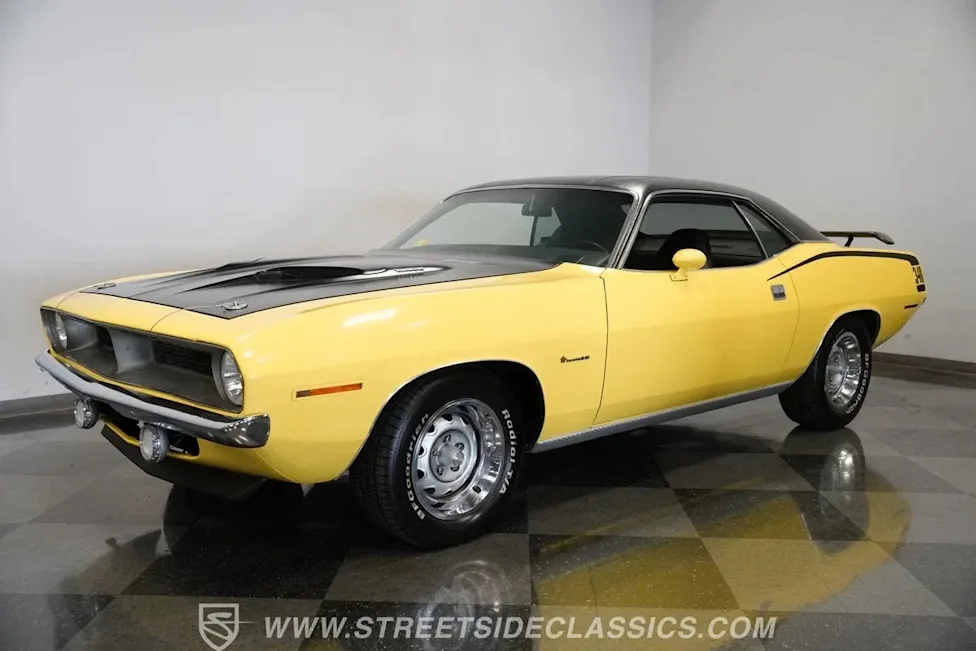
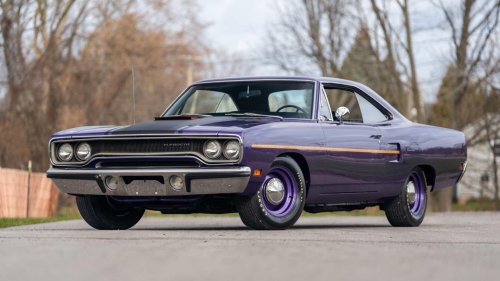
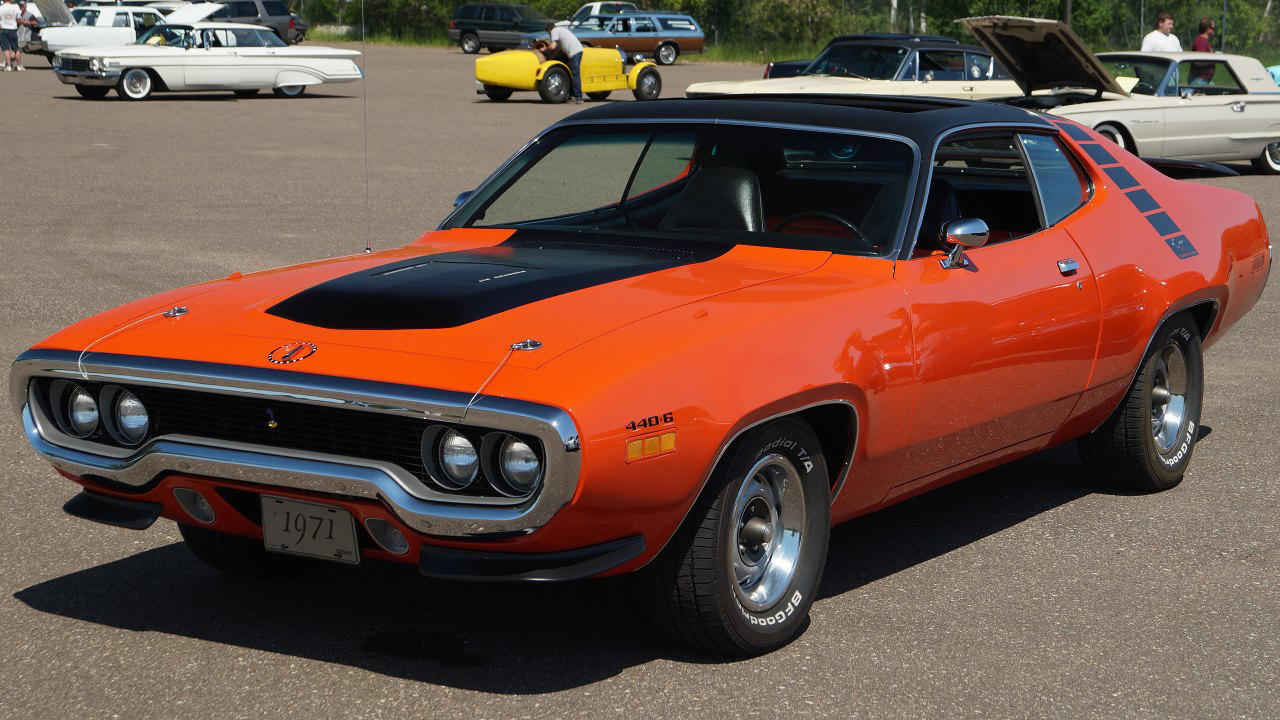
When the 1971 Plymouth Road Runner refused to grow tameThe 1971 Plymouth Road Runner arrived at a moment when muscle cars were under pressure to grow up, smooth out, and make peace with looming regulations. Instead, it doubled down on attitude, trading boxy lines for a radical new shape while keeping its rowdy character intact. The result was a car that refused to grow tame, even as the era that created it was already starting to fade. That defiance showed up in its styling, its engines, and even its cartoon horn, which signaled that this was still a street brawler at heart. The 1971 model did not simply update an existing formula, it reinterpreted it, proving that a muscle car could evolve without surrendering the raw edge that made it famous in the first place. A radical redesign that kept its swagger The 1971 Plymouth Road Runner represented a clear break from the squared-off look of the late 1960s, adopting a new “fuselage” body with curvier lines and a more sculpted profile. The proportions were lower and wider, with a pronounced coke-bottle sweep through the doors and rear quarters that made the car look fast even at a standstill. This Radical Redesign was not just cosmetic; it signaled that Plymouth was willing to rethink its muscle icon while keeping the core idea intact, a point underscored by contemporary descriptions of the car as “Same Muscle Soul.” Despite the sleeker shape, the Road Runner did not trade aggression for elegance. The front end carried a bold grille and deeply set headlights that gave the car a slightly menacing stare, while the rear quarters flared around wide tires that advertised its performance intent. Reports on the 1971 Plymouth Road Runner highlight that this new body style was introduced alongside the “fuselage” design language across the brand, yet the Road Runner’s details, from its hood scoops to its stance, kept the car firmly in the muscle camp rather than drifting into luxury territory. Engines that refused to apologize Under the hood, the 1971 Plymouth Road Runner stayed unapologetically focused on power at a time when compression ratios and horsepower figures were beginning to face political and regulatory headwinds. Sources describe how buyers could choose from several powertrain options, starting with a base V8 that still delivered serious performance. One report notes that the standard engine was a 383-cubic inch V8 producing up to 300 horsepower, a figure that kept the entry-level Road Runner firmly in muscle car territory even before any upgrades were checked on the order form. Above that base engine, the Road Runner could be specified with larger and more ferocious V8s that turned the car into a genuine street weapon. Technical data from a preserved example lists an Engine rated at 440 cubic inches and 390 horsepower, paired with a 4-speed manual transmission, underscoring how serious the performance potential remained. Additional coverage of Road Runner Power And Performance references even more extreme options, including big-block configurations that pushed the car into the same conversation as the most feared American V8s of the period. In an era when some rivals were beginning to soften, the 1971 Road Runner’s engine menu made clear that it had no interest in backing down. Chassis tuning for more than straight lines Power alone was not the whole story. Reports on the 1971 Plymouth Road Runner emphasize that its suspension was tuned for handling as well as straight-line speed, a notable shift for a car that had built its reputation on quarter-mile bravado. The new body sat on a chassis that aimed to balance ride comfort with sharper responses, giving drivers more confidence when the road turned twisty instead of simply pointing the car at the horizon and flooring the throttle. This attention to handling showed that Plymouth understood the muscle market was maturing, even if the Road Runner’s personality remained proudly unruly. The combination of a more sophisticated suspension and the wider stance of the fuselage body helped the Road Runner feel planted at higher speeds, according to enthusiasts who have documented the model’s evolution. While it never pretended to be a European sports car, the 1971 version moved closer to a complete performance package, rather than a one-dimensional drag-strip special. That balance between brute force and improved road manners is part of what makes this model year stand out today, because it captured a brief window when American muscle was learning new tricks without losing its edge. Character in the details: horn, decals, and attitude For all its mechanical seriousness, the Road Runner never abandoned the playful streak that had made it a cultural phenomenon. Accounts of the 1971 model stress that the signature “Beep-Beep” horn remained in place, complete with the familiar Road Runner cartoon decal on the bodywork. Those touches were more than marketing gimmicks; they signaled that the car still embraced a kind of irreverent performance ethos, one that treated speed as fun rather than purely technical achievement. The fact that Plymouth kept the Beep horn and the Road Runner graphics even as the body and chassis grew more sophisticated shows how carefully the brand guarded the car’s identity. Inside, the cabin reflected the same blend of function and attitude. While detailed trim breakdowns vary by surviving example, period descriptions point to a straightforward, driver-focused layout that prioritized clear gauges and sturdy controls over luxury flourishes. Bucket seats, a floor-mounted shifter, and optional performance instrumentation reinforced the sense that this was a car built to be driven hard. Even as the 1971 redesign nudged the Road Runner closer to the mainstream in terms of comfort and refinement, the details, from horn to decals to interior layout, kept the car firmly aligned with its rebellious roots. Legacy of a defiant model year Looking back, the 1971 Plymouth Road Runner occupies a pivotal place in muscle car history. It arrived just as insurance costs, emissions rules, and shifting consumer tastes were beginning to squeeze the segment, yet it refused to fade quietly into respectability. The fuselage styling, the range of V8 engines from the 383-cubic base to the 440 big block, and the continued presence of the Beep horn and cartoon Road Runner all combined to create a car that evolved without surrender. Contemporary retrospectives on the Plymouth Road Runner repeatedly describe the 1971 model as a bold new chapter, one that managed to carry forward the Same Muscle Soul even as the world around it changed. That defiance is part of why the 1971 Road Runner remains so coveted among collectors and enthusiasts today. Surviving examples, including those documented with full Technical Specifications listing the Year, Make, Plymouth, Model, and Road Runner details, are treated as snapshots of a turning point, when American performance cars still spoke loudly and unapologetically. In an age when modern vehicles are defined by software, driver aids, and quiet efficiency, the 1971 Road Runner stands as a reminder of a different philosophy: one where a brash horn, a cartoon bird, and a thundering V8 were enough to make a statement that did not need to grow tame to be taken seriously. More from Fast Lane Only Unboxing the WWII Jeep in a Crate 15 rare Chevys collectors are quietly buying 10 underrated V8s still worth hunting down Police notice this before you even roll window down



















 +2 others