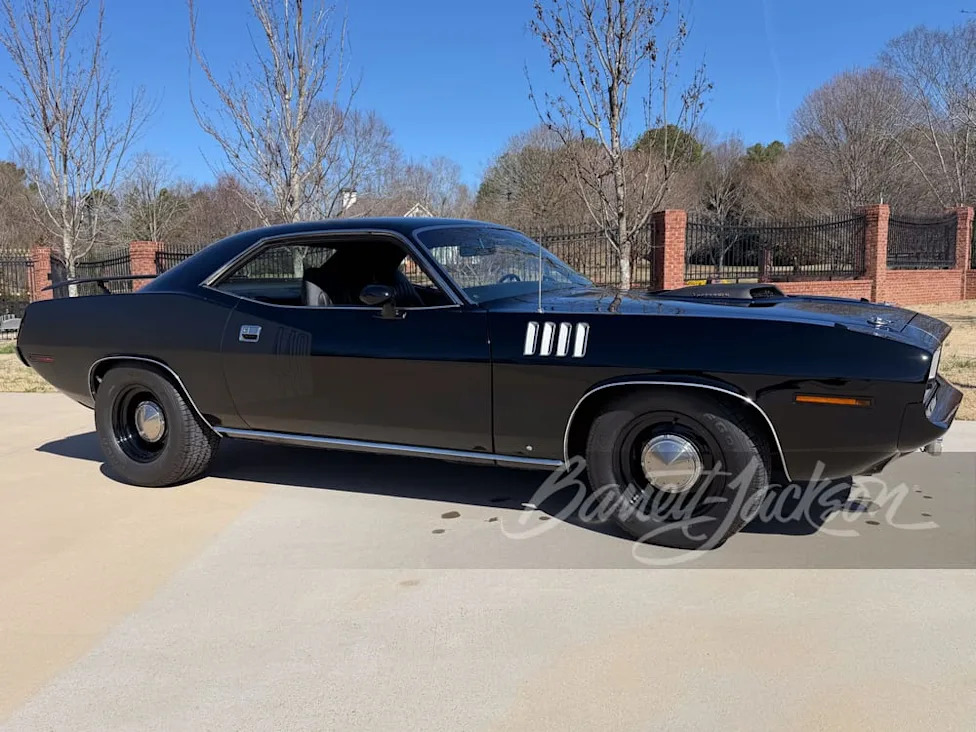
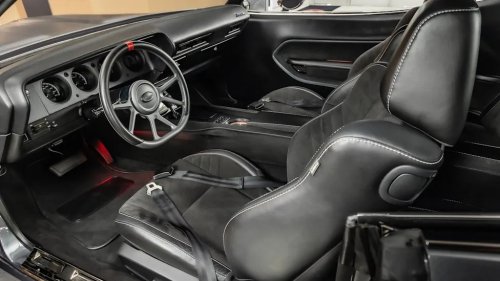
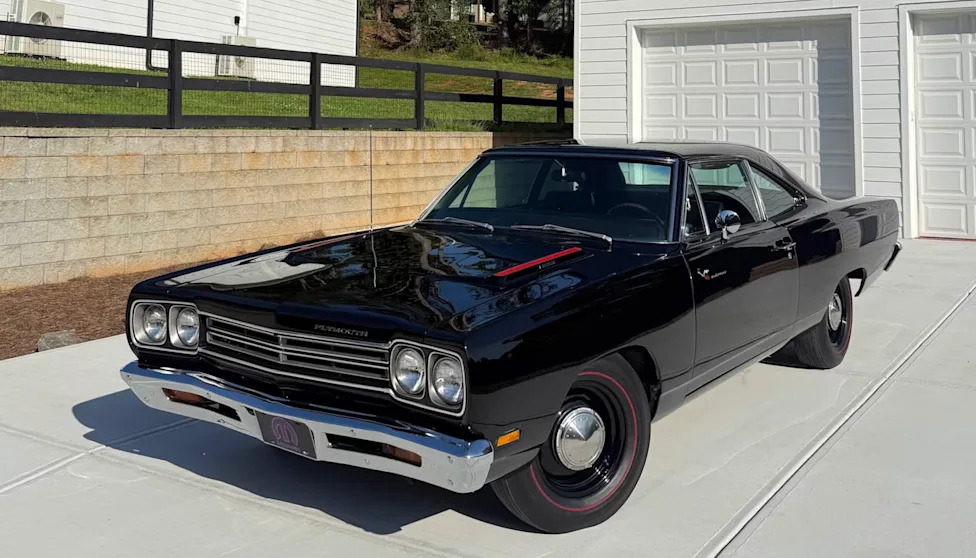
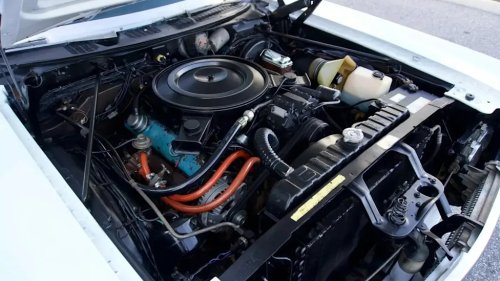
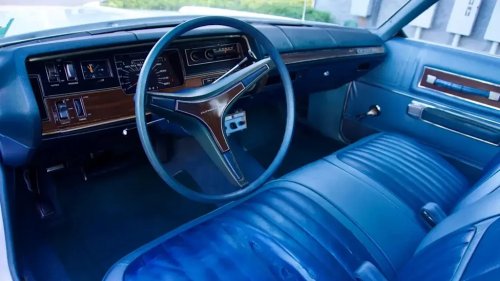
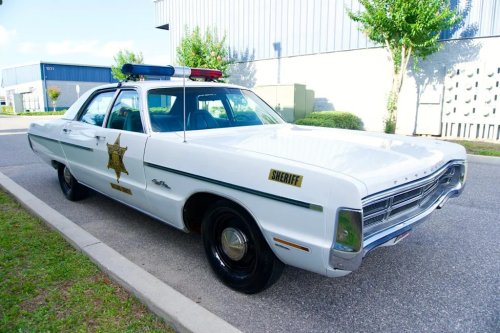
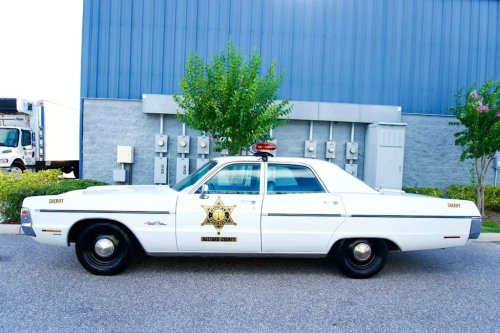
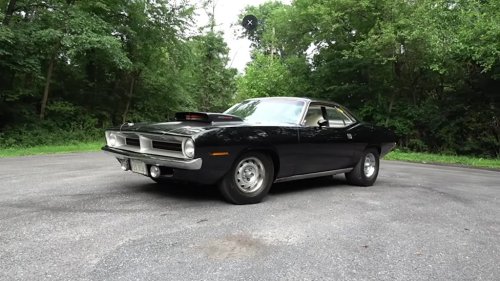
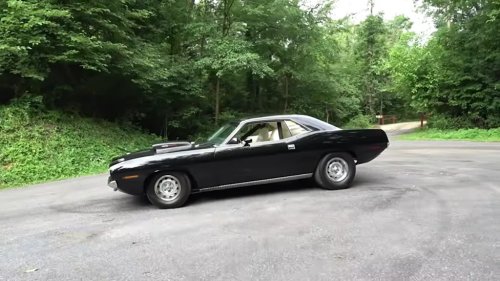
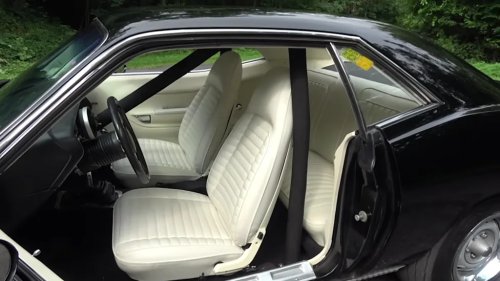
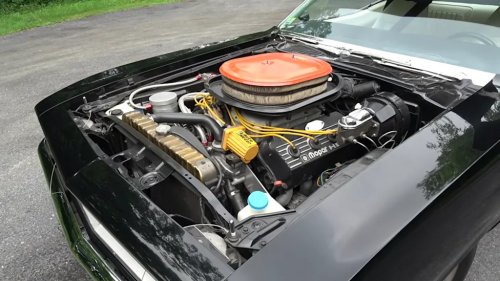
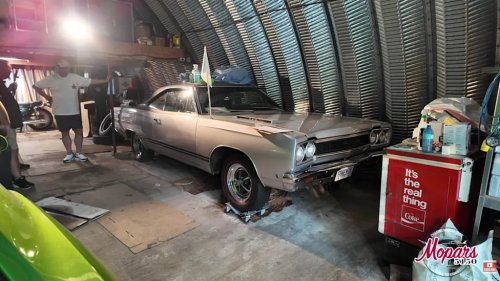
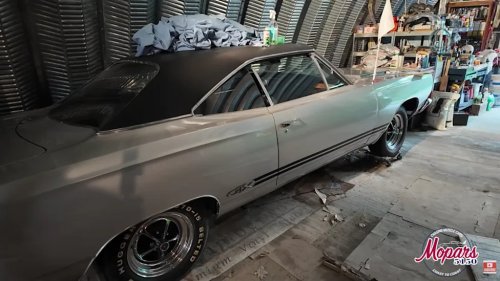
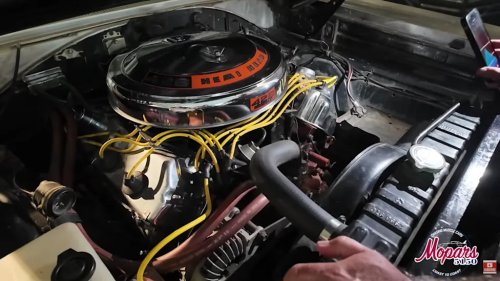
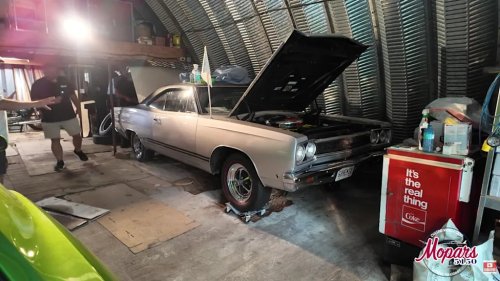
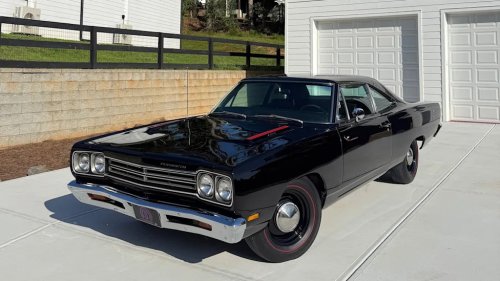
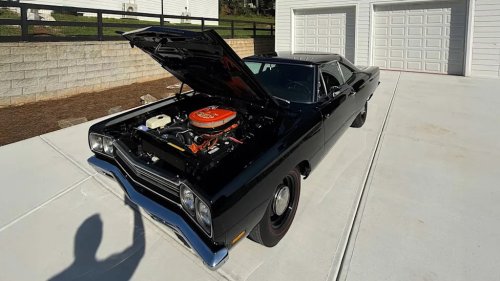
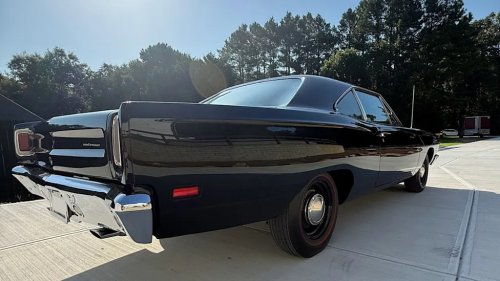
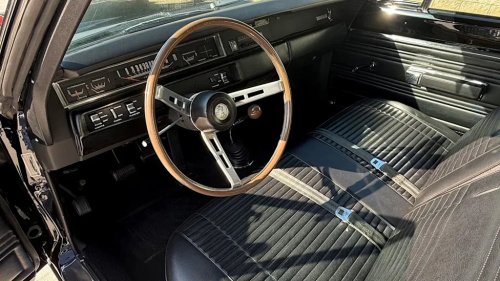
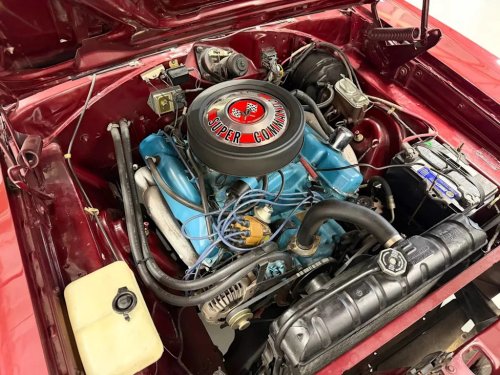
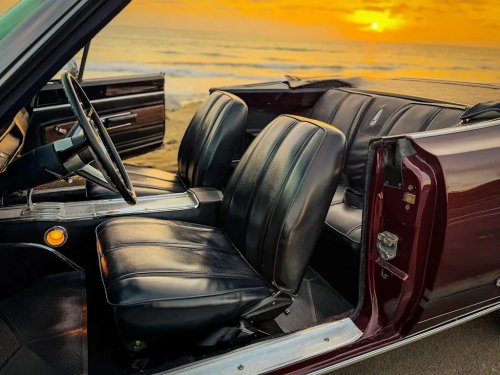
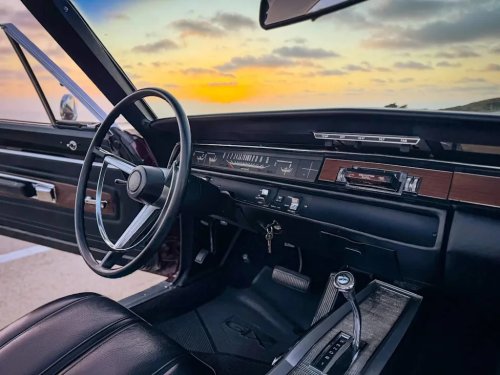
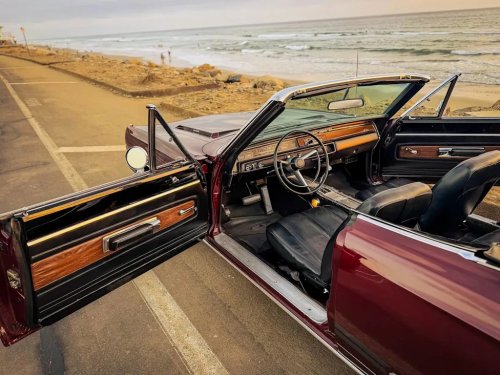
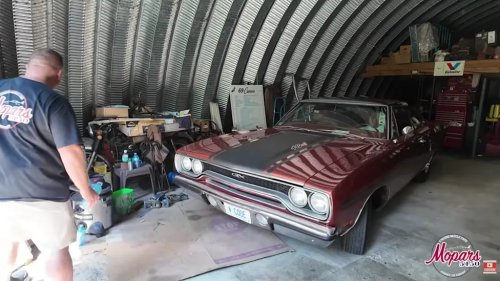
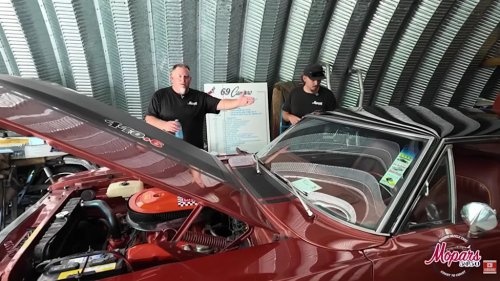
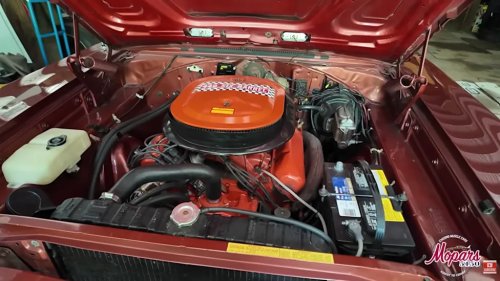
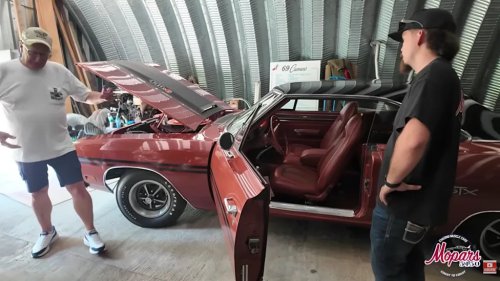
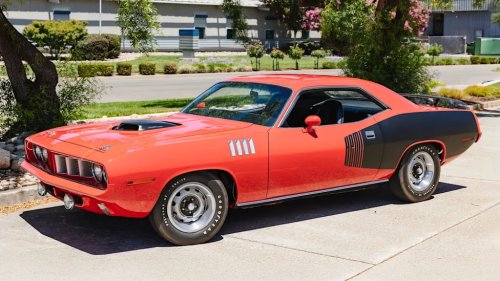
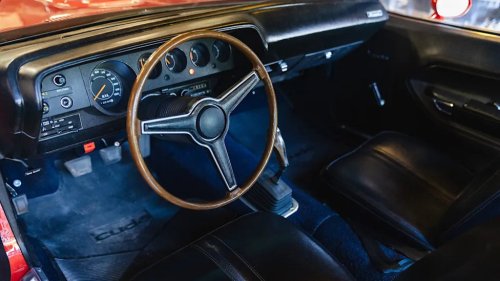
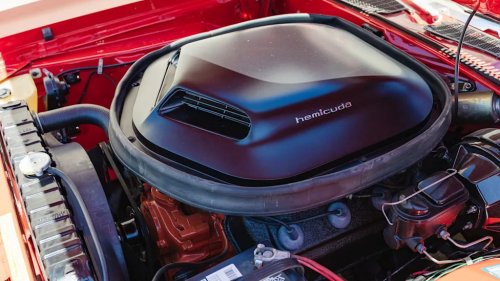
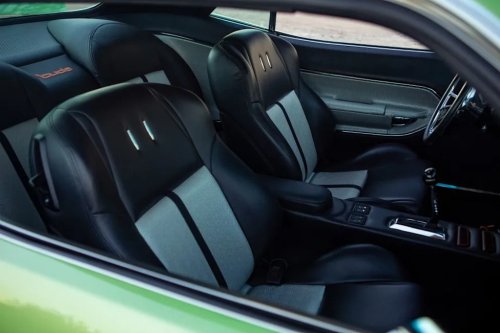
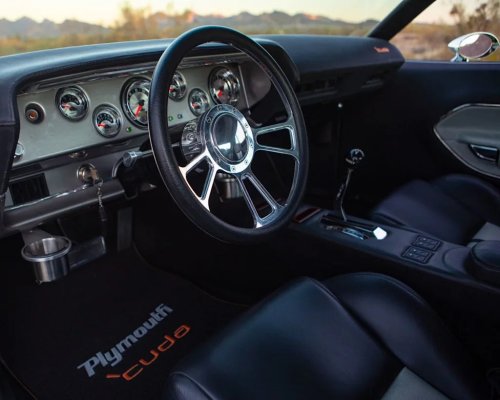
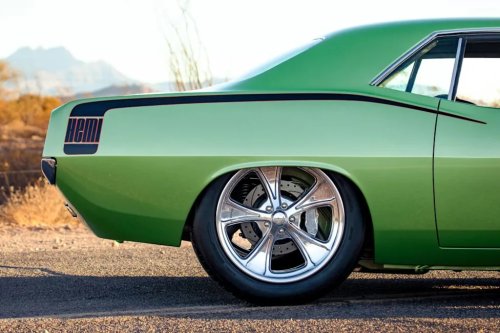
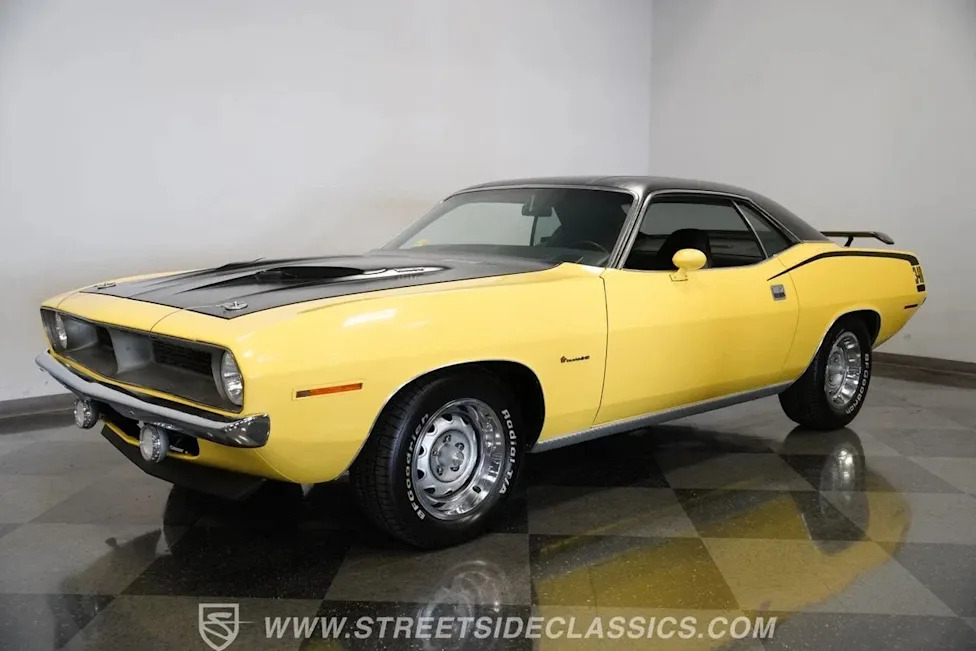
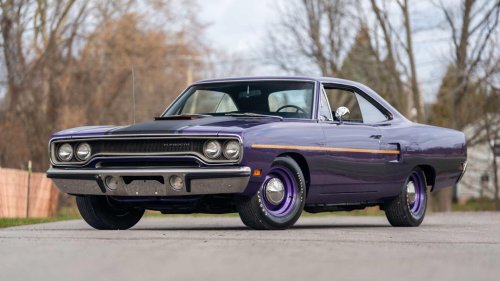
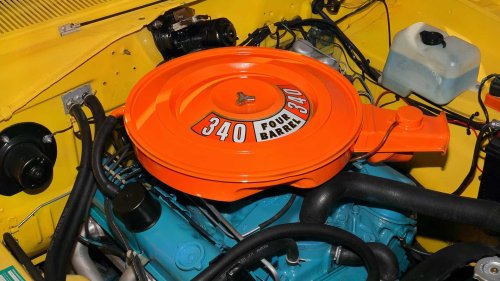
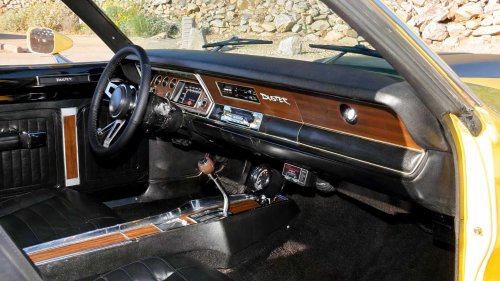
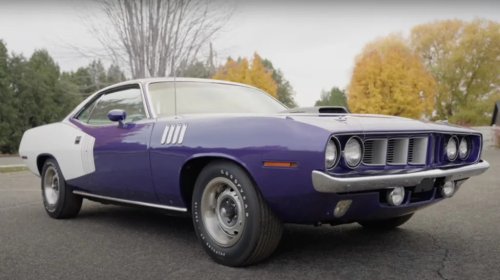
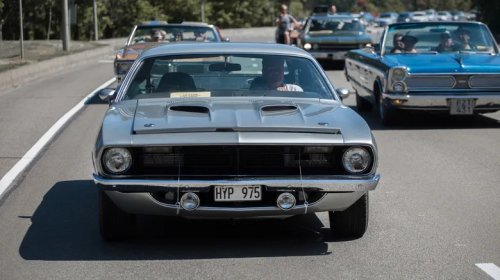
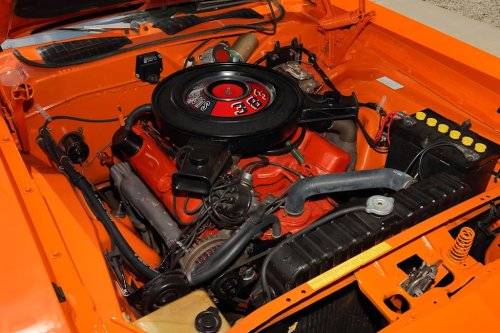
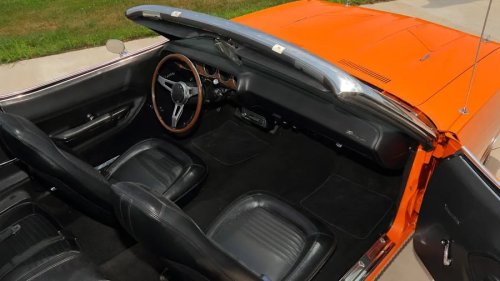
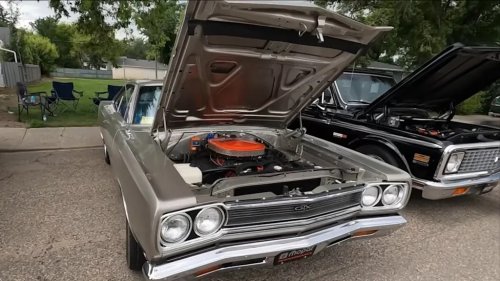
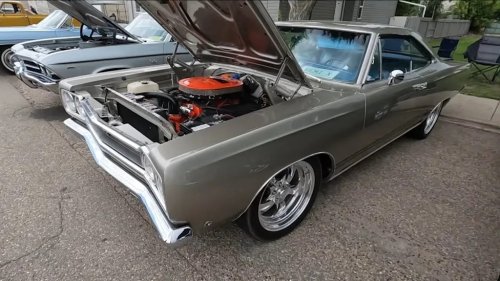
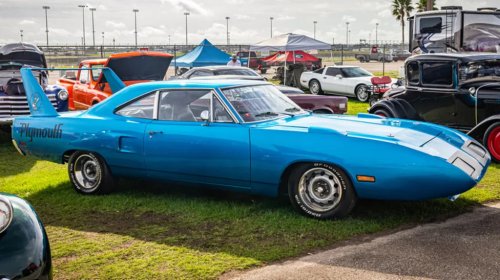
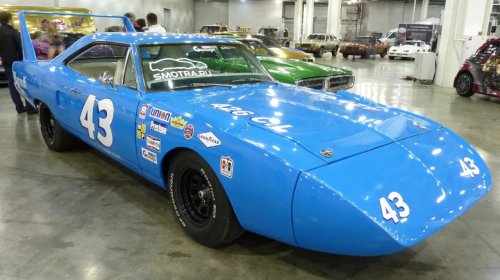
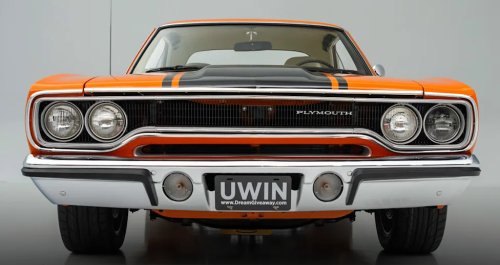
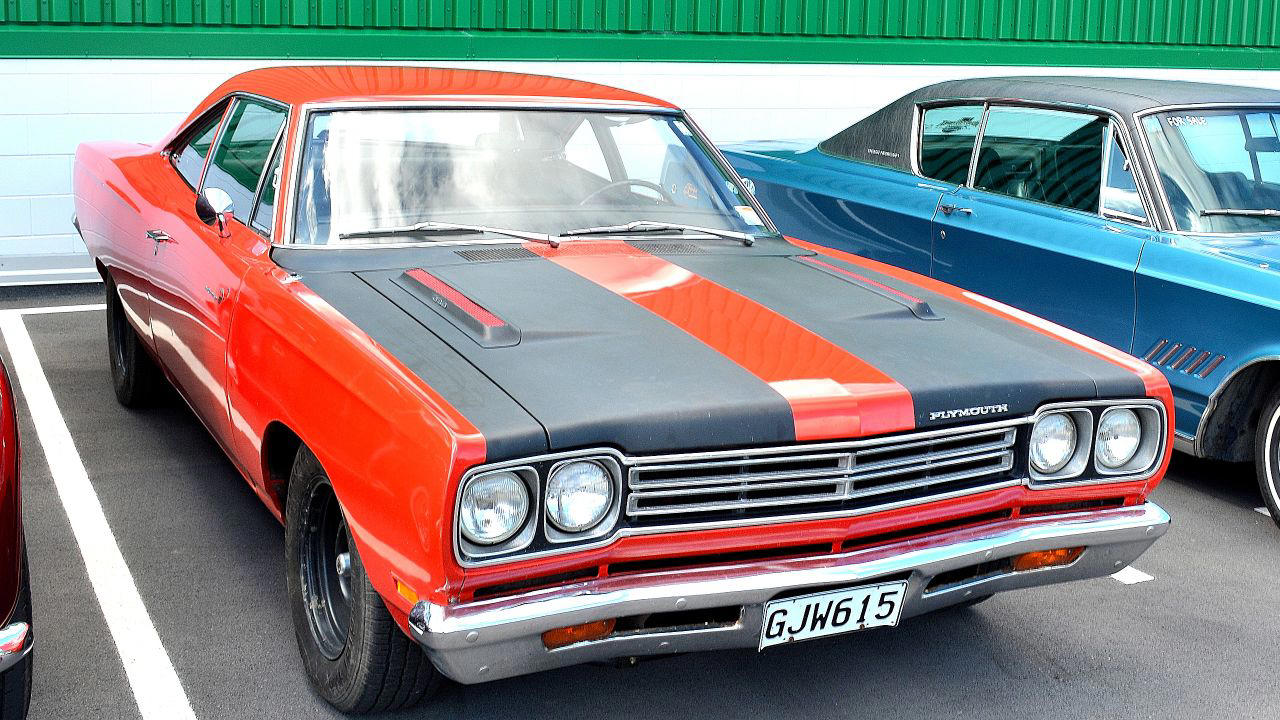
The 1969 Plymouth Road Runner stayed simple but sacrificed comfortThe 1969 Plymouth Road Runner aimed squarely at drivers who wanted big power without the padded price tag or plush cabin that were creeping into late sixties muscle. It stayed brutally simple, from its bare-bones interior to its unadorned bodywork, and in doing so it gave up a level of comfort that rival models were starting to embrace. That tradeoff, performance first and civility a distant second, is exactly what turned the car into a legend. Cheap speed from a stripped Belvedere The Plymouth Road Runner did not start as a luxury statement. The Plymouth team took the Belvedere midsize platform and treated it as a blank canvas, a stripped-down base that fit the low price point they wanted for the Road Runner. Instead of layering on features, engineers focused on the essentials that mattered to performance buyers. The result was a car that, in its period, was described as a machine that invented cheap speed in the golden age of the muscle car, with the Belvedere serving as the frugal foundation for the Road Runner and the more upscale Sport Satellite sitting above it in the range, as detailed in the Belvedere. The Plymouth Road Runner nameplate debuted for 1968, and the Plymouth Road Runner was introduced by Plymouth as a no-frills muscle car aimed at buyers who wanted high performance at a reasonable cost. That first-year formula carried straight into 1969 with only modest refinements. Enthusiast histories describe how Plymouth resisted the temptation to chase fancier trim packages ever, keeping the Road Runner focused on going fast rather than looking rich. In an era when many muscle cars were drifting upmarket, the Plymouth Road Runner line stayed defiantly blue collar. Powertrain first, everything else second Under the hood, the 1969 Road Runner came standard with a 383 cubic inch V8 that delivered a factory-rated 335 horsepower. Period-style walkarounds and modern enthusiast write-ups still highlight that 383 and its 335 output as the heart of the car, a big block that gave buyers real performance without forcing them into the costlier 440 or Hemi tiers. Performance was not just about straight-line thrust. Contemporary-style technical discussions of the 1969 Plymouth Roadrunner note that its handling was described as sharp and precise for a big B-body, helped by a solid rear axle and heavy-duty suspension components. However, the same sources concede that the stiff ride and simple chassis tuning made the car less forgiving on rough pavement, a reminder that the suspension was tuned with quarter-mile performance in mind rather than cross-country comfort, as summarized in it. That mechanical focus was very much intentional. Plymouth marketed the Road Runner as a car that delivered maximum performance for the minimum price, a position echoed by enthusiasts who describe how the model arrived at a time when muscle cars were getting more expensive and loaded with unnecessary frills. One enthusiast reflection on the era points out that the Road Runner went back to basics, concentrating on raw acceleration and simple durability instead of gadgets, a viewpoint captured in the way fans talk about the Road Runner. Design and Innovation without the plush Visually, the 1969 Plymouth Road Runner walked a line between aggression and restraint. Design and Innovation summaries describe how the exterior combined a long hood and short deck with simple, almost plain surfaces. Its bodywork avoided the chrome overload and ornate trim that defined some rivals. Instead, the car relied on its stance, hood scoops, and purposeful proportions to signal intent, a theme captured in modern catalog-style overviews of the Design and Innovation of the Plymouth Road Runner. Inside, the story stayed consistent. Enthusiast descriptions of late sixties Chrysler products praise how late 60s and Early 70 muscle cars from Chrysler often featured some of the best dashes of the era, but they also contrast the more upscale Plymouth GTX with the Road Runner. The Plymouth GTX is described as pure muscle car royalty with chrome trim, bucket seats, a center console, woodgrain dash accents, and Rallye gauges, all details that made it feel richer. Those same features are cited as part of the upscale muscle car experience that the Road Runner largely skipped in order to keep costs down, as highlighted in discussions of the Plymouth GTX. In other words, the Road Runner shared the basic B-body architecture but not the luxury trimmings. Where the GTX or similar models leaned into comfort, the Road Runner kept its cabin simple, with bench seats on many cars, plain door panels, and minimal sound insulation. The focus was on function and durability rather than tactile richness. That choice made the car feel honest and mechanical, but it also meant more road noise, more vibration, and a generally harsher environment at highway speeds. No-frills philosophy on full display Modern enthusiasts still describe the 1969 Plymouth Road Runner as the muscle car stripped to its bare essence. One enthusiast-focused summary of the model states that the Plymouth Road Runner utilized a no-frills philosophy to deliver pure Mopar performance, emphasizing power, performance, and attitude without the fluff that had started to creep into other nameplates. That description reinforces how the car was engineered and marketed as a focused tool rather than a status symbol, a perspective reflected in coverage of the Plymouth Road Runner. Other enthusiasts put it even more bluntly. A widely shared summary of the 1969 Plymouth Road Runner calls it a true muscle car legend built to deliver raw power at an affordable price. Stripped of luxury features, the car was framed as having no luxury and no apologies, a machine that did not pretend to be anything other than a fast, loud, working-class bruiser. That same description of the Plymouth Road Runner stresses that it was stripped of unnecessary comforts to hit its budget-friendly performance target, a theme that appears in discussions of Stripped of frills. Enthusiast histories of the Plymouth Road Runner also repeat that the model was designed as a no-frills muscle car that offered high performance at a reasonable price. Groups dedicated to the car describe how Plymouth focused on the essentials and kept options limited, a strategy that kept showroom stickers lower than many competitors. The Plymouth Road Runner is often praised in these communities for democratizing big power, a sentiment that appears in multiple accounts of how the Plymouth Road Runner, introduced by Plymouth, targeted buyers who might otherwise have settled for smaller engines or used cars, as described in Plymouth Road Runner. The cabin: simple, loud, and all business Inside the 1969 car, the Road Runner experience was intentionally basic. Contemporary descriptions of Plymouth interiors from that era emphasize how, inside, Plymouth kept things simple and driver-focused in its performance models. Bucket seats were available, but the emphasis remained on a straightforward dash and minimal luxury features that put the driver in touch with the mechanical side of the car. One enthusiast description of a later Road Runner notes that bucket seats, a plain dash, and a lack of gadgets created a pure mechanical connection to the car, a formula that was already well established by 1969, as seen in discussions of how Inside Plymouth the cabin was kept simple. Instrumentation followed the same logic. Period descriptions of the 1968 and 1969 Plymouth Road Runner highlight a horizontal 120 MPH speedometer that stretched across the dash, flanked by auxiliary gauges and an optional tachometer. That 120 M scale reinforced the car’s performance intent, but the layout itself was straightforward, with clear markings and little decorative flourish compared with some rivals. Enthusiast coverage of the 1968 to 1969 cars describes this cockpit as something that greeted pilots of these street fighters with clarity rather than glamour, as summarized in references to the 120 M speedometer and supporting gauges. All of this created a cabin that felt purposeful but could be punishing on long drives. Thin seat padding, limited adjustment, and a lack of sound deadening meant that tire roar and drivetrain vibration were constant companions. For buyers who saw the Road Runner as a weekend toy or drag strip weapon, that was part of the charm. For anyone expecting the kind of comfort that a Plymouth GTX or other upscale B-body could provide, the Road Runner’s interior felt spartan at best and crude at worst. On the road with modern eyes Modern video walkarounds of surviving 1969 cars help show how that philosophy plays out in practice. In one detailed tour of a 1969 Plymouth Road Runner, host Stephen Yani walks around a car at High Octane Classics in Auburn, Massachusetts, and points out the simplicity of the trim, the basic bench interior on some examples, and the lack of ornate badging. The presentation at High Octane emphasizes how the car’s stance, engine bay, and cartoon graphics carry the personality rather than chrome or luxury touches, a perspective captured in the walkaround with Stephen Yani at High Octane Classics. Another enthusiast video from High Octane Classics in Auburn, Massachusetts, hosted by Steve Motti, features a 1969 Plymouth Road that is described as one of his favorite muscle cars. The commentary again focuses on the big block under the hood, the straightforward interior, and the way the car feels more like a purpose-built performance tool than a cruiser. These modern presentations show that, decades later, the Road Runner’s lack of comfort features has become part of its appeal to collectors who value authenticity, as seen in the High Octane coverage with Steve Motti. Test-drive style videos from dealers such as Coyote Classics in Green, Iowa, where hosts Chad and Dalton take a 1969 Plymouth out on the road, also highlight the tradeoff. They describe strong acceleration and a visceral driving feel, while the footage makes clear that wind and engine noise fill the cabin at speed. Enthusiast viewers often praise this rawness, but it is a reminder that the car was not built for quiet commuting, as shown in the Green Iowa footage with Chad and Dalton from Coyote Classics. Positioned against pricier muscle To understand why Plymouth accepted these compromises, it helps to look at where the Road Runner sat in the broader muscle market. Enthusiast histories of Plymouth’s late sixties lineup describe how the brand also offered the more upscale Plymouth Road Runner GTX variant, which shared the B-body platform but added chrome trim, bucket seats, a center console, woodgrain dash accents, and Rallye gauges. Those features made the GTX feel like an upscale muscle car, while the Road Runner remained the working-class alternative, as described in discussions of the GTX and Rallye style equipment. More from Fast Lane Only Unboxing the WWII Jeep in a Crate 15 rare Chevys collectors are quietly buying 10 underrated V8s still worth hunting down Police notice this before you even roll window down


















 +39 others