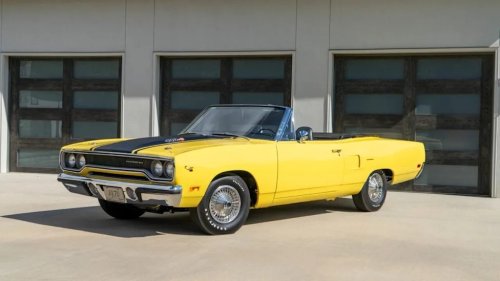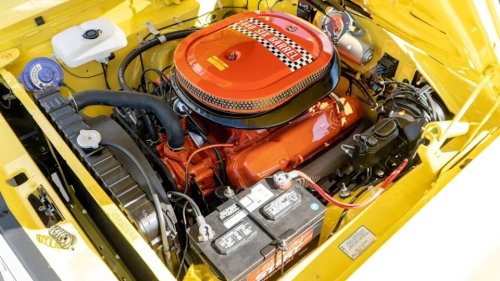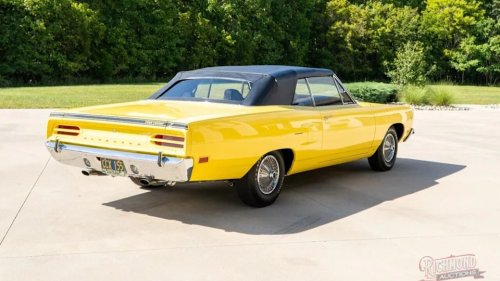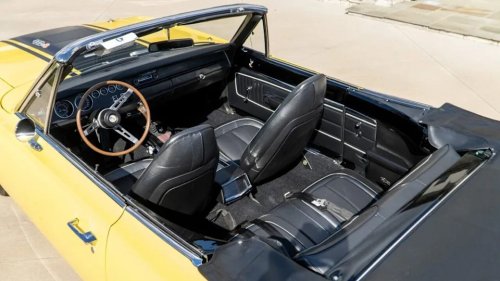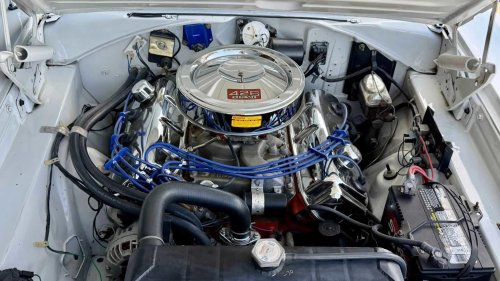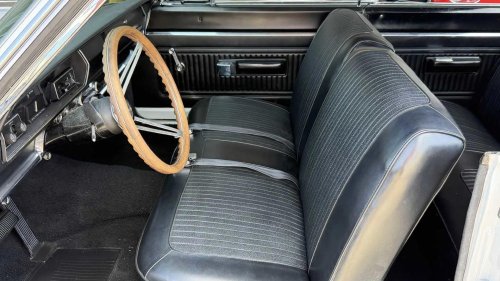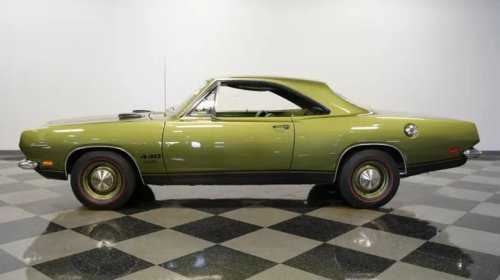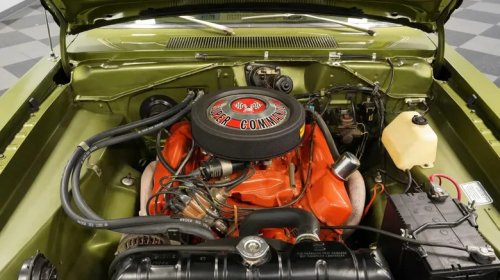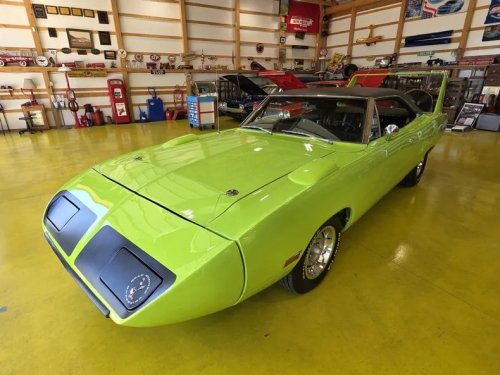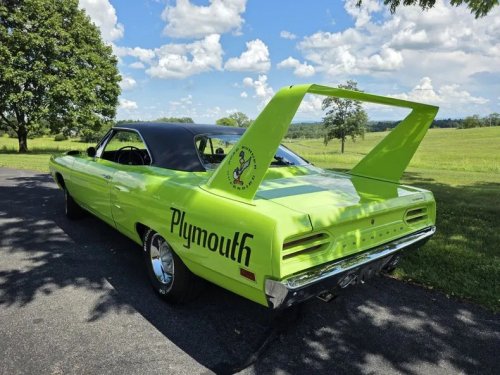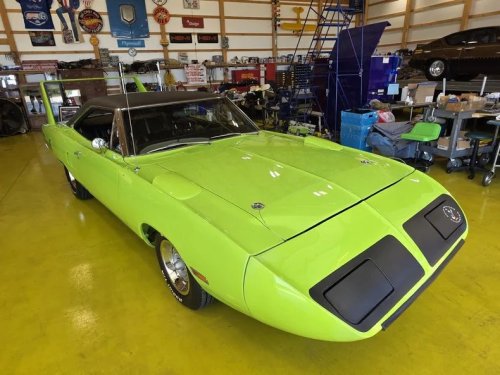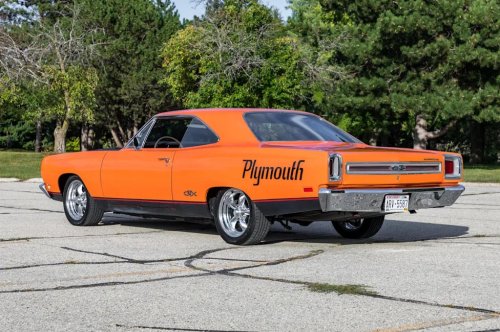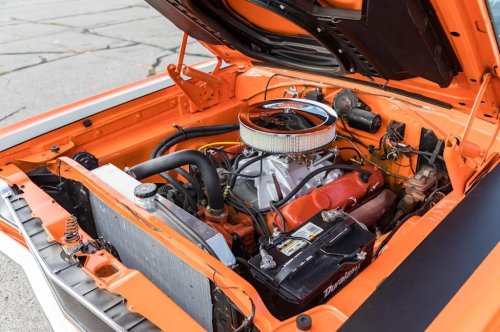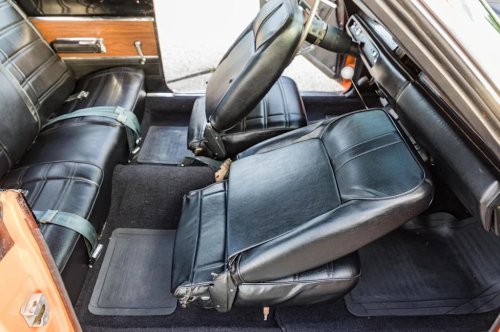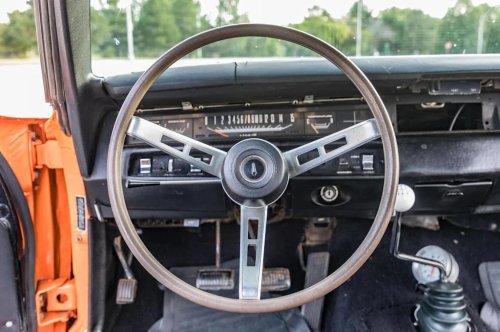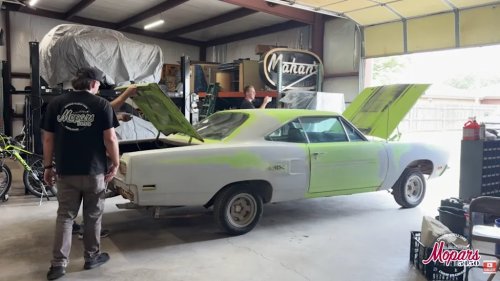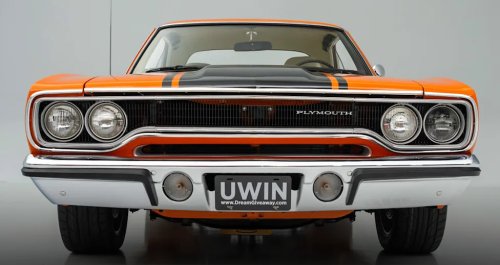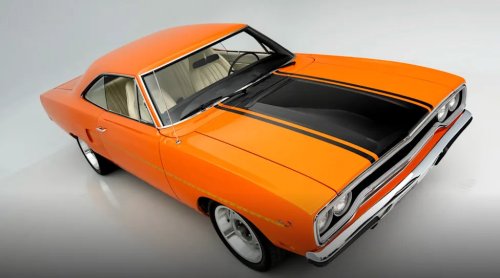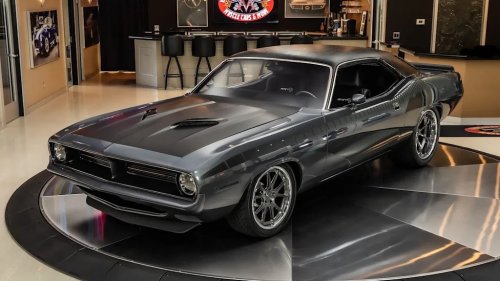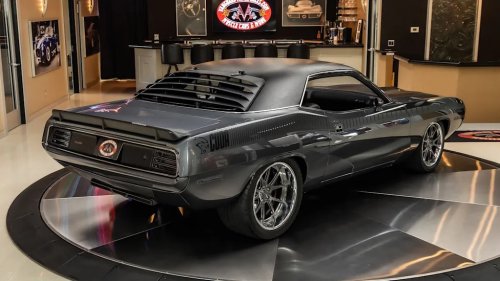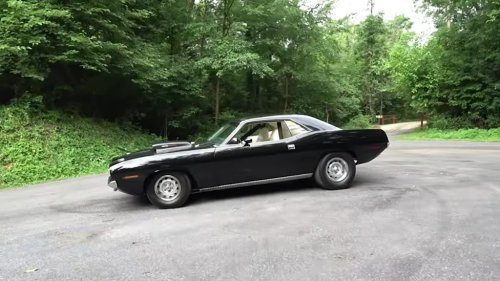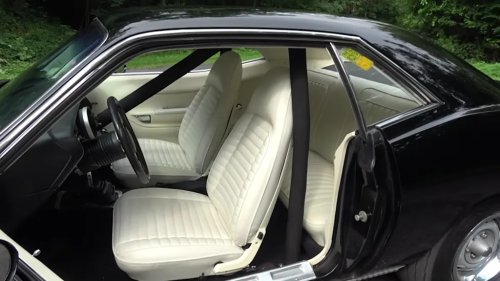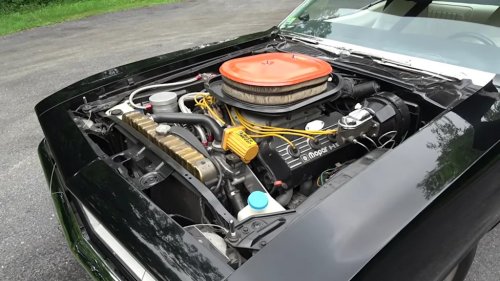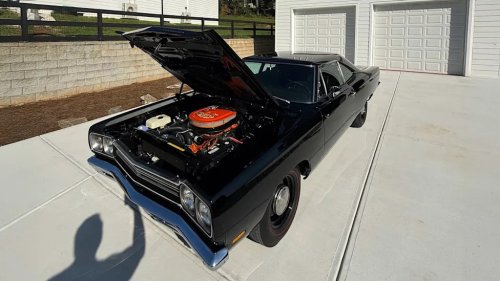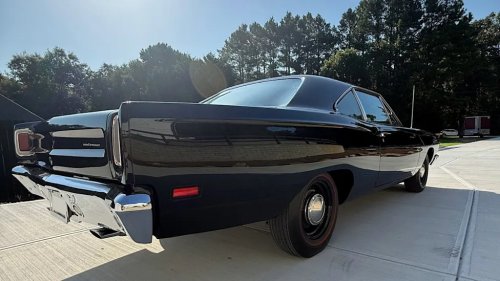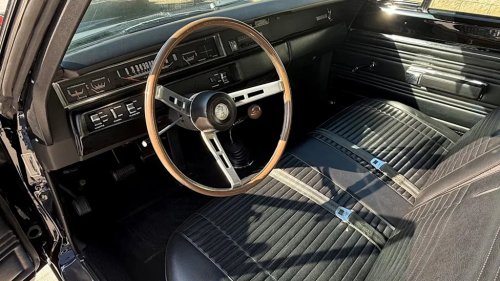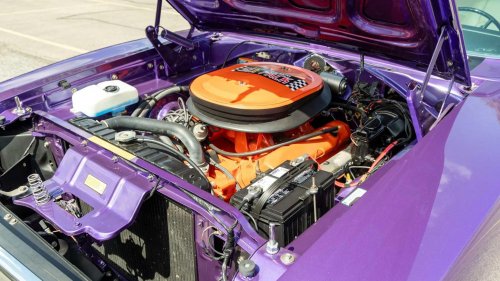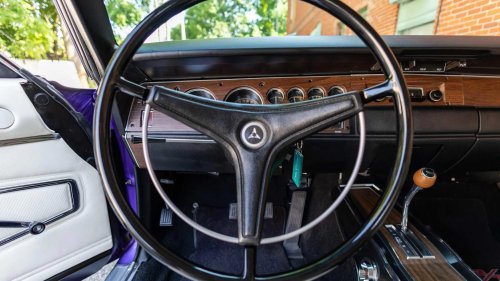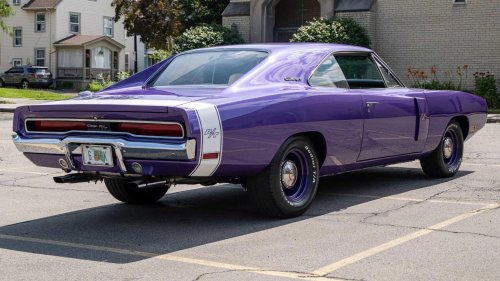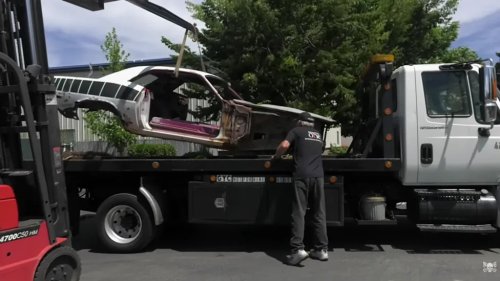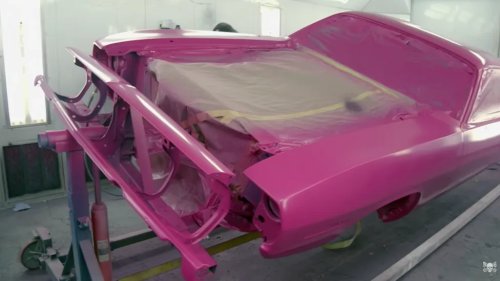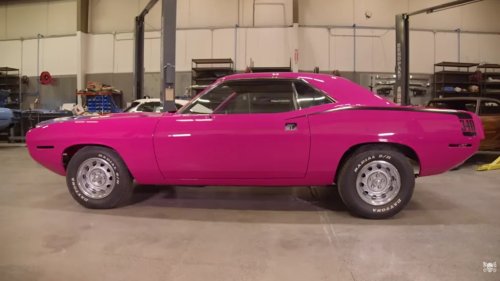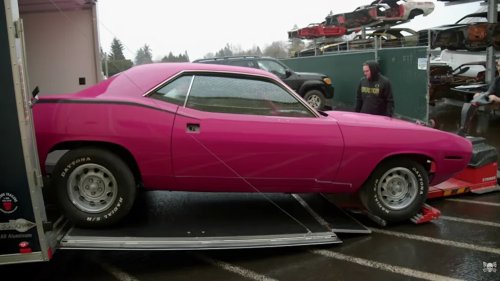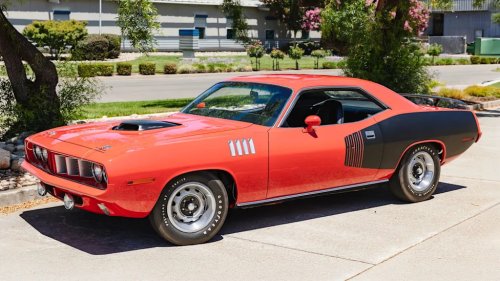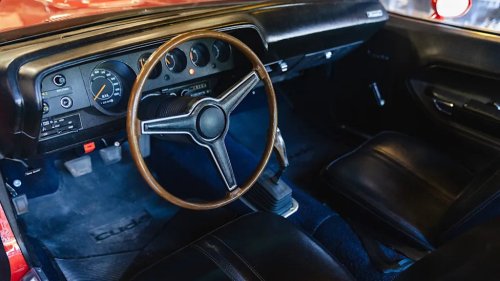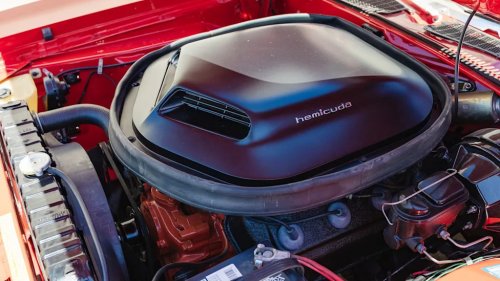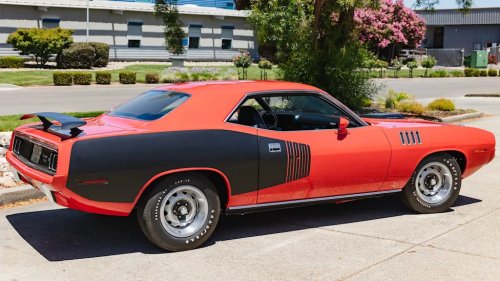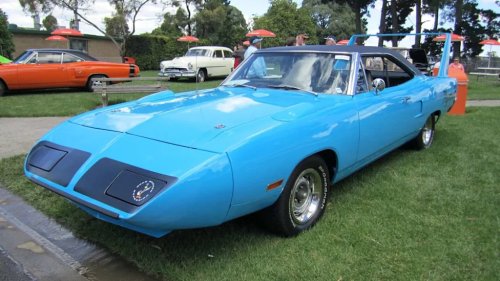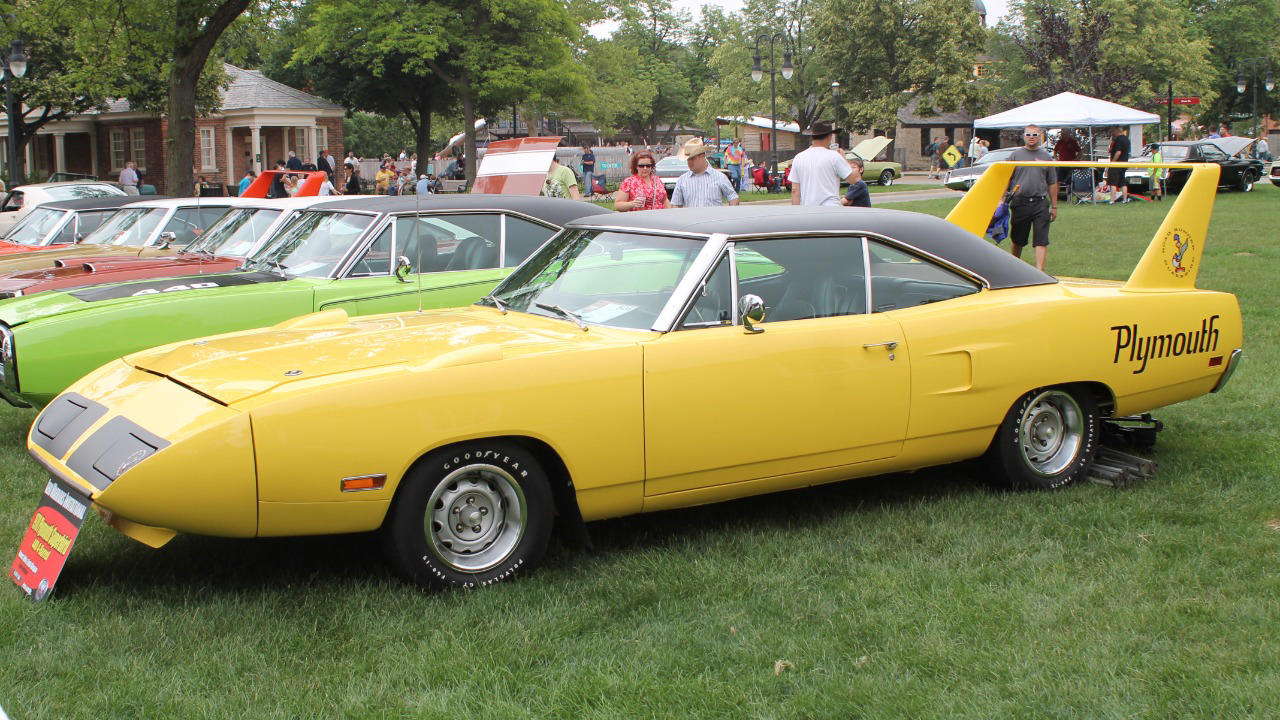



















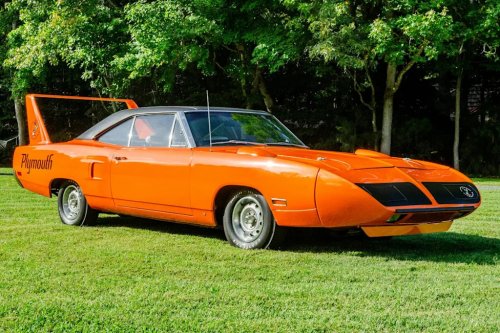
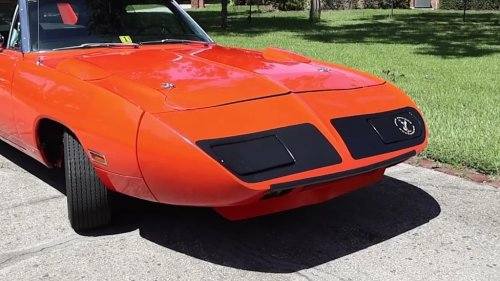
The 1970 Plymouth Superbird looked wild but created real visibility and parking challengesThe 1970 Plymouth Superbird was engineered to win on the oval, not to squeeze into a downtown parking garage. Its towering rear wing, long nose cone, and stretched bodywork made it a legend of the American muscle-car era, but those same features created real-world headaches every time an owner tried to see out of it or parallel park. On the track, that tradeoff made sense. On a suburban street or in a grocery store lot, the Superbird’s radical aerodynamics turned everyday driving into a careful negotiation with blind spots, curbs, and other people’s bumpers. The wild shape that started it all The Plymouth Superbird did not begin life as a styling exercise. It was a purpose-built NASCAR homologation special, created so that the same slippery shape that dominated on Sunday could be sold to the public on Monday. Later coverage of the car describes it as one of the most extreme machines ever built during the American muscle-car era, and that judgment holds up when the details are examined closely. Visually, the car is defined by two elements. At the front sits a pointed nose cone that looks like it belongs on a rocket ship, grafted onto what began as a Plymouth Road Runner. At the rear, a huge aluminum wing rises nearly 2 feet above the roofline. One video breakdown describes that rear wing as towering almost 30 inches above the decklid, a dimension that matches the impression the car makes in person. Together, the nose and wing stretch the Superbird’s footprint and change the driver’s view of the world around the car. Underneath the cartoonish bodywork sits serious hardware. A detailed listing from an Audrain collection describes a 1970 Plymouth Superbird 2-door hardtop with Specifications that include an Engine displacing 426 cubic inches, fed by a 3x Holley 2-barrel carburetor, and backed by a 3-Speed Automatic Transmission. That engine is rated at 390 horsepower and 490 pound-feet of torque, figures that underline how much performance Plymouth packed into the car even before aerodynamics entered the conversation. A NASCAR weapon first, a streetcar second The Superbird was not created for styling clinics or focus groups. It was built so Plymouth could dominate NASCAR. A later description of the Plymouth Superbird explains that it was engineered specifically for NASCAR competition, with aerodynamics that turned a boxy intermediate coupe into a high-speed weapon. The long nose reduced drag and helped keep the front end planted at racing speeds, while the tall rear wing generated stability without disrupting airflow over the roof. Another period-focused account calls the Plymouth HEMI Superbird Plymouth’s wildest homologation special, with aerodynamic modifications so extreme that the car barely resembled its showroom siblings. That same coverage points to the way the nose, fender extensions, and wing changed the car’s proportions, stretching it visually and physically compared with a standard Road Runner. On the track, the package worked. The Superbird’s shape cut through the air more efficiently than the squared-off bodies of its rivals, and the tall wing sat in cleaner air above the roofline. That position was not an accident. A later explanation of the car’s iconic design features, the Superbird notes that the rear wing was about 30 inches tall in part so the trunk lid could still open underneath it. The height also placed the airfoil in a less turbulent stream, improving its effectiveness in high-speed racing. How the nose and wing distorted everyday visibility All that clever aero came with a price. In regular traffic, the same nose cone that helped the car slice through the air added several inches of overhang beyond the front wheels. Drivers sitting behind the Superbird’s long hood had to guess where the actual bumper ended, especially when creeping up to a wall or another vehicle. The pointed shape also meant that the front corners disappeared from the driver’s sightline, making it harder to judge tight turns into driveways or parking spaces. At the rear, the famous wing created its own visibility quirks. The supports rise from the quarter panels and sit close to the C-pillars, framing the back window. From inside, those uprights carve the rear view into narrow slices. The wing plane itself hangs high in the mirror, a horizontal bar that can partially obscure low-slung cars or pedestrians at certain distances. Enthusiasts who have driven large coupes with thick pillars have compared their blind spots in online discussions, with one comment about a Bird versus a Caddy noting that the Bird has huge blind spots even if a Caddy (or “Cad”) offers its own challenges when backing up. The Superbird’s combination of wide rear haunches, sloping glass, and that towering wing only amplifies those issues. The car’s overall length also complicates visibility. The extended nose and tail push the extremities far from the driver’s seating position, so judging where the body ends requires experience and caution. In an era before parking sensors or cameras, owners relied on mirrors and instinct. The Superbird’s mirrors were designed for highway use, not surgical maneuvers into tight spots, and the rear wing loomed large in every glance over the shoulder. Parking a race-bred land yacht Everyday parking is where the Superbird’s wild shape collides most directly with reality. The long front overhang makes pulling into a modern parking space an exercise in restraint. Drivers must stop short to avoid scraping the pointed nose on concrete stops or curbs, which often leaves the rear of the car protruding into the aisle. The tall rear wing then becomes a literal obstacle for anyone trying to walk or drive behind it. Backing into a space is not much easier. The wing uprights and wide C-pillars create thick blind zones at the rear corners, hiding low obstacles and compact cars. The sloped rear window reduces the vertical area visible in the mirror, and the wing’s crossbar can line up with the horizon in a way that hides distant objects. In tight urban parking garages, the car’s height and length combine with the wing to challenge clearance both overhead and at the ends of spaces. Collectors who display the Superbird in museums recognize its bulk by grouping it with other so-called land yachts. The Audrain listing that details the 426 cubic inch engine and 390 horsepower places the 1970 Plymouth Superbird in a collection of large, dramatic American cars, a context that reinforces how much visual and physical space the car occupies. Even in that company, the Superbird’s nose and wing dominate the room. From “ugly” oddball to “thumbs up” mobile Period buyers did not always appreciate those compromises. Contemporary accounts and later analysis point out that the Superbird’s extreme design and limited practicality for daily use hurt its initial sales. One retrospective on powerful Plymouth models notes that, despite those early challenges, the Plymouth Superbird eventually became a coveted classic among car collectors. The same features that once scared off buyers now attract enthusiasts who see the car as a rolling piece of racing history. A more recent video review addresses the shift directly. The presenter explains that people might have thought the car was ugly in the 1970s, but by today’s standards, this is a proper thumbs-up mobile. That phrase captures how public perception has flipped. Where shoppers once saw an awkward nose and a ridiculous wing, modern onlookers see a rare and theatrical artifact. Every trip to the gas station becomes a mini car show, and the difficulty of parking or seeing out of the car becomes part of the story owners tell. Social media clips reinforce that mystique. One Instagram reel that calls The Plymouth Superbird one of the most extreme machines ever built during the American muscle-car era has drawn 361 likes and comments that celebrate its outrageous proportions. Another post that highlights a Plymouth HEMI Superbird shows the car posed in profile, its nose and wing exaggerated by camera angles that underline just how far the design went in pursuit of speed. Real drivers, real blind spots While the Superbird’s legend grows, conversations among drivers about visibility remain grounded in practical experience. In a Facebook discussion about big coupes and their blind spots, one participant writes, Yes, the Bird does have huge blind spots, yes, you can see better out of the Caddy, but when backing the Cad, you have to try and work around its own limitations. That comment, which contrasts a Bird with a Caddy and a Cad, reflects the compromises that came with long rear decks and thick pillars in that era. The Superbird simply pushed those traits further with its added aero hardware. Owners and museum staff also point out that the Superbird’s rear wing, despite its height, was designed to coexist with daily tasks like opening the trunk. A detailed breakdown of the car’s iconic design features, the Superbird explains that the wing’s 30-inch height was chosen so the trunk lid could swing open underneath it. That practical consideration did not eliminate the visual obstruction in the rear window, but it did show that Plymouth tried to balance racing needs with basic usability. Inside the cabin, drivers face a dashboard and seating position familiar from other Plymouth intermediates of the period, which helps somewhat. The real difference comes from what they see in the mirrors. The wing’s uprights frame the view, and the nose stretches the horizon line ahead. Modern drivers accustomed to backup cameras and parking sensors may find the experience surprisingly analog and demanding. Cartoon character, serious hardware The Superbird’s personality is shaped as much by pop culture as by engineering. Plymouth licensed the Road Runner character from Warner Brothers for its base car, and that branding carried over to the Superbird. One enthusiast video that walks around a 1970 Plymouth Superbird 440 4 Speed points out the all-important Road Runner right there, along with Warner Brothers information on the car. The cartoon bird on the nose cone and quarter panels gives the car a playful identity that contrasts with its competitive purpose. That mix of whimsy and seriousness makes the visibility and parking compromises easier for some owners to accept. Driving a Superbird means embracing the theater. The long nose and high wing announce the car from blocks away, and the Warner Brothers graphics turn every grocery run into a kind of performance. The driver sits behind that cartoon emblem, peers past a race-bred wing and navigates parking lots with the same care a NASCAR driver would use in traffic on pit road. At the same time, the hardware under the skin remains formidable. The Audrain example with its 426 cubic inch Engine, Holley carburetors and 3-Speed Automatic Transmission is only one specification set. Other Superbirds carried 440 cubic inch engines with different carburetion and 4-speed manual gearboxes. An Instagram reel that introduces a Plymouth HEMI Superbird highlights how the HEMI option pushed performance even further, pairing the wild bodywork with one of the most revered V-8s of the period. More from Fast Lane Only Unboxing the WWII Jeep in a Crate 15 rare Chevys collectors are quietly buying 10 underrated V8s still worth hunting down Police notice this before you even roll window down