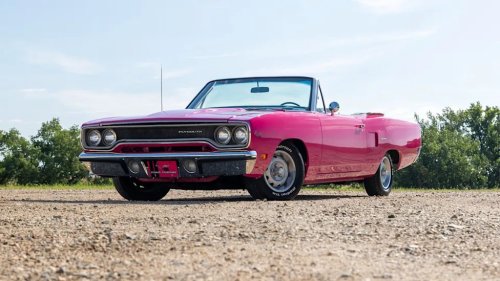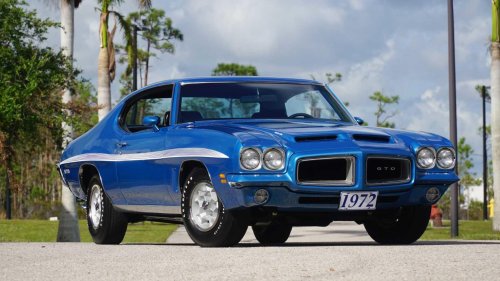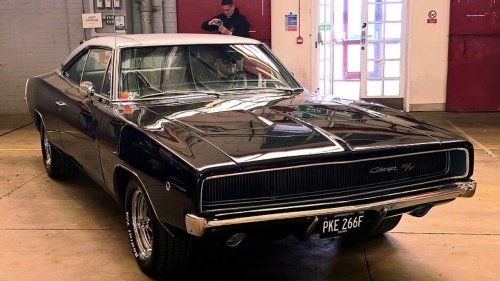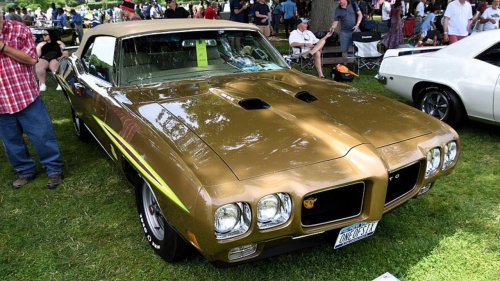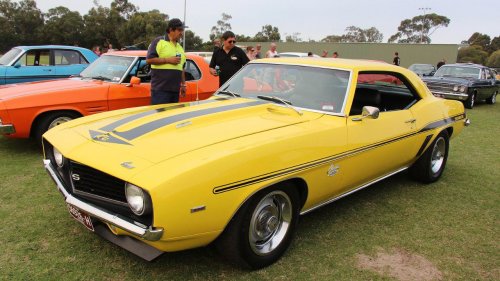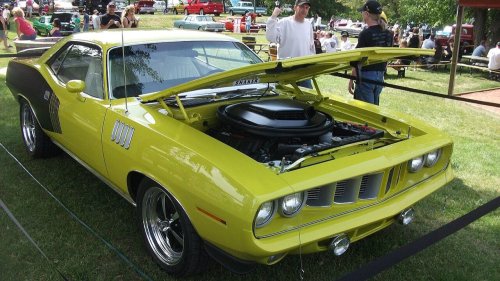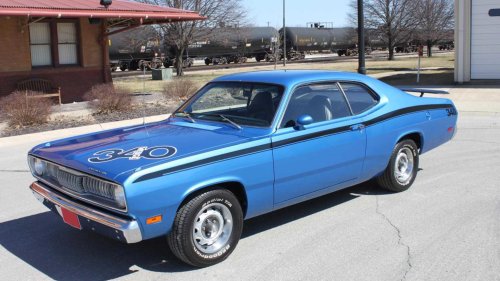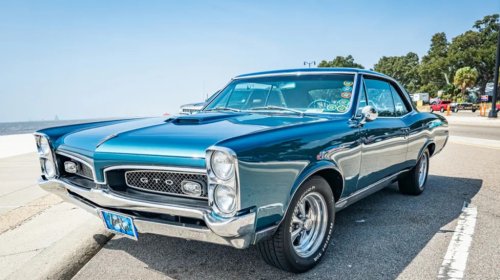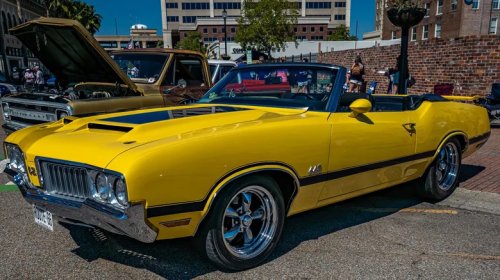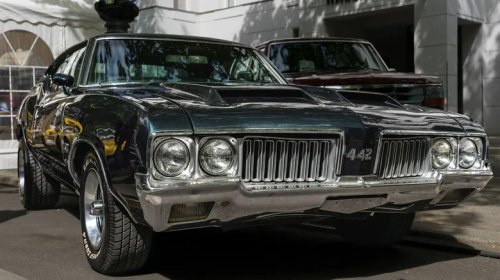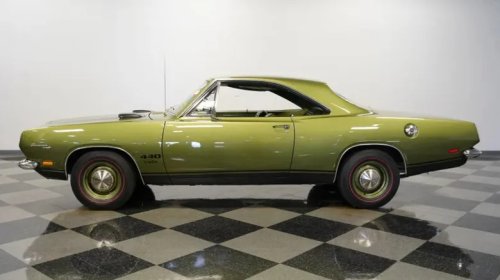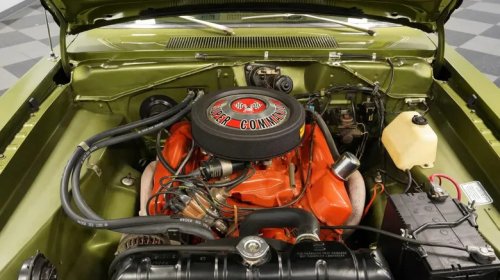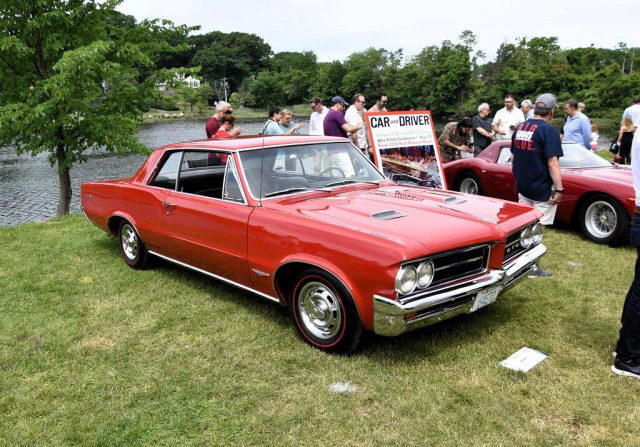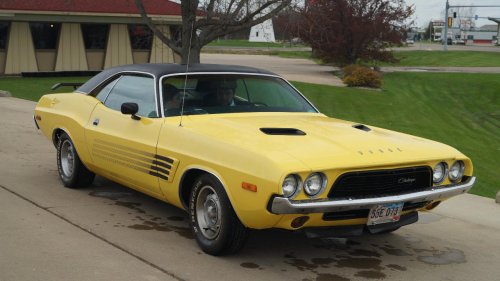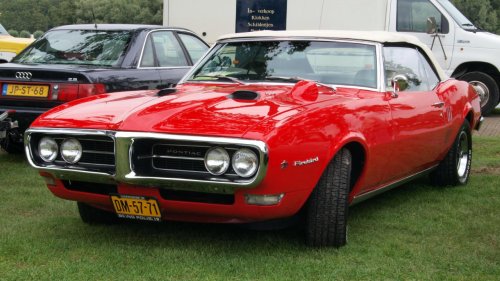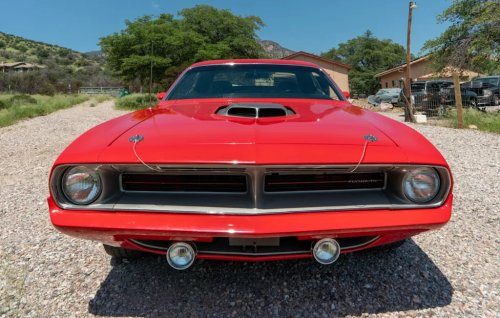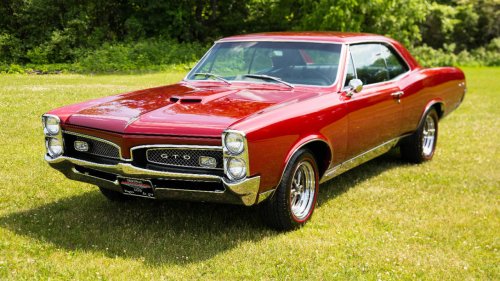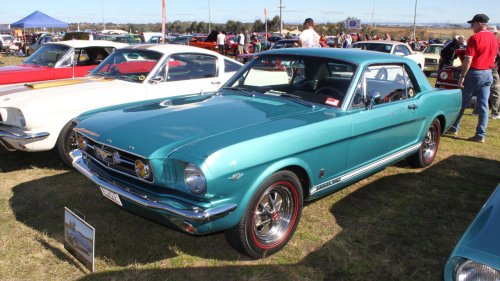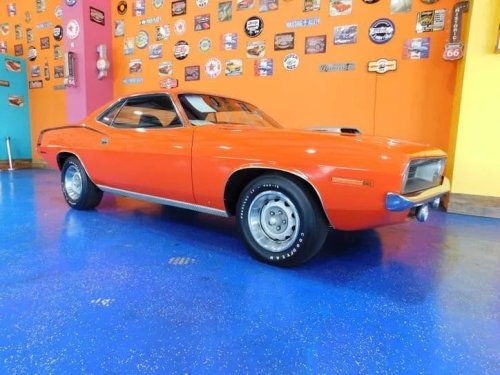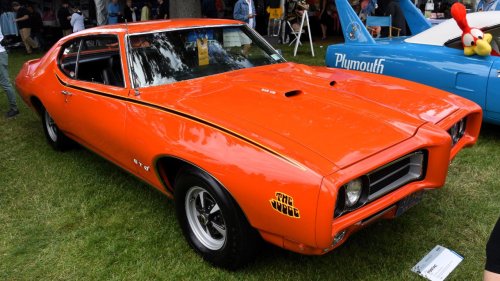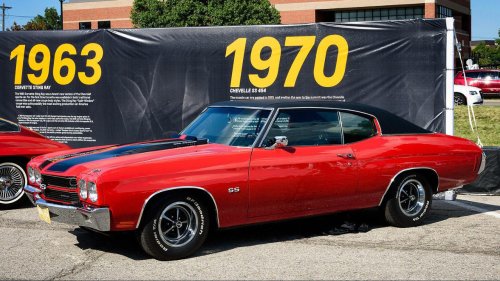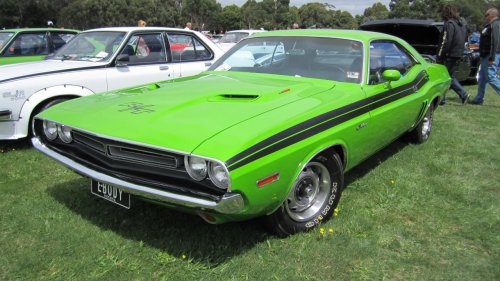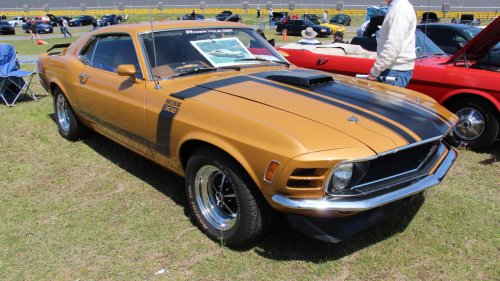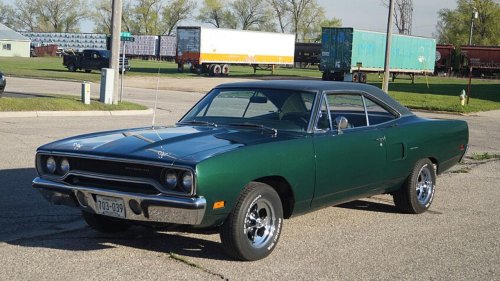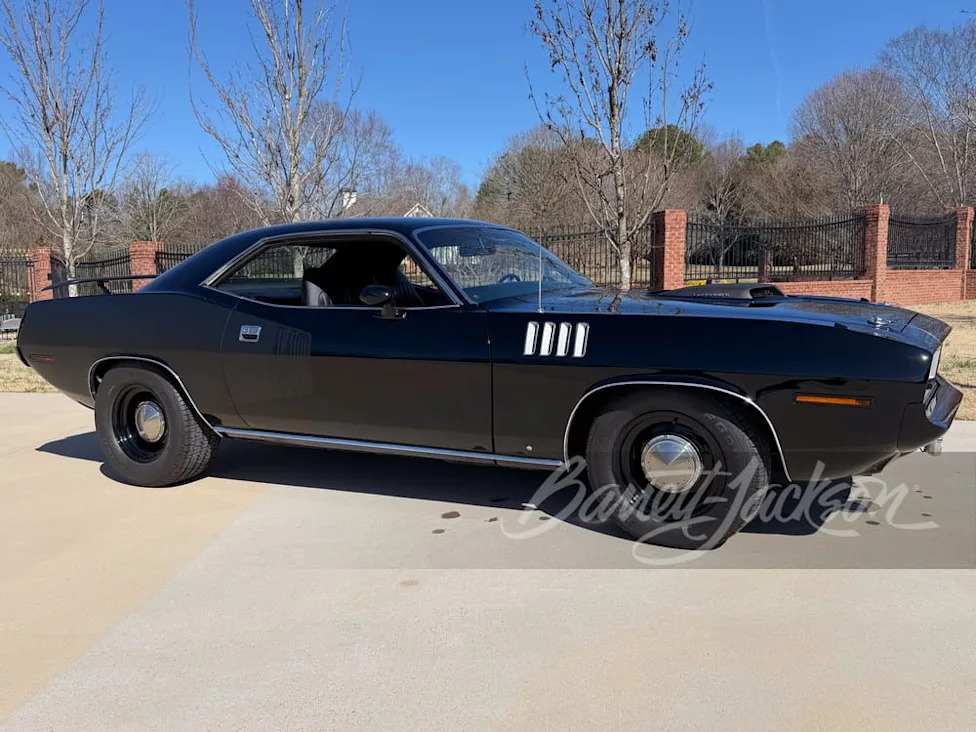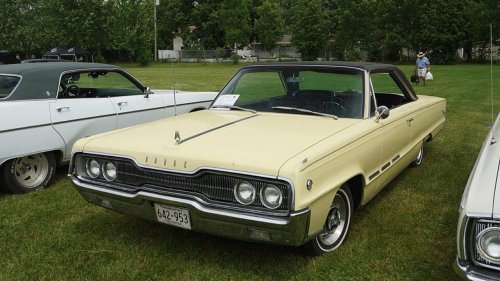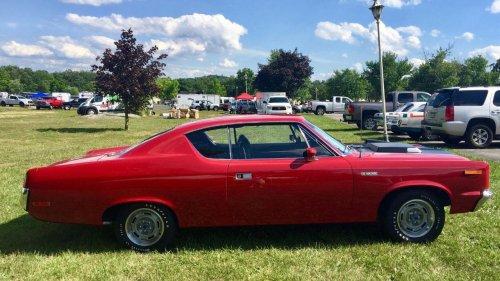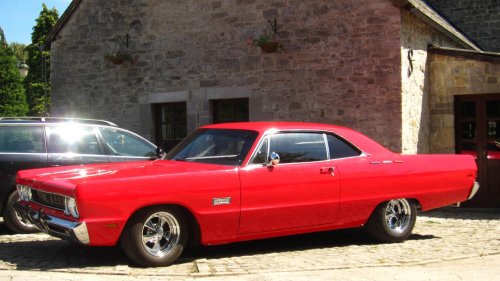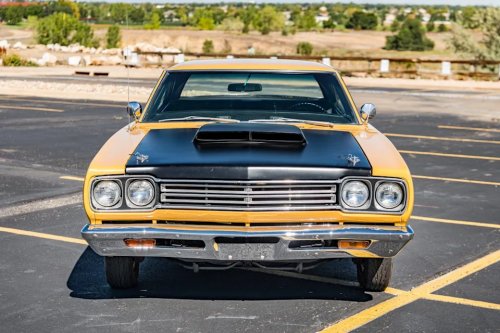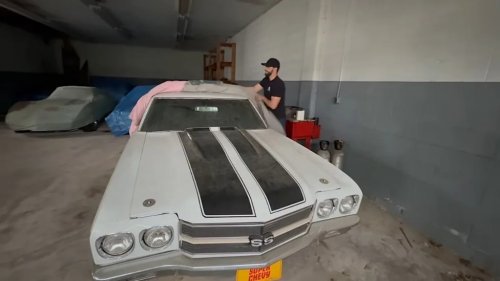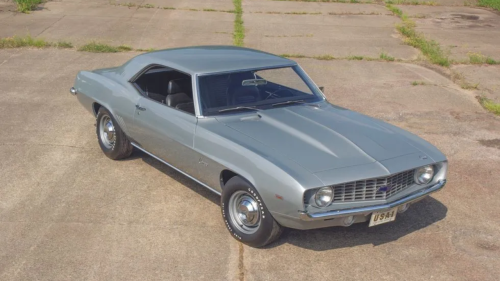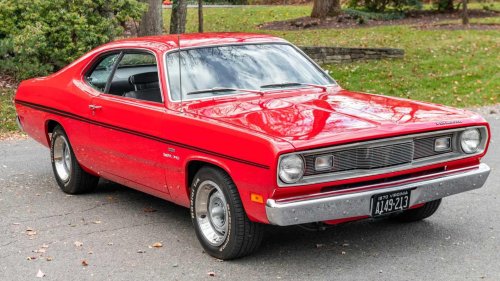
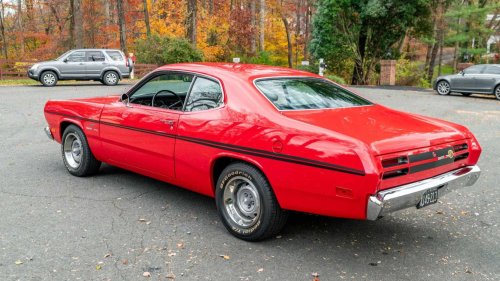
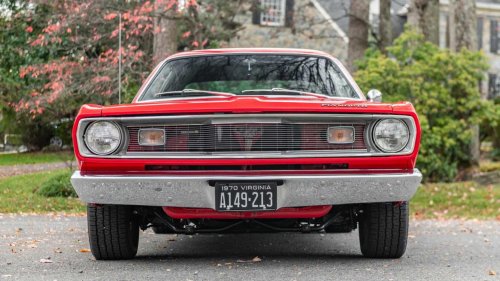
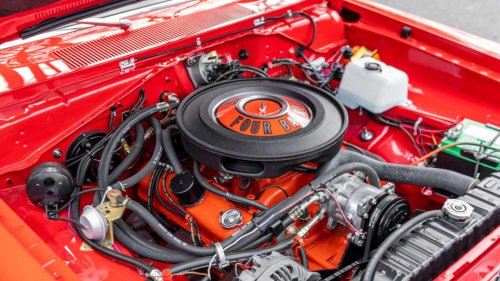
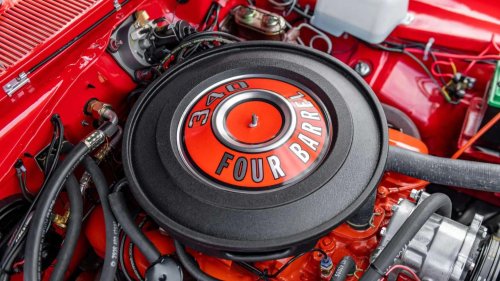
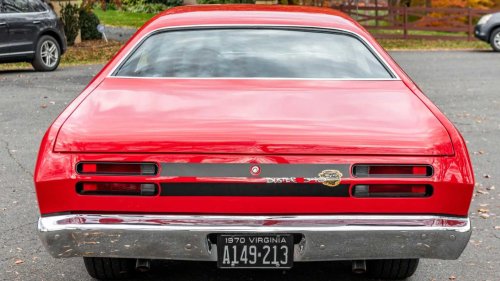
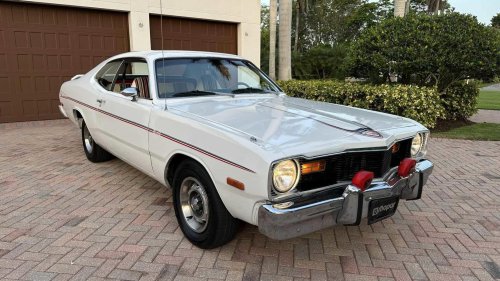
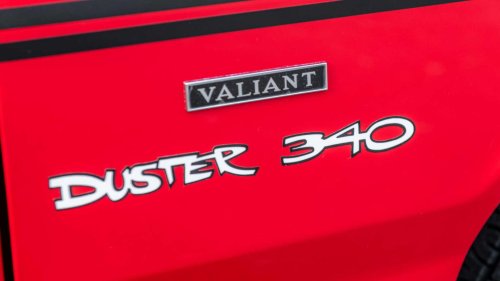



















As time continues to move forward, and the classic muscle car era is looked back upon with more and more nostalgia, those old-school muscle machines continue to rise in value. It's reported that the market has increased by anywhere between 100 and 150 percent in value over the last five years. Expounding on that, Hagerty reports that a whopping $3.57 billion changed hands across all North American auto auctions in 2024 - many of which deal solely with classic cars.That means, for many of us, the dream of owning a classic muscle car is becoming more and more far-fetched. Few folks can justify spending upwards of $75k on a near-mint popular model, like a 1970 Oldsmobile 442, or even more on a '70 Chevy Chevelle SS. However, if you don't mind going for a lesser-known model, like a 1970 Plymouth Duster, the world opens up to you. Speaking of the Duster, it's reported to be one of the hottest classic muscle machines on the market currently, meaning values are rising in a way that you could capitalize on. How The Duster's Market Looks Bring A TrailerFirstly, a necessary disclaimer: The Plymouth Duster didn't achieve the same sort of fame that other muscle icons did. For example, everyone knows about the Pontiac GTO Judge, the Chevrolet Chevelle SS, and the Dodge Charger R/T. The Plymouth Duster, on the other hand, lived in the shadows of those aforementioned heavy-hitters. However, that's not to say it isn't worthy of your attention.Bring A Trailer Having said all that, let's look at an overview of just how well the 1970 Duster is doing in the classic muscle market right now. As of this writing, Classic.com reports the model's average sale price to be around $40,695. That's across 77 reported sales spanning from late 2014 to January 2026. For context, close to when Classic.com began tracking auction sales, the Duster's average sale price, at its lowest, was $22,516 in June 2015. If we factor inflation into that price, the real dollar total comes out to about $31,039.With it all laid out on the table, we can see the Duster's average value has increased by nearly $10,000 over the span of 10 or so years. Hagerty has reported a 72 percent increase in '70s Dusters that fall into the "Excellent" condition category, which is a strong indicator of overall valuation increase. Why Is Its Value Increasing? Bring A TrailerSimply put: its price. The classic muscle car market's overall value is exploding, pricing many enthusiasts out of top-conditioned models, or entire models altogether. The 1970 Duster's smaller stature and smaller engine, a 340 CID V8 at its largest, means it commands a smaller base price from the get-go. Because many people are forced to consider alternate options due to pricing being so high, the Duster's previously-unknown status as a whole means its lower price attracts those who want a muscle car of any sort.This news also bodes well for those who are interested in restoring one. For example, let's say you pick up a '70 Duster that's in rough shape for a low price. If it's restored and sat on for a few years before selling again - with the current market increasing - you'd probably have managed to make quite a profit. Here's What The 1970 Plymouth Duster Has To Offer Bring A Trailer The Plymouth Duster first hit the market in 1970 as a high-performance derivative of the Plymouth Valiant that's also closely related to the Dodge Demon, which came a year later. It featured a similar front clip, but the rest of the model was all-new. The model is technically considered a compact car, but can be informally considered a pony car, or "mini-muscle car", as it was known in some circles. In total, Plymouth offered the Duster with two trim levels, those being the base Duster and the performance-oriented Duster 340.Across those two trim levels, four total engine options were available. At base level, the Duster came equipped with a 198 CID inline-six engine producing just 125 horsepower in 1970. You could also spring for the 225 CID Slant-Six inline-six engine, which could chuck out roughly 145 ponies. A 318 CID V8 was available, with a power output equating to 230 horsepower and 320 pound-feet of torque.Bring A Trailer However, the engine you really want, especially if you're interested in building or owning a muscle-bound 1970 Duster, is the 340 CID V8. It was the top-spec mill, and was the sole engine option for the Duster 340 model. While it's no big-block, it was still able to pump out 275 horsepower with ease, thanks to the use of a four-barrel Carter AVS carburetor. It also boasted a 10.5:1 compression ratio and high-flow cylinder heads. The engine itself was nicknamed "the giant killer" due to its high-revving nature, with a reported maximum of 6,500 rpm. In those days, many big blocks struggled to rev past 5,500 rpm.Backing up the 340 CID mill's power was either a standard three-speed, floor-mounted manual transmission, a three-speed automatic, or a four-speed manual, also with a floor-mounted shifter. A 3.23:1 rear end gearing ratio was standard, with a 3.55:1 and a 3.91:1 on offer. The Duster's History Bring A TrailerFollowing its 1970 launch, the Duster was immediately thrust into the post-golden age of muscle cars. It's reported that the 1970 model year saw a total of roughly 217,192 Dusters sold, with about 21,799 of those being the hot Duster 340 model. The 1971 model year saw the Duster gain its sister model, the Demon, following an extremely strong first year of sales, inspiring Dodge to request their own version of the model from Chrysler's top brass. The 1971 Dusters saw little change, apart from the introduction of the Duster Twister model, which came with a side stripe and either an inline-six or 318 CID V8 under the hood.Come 1972, the Duster's horsepower output began to decrease, thanks to a reduction in compression ratios across the board. Because of this, Duster 340 models saw a 30-hp reduction straight away. SAE Net horsepower ratings were also introduced that same year. In 1973, the Duster underwent a mid-cycle refresh and gained new fenders, a new grille, and new headlights, among other things.Bring A Trailer 1974 saw the axing of the 340 CID engine altogether, along with the discontinuation of the Duster 340 model as a whole. The mill was replaced with a 360 CID mill that took advantage of several components from the discontinued engine, and the model that used it was called the Duster 360. New emissions regulations were put in place, meaning the new, larger 360 CID mill only pumped out 245 horsepower. In 1975, the 360 CID engine lost 10 horsepower thanks to the mandatory inclusion of a smog pump. In addition, the Duster as a whole received catalytic converters for the first time, albeit only on Slant-Six and 318 CID V8-equipped models.Then came the final model year: 1976. Few changes were made, apart from new amber turn signal covers and a new rearview mirror mounting position. However, three new special editions were available. First was the Feather Duster, a lightweight iteration that took advantage of aluminum components in an effort to shed some weight. There was also the Space Duster, with a unique fold-down luggage compartment that increased its cargo capacity to roughly 50 cubic feet. Then, there was the Silver Duster, which had a special paint scheme and a unique, Boca Raton-themed interior. To Sum It Up... Bring A TrailerUnfortunately, the days of stumbling across barn-find Chevelle SSes and Pontiac GTOs that are just a couple of thousand dollars is starting to look like a thing of the past. Because the market must adapt, it's allowed models like our 1970 Duster with its 340 engine package to come to the forefront. As it sits now, the model looks to be a great introduction into the muscle car scene, along with being a potentially great investment. You won't be losing out by buying one of these - and it gets your foot into the door for a classic muscle car not many others have.