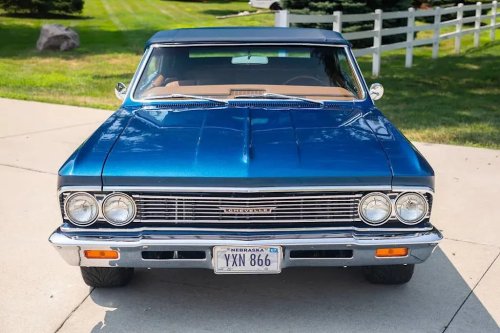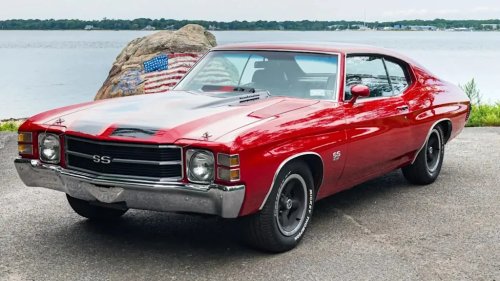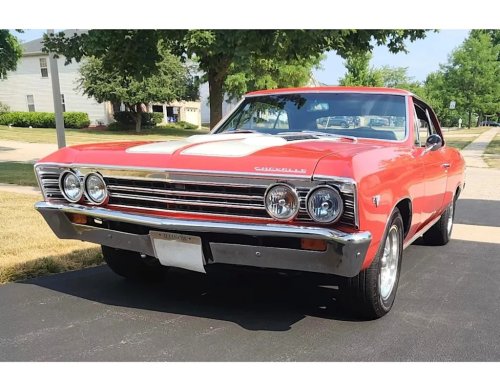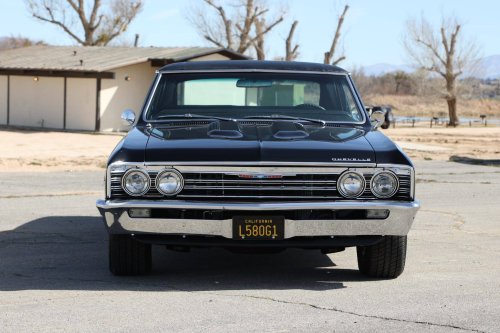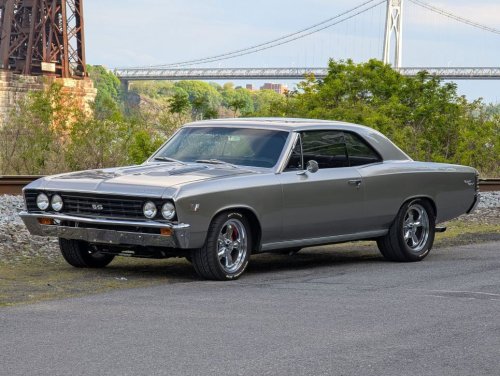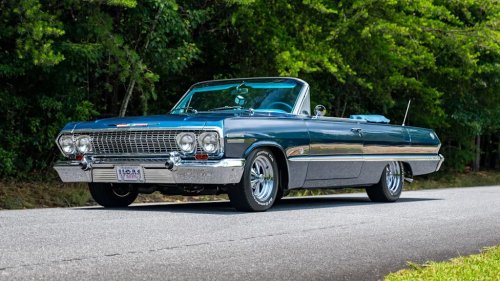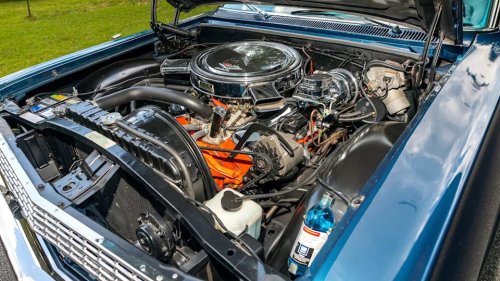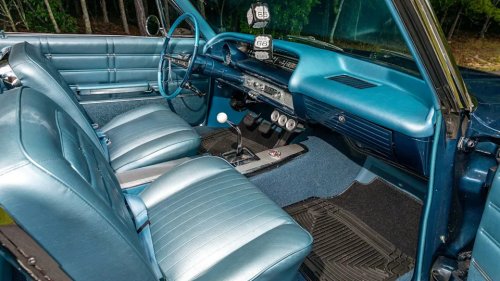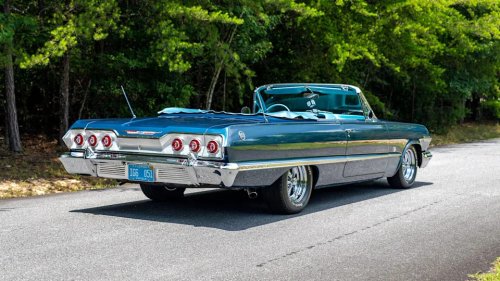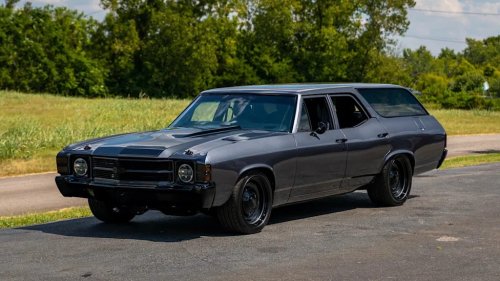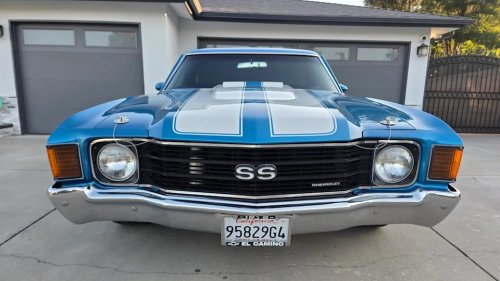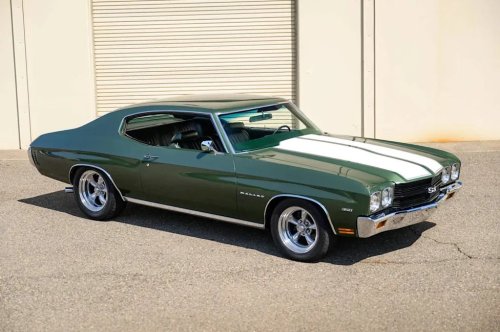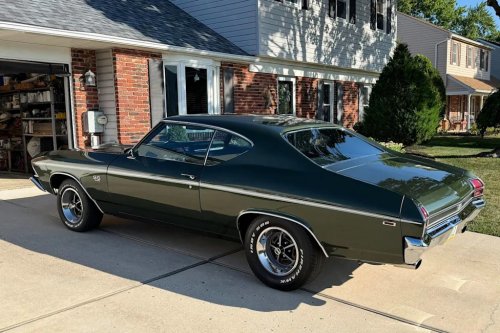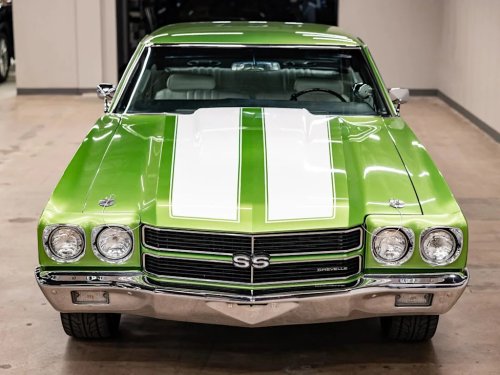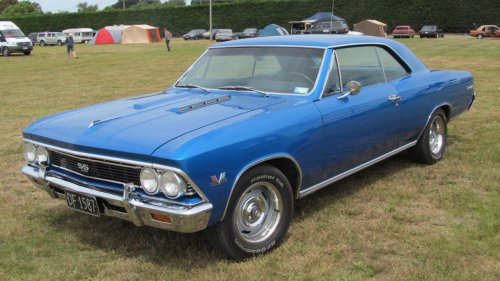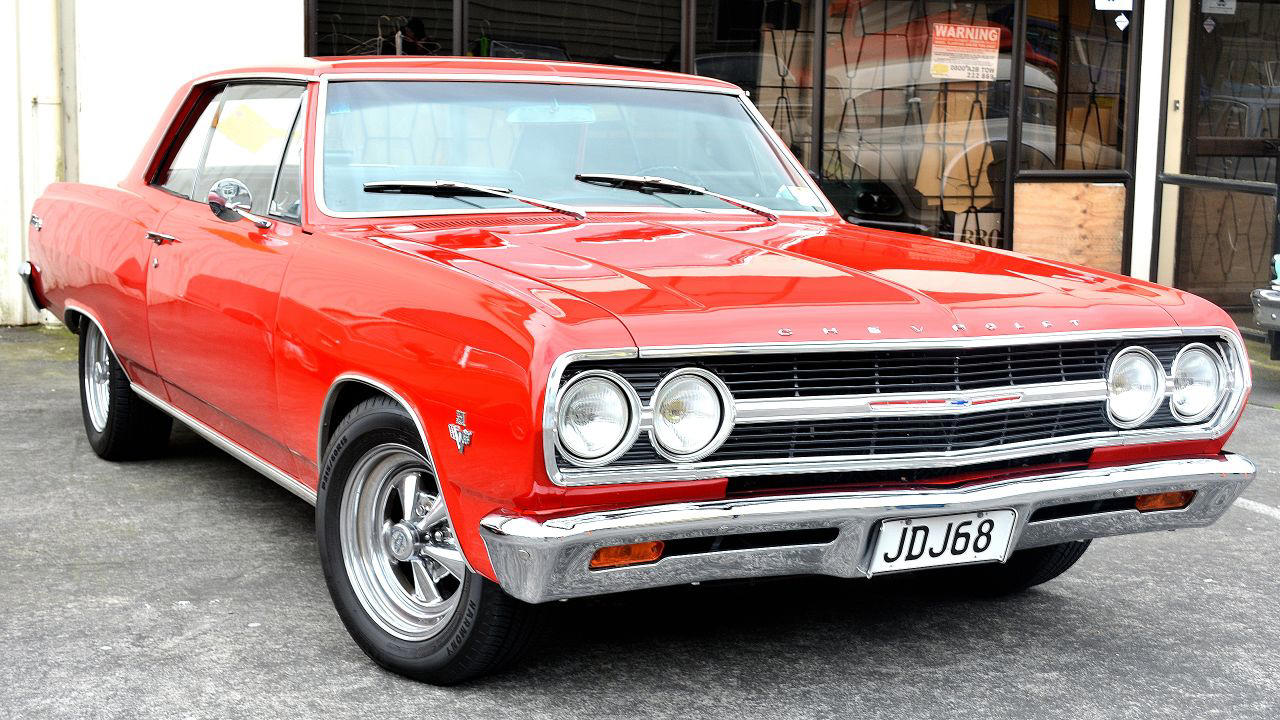



















1965 Rambler Classic vs 1965 Chevrolet Malibu one surprised buyers more than expectedThe 1965 Chevrolet Malibu and 1965 Rambler Classic arrived in showrooms chasing the same American family, yet they promised very different versions of modern motoring. One leaned into rising muscle car fever, the other into practical engineering and value. When buyers put them side by side, the car that looked like the underdog often delivered the bigger surprise. Viewed from six decades on, the Malibu seems like the obvious star. Period road tests and modern collector chatter still orbit around its performance credentials. The Rambler Classic, by contrast, quietly packed safety features, comfort touches, and a light, efficient chassis that made some shoppers question whether the glamorous choice was really the smartest one. The Malibu mystique: style, speed and the Chevelle connection Any comparison has to start with the Malibu’s image. The 1965 Chevrolet Malibu SS sat at the top of the Chevrolet Chevelle lineup, marketed as a stylish intermediate coupe with clear performance ambitions. In enthusiast circles it is still described as a classic American muscle car, firmly linked to the broader Chevrolet Chevelle story that helped define mid sixties performance culture. Under the skin, the Malibu drew on a wide menu of powertrains that mirrored other Chevelles. Buyers could choose two six cylinder engines or step up to V 8 power, including a 283-cid unit offered in two levels of tune. That range, documented in period specifications for the 1965 Chevrolet Chevelle, meant a customer could tailor the car from modest family duty to serious street machine. At the top of Chevrolet’s performance hierarchy, the brand was also rolling out far more aggressive hardware. Earlier in the year, the big block W motor 409 gave way to the RPO L78 396, paired with a single 800-cfm Holley carburetor. Coverage of the hottest 1965 Chevrolets notes how that 409 to 396 shift signaled a new era of high revving big blocks, and it fed the perception that any Chevelle based Malibu could be a gateway to serious speed. Even buyers who did not order the largest engines felt they were buying into that performance halo, especially when they saw references to RPO L78 396 hardware in the same showrooms. Owners who lived with these cars often talk about that mix of everyday usability and performance flavor. One Malibu driver described how a seemingly typical 65 M bench seat interior still hides a car that drives and handles with a sharper edge than its appearance suggests, a reminder that Chevrolet tuned even relatively mild Malibus with some sporting intent. The Malibu nameplate also carried a trim advantage, with cloth and vinyl upholstery that felt a cut above the all vinyl seats in lower Chevelle models, a detail highlighted in survivor car profiles that focus on the pricier Malibu package. Taken together, these elements gave the 1965 Chevrolet Chevelle Malibu SS an aura that still resonates. Modern buyer guides describe the Chevrolet Chevelle Malibu SS as a high performance intermediate muscle coupe that remains desirable today, reinforcing the idea that it was the aspirational choice for mid sixties families who wanted both practicality and status. Rambler Classic: the sensible innovator that caught people off guard If the Malibu sold a dream, the Rambler Classic sold logic. American Motors positioned the 1965 Classic as a practical intermediate, but the engineering beneath its understated styling often surprised shoppers who came expecting a bare bones economy car. One key advantage was weight. Contemporary analysis of the 1965 Rambler Classic 660 four door sedan notes a curb weight of 2882 pounds for the 660, a figure that made the Classic respectably quick even with a six cylinder engine. That light structure, detailed in coverage of the Classic 660, helped offset any power deficit compared with V 8 Malibus and gave the Rambler a nimble, easygoing character in daily traffic. Safety and comfort features also set the Rambler apart. A period comparison of 1965 intermediate size cars described Rambler as the most advanced entry in the field, even though its basic design was in its third year of production. That assessment pointed to equipment such as dual master cylinders, reclining seats, curved side glass, and thoughtful interior details that made the car feel more modern than its age suggested. The reference to dual master cylinders in particular highlights AMC’s early move on brake system redundancy, a feature that many rivals did not prioritize until later. For buyers who dug into the options list, Rambler could also be specified with strong V 8 power. Coverage of the Classic line notes that engines roughly equivalent to Chevrolet’s 327 with 270 horsepower were available, which turned the light 660 body into a surprisingly quick family sedan. This combination of low mass and respectable output meant that a well equipped Classic could keep a Malibu honest in real world driving, even if the Chevrolet carried more raw performance potential at the extreme end of its range. What often surprised shoppers, though, was how cohesive the Rambler felt. Contemporary observers pointed out that the Classic was roomy and comfortable, with styling that looked pretty good for the era. Later commentary on AMC’s mid size two door hardtops from the late sixties, which described those cars as nice but lacking positive distinction from rivals, underscores how unusual it was when a Rambler product genuinely stood apart. In the mid sixties context, the 1965 Classic managed that trick better than later AMC coupes that struggled to sell, a contrast that modern analysis of AMC mid sized has explored. What shoppers actually saw in the showroom On paper, the Malibu and Classic targeted similar buyers, yet their showroom appeal diverged in telling ways. Chevrolet dealers leaned heavily on the Malibu’s connection to the broader Chevelle family and to the performance headlines generated by 409 and 396 big blocks. Sales staff could point to the availability of high output engines and to the Malibu SS trim as evidence that the car sat on the cutting edge of American performance culture. For an image conscious buyer, that mattered as much as the actual engine under the hood. Rambler dealers, by contrast, often had to overcome assumptions. Enthusiast commentary from late 2024 captures this dynamic in a simple exchange about a hypothetical choice between a 65 Malibu SS and a Rambler Classic 770 H. One voice in that discussion answered simply: Rambler. The reasoning was blunt. Not dissing the Chevelle, the commenter argued, but a buyer would see three of them at every cars and coffee. The Rambler, in this view, was better looking and much more interesting than a Chevelle. That sentiment, preserved in a short post about Rambler versus Chevelle, reflects how some enthusiasts now see the Classic as the more distinctive choice. Even in period, shoppers who took the time to drive both cars could be surprised by how close the Rambler felt to the Malibu in everyday use. The Classic’s light steering, comfortable seats, and relatively quiet ride made it feel more expensive than its badge suggested. The presence of reclining front seats and curved side glass added a touch of sophistication that buyers might have expected from European sedans rather than from a value focused American brand. Meanwhile, the Malibu’s strengths were more obvious but sometimes less accessible. A base Malibu with a six cylinder engine and minimal options still looked the part, with crisply styled sheet metal and the cachet of the Chevrolet bowtie. Yet without a V 8, its performance edge over a well tuned Rambler six was not always dramatic. The difference came when buyers stepped up to the 283-cid V 8 or beyond, where the Chevrolet’s broader engineering and parts ecosystem allowed for easier upgrades and stronger acceleration. That gap between perception and reality is where the Rambler Classic often surprised people. They walked into the showroom expecting a basic, slightly frumpy family car. They discovered a light, carefully engineered sedan with advanced safety features and a driving experience that did not feel far removed from the more glamorous Malibu, at least at sane road speeds. How the two cars aged in the eyes of enthusiasts Decades later, the reputations of the 1965 Malibu and 1965 Rambler Classic have followed different arcs. The Malibu rides a wave of nostalgia tied to the muscle car era. Enthusiast groups still celebrate the Chevrolet Chevelle Malibu SS as a key step in the brand’s performance story, and surviving examples of the Chevelle Malibu SS Z16 or big block cars with 396 engines attract intense attention. Video walkarounds of cars like a Chevelle Malibu SS Z16 or a Malibu Chevel and fitted with a big block 396 and modern transmission underline how collectors see these cars as platforms for both preservation and performance upgrades. The broader culture around 1965 Chevrolets also reinforces this status. Social media posts that highlight the hottest Chevrolets from 1965, often shared through tools that encourage readers to spread stories about The Hottest Chevrolets via platforms such as Facebook, X or Bluesky, keep the Malibu in the public eye. Sharing links that reference The Hottest Chevrolets has become part of how enthusiasts trade stories about the period. The Rambler Classic has taken a quieter path. It rarely headlines auctions or dominates magazine covers, yet it has built a loyal following among enthusiasts who value engineering substance over hype. Profiles of surviving Classic 660 sedans emphasize their low weight, durable drivetrains, and comfortable cabins. Owners appreciate that parts remain relatively affordable and that the cars draw curious questions at shows precisely because they are not as common as Chevelles. Modern commentary on AMC’s broader product strategy provides further context. Analyses of why AMC’s 1967 and 1968 mid sized two door hardtops did not sell better point out that those later cars were roomy and comfortable, and looked pretty good, but failed to stand out from the competition. By contrast, the 1965 Classic carved out a small but distinctive niche as an advanced, value packed intermediate at a time when many rivals still leaned on style over substance. That distinction helps explain why some enthusiasts today would pick a Rambler Classic over a Malibu SS, even if the Chevrolet carries more obvious collector value. Legal and corporate frameworks around automotive media also shape how these stories are told. The organizations behind major car coverage operate under detailed terms and privacy policies, such as those laid out in documents that were discovered through citation trails from features on The Hottest Chevrolets. These policies, which can be reviewed in resources like the US magazines terms, govern how enthusiast content about cars like the Malibu and Classic circulates online. Which car really surprised buyers more? For mid sixties shoppers, the Malibu’s appeal was rarely a shock. It looked good, it carried the Chevrolet name, and it could be ordered with serious power. A customer who signed for a Malibu SS and a 283-cid V 8, or who dreamed about the 409 and 396 big blocks mentioned in performance coverage, got exactly what the brochure promised. The surprise, if any, came later, when owners realized how well the car adapted to decades of modifications and remained relevant in modern traffic. More from Fast Lane Only Unboxing the WWII Jeep in a Crate 15 rare Chevys collectors are quietly buying 10 underrated V8s still worth hunting down Police notice this before you even roll window down