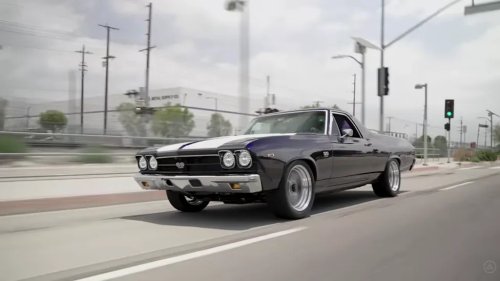
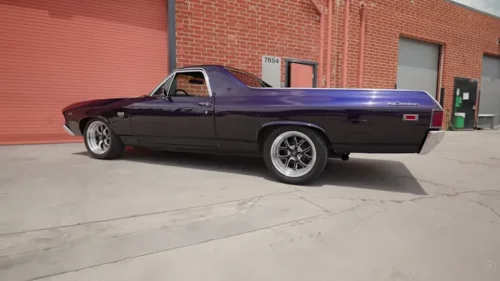
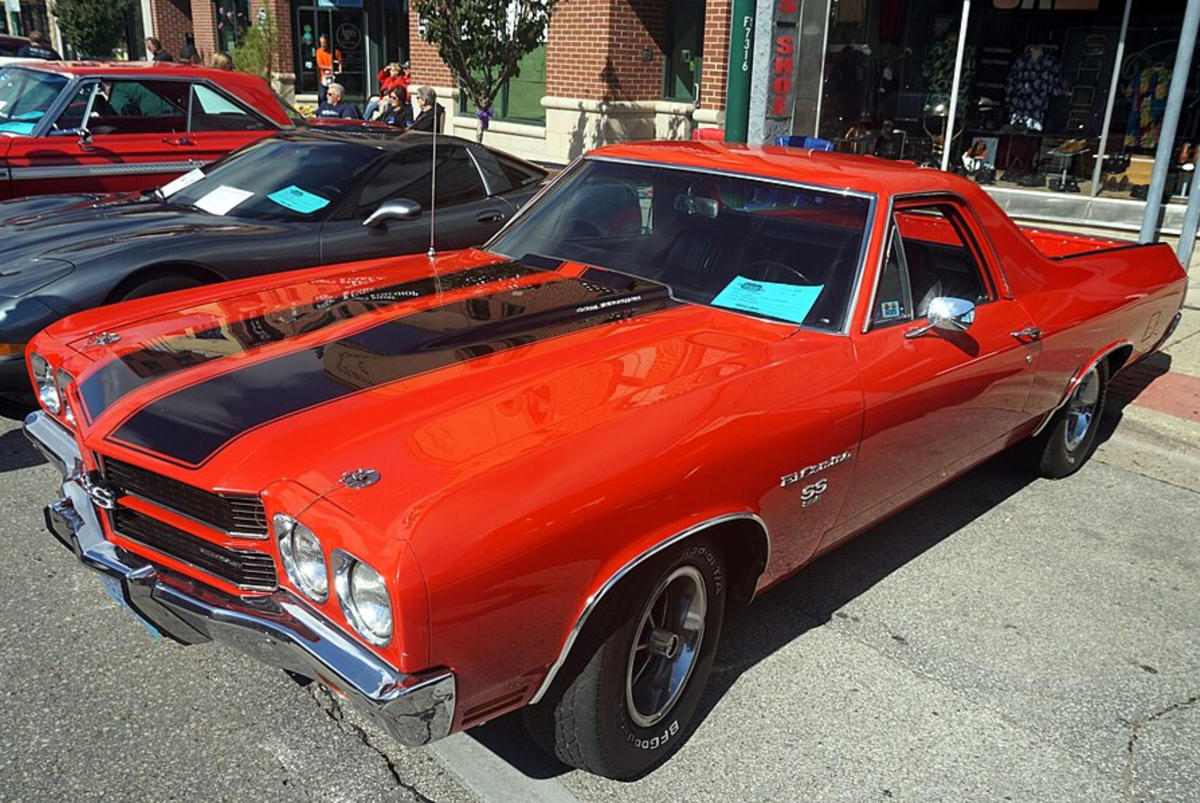
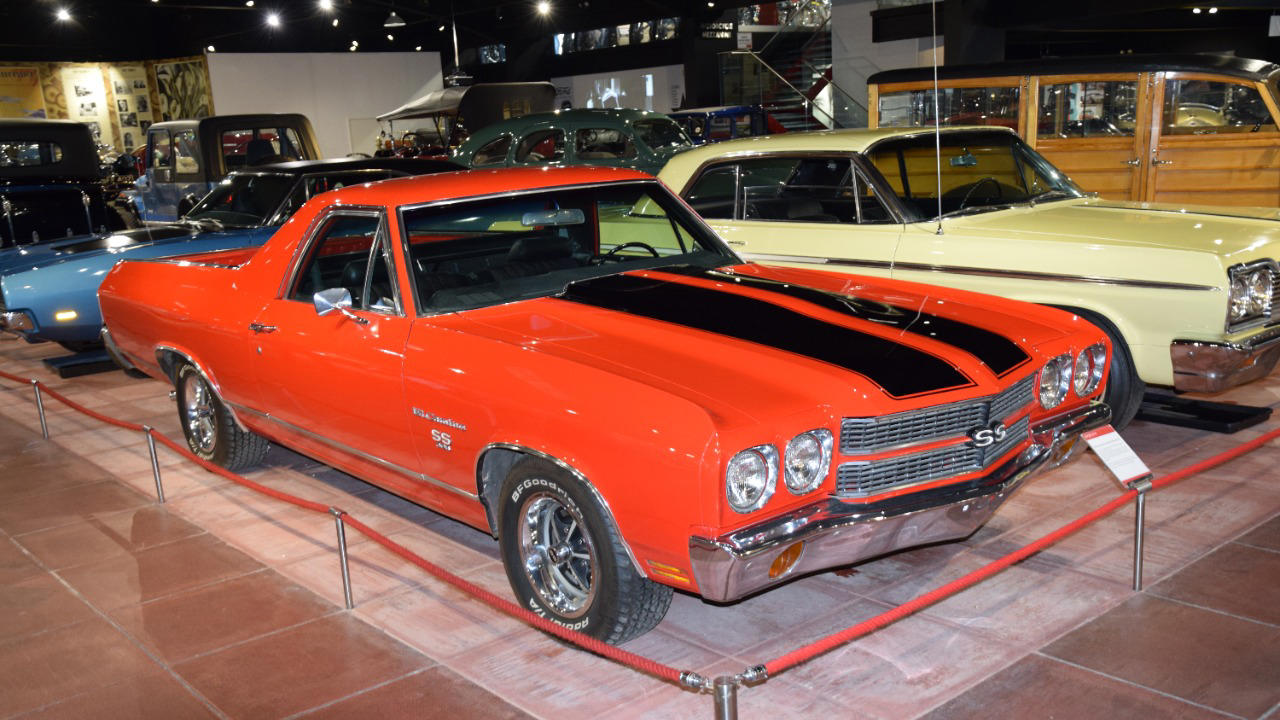
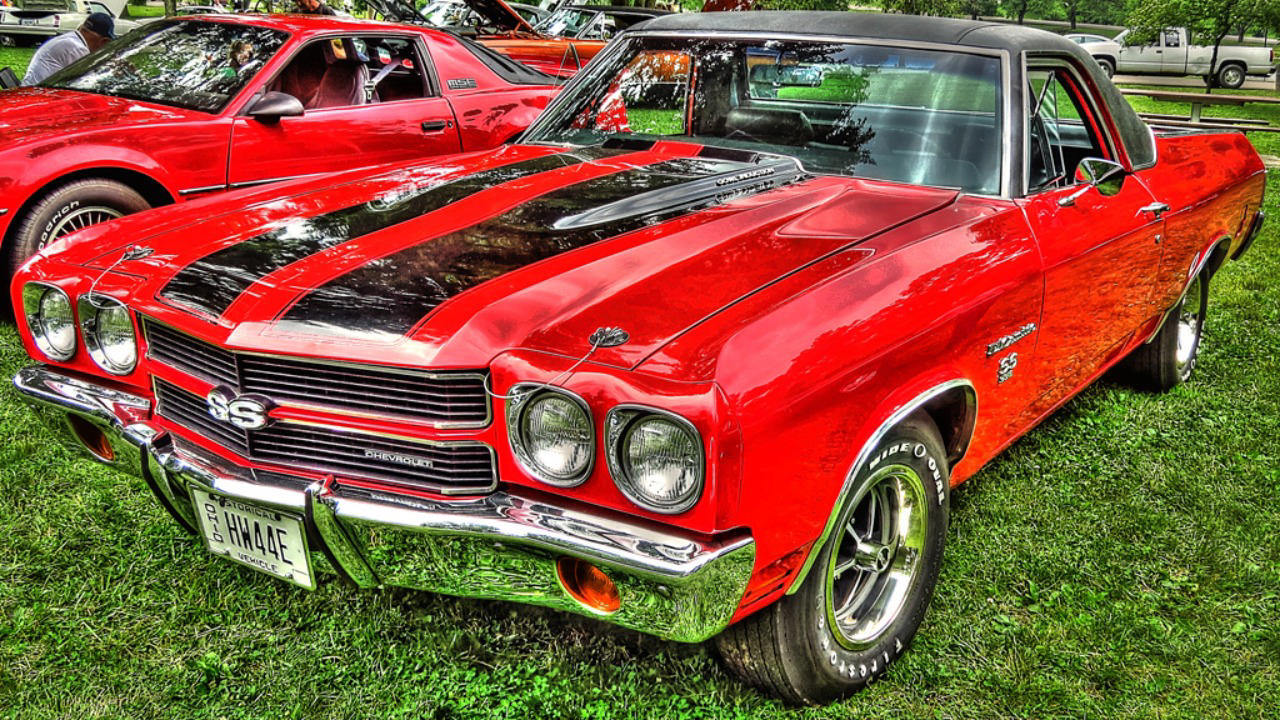
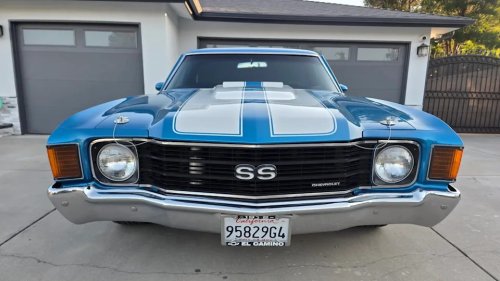
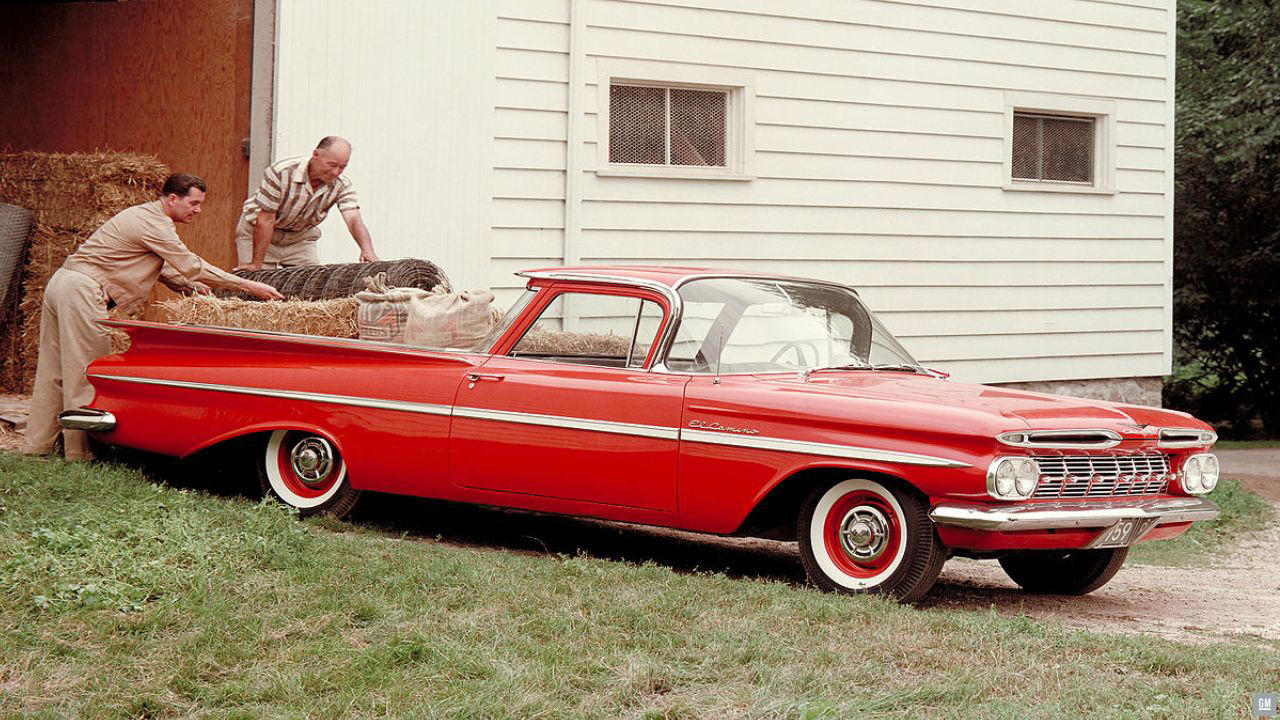
The El Camino SS proved you didn’t have to choose between power and utilityThe Chevrolet El Camino SS did something most Detroit iron of its era could not. It let buyers enjoy genuine muscle car performance without giving up the ability to haul lumber, engines, or a bed full of tools. Instead of forcing a choice between brute force and blue-collar usefulness, it fused both into a single, memorable silhouette that still divides parking lots and car shows into fans and skeptics. That mix of speed and practicality was not an accident or a marketing slogan. It was baked into the way The El Camino was engineered, priced, and positioned across five generations, then sharpened in the Super Sport years when the SS badge turned the coupe utility into a serious performance machine. From car-based curiosity to working-class tool When Chevrolet introduced the El Camino, the company built it as a car-based truck with a mission that was as much about image as it was about payload. Underneath, early versions borrowed heavily from passenger car platforms, and one analysis notes that the first generation used the floorpan of the two-door Brookwood wagon along with a fold-down tailgate adapted from that station wagon, a setup that gave the hybrid body real pickup functionality while keeping carlike manners on the road. That foundation helped The El Camino achieve payload ratings that were more than a styling exercise. According to factory figures, The El Camino’s payload rating ranged from 650 to 1,150, or 290 to 520 kg, with gross vehicle weights between 4,400 and 4,900 pounds. Those numbers placed it firmly in working-truck territory even as it shared much of its sheetmetal with Chevrolet passenger cars. Chevrolet also priced early El Camino models to be accessible to buyers who might otherwise shop for basic pickups. A detailed breakdown of five generations of the Chevrolet El Camino shows that in the mid 1960s, Original MSRP starting prices with the base engine landed at $2,271, $2,353, $2,318, for 1964 through 1967. Even the entry-level trucks included practical trim and durable vinyl interiors, which reinforced the idea that this was a tool, not just a toy. The bed design reflected the same attitude. The 1959 El Camino was promoted as the first Chevrolet pickup built with a steel bed floor instead of wood, and the floor was corrugated to add strength. That detail mattered to buyers who expected to shovel gravel, load engines, or roll in oil drums without worrying about splintered planks. From the beginning, Chevrolet used the El Camino to argue that a stylish personal vehicle could still act like a real truck. How the SS badge rewrote the El Camino story The turning point came when Chevrolet decided that utility alone was not enough. During the late 1960s, the company created the Super Sport package for the El Camino, transforming it from a clever niche hauler into a full-blooded member of the muscle car era. One period overview describes how a new high performance Super Sport SS396 version appeared in 1968, a Modern Classic moment that signaled the shift from pure workhorse to street weapon. Another history of the El Camino notes that this generation is where the model made the jump from utility car to sporty ride, and that The Super Sport 396 was launched alongside the more basic versions. In that context, the number 396 was not just a badge. The SS package initially centered on a 396-cubic-inch big-block, and later coverage of the Chevy El Camino SS 454 points out that The SS (Super Sport model) began with a 396-cubic-inch, 6.5-liter V8 before the even larger engines arrived. Performance hardware backed up the marketing. Among the performance engines offered in the El Camino were big-block V8s that could be ordered with high compression, aggressive camshafts, and multi-barrel carburetors. Enthusiast documentation of the Chevrolet El Camino notes that some of these factory combinations were suitable for drag racing installed right off the showroom floor, particularly when paired with heavy-duty suspensions and limited-slip differentials. The Chevrolet El Camino SS quickly became the halo version. A generational overview from a supplier that specializes in covers and accessories describes how the Chevrolet El Camino SS was arguably the most famous El Camino model, introduced as a standalone model in some years rather than just an option package. In that telling, arguably the SS badge turned the coupe utility into a flagship, sitting alongside Chevelle SS coupes in Chevrolet showrooms and sharing much of their mechanical hardware. Social media posts from muscle car communities reinforce that perception. One enthusiast comparison of The Chevelle SS and El Camino SS describes both as iconic American muscle cars produced by Chevrolet from the mid 1960s through the late 1970s, with The Chevelle framed as the more traditional two-door and the El Camino SS positioned as the pickup muscle counterpart. Another fan-focused history calls 1968 to 1970 The Golden Period For The Chevy El Camino SS That Heightened Its Performance Appeal. From the moment the SS badge arrived, the El Camino SS was no longer just a clever compromise. It was a statement. The 1968 to 1972 sweet spot For many collectors, the late 1960s and early 1970s represent the high watermark for the El Camino SS. A detailed narrative from a specialist site labels the 1968 to 1972 period as a Modern Classic era and notes that a new high performance Super Sport model arrived in 1968 just as the muscle car boom was peaking. In this window, the El Camino SS benefited from the same horsepower race that drove Chevelle SS, Camaro, and other GM performance cars. One enthusiast feature on a 1968 Chevrolet El Camino SS describes that particular truck as part of the third generation of the El Camino and emphasizes that the SS was the highest performance variant available. In that account, the El Camino SS combined the aggressive nose of contemporary Chevelle coupes with a bed that could still swallow cargo, giving owners the choice between a weekend at the drag strip and a weekday at the job site without swapping vehicles. The 1970 Chevrolet El Camino SS 396 is often cited as a standout. A social media feature on a specific 1970 Chevrolet El Camino SS 396 calls it a bold blend of muscle car and utility vehicle and describes it as a high performance Chevelle SS up front with a practical pickup bed behind. The repeated use of the number 396 in that coverage underlines how closely the El Camino SS was tied to big-block performance, and how the Chevelle SS heritage bled straight into the truck-based body. Collectors also single out the 1971 and 1972 Chevrolet El Camino SS Pickup models. A post that profiles the 1971 Chevrolet El Camino SS Pickup characterizes it as a unique blend of muscle and practicality that remains desirable among enthusiasts, and another detailed listing for a 1972 El Camino explains that this 1972 El Camino was the last year of the classic 1968 to 1972 body style that is so popular and collected today. That listing argues that the truck captures this great era of GM cars perfectly, with proportions and detailing that still look right decades later. Specific data on the 1972 Chevrolet El Camino SS package shows how Chevrolet tried to keep the performance flame alive even as regulations tightened. A social media breakdown titled 1972 El Camino SS Here are some facts about the 1972 Chevrolet El Camino SS notes that 1972 was the first year the SS package was offered as a separate appearance and performance option across more of the El Camino range. It lists available small-block and big-block horsepower ratings, underscoring that buyers could still order serious power even as compression ratios and advertised numbers began to fall. Fan commentary often describes the late 1960s and early 1970s El Camino SS models as perhaps the most celebrated iteration of the line. One enthusiast group post begins with the phrase Perhaps the most celebrated iteration came in the late 1960s and early 1970s, when the El Camino SS (Super Sport) models offered a mix of performance and utility that has become an AutomotiveIcon. That sentiment captures how the SS badge elevated the El Camino from a clever compromise to a cult favorite. Living with half car, half truck Beyond the spec sheets, the El Camino SS appealed to buyers who liked the idea of owning one vehicle that could play many roles. A social media feature on a 1967 Chevrolet El Camino SS describes it as half car, half truck, all attitude and calls that particular build a unique blend of muscle car power and practical utility. The description emphasizes that the truck can haul parts for a restoration project one day and make a statement of style and performance the next. That dual identity shows up repeatedly in how owners talk about the El Camino. A fan page dedicated to classic American iron refers to the El Camino as essentially a car-based truck, and notes that the SS (Super Sport) version took this concept to another level by blending pure muscle with a bed. Another enthusiast group highlights how the 1970 Chevrolet El Camino SS blended the practicality of a pickup with the performance of a muscle car, describing it as pure muscle with a bed and using that phrase to explain its lasting appeal. The El Camino SS 454, in particular, has become a symbol of that attitude. Coverage of the Chevy El Camino SS 454 describes it as a muscle car that doubled as a pickup and notes that The El Camino combined elements of a Chevelle SS coupe and a working truck. The same account points out that the SS 454 shared technology and performance thinking that would later appear in vehicles like the C5 Corvette, which underscores how seriously Chevrolet treated the platform. Even in more modest trims, the El Camino remained useful. Factory payload and GVW numbers show that The El Camino could carry between 650 and 1,150 pounds, which meant that an owner could tow, haul, and work in ways that a typical Chevelle or Camaro owner could not. Enthusiast histories stress that many El Camino owners used their trucks for farm work, small business deliveries, or construction jobs, then cleaned them up for weekend cruises. That flexibility extended to pricing and equipment. The Original MSRP figures for the mid 1960s show that Chevrolet positioned the El Camino as an attainable step up from a bare-bones pickup. Even the base models came with carlike features such as padded dashboards, comfortable bench seats, and optional air conditioning, which made them attractive daily drivers for people who did not want a traditional truck. Inside the enthusiast community, that practicality is often framed as a badge of honor. Owners tell stories of towing boats, hauling motorcycles, or carrying building materials in the same vehicle they bring to car shows. The El Camino SS, with its big-block power and heavy-duty components, was especially well suited to that kind of life. It could pull and carry as needed, then line up at the drag strip with a bed full of tools and still put in a respectable time. Design cues that sold the compromise Part of what made the El Camino SS convincing was the way it looked. Designers leaned heavily on the styling of contemporary Chevelle coupes, giving the truck a muscular front clip, sweeping fenders, and aggressive hood lines. A detailed generational overview of the Chevrolet El Camino notes that Underneath was the floorpan of the two-door Brookwood wagon, yet from the outside the truck read as a low, wide muscle car that happened to have a bed. Photographic records from the period show how that design evolved. One widely shared image of a 1970 Chevrolet El Camino captures the long hood, short cab, and integrated bed sides that defined the third generation. The proportions echo Chevelle coupes, but the bed rails and tailgate give the truck a purposeful stance that separates it from ordinary pickups of the time. Inside, the El Camino SS could be ordered with the same sporty trim found in Chevelle SS models. Bucket seats, center consoles, and round-gauge instrument clusters appeared in many builds, along with SS-specific badging on the steering wheel and dash. That interior treatment reinforced the idea that the El Camino SS was a muscle car first and a utility vehicle second, even though its chassis and payload numbers told a more balanced story. Exterior details also signaled performance. SS packages often included stripes, raised hood scoops, and unique wheel designs. Enthusiast features on specific trucks, such as the 1970 Chevrolet El Camino SS 396 and various restored 1968 and 1969 models, highlight these cues as key to their visual impact. At the same time, the bed itself remained simple and functional, with metal floors designed to take abuse rather than plush liners or elaborate trim. That contrast between glamorous front end and work-ready bed helped the El Camino SS stand out. It looked like a Chevelle SS from most angles, but one step to the rear revealed a tailgate instead of a trunk lid. For buyers who wanted to project a certain image while still justifying their purchase as a practical tool, that visual trick was powerful. Modern nostalgia and the imagined comeback Decades after production ended, the El Camino and especially the Chevrolet El Camino SS continue to inspire speculation about a modern revival. Enthusiast renderings and videos imagine what a 2025 or 2026 Chevrolet El Camino SS might look like, often presenting it as a coupe utility vehicle that offers the perfect blend of performance and style and truck utility. One social media teaser for a hypothetical 2026 Chevrolet El Camino SS describes it as a revival of the classic muscle ute with a bold, modern design and extreme versatility, Blending the spirit of the original with contemporary technology. Another popular video concept titled 2026 Chevrolet El Camino SS Pickup Is Back imagines what would happen if Chevrolet brought back one of the most legendary muscle pickups of all time and rebuilt it for the modern era. The clip walks through design sketches, performance targets, and potential powertrains, presenting the idea of a modern El Camino SS as both a nostalgic nod and a response to the current appetite for lifestyle pickups. A separate speculative feature under the banner 2026 Chevrolet El Camino SS Is Finally Here frames the imagined truck as a complete rethink of the original formula. In that narrative, after decades of silence El Camino is back and this time Chevrolet did not just revive a name. They re-imagined the entire idea, positioning the new truck as a bridge between performance coupes and mid-size pickups. Other commentators extend the idea further, suggesting that a modern El Camino SS could offer multiple powertrain options, from traditional V8s to hybrid or fully eco-friendly setups. One video that discusses a hypothetical 2025 comeback argues that Chevy is looking at both the drivers needs and the planets future, using the El Camino nameplate as a way to talk about sustainability without abandoning performance heritage. However, reporting that examines the current product plans of General Motors pushes back against the more breathless speculation. One analysis focused on AI-generated rumors points out that The El Camino (Chevy El Camino) was discontinued and has not returned since, and concludes that talk of an imminent factory-built comeback is unverified based on available sources. That piece argues that while fan-made renderings and videos are entertaining, they should not be confused with official commitments from Chevrolet. Despite the lack of concrete evidence for a new production model, the volume of fan content speaks to the enduring appeal of the concept. A social media group dedicated to classic trucks and muscle cars regularly features posts that describe the El Camino SS as one of the greatest vehicles Chevrolet ever made, and an El Camino. Hashtags such as AutomotiveIcon, PerformanceAndUtility, and ChevyHistory appear alongside restored trucks, restomods, and digital renderings, keeping the conversation alive. Why the El Camino SS still matters Looking back, the El Camino SS succeeded because it treated performance and practicality as equal parts of the same mission. The model did not simply bolt a big engine into a work truck, and it did not strip a muscle car of its usefulness. Instead, it used shared platforms, thoughtful engineering, and targeted marketing to show that a single vehicle could satisfy both sides of an enthusiast’s personality. Factory data, such as The El Camino’s payload rating of 650 to 1,150 pounds and gross vehicle weights between 4,400 and 4,900 pounds, proves that the truck could work. Period pricing, including Original MSRP figures like $2,271 and $2,467 for mid 1960s models, shows that Chevrolet aimed at real-world buyers, not just collectors or weekend racers. The introduction of packages like the Super Sport 396 and the later SS 454 confirms that the company also recognized the appetite for serious speed. Enthusiast histories and modern coverage reinforce that narrative. They describe the Chevrolet El Camino SS as a unique blend of muscle car and utility vehicle, a high performance Chevelle SS up front with a practical pickup bed behind, and a muscle car that doubled as a pickup. They celebrate the 1968 to 1972 Modern Classic years and The Golden Period For The Chevy El Camino SS That Heightened Its Performance Appeal From 1968, while acknowledging that later models lived in the shadow of their former selves as regulations and market tastes shifted. More from Fast Lane Only Unboxing the WWII Jeep in a Crate 15 rare Chevys collectors are quietly buying 10 underrated V8s still worth hunting down Police notice this before you even roll window down The post The El Camino SS proved you didn’t have to choose between power and utility appeared first on FAST LANE ONLY.



















 +61 others