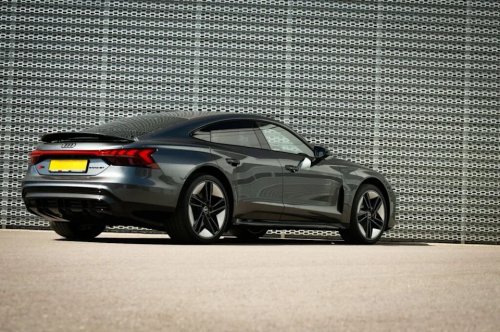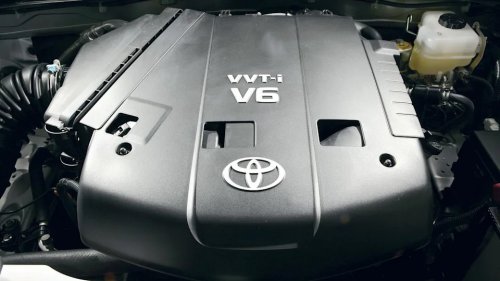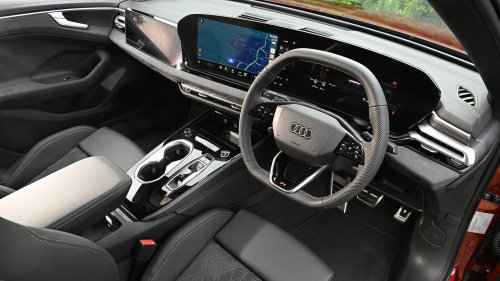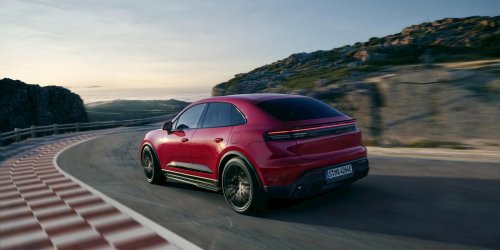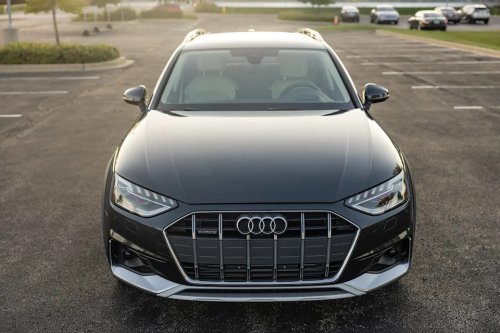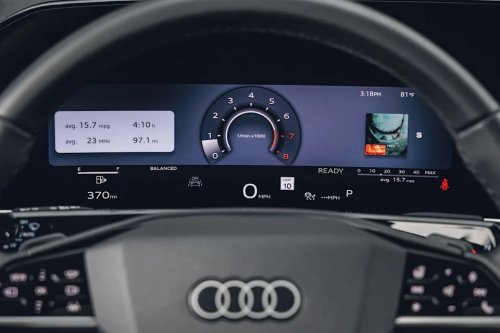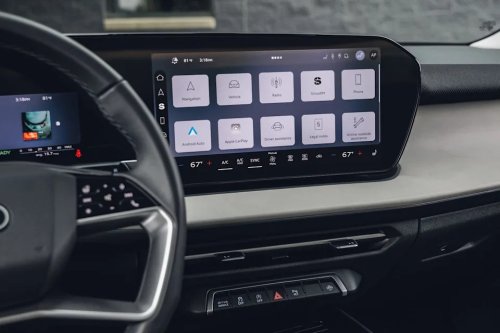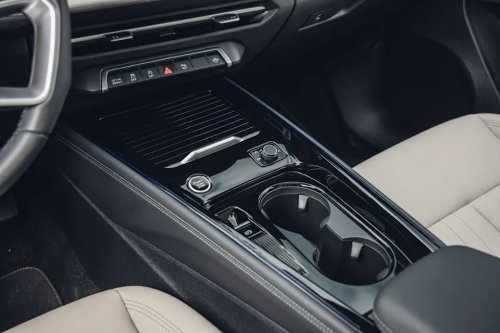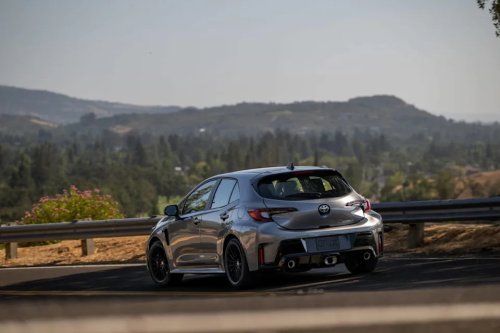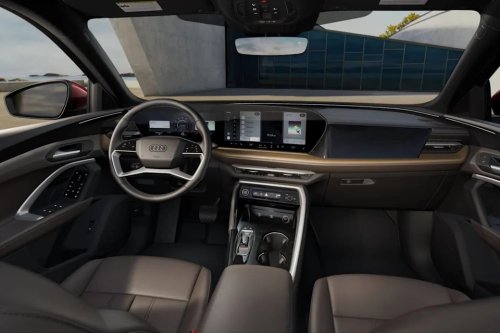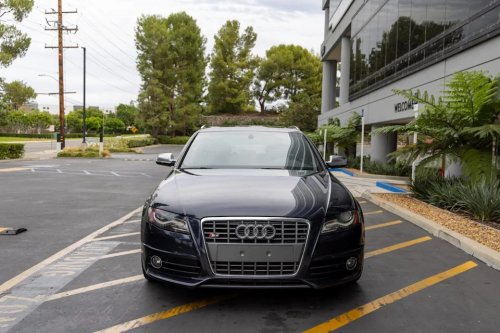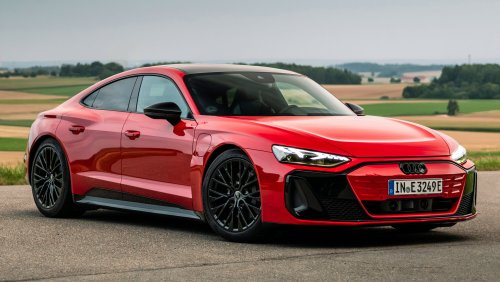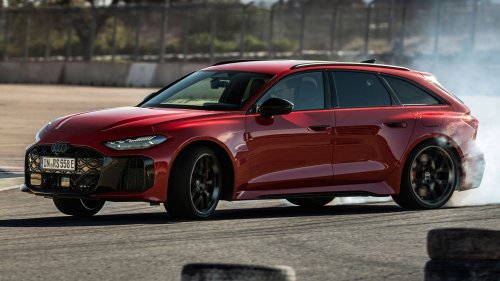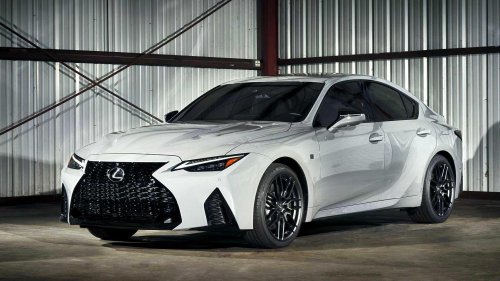
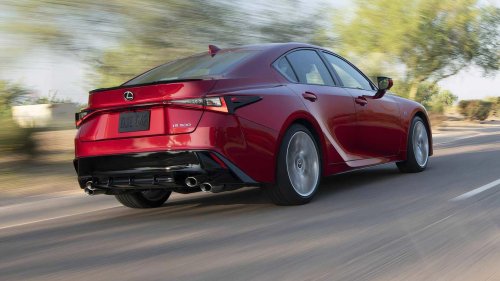
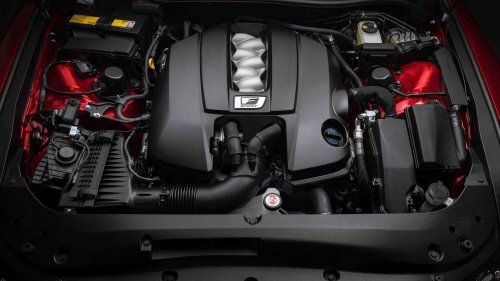
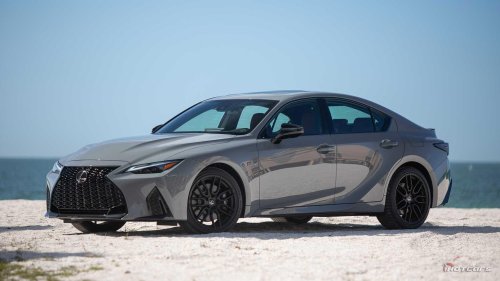
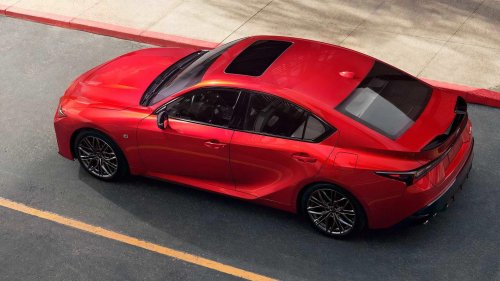
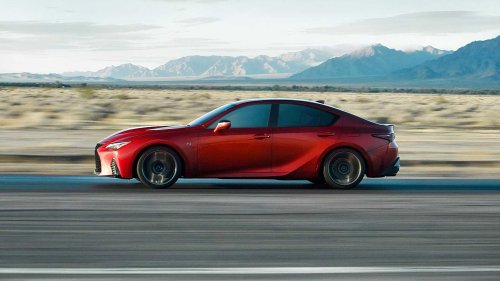



















For years, car enthusiasts have been trapped in a toxic relationship with performance. We crave the soul-stirring power of German titans like the Audi RS5, but we dread the "check engine" light that inevitably follows a spirited Sunday drive. We want the speed, but we don't want the crushing anxiety of a $5,000 out-of-warranty repair bill for a complex and powerful performance car. It’s the classic choice between a car that moves your soul and a car that actually starts every morning.You want a car that has all the performance but can at least be as reliable as a daily driver. But for a long time this hasn't been the case, If you wanted performance, you had to trade some reliability and vice versa. But what if you didn’t have to choose? Modern cars have gotten so good that you can be able to have a very reliable performance car in one package. This is no cheap sports car either, it is a premium car from a premium brand known for stellar reliability. The Lexus IS 500 Has Audi RS Power With A Toyota Soul Lexus When you look at the Lexus IS 500 F-Sport Performance, it’s easy to think it’s just another luxury sedan with a nice body kit, which may be true if you bought the regular one, but not this car. But under that subtly bulging hood and pretty face lives a beast that belongs in a serious performance car. While the modern world has shifted toward small engines with massive turbos, Lexus decided to go "old school" by stuffing a massive 5.0-liter V8 into their compact sedan.This puts it in direct competition with one of Germany's finest, the Audi RS5. While the Audi is a masterpiece of modern tech, the Lexus just offers visceral, raw power. The RS5 uses a 2.9-liter twin-turbo V6 that produces 444 horsepower, but the Lexus achieves its 472 horsepower through pure displacement and an engine that is used in many Toyota/Lexus vehicles. It is also not a new or sophisticated engine as it's simply an improved powerplant that has been around since 2007. Performance Comparison: Lexus IS 500 vs. Audi RS5 Performance Without Anxiety Edmunds The magic of the IS 500 isn't just that it’s fast; it’s that it’s Toyota fast. Underneath the Lexus luxury is the same engineering philosophy that makes the Toyota Camry go for 300,000 miles. By using a "big, simple engine" instead of a small, highly stressed one, Lexus ensures that the performance is sustainable. You can redline this car at every stoplight, and it won't throw a tantrum or the dreaded check engine light. It’s a high-performance machine that you can actually trust to take on a 1,000-mile road trip with complete confidence. Why The Lexus IS 500 F-Sport Performance Is So Reliable Edmunds The secret sauce behind this car is the legendary 2UR-GSE engine. If that sounds like a bunch of random letters and numbers, just know it’s the same heart found in the Lexus LC 500 and the RC F. This engine is a masterpiece of "over-engineering." While many manufacturers are pushing their engines to the absolute limit to meet emissions standards, Toyota and Yamaha (who helped design the cylinder heads) built the 2UR to be bulletproof.One of the standout features is the D-4S fuel system, which uses both port and direct injection. Most German performance cars use direct injection only, which leads to carbon buildup on the valves which is a maintenance nightmare that can cost thousands to fix. The Lexus system uses port injection to literally "wash" the valves with fuel while you drive, keeping the engine clean and efficient for decades, not just years. Why Naturally Aspirated Wins the Long Game EdmundsSimplicity just makes life easier, in the world of performance, turbos are like caffeine, they give you a quick boost, but they eventually lead to a crash. Turbochargers create immense heat and pressure especially with the latest hot V configurations, which puts a massive strain on engine seals, gaskets, and cooling systems. The Lexus IS 500 is naturally aspirated, meaning it breathes on its own. Without the extra heat and complexity of turbos, intercoolers, and wastegates, there are simply fewer parts to fail. Long-term reliability is baked into the design because the engine isn't "working hard" to make its power; it’s just doing what a 5.0-liter, rev high and make good power. The Lexus Reliability Is Backed By Data David Alpert / HotCars / Valnet You don’t have to take our word for it, the data is on Lexus’s side. Year after year, Consumer Reports ranks Lexus at the top of the charts for reliability. In 2024 and 2025, the Lexus IS series maintained one of the highest predicted reliability scores in its class, often outshining Audi, BMW, and Mercedes-Benz by a significant margin.While Audi has made massive strides in its engineering, the complexity of the RS5's Quattro system and its sophisticated electronics often leads to "death by a thousand cuts" once the car hits the five-year mark. Sensors, air suspension components, and turbo cooling lines are common failure points that simply don't exist on the Lexus. Five-Year Maintenance: The Hidden Discount When you buy a car like this, you have to look at the "True Cost of Ownership." Independent data shows that the 5-year maintenance cost for a Lexus IS 500 is $2,100 to $2,500with a 17%chance of needing any major maintenance within that time. In contrast, an Audi RS5 can easily demand $3,500 to $4,000 in maintenance and repairs, with a 29% chance of a major repair within that time. Because the IS 500 shares many basic components (filters, fluids, and sensors) with other Toyota/Lexus models, the parts are cheaper and more readily available. You’re essentially getting a Toyota service every time you take it in for a routine oil change. What You Should Know Before You Buy Edmunds Before you rush to the dealership, there are a few "real world" things to consider. The Lexus IS 500 is a different animal from the Audi RS5.The Tech Gap: The Audi’s interior looks like a spaceship with its Virtual Cockpit and crisp screens. The Lexus interior is... classic. It still has a CD player. For some, it’s dated; for others, it’s a refreshing break from "iPad-on-the-dashboard" design. Traction (AWD vs RWD): The Audi’s All-Wheel Drive makes it a monster in the rain and snow making it better car for all weather conditions. The Lexus is Rear-Wheel Drive only, which means it’s a bit more "tail-happy" and requires more focus in bad weather. Fuel Economy: Let’s be honest, you don't buy a V8 for the MPG. Expect to spend a lot of time at the pump. The Lexus is thirsty, averaging around 17-20 MPG, but the RS5 doesn't do much better as it averages around 18-21 MPG. The "Future Classic" Investment Potential Lexus We are currently witnessing the "Great Extinction" of the internal combustion engine. Big V8 sedans are disappearing faster than we can count. With Lexus recently confirming that the IS 500 will likely be the last of its kind before the brand fully embraces hybrid and electric powertrains that are more complex, this car is more than just a daily driver, it’s a future investment.History shows that "simple" cars with "big engines" hold their value incredibly well. Look at the original Lexus IS F, Mercedes C63 AMG or the BMW M3 (E90/E92) with its V8. Collectors want the soul of a naturally aspirated engine because they know it will still run 30 years from now with relatively simple and straightforward maintenance. By buying an IS 500 today, you aren't just buying a performance sedan; you’re buying a piece of automotive history that you can actually afford to keep in your garage forever. Current Values: MSRP vs. The Used Market In 2026, the Lexus IS 500 is a rare $65,000 gem in a world of hybrids. Because it’s one of the last naturally aspirated V8s remaining, its value is already more like a collector's item than a standard luxury sedan. Surprisingly, low-mileage used cars from 2024 and 2025 are often selling above their original MSRP with an average price of $60,000. 2022 and 2023 models are still holding their values with average prices between $49,000 and $56,000 respectively. While a typical luxury sedan loses 20% of its value the moment it leaves the lot, the IS 500 is seeing a "depreciation curve" that is almost flat for the first two years.Sources: Lexus, JD Power, CarEdge.