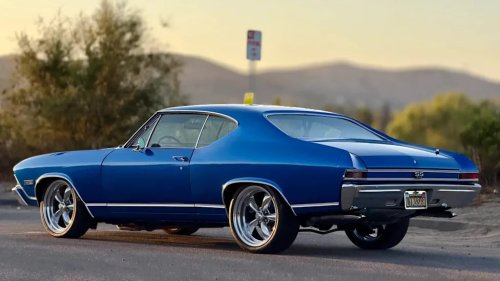
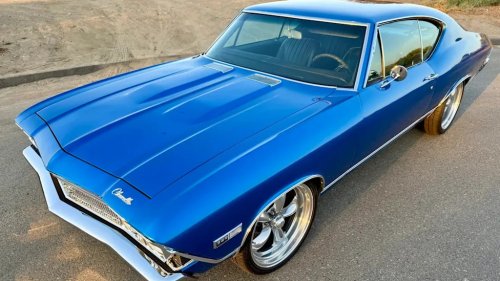
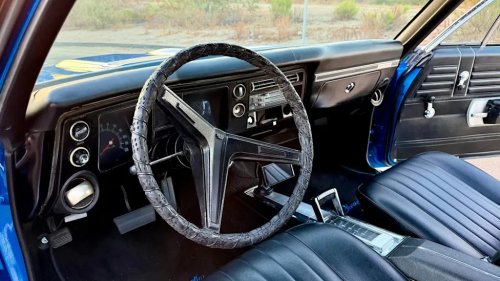
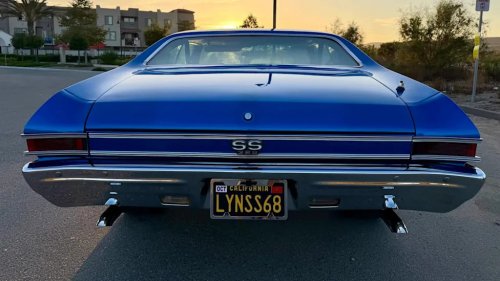
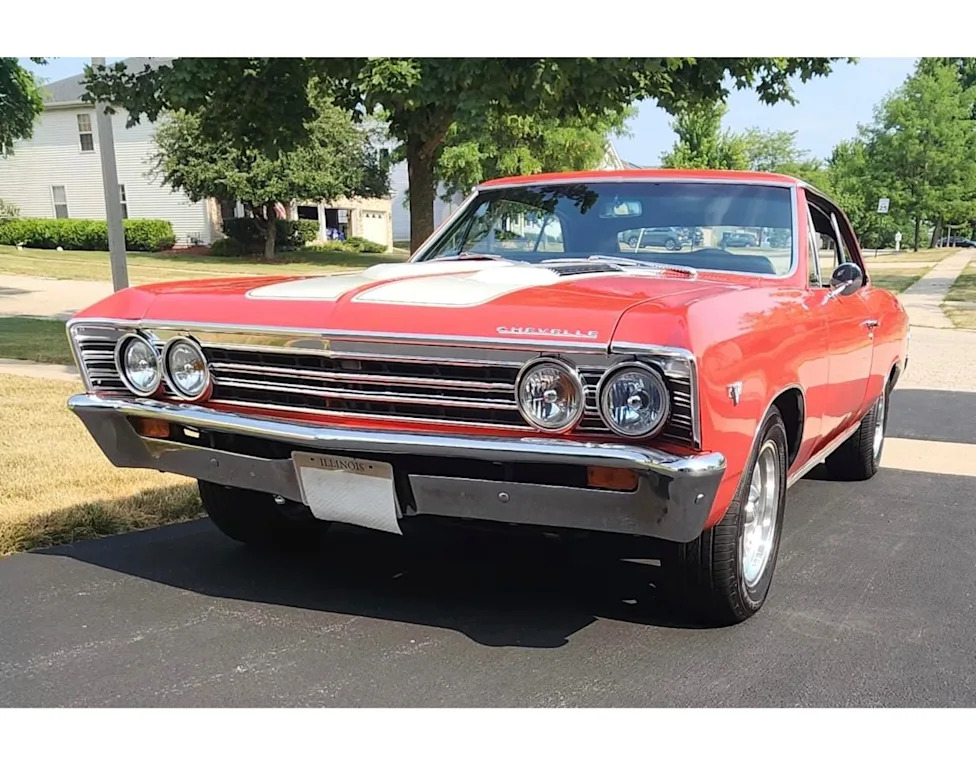
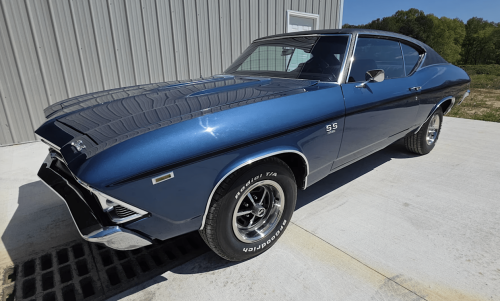
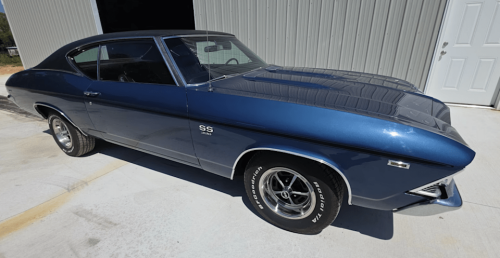
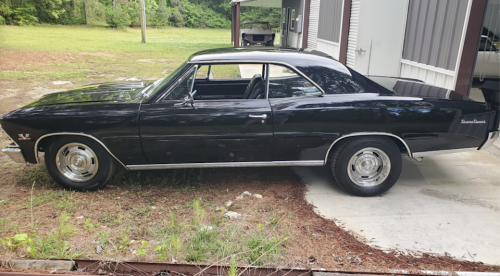
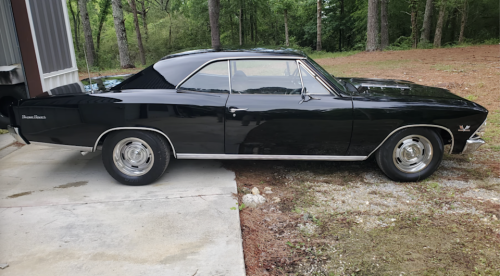
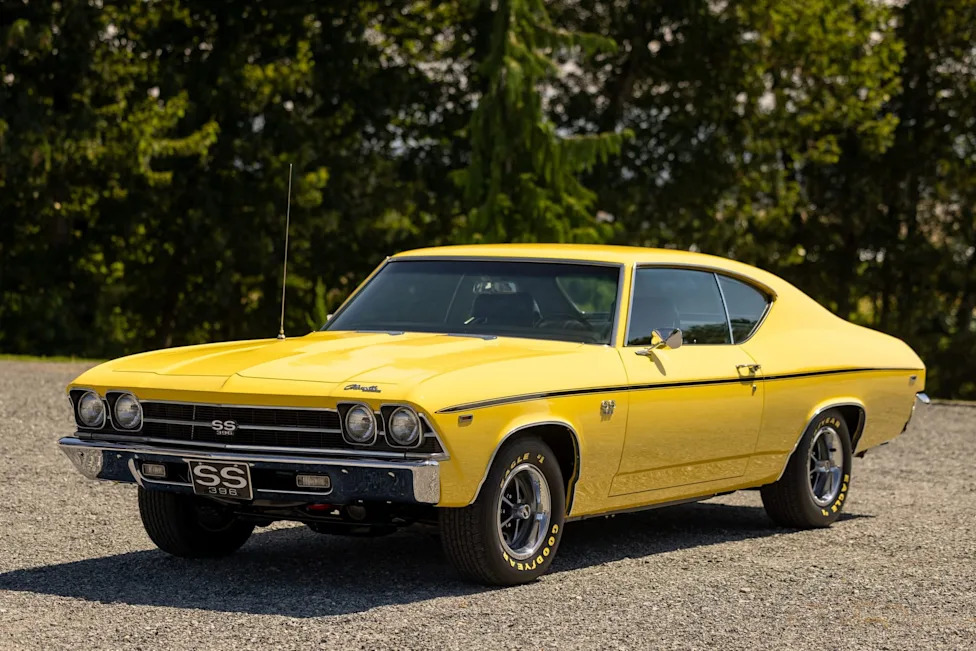
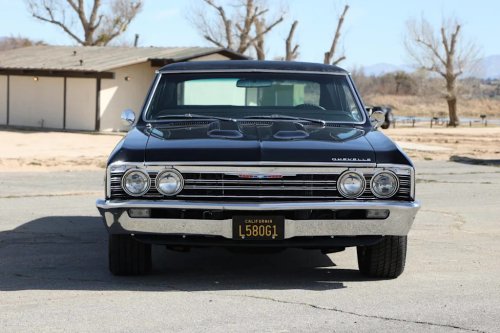
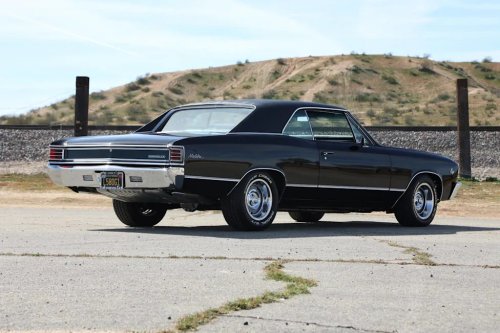
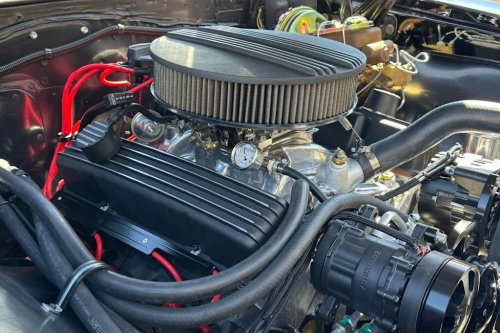
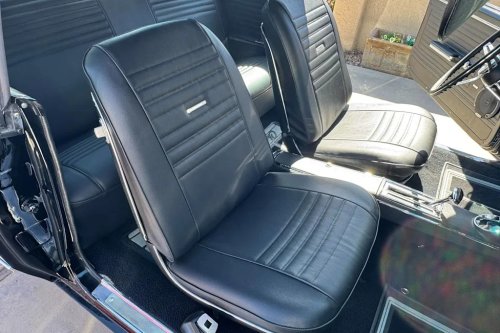
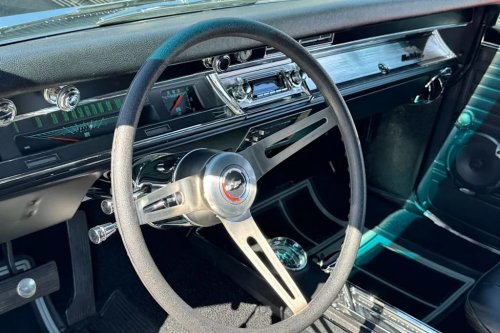
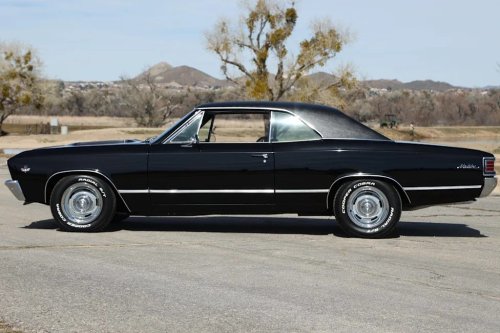
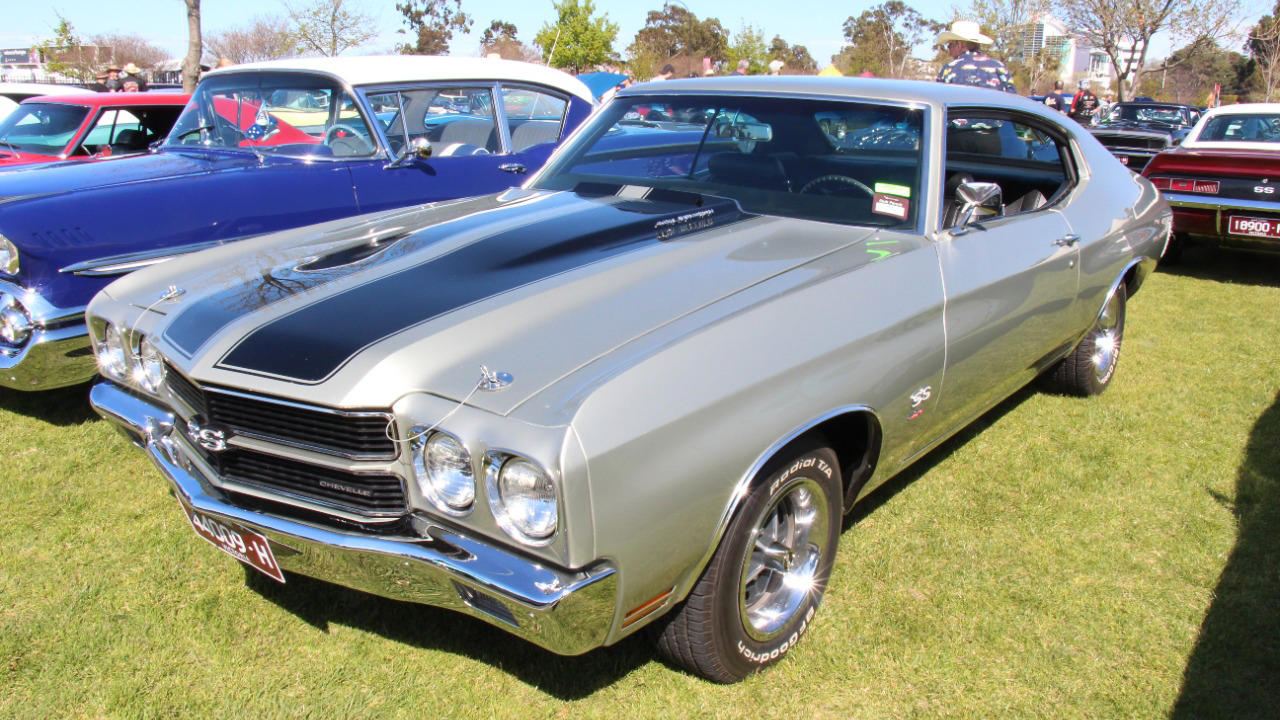
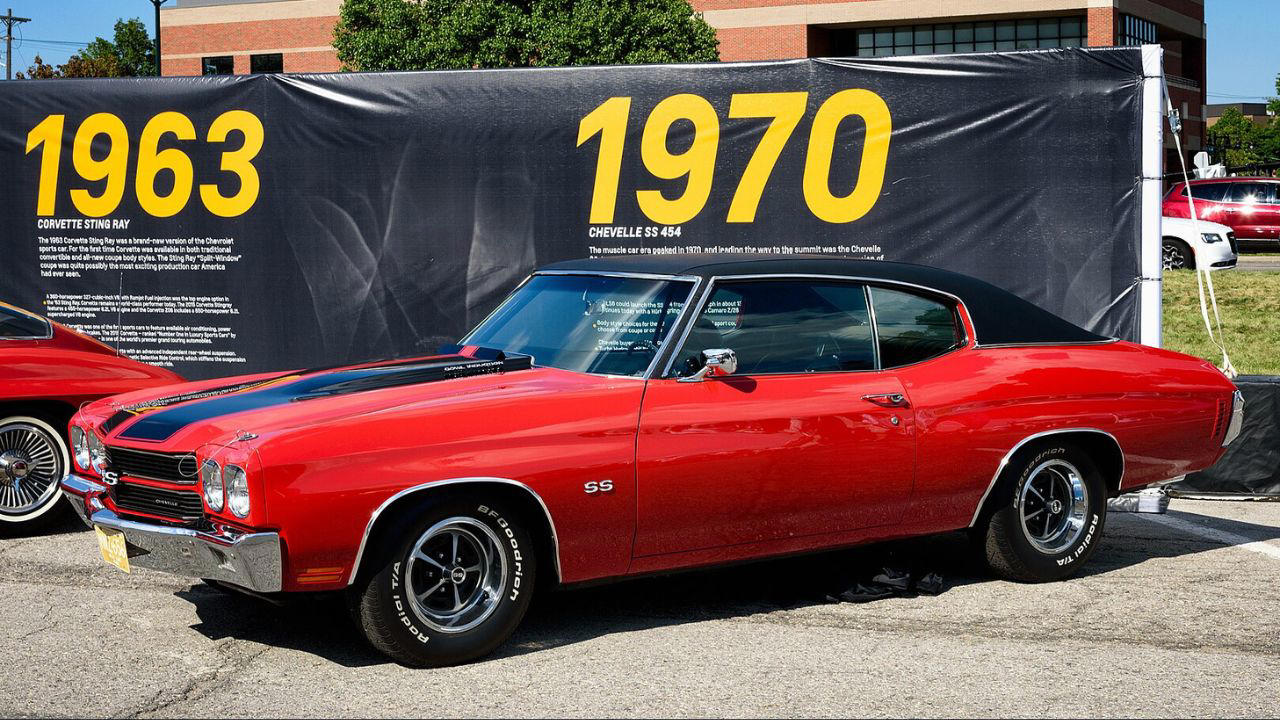
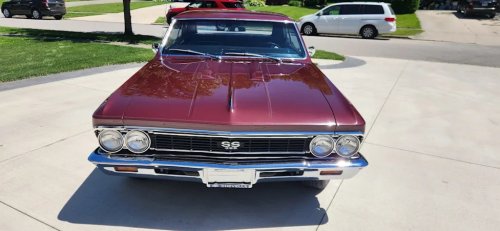
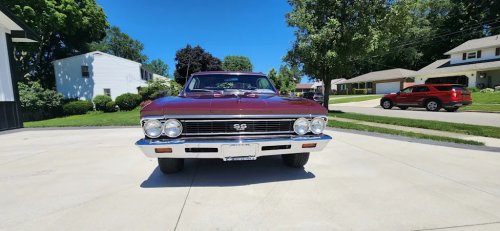
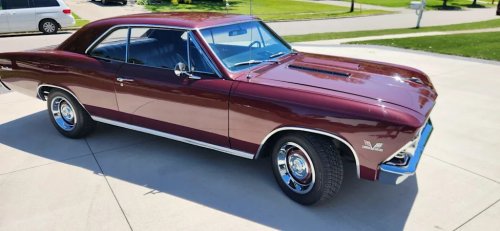
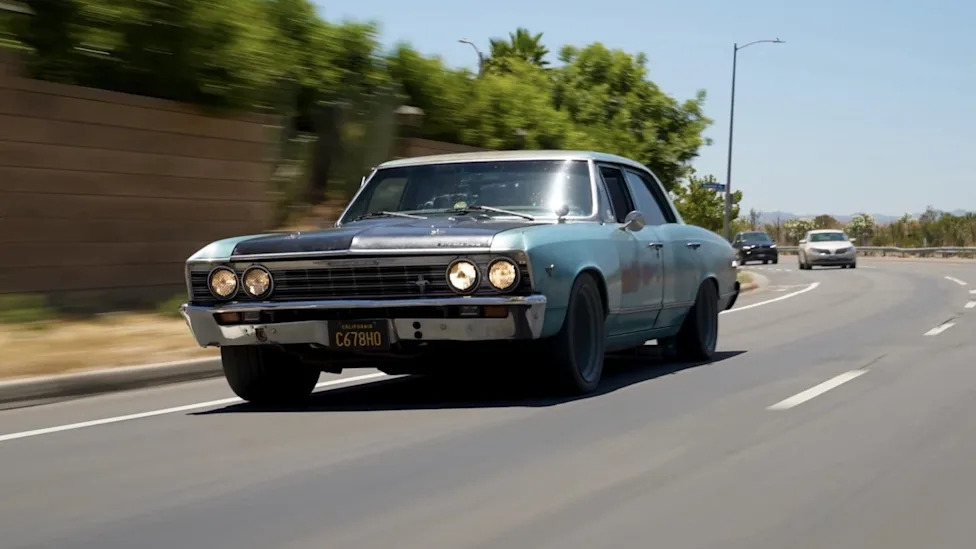
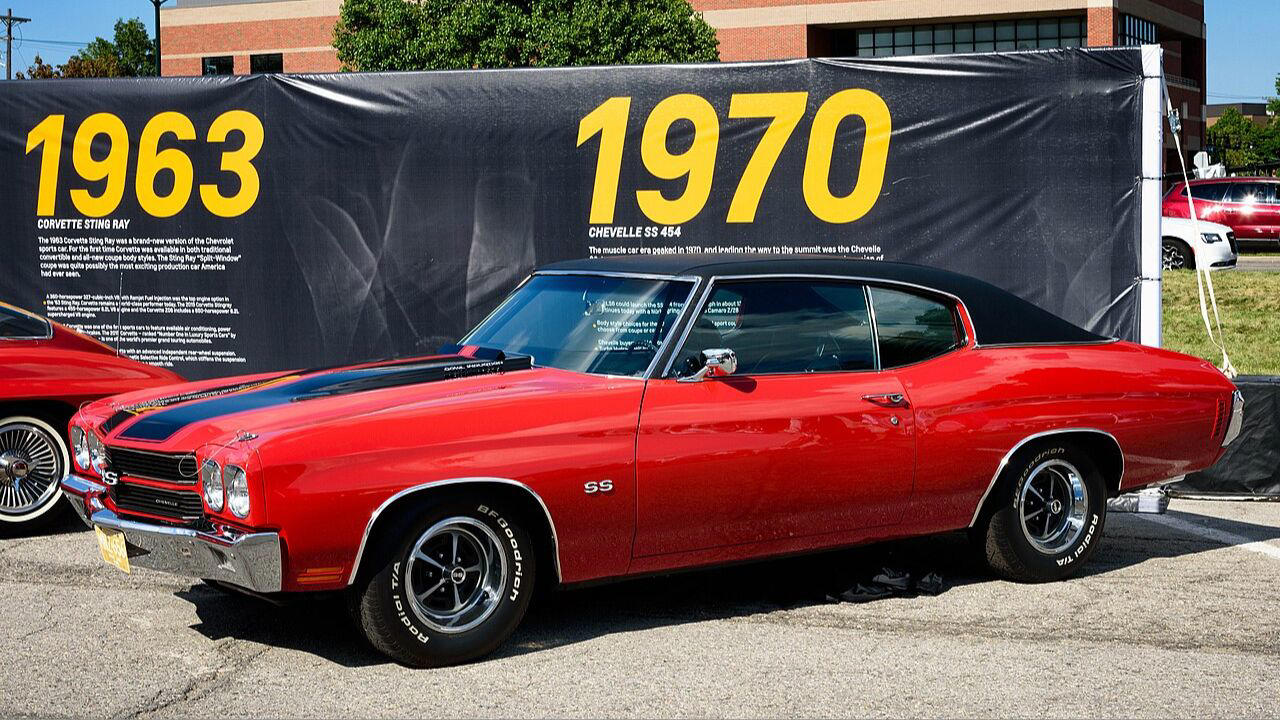
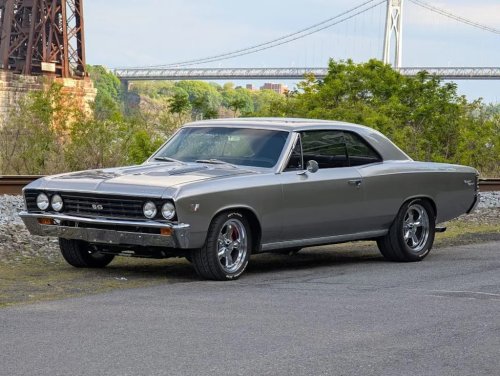
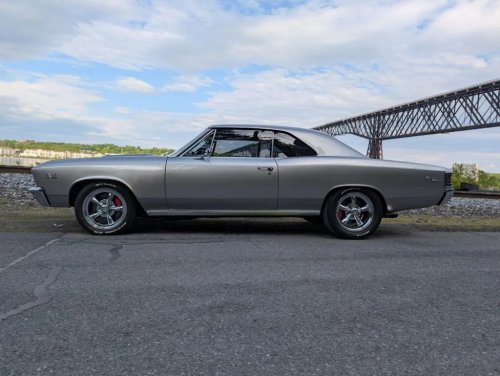
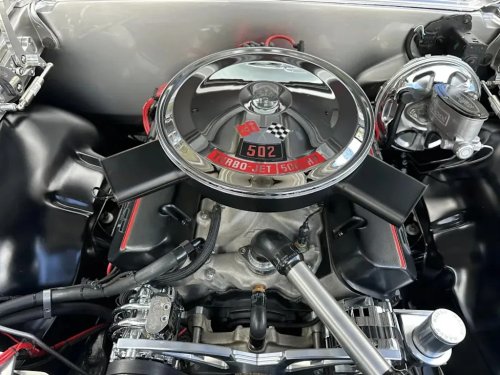
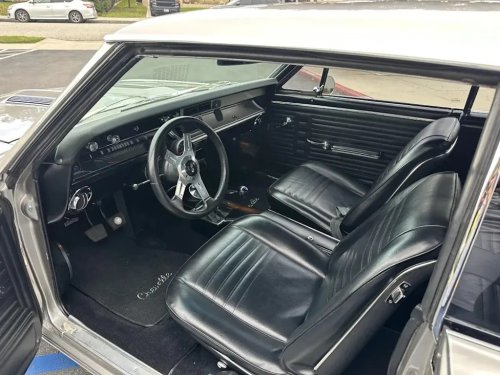
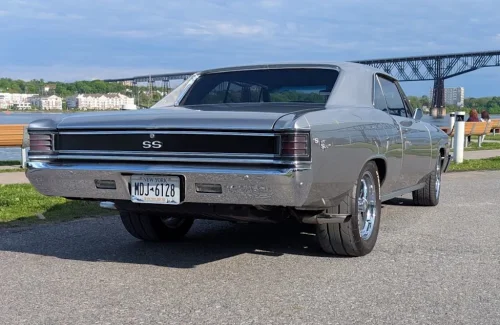
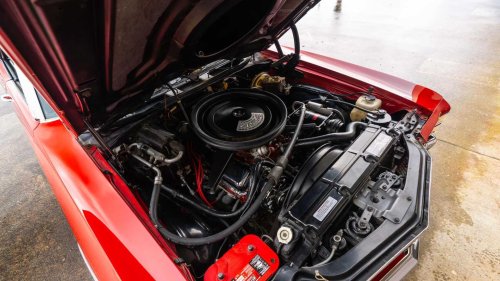
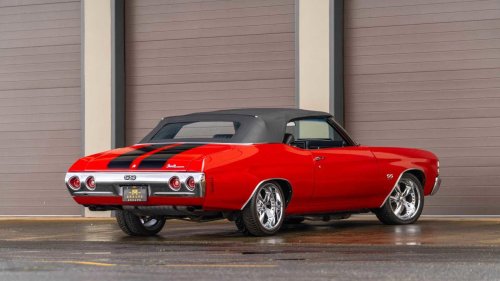
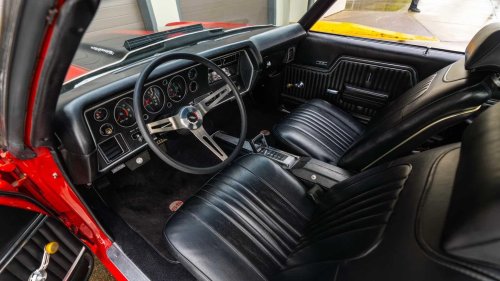
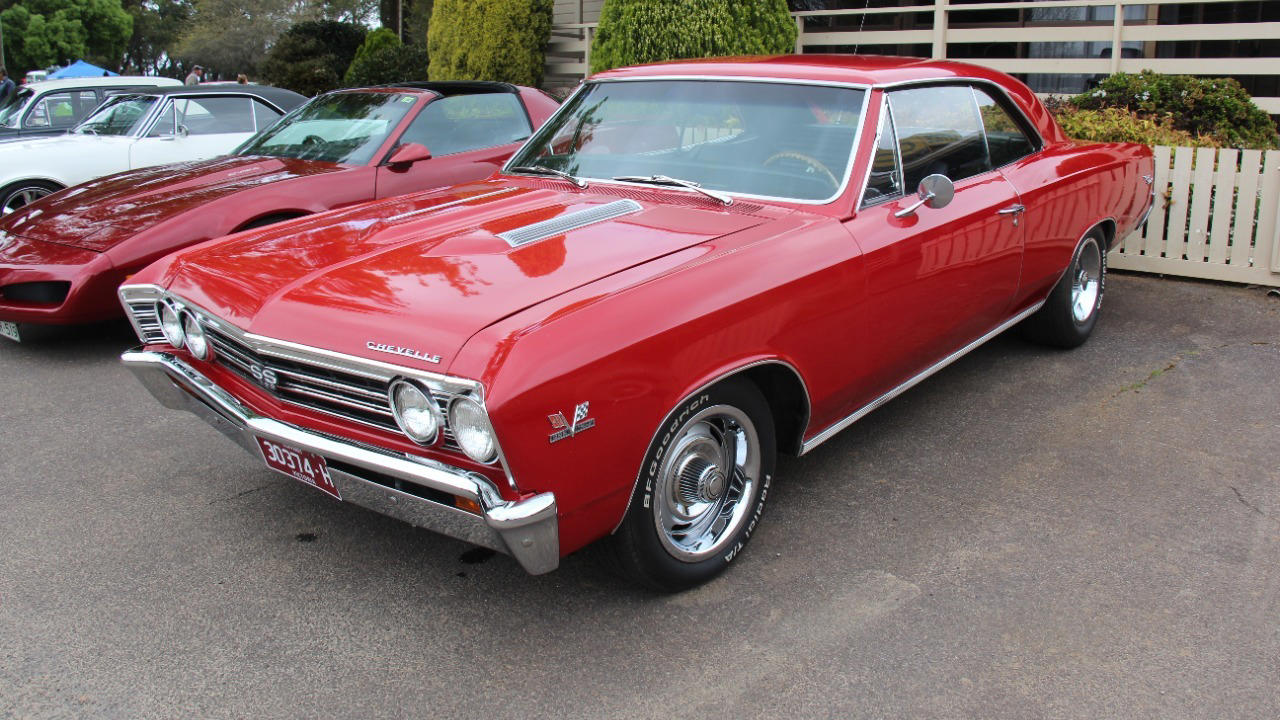
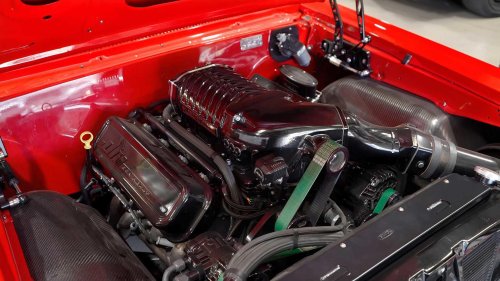
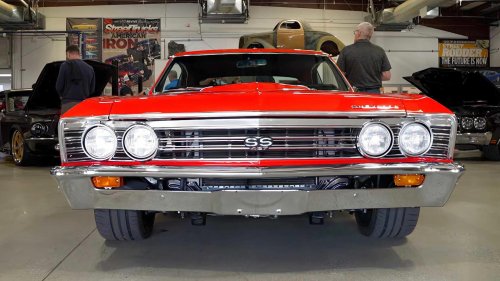
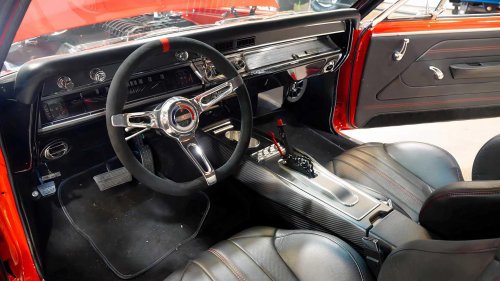
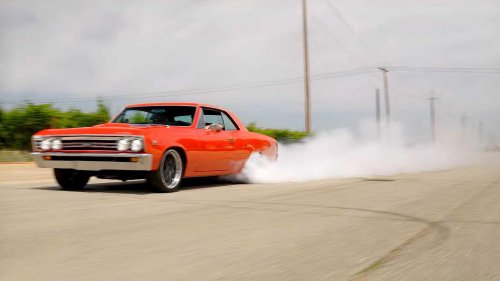
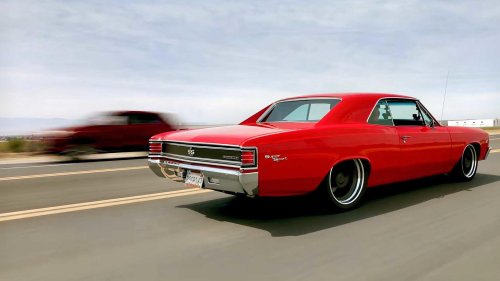
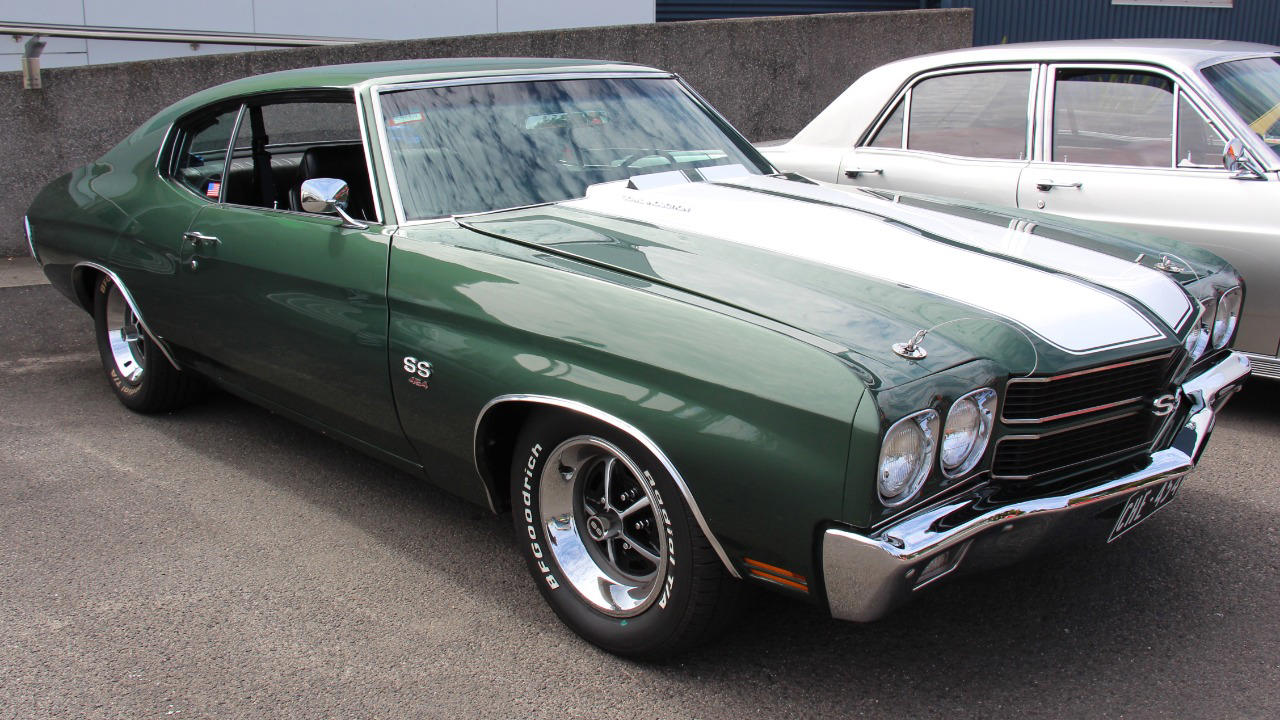
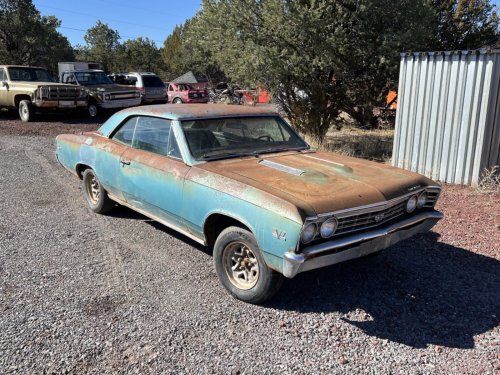
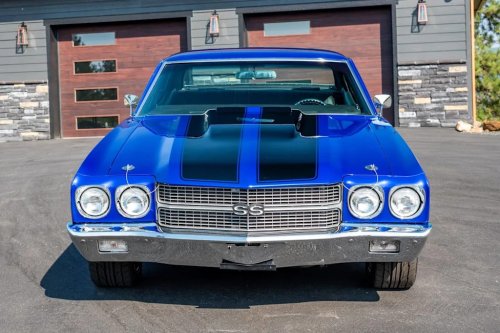
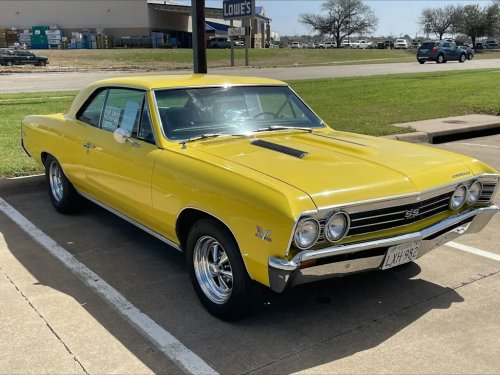
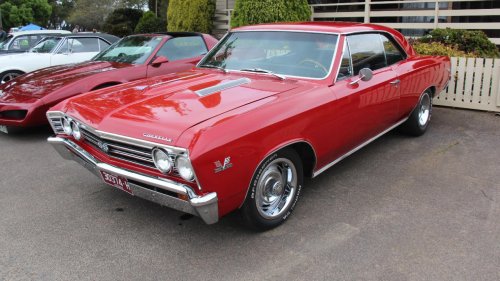
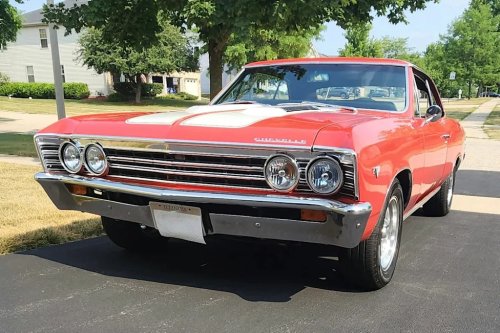
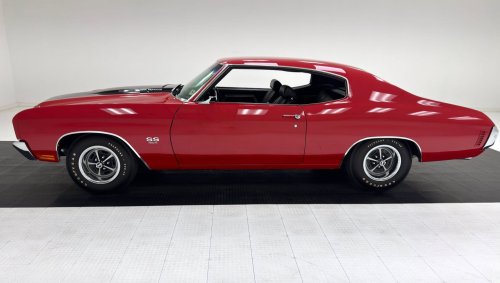
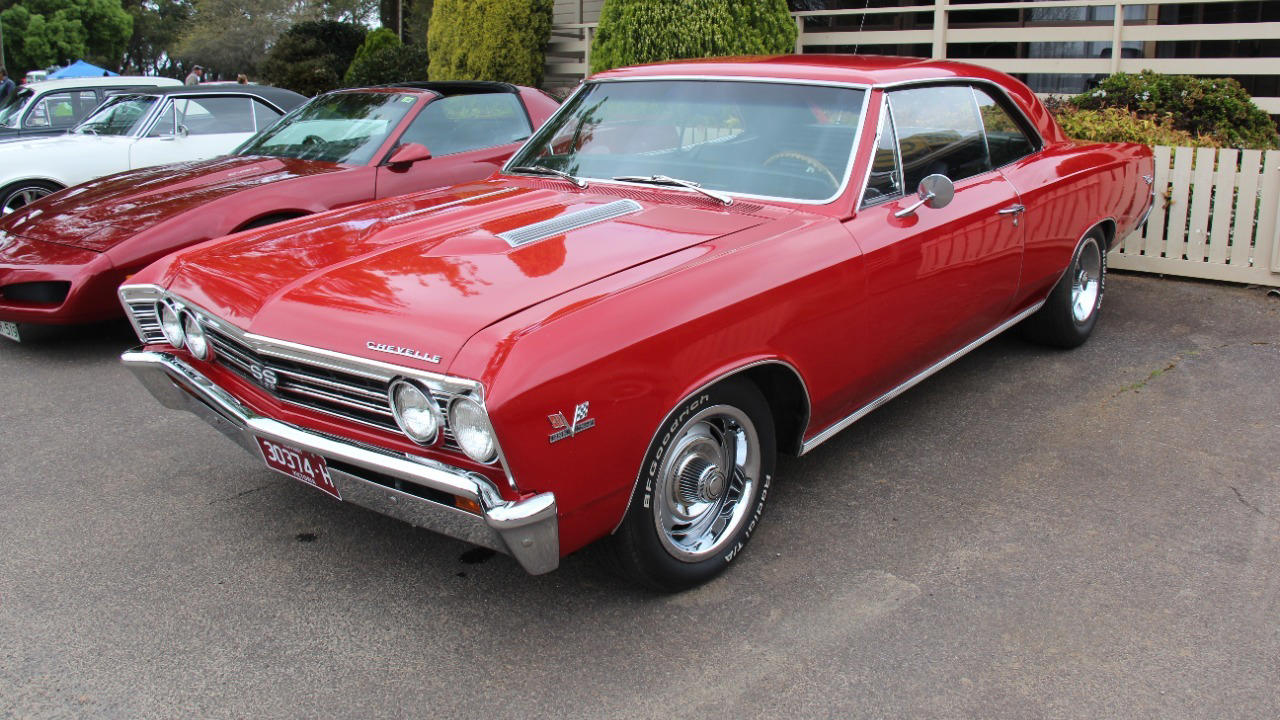
No hype needed the 1967 Chevelle SS 396 proved itself quicklyThe 1967 Chevelle SS 396 did not need marketing tricks or inflated promises. Its combination of big-block power, clean mid-size proportions and real-world performance earned credibility on the street and at the strip almost as soon as it arrived. Within a single model year, it helped cement the Chevrolet Chevelle as one of the defining American muscle cars of the late 1960s. The Chevelle hits its stride in 1967 By 1967 the Chevrolet Chevelle had evolved into a polished mid-size package that balanced family duty with serious speed. General year information compiled for that model highlights how the car adopted a new anodized aluminum grille and other trim updates that sharpened its look while retaining the basic proportions that made the earlier Chevelle so popular. Those Chevelle Facts and frame the SS 396 not as an outlier, but as the performance peak of a well-developed platform. The broader 1967 Chevrolet Chevelle lineup remained versatile, ranging from the Chevrolet Chevelle 300 and Chevrolet Chevelle 300 Deluxe through the Chevrolet Malibu and into the top performance variant. Suspension and chassis information for the Chevrolet Chevelle 300 and Chevrolet Chevelle 300 Deluxe, along with the Malibu and the dedicated performance model, shows that each trim shared a solid foundation that could handle both daily use and spirited driving. Catalog data for the Chevrolet Malibu and the Chevrolet Chevelle SS 396 confirms that Chevrolet engineered the mid-size chassis to accept heavier drivetrains without turning the car into a handful. Why the SS 396 badge mattered Within that family, the Chevrolet Chevelle Super Sport stood apart. The SS 396 package turned the otherwise practical mid-size into a focused performance machine that enthusiasts still regard as a legendary American muscle car. Contemporary descriptions of the 1967 Chevrolet Chevelle Super Sport portray it as a true muscle car classic that blended style, power and everyday usability, and they consistently emphasize the 396 cubic inch displacement that gave the car its name. Collectors and historians often point to the 1967 Chevrolet Chevelle Super Sport as the peak of the first-generation design. The proportions remained relatively clean, the detailing was restrained and the SS equipment added just enough visual aggression to signal intent without resorting to gimmicks. That mix of understatement and capability helped the car age gracefully, and it continues to influence how enthusiasts define an American muscle coupe. The big-block heart: 396 cubic inches At the center of the story sits the engine. The SS 396 package revolved around a 396 cubic inch big-block V8 that delivered the kind of torque buyers expected in the late 1960s. A detailed feature on the Chevrolet Chevelle SS explains that the SS 396 used the 396 big-block as its defining element and credits the Auto Editors of Consumer Guide and Publications International, Ltd with documenting how better tires and chassis tuning helped the car put that power to the pavement. That same analysis of the Chevrolet Chevelle SS 396 notes that the 396 engine gave the car its identity as much as its performance. Additional enthusiasts have broken down the engine range even further. One widely shared overview of the 67 Chevelle SS states that at the heart of the 67 Chevelle SS was the 396 cubic inch (6.5L) big-block V8, and that it was available in three factory horsepower ratings, with one source citing a figure of 32 as part of that discussion. That reference to 32 appears to be incomplete, so any specific horsepower figure linked to it is unverified based on available sources. Even so, the consistent focus on the 396 displacement in descriptions of the Chevelle SS shows how central that engine was to the car’s reputation. Other period and retrospective reports on the Chevrolet Chevelle Super Sport describe the 396 cubic inch V8 as producing between 325 and higher horsepower depending on the specific variant, including references to L35, L34 and the high performance L78. Those figures align with the broader big-block strategy Chevrolet used across its muscle models. Regardless of exact rating, the key point is that the SS 396 delivered serious power in a mid-size shell, and that combination felt immediately competitive. From spec sheet to street reputation On paper, the 1967 Chevrolet Chevelle SS 396 looked strong. Out on the street, it quickly proved that the numbers were not empty. Contemporary tests and owner recollections describe a car that could light the rear tires on command yet remain controllable, thanks in part to the better tires and chassis refinements documented in period reviews of the Chevrolet Chevelle SS. The SS 396 did not rely on wild bodywork or outlandish marketing language; it arrived with the right hardware and let performance speak. One enthusiast-focused breakdown of the 1967 Chevelle SS 396 describes the model as a classic example of raw American muscle wrapped in sleek mid-size design. That analysis of the 1967 Chevrolet Chevelle SS 396 emphasizes how the car combined a relatively modest footprint with big-block thrust, a balance that allowed it to run with larger full-size performance cars while remaining easier to park and live with. The same discussion highlights the American character of the car, both in terms of styling and its focus on straight-line speed. Owners who drive surviving cars today reinforce that impression. A feature on a 1967 Chevelle SS396 2-door coupe, labeled simply as The Car, describes it as a classic American muscle car and notes that the particular example uses the L78 396ci engine. That configuration, paired with a 4-speed manual transmission, shows how the SS 396 could be ordered as a serious performance machine straight from the factory. The write-up treats the Chevelle as an object worth insuring and preserving, a sign of how far its reputation has carried. Engine options and the corporate numbers game The 1967 model year also sits at an interesting point in Chevrolet’s engine strategy. A detailed review of Chevelle engine options for 1967 explains how corporate policies shaped the official power ratings. Jun 23, 2015 is cited in that context, and the analysis notes that many still feel that this was just a numbers game to appease some in corporate, and the engine did not really lose any power. That comment about Many reflects a long-standing belief among enthusiasts that some advertised horsepower reductions were more about insurance and internal politics than true mechanical change. Whether or not the official numbers shifted, drivers experienced the SS 396 as a very quick car. Period drag strip comparisons of a 1967 Chevrolet Chevelle Super Sport with its 396 cubic inch V8 against later models suggest that the early SS cars held their own. The 1967 test of a 1968 Chevelle SS396 at Irwindale Raceway, which referenced the 1967 Chevrolet Chevelle Super Sport as a benchmark, described the 396 cubic inch (6.5L) V8 as producing between 325 and higher horsepower depending on the specific variant. That kind of output in a mid-size package kept the SS 396 in the thick of muscle car competition. Chassis, codes and authenticity Beneath the body, the SS 396 shared much of its structure with other Chevelles, but it carried some distinct identifiers. Enthusiast research into 67 Chevelle Super Sports highlights the significance of the digits 13817 and 13867 on the data plate, which document a big-block car. The same discussion points out that there were no small-block SS models in that configuration, so those codes have become a key marker for collectors trying to verify an authentic SS 396. Suspension documentation from spring and chassis specialists that reference the Chevrolet Chevelle Fact Sheet and Over Drive Magazine shows that the SS 396 used specific springs and rates tailored to the weight and performance of the big-block. Listings for the Chevrolet Chevelle 300, Chevrolet Chevelle 300 Deluxe, Chevrolet Malibu and Chevrolet Chevelle SS 396 confirm that each variant had its own tuned setup. That level of differentiation suggests Chevrolet took the performance role of the SS 396 seriously, rather than simply dropping a big engine into a standard chassis. Design: subtle aggression, lasting appeal Visually, the 1967 SS 396 struck a careful balance. The new anodized aluminum grille and updated trim mentioned in the general year information for the Chevrolet Chevelle gave the front end a crisper appearance. SS-specific badges, a domed hood and unique wheel options added aggression without overwhelming the basic lines. The Chevelle remained recognizably a mid-size family car, which only amplified the impact when the 396 roared to life. Enthusiast descriptions of the 1967 Chevrolet Chevelle as a classic American muscle car stress how the body style captured late 1960s performance and style in one package. One summary of the 1967 Chevrolet Chevelle frames it as a versatile vehicle available in multiple body styles, yet notes that the SS 396 coupe has become the image most people picture when they hear the name. That association between the broader Chevrolet Chevelle and its SS 396 halo model shows how effectively the performance version defined the brand. Inside the cabin: businesslike, not flashy Inside, the SS 396 kept things relatively straightforward. Bucket seats, a center console on many cars and clear round gauges gave the cockpit a purposeful feel. Period option lists for the 1967 Chevy Chevelle Specs and Overview Table show how buyers could add comfort features while still selecting performance-oriented components such as heavy duty cooling and higher ratio rear axles. The table that organizes Category and Details, including Model Year information, reinforces how Chevrolet treated the SS 396 as a complete package rather than a stripped racer. That mix of comfort and capability helped the car win fans who wanted a machine that could commute during the week and run at the drag strip on the weekend. Discussions in enthusiast groups about the 1967 Chevelle SS describe it as a symbol of American muscle cars, and one thread titled 1967 chevelle ss: a symbol of american muscle cars, under the banner USA Through Time and American Muscle Cars, captures how owners see the car as both a cultural icon and a usable classic. How enthusiasts experience the SS 396 today Modern walkaround videos and club features show that the car’s appeal has not faded. In one detailed tour, Steve visits Hayen Classics in Auburn, Massachusetts to examine a classic Chevy identified as a 1967 Chevel SS 396. The host, introduced simply as Steve, points out how the car’s details confirm its authenticity and explains why the 396 badge still commands respect among collectors. That kind of content keeps the SS 396 visible to new generations who may never have seen one in person. Another enthusiast group post compares a 1968 Chevrolet Chevelle SS 396 with a 427-hp 396 V8 engine to a 67 SS396 Chevelle and concludes that the earlier car was fierce in its own right. The mention of a 427-hp 396 V8 underscores how Chevrolet kept pushing the platform, yet the respect shown for the 67 SS396 Chevelle indicates that the 1967 version had already set a high bar. The comparison reinforces the idea that the SS 396 did not need hype, because its real-world performance could stand alongside more heavily advertised later variants. More from Fast Lane Only Unboxing the WWII Jeep in a Crate 15 rare Chevys collectors are quietly buying 10 underrated V8s still worth hunting down Police notice this before you even roll window down



















 +34 others