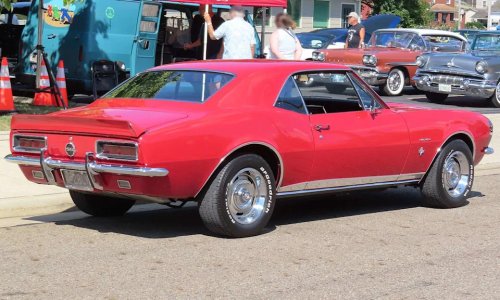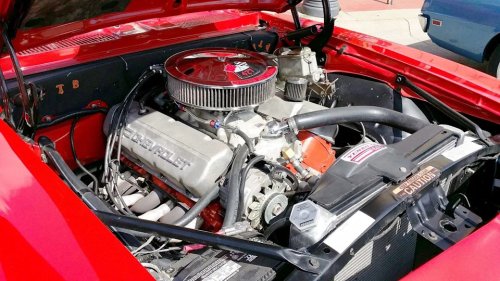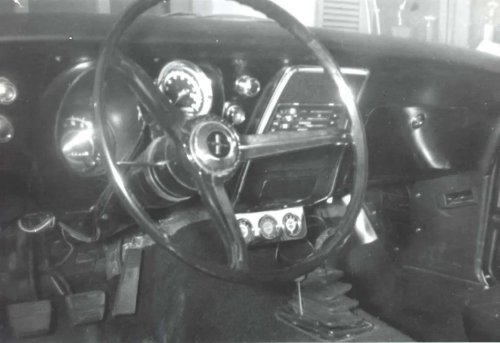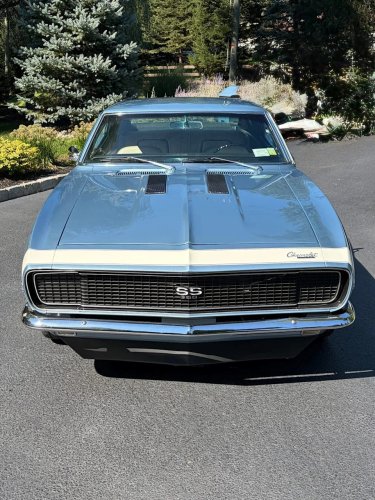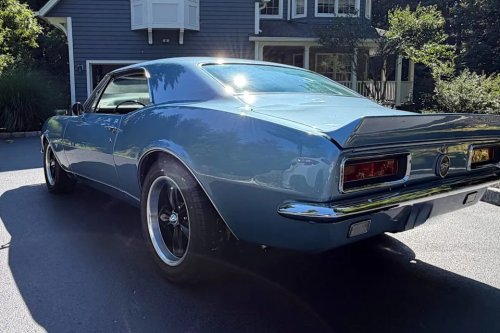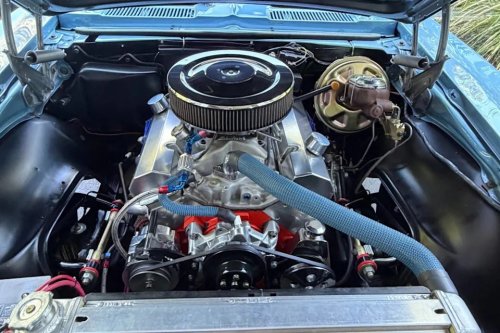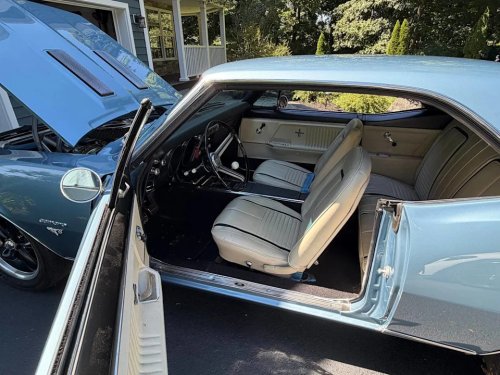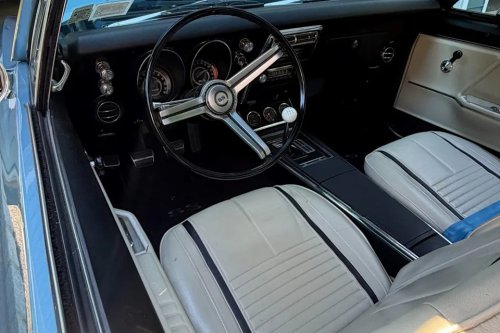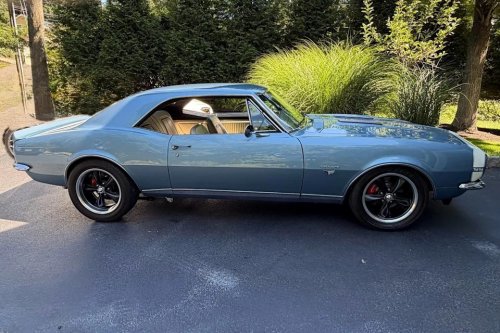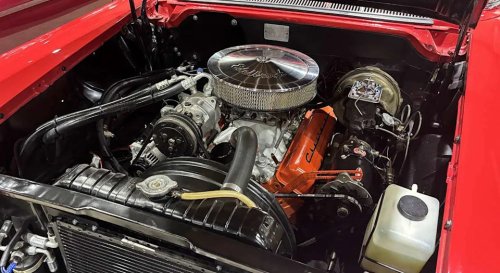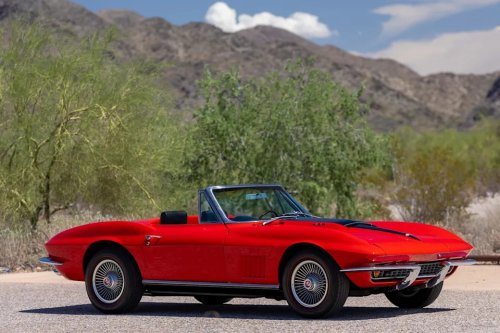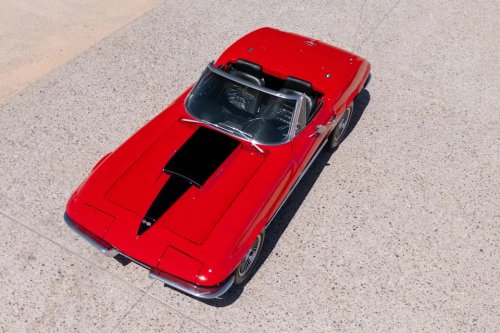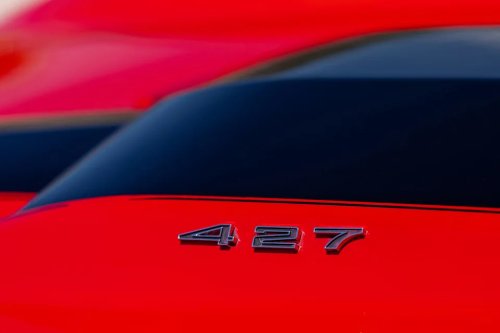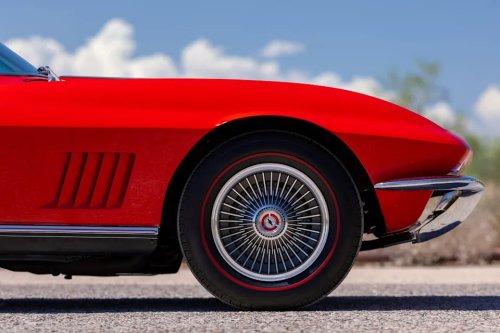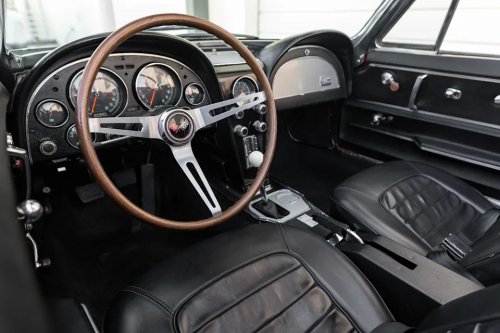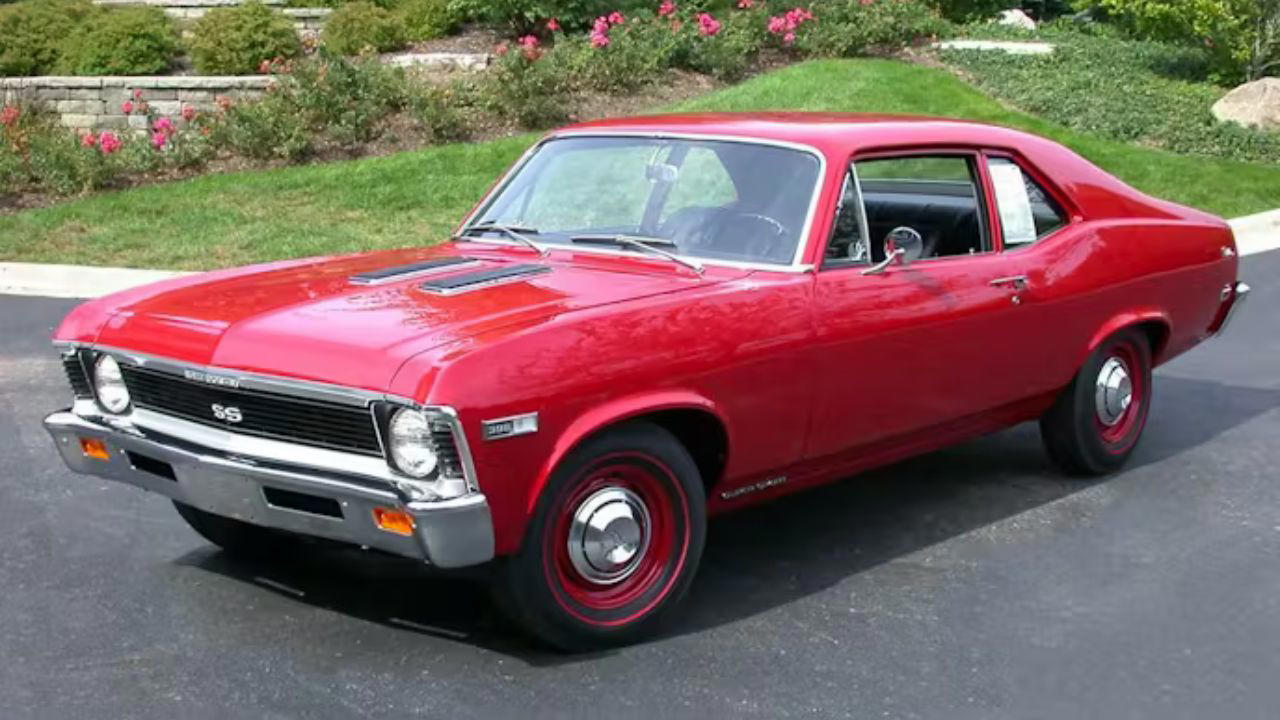



















The 1968 Chevrolet Nova SS 396 proved that big-block muscle didn’t have to come wrapped in a full-size body. By dropping serious V8 power into a compact shell, Chevrolet created one of the most potent sleepers of the late 1960s, a car that could embarrass larger, more glamorous machines at the drag strip. Today, that mix of understated size and heavyweight performance keeps the Nova SS 396 near the top of many collectors’ wish lists. More than half a century later, the car’s legend is amplified by rare factory builds, Central Office Production Order (COPO) specials, and dealer-tuned variants that pushed the Nova formula even further. Taken together, they show how far Chevrolet and its partners were willing to go to satisfy buyers who wanted maximum acceleration with minimum flash. What happened When Chevrolet refreshed the Nova for 1968, it sat on a compact platform with clean, almost conservative lines. The Super Sport package turned that modest body into a serious performance car by adding the 396 cubic inch big-block V8, heavy-duty suspension, and visual cues like SS badges and a blackout grille. With the SS 396 option, the Nova jumped from basic transportation to a street-legal drag car that still looked like a small family coupe. The 396 engine had already built a reputation in larger Chevrolets and in the Chevelle line. Installed in the Nova, it became even more intimidating because of the car’s lighter weight. Official power ratings varied by tune, but the SS 396 lineup included versions advertised at well over 300 horsepower, backed by strong torque that arrived low in the rev range. That torque, delivered through available four-speed manual transmissions and performance rear gears, made the Nova quick off the line and surprisingly tractable in daily use. Chevrolet’s Super Sport identity did not belong to the Nova alone. Across the brand, the SS badge had become shorthand for serious performance hardware. Models like the Impala SS, Chevelle SS 396, and Camaro SS all carried their own high-output engines, firmer suspensions, and cosmetic upgrades. The Nova’s role in this family was distinctive because it wrapped the SS formula in one of Chevrolet’s smallest bodies, reinforcing the idea that the SS script signaled a performance package rather than a standalone model. Later retrospectives of Chevrolet SS badge history place the Nova SS 396 squarely in that lineage of factory hot rods. The factory story, however, is only part of what happened. Chevrolet’s Central Office Production Order system allowed dealers and fleet buyers to request combinations of parts that were not listed on regular order sheets. Performance-minded dealers used that system to create special Novas that went beyond the standard SS 396 package. A standout example is the 1968 COPO Nova SS 396, which paired the compact body with a heavy-duty big-block and drag-oriented hardware that pushed the car into near race-ready territory straight from the showroom. Detailed coverage of the COPO Nova SS highlights how these builds blurred the line between factory car and purpose-built competition machine. At the same time, Chevrolet’s broader V8 strategy was evolving. The brand’s small-block engines had already earned a reputation for durability, tunability, and sheer numbers on the road. Enthusiast histories of the small-block Chevy trace its rise from the original 265 cubic inch design through generations of 283, 327, and 350 cubic inch variants. These engines dominated everything from family sedans to grassroots race cars. The Nova platform spent much of its life powered by these small-blocks, which made the decision to fit a 396 big-block into the same bay even more dramatic. Writers who have revisited the Nova’s engine lineup often highlight how beloved the small-block remained, even as big-block options arrived. Surveys of Chevrolet’s most beloved underline how central those engines were to American performance culture. Against that backdrop, the 1968 Nova SS 396 stands out because it broke the pattern, taking a platform associated with nimble small-block power and stuffing in a heavier, more brutal big-block that completely changed the car’s character. The Nova story also intersects with ultra-rare big-block experiments that sat just outside the mainstream order guides. One of the most striking examples is a 1968 SS 427 car that surfaced decades later, equipped with a 427 cubic inch big-block and an uncommon power configuration. Reports on the rare 1968 SS describe a car that spent years preserved in a heated garage, highlighting how some of these one-off or limited builds survived largely untouched. While the 427 is not the standard Nova SS 396 specification, it shows how far the big-block-in-a-compact idea could be pushed by Chevrolet and its partners. Enthusiast rankings of notable Novas consistently give a high spot to the 1968 SS 396 because it marks the moment when the model fully embraced the muscle car mission. Lists of top Chevy Novas often place that year near the top, pointing to its blend of fresh styling, big-block performance, and the availability of special-order builds that made the car a favorite on drag strips and in street racing circles. Why it matters The 1968 Nova SS 396 matters because it captured a specific American performance idea: take the smallest practical body, add the largest available engine, and keep the rest as simple as possible. That recipe had existed in pockets before, but the Nova brought it into the mainstream through Chevrolet’s nationwide dealer network. Buyers who might never have ordered a Chevelle or Camaro could walk into a local showroom and leave with a compact car that ran like a full-fledged muscle machine. In performance terms, the combination of a relatively short wheelbase, big-block torque, and straightforward suspension made the Nova both quick and demanding. On the street, the car could launch hard enough to surprise drivers of larger, more expensive muscle cars. At the drag strip, the Nova’s lighter weight gave it an edge in classes where power-to-weight ratios mattered more than prestige. The SS 396’s presence in local bracket racing and grudge matches helped cement its reputation as a giant-killer. The car also illustrates how Chevrolet managed its performance hierarchy. The brand needed to protect the image of the Chevelle SS and Camaro while still offering something special in the Nova line. By positioning the Nova SS 396 as a compact alternative rather than a flagship, Chevrolet could satisfy enthusiasts without cannibalizing its higher-profile muscle cars. The SS badge tied the cars together visually and conceptually, but each model delivered a distinct flavor of performance that appealed to different buyers. From a technical standpoint, fitting the 396 into the Nova highlighted the flexibility of Chevrolet’s platforms. The small-block engines that usually lived under the Nova’s hood were physically smaller and lighter, which made them ideal for balanced handling and everyday usability. The big-block swap shifted the car’s weight distribution forward and increased underhood heat, challenges that tuners and racers had to address with upgraded cooling systems, suspension tweaks, and revised tire choices. Those adjustments became part of the Nova culture, teaching a generation of enthusiasts how to manage big power in a compact chassis. The contrast with the small-block tradition is part of what makes the 1968 SS 396 so compelling. Small-block Chevrolets had earned their status through versatility, powering everything from mild street builds to high-revving race engines. The big-block, by comparison, delivered its performance through displacement and torque. Owners who chose the SS 396 were signaling that they valued raw thrust over subtlety. That decision shaped how the cars were used, with many Novas serving as weekend racers or dedicated drag cars rather than daily commuters. The presence of COPO and dealer-built variants amplifies the car’s importance. The 1968 COPO Nova SS 396, with its heavy-duty drivetrain and track-focused intent, demonstrated how far Chevrolet’s internal ordering system could be stretched in the name of performance. These cars were not widely advertised, yet they became legends among racers who knew which dealers could secure them. Their rarity today reflects both limited production and the hard lives many of them lived on the quarter-mile. Similarly, the existence of cars like the SS 427 shows how creative builders were willing to be with the Nova platform. Whether ordered through special channels or assembled by dealers using factory parts, these big-block experiments pushed the envelope of what a compact Chevrolet could handle. They also foreshadowed later eras when enthusiasts would routinely swap large engines into smaller cars, a practice that owes much to the confidence gained from factory-backed efforts in the late 1960s. In the collector market, the 1968 Nova SS 396 occupies a sweet spot between accessibility and exclusivity. Standard big-block cars are more attainable than the rarest COPO or 427 builds, yet they still command strong interest because of their performance credentials and connection to Chevrolet’s broader muscle car story. For many enthusiasts, the Nova represents a more understated way to own a serious big-block car, one that does not draw as much attention as a Chevelle or Camaro but delivers comparable thrills behind the wheel. The car’s influence also appears in how Chevrolet and other brands approached performance packages in later decades. The idea that a model line could support both basic transportation and a high-output variant became standard practice. The SS script, in particular, continued to signal performance-oriented trims across multiple generations of Chevrolet vehicles. The Nova SS 396 helped establish that template by proving that even a compact, budget-friendly car could carry a legitimate performance badge without diluting its meaning. What to watch next Interest in the 1968 Nova SS 396 is unlikely to fade, especially as collectors continue to seek out cars that combine historical significance with usable performance. As more information surfaces about COPO builds and dealer specials, the documentation around individual cars will become even more important. Provenance, matching numbers, and factory paperwork already play a major role in valuations, and that trend will only intensify as the most desirable examples change hands. Survivor cars, particularly those that have avoided heavy modification, will remain especially prized. The story of the 1968 SS 427 preserved in a heated garage underscores how untouched examples can capture attention decades later. Similar discoveries involving Nova SS 396 models, whether standard or COPO, will continue to shape the market and refine the understanding of how many of these cars were built in specific configurations. On the enthusiast side, the Nova platform still attracts builders who appreciate its straightforward construction and parts interchangeability. Many modern projects blend the car’s classic lines with updated powertrains, including fuel-injected small-blocks and even late-model crate engines. That trend raises ongoing questions about originality versus performance, especially when big-block cars are candidates for restomod treatment. Owners must decide whether to preserve the factory character of a 396-powered Nova or upgrade it to meet contemporary expectations for drivability and reliability. More from Fast Lane Only Unboxing the WWII Jeep in a Crate 15 rare Chevys collectors are quietly buying 10 underrated V8s still worth hunting down Police notice this before you even roll window down