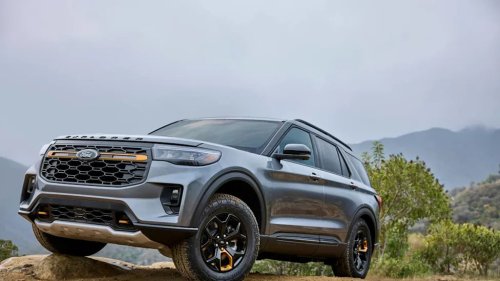
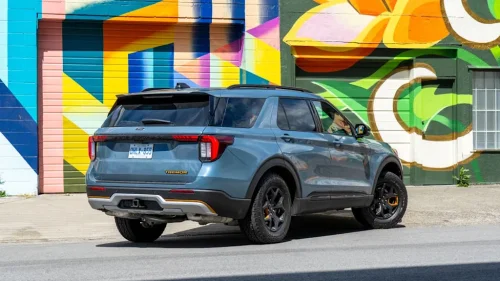
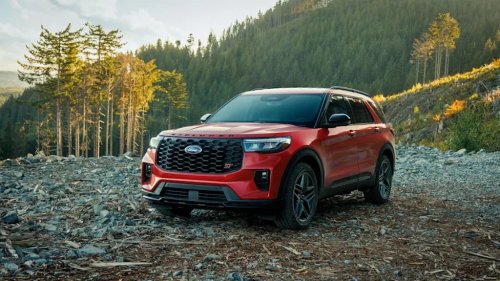
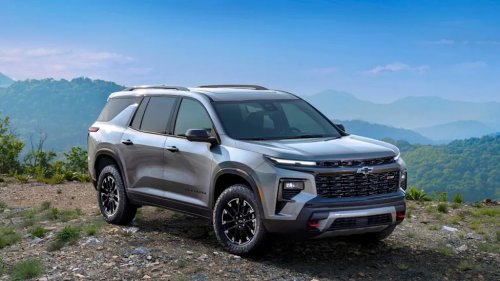
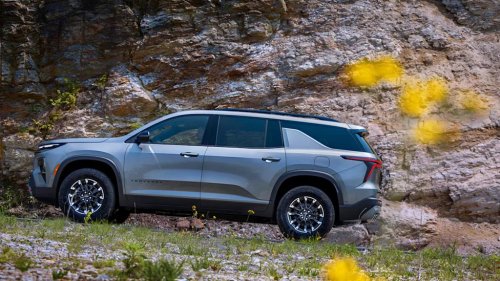
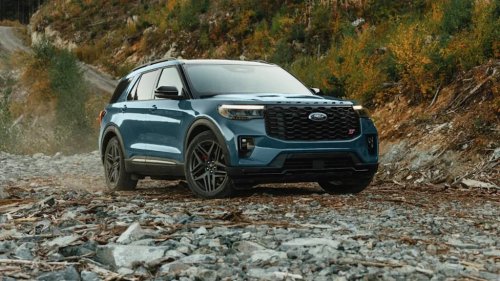
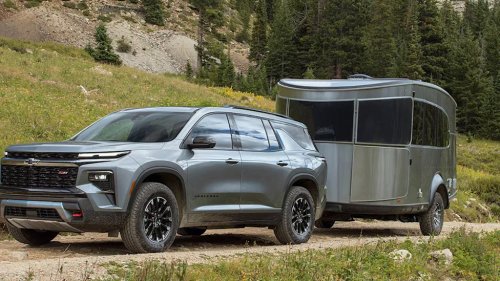
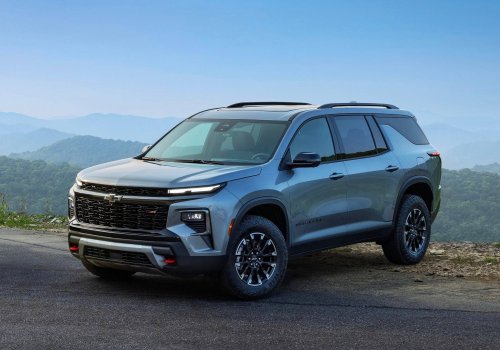
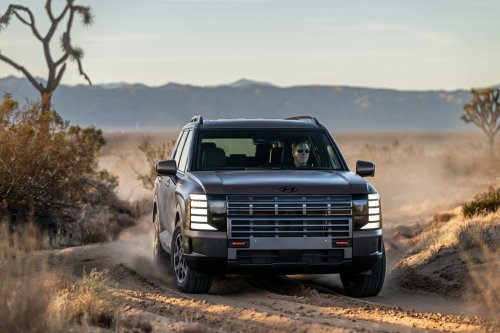
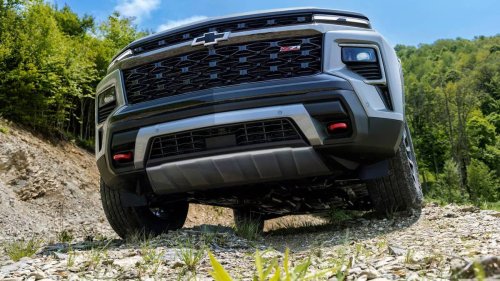
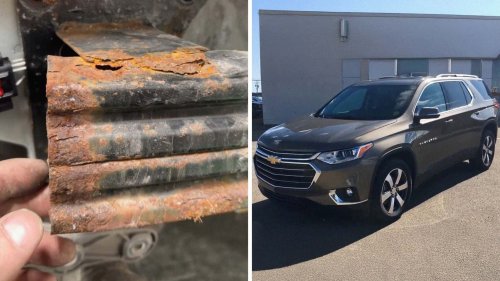
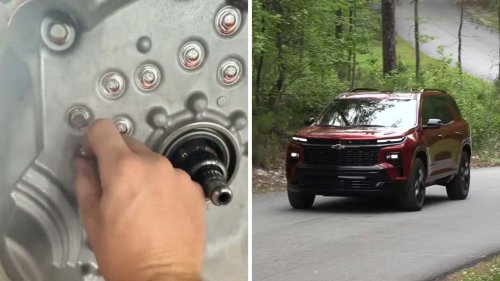
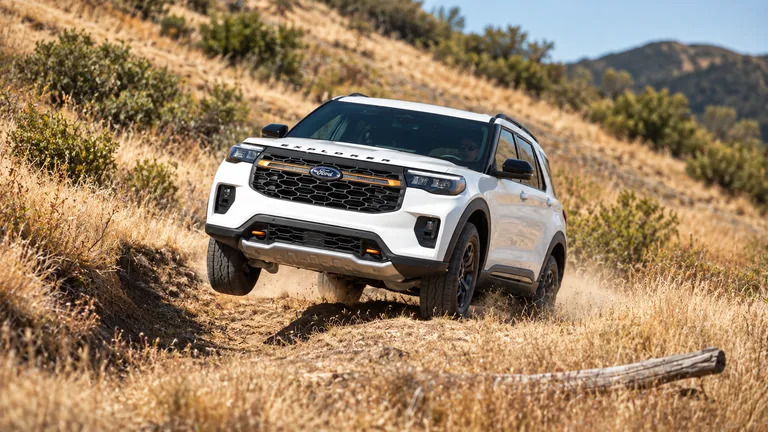
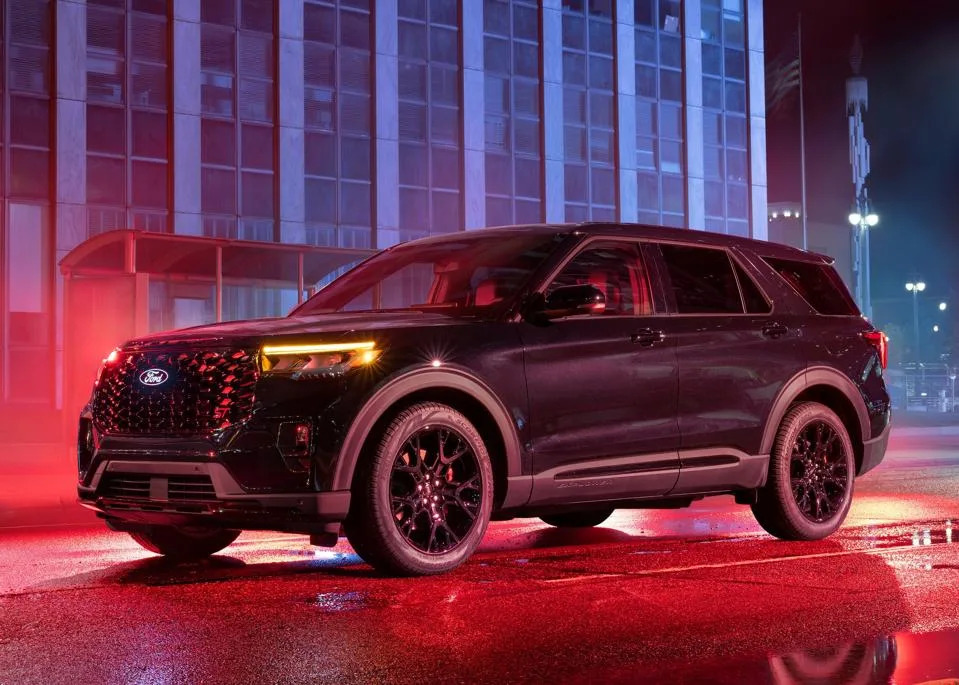
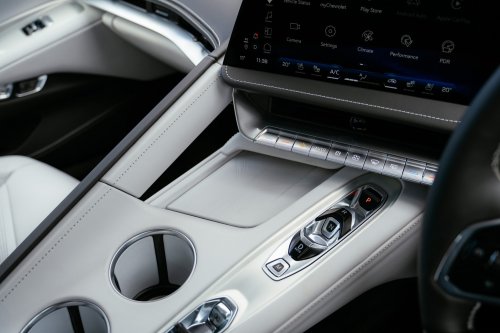
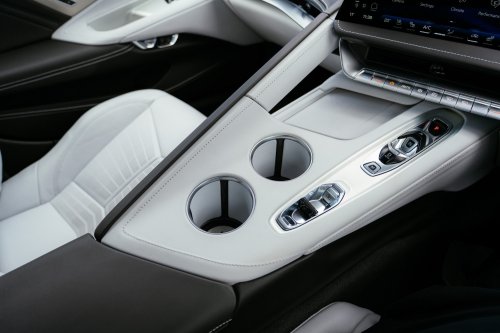
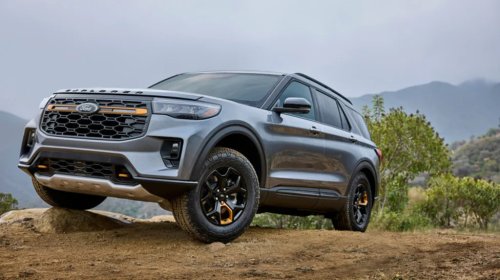
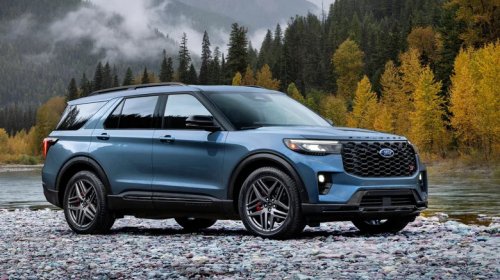
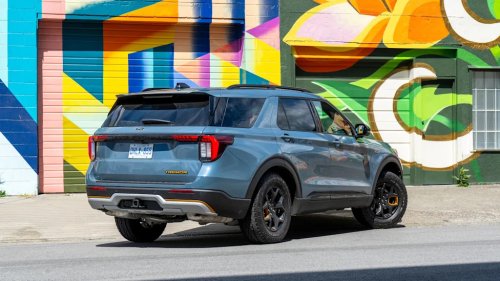
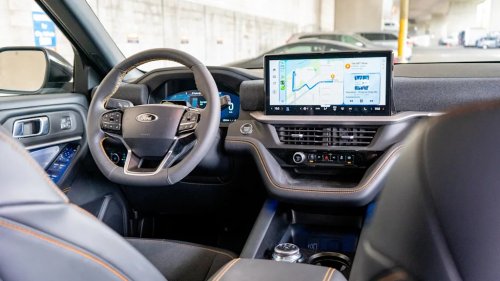
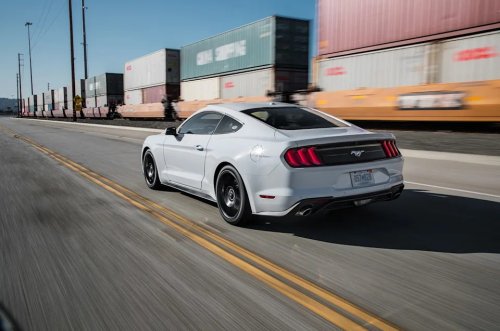
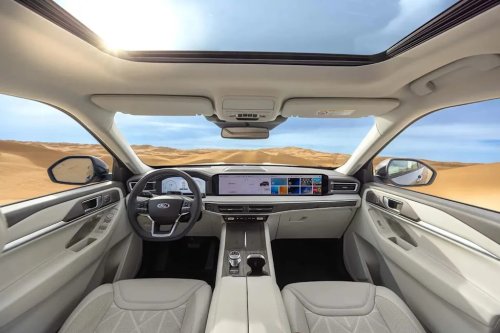
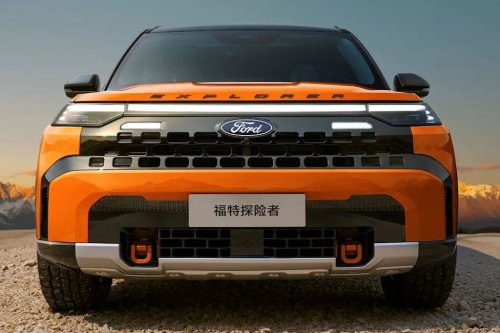
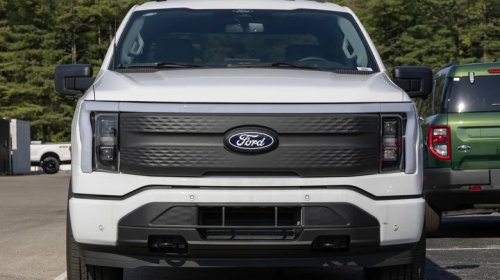
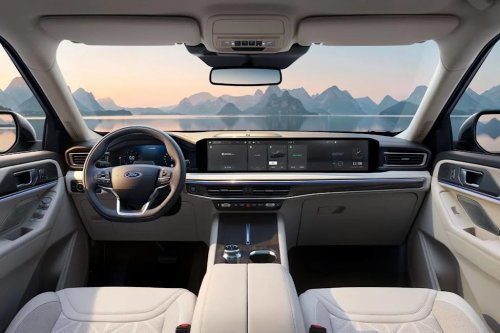
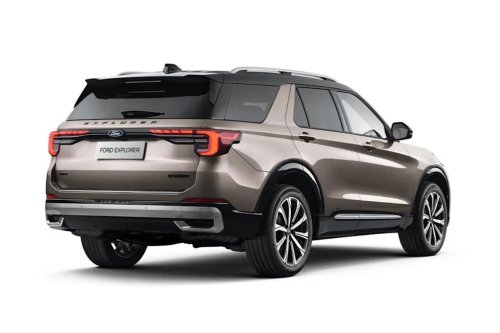
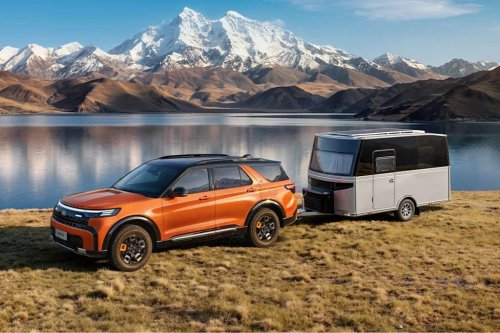
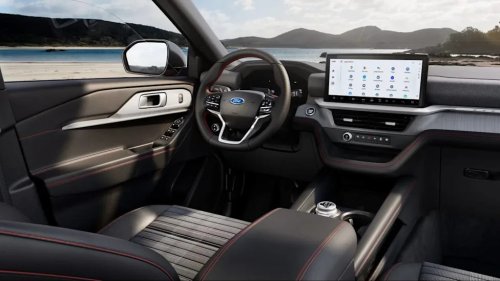
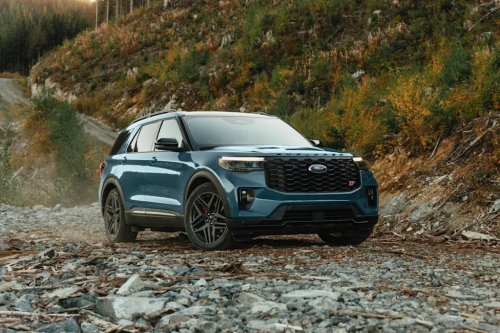
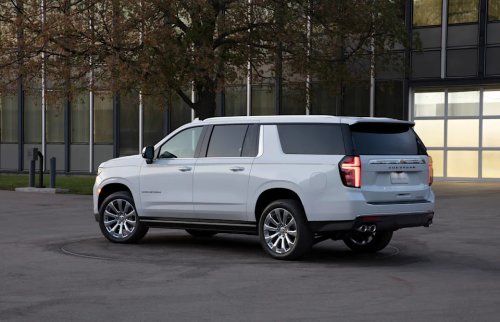
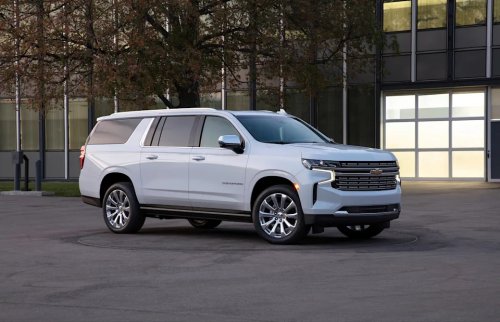
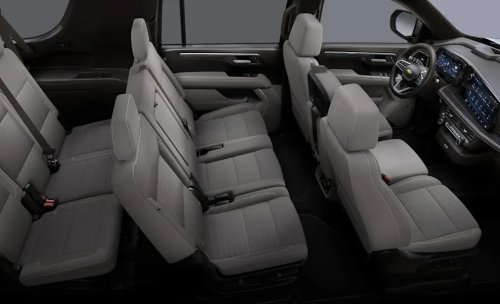
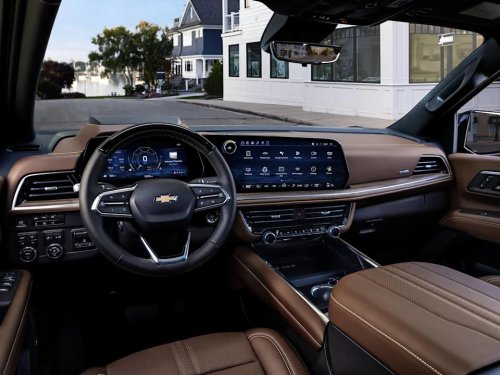
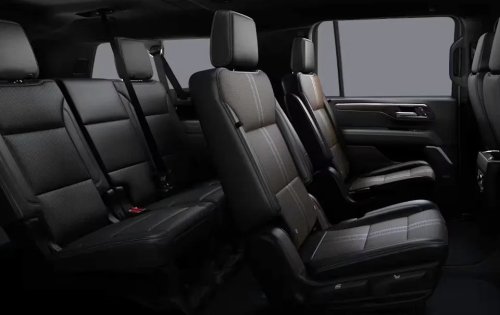
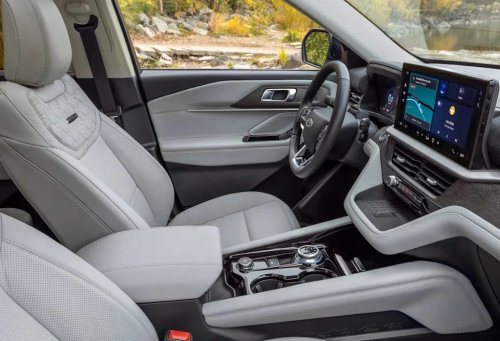
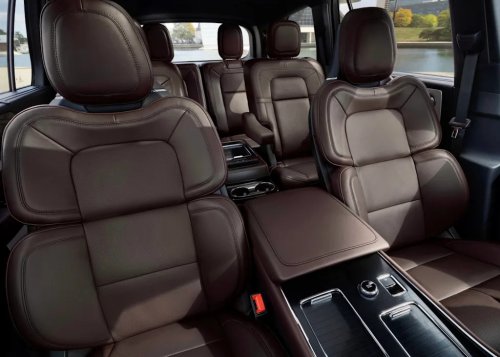
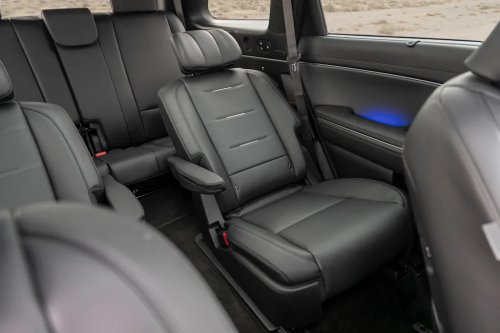
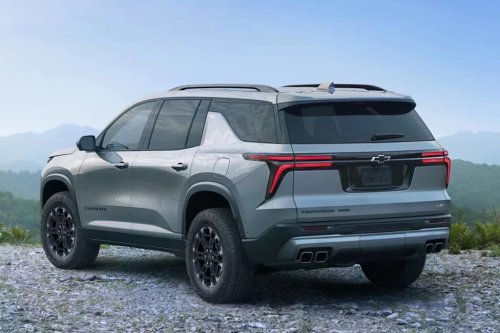
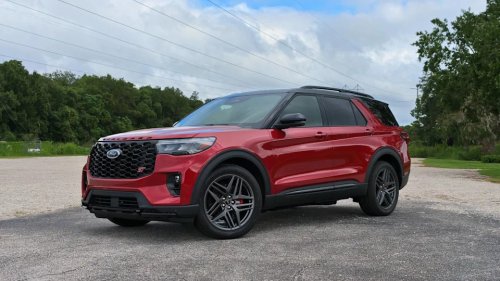
Autoblog and Yahoo may earn commission from links in this article.Ask someone which three-row American SUV is more reliable and most will shrug, because neither the Explorer nor the Traverse has ever been the vehicle you buy for bulletproof dependability. You buy them for space, value, and the fact that they are not a minivan. Reliability is the thing you hope works out after the fact. Both score in the low-to-mid 70s on major reliability indices. Both cost more to repair annually than the average for midsize SUVs. Both carry identical warranty coverage at 3 years/36,000 miles basic and 5 years/60,000 miles powertrain. On paper, this is a coin flip between two vehicles that are perfectly adequate and frustratingly inconsistent. Off paper, the details start to separate them.FordThe Explorer's rap sheetWhere to begin. The current-generation Ford Explorer launched in 2020 with 30 recalls in its first model year, which is not a typo and is also not something Ford puts in the brochure. That number has improved significantly since, but the damage to consumer confidence was substantial, and the echoes persist. One leading consumer testing organization expects the 2026 Explorer to be less reliable than the average new car, based on data from the 2023 through 2025 models.2026 Ford Explorer Tremor 4WDCole AttishaSpecific issues that have followed the Explorer through this generation read like a service department's greatest hits. The 10-speed automatic transmission has drawn consistent complaints for shifting hesitation, jerking during low-speed maneuvers, and shuddering under light throttle. Over 700,000 vehicles were affected by six recalls for rearview camera failures, with some owners reporting that cameras were replaced up to 3 times without a lasting fix.2025 Ford ExplorerFordA recall covering 250,000 vehicles addressed a driveshaft disconnect issue that could allow the vehicle to roll while parked, even with the parking brake engaged. The 2026 model year introduced its own contributions: a recall for incorrectly installed engine piston circlips that could cause catastrophic engine failure, and a separate issue involving cylinder head plugs that could simply fall out, leading to oil leaks. Annual repair costs average roughly $732, which sits above the $573 midsize SUV average by a margin that adds up over time.The Traverse's growing painsChevrolet completely redesigned the Traverse for 2025 on a new platform, which means the 2026 model benefits from more modern engineering but suffers from limited long-term data. First-year redesigns historically carry more risk than mid-cycle models, and the early signals are mixed.2025 Chevrolet TraverseChevroletAdvertisementAdvertisementOwner complaints so far center on the AWD system, with error messages appearing as early as 389 miles into ownership, deactivating all-wheel drive during conditions that demand it most. Transmission fluid leaks tied to a factory torque bolt concern have caused shifting hesitation in some early units. Brake noise and premature wear surface in a handful of reports, and the Super Cruise system has drawn complaints for inconsistent behavior.2025 Chevrolet TraverseChevroletRepair costs average $656 annually, still above the segment average but meaningfully less than the Explorer's $732. Where the Traverse raises eyebrows is severity: when something does break, it is more likely to be a major repair. One analysis found an 18% probability of a severe issue on the Traverse, compared to 13% for the average midsize SUV. Fewer trips to the shop, but the ones you take are more expensive. That is not exactly reassuring.Who gets to 100,000 miles cleanerNeither of these vehicles will make a Toyota Highlander owner nervous. But if forced to choose, the Traverse has a narrow edge for completing the journey to six figures on the odometer with fewer unscheduled stops. Zero recalls on the 2026 model year, compared to four on the Explorer, is a meaningful starting point. A newer platform engineered from scratch is likely to age better than a six-year-old architecture that has been patched repeatedly since a catastrophic first year. Lower average repair costs save a few hundred dollars annually, which compounds over 100,000 miles of ownership. And while the Traverse's AWD gremlins are concerning, they are fixable software and hardware issues rather than the structural powertrain complaints that have followed the Explorer's 10-speed transmission across multiple model years.2025 Ford ExplorerFordThe Explorer's 10-speed automatic is the biggest concern for high-mileage buyers. Transmission replacements on modern vehicles routinely exceed $4,000, and a gearbox with a documented history of hesitation, shuddering, and shifting inconsistencies is not the component you want carrying question marks into year six. Ford has refined the calibration over time, and 2024-2026 models are measurably better than the disastrous 2020 launch. But the underlying hardware remains the same, and long-term data does not yet show it matching the durability of simpler six or eight-speed units used by competitors.What both get rightCredit where it is due. Both manufacturers have improved significantly from their worst years. The Explorer's 2024-2026 models score in the low 70s on reliability indices, a genuine improvement from the 54 that the 2020 model earned. The Traverse's redesign addressed many of the electrical and HVAC complaints that plagued earlier generations. Both vehicles carry the same warranty coverage, and both have extensive dealer networks that make service access convenient, a feature some competitors cannot match.ChevroletParts availability is excellent for both, which keeps repair costs from spiraling out of control, as they can on European SUVs. If you maintain either vehicle on schedule, change the transmission fluid at recommended intervals rather than ignoring it, and address small issues before they become expensive ones, both can reach 100,000 miles without a catastrophic failure. The question is not whether they can. It is which one will ask for less help along the way.The bottom lineNeither the Explorer nor the Traverse is a reliability champion, and anyone choosing between them should factor maintenance costs into the purchase price rather than discovering them later. If you are buying for long-term ownership, the Traverse's newer platform, lower repair costs, cleaner recall record, and absence of a transmission with a documented complaint history give it the edge. If you are buying for three to five years and plan to sell or trade before 100,000 miles, the difference is marginal enough that features, pricing, and driving preference should drive the decision. Both are capable family SUVs. Both will occasionally remind you that capable and bulletproof are not the same thing. One will just remind you slightly less often.AdvertisementAdvertisementThis story was originally published by Autoblog on May 29, 2026, where it first appeared in the Car Buying section. Add Autoblog as a Preferred Source by clicking here.