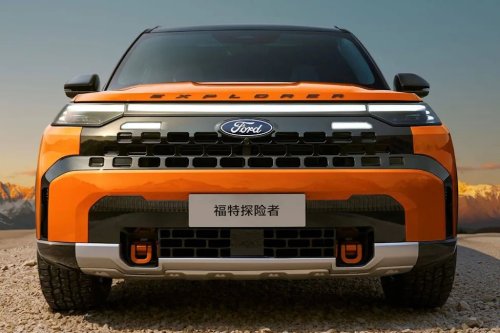
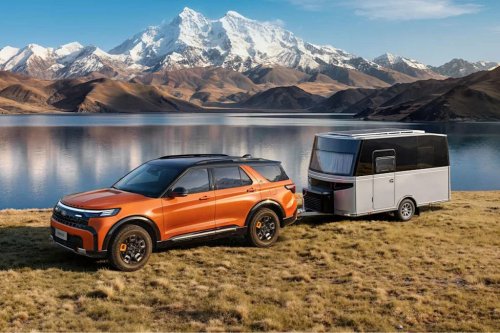
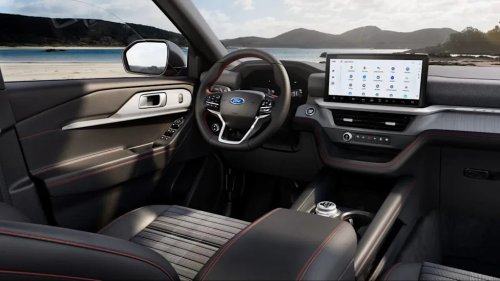
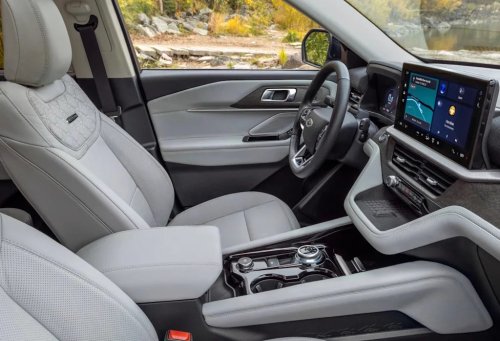
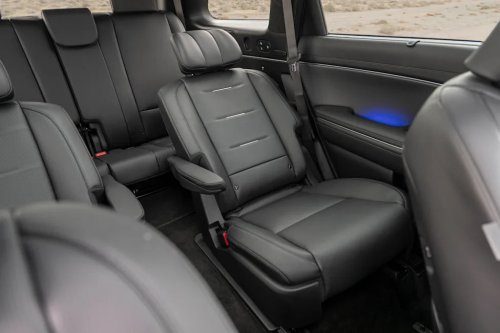
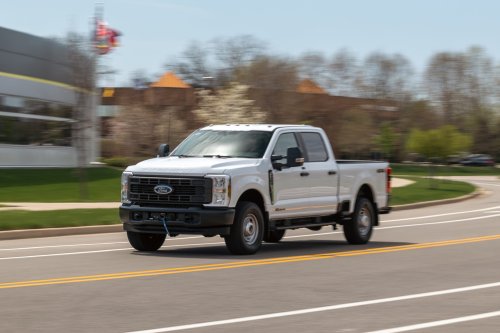
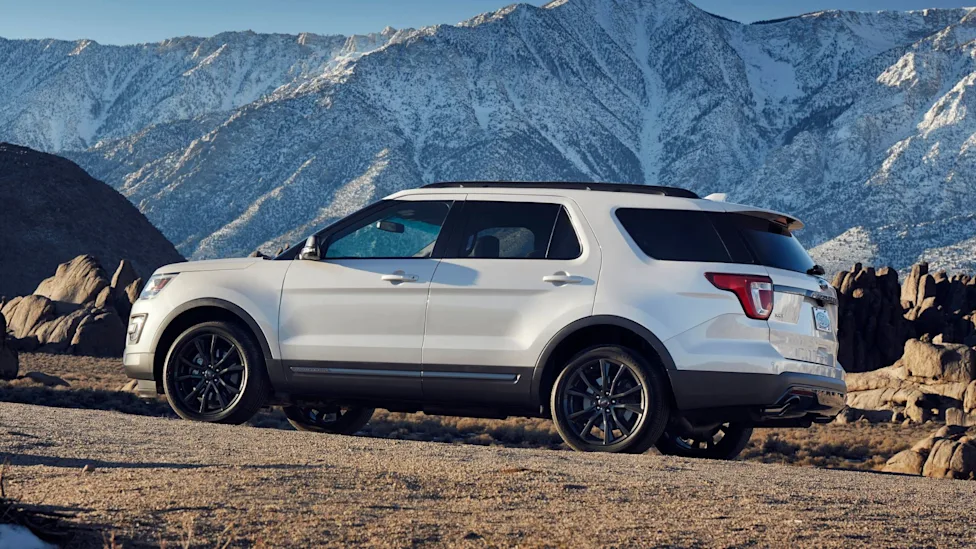
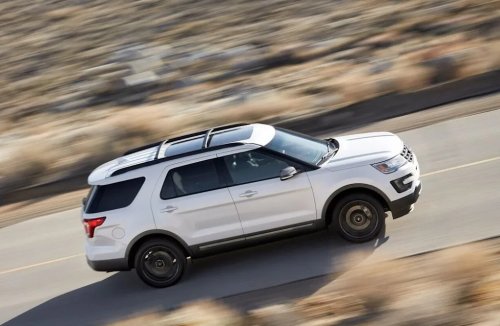
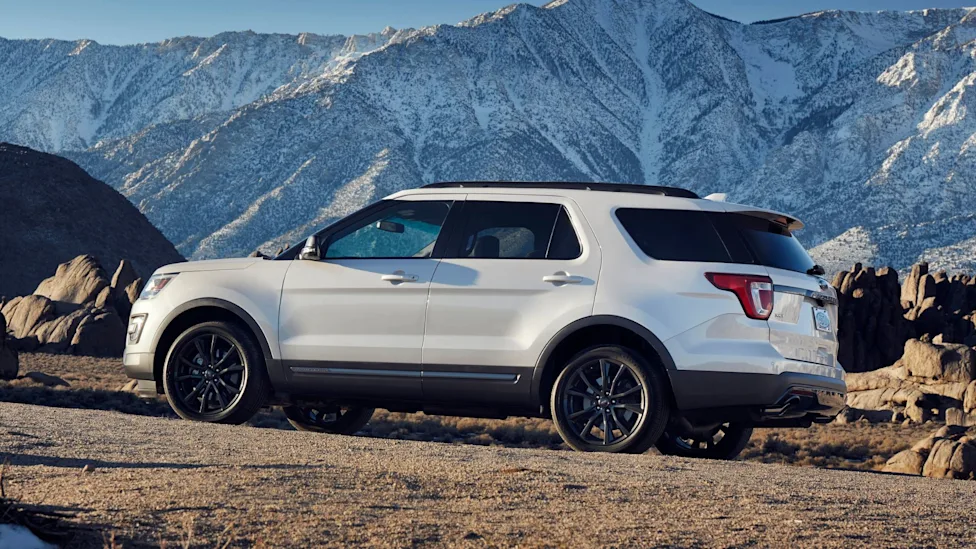
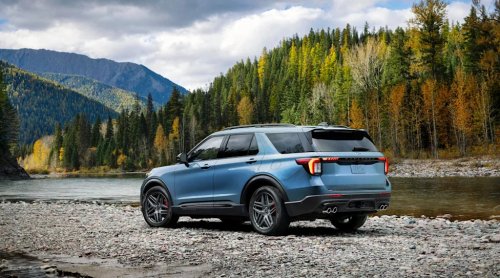
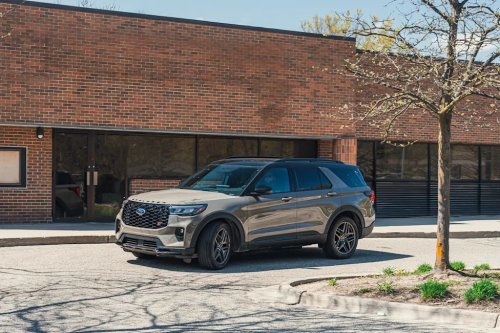
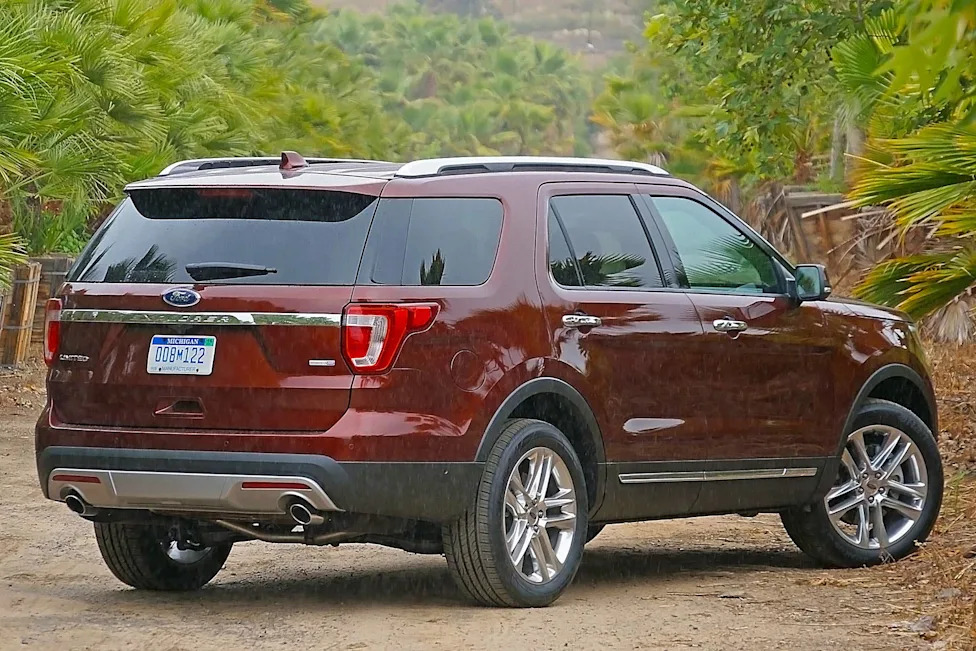
Autoblog and Yahoo may earn commission from links in this article.The immensely popular and award-winning fifth-generation 2011-2019 Ford Explorer may still have a serious and deadly carbon monoxide leak problem that Ford claims to have fixed, and which the NHTSA's past investigations have cleared. The Associated Press reports that carbon monoxide was confirmed to be present in a parked Explorer in Toledo, Ohio, in which five people were found unresponsive. Three of them passed away, including a grandmother and two grandchildren, while the other two victims, also children, were hospitalized in critical condition.The vehicle had been pulled over in a parking lot with a flat tire, and when the grandmother's son arrived to help shortly after 11 AM on Wednesday, 15 July, he discovered the indescribably tragic scene of his deceased mother and children. According to Mayor Wade Kapszukiewicz, foul play is not suspected, suggesting there's a problem with the popular SUV."High Spike" Of Carbon Monoxide Detected In Ford ExplorerAOLToledo Fire Chief Allison Armstrong said that investigators placed a meter inside the Explorer and closed the doors. They recorded "a high spike of carbon monoxide inside the passenger compartment of that vehicle," Armstrong said, and the vehicle was towed by police for further investigation. "They're going to have to do some further investigation to see if they can identify how does that happen (sic)," she said. "I think that's an important piece of this that people want to know, and they should know for everybody's safety." Sadly, this isn't the first time the Explorer has been scrutinized for carbon monoxide leaks.AdvertisementAdvertisementRelated: 2026 Ford Explorer Tremor vs 2026 Chevrolet Traverse Z71: Which Is More Capable Off-Road?Armstrong said she saw a "very similar" incident a few years ago, in which it was determined that carbon monoxide had seeped into the vehicle through holes in the floorboard. In 2016, the National Highway Traffic Safety Administration opened an investigation into similar concerns in certain 2011-2017 Ford Explorer SUVs, and Washington state troopers sued Ford over the concern in 2019, but the NHTSA's investigation was closed in 2023, indicating that the problem is not a manufacturer defect. According to Ford Authority, a police officer's family filed a motion for a new trial in a related incident earlier this year, so without all the facts, it seems as if police officers who safe-idle their cruisers and families waiting for help with flat tires in the summer heat could be inadvertently enriching their vehicles with toxic fumes. But if there's no safety defect, according to the NHTSA, what was the cause of these incidents? That may take a long time to discover.UPDATE: Ford Responds To Deadly Explorer IncidentJeremy Korzeniewski/AutoblogWith no evidence of foul play, Autoblog reached out to Ford for comment on this heart-wrenching story, but since investigators have only just begun conducting their examination, it's too early to understand exactly what happened and why, and we haven't heard back yet. We'll update this article once we do, but it'll likely be some time before anybody knows exactly what happened and why.UPDATE - Ford responded with the following comment:AdvertisementAdvertisement"We are aware of this tragic situation, and we are reaching out to law enforcement to offer assistance in their investigation. 2011-17 Explorers and Police Interceptor Utilities were investigated by NHTSA, and no safety defect was identified."This story was originally published by Autoblog on Jul 17, 2026, where it first appeared in the News section. Add Autoblog as a Preferred Source by clicking here.




















 +16 others