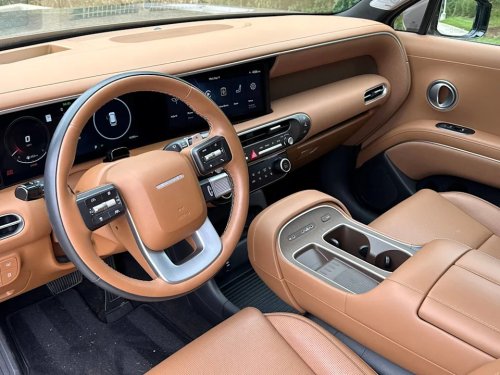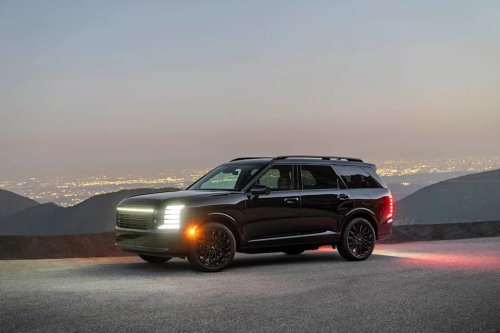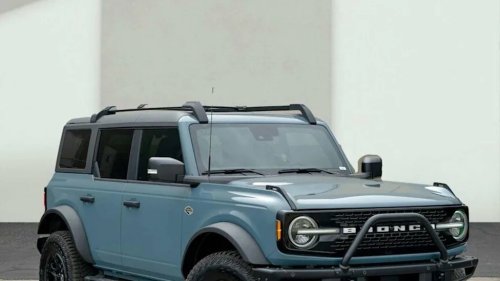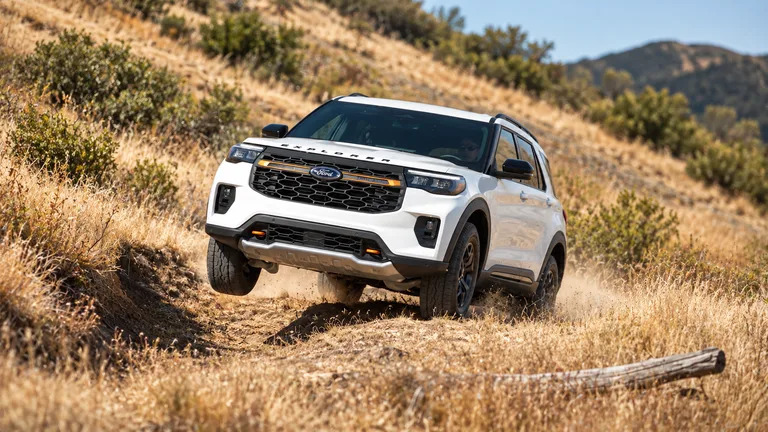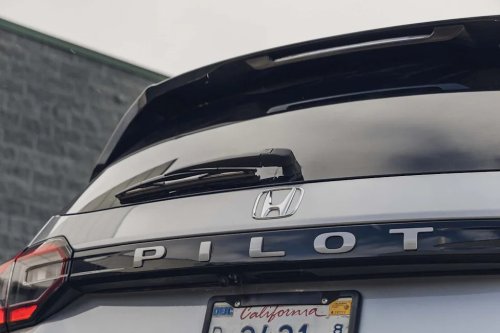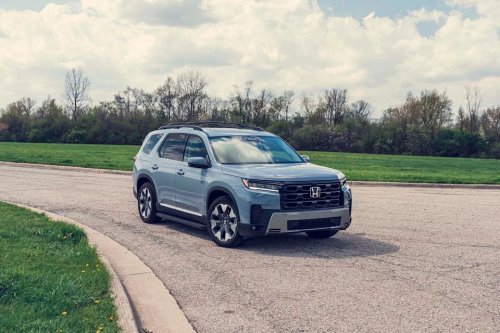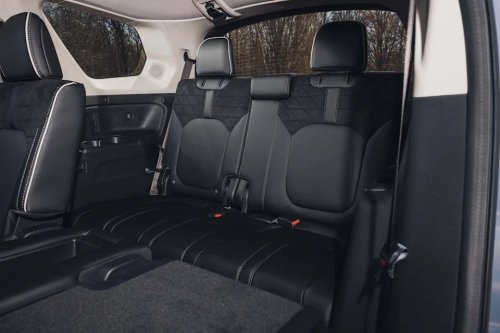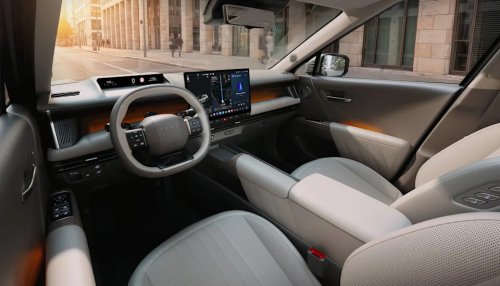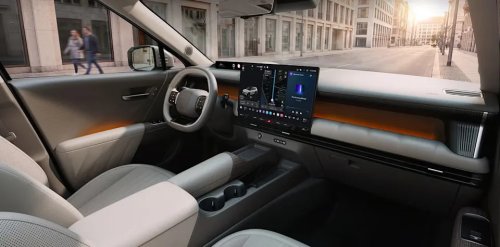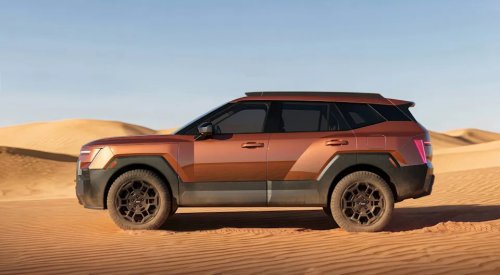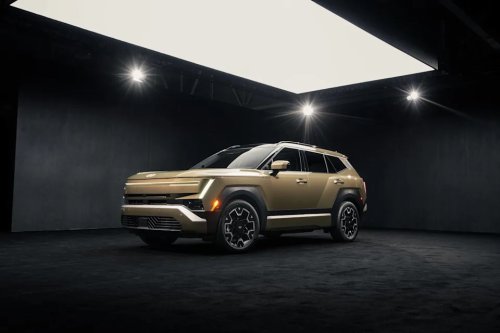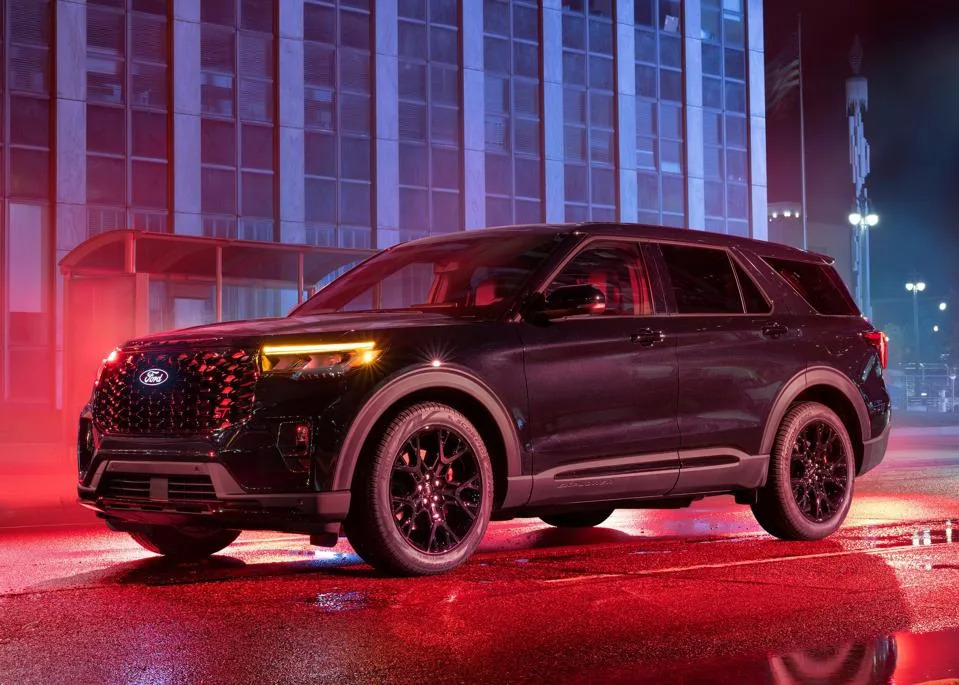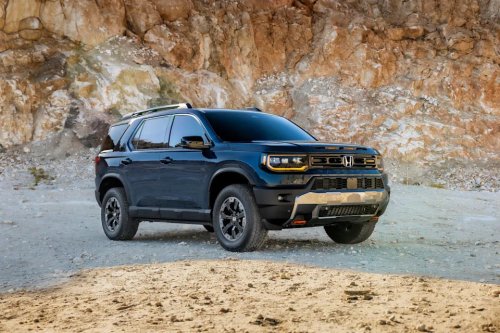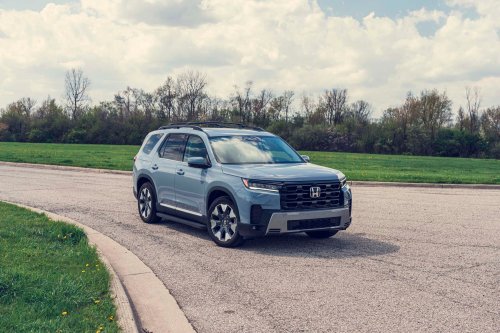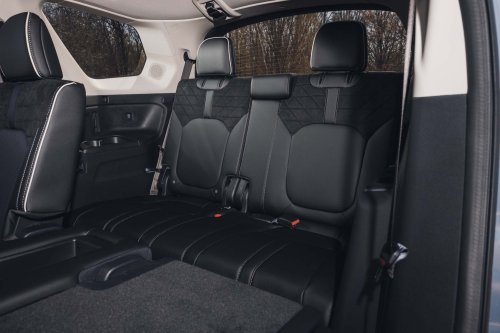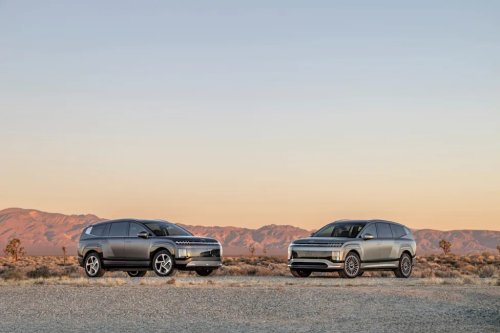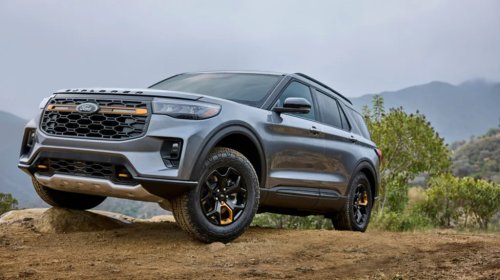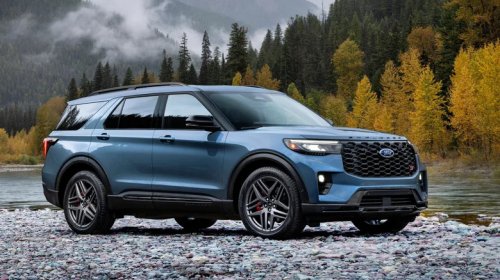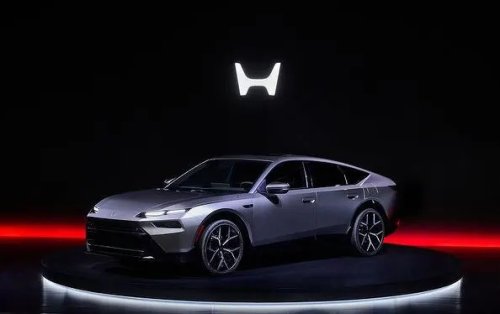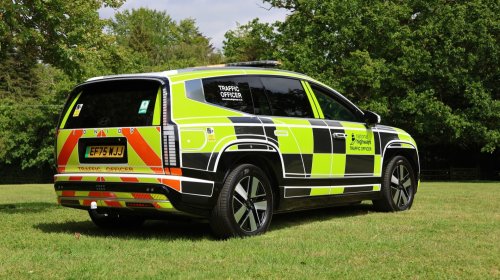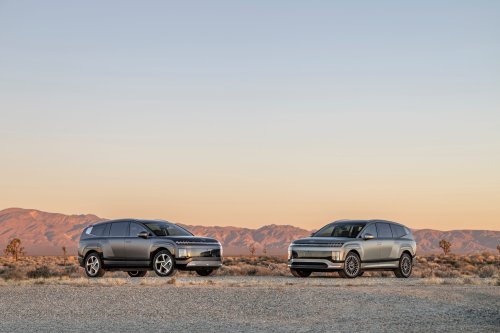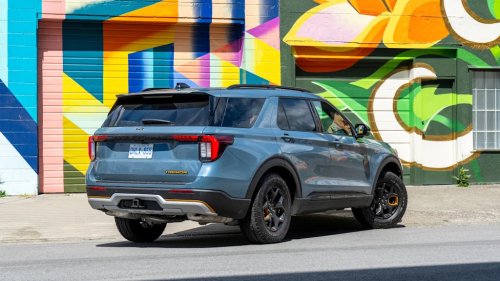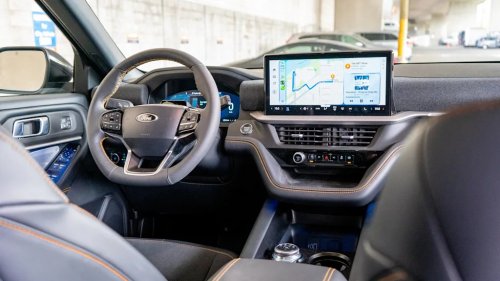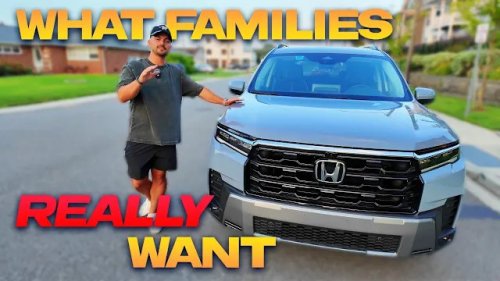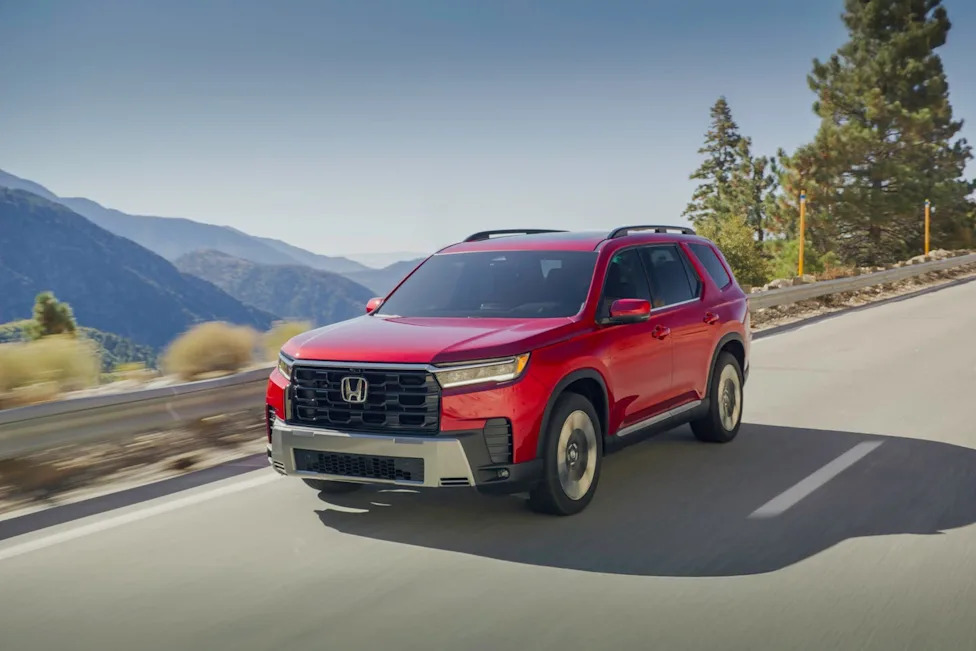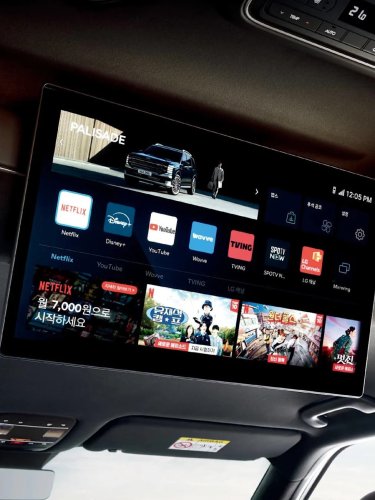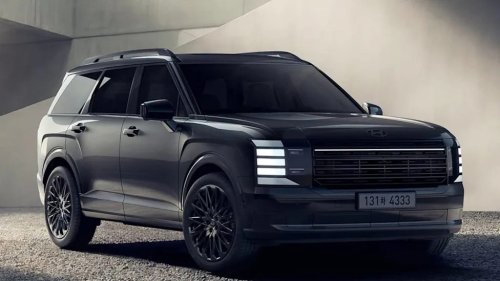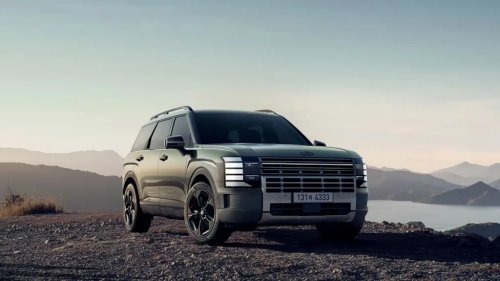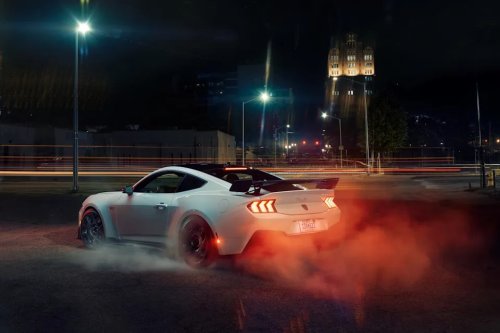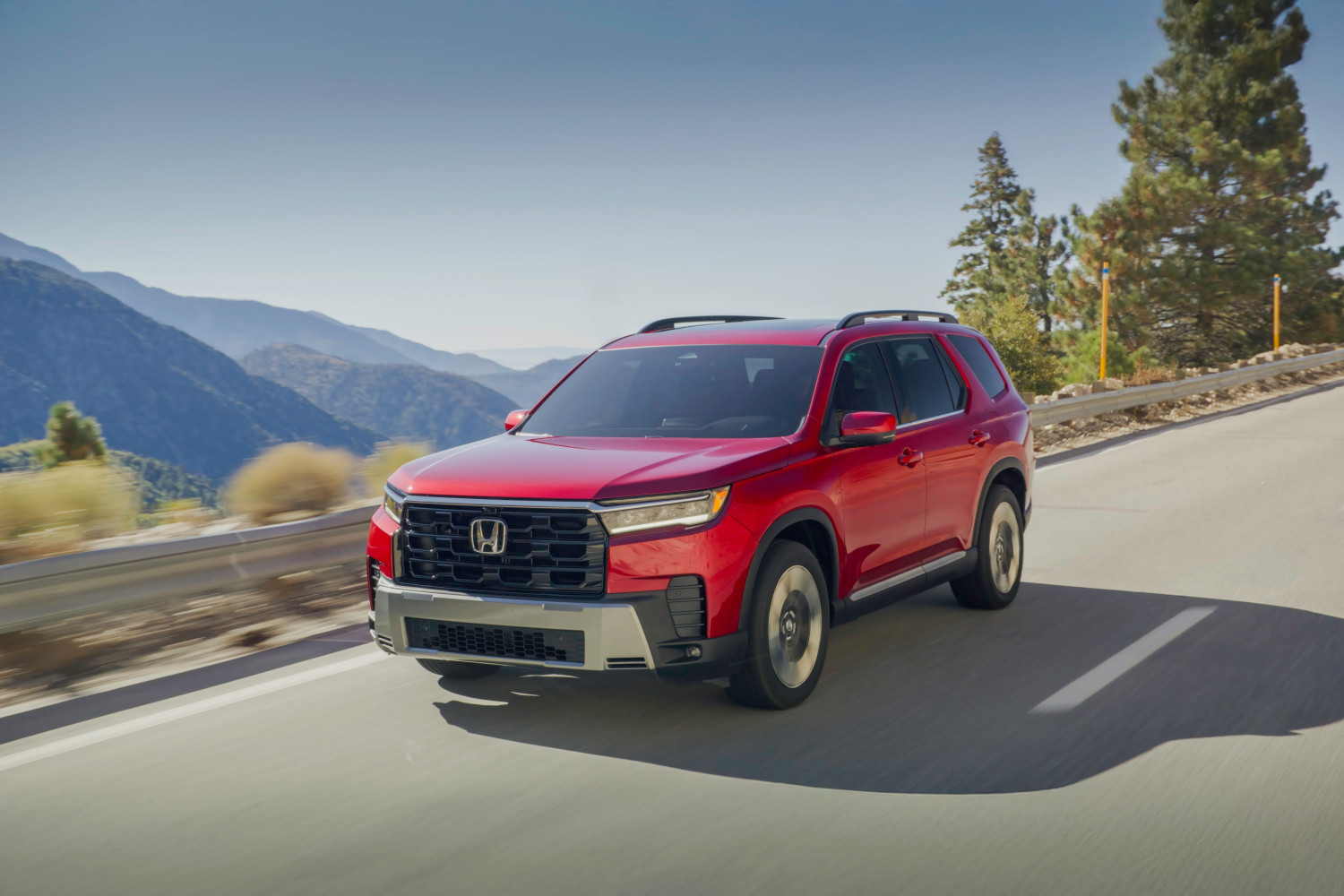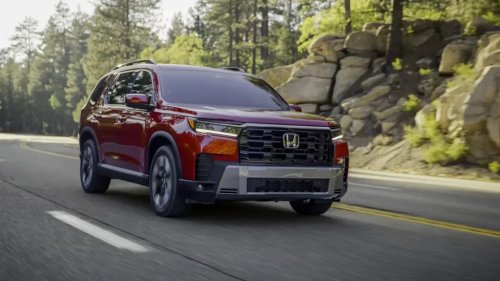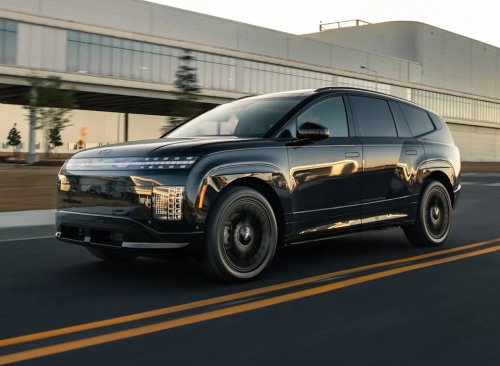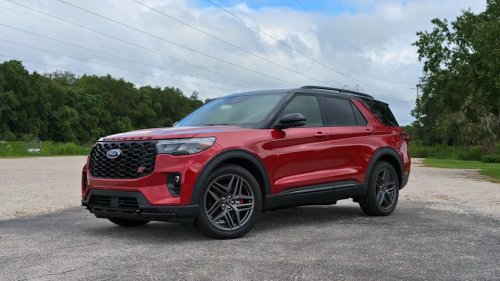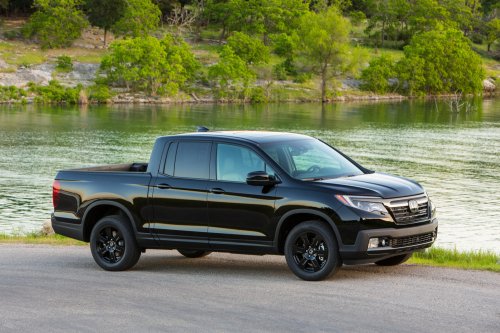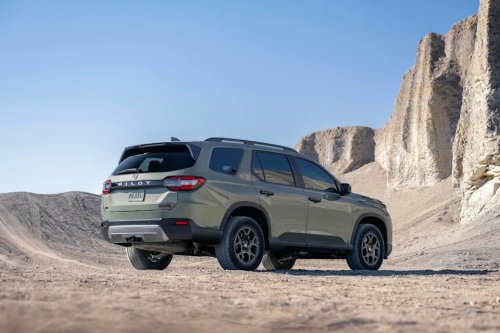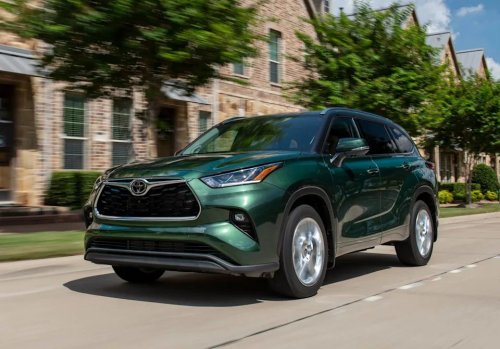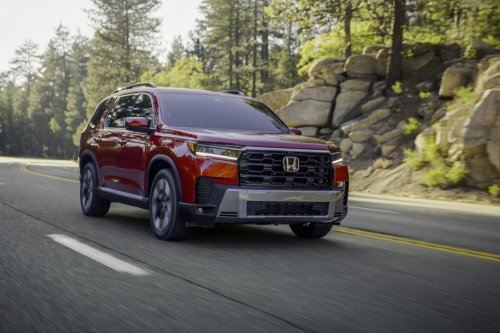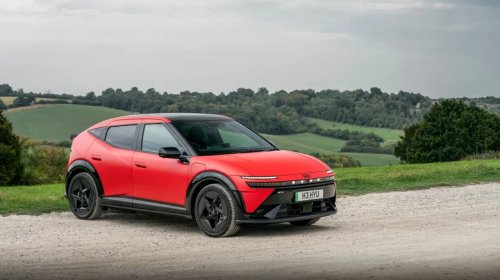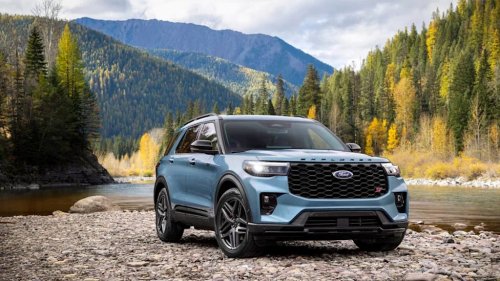
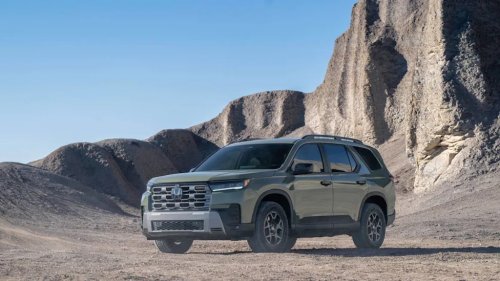
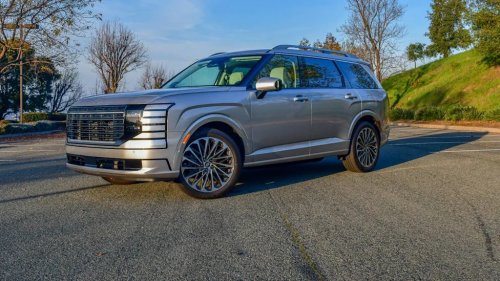
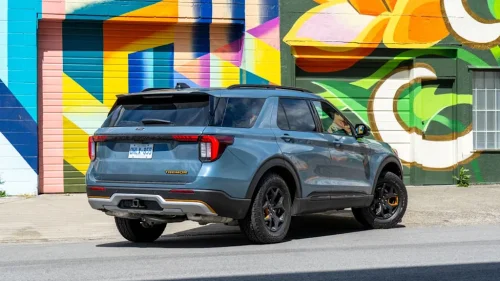
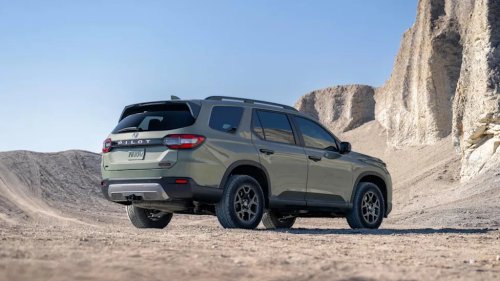
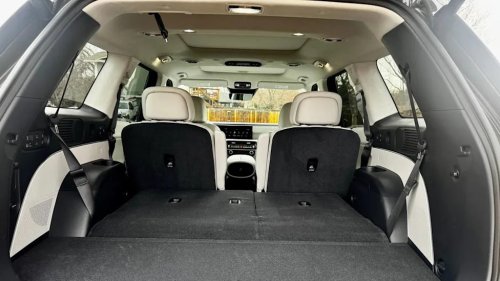
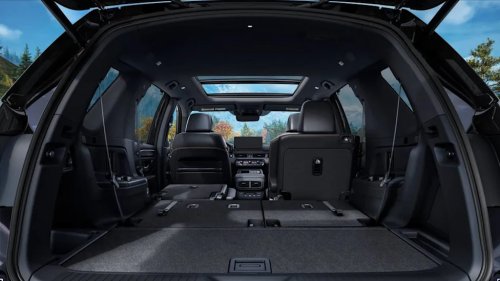
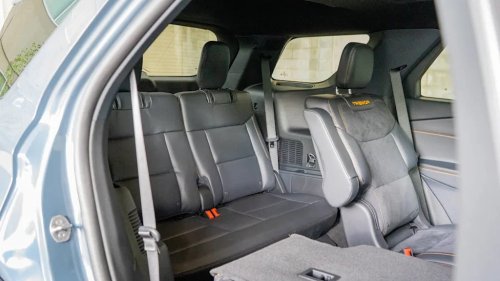
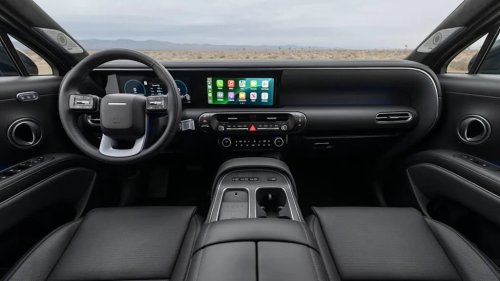
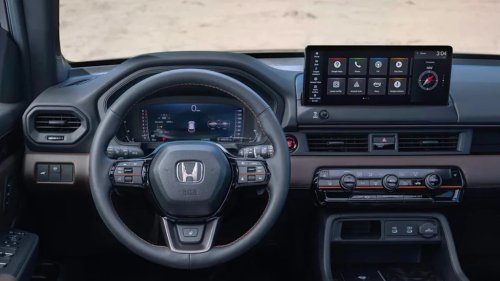
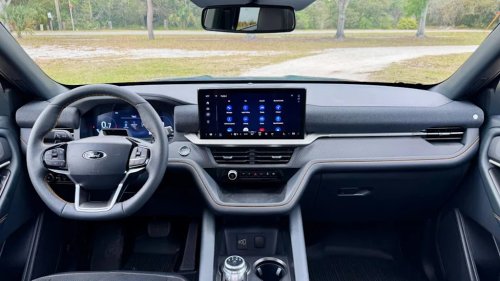



















Autoblog and Yahoo may earn commission from links in this article.Every three-row SUV promises the same thing: room for the family, space for the gear, and enough capability to tow a small trailer without drama. But how they deliver on that promise varies enormously, and that is exactly why these three keep showing up on the same shopping lists. The Pilot leans on Honda's reputation for no-fuss durability. The Palisade, fully redesigned for 2026, doubles down on interior luxury and a warranty that embarrasses the competition. And the Explorer, refreshed and still rear-wheel-drive-based, offers the most diverse powertrain lineup of the group. Here are the five differences that matter most when you are writing the check.Powertrain philosophy2026 Ford ExplorerFordUnder the Explorer's hood, Ford takes a fundamentally different approach than the other two. Base models run a 2.3-liter turbocharged four-cylinder producing 300 horsepower and 310 lb.ft of torque, making it the most powerful entry-level engine in this group despite having two fewer cylinders. Step up to the ST and you get a 3.0-liter twin-turbo V6 cranking out 400 horsepower and 415 lb.ft, a figure that belongs in a sport sedan. All of it routes through a 10-speed automatic to the rear wheels, with all-wheel drive available as an option. Fuel economy is the best here too, at up to 29 mpg highway with the turbo-four and rear-wheel drive.2026 Honda PilotHondaBoth the Pilot and the Palisade stick with naturally aspirated V6 engines and front-wheel-drive-based layouts. The Pilot's 3.5-liter V6 produces 285 horsepower and 262 lb.ft, paired with a 10-speed automatic. Combined fuel economy tops out at 22 mpg with front-wheel drive and 21 with all-wheel drive, both figures trailing the Explorer. Over in the Palisade, a 3.5-liter V6 making 287 horsepower and 260 lb.ft is mated to an eight-speed automatic. What sets the Palisade apart for 2026 is the addition of a hybrid powertrain option, a first for the model, which should improve efficiency for buyers who want to keep gas station visits to a minimum. Neither the Pilot nor the Explorer offers a hybrid variant.2026 Hyundai PalisadeKristen BrownWarranty coverageHere is where the Palisade creates the most daylight between itself and the competition. Hyundai backs every Palisade with a five-year, 60,000-mile bumper-to-bumper warranty and a 10-year, 100,000-mile powertrain warranty, coverage that no other non-luxury three-row SUV can match. For a buyer planning to keep the vehicle through six or seven years of family duty, that powertrain protection extends well past the point where most factory warranties have gone dark. Add in three years of complimentary maintenance and 10 years of roadside assistance, and the ownership safety net is genuinely comprehensive.2026 Ford ExplorerCole AttishaAdvertisementAdvertisementBoth the Pilot and the Explorer come with identical warranty terms: three years and 36,000 miles for the basic warranty, five years and 60,000 miles for the powertrain. Those numbers are standard for the segment but look thin standing next to the Palisade's package. Honda and Ford both offer certified pre-owned programs that extend coverage for used buyers, but neither can match the sheer duration of what Hyundai provides from the factory on a new purchase. If long-term warranty protection factors into your decision, the math is not close.2026 Honda PilotInterior space and third-row liveability2026 Hyundai PalisadeJoe SantosSeating capacity splits this group into a clear tier: the Pilot and the Palisade seat up to eight with a second-row bench, while the Explorer tops out at seven. That extra seat matters for larger families, and the way both the Pilot and the Palisade handle third-row access and legroom makes the eighth position more than just a number on a spec sheet. The Palisade is the standout here, with 19.1 cubic feet of cargo space behind its third row, a figure that edges the Pilot and the Explorer while still leaving room for groceries on a full-house trip.2026 Honda PilotHondaBehind the Palisade, the Pilot offers 18.6 cubic feet behind its third row and up to 87 cubic feet with both rear rows folded, nearly identical to the Palisade's maximum. The Explorer, built on a rear-wheel-drive platform that trades some interior packaging efficiency for driving dynamics, offers a tighter third row and less cargo space behind it. Adults can ride back there in a pinch, but the Pilot and the Palisade both do a better job of treating third-row occupants like actual passengers rather than afterthoughts.2026 Ford ExplorerCole AttishaAdvertisementAdvertisementTechnology and driver assistanceIn the tech department, the Explorer has a trick the other two cannot match: Blue Cruise, an optional hands-free highway driving system available on upper trims. It allows eyes-on-the-road, hands-off-the-wheel driving on over 130,000 miles of mapped North American highways, and it works well enough that it genuinely reduces fatigue on long trips. Neither Honda nor Hyundai offers a true hands-free equivalent. Honda's Traffic Jam Assist and Hyundai's Highway Driving Assist both require a hand on the wheel, making the Explorer the technology leader for semi-autonomous highway cruising.2026 Hyundai PalisadeHyundaiWhere the Pilot and Palisade push back is in standard safety equipment and infotainment polish. Every Pilot comes with Honda Sensing, which bundles adaptive cruise control, collision mitigation braking, lane-keeping assist, and road departure mitigation across all trims. The Palisade matches that completeness with Hyundai SmartSense, and its infotainment system, running on a large curved display for 2026, feels a generation ahead of what the Pilot offers. All three SUVs provide wireless Apple CarPlay and Android Auto, but the Palisade's cabin technology gives off the strongest premium-brand impression of the group.Pricing and valueStarting under $39,000, the Explorer is the least expensive entry point into this three-way fight. That base price buys you a turbocharged engine with 300 horsepower, a 10-speed automatic, and rear-wheel drive, a combination that neither the Pilot nor the Palisade can match on sticker alone. Step up to the ST trim with the twin-turbo V6, however, and the Explorer's price climbs past both competitors. For buyers who want a powerful base model at the lowest possible cost, Ford wins.2026 Honda PilotHondaIn the middle sits the Palisade, starting around $41,000 for the SE trim, which includes front-wheel drive, a 3.5-liter V6, and a generous roster of standard features. Factor in the 10-year powertrain warranty and three years of complimentary maintenance, and the total cost of ownership tilts in the Palisade's favor for long-term buyers. The Pilot opens at roughly $43,700, including destination, making it the priciest of the three to get into. Honda's value proposition rests on reliability, a strong reputation for resale value, and a well-sorted cabin rather than sticker price. None of these SUVs is a bad deal, but what you are paying for, and what you are getting in return, differ more than the price gaps suggest.2026 Ford ExplorerJared Rosenholtz/AutoblogThe bottom lineAll three of these SUVs will haul a family, tow a trailer, and survive years of soccer practice duty without complaint. If horsepower and highway technology matter most, the Explorer leads. If long-term ownership protection and interior refinement are the priority, the Palisade is hard to beat. And if you want the most proven reliability track record with the least fuss, the Pilot remains the Honda faithful's answer to every three-row question. There is no wrong choice here, just a question of which right choice fits your family best.AdvertisementAdvertisementThis story was originally published by Autoblog on Jun 12, 2026, where it first appeared in the Car Buying section. Add Autoblog as a Preferred Source by clicking here.