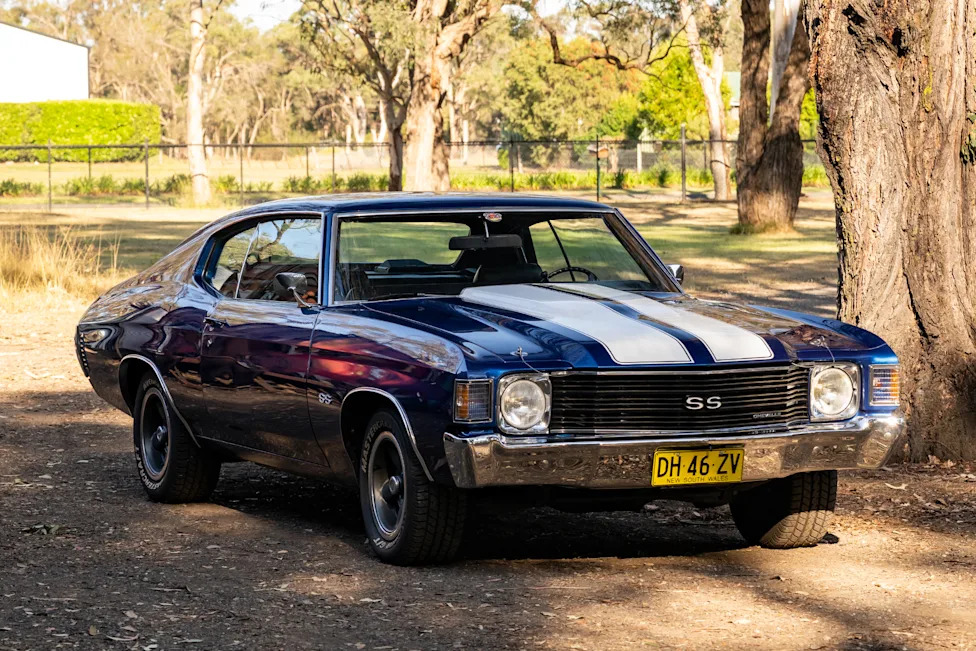
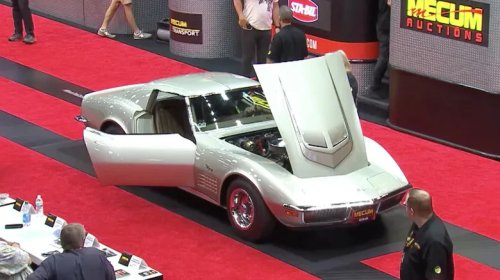
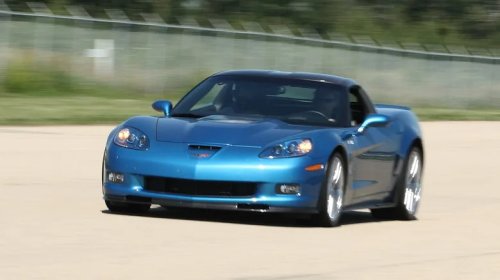
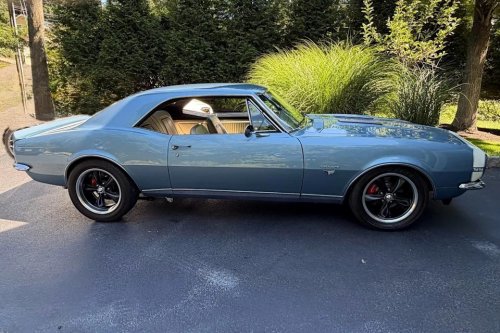
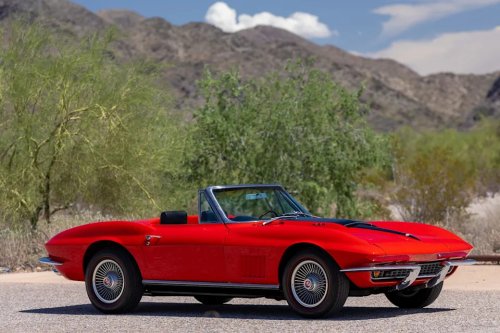
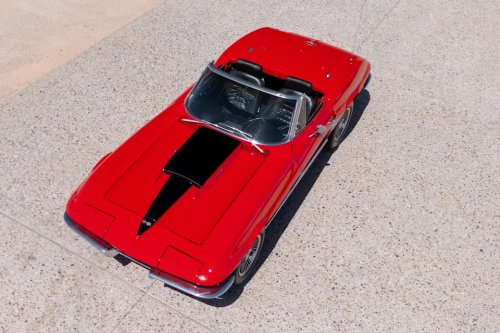
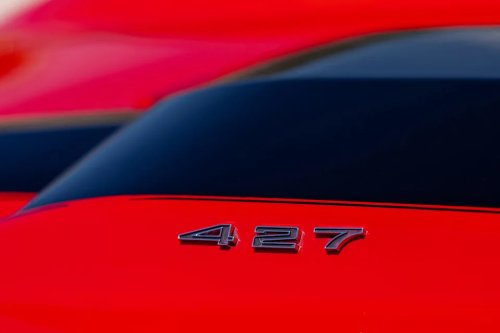
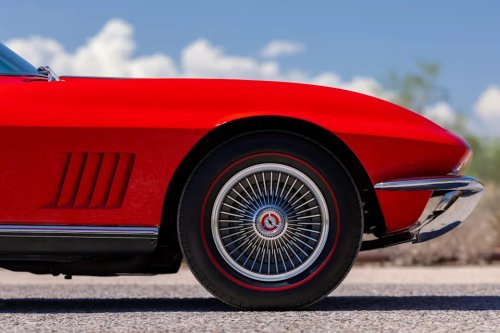
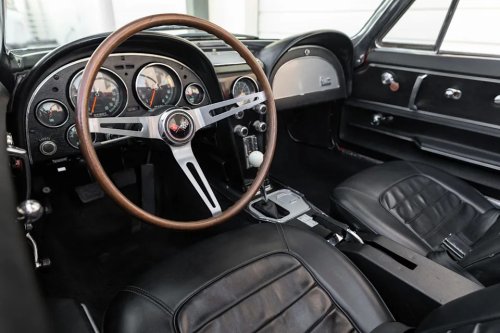
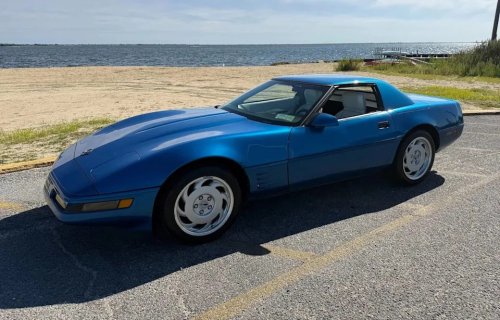
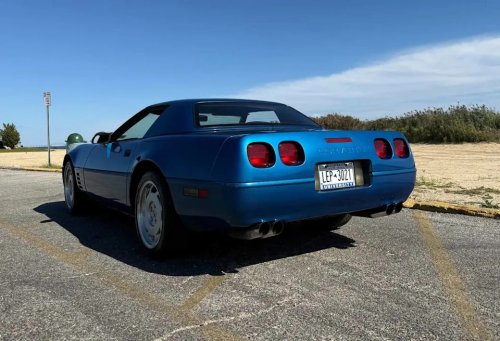
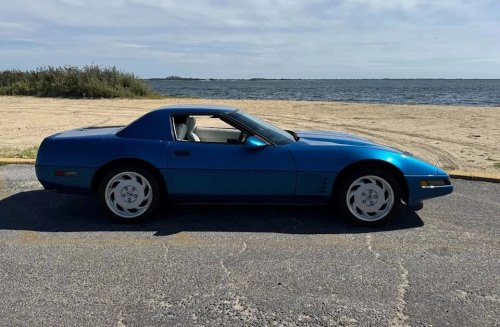
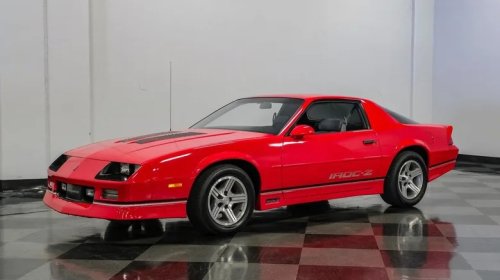
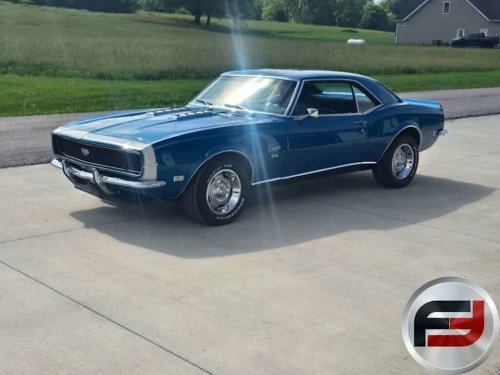
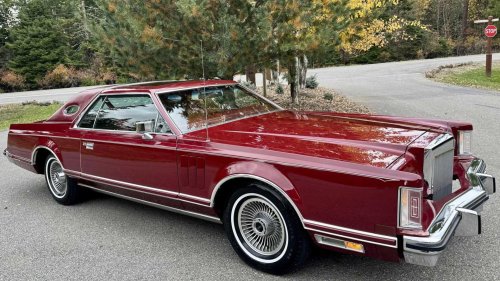
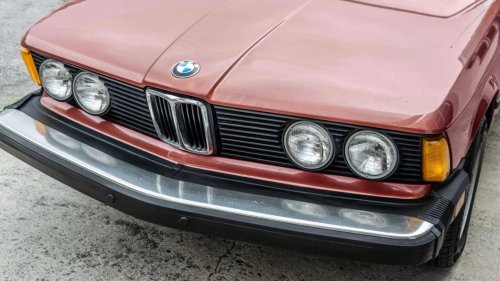
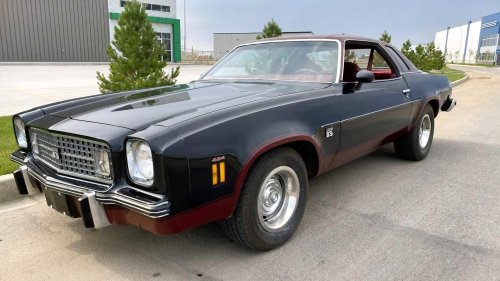
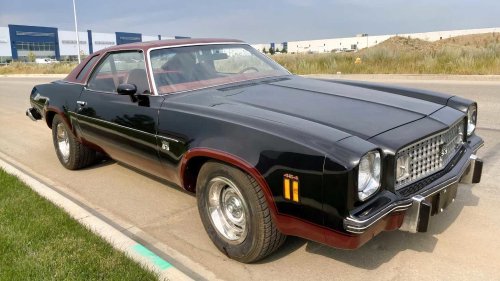
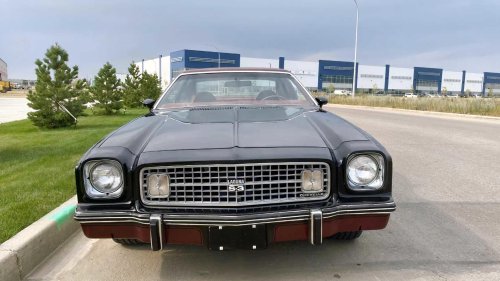
Jump LinksWhat Was Vehicle Standard 215?The Laguna Wasn't The Only Chevy With A Rubber NoseBig, Stupid-Looking Bumpers Weren't All BadWithout the National Highway Traffic Safety Administration, we'd probably all be driving ticking timebombs with no seatbelts, no airbags, and parts falling out of the engine. Every driver on American roads has the NHTSA to thank for the relative safety we enjoy while hurtling down the Interstate at 60 miles per hour. But, safety regulations do make cars a little less fun, and a little less cool-looking sometimes, like in the 1970s when the Administration had automakers applying big, ugly rubber bumpers on everything from the BMW 3 Series to Dodge Challengers.The shorter bumpers that we're used to today aren't difficult to incorporate into a car's body design in a way that looks stylish, but the NHTSA-mandated bumpers of the 1970s were big enough to serve lunch on, jutting out in the front and back like a buffet table. Chevrolet had the right idea, though, taking this new challenge as an opportunity, and producing the very cool-looking Chevelle Laguna. Enormous Bumpers Were Legally Mandated Bring a Trailer The Malaise era sucked for a lot of reasons. The big one was the Oil Crisis, which had automakers killing their iconic muscle cars for underpowered, fuel-sipping coupes and sedans, but we can't put all the blame on rising gas prices and the EPA. The 5-mph bumper mandate, officially known as NHTSA Vehicle Standard 215, played a major part in the mid-1970s, as well. What Was Vehicle Standard 215? Bring a Trailer One of the first things you think of when it comes to mid-century American cars is the chrome bumper, usually made of stamped, curved metal, bolted close to the body, and sticking out just far enough to keep the headlights from taking the brunt of the impact in the event of a fender-bender. These bumpers were practically just for decoration. They looked cool, but they did relatively little to actually protect the car, or the people inside it, and even the lightest taps were likely to leave you with hundreds of dollars in body work to hammer out.That changed with FMVSS 215, which went into effect in September 1972. Standard 215 dictated that a vehicle bumper needs to be sufficiently absorbent to protect components such as headlights and safety systems at speeds of up to five miles per hour for front impacts, or two and a half miles per hour in rear tests. This was amended in 1974 to mandate that the bumpers need to be able to absorb 5-mph impact in the front and back, and from any angle.If you look at European cars from the mid to late-1970s, you'll see that many automakers, like BMW, adapted to the NHTSA's new rules by simply popping the bumpers out a couple inches on brackets, rather than attaching them directly to the body. The bumpers may be slightly bigger on some models, as well. These bumpers would get even bigger, and pop out even further, with the 1974 ruling. Some of these cars even seemed to embrace the clunky look, making zero effort to make the bumpers look like anything but the result of a sound whooping with the federal ugly stick.In the US, it was the norm to incorporate features like license plate mounts, taillights, and turn signals into the bumpers. This meant that switching over to bigger bumpers was a bit trickier for brands like Ford and Dodge. Chevrolet Made The Bumpers Invisible Bring a Trailer Option one was to slap a big piece of rubber on the front and back ends of your car, style be danged. Chevrolet took a different approach, aiming to make these bigger bumpers effectively invisible, and retain a stylish look.It was a pretty simple solution when you think about it: build the bumpers right into the body. Take a look at a mid-1970s Chevelle Laguna, and you'll see a seam running around the nose of the car, about half a foot behind the headlights. This is where Chevrolet attached a urethane front-end, essentially a hard-rubber mask placed over a bumper system comprised of all the shock-absorbing cylinders and whatnot that you need to absorb the impact of a 5-mph crash.The urethane nose cone was painted the same color as the body and fitted with headlights, a chrome grill, and a narrow strip of black rubber to serve as the visible part of the bumper. At a glance, you wouldn't guess that the car was making any compromises in the name of safety. It looked cool while meeting the letter of the law with regard to Vehicle Standard 215. The Laguna Wasn't The Only Chevy With A Rubber Nose Bring a Trailer You can see similar body design in 1970s model Camaros, and in the C3 Corvette, where the nose cone completely hides any evidence of an internal bumper system. If you didn't know to look for the seam, you might ask how Chevy got away with selling a bumperless sports coupe back in the day. Why Didn't The Nose-Cone Solution Catch On? Bring a Trailer The urethane nose cone bumper is mostly associated with mid and late-1970s Chevrolets. If you look at, for instance, a mid-1970s Lincoln Continental, you'll see plainly visible bumpers that could double as park benches, and you could just about take a nap on a 1979 Buick Riviera's bumper. Chevrolet showed the industry how to incorporate big bumpers without making your cars look stupid, and you'd think other American automakers would take the baton and run with it, but most Malaise-era coupes and sedans simply embraced the oversized bumpers.It may be that some automakers didn't want to invest the money and resources into manufacturing rubber fascias. Additionally, the fascia solution wasn't perfect, as there's only so much you can do to make urethane look like metal, and paint was known to chip and peel from the nose cone.Bring a Trailer But, the bottom line is that the big bumper era was fairly short-lived, lasting less than a full decade. In 1982, the Reagan Administration cut the bumper requirements down, transitioning from the 5-mph bumper era to the age of 2.5-mph bumpers, in hopes of saving consumers roughly $28 apiece over the lifetime of the vehicle, noting fuel savings, thanks to the lighter vehicle weight, and maintenance costs.The nose-cone idea simply didn't have a chance to catch on and, in the modern era, we don't have much use for big bumpers, and fascias to hide them, with advancements in computer-assisted crumple zone design, automatic braking systems, and rearview cameras to keep from dinging our neighbors when we pull out of the driveway. Big, Stupid-Looking Bumpers Weren't All Bad They made parking difficult, they looked dumb, and they made cars slightly heavier. But big bumpers also meant that minor bumps in the parking lot weren't a big deal, and if the car in front of you was having trouble making it up a hill in their underpowered fuel-sipping coupe, you could give them a little nudge over the hump without chipping their paint.




















 +63 others