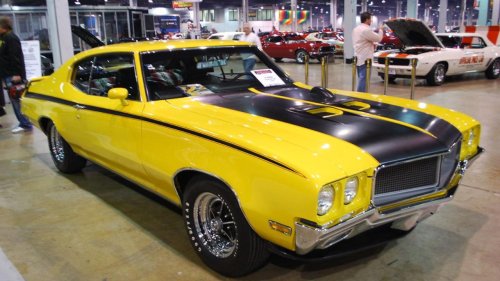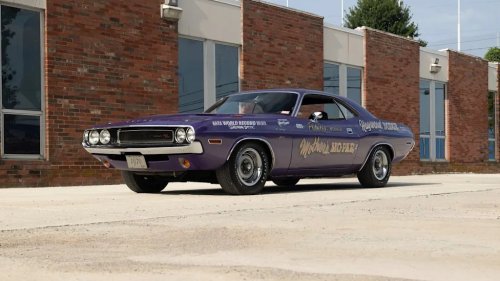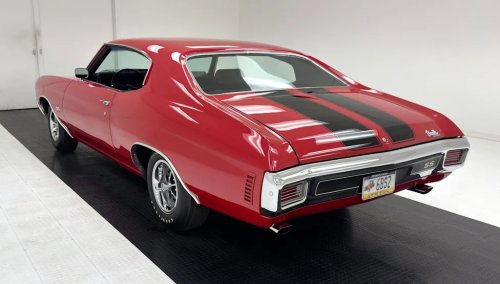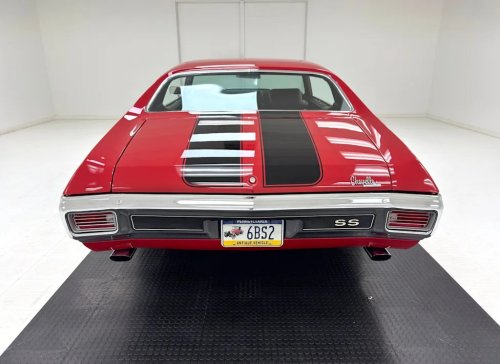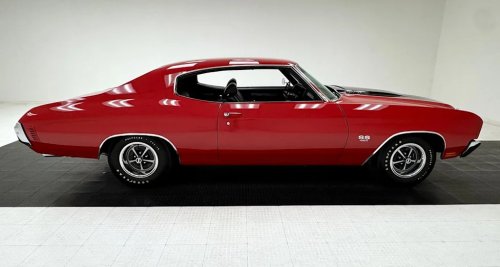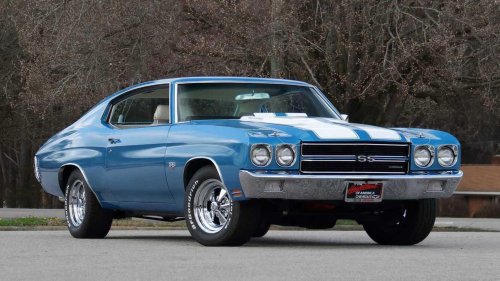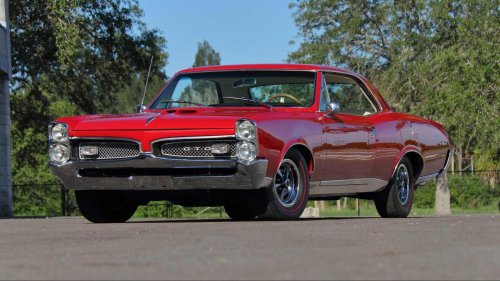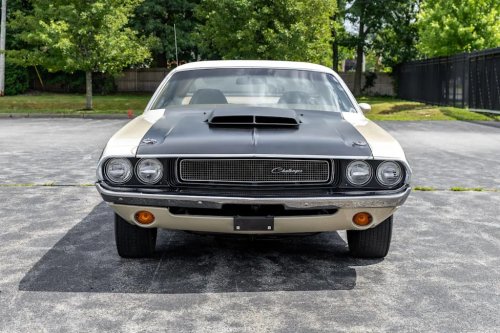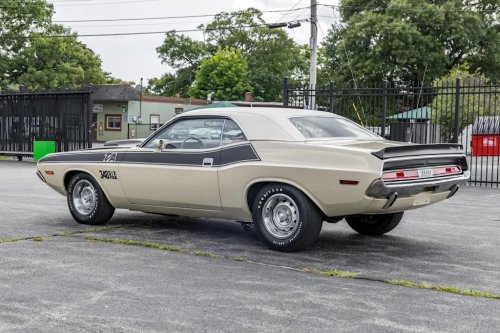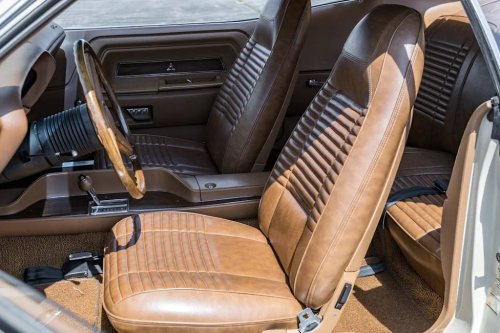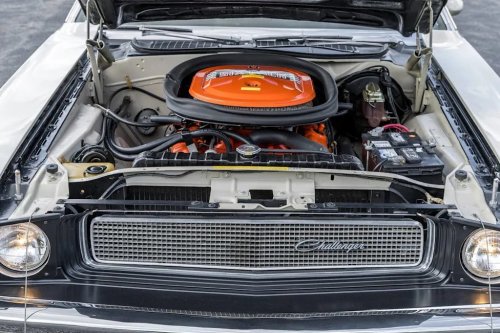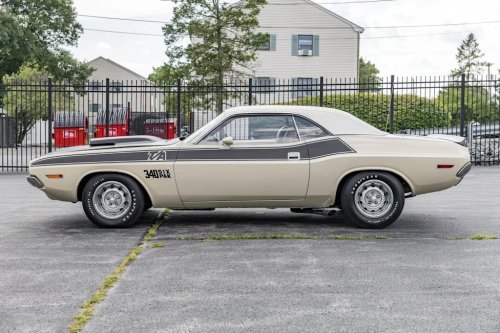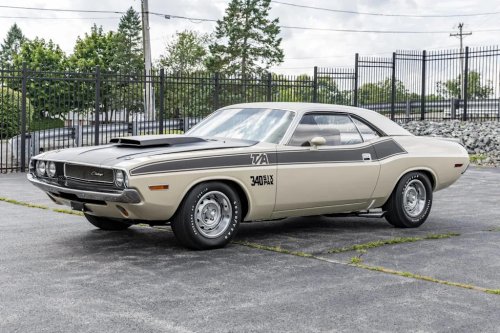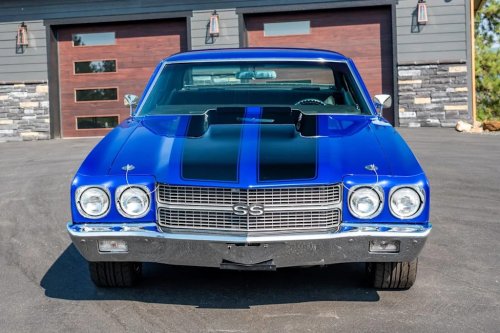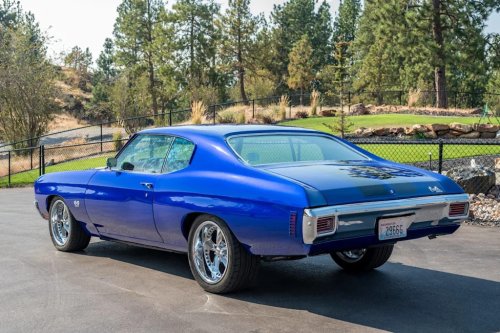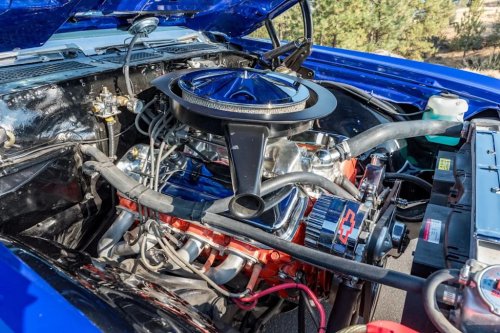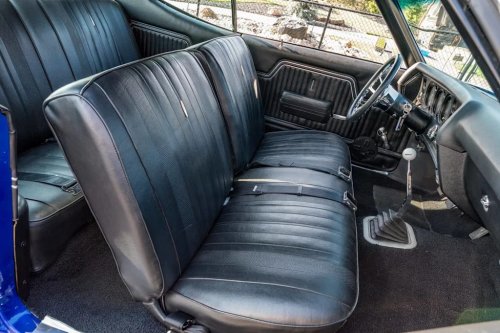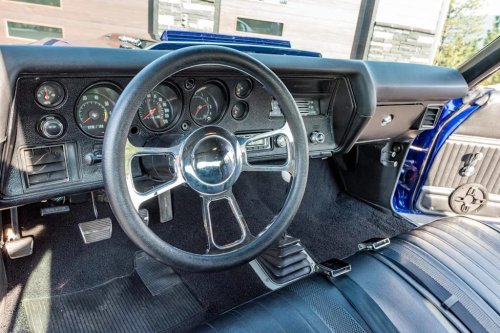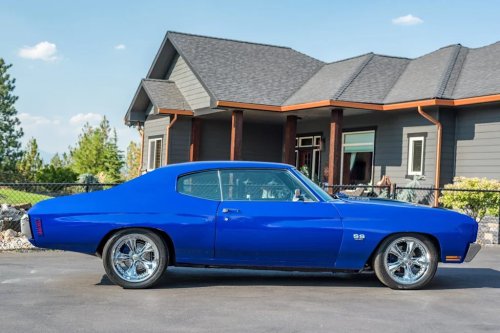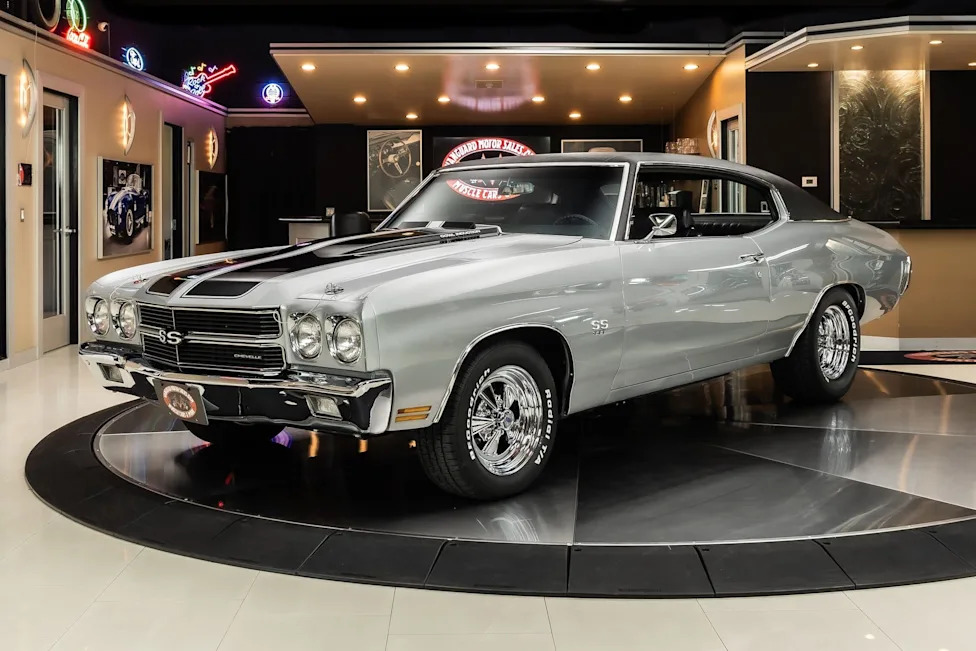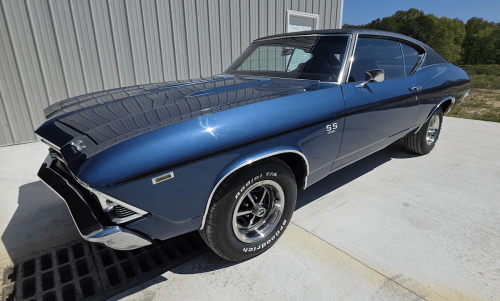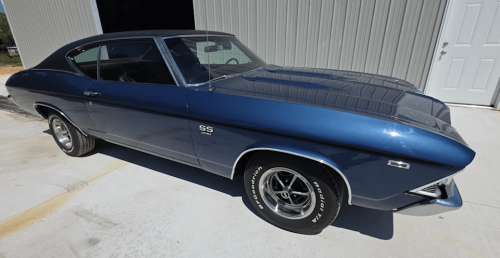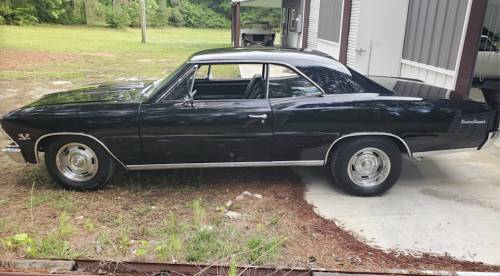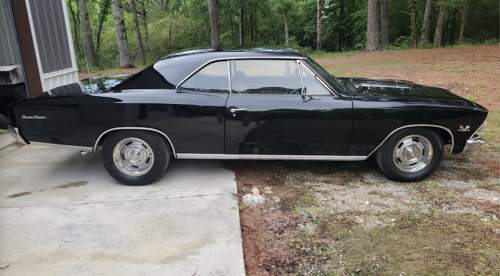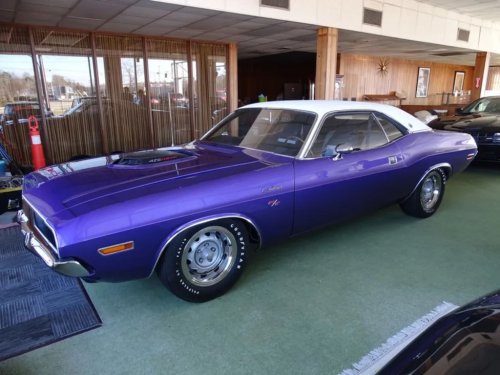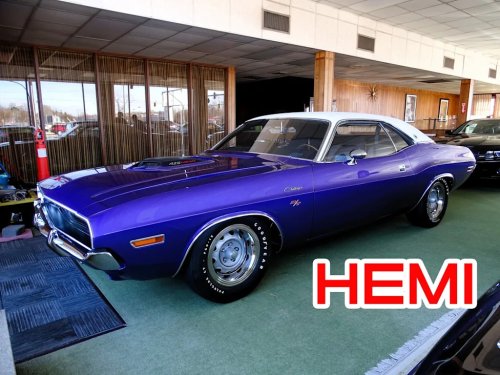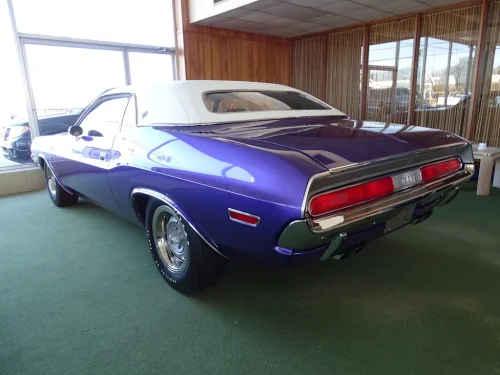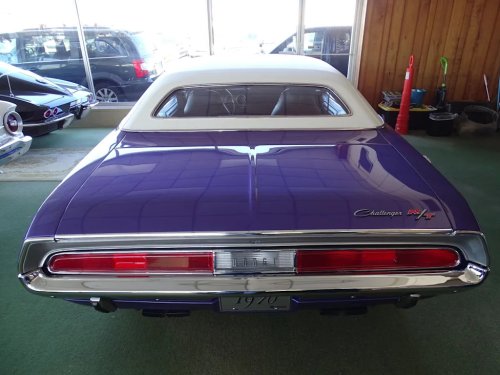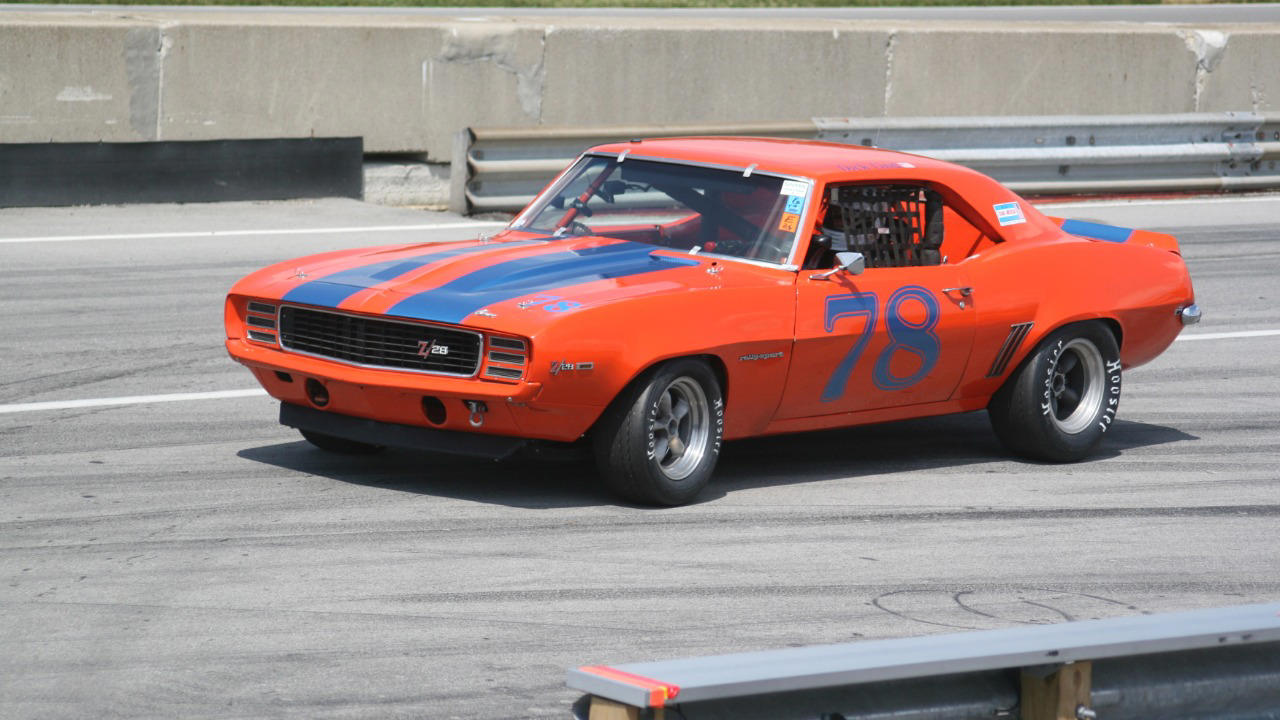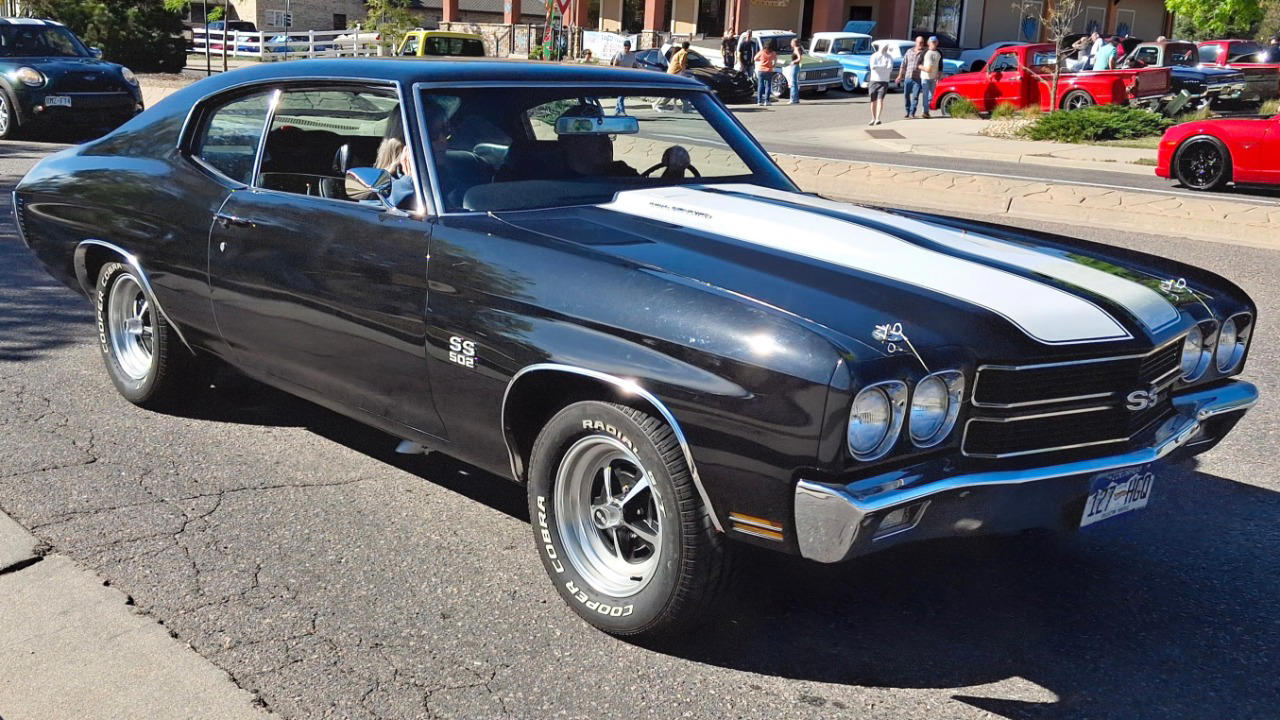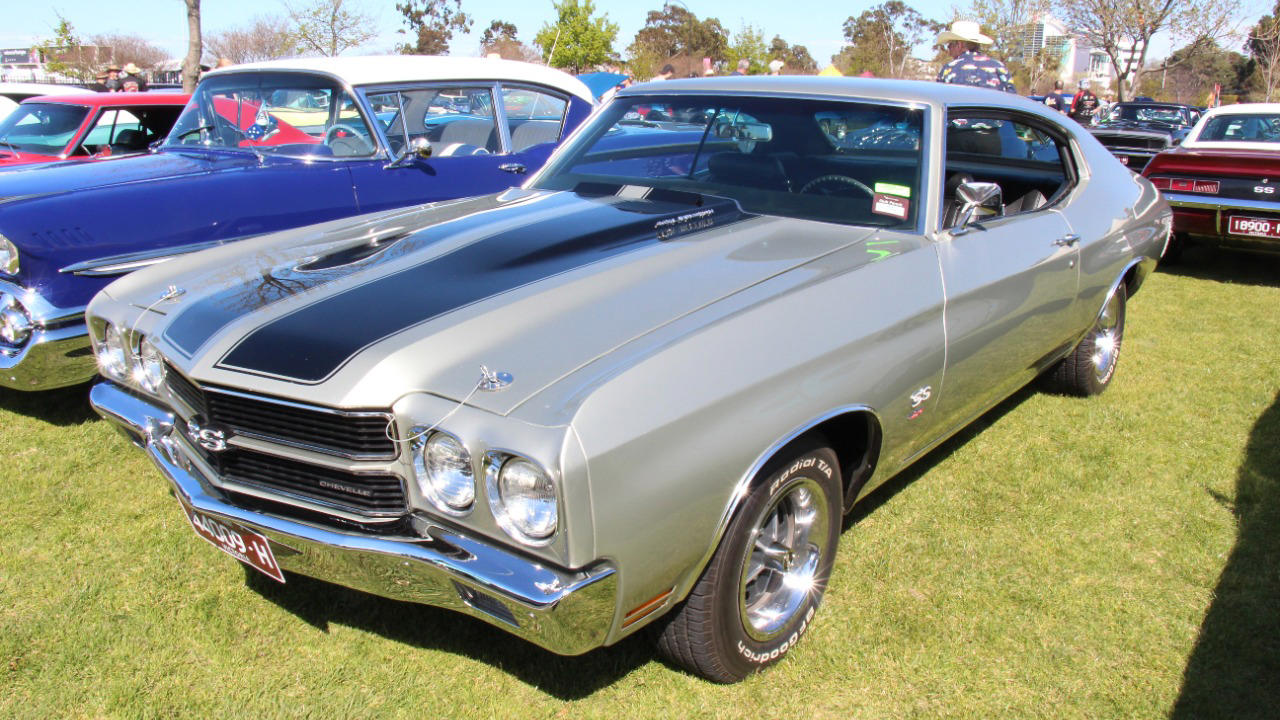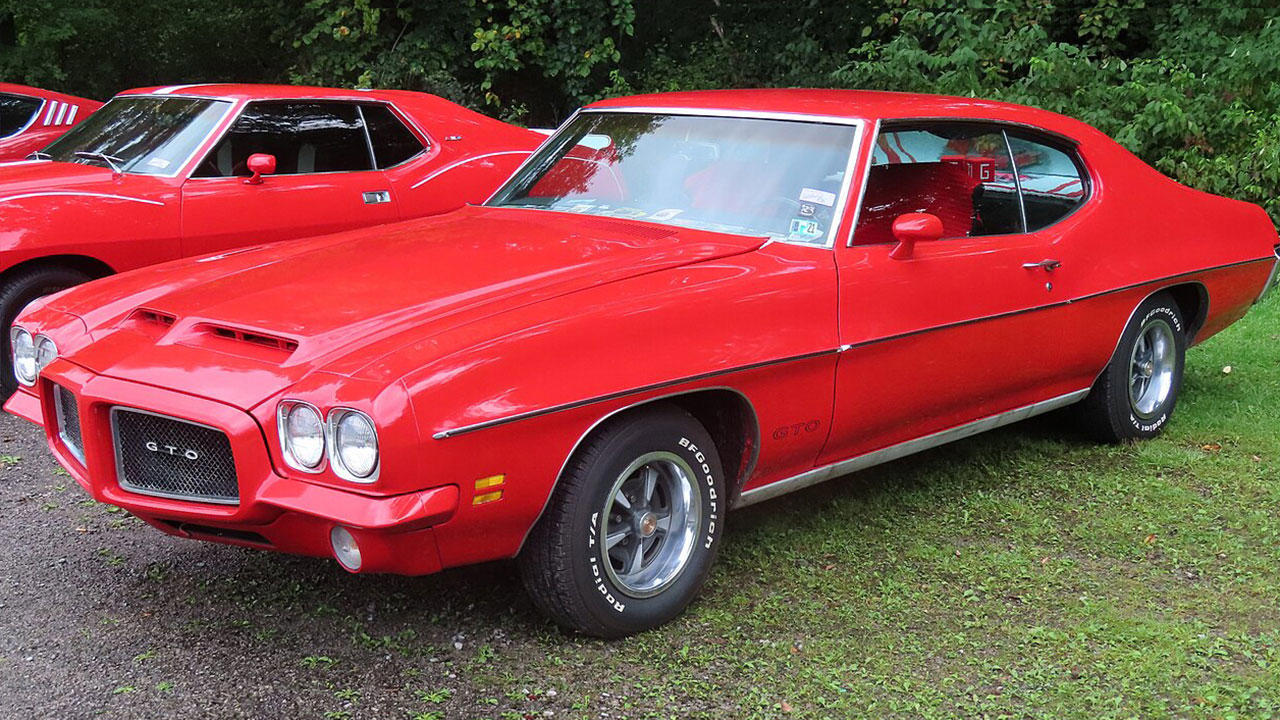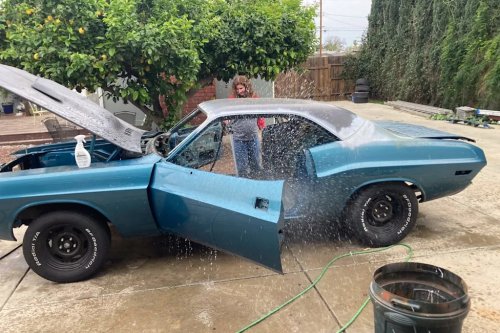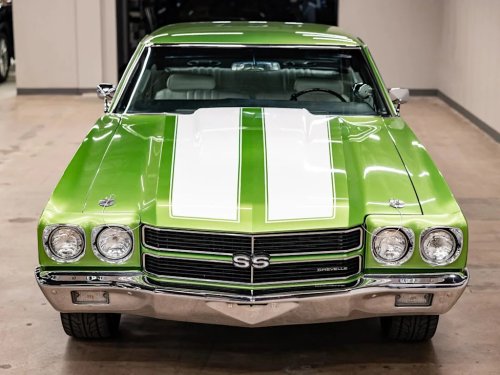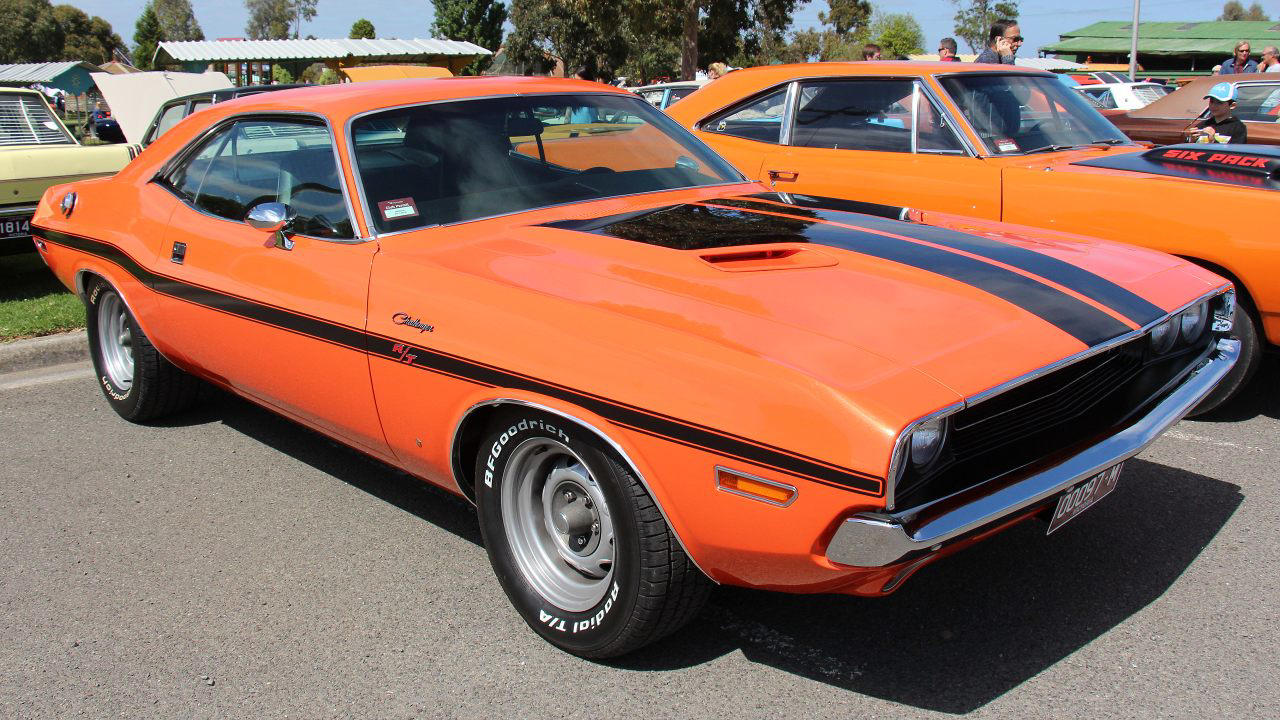



















1970 Chevelle SS vs 1970 Challenger which one got it rightThe 1970 Chevrolet Chevelle SS and the 1970 Dodge Challenger arrived just as American muscle hit its peak, yet they chased greatness in very different ways. One leaned into brutal big-block torque, the other into sleek style and race-bred mystique. Park them side by side, and the question is not which is quicker in a single drag pass, but which car truly nailed the formula that enthusiasts still chase today. To get there, it helps to strip away nostalgia and look at how each machine delivered power, style, usability, and long-term appeal. The Chevelle SS and the Challenger did more than compete on the street; they defined two philosophies of what a muscle car should be. The power equation: big-block vs Hemi attitude Any comparison between these two icons starts under the hood. The 1970 Chevrolet Chevelle SS could be ordered with the legendary 454 cubic inch V8, and enthusiasts still treat that 454 as shorthand for peak Chevelle performance. In its most fearsome LS6 form, the car was built around straight-line acceleration, with the rest of the package engineered to survive the abuse that kind of torque invited. Video walkarounds of period-correct cars show that the Chevelle Super Sport lineup did not stop at one engine. One example highlights a Chevrolet Chevel Super Sport and notes a 455, also turbo 400, alongside a reminder that this particular 1970 Chevrolet Chevel Super Sport is not some lowly 396; it has a 454, specifically the LS6, with the numbers 455, 400, 396, and 454 all appearing in the same context of big-block escalation in Chevrolet Chevel Super performance talk. The message is clear: Chevrolet kept stacking displacement and strength to keep the Chevelle SS at the top of the food chain. The 1970 Dodge Challenger answered with Hemi swagger. Enthusiast footage of a 1970 Dodge Challenger RT makes the point quickly: so it seems Jeff has no 1970 Dodge Challenger RT, and this thing has a 426 cubic inch Hemi V8, with the narrator emphasizing that 426 figure and calling out the Hemi by name in Jeff-focused coverage. The Challenger RT Hemi package was about more than raw numbers. It carried racing heritage and a reputation for being temperamental, loud, and brutally effective when tuned correctly. On paper, the Chevelle’s LS6 454 and the Challenger’s 426 Hemi occupied the same rarefied space. In practice, the Chevelle leaned into accessible drag-strip consistency, while the Challenger traded on exotic aura. The Chevelle’s big-block family, including the 396 and 454, slotted into a broader Super Sport strategy that made massive torque feel almost mainstream. The Challenger’s 426 Hemi was rarer and more intimidating, a specialty weapon rather than a volume seller. Design and presence: brute force vs sleek flair Power might win races, but design wins posters on bedroom walls and bids at auction. The Chevelle SS has often been described as an Icon of American Muscle, with sources describing the Chevelle SS as a symbol of the peak of the muscle car era, combining a massive engine with fierce looks and street presence in Icon of American muscle. Its proportions are clean and upright, with a long hood, short deck, and muscular rear haunches that broadcast straight-line intent. The Dodge Challenger took a more overtly stylish path. Contemporary comparisons that pit Challenger against Chevelle repeatedly highlight how the Challenger stands out for its sleek design and versatility, while the Chevelle is celebrated for raw power and drag-racing credibility, with one summary framing the Challenger as the style leader and the Chevelle as the brute in the Challenger-oriented debates. The Challenger’s long, low profile, deeply sculpted fenders, and aggressive grille gave it a more overtly sporty identity than the Chevelle’s boxier stance. Enthusiast commentary and on-camera banter underline how subjective this split can be. In one Throwback Thursday segment that frames the choice as Challenger or Chevelle, the hosts banter with the audience and even introduce Kate, who is doing director duties and is asked to come on in here while they weigh which car looks better, a moment that captures how the choice between the two often comes down to personal taste as much as specification in Kate centered chatter. Where the Chevelle projects blunt-force intimidation, the Challenger leans into a more refined, almost European-inspired fastback silhouette. Both are unmistakably American, but one signals a blue-collar street brawler and the other a more flamboyant boulevard bruiser. Cabin and everyday usability Inside, the two cars diverged just as sharply. Period descriptions of the 1970 Chevrolet Chevelle note that the Chevelle’s interior was more utilitarian, with bench seats and a straightforward dashboard design that prioritized function over flash, and that the Chevrolet Chevelle could be optioned up but never tried to be a luxury coupe in Chevrolet Chevelle-focused comparisons. This approach fit the car’s mission: deliver big power at a price that still made sense for families and young buyers. By contrast, the Challenger’s cabin leaned more heavily into sporty touches and driver focus. Bucket seats, a deeply hooded instrument panel, and a more cocooned seating position created a sense of occasion even at low speeds. That difference in feel has helped shape modern perceptions. The Chevelle reads as a muscle sedan in coupe form, while the Challenger feels closer to a personal sports car. The Chevelle’s broader lineup also mattered. Reporting on the nameplate’s evolution notes that it offered a variety of body styles, including coupes, sedans, and wagons, with the SS (Super Sport) models being the high-performance versions that sat at the top of this family tree, a structure that let Chevrolet sell practicality and performance under one badge in Super Sport histories. The Challenger, by contrast, was always more narrowly focused on being a sporty two-door. How they actually performed On the street and strip, both cars earned reputations that have only grown with time. For the Chevelle, 1970 is often considered the peak year for the first generation of muscle cars, with power numbers reaching their highest and the Chevelle SS occupying a central role in that crest of performance in August-themed retrospectives. The LS6 454 Chevelle became the archetype for factory-built drag dominance, and modern drag races still pair Chevelle SS models against other big-block legends. One short comparison that pits a 1970 Chevel SS454 against a 1970 Plymouth GTX 440 describes the matchup as two Titans zero mercy, and emphasizes that the Chevel SS brings the legendary 454 cubic inches in LS6 V8, while the Plymouth GTX counters with a 440, framing the Chevel as the standard by which other big-block cars are measured in Titans-style showdowns. The Chevelle’s ability to trade blows with anything from a Plymouth GTX 440 to a Buick GS 455 cemented its status as a straight-line benchmark. The Challenger’s track record is more varied but no less compelling. Drag race coverage of a 1970 Dodge Challenger R/T fitted with a 440 (7.2-liter) six-pack V8 notes that this R/T hits the strip with 390 horsepower and 490 pound-feet (664 Nm) of torque, a combination that makes it brutally quick off the line and competitive with big-block Chevelles in Fitted drag battles. When equipped with the 426 Hemi, the Challenger moved into even more exclusive territory, trading some drivability for top-end ferocity. Enthusiast clips of a 1970 Dodge Challenger RT Hemi V8 car, again tied to Jeff and his 426 cubic inch Hemi, reinforce that this configuration was about more than stopwatch numbers. The Hemi’s reputation for being temperamental, expensive, and rare added a layer of mystique that the more common big-block Chevelle did not necessarily match in Dodge Challenger RT coverage. Rarity, collectability, and long-term appeal Half a century later, the question of which car got it right is inseparable from the collector market. Discussions about Rarity and value emphasize that high-performance Dodge Challenger models, especially those with the 426 Hemi, are rarer and more valuable, with one breakdown explicitly noting that Dodge Challenger high-performance models with the Hemi command a premium because of their low production and the way the muscle car market began to decline soon after 1970, in Rarity-focused analysis. A genuine 426 Hemi Challenger RT from 1970 sits near the top of the Mopar hierarchy. The Chevelle SS, by contrast, leans on cultural saturation as much as scarcity. It appears in drag race videos, nostalgia posts, and side-by-side matchups with everything from a 1970 Dodge Charger R/T 440 to a 1970 Buick GS 455. One social comparison that asks enthusiasts to choose between a 1970 Chevrolet Chevelle SS 454 and a 1970 Dodge Charger R/T 440 frames the Chevelle SS 454 as one of the most iconic muscle cars ever built, representing the peak of Chevrolet’s muscle strategy and reinforcing that the 454 Chevelle is the default mental image when many people hear the term muscle car in Chevrolet Chevelle SS themed debates. Because Chevrolet sold the Chevelle in so many body styles, with the SS (Super Sport) as the high-performance capstone, there are more Chevelles on the road and at shows than Challengers. That ubiquity has not hurt values for top-spec LS6 cars, but it has changed the way collectors talk about them. A Chevelle SS is the muscle car every enthusiast seems to know. A Hemi Challenger is the car many have heard of, but few have actually seen in person. Culture, nostalgia, and the fan vote Beyond numbers and market charts, the Chevelle SS and Challenger have carved out distinct cultural lanes. In fan groups and throwback threads, the Chevelle is often framed as the benchmark for raw power and drag-strip heroics, while the Challenger is praised for its sleek design and a more versatile personality that can swing from daily driver to show car. One comparison that directly pits a 1970 Dodge Challenger 426 HEMI Ragtop and the 1971 Chevrolet Chevelle SS LS6 lists the Challenger with its 426 HEMI and the Chevrolet Chevelle SS with its LS6, using the Ragtop and the coupe as stand-ins for two different approaches to open-road fun in Dodge Challenger matchups. In those discussions, the Challenger tends to win on style and rarity, while the Chevelle tends to win on perceived toughness and straight-line dominance. So which one got it right? If the measure is raw, accessible power and the ability to dominate drag races against peers like the Plymouth GTX 440 and Buick GS 455, the Chevelle SS 454 looks like the more complete execution. Its 454 LS6 package, supported by a family of big-block options from 396 upward, gave Chevrolet a clear flagship that ordinary buyers could still aspire to own. If the measure is rarity, mystique, and long-term collectability, the 1970 Dodge Challenger RT with the 426 Hemi arguably hit closer to the bullseye. Its 426 cubic inch Hemi V8, its sleek styling, and its limited production have combined to make it one of the most coveted Mopars ever built. More from Fast Lane Only Unboxing the WWII Jeep in a Crate 15 rare Chevys collectors are quietly buying 10 underrated V8s still worth hunting down Police notice this before you even roll window down