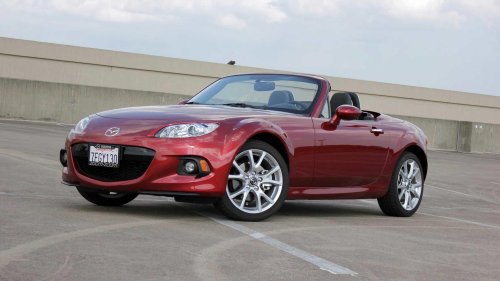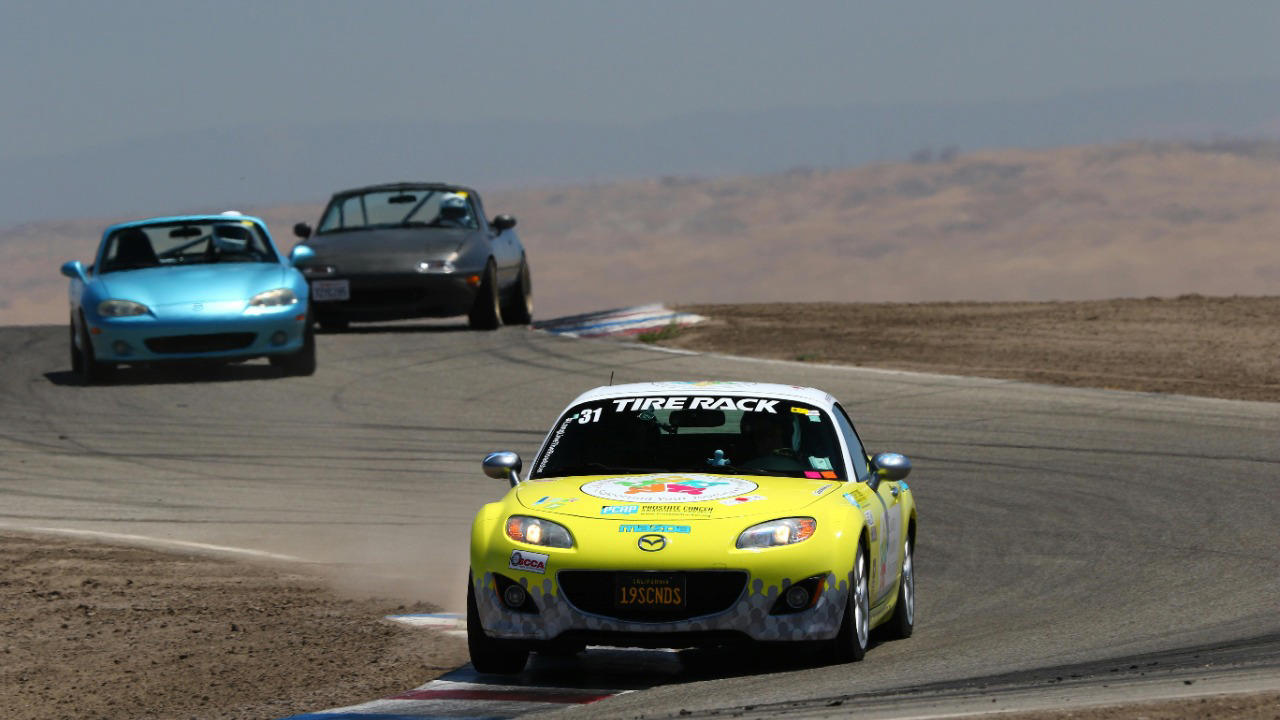



















High horsepower vs lightweight balance which one actually wins on the roadOn paper, the answer looks simple: big horsepower wins. In reality, the battle between raw power and lightweight balance is decided not on a spec sheet but in traffic, on back roads and during the kind of emergency maneuvers drivers actually face. The question is not which number is higher, but which recipe delivers more usable speed, safety and enjoyment on real roads. Enthusiasts have been arguing about this for decades, from track-day paddocks to online forums. Recent discussions, owner data and engineering explainers all point in the same direction: weight and balance quietly shape almost every part of how a car behaves, while horsepower delivers its best work only in certain situations. The winner depends on where and how the car is driven. Where horsepower genuinely helps Horsepower is still the easiest number to brag about because it directly affects how quickly a car can accelerate in a straight line. Drivers feel that when merging onto a short on-ramp or overtaking a truck on a two-lane highway. Extra power gives a car the ability to make quicker and safer maneuvers when overtaking or merging, as one analysis of higher horsepower points out. On the highway, power also shapes top speed. Technical explainers on drivetrain physics note that horsepower determines the maximum speed a car can sustain, since it must exceed aerodynamic drag to keep pushing the vehicle forward at 60 mph and beyond. That is why long straight tracks and unrestricted roads favor powerful cars, and why a 400 hp sedan will eventually outpace a 300 hp rival given enough distance, as one discussion of power-to-weight points out. Torque matters too. Owners and engineers describe how a High HP to torque ratio helps a car go fast, while High torque at lower RPMs makes it feel eager and responsive for everyday acceleration. Highway buyers are often told that horsepower is Ideal for Highway, especially for those who like fast, smooth drives at stable speeds. Big engines also provide a comfort margin. Owners of large trucks describe how a bigger engine has reserve power at 65 mph, so there is less speed drop on hills and a bit of extra power for passing, as one explanation of big-engine cruising notes. For towing, mountain driving or frequent highway overtakes, that surplus is not just a luxury. Why does weight quietly run the show Despite those advantages, weight often has a bigger effect on how a car behaves day to day. Enthusiast engineers point out that increasing horsepower mostly helps straight-line acceleration and often brings more drivetrain heat, more stress on the engine and gearbox and less predictable handling, as one technical breakdown of increasing horsepower explains. Weight, on the other hand, influences almost everything the car does. A lighter car changes direction faster and maintains better grip through corners. It also stops in a shorter distance, because Braking Also Depends on Weight. Brakes must convert motion into heat, and there is simply less energy to shed when the car is lighter. Real-world owners echo this. One discussion of track setups argues that taking weight out of a car improves acceleration, handling and braking, while adding power only improves acceleration, a point made in a comparison that mentions the Hellcat at 5,600 lbs and the BMW M5 at 5,400 lbs, before concluding that taking weight out is often the smarter move. The same post notes that, but adding HP only improves acceleration, which leaves cornering and stopping untouched. Owners on broader car-buying forums tend to agree. One summary of pros and cons argues that Lighter cars are Better in almost every way except perhaps in deep snow. They deliver better mileage, better handling, better braking, and Less tire wear, all of which matter on the street far more often than a top-speed run. The fun factor: why slow can feel fast Beyond raw performance, there is the question of enjoyment. Many drivers insist that low-power cars are more fun to drive than high-spec machines. One enthusiast group describes how you get to experience its full potential performance, legally, because the car can be driven at or near its limits without immediately reaching license-losing speeds. They add that Momentum is its Thrill, since carrying speed through a corner, with careful entry and exit, requires less braking and reduces wear and tear, as highlighted in a discussion that emphasizes how to experience more of the car more of the time. The same community frames this as a kind of FACT, explaining why driving a slow car fast is so much more fun than driving a fast car slow. They argue that you can push the chassis, feel the tires work, and explore the balance of the car without immediately running into legal or safety limits, as one post on Why low power cars are engaging puts it. Track-day regulars echo that sentiment. Lightweight and low-power cars force drivers to focus on preserving speed through corners, which sharpens skill. One summary notes that Lightweight cars make drivers more aware of the need to maintain momentum for lower lap times, while Heavy and high-power cars can create a point-and-shoot mentality that is actually slower around a technical circuit, as described in a discussion of Lightweight versus Heavy setups. Icons of lightness: real-world examples Some of the most celebrated drivers’ cars of the past few decades are not horsepower monsters. A detailed look at modern sports cars points to the Mazda Miata MX-5 Club, with 181 horsepower and a curb weight of 2,339 lbs, as proof that horsepower is not a necessary ingredient for an exceptionally fun drive. Commentators praise how the Mazda Miata MX chassis, especially in Club trim, trades straight-line bragging rights for steering feel, handling, response, grip and ride quality, as seen in a breakdown of why Mazda Miata MX fans are so loyal. Lightweight legends keep appearing in driver wish lists. One overview of why car weight matters more than power points to many legendary driver cars that are lightweight machines like the Lotus Elise and the Mazda MX Miata, arguing that less weight can be just as important as more power and that a lighter car feels more agile, as described in a post about Lotus Elise and Mazda MX icons. Grassroots racers see the same pattern. One forum thread comparing Lightweight or Horsepower argues that a lightweight car has an easier time braking, will corner faster and will be easier on consumables. The tires on a Locost kit car, for example, last far longer than those on a heavier, more powerful machine, as detailed in a discussion of Locost running costs. When big power still wins None of this means high horsepower is pointless. For drivers who live on wide open highways, tow heavy loads or visit high-speed circuits, more power can transform the experience. A survey of the most powerful cars in the world notes that High horsepower transforms driving into an intense, adrenaline-filled experience with lightning-fast acceleration and immense speed, a sensation best enjoyed on specialised tracks, as described in a feature on high-performance exotics. High HP setups also matter for drivers who need serious passing power. Technical Q&A on torque and horsepower points out that a High HP to torque ratio makes a car go fast, while High torque at low RPMs makes it accelerate more quickly in everyday situations, which is exactly what is needed for short passing zones or steep grades, as explained in a discussion of High HP and torque balance. On track, high-power cars can also be extremely fast, provided the driver and chassis can handle it. A brief comparison of High HP vs Low HP track cars notes that low horsepower cars tend to be lighter and can get on the brakes later, while high power cars have enough power to break the tires loose and post very quick lap times in the right hands, as seen in a short video on High HP setups. What track drivers learn about balance Track-day communities offer a kind of laboratory for this debate, because they strip away traffic and speed limits. One detailed thread explains that Heavy and high power cars can make drivers reliant on their HP and lead to a point and shoot mentality that is slower around the track. In contrast, low power cars force careful line choice and smooth inputs, which often results in better lap times and faster driver development, as described in a post on Heavy versus light learning curves. Another contributor in the same discussion mentions a 1 Series with an E92 drivetrain swap and 200 lbs of weight reduction, bringing curb weight to 3,250 lbs. The goal was not more power but better balance, a move that many amateur racers see as more effective than chasing dyno numbers, as outlined in a thread where a Comment describes that build. Engineers who build aero packages add another layer. One breakdown of power-to-weight trade-offs explains that lighter cars should have an advantage in turns, but there is more to consider. Because there is aerodynamic grip, the faster car can sometimes corner harder if it carries more speed and has the right aero setup. But that requires a level of commitment and environment that road drivers rarely see, as one analysis framed with Because, But and There in its explanation of because power to weight debates. How everyday drivers should choose For commuters and weekend drivers, the question becomes practical. How much power is enough, and when does weight matter more than the headline figure on the brochure? Owners who discuss daily driving often end up back at balance. One thread on how much weight factors into performance notes that the power-to-weight ratio affects acceleration, but that real-world speed differences between moderately different setups may be closer to 10 percent than the raw horsepower gap suggests, as described in a breakdown of Power and weight. Meanwhile, some buyers are drawn to the idea of power upgrades. One guide to boosting output explains how performance modifications can raise horsepower, but it also implies that drivers should consider the broader impact on reliability and running costs, as seen in a piece that was discovered while exploring Higher Horsepower and What Are The Benefits through The Fox Magazine. Those same readers are also being courted with lifestyle branding and merch, from editorial newsletters that were discovered alongside Higher Horsepower and What Are The Benefits to apparel stores like Discovered through The Fox Magazine. The culture around horsepower is strong, but the physics behind weight and balance remain unchanged. So which one actually wins on the road? On a closed course with long straights, the answer often tilts toward high horsepower. On a tight back road, in city traffic or on a wet commute, the scales shift toward lightweight balance. A lighter car is easier on brakes and tires, more responsive to steering inputs and often more transparent about what it is doing, which is why many track drivers and enthusiasts gravitate toward that formula. More from Fast Lane Only Unboxing the WWII Jeep in a Crate 15 rare Chevys collectors are quietly buying 10 underrated V8s still worth hunting down Police notice this before you even roll window down