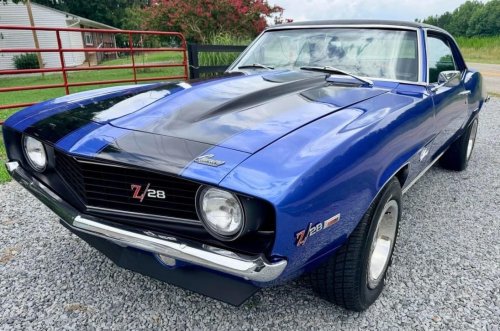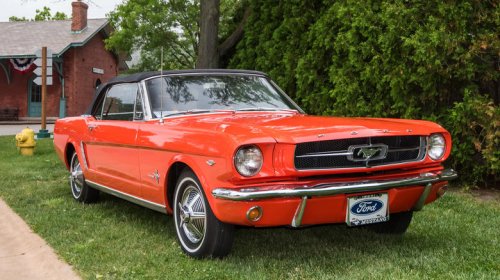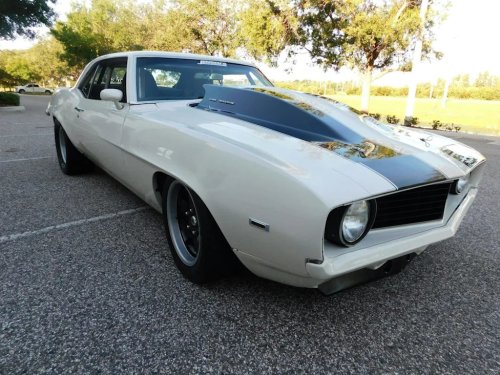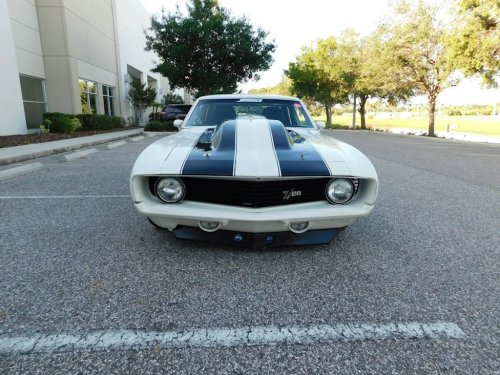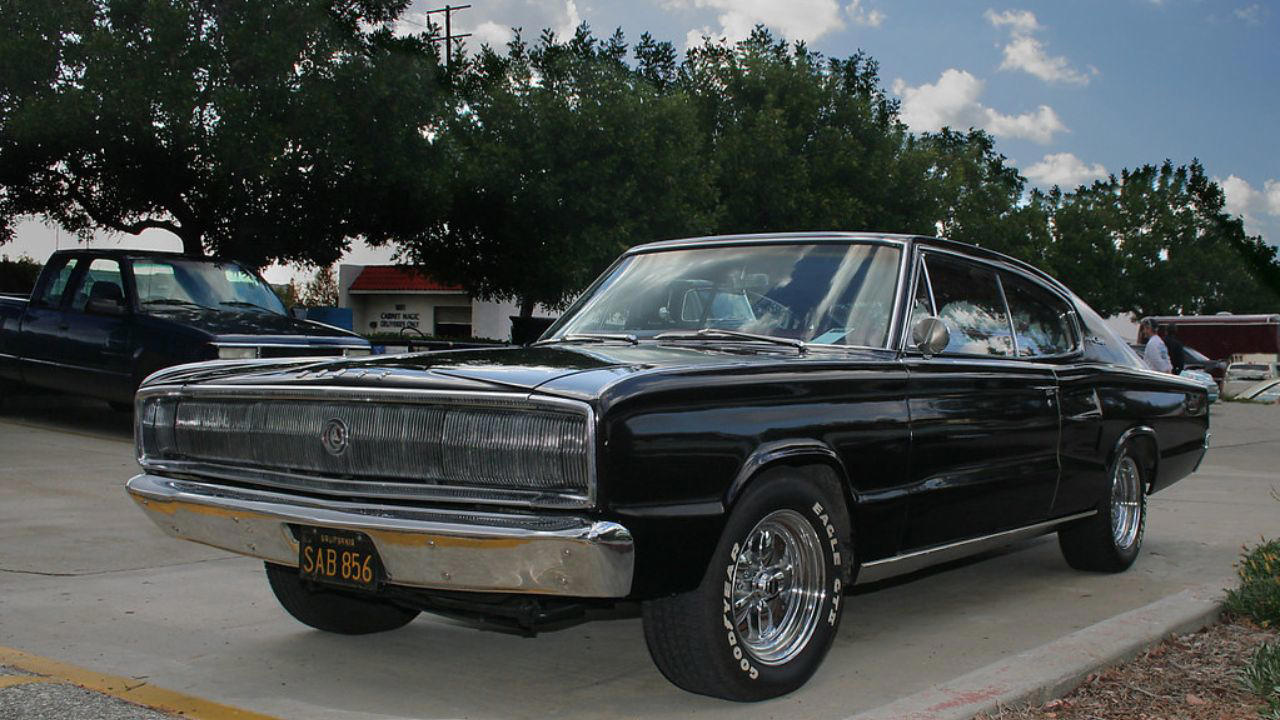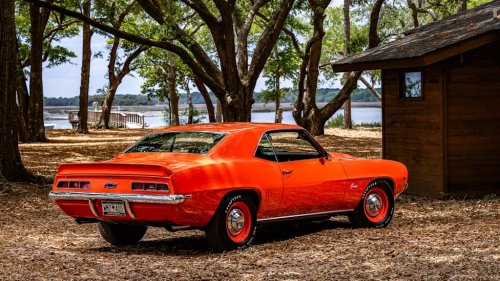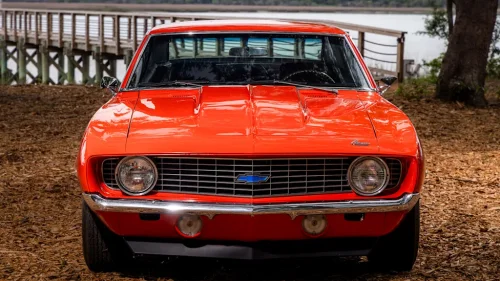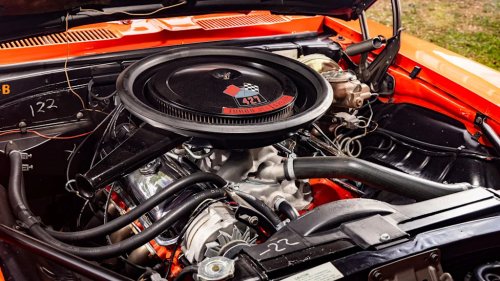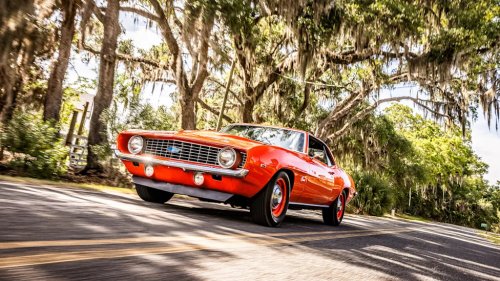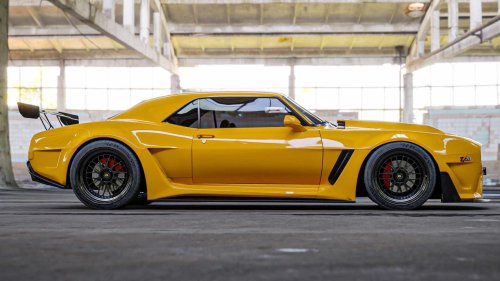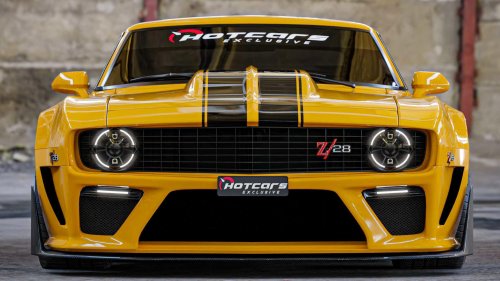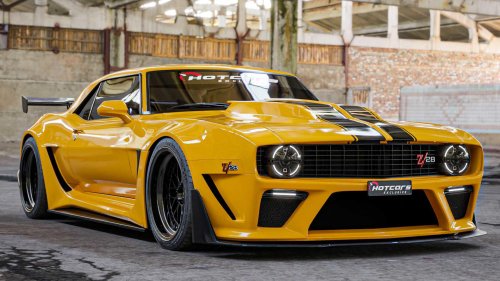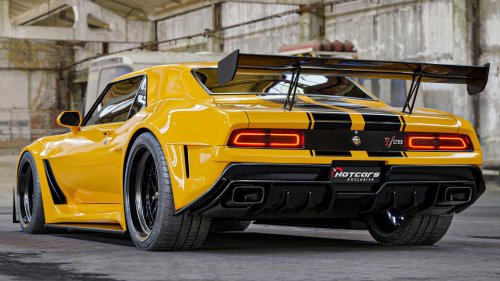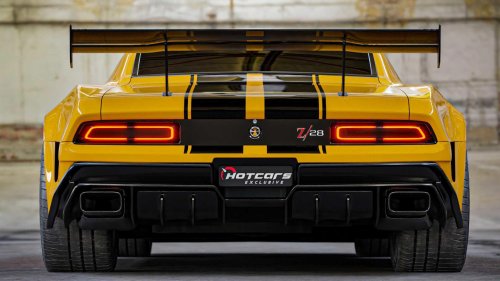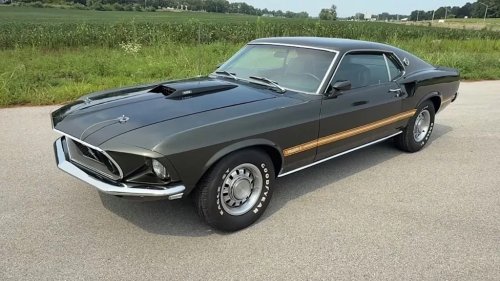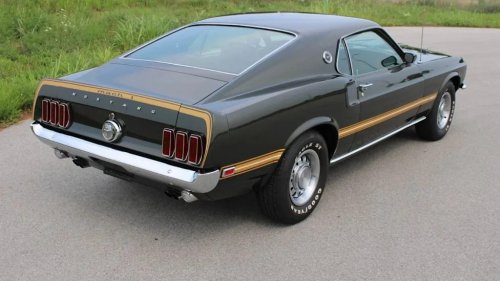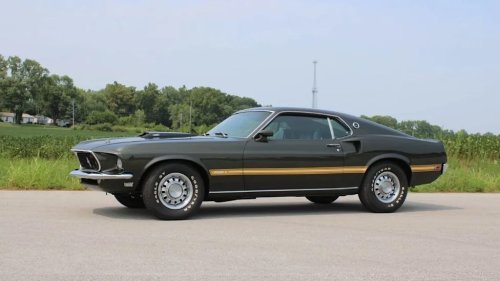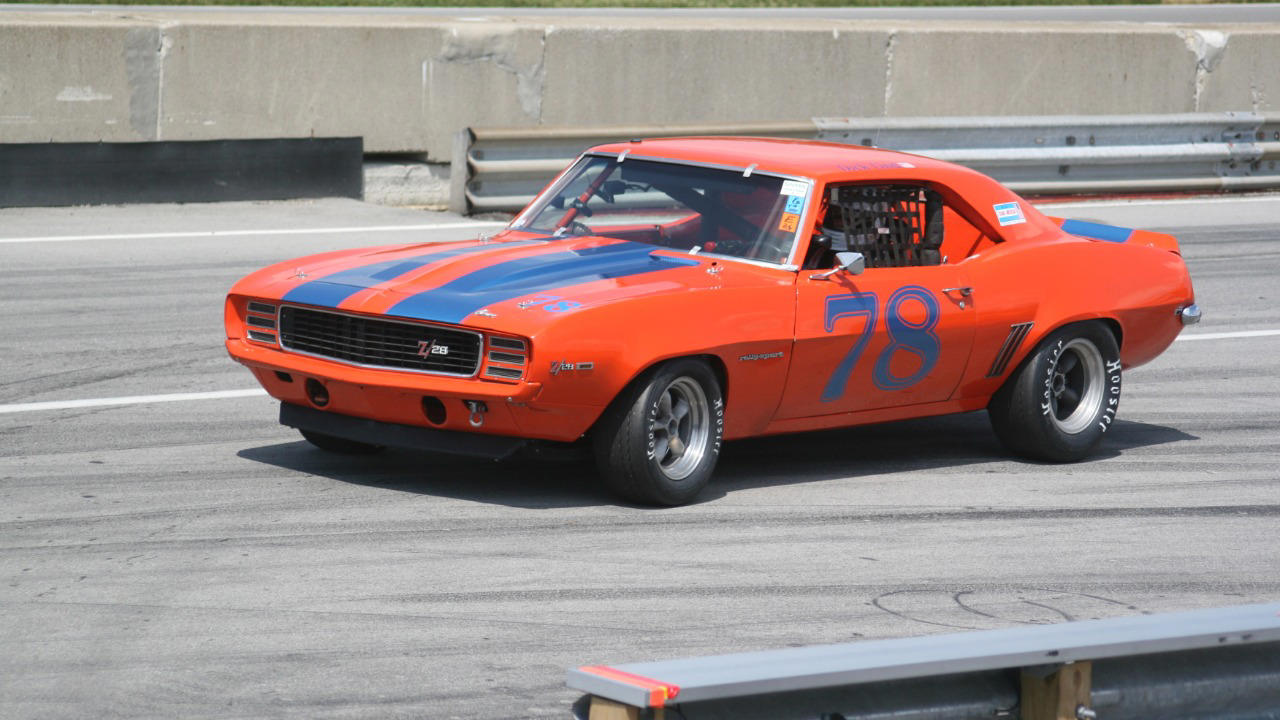



















1969 Camaro vs 1969 Mustang which one still wins the argument todayThe 1969 Chevrolet Camaro and 1969 Ford Mustang have been arguing with each other through exhaust notes and quarter-mile slips for more than half a century. One became the archetype of aggressive pony car style, the other the template for mass appeal and motorsport credibility. Enthusiasts still circle a simple question: if both cars rolled into a modern meet side by side, which one actually wins the argument today? How the 1969 showdown was framed The rivalry did not begin in 1969, but that model year crystallized what each car stood for. The Camaro arrived later to the pony car party, created specifically to answer Ford’s surprise hit, and by 1969, Chevrolet had sharpened it into a low, wide coupe that leaned heavily into a performance identity. The Mustang, already a cultural fixture by then, broadened its reach with an enormous options list that stretched from basic commuter to full-blown big block muscle. Period buyers saw the 1969 Chevrolet Camaro and 1969 Ford Mustang as two different ways to express the same urge. One prioritized an aggressive stance and track-bred image, the other wrapped speed in a more familiar, accessible package. That split still shapes how collectors and drivers judge the pair now. Design: aggression versus familiarity Styling is the first battleground. Enthusiasts often describe the 1969 Chevrolet Camaro style as “aggressive and low-slung with a wide stance,” with some trims adding hidden headlights that turn the nose into a near-solid wall of grille. In enthusiast discussions that compare the 1969 Chevrolet Camaro and 1969 Ford Mustang directly, the Chevrolet Camaro’s style is repeatedly praised as “aggressive ” and” purposeful, language that captures how the car sits visually even before the engine starts. The 1969 Ford Mustang, especially in fastback and Mach 1 form, carries more of a familiar pony car silhouette. It retains the long hood and short deck that defined the original, but with more sculpted body sides and a bolder grille. Where the Camaro looks like it was drawn with a straightedge and a wind tunnel in mind, the Mustang still has softer curves that connect it to earlier models and to the broader Ford family design language. On pure curb appeal, the Camaro often wins among fans who favor a more aggressive, almost race-car-for-the-street look. The Mustang counters with recognizability. For many casual observers, any late-sixties Mustang instantly reads as “classic American car,” which gives it a cultural advantage that goes beyond the sharpness of the sheet metal. Powertrains and performance character Under the skin, both cars offered a broad spectrum of engines. A Facebook discussion that asks which is better, the 1969 Chevrolet Camaro or the 1969 Ford Mustang, highlights how Chevrolet’s lineup paired that aggressive body with everything from small blocks to serious big blocks, while again describing the Chevrolet Camaro Style as “Aggressive and low-slung to match the power on tap. The Mustang side of the ledger leaned on variety too. In a comparison of the 1969 Ford Mustang and its Chevrolet rival, enthusiasts point out that the Ford was available as a coupe or convertible, with engine options ranging from a modest inline-six to high-performance small block and big block V8s. That flexibility meant a 1969 Mustang could be a daily driver with decent fuel habits or a serious drag strip weapon, depending on how it was ordered. Performance-focused content that revisits the sixties often frames the whole decade as an escalating contest, with commentary that situates the 1960s as an era of the “Beatles, Kennedy and” moon race, and uses that cultural backdrop to explain why Ford and Chevrolet pushed their pony cars so hard. A video that walks through “Ford Mustang vs Chevy Camaro” by decade uses the 1960s segment to show how both cars evolved from simple sporty coupes into serious performance machines, with the Beatles, Kennedy and reference underscoring how deeply they were tied to the culture around them. Big block icons: SS 396 versus Mach 1 428 At the top of the food chain, the most extreme 1969 Camaro and Mustang variants still define the argument. On Chevrolet’s side, the SS 396 and the homologation-focused Z/28 turned the Camaro into a legitimate track and drag strip contender. On Ford’s side, the Mustang Mach 1 and the 428-powered variants gave the car a new level of straight-line authority. Modern video comparisons that pit a 1969 Camaro SS 396 against a 1969 Mustang Mach 1 428 describe them as “big block pony cars head-to-head” and imagine 1969 performance buyers who had “some serious decisions to make” once they had saved enough to step into this tier. One such feature frames the choice in terms of character: the Camaro SS 396 feels like a more focused performance tool, while the Mach 1 428 balances speed with a slightly more upscale interior and broader curb appeal. That framing appears in a head-to-head look at these big block pony, which treats them as equals in raw impact even if they deliver it differently. For many modern buyers, these halo versions drive collector interest. They are the posters on garage walls and the cars that command the highest prices at auction. The fact that both brands produced such compelling big block variants is part of why the 1969 model year still dominates conversations. Trans Am and racing heritage Racing history is another arena where the 1969 Camaro and Mustang continue to compete. Trans Am series homologation gave the Camaro Z/28 its reason to exist, and enthusiasts still talk about how a Z/28 badge on the grille signaled a different level of intent. A detailed look at the 1969 season explains that when someone saw that Z28 badge on the grille, “they knew it wasn’t just any Camaro,” because it was “a car built for racing, homologated for T” series competition. That description appears in a retrospective that revisits how the Camaro fought its most brutal battles in 1969, including its Trans Am campaigns. The Mustang also has deep motorsport roots, but in 1969, the Camaro’s factory-backed Trans Am involvement gave Chevrolet a sharper racing narrative. That story still resonates with collectors who prioritize track pedigree. When modern enthusiasts debate which car feels more like a race car on the street, the Z/28’s heritage often tips the scales in favor of the Camaro. Market values and collector demand Money has its own verdict. According to Hagerty Guaranteed Value, Camaros are more valuable than Mustangs on average. One analysis cites an average value of $35,720 for the Camaro, and notes that Camaros are less numerous while Mustangs have more Baby Boomers attached to them emotionally. That scarcity, combined with the Camaro’s more overt performance image, helps explain why the Chevrolet often commands a premium. Enthusiast communities echo that pattern. Discussions that ask which is preferred, the 1969 Chevrolet Camaro or its rival, often emphasize that Today, the Camaro remains a highly valued collector’s item, especially in restored or original condition, with models like the Z/2 and other high-performance trims drawing intense interest. One such conversation frames how the Today, Camaro market has evolved, highlighting how originality and rare options can move prices well beyond that average figure. That does not mean the Mustang is cheap. Instead, the Ford benefits from greater supply and a broader range of trim levels, which gives buyers more entry points. For someone looking to get into classic pony car ownership without immediately chasing the rarest variants, a 1969 Mustang can often provide a more approachable path. Availability and the “One day I’ll own a 69” dream Affordability and availability shape how the rivalry plays out for new enthusiasts. A modern buyer’s guide that focuses on the 1969 Camaro opens with the familiar promise: “if you’ve ever told yourself, ‘One day I’ll own a 69 Camaro.’ Today I’m going to tell you the truth: you can absolutely buy one under a particular price point. The host leans into that dream by addressing viewers directly as “One” of many people who have put “Camaro” on their bucket list, and insists that “Today” the market still offers realistic opportunities. That message appears in a guide that breaks down the 69 Camaro ownership path, including what to look for and what to avoid. The Mustang side has its own version of that dream, but with a twist. Because Ford built more Mustangs and offered a wider range of basic configurations, project cars and driver-quality examples are often easier to find. A Facebook group discussion that asks which is better, the 1969 Ford Mustang or 1969 Chevy Camaro, notes that the Ford was available as a coupe or convertible with engines that ranged from a modest inline six to serious small block and big block V8s, which means there are still many survivors at different price levels. That conversation, linked through an Aug enthusiast thread, shows how buyers weigh practicality against rarity. For someone chasing the most iconic specifications, both cars can stretch budgets. For someone content with a driver-grade base V8 or even a six-cylinder, the Mustang often wins on ease of entry, while the Camaro wins on the sense of occasion that comes with owning a car perceived as rarer and more overtly performance-focused. Cultural imprint and nostalgia Cultural memory is harder to quantify than horsepower or auction results, yet it heavily influences which car feels like the “winner” today. The Mustang has the advantage of being first. It helped create the pony car category and quickly embedded itself in music, film, and television. That early head start means that for many people who grew up in the sixties and seventies, the Mustang is the car they saw on the street and on screen most often. The Camaro, arriving later, built its identity partly in opposition. Features that trace the history of these arch rivals point out that the Camaro did not arrive on the scene at the same time as the Mustang, which had already carved out a significant slice of the market. One retrospective notes that There were “a few other complications when comparing the births of these two models,” and that specifically, the Camaro had to fight its way into a segment Ford had already defined. That underdog story appeals strongly to Chevrolet loyalists. For them, the Camaro’s later arrival and more aggressive stance feel like a deliberate challenge to the status quo. The Ford side leans on continuity. Owners like that a 1969 Mustang still looks and feels like part of a long, uninterrupted line that stretches through multiple generations of the car. How modern comparisons score the rivalry Modern comparisons that span multiple decades often try to declare winners by era. One video series that tracks “Ford Mustang vs Chevy Camaro” decade by decade uses the 1960s segment to illustrate how the two cars traded blows in styling, performance, and sales. The segment that covers the sixties, linked through the Beatles, Kennedy,and timestamp, typically credits the Mustang with inventing the category and dominating early sales, then acknowledges that the Camaro closed the gap quickly with sharper performance variants. More from Fast Lane Only Unboxing the WWII Jeep in a Crate 15 rare Chevys collectors are quietly buying 10 underrated V8s still worth hunting down Police notice this before you even roll window down