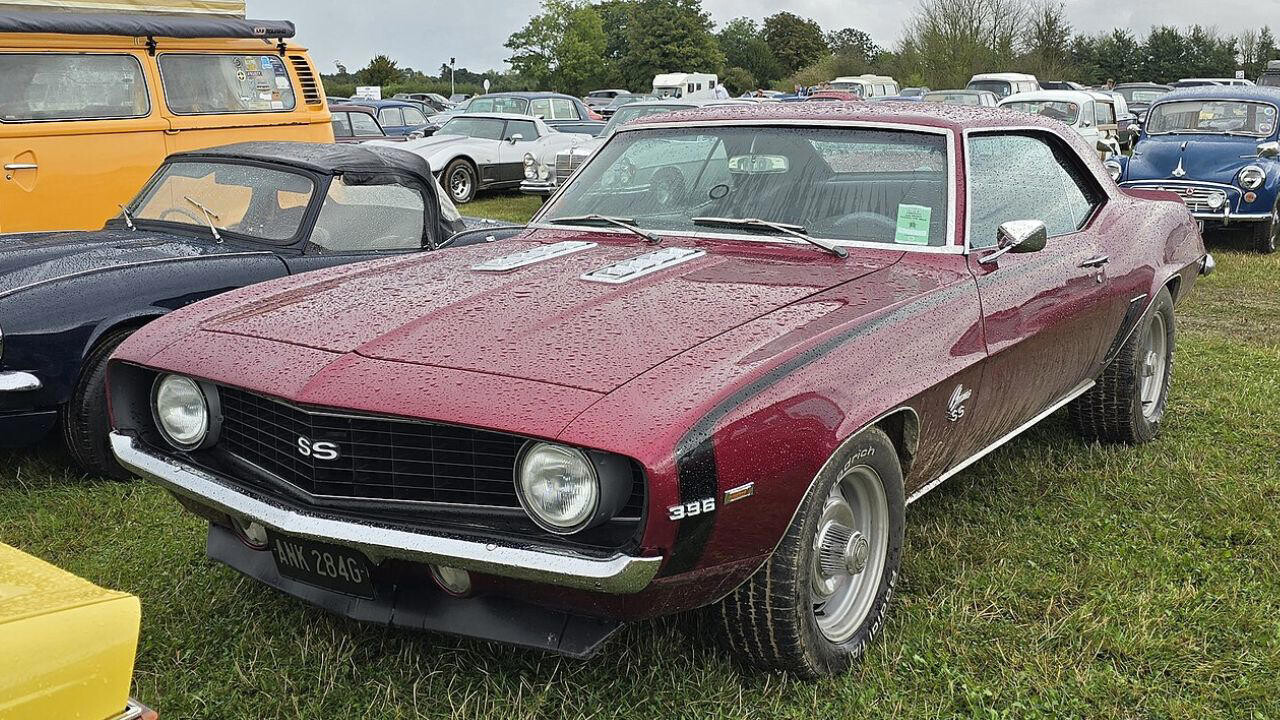
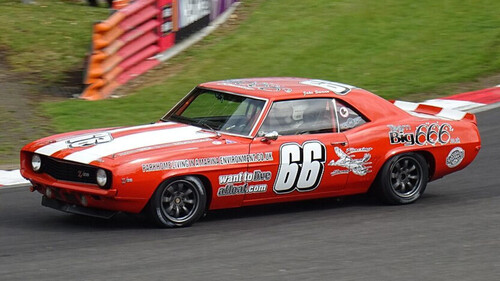
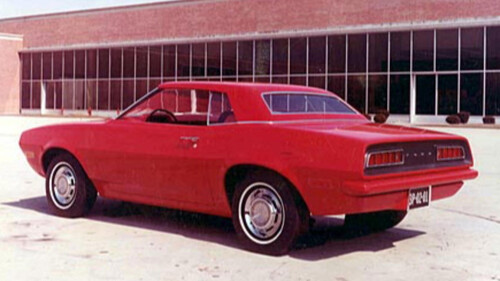
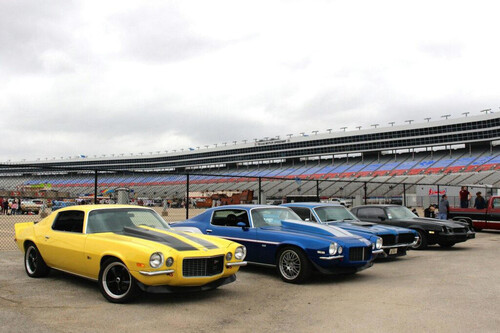
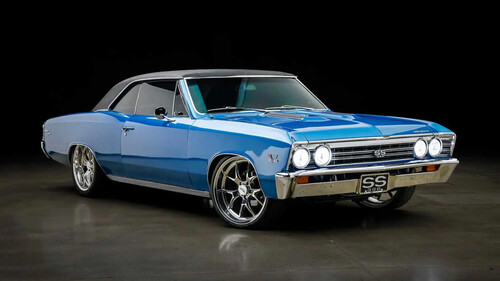
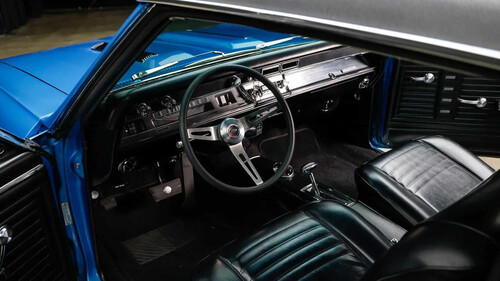
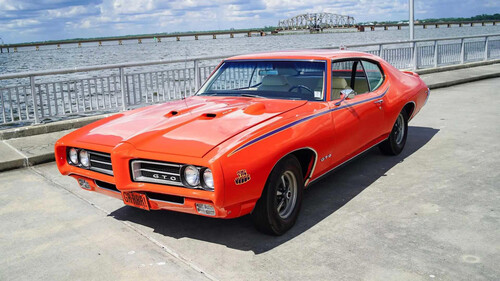
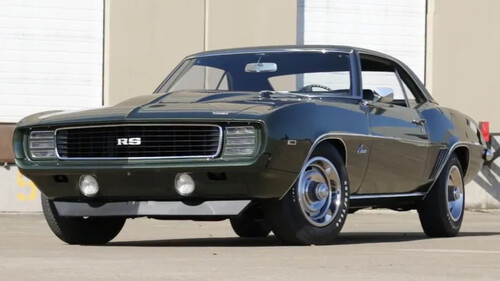
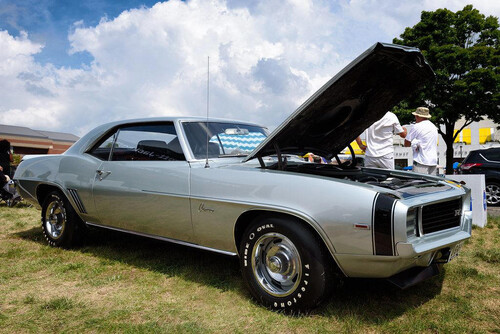
The 1969 Chevrolet Camaro SS wasn’t as simple as buyers believedThe 1969 Chevrolet Camaro SS is often celebrated as a quintessential muscle car from the golden age of American automotive design. However, beneath its iconic exterior lies a complex history of engineering, performance options, and buyer misconceptions that reveal the Camaro SS was far from simple. The Birth of the Camaro SS When Chevrolet introduced the Camaro in 1966, it was a direct response to the success of the Ford Mustang, which had taken the automotive world by storm. Designed to compete in the burgeoning pony car market, the Camaro aimed to attract younger buyers looking for affordable performance and style. The SS (Super Sport) package emerged shortly after, serving as a performance-oriented option that added muscle and flair to the Camaro lineup. Key figures in Chevrolet’s design and engineering departments played a crucial role in shaping the Camaro SS. Notable among them was Chief Engineer Ed Cole, who pushed for a design that could deliver both aesthetics and performance. The Camaro SS was characterized by its distinct styling elements, such as its aggressive stance, wide grille, and sporty stripes. These design choices not only appealed to consumers but also solidified the Camaro’s place in automotive history. Performance Options: A Closer Look The 1969 Camaro SS came equipped with a variety of engine options, allowing buyers to tailor their performance experience. The standard engine was a 350 cubic inch V8, producing 295 horsepower, which provided a spirited driving experience for many owners. However, those seeking even more power could opt for the optional 396 cubic inch V8, which cranked out an impressive 375 horsepower. This range of choices created a unique scenario where buyers could select an engine that matched their performance expectations. The choice of transmission also significantly impacted the driving dynamics of the Camaro SS. Buyers could choose between a standard three-speed manual, a four-speed manual, or a Powerglide two-speed automatic transmission. Each option offered a different driving experience, from the raw engagement of the manual to the ease of the automatic. Understanding these options was crucial for buyers who wanted to maximize their Camaro’s performance on the road. Buyer Expectations vs. Reality Many buyers walked into dealerships with a specific vision of what the Camaro SS could deliver. However, misconceptions about its capabilities often led to disappointment. Some expected blistering acceleration and top-tier handling right off the showroom floor, but the reality was more nuanced. Marketing materials painted a picture of unbridled power and performance, leaving some buyers feeling let down once they experienced the car in real-world conditions. Advertising played a significant role in shaping buyer perceptions. The promotional campaigns highlighted the Camaro SS’s performance aspects, but they often glossed over the complexity of tuning and maintenance required to achieve those advertised figures. For instance, while the SS badge signified a performance edge, not all models delivered the same level of excitement. Understanding the nuances of each model could have helped buyers make more informed decisions about their purchases. Special Features and Customization The 1969 Camaro SS was not just about raw power; it also offered a range of unique features that allowed for personalization. Buyers could opt for the Rally Sport package, which included hidden headlights and special trim, adding to the car’s appeal. Additionally, the availability of various paint colors and interior options meant that no two Camaros had to be alike. This customization aspect was especially appealing in a time when individuality in car ownership was becoming increasingly valued. Collectors today seek out rare options that add to a Camaro’s desirability, such as the special paint schemes or unique combinations of features. The ability to customize a Camaro SS made it a standout in the muscle car market and contributed to its ongoing collectibility. As a result, the complexity of ordering a Camaro went beyond simply choosing an engine; it involved a myriad of options that would affect both the car’s performance and its resale value. The SS Badge: More Than Just a Label The SS badge on the Camaro was a symbol of performance and prestige, but its meaning evolved over the years. Initially, it represented a significant upgrade in power and handling compared to base models. The Camaro SS was designed to compete with other performance vehicles, and its badge signified that it meant business. However, as Chevrolet expanded its lineup, the SS designation became associated with varying levels of performance across different models. For enthusiasts, the SS badge still holds significant weight, representing a commitment to performance that is often nostalgic for those who grew up during the muscle car era. The Camaro SS has become a benchmark for muscle cars, and its performance is often compared to other iconic models like the Ford Mustang and Dodge Challenger. Understanding the evolution of the SS badge gives insight into how Chevrolet has navigated the changing landscape of the automotive market. Market Trends and Collectibility The 1969 Camaro SS has maintained a strong presence in the classic car market, with values steadily increasing over the years. Various factors contribute to its desirability among collectors and enthusiasts today, including its iconic design, performance pedigree, and the nostalgia associated with the muscle car era. Auctions frequently feature these vehicles, and they have become sought-after collectibles, often fetching impressive sums at events like those highlighted by Hagerty. When comparing the 1969 Camaro SS to other muscle cars from the same era, such as the Ford Mustang and the Dodge Challenger, it becomes clear why the Camaro holds a special place in the hearts of collectors. Each of these vehicles has its unique characteristics and fanbase, but the Camaro SS’s blend of style and performance continues to resonate strongly. As the market evolves, the Camaro SS remains a key player in the classic car landscape, drawing interest from both seasoned collectors and new enthusiasts. Maintenance and Ownership Challenges Owning a classic 1969 Camaro SS comes with its own set of challenges. Many owners face common issues such as rust, engine wear, and outdated technology. The importance of sourcing authentic parts cannot be overstated, as using incorrect or aftermarket components can diminish the vehicle’s value and performance. It’s crucial for prospective buyers to be aware of these challenges before making a purchase. For those looking to maintain their Camaro SS, finding reliable resources for parts and service is essential. Forums such as Reddit’s muscle car community can provide valuable insights and recommendations from fellow enthusiasts. Additionally, connecting with local car clubs can be beneficial for knowledge sharing and networking with other owners who might have faced similar issues. Cultural Impact and Legacy The cultural significance of the Camaro SS extends far beyond its performance metrics. It has been featured in numerous films and television shows, often representing the quintessential American muscle car. From its role in classic movies to its presence in modern media, the Camaro SS has become emblematic of freedom and rebellious spirit. This cultural impact has helped cement its legacy as a beloved icon within American car culture. Moreover, the Camaro SS has influenced modern muscle car design and performance standards. Many contemporary vehicles draw inspiration from the classic muscle car aesthetics and performance benchmarks set by models like the 1969 Camaro SS. Enthusiasts often reflect on how these vehicles shaped their passion for cars and the community that surrounds them. Collectors and car lovers alike regard the Camaro SS as a symbol of an era that celebrated power, style, and individuality. Final Thoughts: A Complex Icon The history and performance of the 1969 Chevrolet Camaro SS reveal a rich tapestry of engineering, marketing, and buyer expectations. While it may be celebrated as a straightforward muscle car, the reality is far more intricate. Understanding its complexities can enhance appreciation for this classic vehicle and guide potential buyers in making informed decisions. As the Camaro SS continues to capture the hearts of automotive enthusiasts, its legacy endures, reminding us that beneath its iconic exterior lies a story worth exploring. More from Fast Lane OnlyUnboxing the WWII Jeep in a Crate15 rare Chevys collectors are quietly buying10 underrated V8s still worth hunting downPolice notice this before you even roll window down