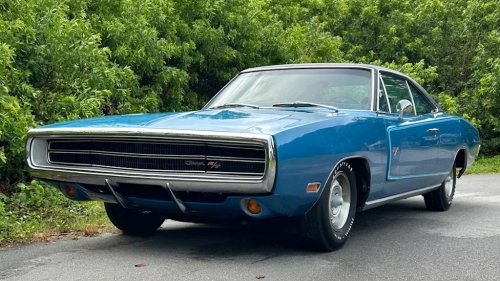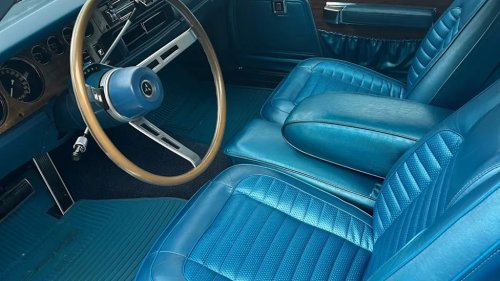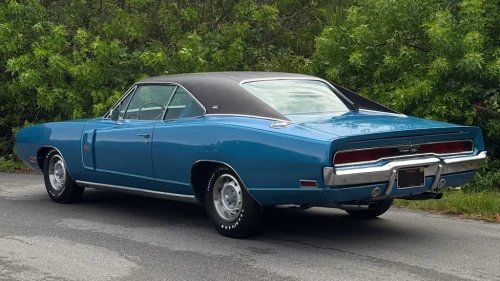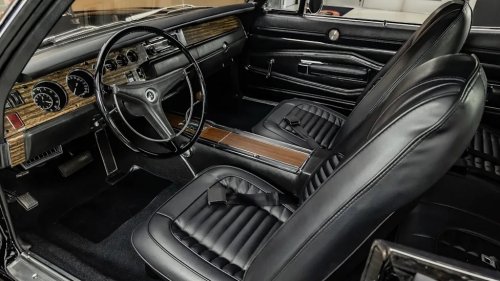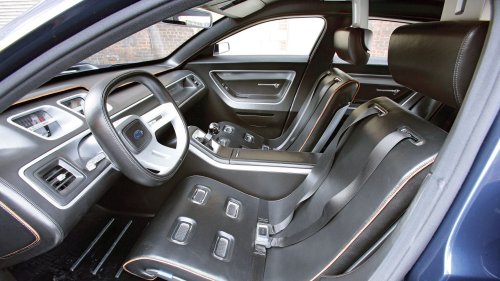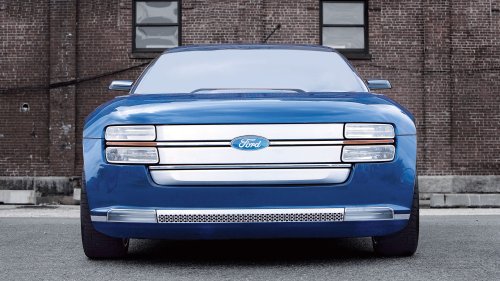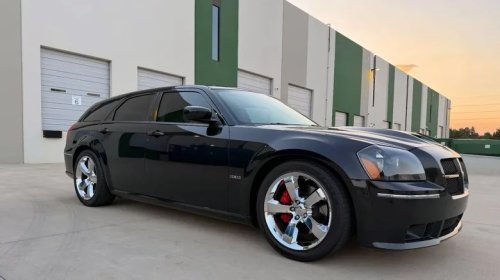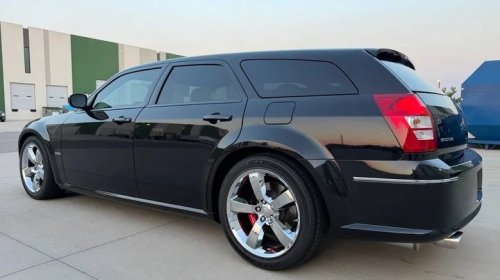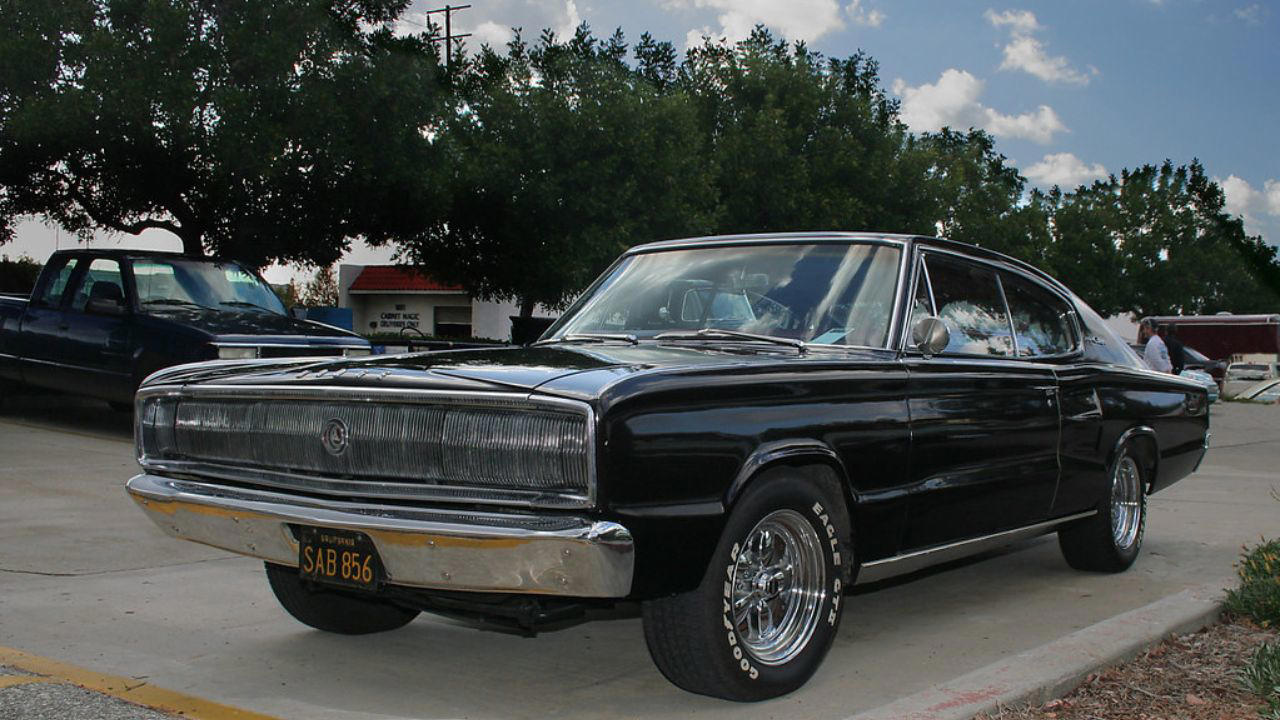



















1966 Dodge Charger vs 1966 Ford Fairlane which one still turns heads todayThe 1966 Dodge Charger and the 1966 Ford Fairlane rolled into showrooms in the same model year, but they chased attention in very different ways. One arrived as a dramatic fastback coupe, the other as a sharpened mid-size that quietly became a muscle car benchmark. Six decades later, both still draw crowds at cruise nights and auctions, yet they turn heads for different reasons. Set side by side at a modern cars-and-coffee meet, the Charger looks like a concept car that escaped the design studio, while the Fairlane projects a lean, purposeful stance. The question is not whether either one is desirable, but which of these 1966 icons has the stronger pull on contemporary eyes and cameras. The Charger’s fastback theater vs the Fairlane’s muscle car stance The first-generation Dodge Charger arrived as a sporty coupe built on Coronet underpinnings, but the styling made it look like something entirely different. The long hood, fastback roofline and full-width taillight panel gave the Charger a dramatic profile that still reads as bold and slightly futuristic. Contemporary observers often describe the 1966 car as the moment Dodge finally got its own sporty coupe, distinct from the sedans that shared its bones. That fastback design was not just for show. The Charger used a rear cabin layout with four individual bucket seats and a center console that ran front to back. The rear seats folded flat into the trunk floor, creating a long, continuous cargo area. Enthusiasts in period and today point out that this fold-flat setup, unusual for a performance car, made the Charger surprisingly practical for road trips or hauling parts, while still looking like a full-blooded muscle coupe. Owners still highlight that combination of utility and drama when they discuss the car in fastback design debates. The 1966 Ford Fairlane took a different route. Instead of a radical roofline, the Fairlane adopted clean, stacked headlamps and crisp body lines that turned the previously modest intermediate into a serious-looking performance car. Collectors describe the Fairlane as a completely fresh look for 1966, with the vertical headlights and squared-off fenders giving it an aggressive, almost formal face. In profile, it is less theatrical than the Charger, but the long hood and short rear deck signal muscle car intent. That understated aggression is exactly what some enthusiasts prefer. One writer who singled out the 1966 and 1967 Ford Fairlanes among his favorites praised the cars for their simple, honest appeal and considered the 66 and 67 models ideal for anyone who wants a car that is anything other than a commuter. His list of Ford Fairlanes put the emphasis on the way these cars look muscular without resorting to gimmicks. Engines, special codes and the numbers that matter Under the skin, both cars could be ordered with serious hardware. Period enthusiasts still argue over combinations like a 1966 Ford Fairlane 500 with a 390 cubic inch V8 versus a 1966 Dodge Charger with a 361 cubic inch engine. In one discussion that framed the choice exactly as “1966 Ford Fairlane 500 390 or 1966 Dodge Charger 361,” fans debated whether the Fairlane’s 500 trim and 390 big block, or the Charger’s 361, made for the better all-around classic. The post repeated the figures 500, 390 and as shorthand for the two cars’ characters. Ford went even further for buyers who wanted a true drag-strip weapon. The 1966 Fairlane 427 R Code packed a race-bred big block and extremely low production. One specialist, Nate from Nate’s Classic Cars, has stated that only 25 examples of the 1966 Fairlane R Code exist today, representing less than half of the original run of 57 cars. That “1 in 57” status has turned the R Code Fairlane into a legend among collectors, and the scarcity alone guarantees attention whenever one appears at an event. Not every Fairlane needs a 427 to draw a crowd. The 1966 Fairlane GT is often described as Ford’s First Thoroughbred Muscle Car, with commentators arguing that by the strictest definition of a muscle car (a mid-size body with a big V8 and performance intent) the Fairlane GT fits the template exactly. Coverage that frames the 1966 Fairlane GT as Fairlane GT Remembering Ford and First Thoroughbred Muscle Car has reinforced its reputation as a foundational model in the muscle car era. The Charger, for its part, is closely associated with big blocks of its own. Enthusiast reviews of a 1966 Dodge Charger with a 383 cubic inch Big Block V8 and the same fastback style often emphasize how the car delivers the full package of power and presence. One video review of a 1966 Dodge Charger with a 383 Big Block and Fastback Style focuses less on raw numbers and more on the feeling of driving a cool old muscle car that has never lost its charm. Both cars also evolved with different engine options over time. Some Fairlanes now offered at auction or classic car sales feature updated powertrains, such as a 351 CID Engine paired with an Automatic Transmission in a red-on-red example with Bucket Seats and console. Listings that highlight a Vehicle Highlights 351 show how owners have continued to tailor these cars to modern driving while preserving the original look. Inside the cabins: four buckets vs straight-ahead sport Step inside a 1966 Charger and the interior immediately explains why the car still stops people in their tracks. The cabin was designed around four bucket seats, separated by a console that runs the full length of the interior. A feature piece on an auction car highlighted how the Charger’s length and its 75.3-inch width provide enough room for those four buckets, divided by a front-to-back center console that makes the interior feel like a personal luxury coupe. That 75.3-inch figure has become a talking point for fans who see the Charger as a bridge between muscle car and upscale grand tourer. The fold-down rear seats add another layer of intrigue. As noted earlier in enthusiast groups, the ability to flatten the rear buckets and extend the cargo floor is not something people expect when they peer into a 1960s muscle coupe. The Charger’s combination of theater and practicality still feels unusual, which helps it stand out even in a parking lot full of classic cars. The Fairlane interior is more straightforward, but that does not mean it lacks appeal. Performance-oriented versions like the Ford Fairlane GT came with bucket seats, a floor console and sporty trim that matched the car’s exterior intent. One enthusiast summary of the 1966 Ford Fairlane GT highlighted how Ford Fairlane GT combined sporty aesthetics with strong performance, stressing that Its sleek body, chrome accents and optional V8 engines made it a favorite among drivers who wanted both style and speed. That description of Ford Fairlane GT and Its design helps explain why the cars still feel purposeful rather than plush. Other Fairlane builds lean into comfort. A red-on-red Fairlane with Bucket Seats and console, for example, trades outright flash for a cohesive, period-correct look. For some modern observers, that balance of sport and restraint is exactly what draws a second glance. Market perception and the “sleeper classic” factor On the collector market, the Charger and Fairlane occupy slightly different lanes. Analysts who track first-generation Chargers have noted that all first-gen Chargers experienced a valuation bump during the pandemic, but they have stayed flat since. Despite playing second fiddle to the later 1968 body style in pop culture, the original Charger has carved out its own niche as a distinctive fastback that appeals to buyers who want something less obvious. Commentary that opens with the phrase All first-gen Chargers and concludes that Despite the later car’s fame, the 1966 and 1967 models have held steady, underlines that point. Another analysis of an unrestored 1966 Charger compared it with rivals like the Marlin and highlighted how well Dodge differentiated the Charger from its Coronet roots. The piece argued that Likely another aspect of the Charger’s success versus the Marlin was how clearly Dodge separated the Charger from the Coronet in styling and marketing, which made the fastback feel like a standalone model instead of a variant. That view of the Charger and Marlin rivalry reinforces the idea that the Charger’s distinctiveness is a major part of its modern appeal. The Fairlane has taken a different path. Some commentators describe the 1966 Ford Fairlane as a true sleeper classic, blending stylish looks with impressive performance. One enthusiast post rated the 1966 Ford Fairlane from 0 to 10 and concluded that the car may not have the same iconic status as some better-known muscle cars, but it delivers a mix of style and power that surprises people who only know the headline models. That view of the Ford Fairlane as a sleeper helps explain why it can still feel fresh in a field of more famous nameplates. Another enthusiast write-up framed the 1966 Ford Fairlane as a classic American muscle car, packing power and style, and stressed that Classic Ford Fairlane models capture what many people think of when they picture American performance in the mid 1960s. That description of Classic Ford Fairlane character positions the car as a representative of the era rather than an outlier. Rarity also plays a role in how often each model shows up in public. The ultra-rare R Code Fairlanes are almost guaranteed to attract crowds because of their 1 in 57 status, while more common GT and 500 models rely on their stance and condition. Chargers, by contrast, are less common overall than some mainstream muscle cars, and the first-generation cars are rarer still, which can make any clean example a magnet at local events. Street presence in 2026: which one really stops traffic? When the discussion turns to which car “still turns heads today,” the answer often depends on context. On a modern highway filled with crossovers and electric SUVs, a 1966 Dodge Charger in good condition is almost guaranteed to draw stares. The fastback roof, full-width taillight and long, low body give it a concept-car aura that even people with little interest in classic cars recognize as special. Video reviews of a 1966 Dodge Charger with 383 Big Block power and Fastback Style show bystanders reacting as the car rumbles past, and the owner’s comment that having a cool old muscle car has “just never left me” captures how the Charger continues to feel like an event. A clip of a 1966 Dodge Charger with a 383 Big Block and Fastback Style underlines that effect. The Fairlane’s impact is subtler but no less real. Enthusiast groups devoted to the model describe the 1966 Ford Fairlane as a sleek and stylish mid-size car that perfectly blended classic American design with performance potential. One summary of the 1966 Ford Fairlane argued that the car’s aggressive styling, with a distinctive grille and sleek lines, coupled with robust engine options, made the 66 Fairlane a symbol of power and style that still inspires admiration and passion among classic car enthusiasts. That description of its aggressive styling and the 66 Fairlane’s place in American car culture helps explain why knowledgeable observers often give the car a second look. More from Fast Lane Only Unboxing the WWII Jeep in a Crate 15 rare Chevys collectors are quietly buying 10 underrated V8s still worth hunting down Police notice this before you even roll window down