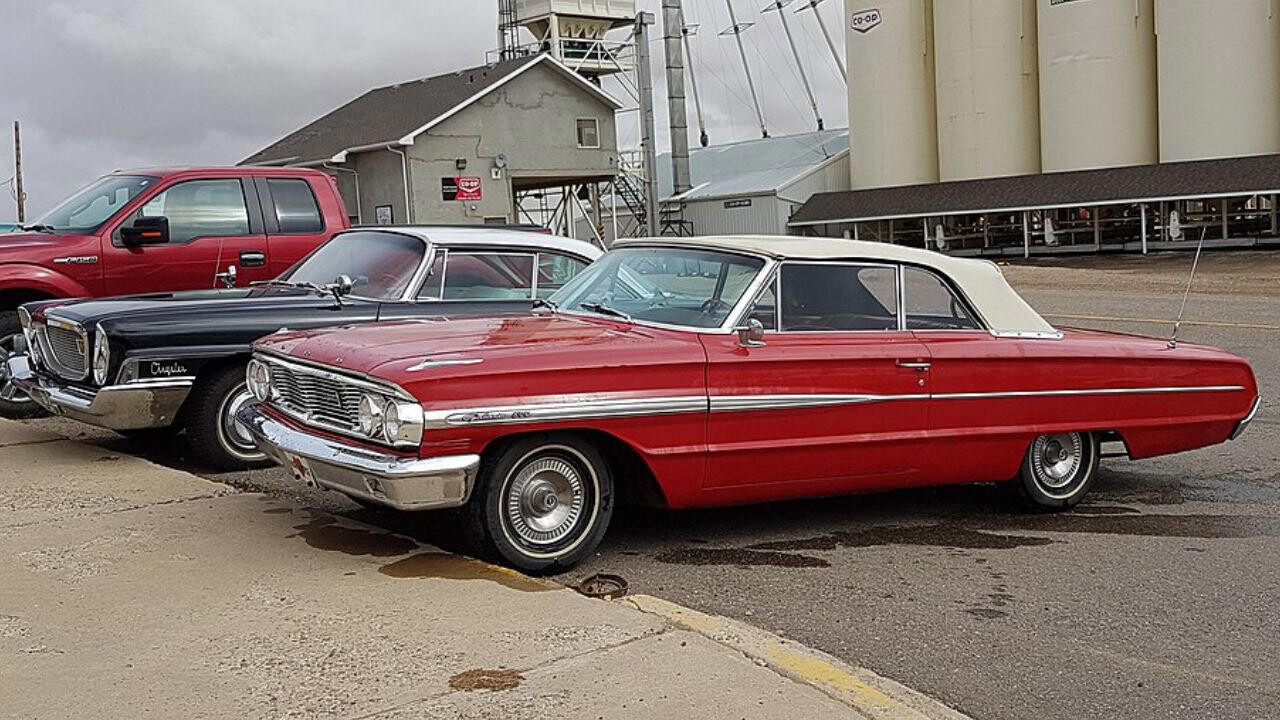
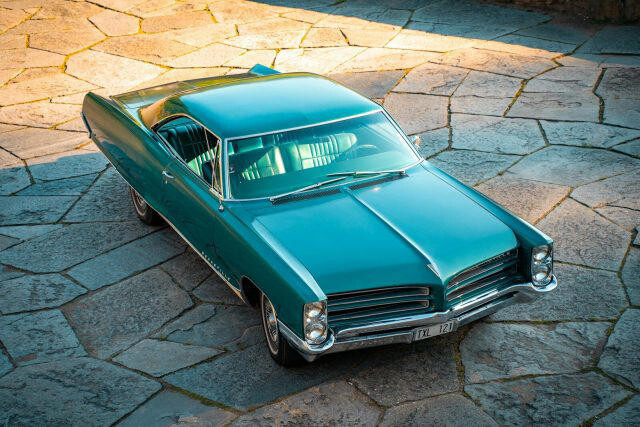
1964 Ford Galaxie 500 vs 1964 Pontiac Bonneville which one still feels right todayFor enthusiasts who still crave a full-size American cruiser that feels relevant on modern roads, the 1964 Ford Galaxie 500 and the 1964 Pontiac Bonneville sit near the top of the wish list. Each offers a different answer to the same mid-sixties question: how to mix size, style, and V8 power into something that works as both family transport and weekend escape machine. Six decades later, the contrast between Ford’s big sedan with NASCAR swagger and Pontiac’s luxury performance flagship helps clarify which one still feels “right” in traffic packed with crossovers and compact SUVs. Two big cars, two very different missions The 1964 Ford Galaxie 500 was engineered with a clear performance edge in mind. Period and modern enthusiasts alike point to The Galaxie as the full-size Ford that carried a visible NASCAR pedigree, with the 500 badge attached to models that could be ordered with serious power. That competition connection still shapes how drivers experience the car today. The long hood, relatively clean sides, and purposeful stance give the Galaxie 500 a restrained look that suits contemporary tastes better than some of the more ornate early sixties designs. The 1964 Pontiac Bonneville, by contrast, was marketed as a full-size luxury performance car. Later community discussions describe the Pontiac Bonneville as a classic American luxury cruiser, with a Distinctive Grille and upscale detailing that made it one of the most glamorous big cars of its era. Pontiac’s Wide Track philosophy, highlighted again in comparisons where the 1964 Pontiac Bonneville is said to combine luxury and performance with bold Wide Track styling, gave the car a planted, confident look that still reads as premium rather than old fashioned. Both cars were built to cover distance in comfort, yet they embody different priorities. The Galaxie 500 leans into speed and simplicity. The Bonneville leans into theater, with more emphasis on visual drama and plush surroundings. That split still shapes which one appeals more strongly to drivers who want a classic that fits modern expectations of refinement and usability. Styling: clean muscle versus luxury drama Seen through a modern lens, the 1964 Ford Galaxie 500 looks almost minimalist. In enthusiast videos that revisit the car, hosts describe the 1964 Ford Galaxie 500 as the full-size Ford that dominated its era, with channels such as Retroville and its Vault persona presenting the car as a bridge between family sedan and serious performance machine. The lines are long and straight, the trim is relatively restrained, and the overall effect is muscular without being overwrought. That restraint helps the Galaxie 500 feel surprisingly current. The fastback roofline used on some versions, celebrated in posts about the 1964 Ford Galaxie 500 Fastback R-Code 4-Speed that call it a classic American muscle car, anticipates the swept profiles of later performance coupes. Even the sedans avoid the heavy chrome flourishes that date many early sixties cars. For drivers who prefer a big car that does not shout, the Galaxie’s shape ages gracefully. The Pontiac Bonneville takes the opposite approach. Enthusiasts still single out its Distinctive Grille and long, sculpted sides as hallmarks of Pontiac’s ambition to build a luxury performance flagship. In some community writeups, the 1964 Pontiac Bonneville is described as combining luxury and performance with bold Wide Track styling and a more upscale, comfort oriented take on the big American cruiser. The effect is intentionally dramatic, with prominent brightwork, a wide stance, and a sense of presence that turns the car into a rolling statement piece. That drama is part of the Bonneville’s appeal, but it can also make the car feel more like a period piece than the Galaxie 500. On a modern street crowded with clean lined crossovers, the Pontiac’s ornate details read as classic luxury rather than contemporary design. For some buyers that is exactly the point. For others, the Ford’s cleaner profile feels easier to integrate into daily use. Inside the cabins: Luxury and Comfort versus honest simplicity Step inside each car and the philosophical split becomes even clearer. Community comparisons that weigh Ford full-size models against Pontiac rivals consistently frame the debate as performance versus Luxury and Comfort. The Galaxie 500 interior tends to be straightforward, with wide bench seats or simple buckets, a large steering wheel, and functional gauges. In owner focused stories like those featuring Bud Wilkinson and his 1964 Ford Gala, the emphasis falls on how the cabin supports driving rather than pampering, with durable materials and clear controls that still feel intuitive. The Pontiac Bonneville cabin leans hard into the other side of that equation. Descriptions of a restored 1964 Pontiac Bonneville Convertible highlight how the car represents the epitome of Pontiac’s luxury and style offerings in the sixties, with attention to detail that caters to comfort. Another enthusiast post about a 1964 Bonneville finished in Blue interior trim emphasizes an array of premium features that underline the Bonneville’s high end status. Even in driver focused videos, hosts comment on how the Pontiac Bonavville convertible surrounds the driver with a sense of occasion that goes beyond simple transportation. That focus on Luxury and Comfort still resonates with modern drivers who expect a full-size car to feel special. Features such as power accessories, ornate dash designs, and thickly padded seats align more closely with what buyers now associate with a premium experience. The trade off is that some of those period luxury touches can feel fragile or fussy in regular use, especially compared with the Galaxie 500’s simpler hardware. From a usability standpoint, the Ford’s straightforward layout can be easier to live with. Switches are basic, visibility is good, and the sense of space is generous without being overwhelming. The Pontiac’s wider stance and more elaborate interior trim create a richer environment, but they also reinforce the feeling that the car is a special occasion machine rather than an everyday tool. On the road: NASCAR edge or smooth cruiser Performance is where the 1964 Ford Galaxie 500 most clearly asserts its identity. Enthusiast discussions that compare full-size Fords and Pontiacs often repeat the view that the Galaxie 500 would generally have the edge in performance, especially with its NASCAR pedigree. That racing background is not simply marketing language. It shows up in the way the car feels on the move, with a chassis that encourages higher speed cruising and engines that respond eagerly when asked to work. Test drive videos of the 1964 Ford Galaxie 500 XL convertible, including one where the car is described as a very original example with only one reported repaint, underline how composed the Ford feels at modern speeds. The steering is light but predictable, the ride is firm enough to control body motion, and the car tracks steadily on the highway. In another feature where a 1964 Ford Galaxie 500 XL is described as a treasure in a world filled with shiny classic cars, the presenter Bud Wilkinson emphasizes how the car stands out not just for looks but for the way it drives. The Pontiac Bonneville offers a different kind of satisfaction. Test drives of the 1964 Pontiac Bonavville, where presenters remark that it is the first one they have driven and describe it as very pretty, focus more on the car’s smoothness and relaxed character. In another video hosted by Kendy with Classic Prominade, the 1964 Pontiac Bonavville convertible is presented as a timeless blend of style and comfort, with power that arrives in a more laid back fashion. That difference reflects Pontiac’s positioning of the Bonneville as a luxury performance car rather than an outright muscle machine. Enthusiast commentary that contrasts the 1964 Pontiac Bonneville with other big American cruisers describes it as combining luxury and performance with a more comfort oriented take on the segment. Acceleration is strong enough to feel satisfying, yet the suspension tuning and interior isolation prioritize a serene ride over razor sharp responses. For modern drivers used to quiet, composed sedans and crossovers, the Bonneville’s smoothness can feel more familiar. The Galaxie 500, particularly in higher performance trims, feels more raw. That rawness is part of its charm for enthusiasts who want a tangible connection to the car’s NASCAR heritage. It can also make the Ford more tiring in traffic or on rough pavement, where the Pontiac’s softer approach pays dividends. Restoration, ownership, and how they fit modern life How each car fits into a present day garage depends not only on styling and performance but also on how they behave as long term projects. The 1964 Ford Galaxie 500 benefits from a large parts ecosystem and straightforward engineering. Enthusiast channels that revisit the model, such as those from Retro Vault, treat it as a platform where horsepower never dies, with plenty of support for engine upgrades and chassis improvements. Owners can build a Galaxie 500 into a reliable driver without straying far from its original character. The Pontiac Bonneville demands a bit more commitment but rewards it with a higher sense of occasion. A feature on a frame off restoration of a 1964 Pontiac Bonneville describes how the car, once rebuilt, presents as a near perfect example of Pontiac’s luxury intent. That restoration, discovered through links that reference Discovered, Pontiac, and Bonneville, highlights the level of detail required to bring a big Pontiac back to its best. Trim pieces, interior fabrics, and specific luxury options can be harder to source and more expensive to refurbish than comparable Ford components. At the same time, the Bonneville’s position at the top of Pontiac’s range means that a well restored example can feel far more special than a base level full-size car. Community posts describe the 1964 Pontiac Bonneville Convertible as the epitome of Pontiac’s luxury and style offerings, with Steve credited for putting one such car together with the attention to detail he is known for in the Pontiac hobby. That level of craftsmanship transforms the Bonneville into a rolling showcase of sixties American luxury. From a practical standpoint, both cars are large by modern standards. The Galaxie 500’s relatively clean lines and good sightlines make parking and low speed maneuvering more manageable. The Pontiac’s Wide Track stance and longer overhangs demand more awareness in tight spaces. Fuel economy for either car will not match modern expectations, but drivers who accept that trade off often find that the relaxed nature of both cars suits weekend cruising more than daily commuting. Insurance, registration, and club support are robust for both models, with active communities that share parts sources and technical advice. Owners of the Galaxie 500 can lean on the broader Ford network, while Bonneville owners often tap into Pontiac specific groups that celebrate the brand’s performance and luxury history. In both cases, the social aspect of ownership helps keep these cars relevant, as stories and tips circulate through meetups and online discussions. Which one still feels right today Choosing between the 1964 Ford Galaxie 500 and the 1964 Pontiac Bonneville in the present day comes down to what kind of experience a driver wants from a classic full-size car. The Galaxie 500, backed by its NASCAR pedigree and reputation for strong performance, appeals to those who value a cleaner design and a more direct connection to the road. The Bonneville, with its Distinctive Grille, Wide Track stance, and focus on Luxury and Comfort, suits drivers who want every trip to feel like a special occasion. Test drive impressions support that split. Videos that feature the 1964 Ford Galaxie 500 XL convertible, such as the one where a very original car is taken out for a drive, emphasize how natural the Ford feels at speed and how its straightforward controls make it easy to enjoy. Presenters in those clips talk about the car as something that can still function as a genuine cruiser on modern highways. In contrast, drivers sampling the 1964 Pontiac Bonavville often remark first on the car’s beauty and smoothness, treating the drive as an event. In a modern context where drivers are surrounded by quiet, efficient, but often anonymous vehicles, the Galaxie 500’s understated strength can feel surprisingly contemporary. Its design does not fight against current tastes, and its performance oriented heritage gives it a clear identity that aligns with ongoing enthusiasm for muscle cars and motorsport history. The Bonneville’s appeal is more theatrical. It stands out as a statement of American luxury from a specific moment in time, and that specificity is exactly what some collectors want. For a driver who wants to integrate a classic into regular use, perhaps for weekend errands and occasional commutes, the Ford Galaxie 500 may be the easier fit. Its balance of size, performance, and relatively simple trim makes it less intimidating to maintain and to park. For someone who wants a car that turns every outing into a celebration of sixties style, the Pontiac Bonneville delivers a richer sensory experience, from its Blue interior finishes in some examples to the way its V8 wafts the car along. Ultimately, both cars still feel right in their own ways. The Galaxie 500 channels the enduring appeal of American performance, distilled into a full-size package that does not shout. The Bonneville channels the equally enduring appeal of American luxury, with Wide Track presence and Distinctive Grille design that still draw a crowd. The choice between them is less about which is objectively better and more about which vision of sixties motoring a modern driver wants to bring back to life. That is why debates continue across enthusiast groups and social feeds, from comparisons of the Galaxie 500 with other icons like the Chevrolet Impala SS to detailed breakdowns of how Pontiac positioned the Bonneville at the top of its range. Each car carries a different piece of American automotive history. On today’s roads, the Ford Galaxie 500 feels like the full-size muscle car that can still pull daily duty, while the 1964 Pontiac Bonneville remains the grand cruiser for those who want their classic to feel like a rolling lounge. Both still make sense; they simply answer different versions of what “right” means in a modern garage. More from Fast Lane Only Unboxing the WWII Jeep in a Crate 15 rare Chevys collectors are quietly buying 10 underrated V8s still worth hunting down Police notice this before you even roll window down