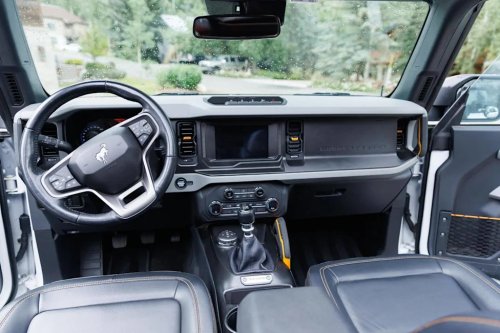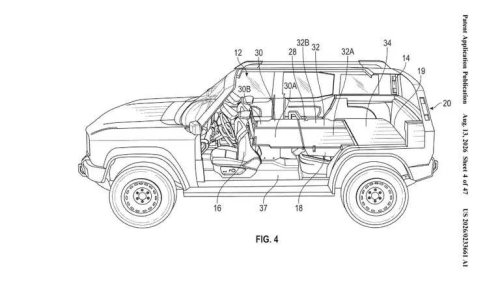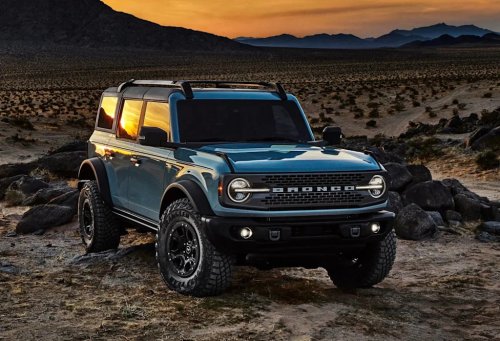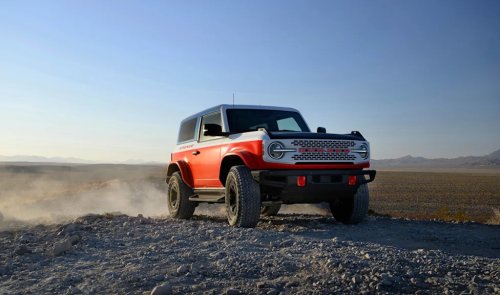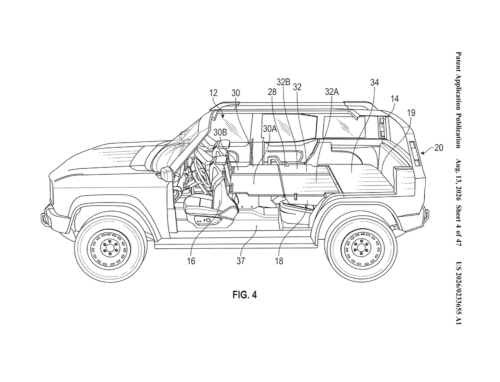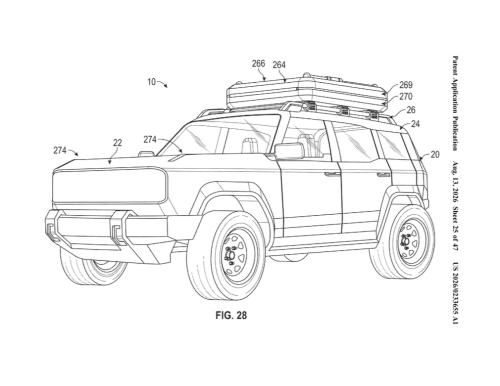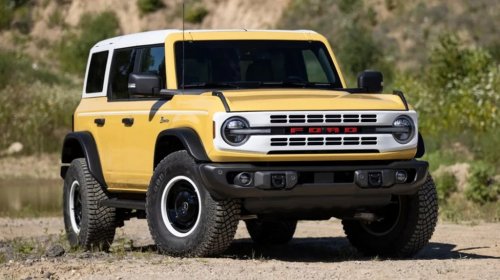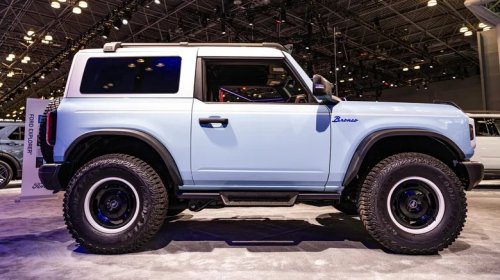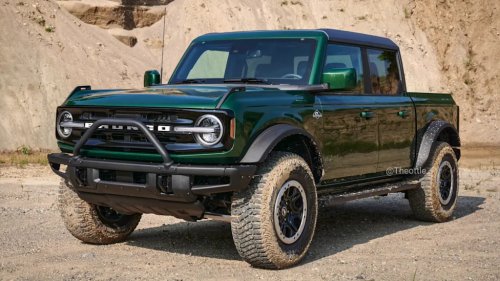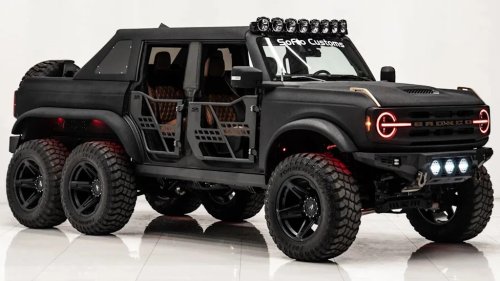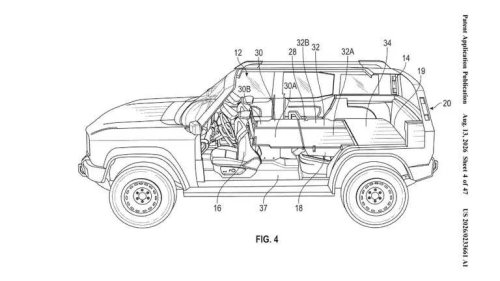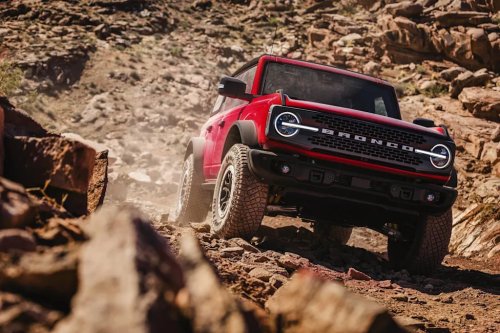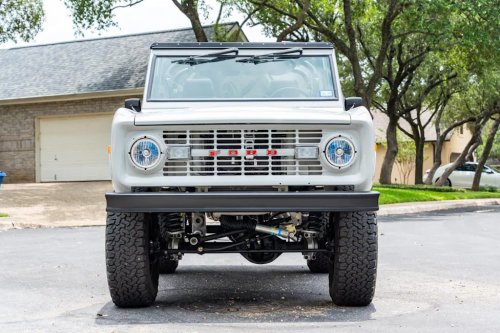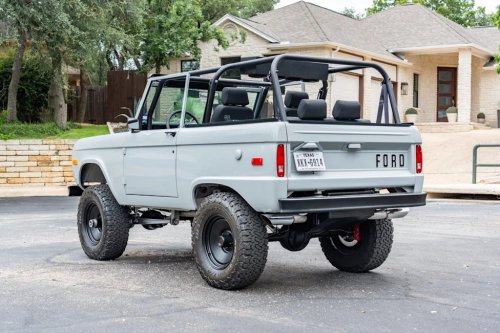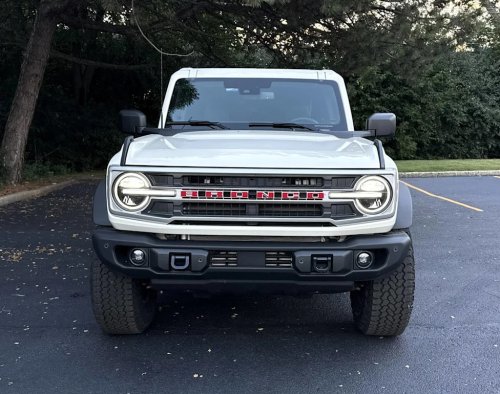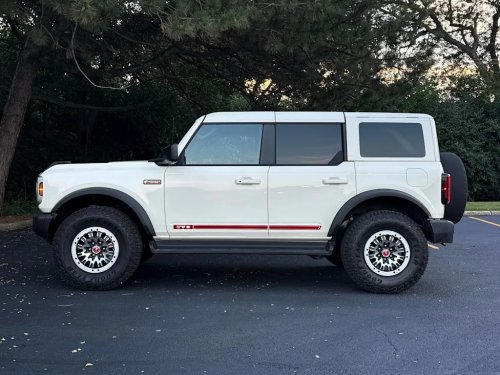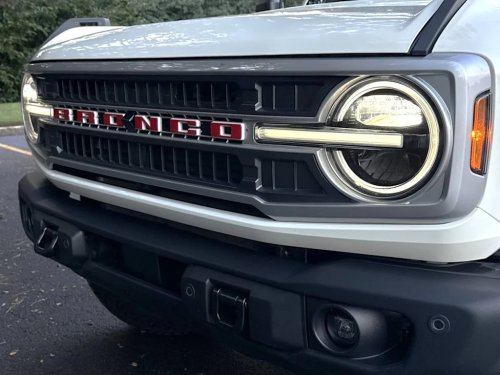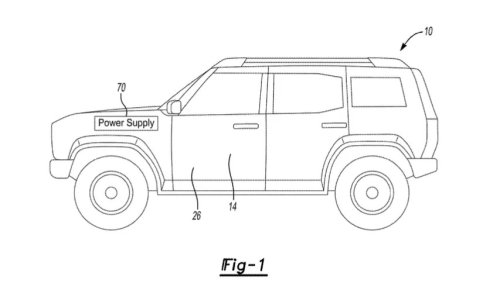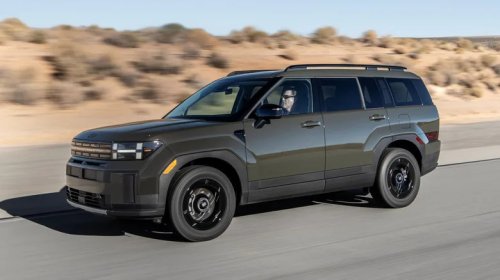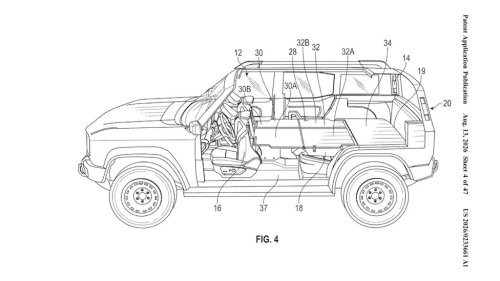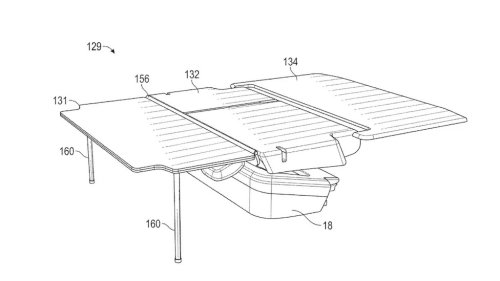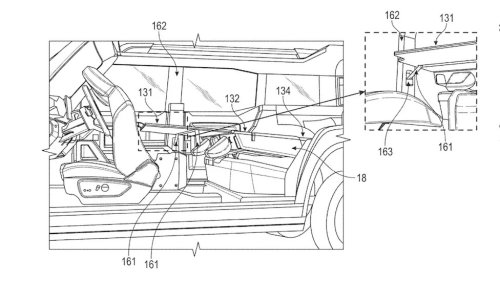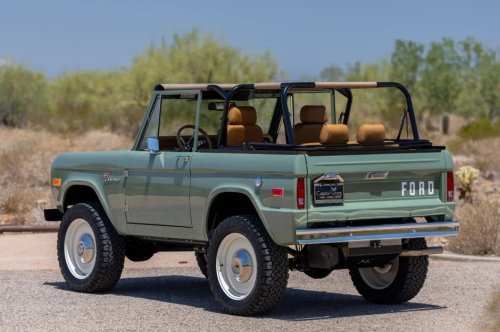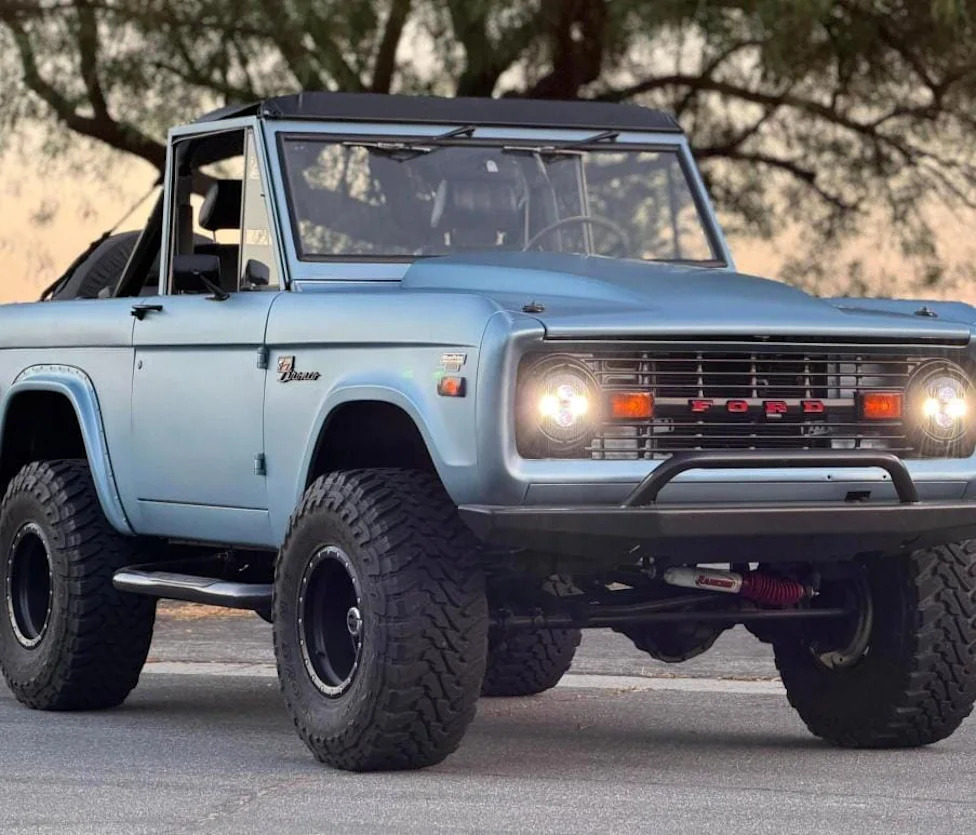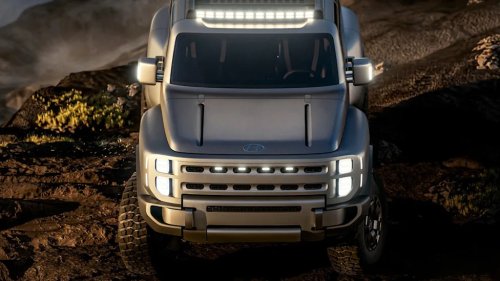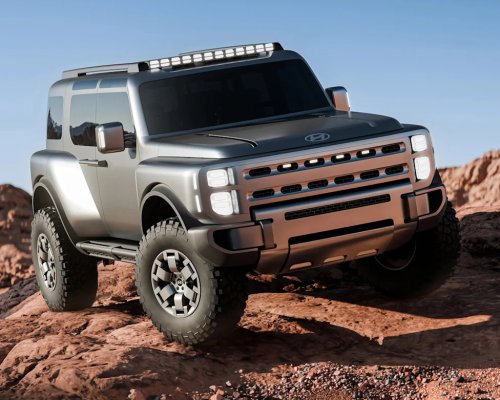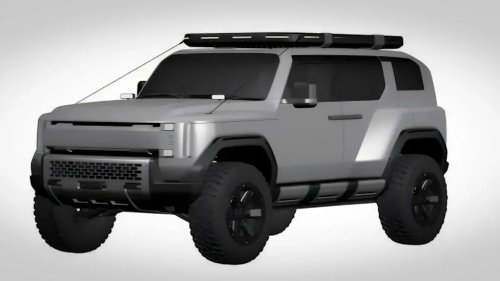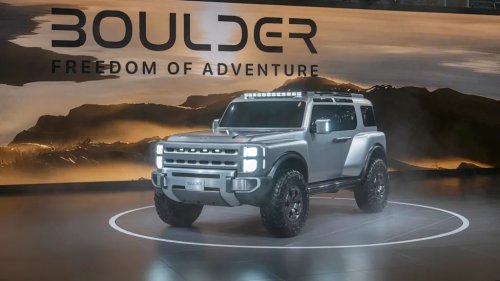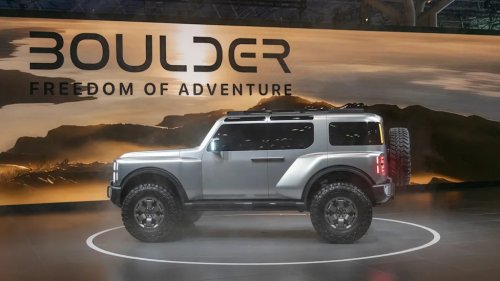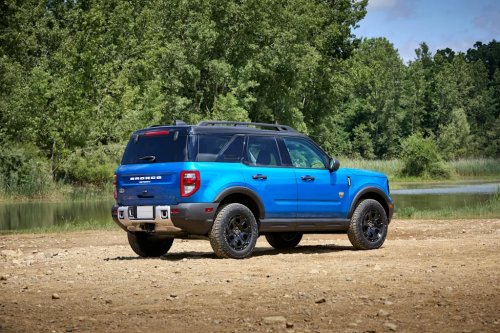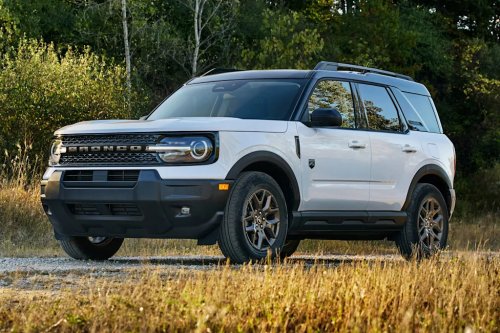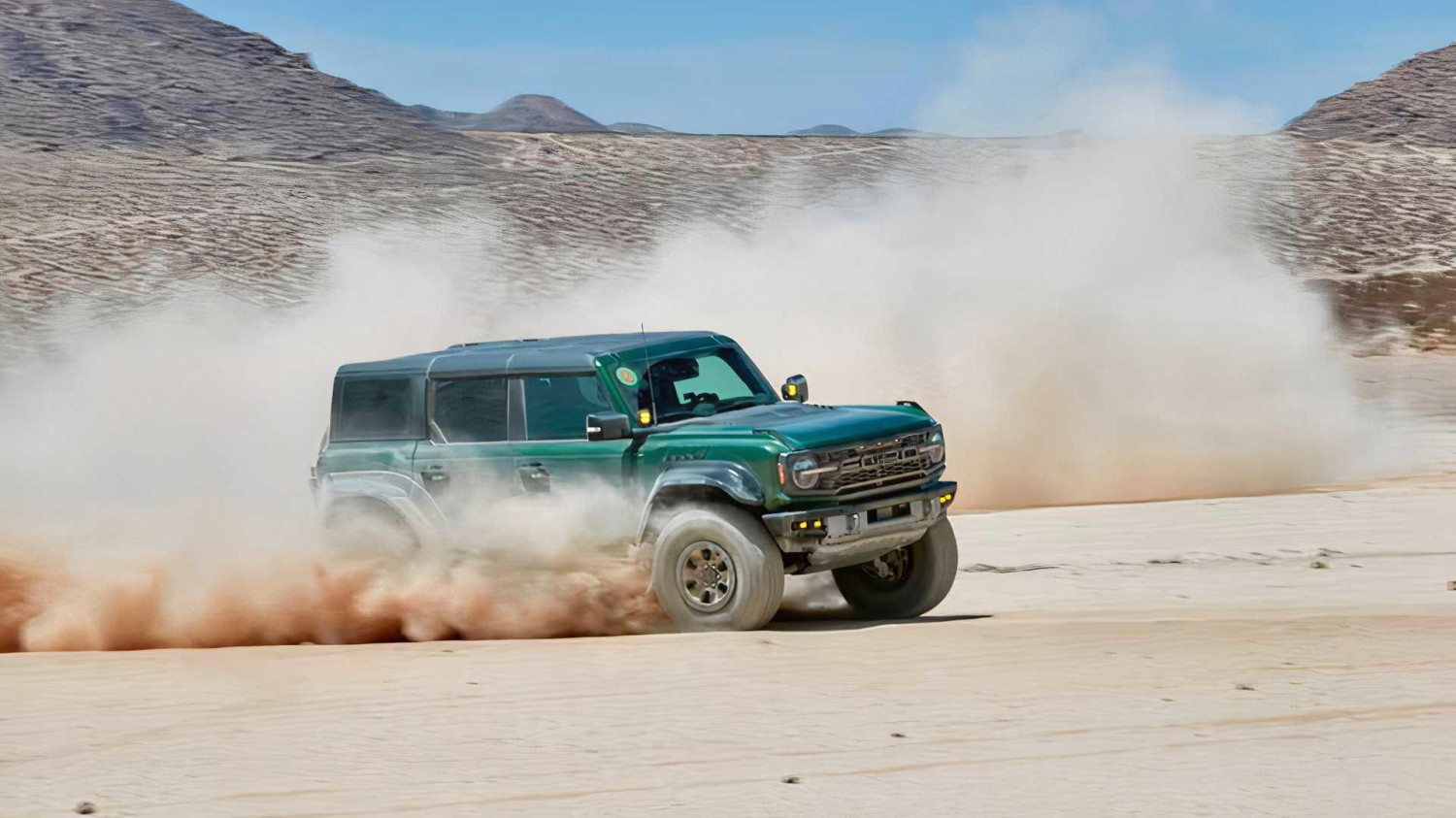
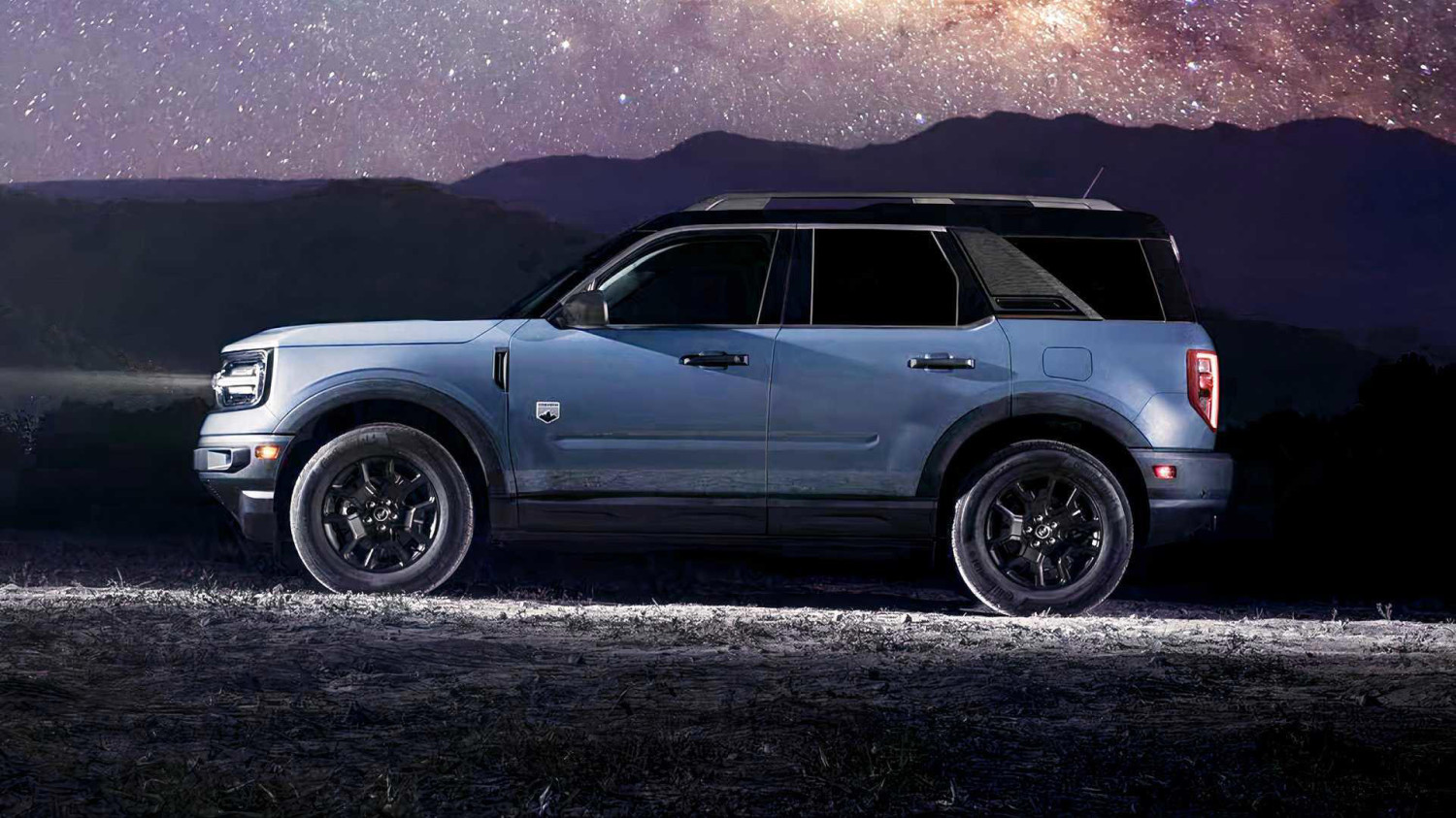
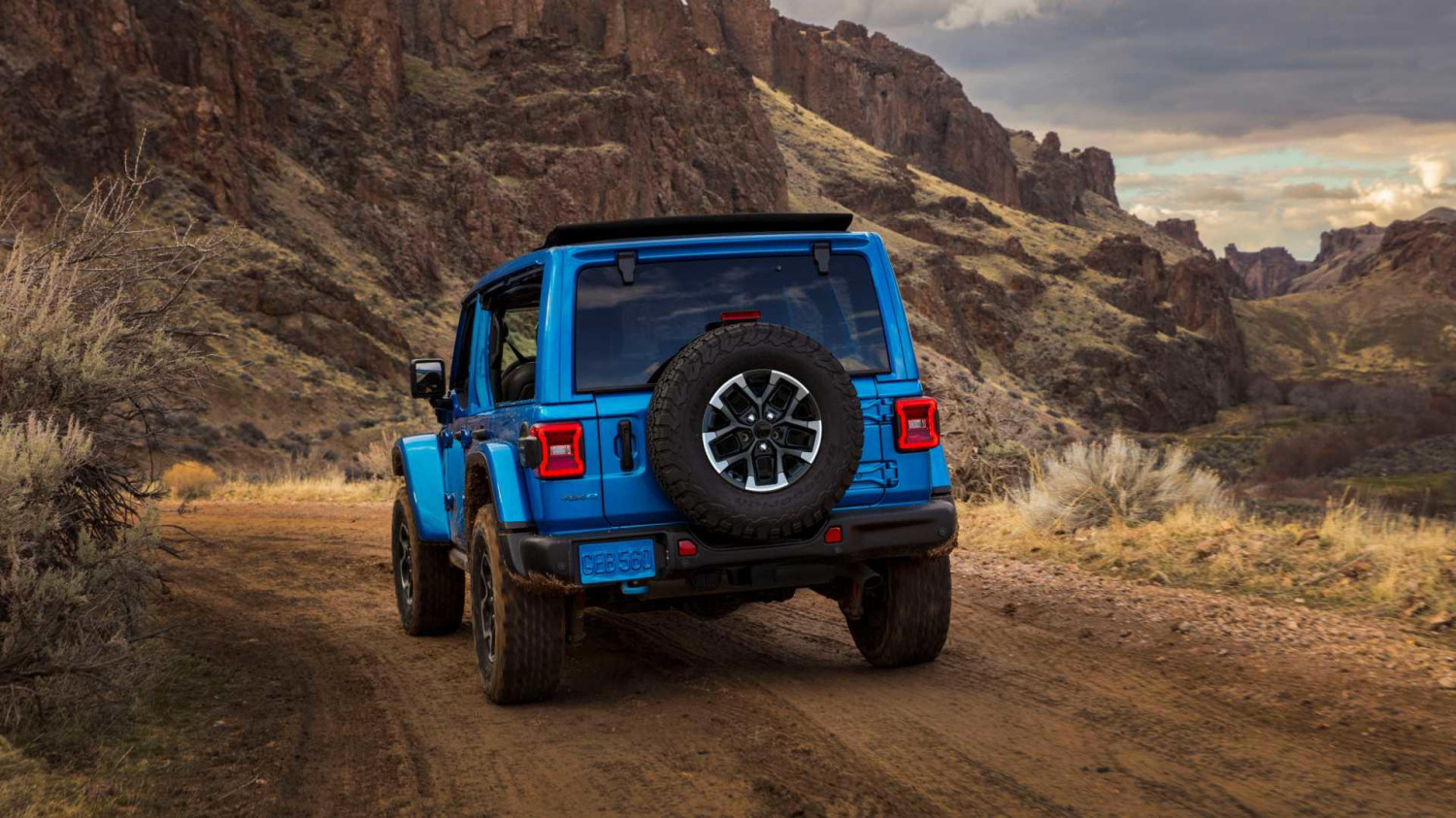



















Ford has a smaller Bronco Hybrid in active development, according to a report published today by The Autopian. If accurate, the vehicle would slot below both the full-size Bronco and the Bronco Sport, creating a three-tier Bronco family for the first time—and bringing a hybrid powertrain into Ford's off-road lineup at an entry price point.The report is light on confirmed specs, but the existence of the program alone is significant. Ford has spent years building the Bronco nameplate back into a genuine off-road brand, and a hybrid variant at the compact end of the range would signal that the company sees electrified drivetrains as compatible with — not opposed to — trail-capable vehicles. What The Report Actually Says—And What It Doesn't FordThe Autopian's report confirms that a smaller Bronco Hybrid is in development at Ford, but stops short of providing platform details, powertrain specs, or a production timeline. At this stage, the vehicle appears to be in an early development phase, and Ford has not made any official announcement.That restraint in the reporting is worth noting. The Autopian has a strong track record on Ford product intelligence, so the existence of the program is credible—but buyers and enthusiasts should treat any specific claims about architecture, output figures, or on-sale dates as unconfirmed until Ford speaks. Where A Smaller Bronco Hybrid Would Fit In The Lineup FordThe current Bronco family runs two tiers: the full-size Bronco on a body-on-frame platform with serious trail credentials, and the Bronco Sport on a unibody car-based platform aimed at softer adventure use. A third, smaller hybrid model would sit below both—likely targeting buyers who want Bronco branding and some off-road capability without the size or fuel cost of the larger truck.For off-road enthusiasts, the interesting question is platform. A hybrid powertrain at this size class could deliver meaningful low-end torque for crawling — electric motors produce peak torque from zero rpm, which is genuinely useful on technical terrain. The trade-off is battery weight and packaging, both of which affect approach angles and ground clearance. Until Ford or The Autopian reveals more, those specifics remain open. Why Hybrid Off-Roaders Are A Real Trend, Not A Contradiction StellantisFord isn't alone in exploring hybrid powertrains for off-road vehicles. Jeep has pushed its 4xe plug-in hybrid Wrangler as a legitimate trail tool, pointing to the instant-torque advantage of electric motors in low-speed crawling situations. The argument isn't purely about fuel economy—it's that electric drive characteristics can complement off-road use in ways a traditional combustion engine can't replicate.The counterargument is weight and complexity. Hybrid systems add mass, and mass is the enemy of approach angles, departure angles, and articulation. How Ford balances those trade-offs in a smaller, lighter platform will determine whether this vehicle appeals to genuine off-roaders or primarily to commuters who want trail aesthetics.More details are expected as Ford moves the program closer to production. For now, the Autopian report is the only confirmed signal that a smaller Bronco hybrid exists—and that alone is enough to put it on the radar of anyone tracking where the off-road segment is heading.