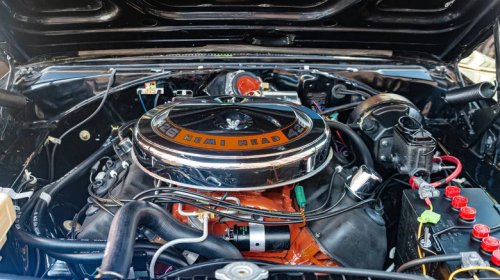
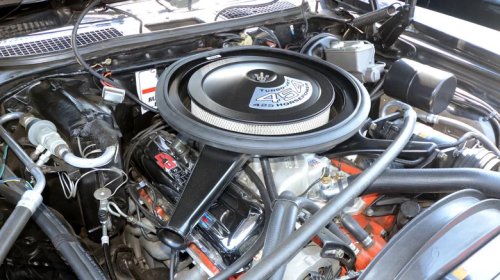
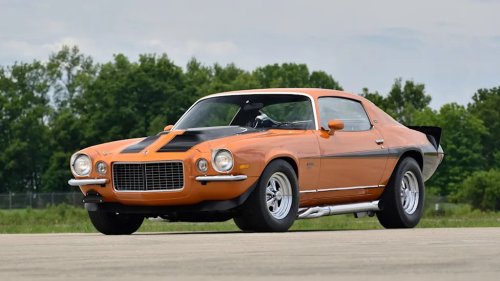
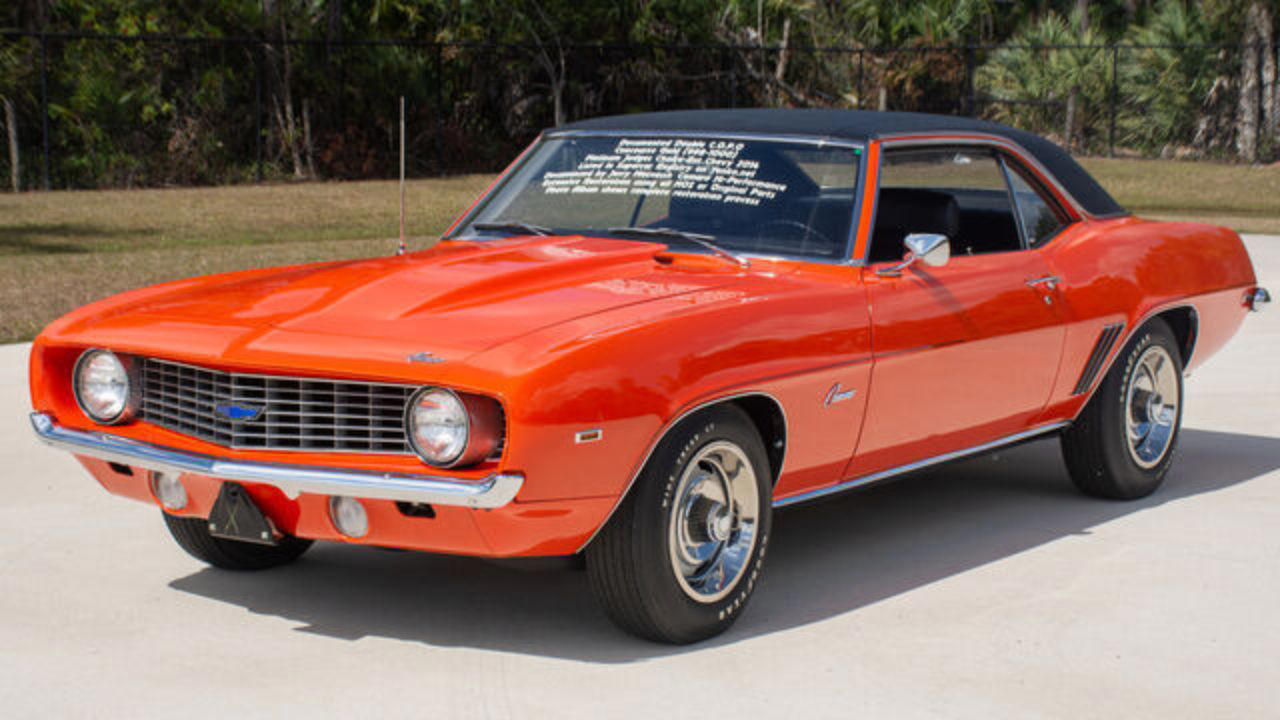
1969 COPO Camaro from Chevy delivered factory race-ready powerThe 1969 Central Office Production Order, or COPO, Camaro turned the idea of a street car on its head. Chevrolet quietly built a limited run of Camaros with big-block race engines, heavy-duty driveline parts, and minimal frills, giving drag racers a near turnkey weapon straight from the showroom. That mix of stealth, factory engineering, and raw performance still defines how enthusiasts think about factory race cars more than half a century later. What happened In the late 1960s, Chevrolet faced a corporate limit that capped factory muscle at 400 cubic inches in intermediate and smaller cars. On paper, that meant no 427 cubic inch engines in a regular production Camaro. In practice, dealers and racers found a way around the rule by using Chevrolet’s internal Central Office Production Order system, a process normally reserved for fleet paint or taxi-spec options, to specify parts that were not on the public order sheet. The most famous result was the 1969 COPO Camaro built with the L72 427 cubic inch big-block V8. These cars left the factory with an engine rated at 425 horsepower, a figure that many racers considered conservative once tuning and open exhaust were added. A recent survivor, an original Hugger Orange example with its L72 still in place, surfaced in enthusiast circles and highlighted how purposeful these cars were from day one, with heavy-duty suspension, 12-bolt rear axle, and minimal comfort options baked into the build from Chevrolet through the COPO system, as described in a feature on a 1969 COPO Camaro. Chevrolet built several distinct COPO packages for the 1969 model year. The best known was COPO 9561, which specified the L72 427, heavy-duty cooling, and appropriate drivetrain components. Another, COPO 9560, went even further by installing the all-aluminum ZL1 427, intended primarily for drag racing and homologation. Both were designed around quarter-mile performance first and everyday drivability second. Interiors were generally basic, often with bench seats or standard buckets, and many cars skipped creature comforts like radios or power accessories to save weight and cost. The COPO program did not appear in consumer brochures, and buyers could not simply walk into any dealership and tick a box on a standard order form. Instead, a small network of performance-oriented dealers, including names that later became legends in the muscle car world, used their knowledge of Chevrolet’s internal ordering codes to spec cars that corporate policy technically did not advertise. The result was a run of Camaros that arrived at dealerships essentially pre-configured for drag racing classes that demanded stock bodywork and factory-installed engines. Yet these cars were not race-only shells. Each COPO Camaro carried a regular production VIN and could be titled and driven on public roads. That dual identity made them attractive to enthusiasts who wanted a car that could be driven to the strip, raced in Super Stock or similar categories, and then driven home. The combination of a production-line build and a competition-grade powertrain gave the 1969 COPO Camaro a unique place between regular muscle cars and purpose-built drag machines. The engineering focus extended beyond the big-blocks. Factory suspension tuning, axle ratios, and tire choices reflected drag racing priorities. Many cars were ordered with 4.10 or steeper rear gears, heavy-duty leaf springs, and front-end setups that helped weight transfer under hard acceleration. While the basic Camaro chassis carried over from other models, the way Chevrolet configured these components through the COPO codes gave buyers a package that was far closer to a prepared race car than a typical showroom coupe. Why it matters The 1969 COPO Camaro matters because it showed how a major manufacturer could quietly deliver race-ready performance within the constraints of corporate policy and showroom legality. Rather than leaving racers to cobble together engine swaps on their own, Chevrolet used the COPO system to install the right parts at the factory, where engineering validation and assembly quality were far more consistent. That approach foreshadowed later eras in which manufacturers would openly sell drag strip specials and track-focused models directly to enthusiasts. From a performance standpoint, the L72 and ZL1 COPO Camaros set a benchmark for what a factory-built small coupe could do in the quarter mile. With appropriate tuning and traction, these cars were capable of elapsed times that rivaled or beat many purpose-built drag machines of the day. The fact that they did so with stock sheet metal, stock-style interiors, and factory-assembled drivetrains gave them an edge in classes that required strict adherence to production specifications. Racers could start with a car that already met class rules instead of spending time and money converting a standard model. The COPO concept also shaped how sanctioning bodies and competitors thought about “stock” racing. When Chevrolet delivered cars that were technically production models but clearly optimized for drag racing, it blurred the line between factory stock and factory-built race car. That tension still influences how organizations structure classes such as Factory Stock Showdown, where modern cars compete under rules that try to balance authenticity, safety, and performance parity. Modern drag racing programs continue to treat the COPO Camaro as a template. Preparations for today’s Factory Stock Showdown entries, for example, follow a similar philosophy. Builders start with a car that already carries a competition-intended powertrain and then refine it within the rulebook. Technical guides on prepping a modern COPO Camaro for Factory Stock Showdown racing describe how tuners adjust suspension geometry, optimize driveline angles, and manage engine calibration while still working within the constraints of a factory-based platform, as seen in coverage of COPO tech for contemporary cars. The legacy of 1969 also appears directly in Chevrolet’s decision to revive the COPO name for limited-run drag cars. When Chevrolet introduced a modern COPO Camaro program, it explicitly targeted sportsman drag racers who wanted a factory-built, track-only machine. One example is the limited edition 2017 COPO Camaro, which was offered with engines such as a supercharged 350 cubic inch V8 and a naturally aspirated 427 cubic inch V8, along with a racing-calibrated three-speed automatic transmission and safety equipment like a roll cage and racing harnesses. The car was sold as a non-street-legal drag package intended to compete in sanctioned events, echoing the intent of the original program while acknowledging modern safety and emissions rules, as described in reports on the 2017 COPO Camaro. Collector interest confirms how influential the 1969 COPO cars became. Surviving examples, especially those with original drivetrains and documentation, command significant attention at auctions and in private sales. Their value reflects not only performance but also rarity and historical weight. Each car represents a moment when Chevrolet and its dealers quietly pushed the boundaries of what a factory muscle car could be, using internal order codes and engineering expertise instead of public marketing campaigns. The COPO story also illustrates a broader shift in the relationship between manufacturers and grassroots racing. In the 1960s, factory involvement often meant engineering support for teams or discreet parts programs. With the COPO Camaro, Chevrolet moved closer to offering a complete package that a privateer could buy and race with minimal modification. That approach has since become common in programs ranging from factory-built drag cars to track-focused road course models and spec-series racers. From a cultural perspective, the 1969 COPO Camaro helped cement the idea that some of the most serious performance machines might look almost ordinary from the curb. Many COPO cars carried simple exterior trim, few badges, and understated colors. Only those who knew what the COPO codes meant could recognize the significance of the car sitting quietly at a stoplight. That sleeper character continues to resonate with enthusiasts who appreciate performance that does not always shout through stripes and spoilers. The engineering lessons from the COPO era remain relevant. Building a car that can reliably handle big power in repeated drag strip launches requires attention to cooling, lubrication, driveline strength, and chassis rigidity. By addressing those issues in a factory context, Chevrolet gathered data and experience that influenced later high-performance programs. The durability of surviving COPO cars, many of which spent years at the track, speaks to the effectiveness of that work. What to watch next Looking ahead, the COPO Camaro story raises questions about how factory race-ready performance will evolve as the industry shifts toward electrification and tighter emissions standards. The original 1969 cars relied on large displacement, high-compression V8 engines that are increasingly out of step with regulatory and market trends. Yet the demand for competition-focused vehicles has not disappeared. Instead, manufacturers are exploring new ways to deliver performance within modern constraints. One area to watch is how Chevrolet and other brands adapt factory drag racing programs to alternative powertrains. Electric performance cars already show impressive straight-line speed, and it is plausible that future factory drag packages could involve high-output electric motors, advanced battery management, and software-controlled launch strategies. The same philosophy that guided the COPO Camaro, factory engineering aimed at a specific type of racing, can apply to electric platforms as easily as it did to big-block V8s. Another thread involves how sanctioning bodies will define “stock” in an era of software updates and over-the-air tuning. The 1969 COPO Camaro operated in a world where performance changes were largely mechanical. Today, a significant share of powertrain behavior is governed by calibration. That shift creates new challenges for rules makers who want to preserve fairness while allowing manufacturers to offer specialized race packages. The experience with COPO-style programs, where factories provide clearly defined specs and parts lists, may guide future regulations that cover both hardware and software baselines. Collectors and historians will continue to track the fate of surviving 1969 COPO Camaros. Each newly documented car, such as the Hugger Orange L72 example that recently drew attention, adds detail to the production picture. Documentation, build sheets, and original components help clarify how many cars were built in specific configurations and how they were used. That research not only affects values but also deepens understanding of how Chevrolet and its dealers operated the COPO system in practice. There is also ongoing interest in how modern COPO Camaros will age in the collector market. The 2017 drag-only car and its siblings occupy a different legal space from the street-legal 1969 versions, since they are sold as competition vehicles without road registration. Over time, enthusiasts will likely compare the cultural impact of these modern cars with that of their late 1960s predecessors. Questions about long-term parts support, eligibility in evolving racing classes, and the preservation of track-used vehicles will shape how these newer COPOs are perceived. On the engineering front, modern builders continue to refine preparation techniques for both vintage and contemporary COPO Camaros. Guides that detail suspension setup, driveline optimization, and safety upgrades for Factory Stock Showdown highlight how much effort still goes into extracting performance within rulebook limits. The process mirrors what racers did with 1969 cars, only now with more data, more sophisticated tools, and stricter safety expectations. Observers can expect further innovation in areas like tire technology, launch control strategies, and chassis tuning, all applied to cars that trace their lineage back to the original COPO concept. More from Fast Lane Only Unboxing the WWII Jeep in a Crate 15 rare Chevys collectors are quietly buying 10 underrated V8s still worth hunting down Police notice this before you even roll window down



















 +10 others