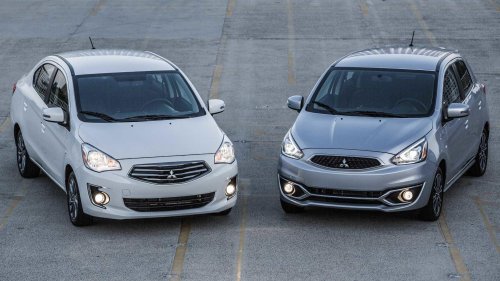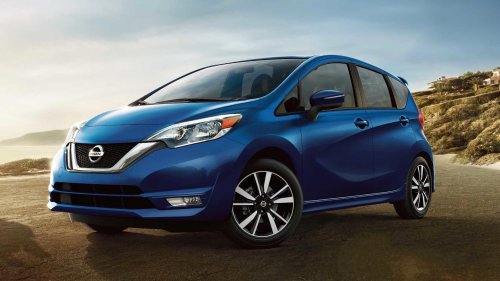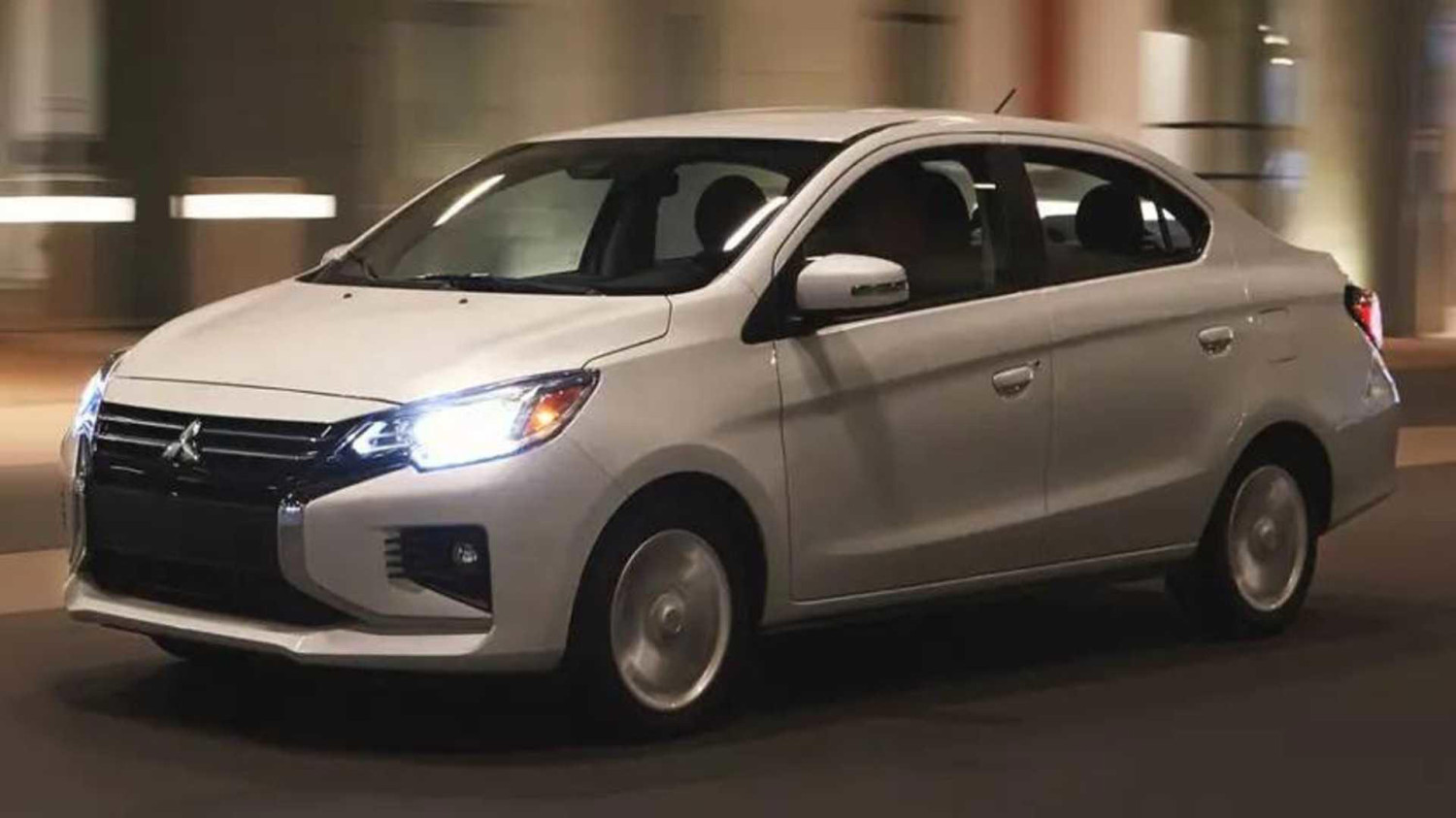
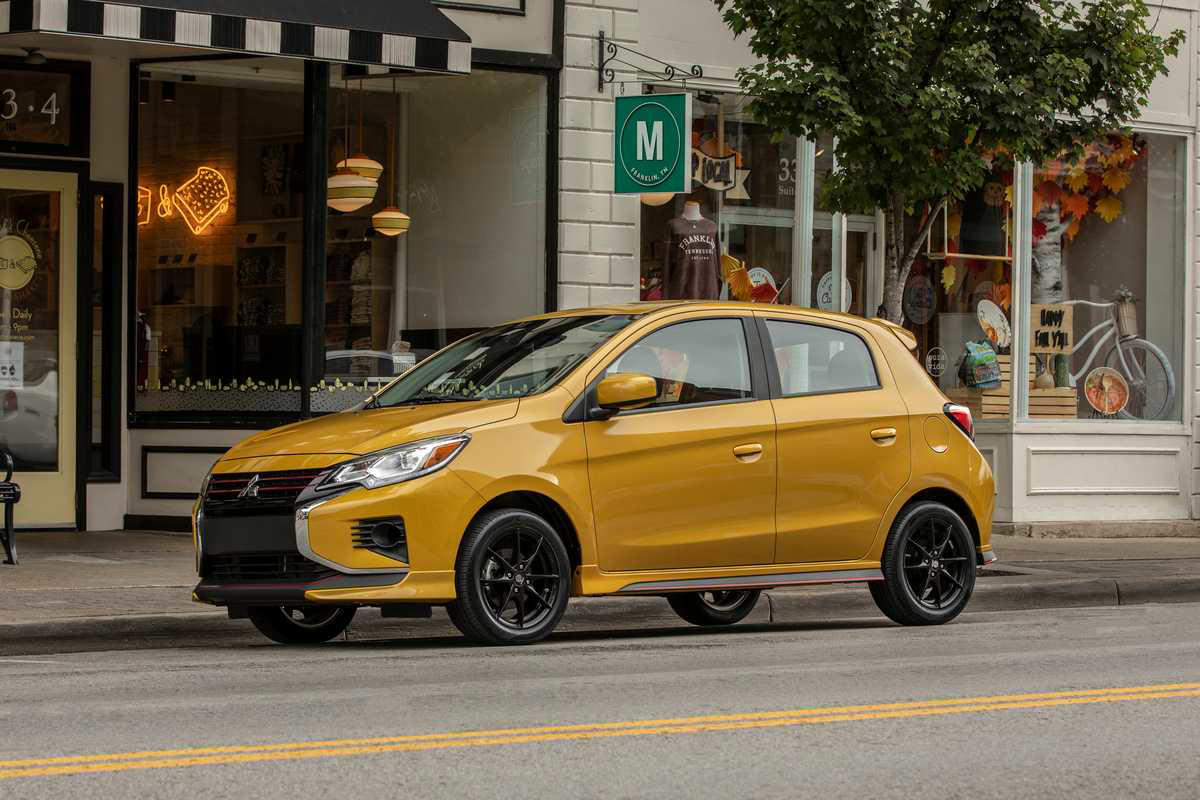
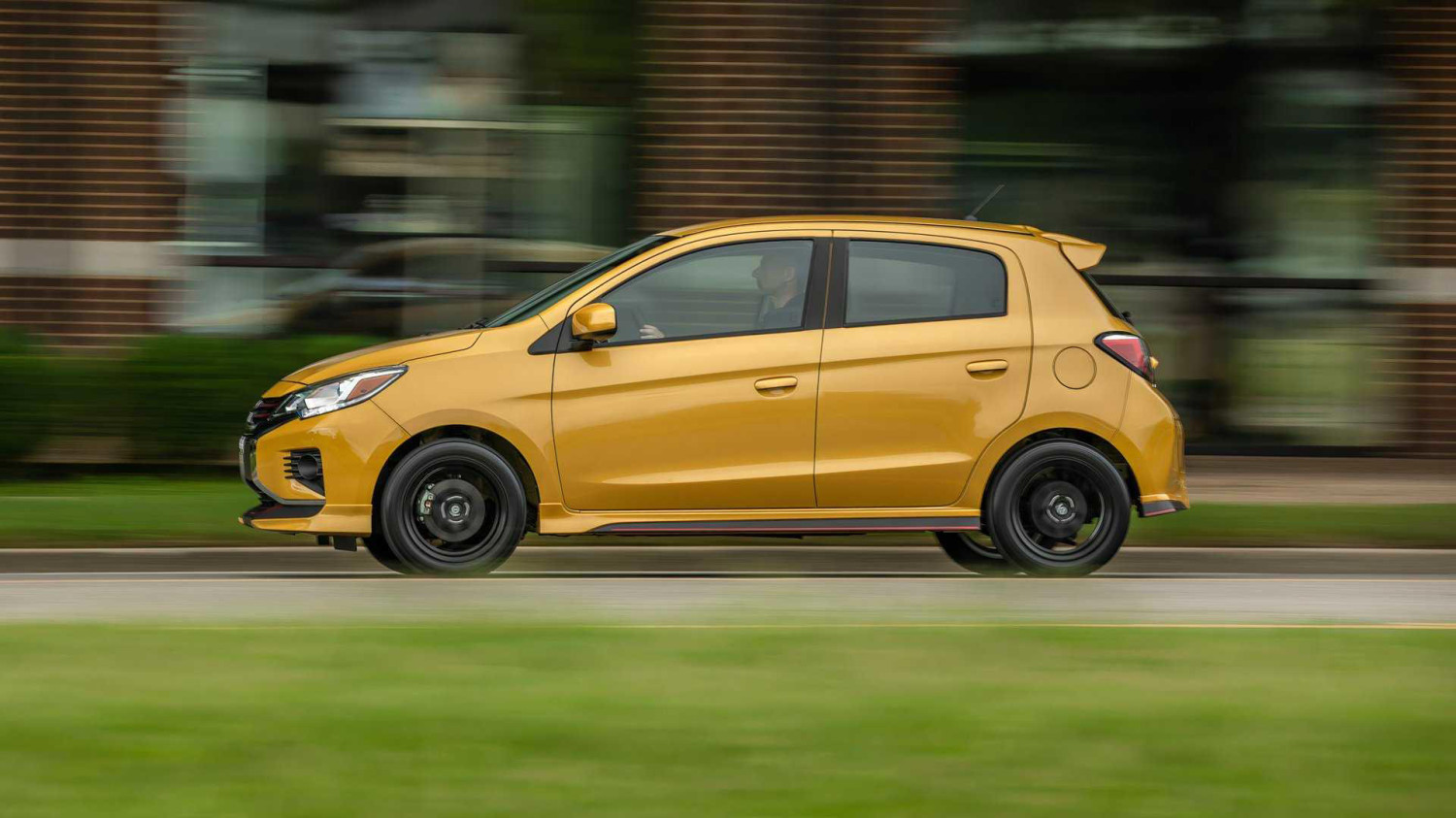



















Where have all the low-powered cars gone? We don't mean the Toyota Corollas or the Hyundai Elantras of the world, but the really low-powered cars - the sub-100 horsepower vehicles. About a decade ago, you had a dozen choices on the market if you wanted something that would struggle up a slight incline, but now there's nothing new left. It's A Mirage MitsubishiYes, it's the Mitsubishi Mirage hatchback and its sedan sibling. Production stopped in 2024 and Mitsubishi reckoned it had enough stock to last until the summer, but there are still brand-new cars standing on dealer lots. The online configurator is long gone, but if you look at the available stock, you can find them easily enough.There are two nice things we can say about the Mitsubishi Mirage. One, it gets great gas mileage, and two, it's a car. Other than that, even its bargain-bin base price doesn't make it much of a compelling option, because cars like the Nissan Versa have existed offering better standard features, more power, and an overall better build quality. Now that the Versa is also dead, you have to spend at least $23,000 on a new car.This leads us to the car's biggest issue in 2026: it's no longer relevant. What worked 15 years ago doesn't work anymore today. Consumers no longer have to settle for an underpowered vehicle when they want something cheap with good fuel economy. Today, you can get a lightly used Toyota Corolla Hybrid for $23,000, which produces 138 horsepower and gets as much as 53/46/50 MPG. With its paltry 78 horses, 36/43/39 MPG fuel economy ratings, and over 12-second 0-60 mph time, the Mirage can't compete.While we believe automakers' eagerness to cut small vehicles is nearsighted, there are better options on the market if you're shopping for small, frugal cars. Buyers are more willing to buy used than ever before because vehicles that would once barely make it 100,000 miles are now making it to 150,000 and more, without major investment to keep them going. The Mirage Is Fading MitsubishiAs mentioned earlier, the Mirage is technically dead, but still around. This is no surprise, as the company only managed to move 13,220 units of the model in 2023, down from 15,814 units in 2022. Oddly, it had its best sales year ever in 2024 when Mitsubishi managed to move 29,768 units. It makes more sense when you dig a little deeper and find all the amazing deals the brand offered in 2024, including trade-in assistance, dealer discounts, and stupidly cheap lease deals. Still, it's worth keeping in mind that Nissan shifted 42,590 Versas over the same period, and Toyota sold more than 230,000 Corollas.!!!MODEL TAG!!! Listing Carousel 2024 Mitsubishi Miragehttps://carbuzz.com/cars/mitsubishi/mirage/2024/This also speaks to larger issues in the Mitsubishi lineup, as things have reportedly gotten so bad that the company's own dealers are suing it. Fortunately, Mitsubishi has a plan to save itself in America, and it was supposed to start this year. Called 'Momentum 2030,' the company has a plan to overhaul the entire lineup, including the introduction of a new model every year for the next five years. Horsepower Has Gone Up Over The Years Mitsubishi There are quite a few reasons why horsepower has increased over the years, but the main one is technology and production techniques that have improved vastly. Many like to look at the '60s and early '70s as a golden age of performance, when road cars weren't choked by dreaded emissions equipment. While it's true cars from this time had fewer regulations, the reports of their performance may have been exaggerated just a little.In the '60s, automakers used the gross measurement for horsepower, which inflated the performance of vehicles quite significantly. This led to massive discrepancies when testing a vehicle on the dyno, and in the '70s, they eventually switched to SAE net measurements to give consumers a more accurate idea of what their car was producing. This coincided with the introduction of catalytic converters in the early 70s, which just decimated performance for automakers across the board.The techniques companies had been using for decades were no longer valid, and you get the beginning of the Malaise era, with big cars, massive engines, and pitiful performance. Automakers had to return to the drawing board, and this was the era when computer technology was advancing by leaps and bounds.Electronic fuel injection was introduced on mass-produced cars in the '80s, production techniques were improved due to increased automation, and designs were getting tighter and more reliable. Sure, cars still had a long way to go, but power started to return from the late '80s to the '90s. As engines became more reliable, power started to return, but this time it didn't have to come for the sake of fuel economy thanks to techniques like Variable Valve Timing (VVT) debuting.Cars also started getting heavier due to new manufacturing techniques and newly required safety regulations. The same engines that worked before weren't as effective anymore. Computers did wonders to improve timing, design, and reliability when it came to engines, allowing vehicles of all kinds to offer decent performance and fuel economy. When turbocharging became prevalent in the '90s into the '00s, it was essentially game over for underperforming engines.