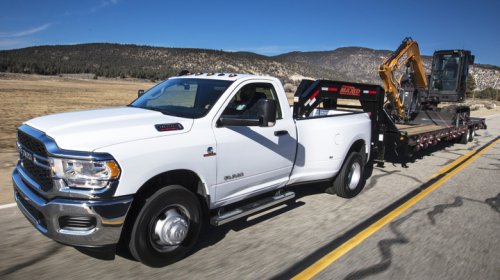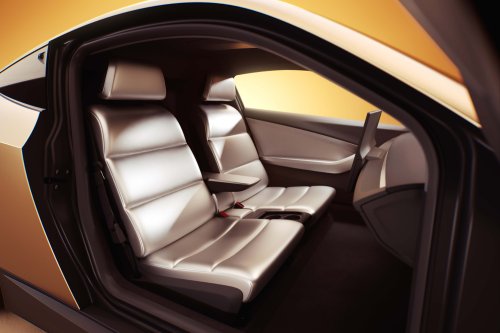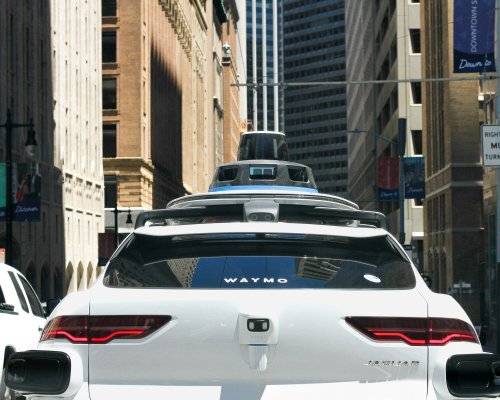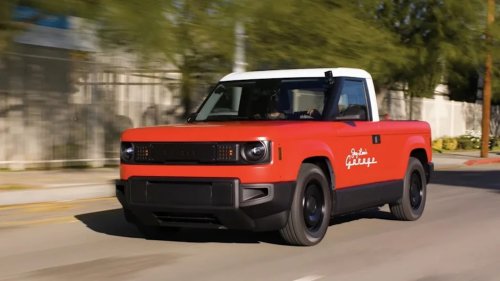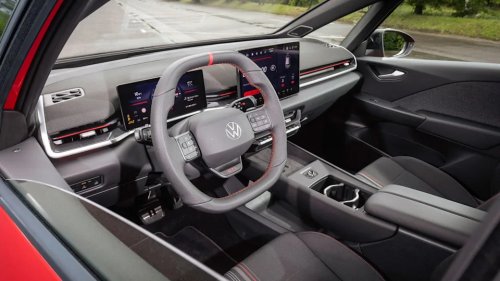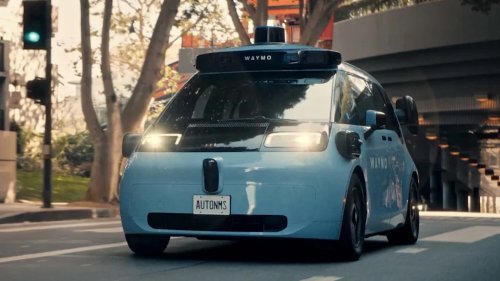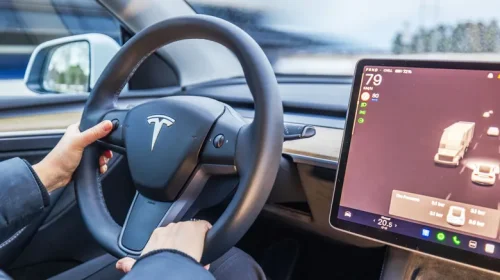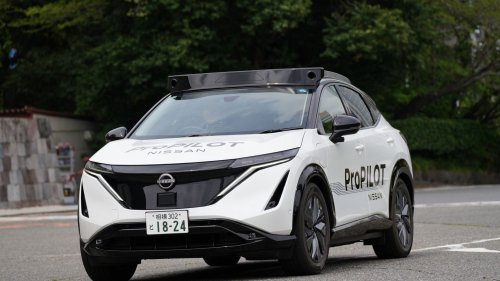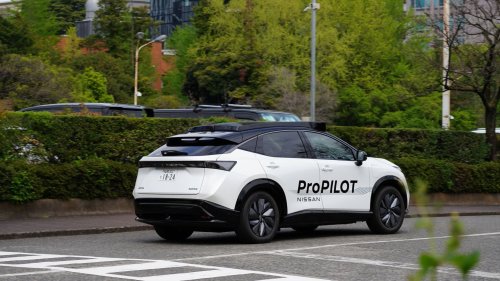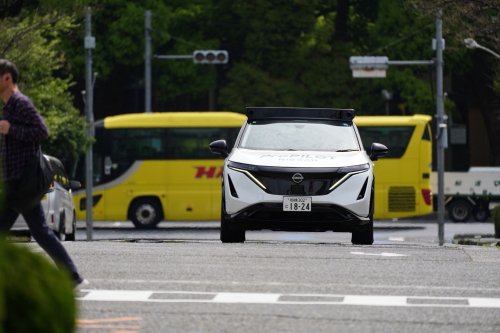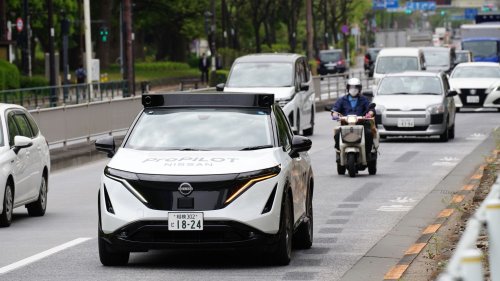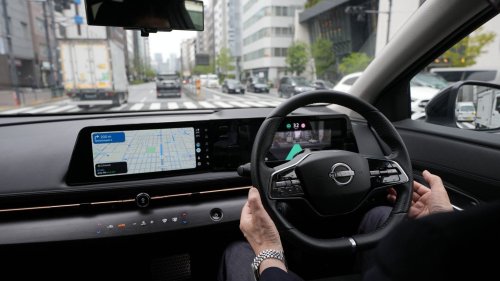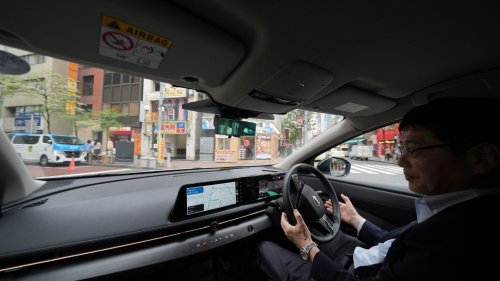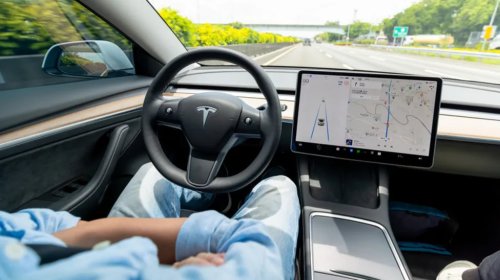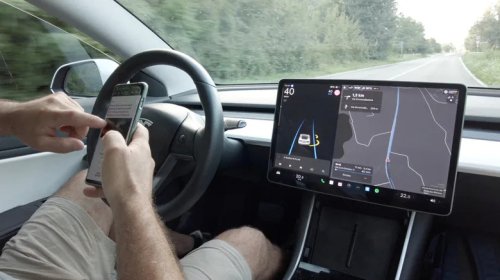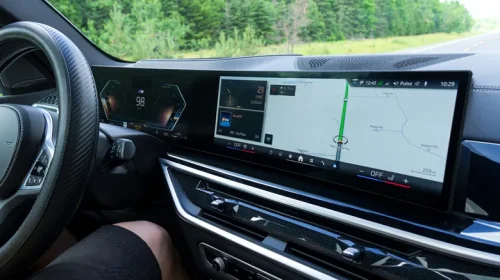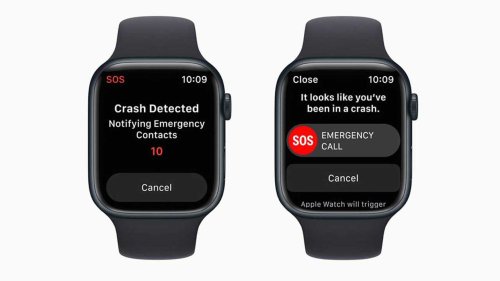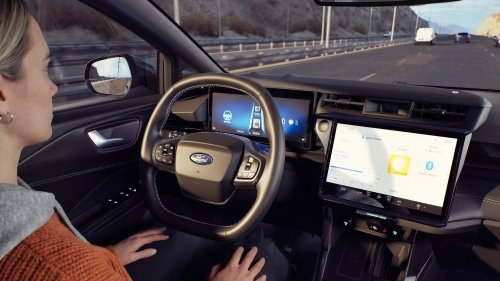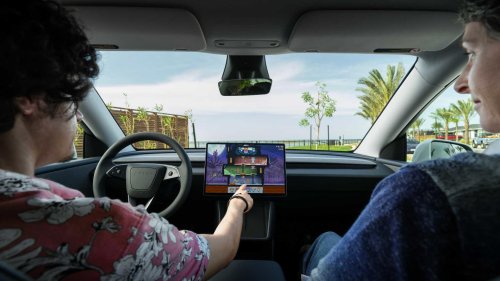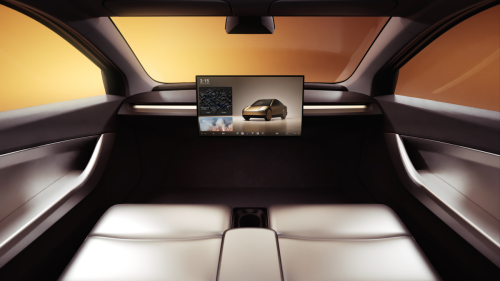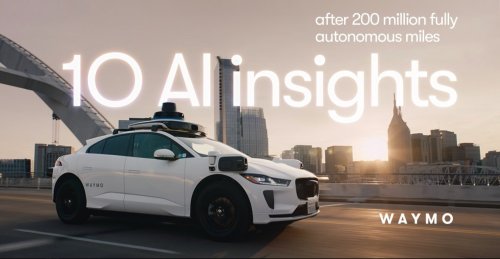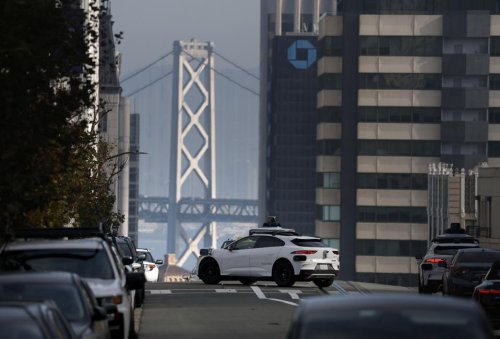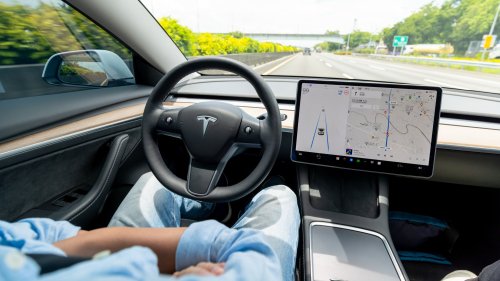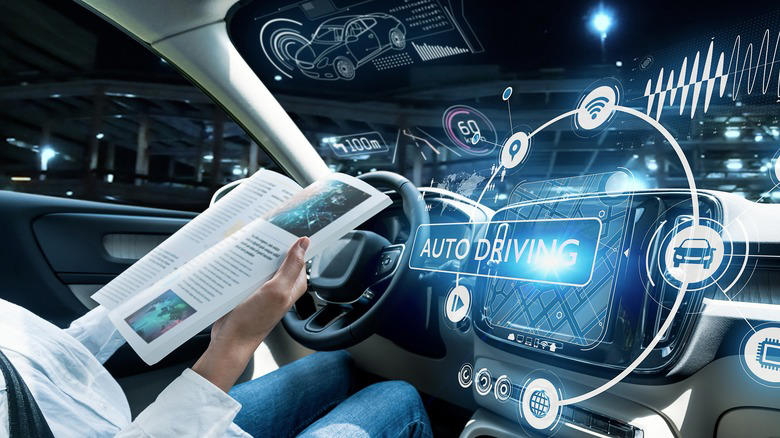



















The NHTSA levels of autonomyModern Level 0 (Momentary Driving Assistance) cars have standard features, such as cruise control, automatic emergency braking, forward collision warning, or lane departure warning. These merely assist but don't control the vehicle in any way. Moving up to Level 1 (Driver Assistance), you'll find vehicles with driver support features like adaptive cruise control or lane-keeping assistance. It helps with steering or acceleration and braking, but not both. Again, the driver must be at the helm, vigilant, and ready to take control immediately.Level 2 (Additional Assistance) includes autos with integrated active driving assistance, meaning they can steer, accelerate, and brake. A highway pilot feature on the open road is one such example. Still, a driver must be behind the wheel monitoring vehicle operations.The technology found in Level 3 (Conditional Automation) cars isn't available in the United States yet. In effect, these use artificial intelligence to perform what the NHTSA calls conditional driving. It can adapt automatically to the conditions and scenarios while the driver ignores its operation. Still, they must be able to take over if the system fails or is prompted to take control.Level 4 (High Automation) vehicles are also unavailable, but Waymo and Cruise robotaxis slide into this category. The systems are so advanced that a driver isn't needed; in some cases, the car might not even have driving controls. It can only operate in limited areas, whereas a Level 5 car can operate anywhere under any condition without human control.