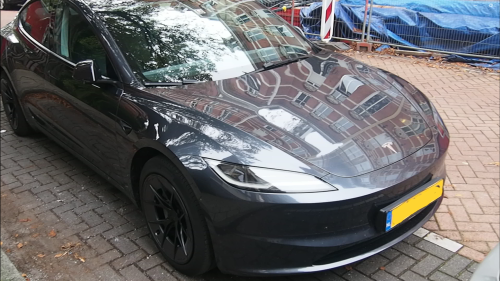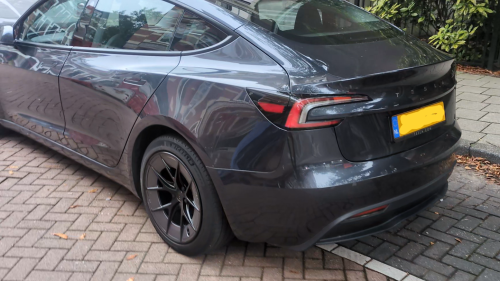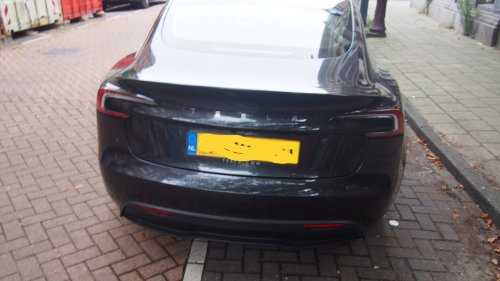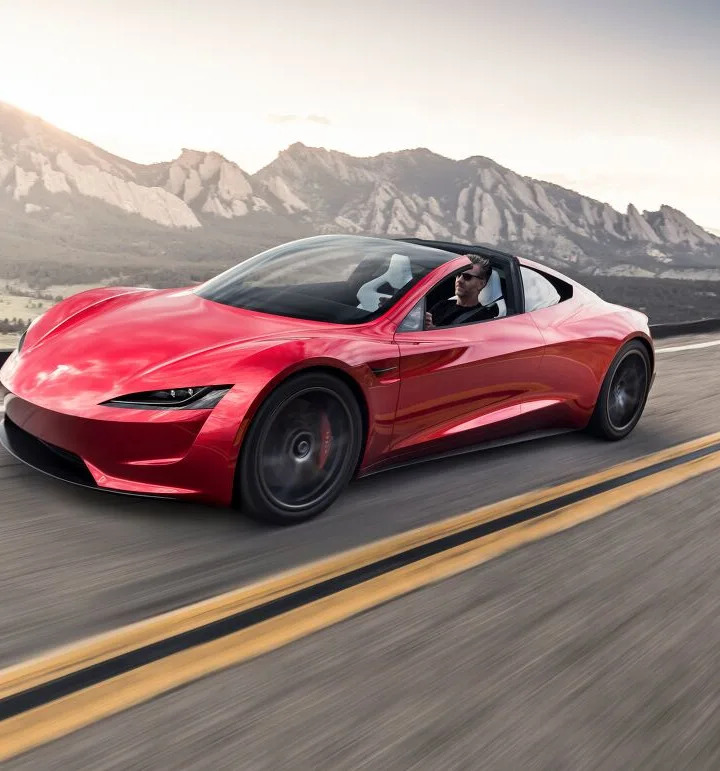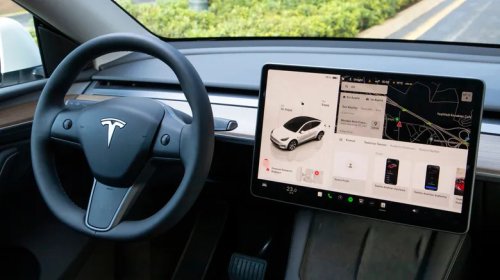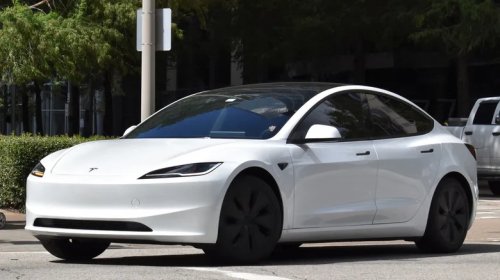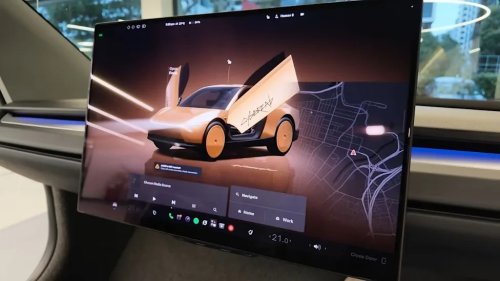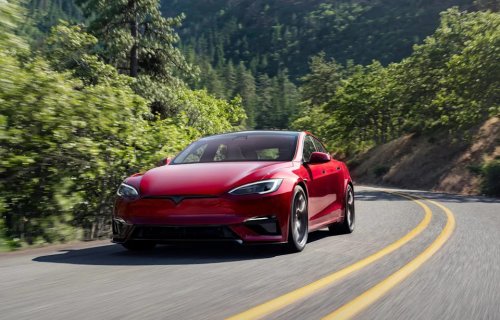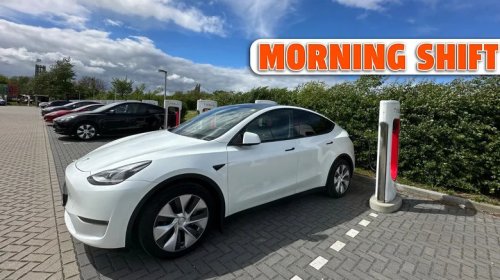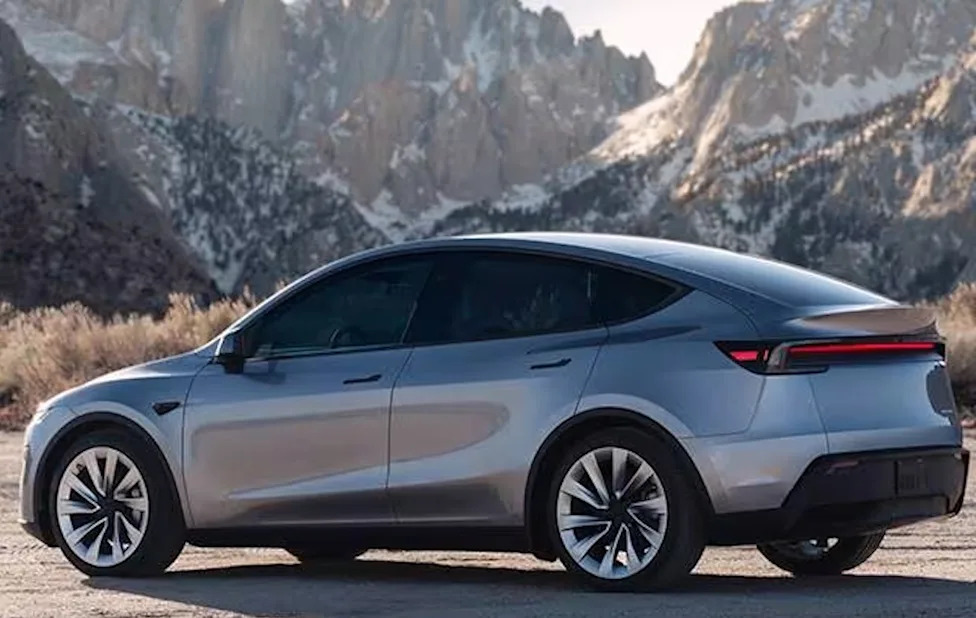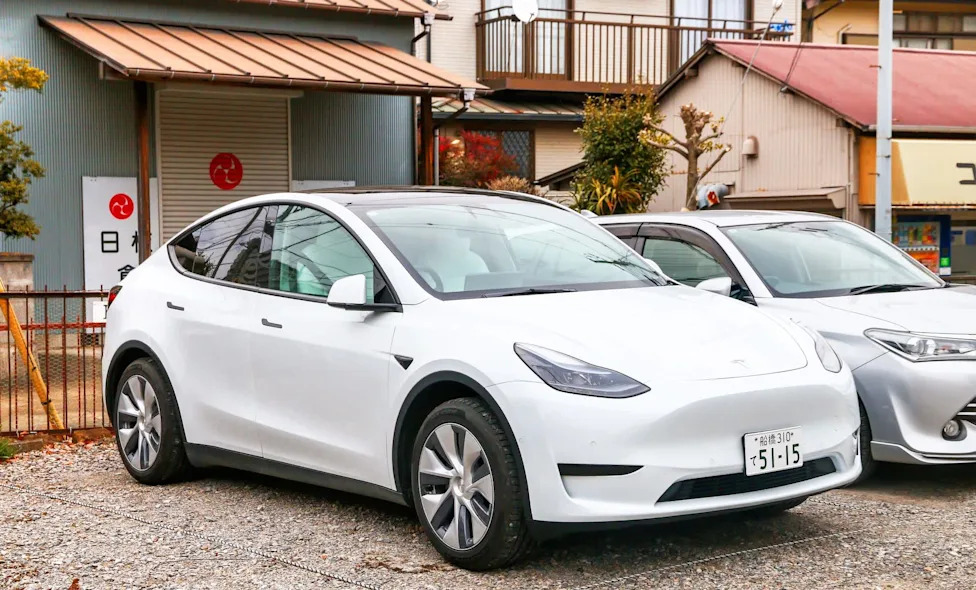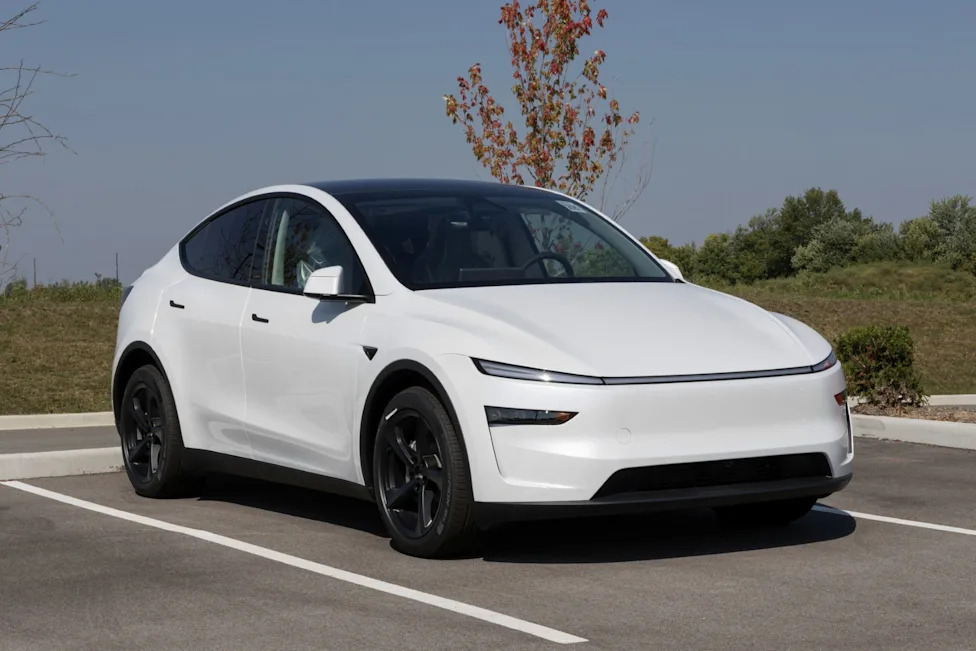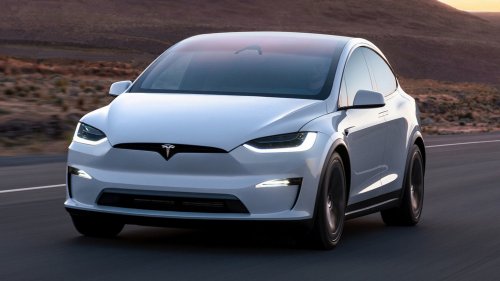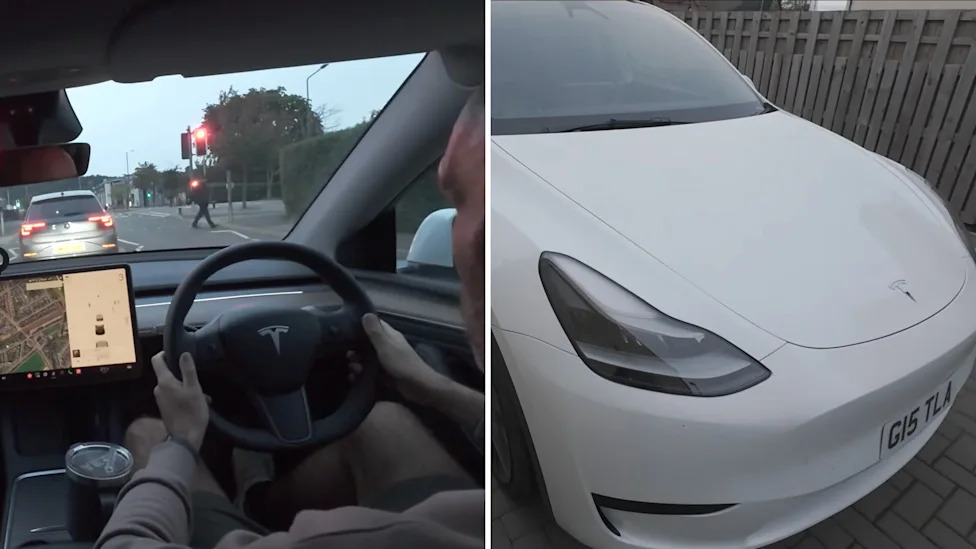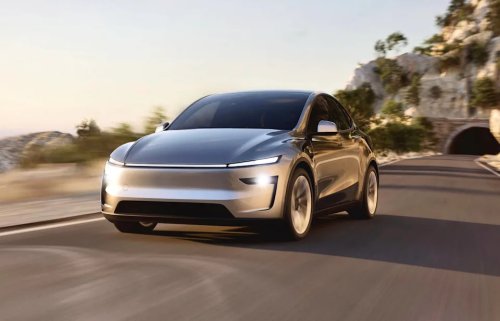
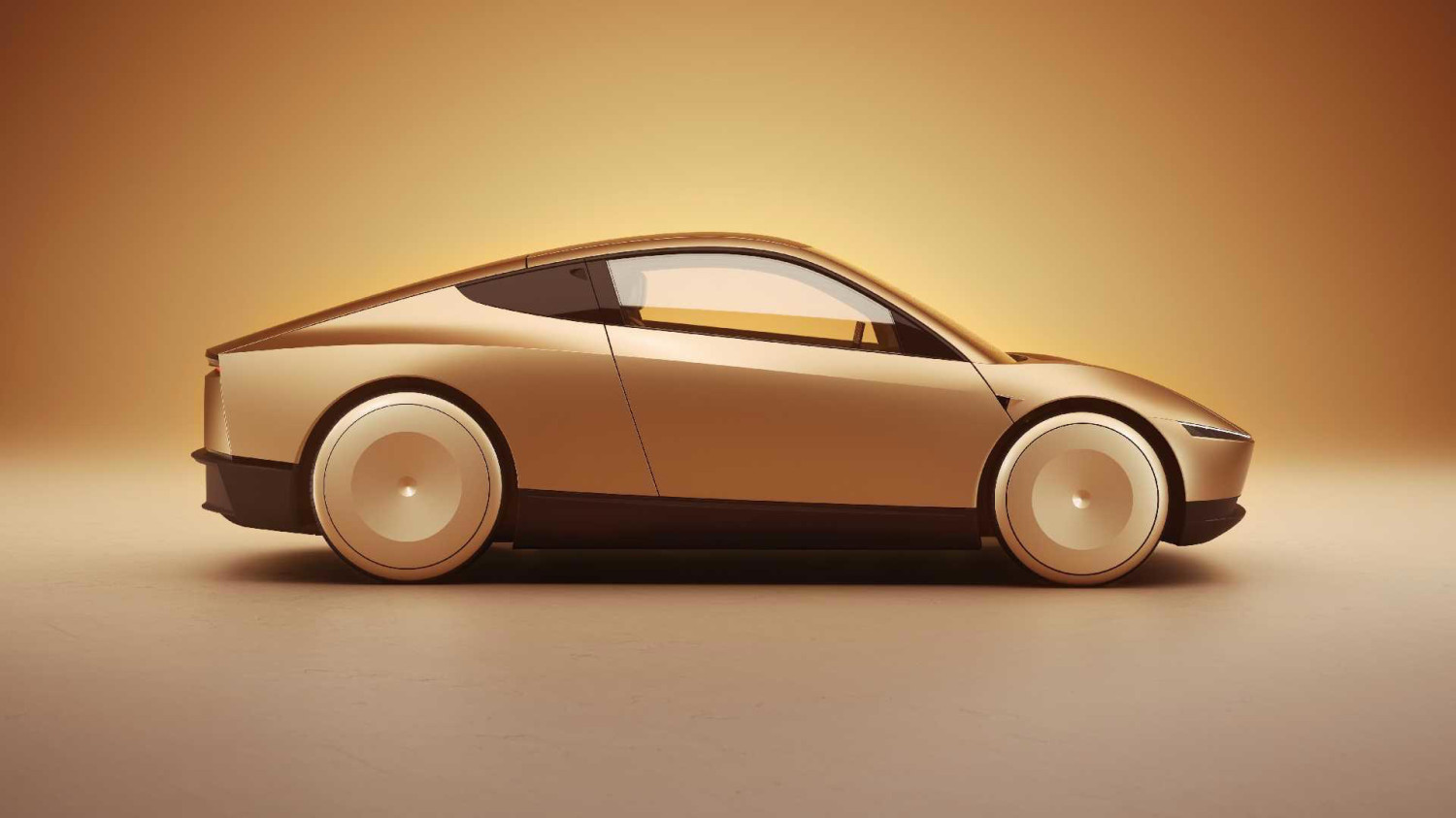
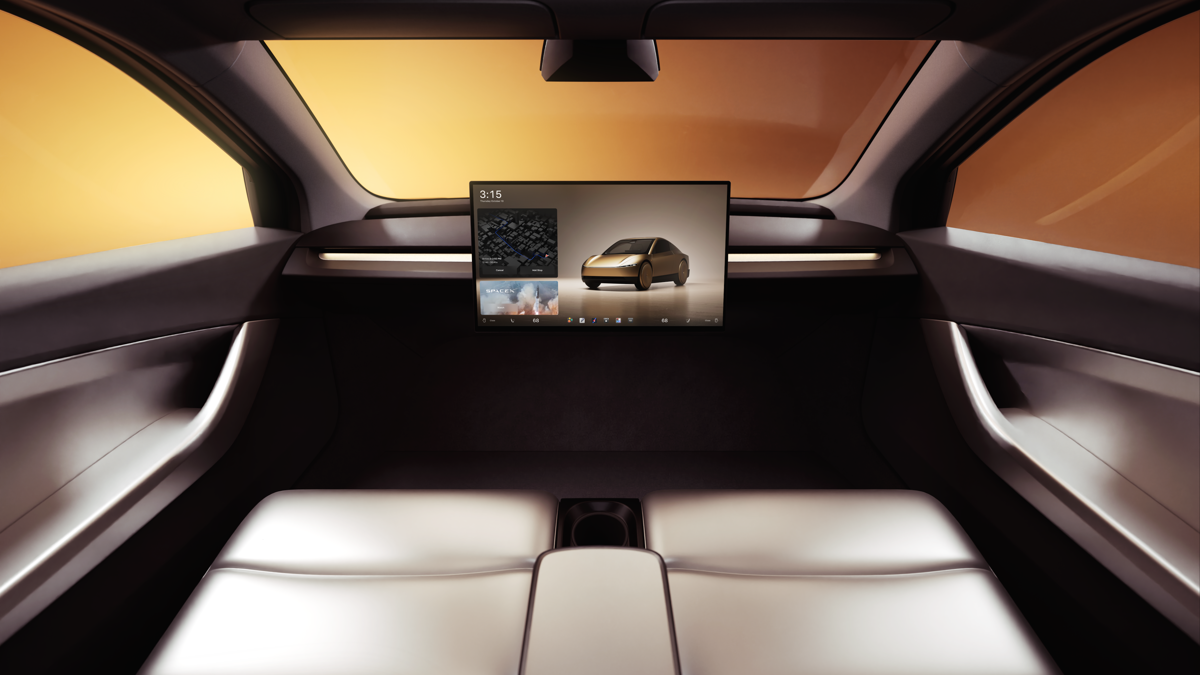














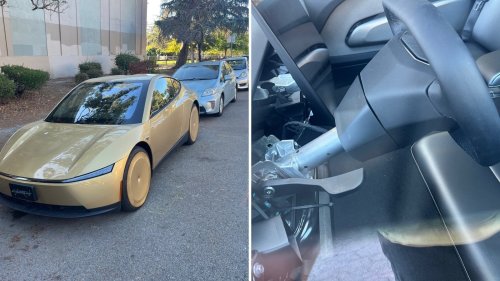
Tesla’s ambitions for self-driving cars have never exactly been modest. For years, Tesla has promised a future where its cars can safely navigate roads with no human input, a vision that's yet to be realized, despite its CEO's claims to the contrary. But building a truly dependable autonomous vehicle isn’t a single technological breakthrough. Rather, it's the gradual integration of dozens of systems, all working together seamlessly and safely in the real world.Part of that process involves the automated driver-assistance systems already appearing in today’s cars, and now given extra scrutiny in the National Highway Traffic Safety Administration's New Car Assessment Program. In a notable sign of Tesla’s progress toward its self-driving ambitions, one of its models has become the first to successfully pass the updated tests. Tesla Model Y Passes New ADAS Tests The NHTSA announced this week that the 2026 Tesla Model Y is the first vehicle to pass the agency’s new benchmark for vehicles equipped with automated driver-assistance technology, commonly known as advanced driver-assistance systems, or ADAS. According to the agency, the results apply to Model Y examples built from Nov. 12, 2025, which have a five-star safety rating, having also passed traditional tests for frontal, side, and rollover crashes. New Test Structure The updated tests include evaluations for pedestrian automatic emergency braking, lane-keeping assistance, blind-spot warning, and blind-spot intervention. The expanded criteria were introduced after the federal government directed the NHTSA to modernize its vehicle safety assessments to better reflect the growing sophistication of driver-assistance technologies in modern cars.TeslaThe new tests also underscore regulators’ increasing scrutiny of automated driving systems, while highlighting their desire to encourage wider adoption through clearer consumer information. ADAS features don’t always perform as drivers expect in real-world conditions, and the new pass-or-fail format is designed to give buyers greater confidence in how these systems actually function on the road. At the same time, the stricter evaluations should pressure automakers whose vehicles fail the tests to further refine and improve their technology. Independent organizations like the American Automobile Association estimate the technology has the potential to save a significant number of lives. Next Stop Is The Robotaxi TeslaThe announcement comes as Tesla continues to face regulatory scrutiny over its more advanced Full Self-Driving (FSD) system, which is capable of handling many driving tasks for extended periods but still requires constant driver supervision because the software remains prone to mistakes. NHTSA is currently investigating the system’s performance in poor visibility conditions following several crashes and safety complaints.Despite those concerns, Tesla remains confident its robotaxi ambitions are close to becoming reality. The company famously unveiled its Cybercab robotaxi in 2024, a fully autonomous two-seater that lacks both a steering wheel and pedals. During Tesla’s Q1 2026 earnings call last month, CEO Elon Musk said the company had already begun building the self-driving vehicles. Tesla is primarily testing its robotaxi service in Austin, where a limited ride-hailing operation using Model Ys is already active. The company has also expanded limited robotaxi operations into parts of Dallas and Houston.TeslaDuring the same earnings call, Musk suggested that a version of Tesla’s self-driving system capable of operating without driver supervision, known as FSD Unsupervised, could begin rolling out to eligible customers as early as the fourth quarter of 2026. He also acknowledged that vehicles equipped with Tesla’s older HW3 computer hardware would likely require significant upgrades before they could support the system, while newer HW4-equipped vehicles are expected to be compatible.