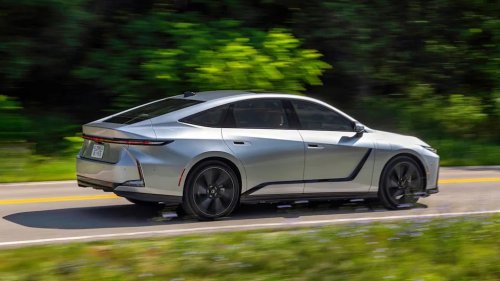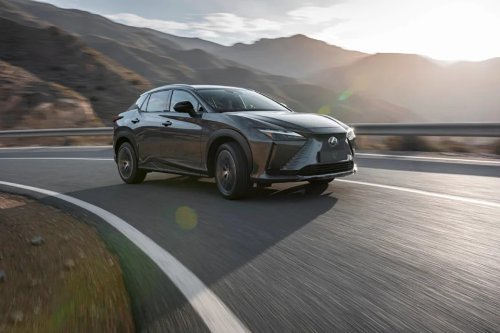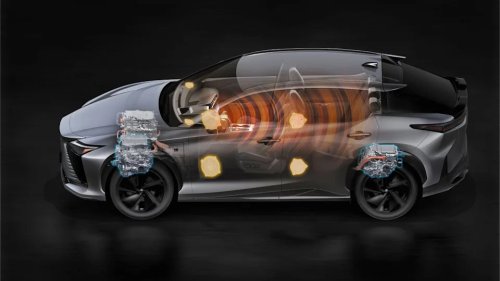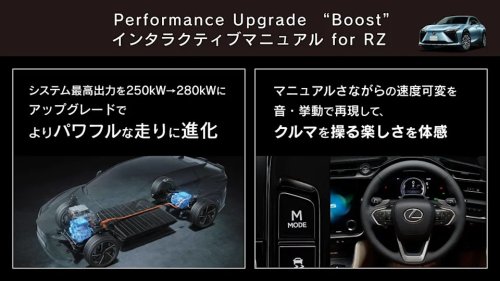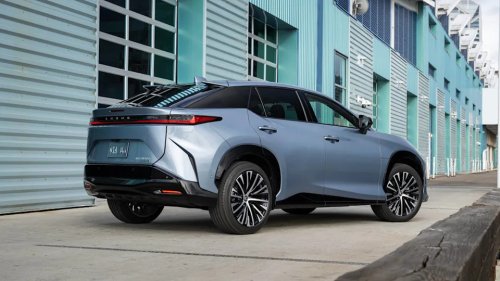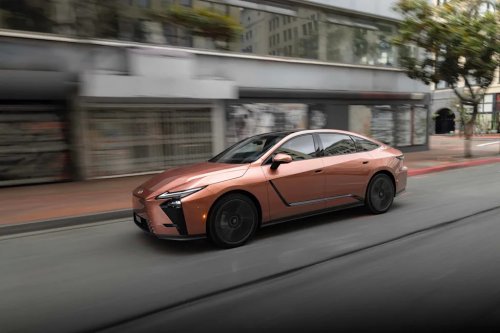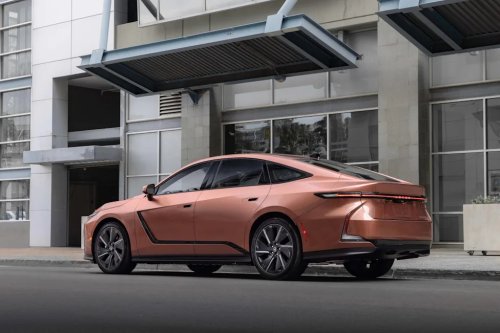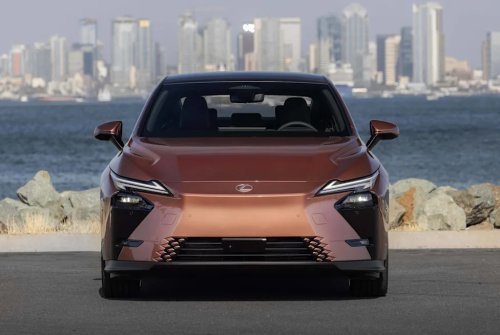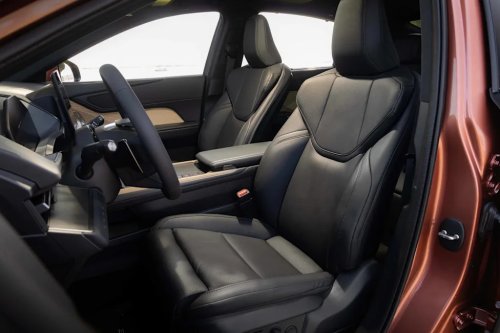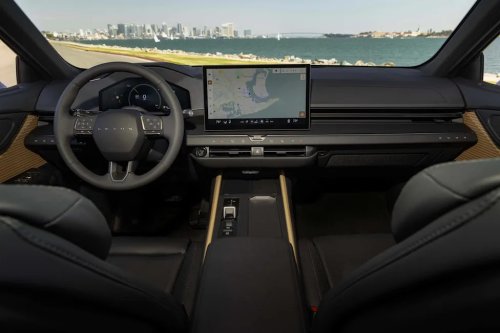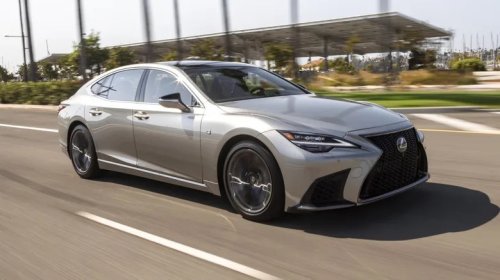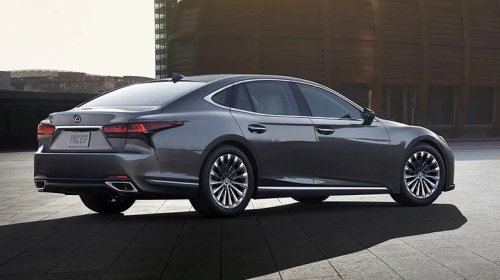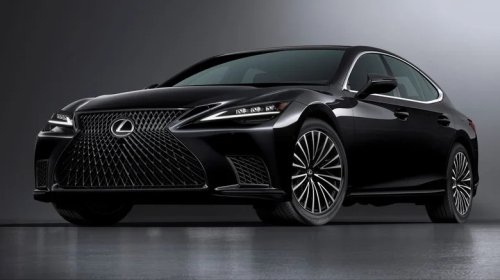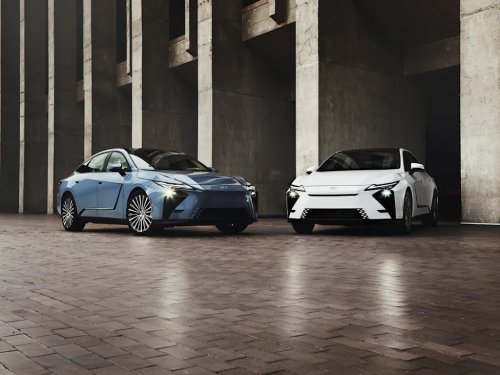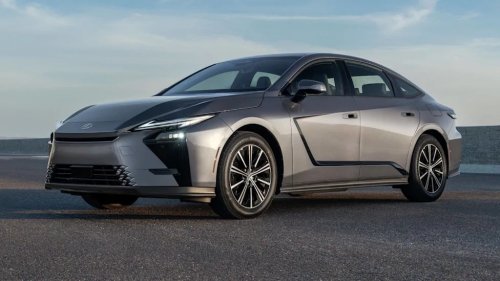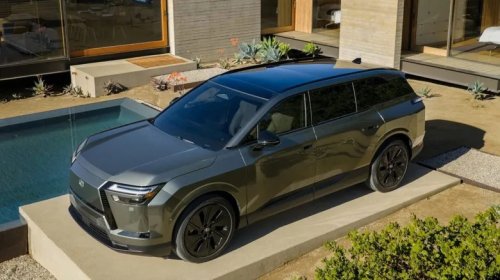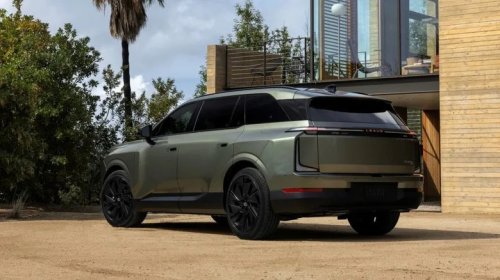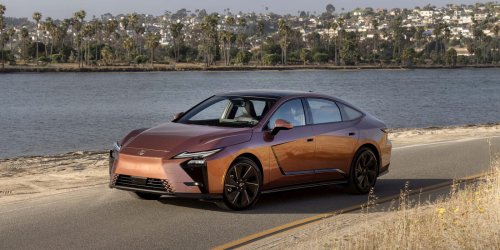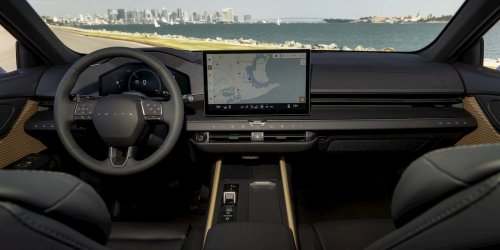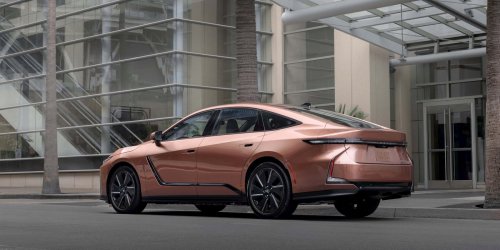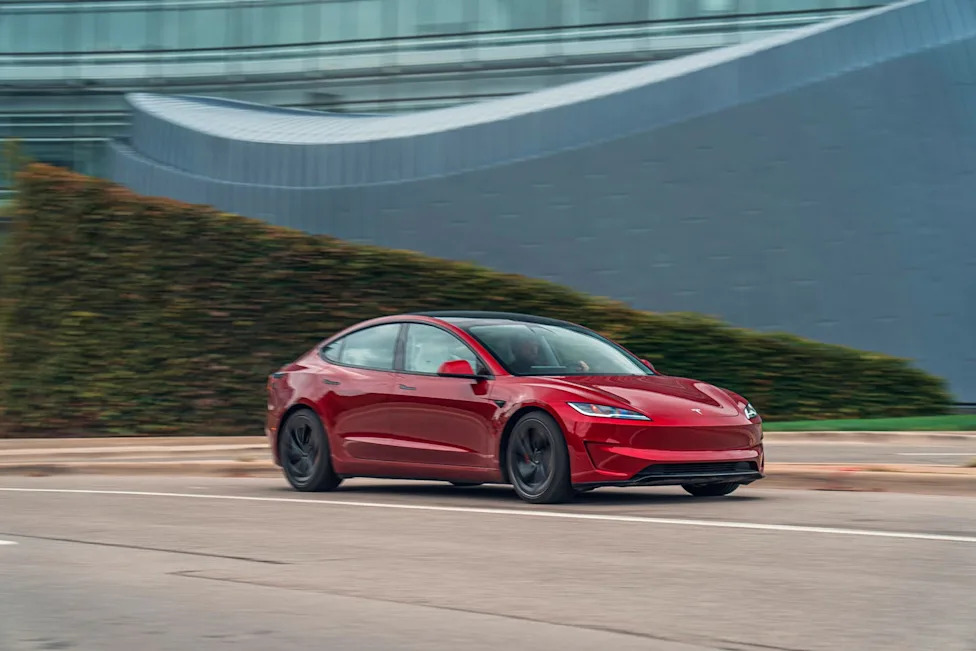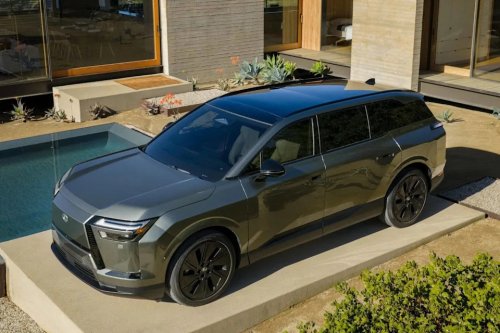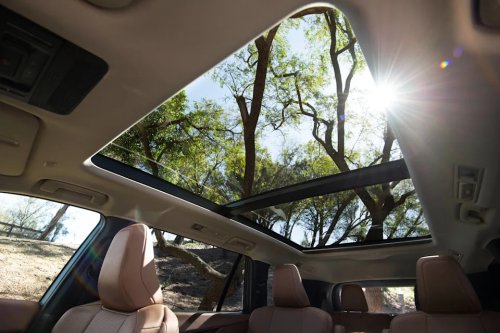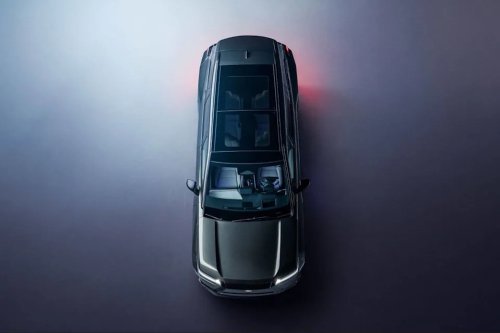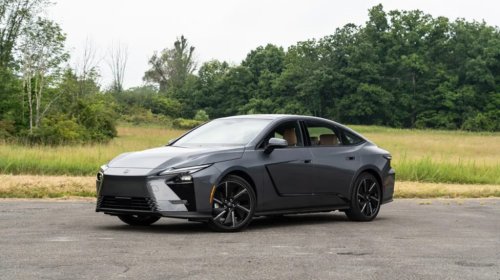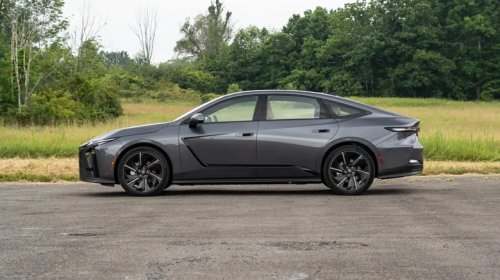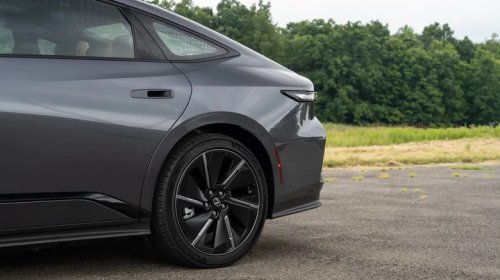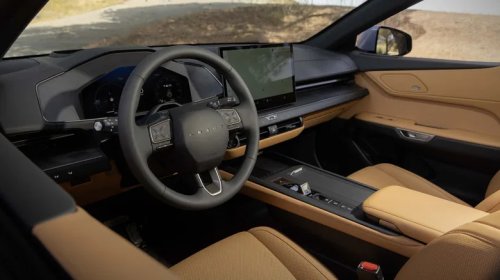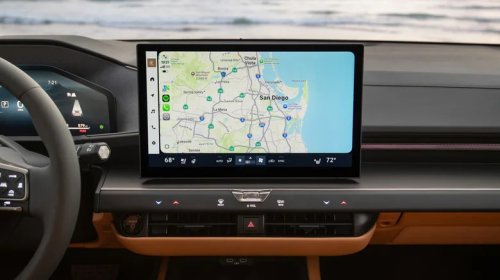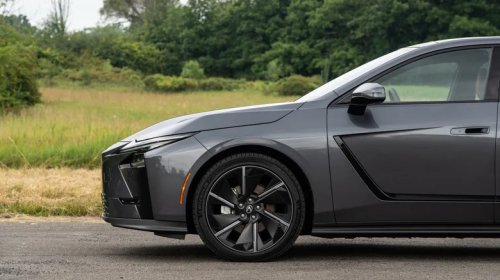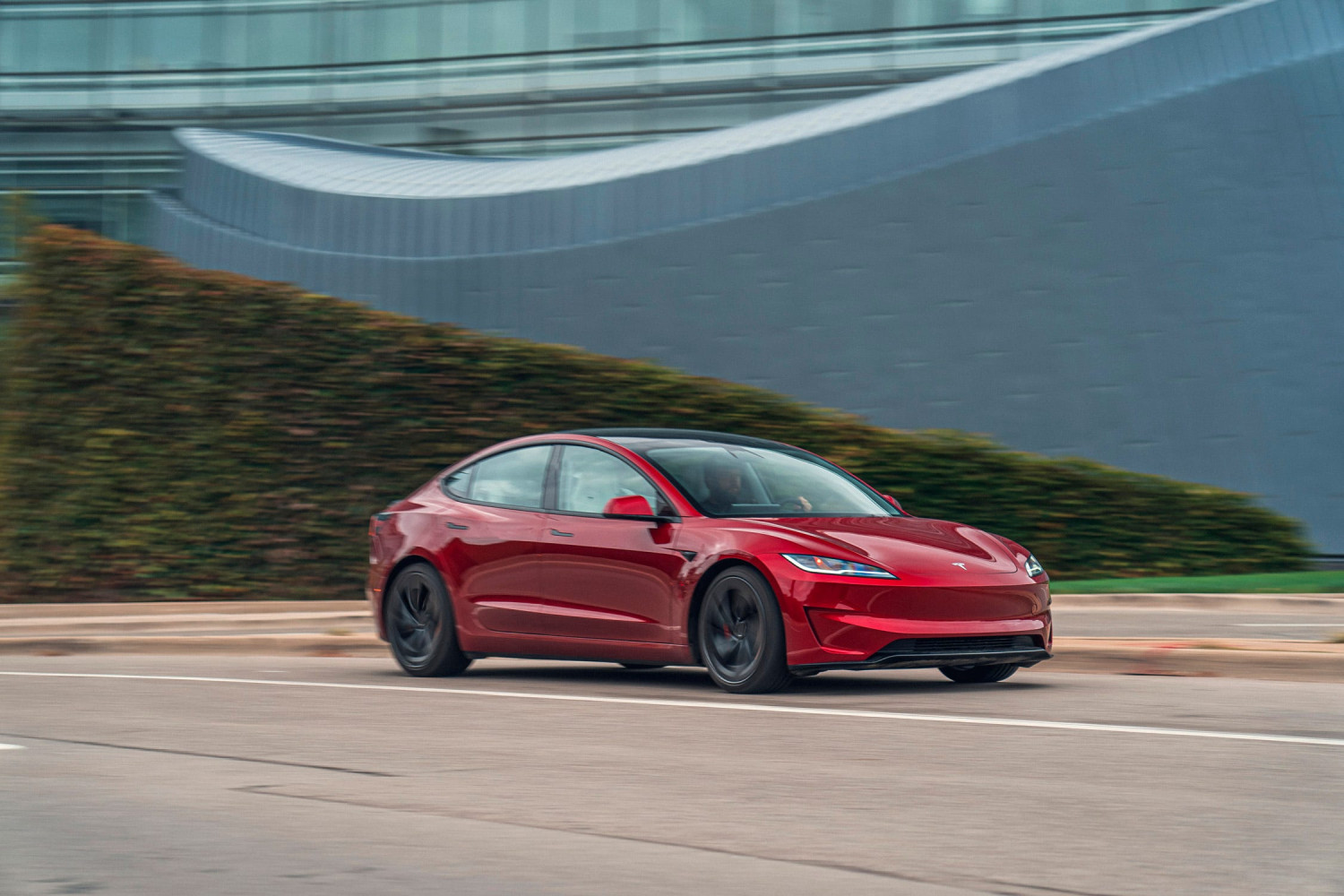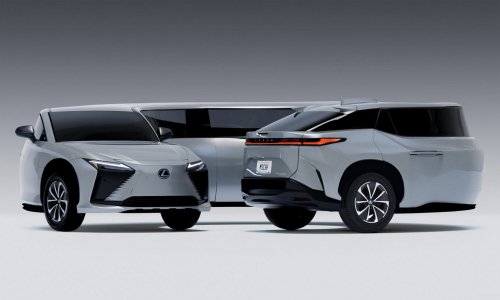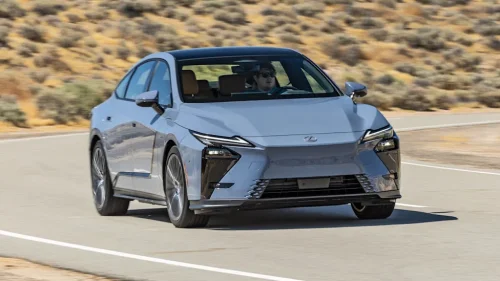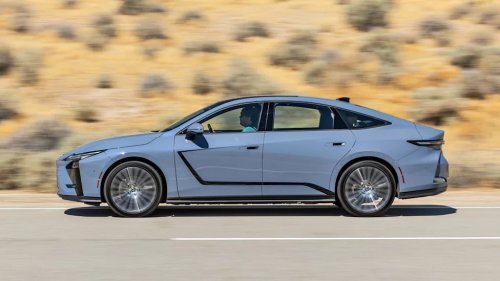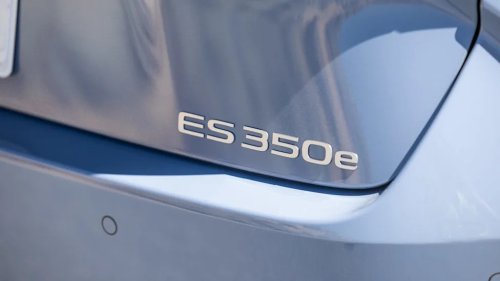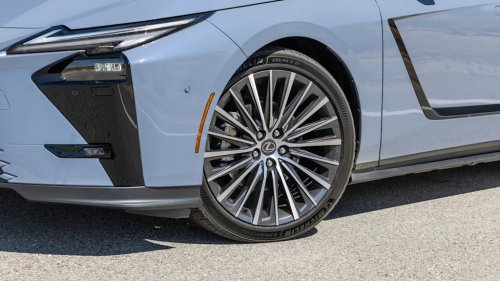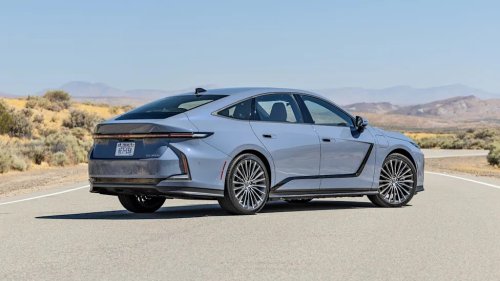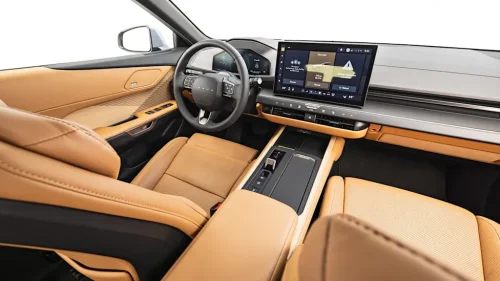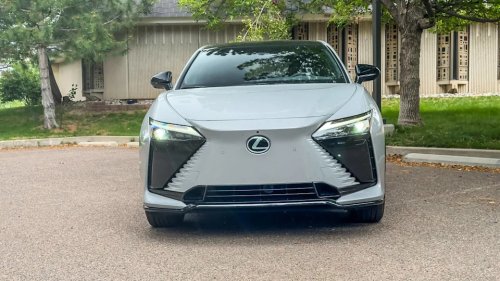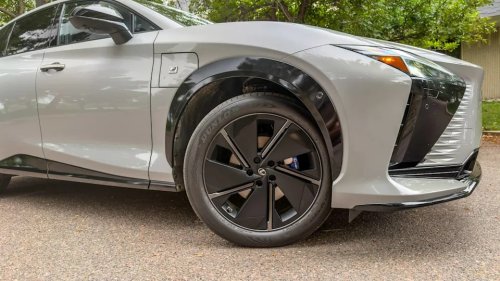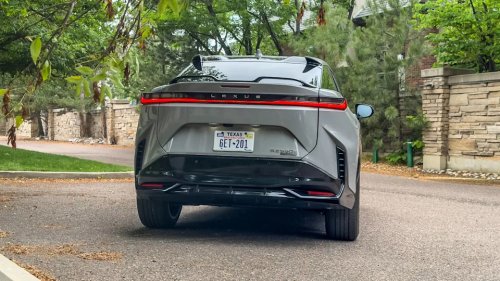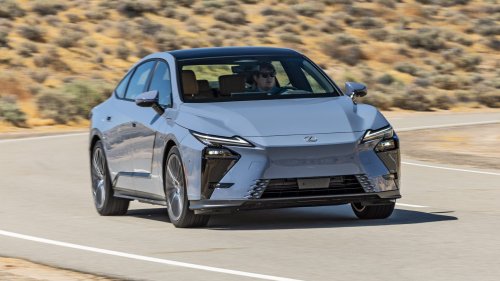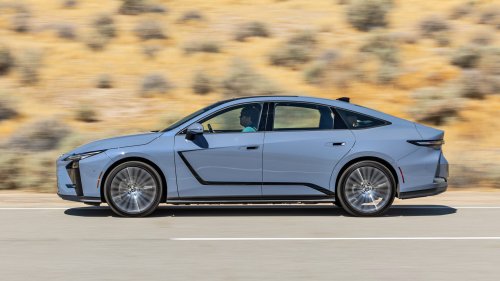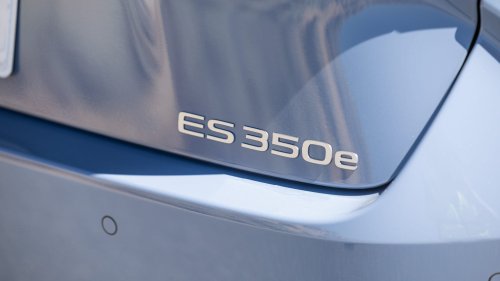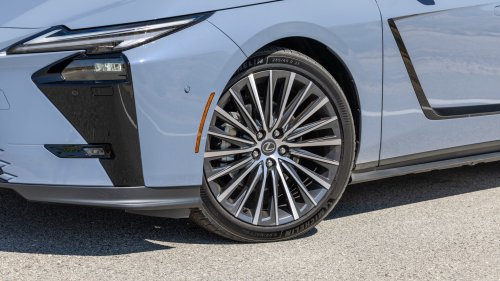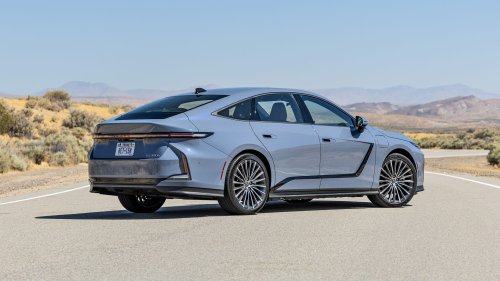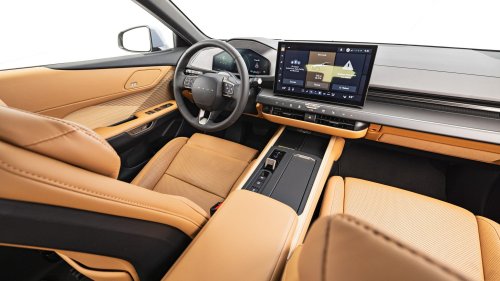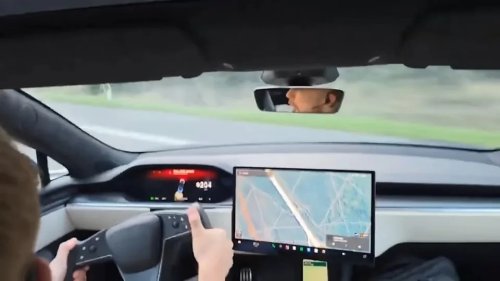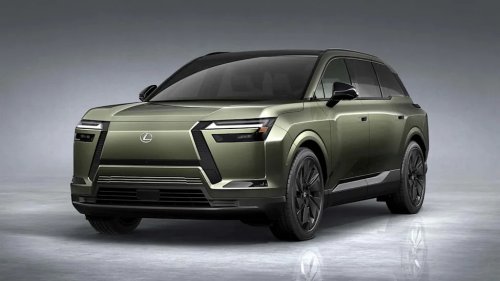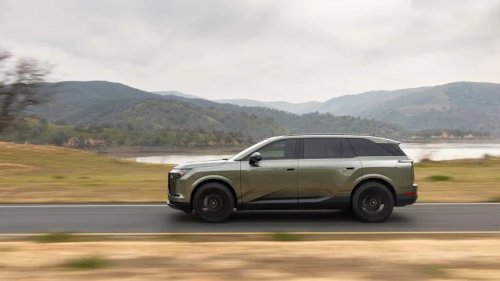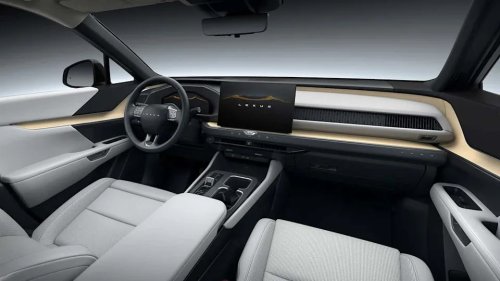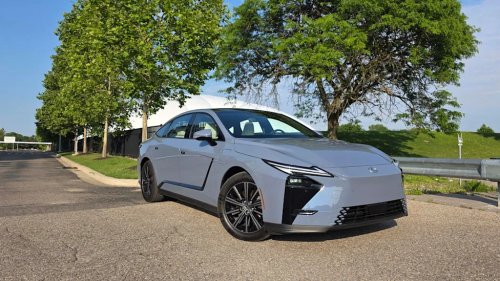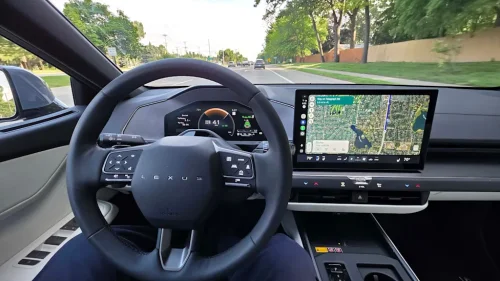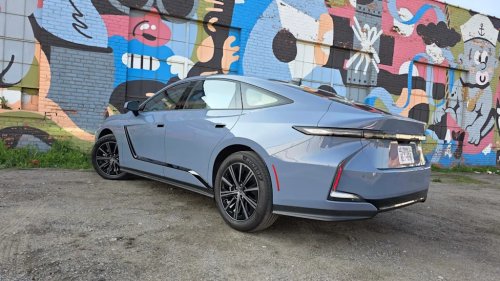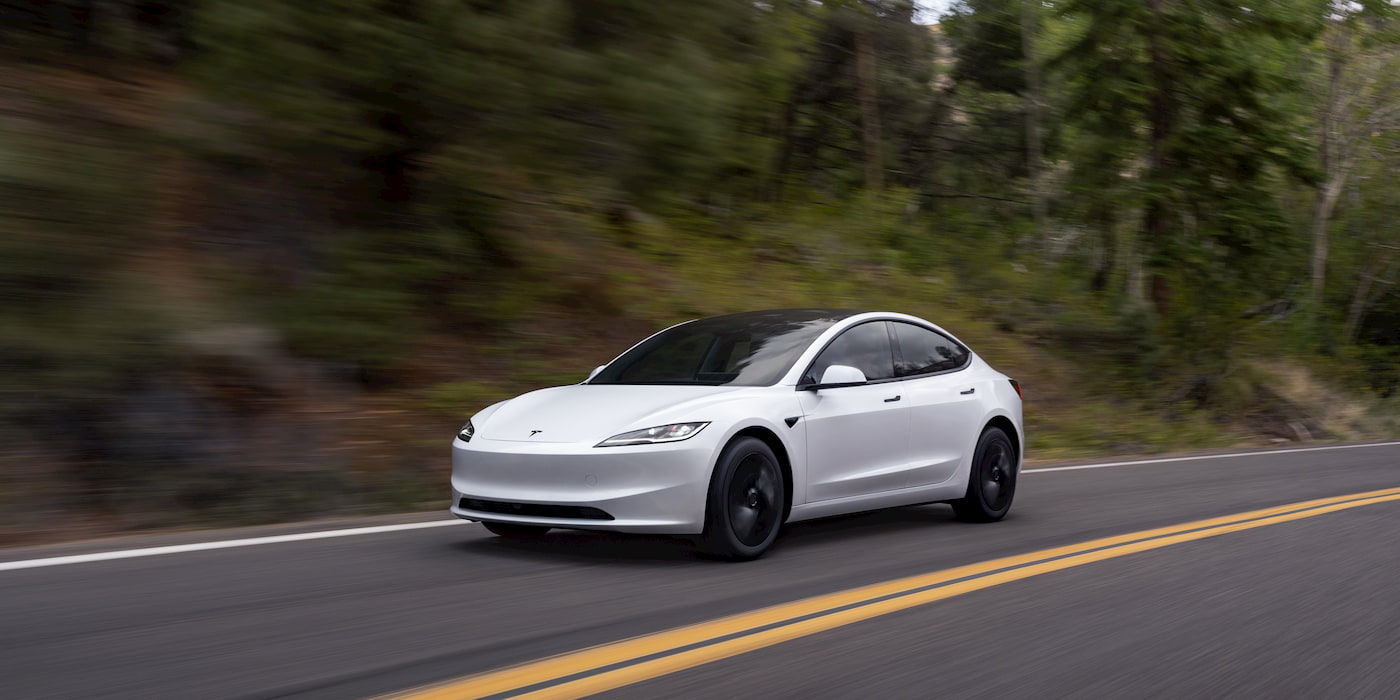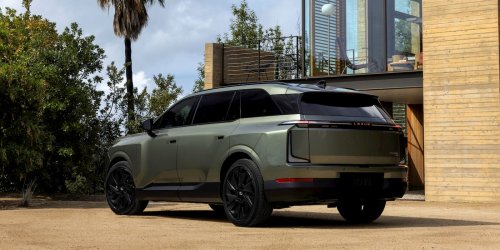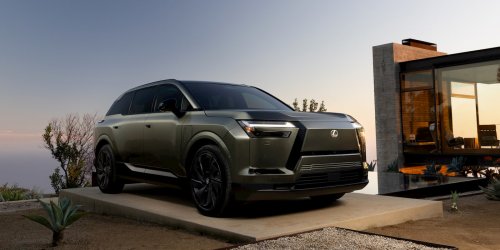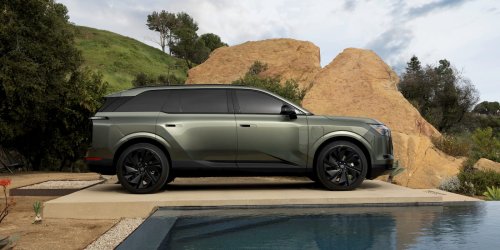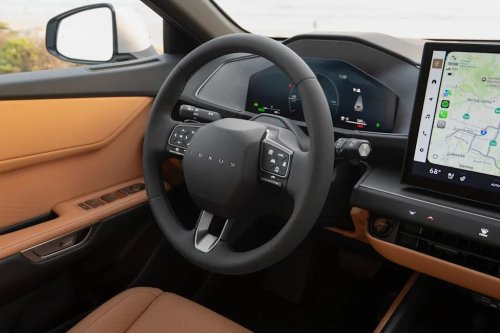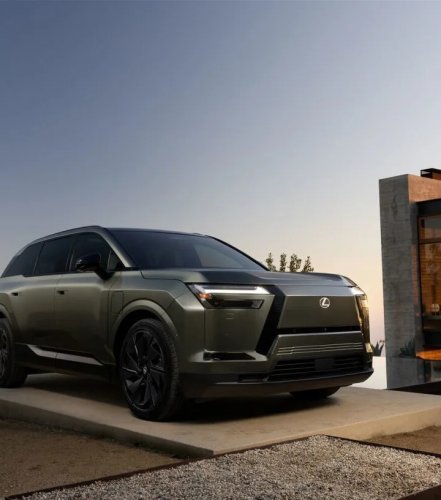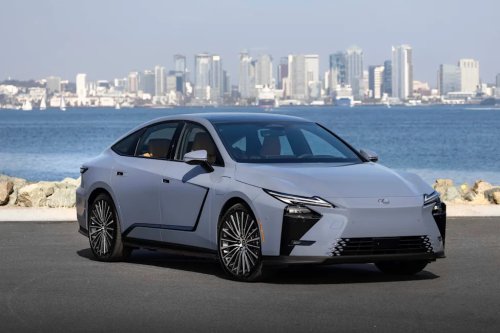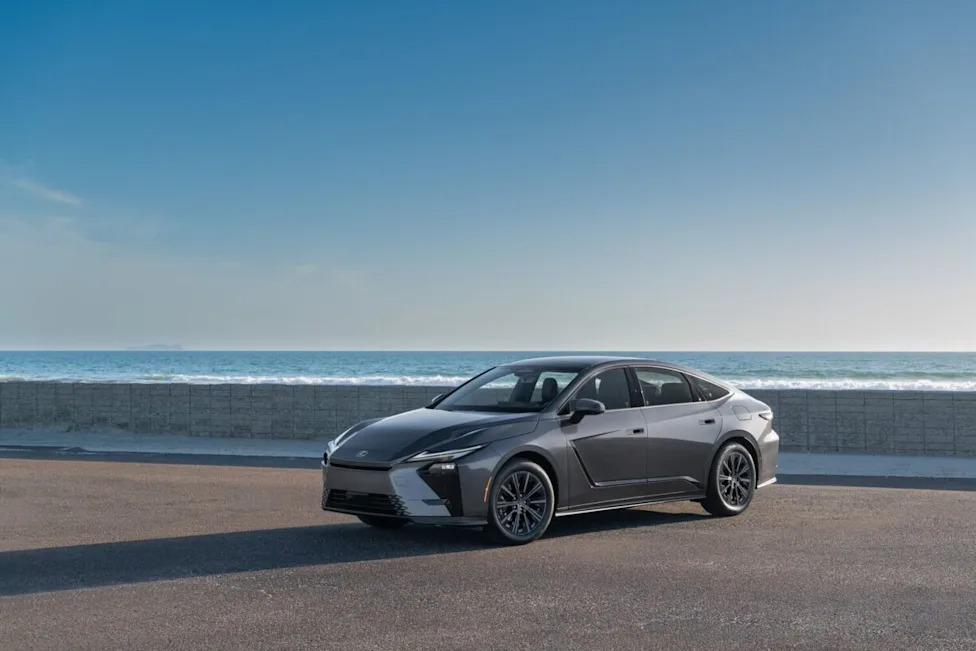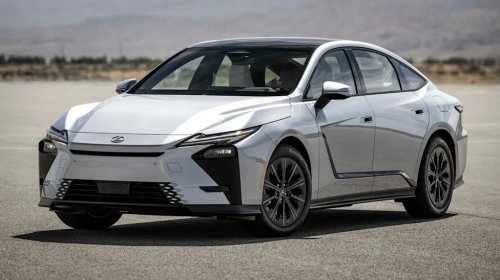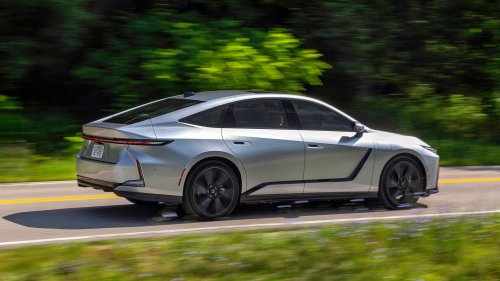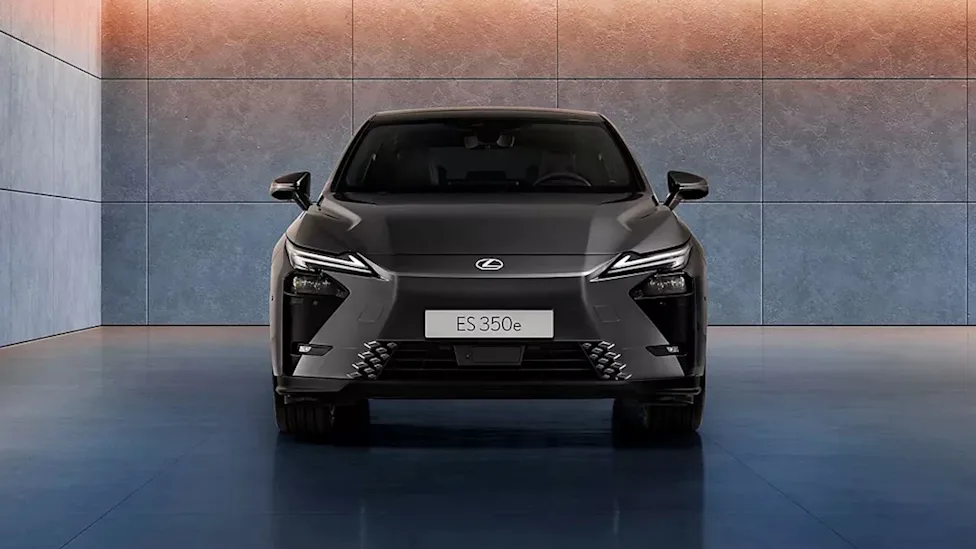



















Photo Credit: LexusLexus is giving one of its longest-running nameplates a dramatic reset. This time, the ES is going electric.As Car and Driver detailed, the redesigned ES arrives as a surprisingly attainable electric vehicle, positioning the luxury sedan as a direct alternative to the Tesla Model 3 for drivers who want more comfort without a sky-high price.What's happening?Lexus is overhauling the ES for its eighth generation, and for the first time, the midsize sedan will be offered as a fully electric model.AdvertisementAdvertisementThe move comes as the brand reshapes its sedan lineup, Car and Driver pointed out. The flagship LS is bowing out after a limited 250-unit Heritage Edition run for 2026, leaving the ES with a much larger role.The new ES EV is also physically larger. The EV's wheelbase has reportedly grown by 3.1 inches, opening up more rear-seat space, and the car is also 4.5 inches taller than the model it replaces.The publication also noted that some trims can be outfitted with an Executive rear-seat package that adds a passenger-side ottoman, plus heat and ventilation for the outer rear seats.Lexus is also planning a 224-horsepower ES350e with front-wheel drive and a 338-horsepower ES500e with all-wheel drive. Each uses the same 67-kilowatt-hour battery pack.AdvertisementAdvertisementIt has an estimated range of 272 to 307 miles, depending on setup, with DC fast-charging maxing out at 150 kW.Perhaps the biggest surprise is pricing. Car and Driver said the ES350e opens at $48,895, and the ES500e spans $51,895 to $60,295. That puts Lexus close to some mainstream EVs, even with a more upscale cabin and feature set.Why does the new EV matter?The ES EV appears to be aimed at people who like the idea of going electric but don't want a bare-bones interior or a crossover body style. There are some tradeoffs. The range and charging speeds don't lead the segment, and the heavier electric model may not feel especially sporty. AdvertisementAdvertisementThe ES has never really been about aggressive performance, though; Lexus seems to be leaning into quiet comfort, interior polish, and value.These moves reflect a shift in the car market. More brands are trying to make EVs feel normal, useful, and premium rather than experimental. That's good news for the planet. While cynics point to the toll of mining for EV battery materials, there is ample evidence that EVs are a net-win when compared to their gas counterparts and play a role in delivering cleaner air.What can drivers do?For drivers considering getting an EV, a new model adds to the allure. EVs can save owners money over time because electricity is often cheaper than gas, and they generally need less routine maintenance.AdvertisementAdvertisementMeanwhile, charging at home is significantly cheaper than relying on public chargers and can save car owners hundreds of dollars annually. Qmerit can help connect drivers with free installation estimates from Level 2 EV charger providers.Installing solar panels can push those savings even further, since charging with your own energy is cheaper than using public charging stations or depending entirely on the grid. The Solar Explorer can help EV owners access vetted installers and save up to $10,000 on solar installations by comparing competitive bids.Get TCD's free newsletters for easy tips, smart advice, and a chance to earn $5,000 toward home upgrades. To see more stories like this one, change your Google preferences here.