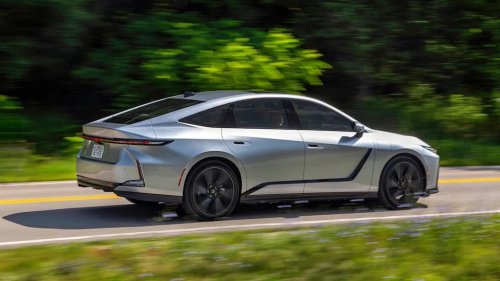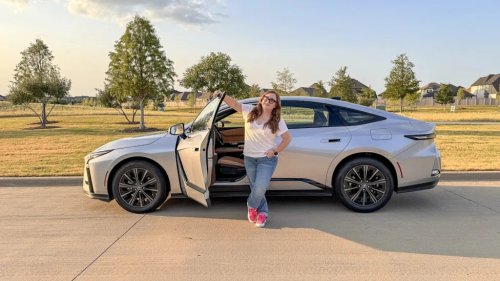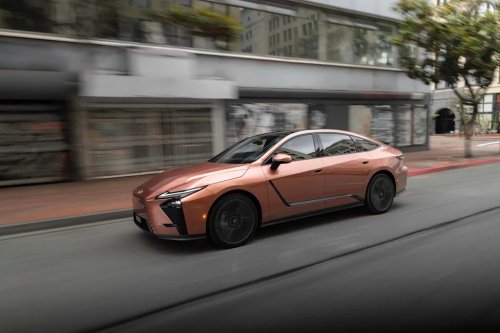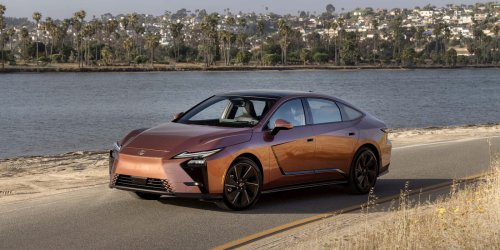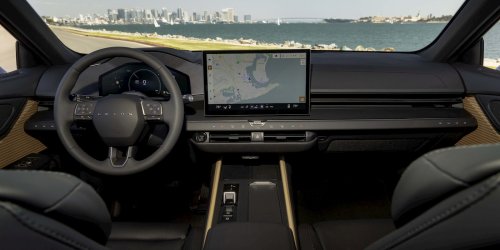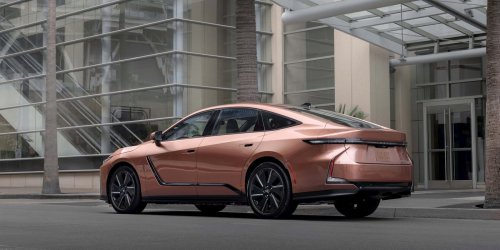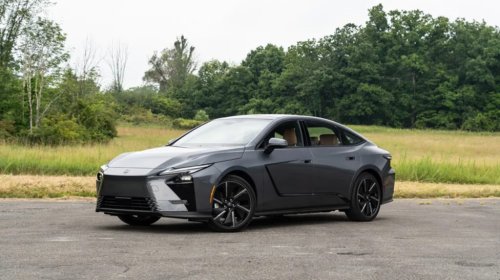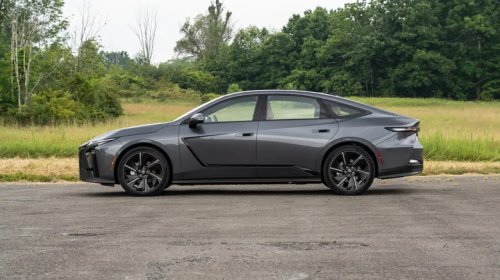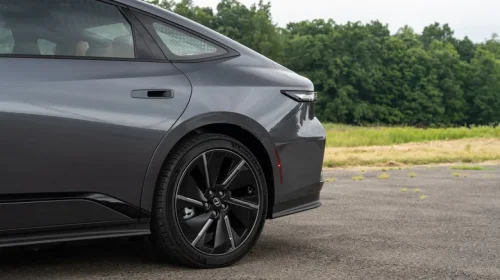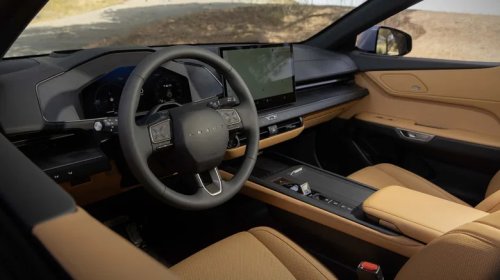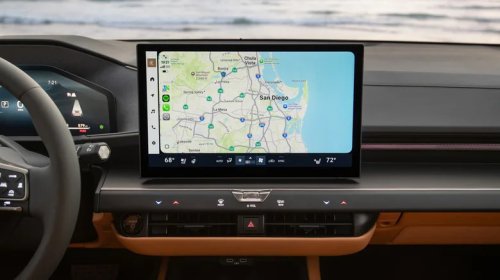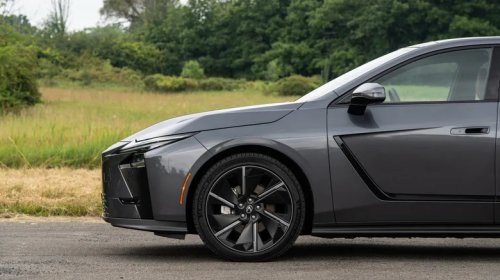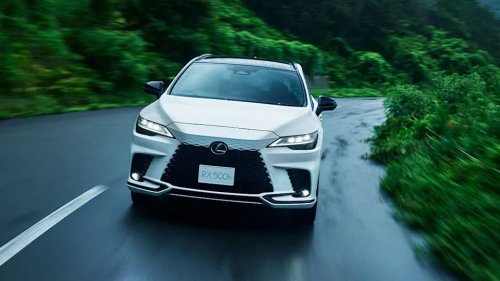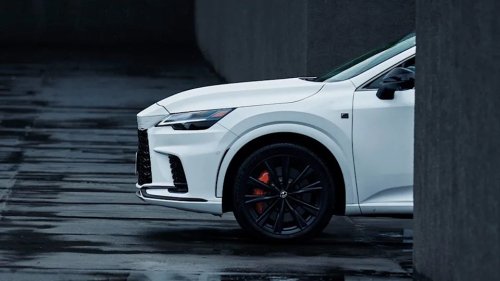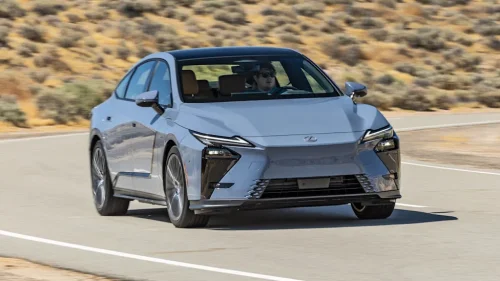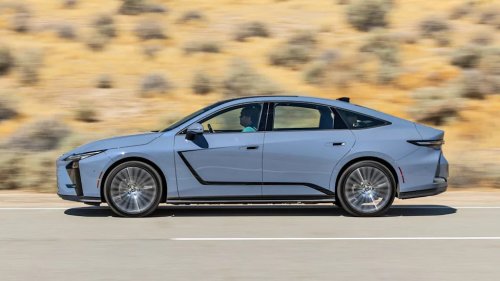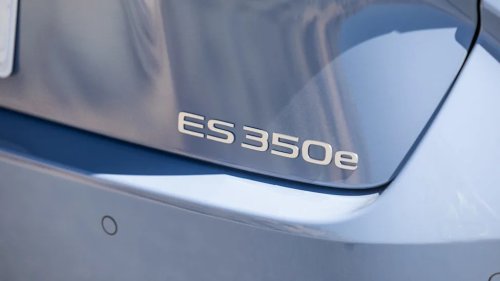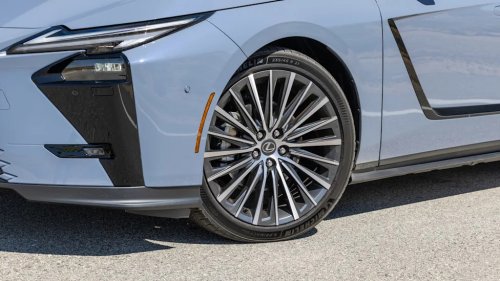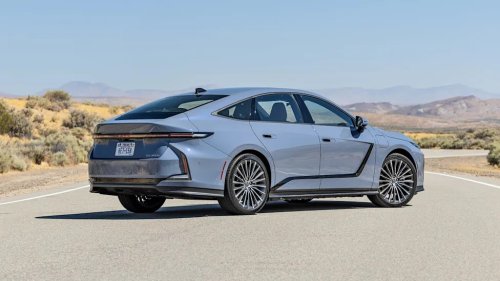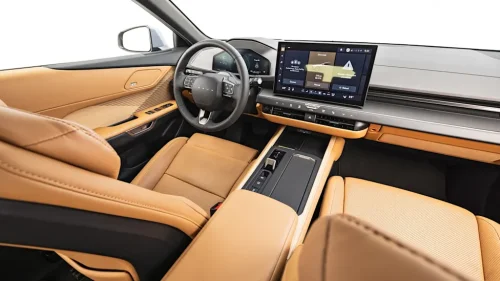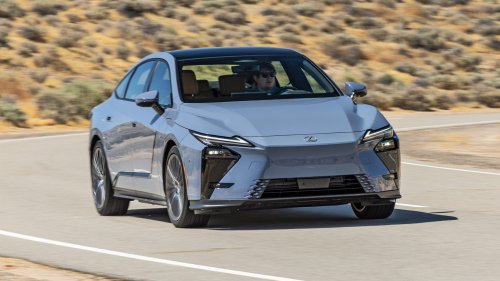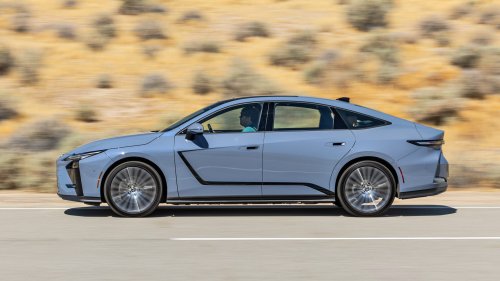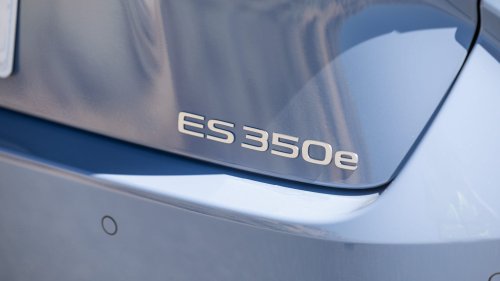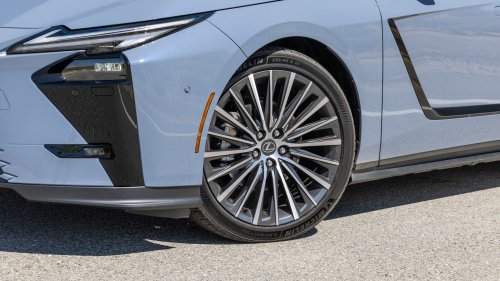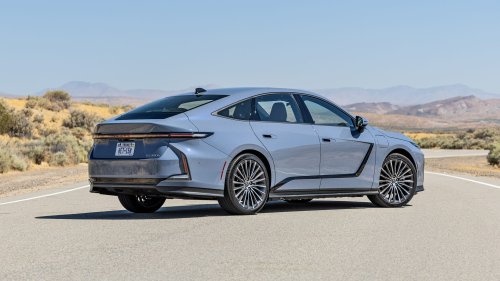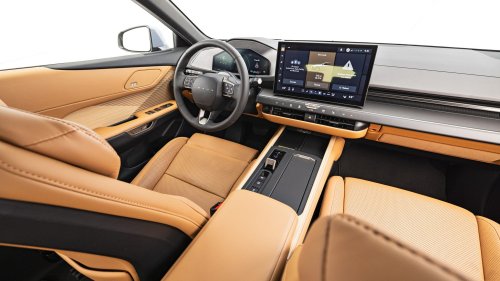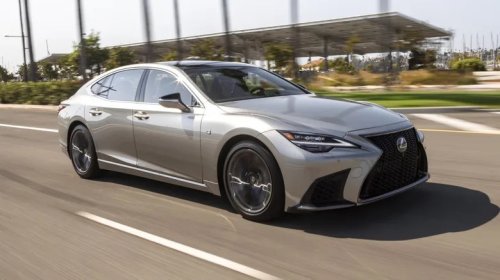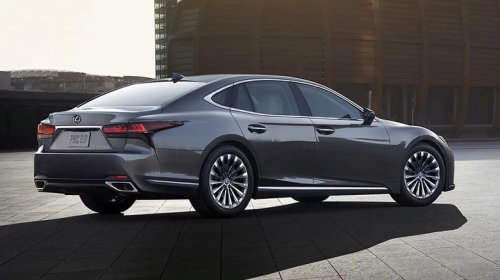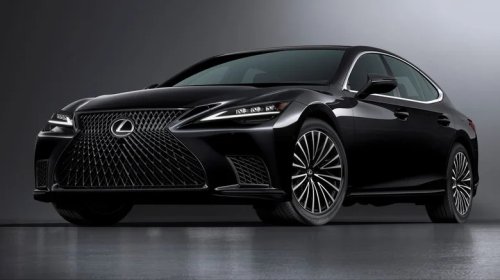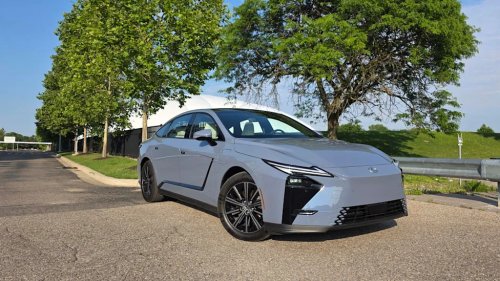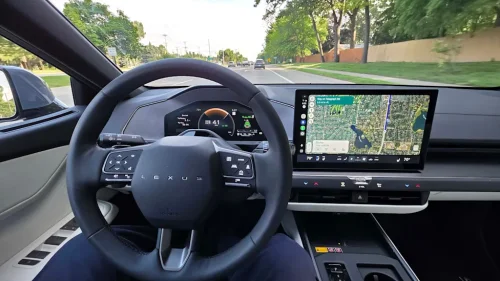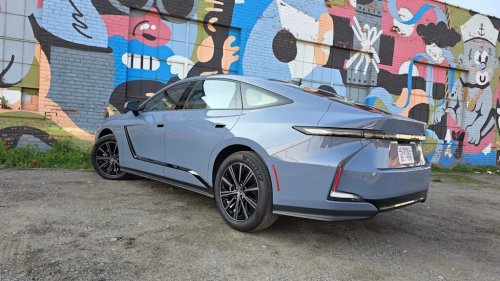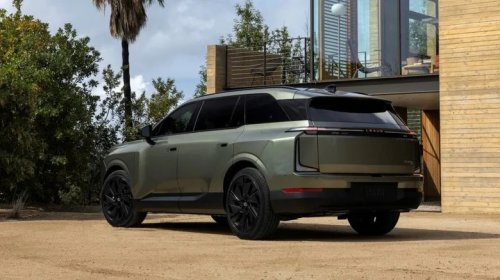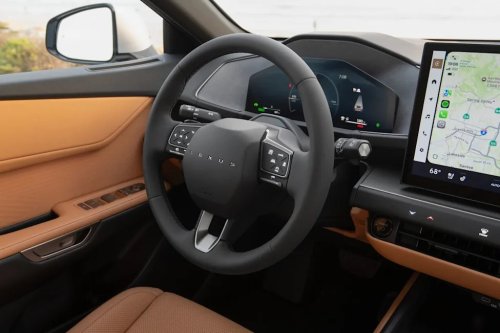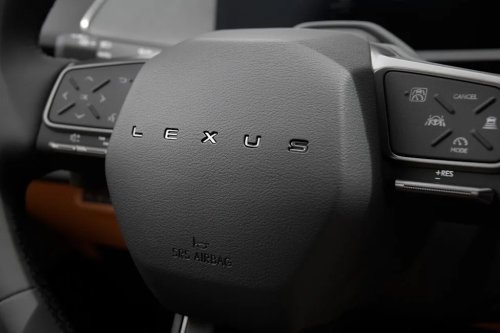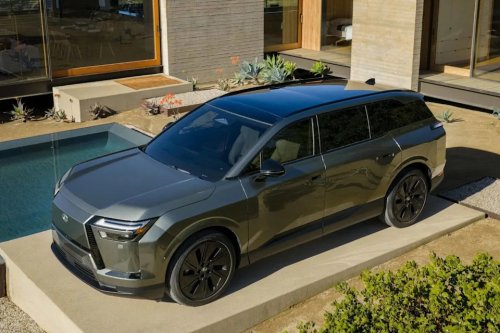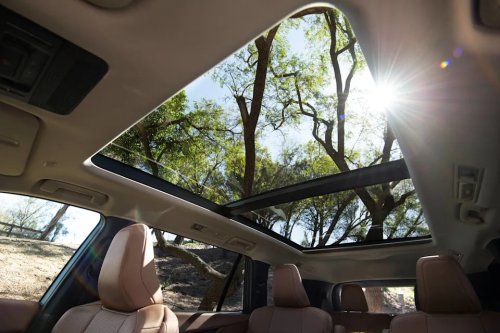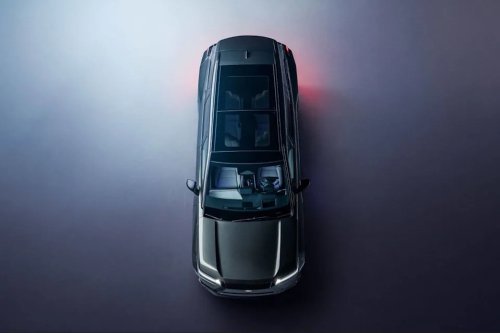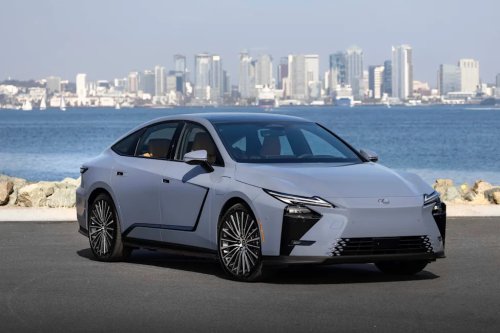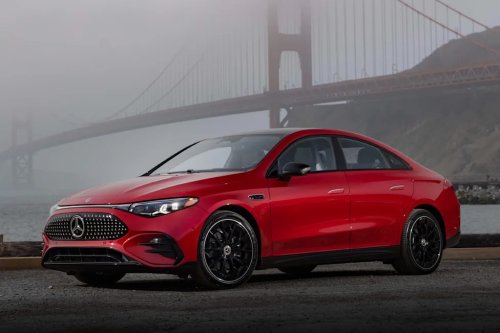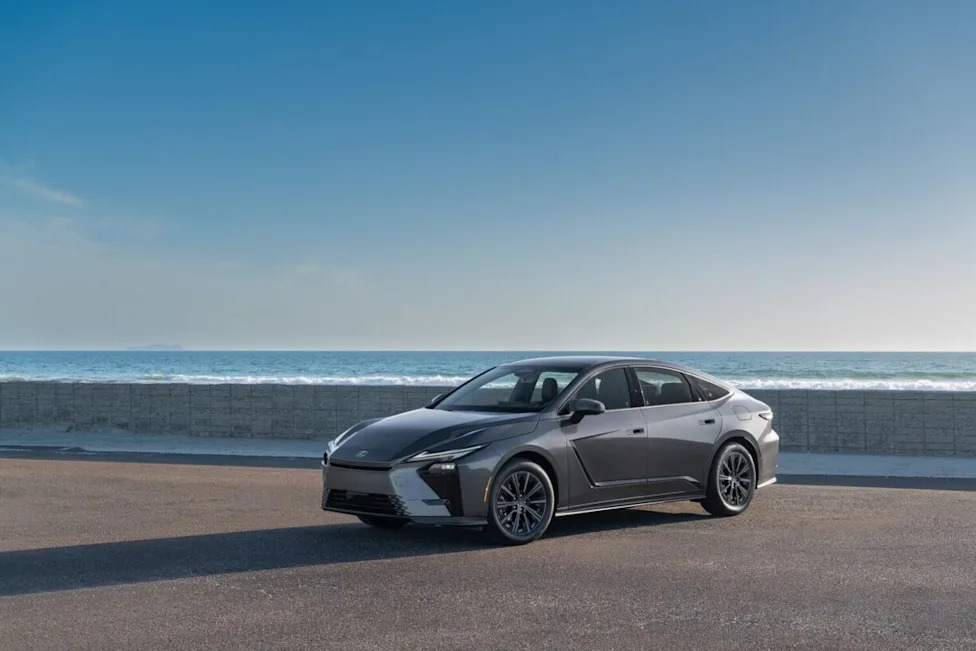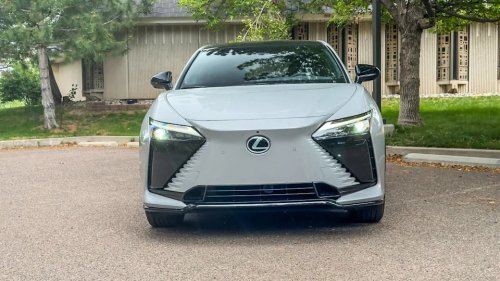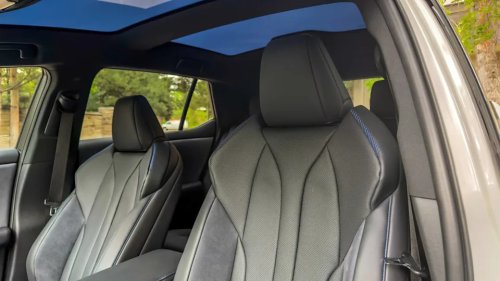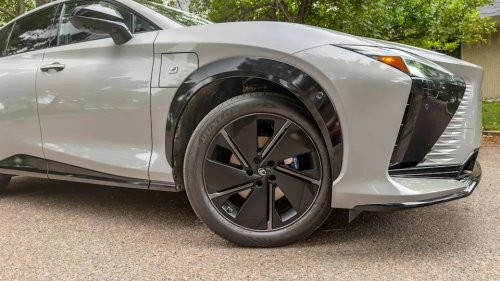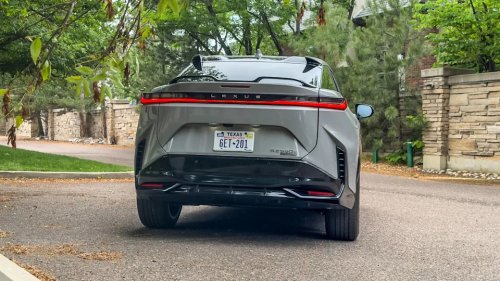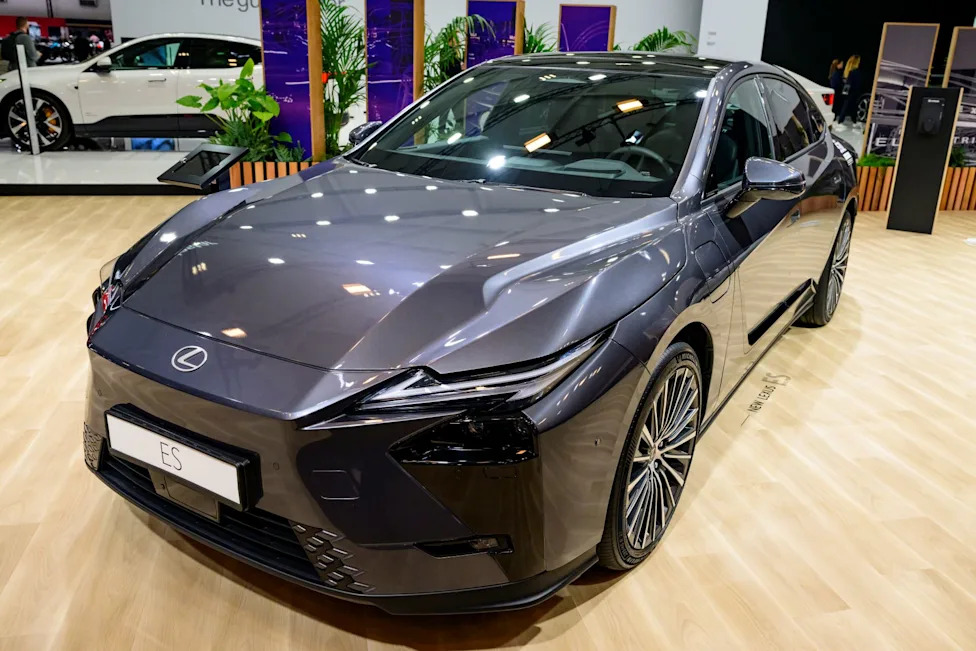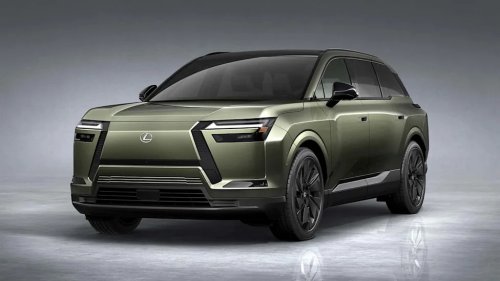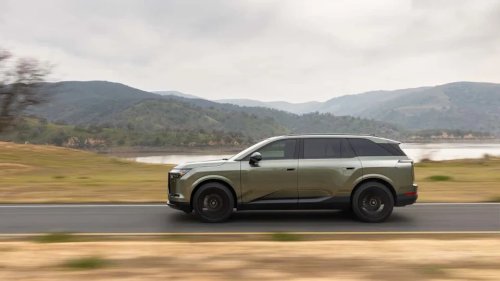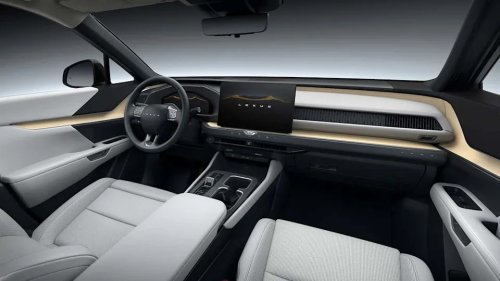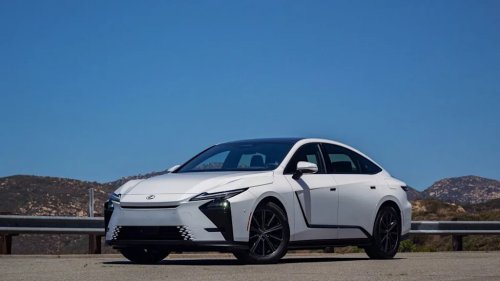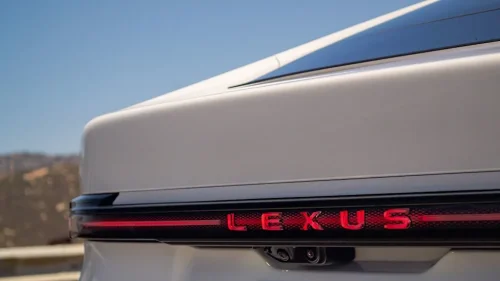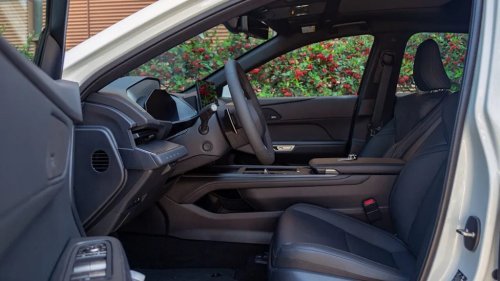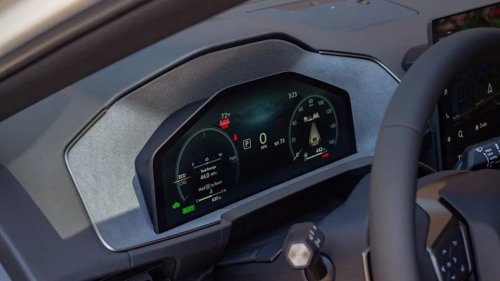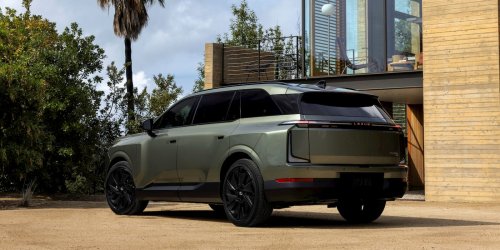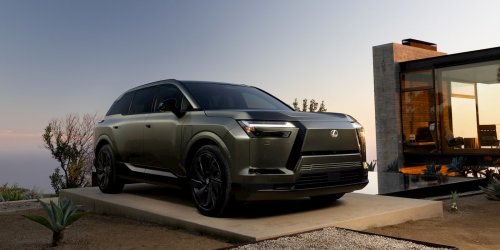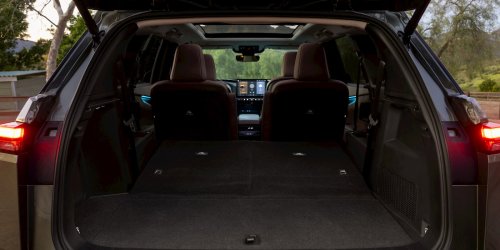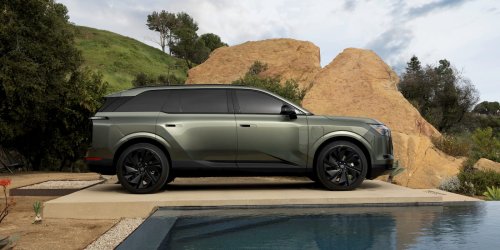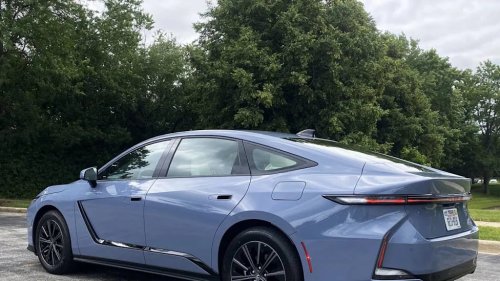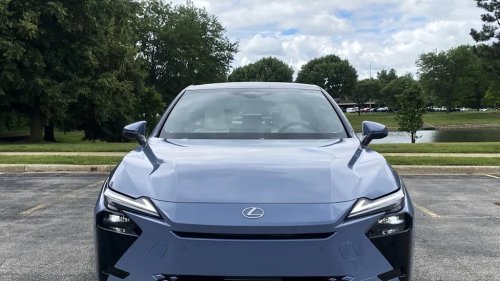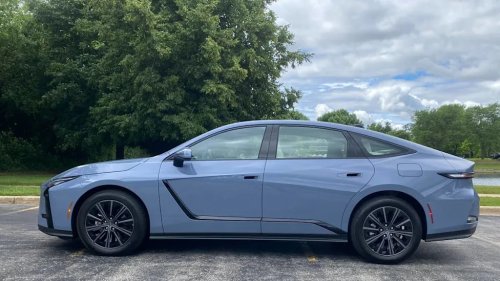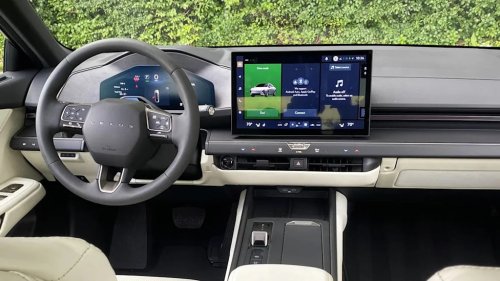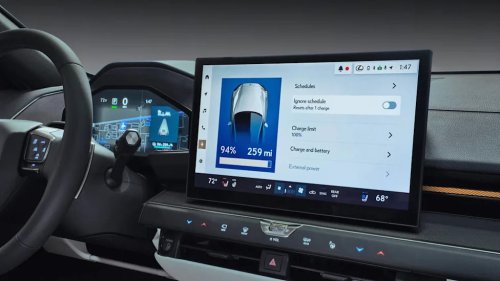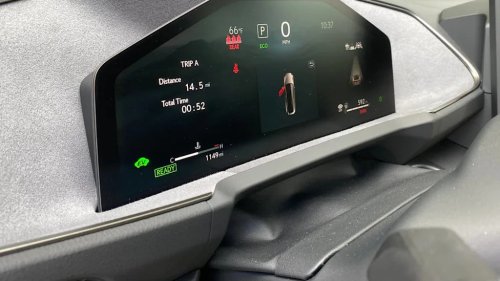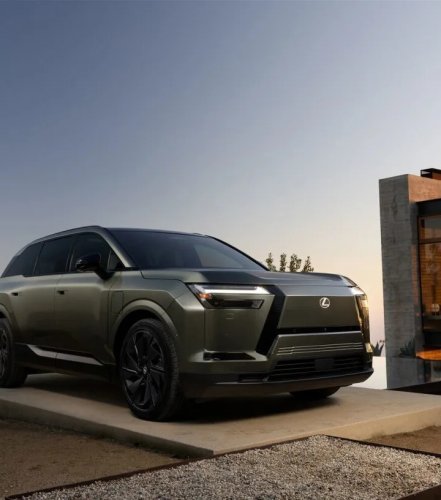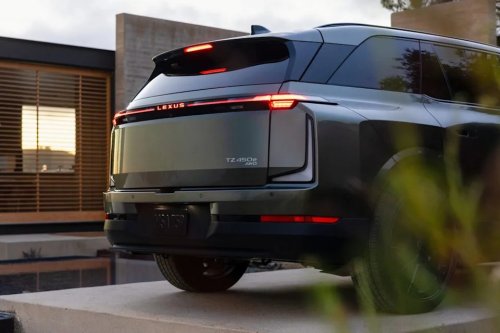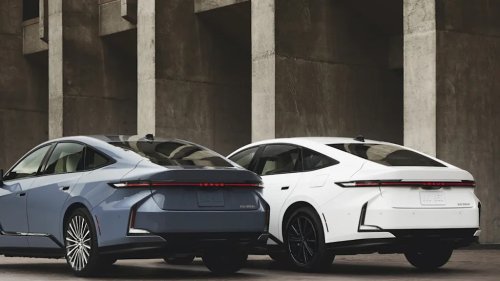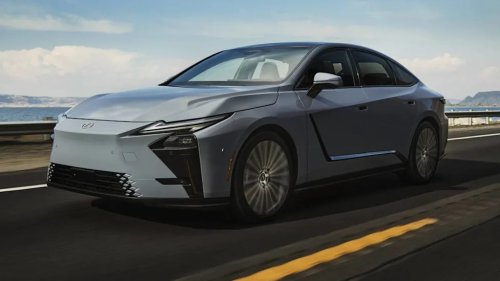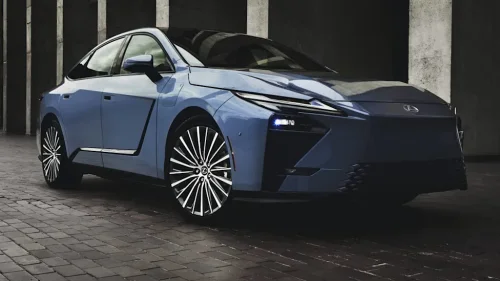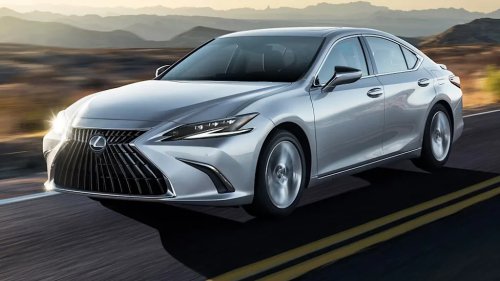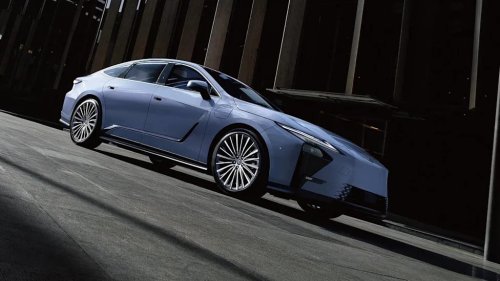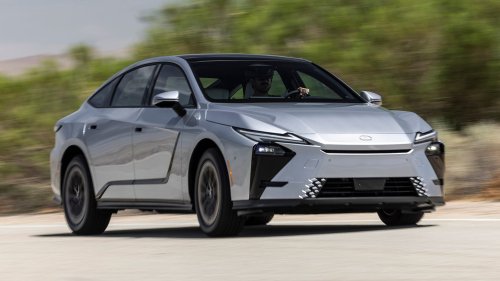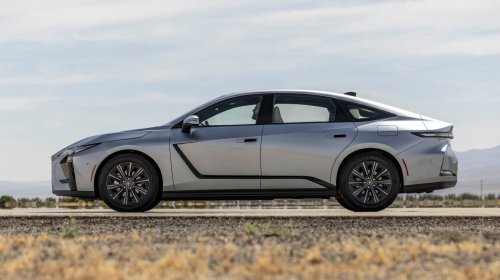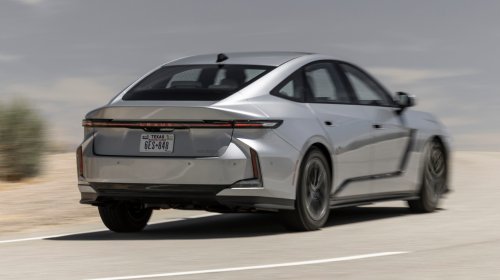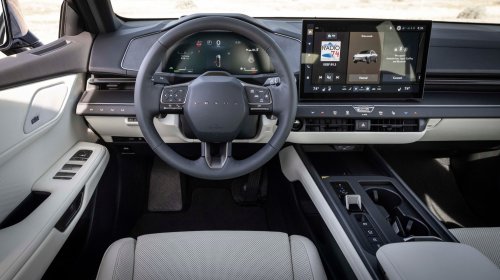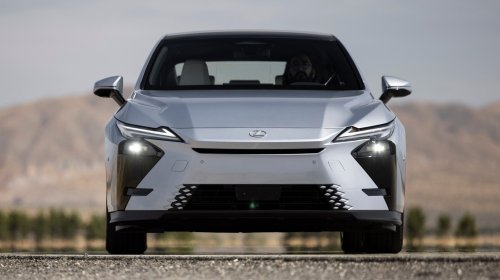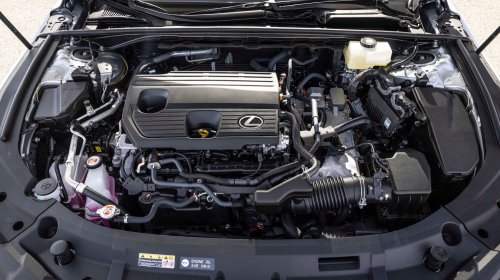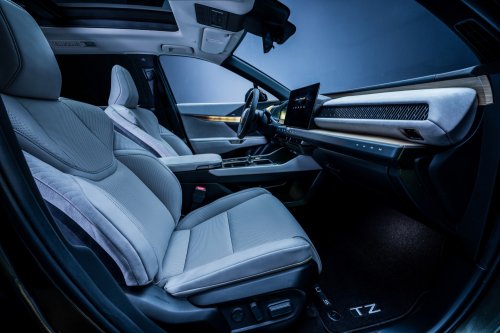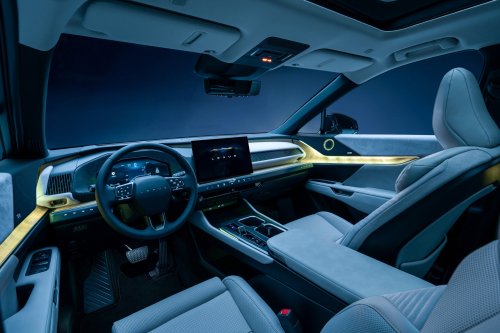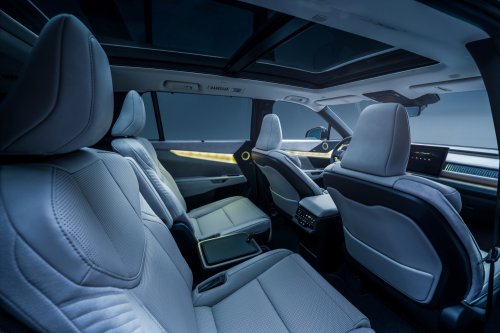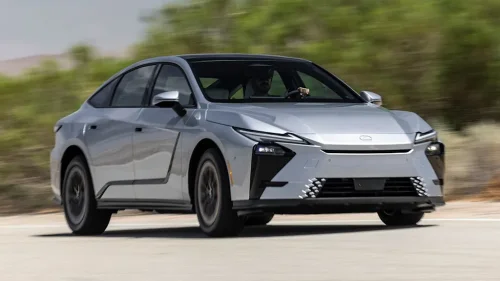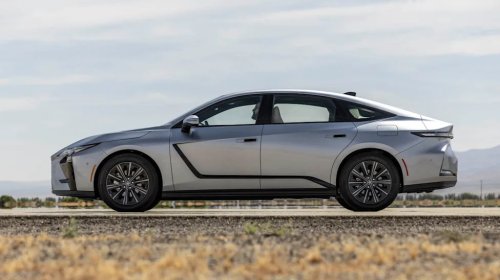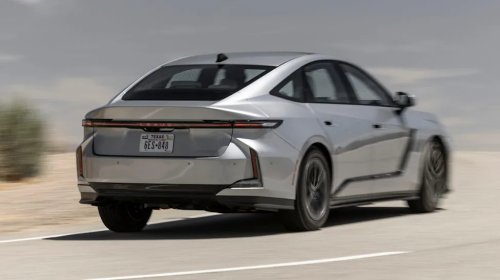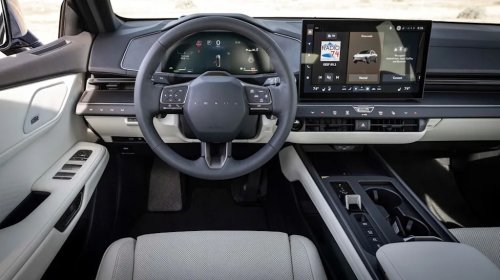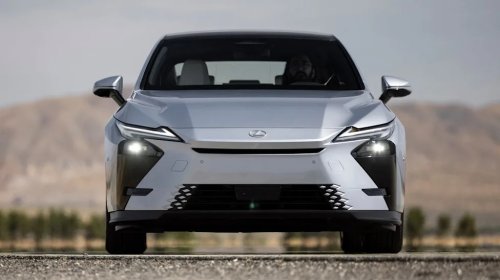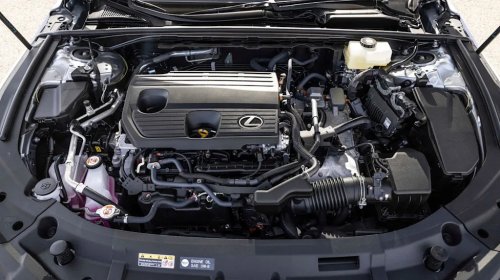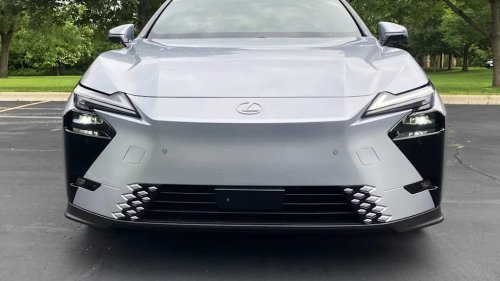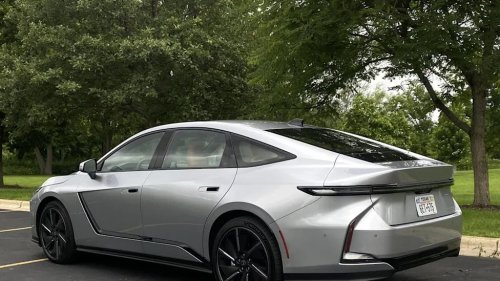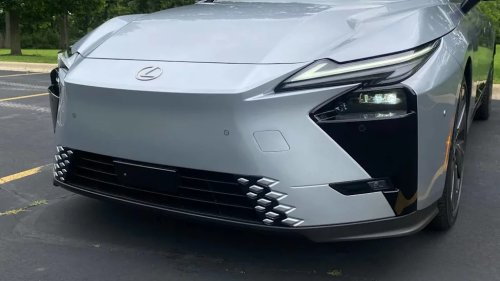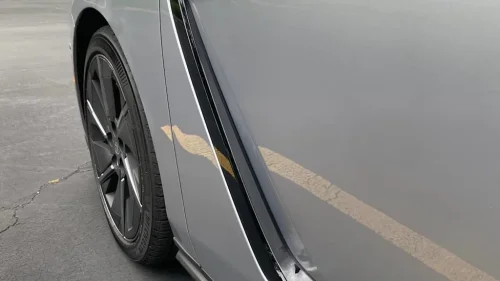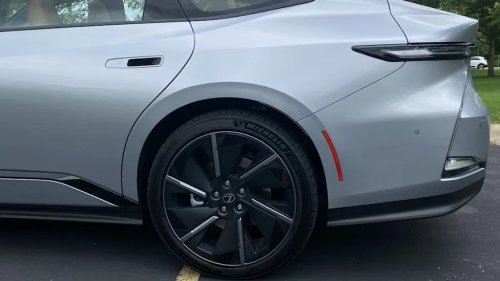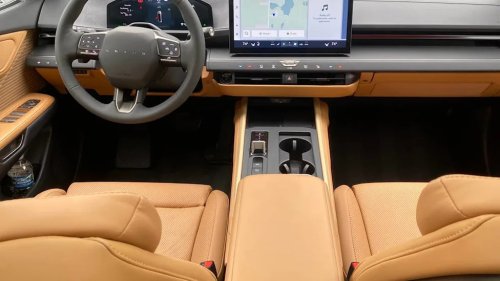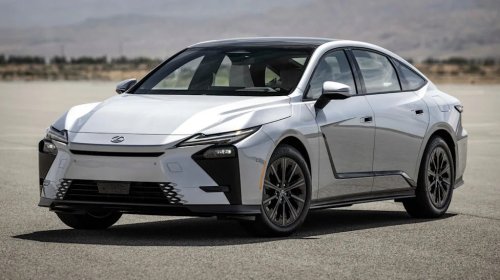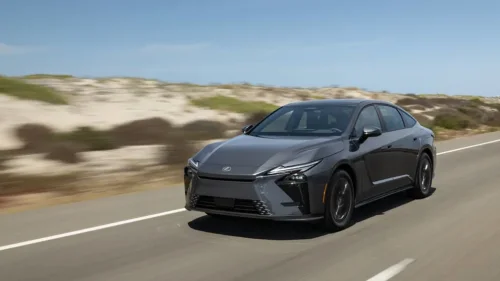
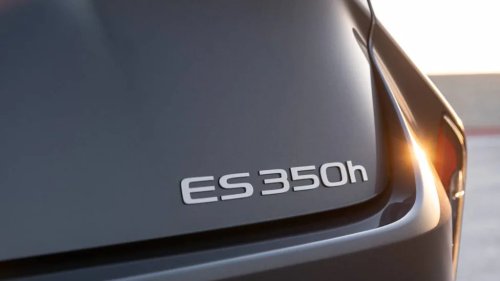
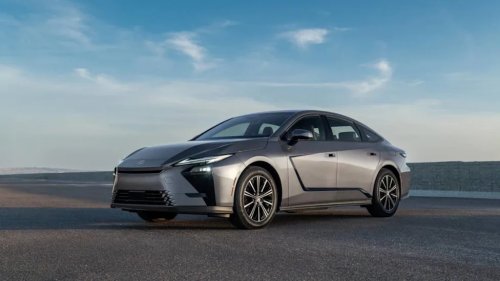
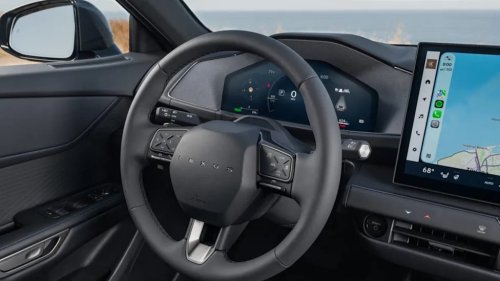
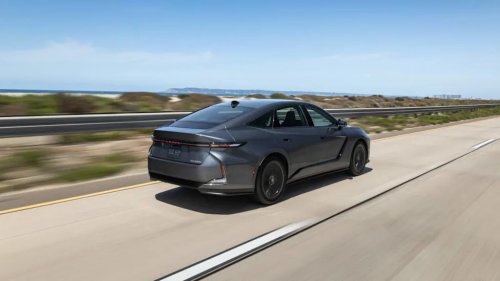
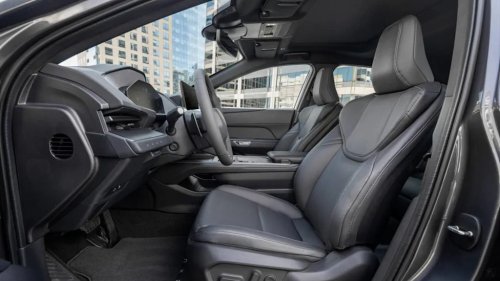
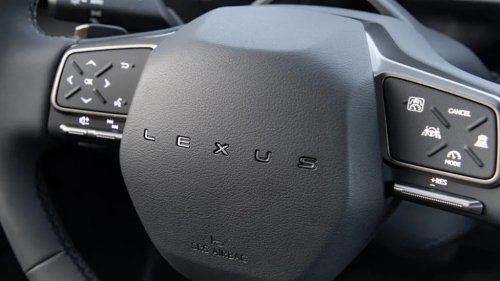
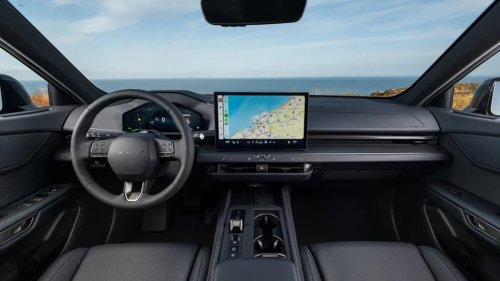
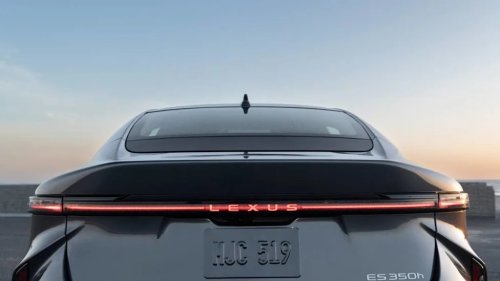



















Autoblog and Yahoo may earn commission from links in this article.In a market that has collectively decided sedans are either dead, electric, or both, the 2026 Lexus ES 350h arrives like a polite rebuttal. It's a hybrid. It's spacious. It costs just over $51,000. And it is, in nearly every measurable way, a better car than the one it replaces: more powerful, more efficient, larger inside, and equipped with technology that finally pulls Lexus into the present tense. Spend a day behind the wheel, and you'll come away with respect for the ES 350h. You'll appreciate its composure, quiet confidence, and commitment to doing the basics extraordinarily well. What you probably won't do is think about it much after you've parked it and walked away. That's the ES's perpetual dilemma, and the eighth generation hasn't solved it.2026 Lexus ES 350hLexusLuxury Without The Luxury TaxThe 2026 ES marks the most significant generational leap in the nameplate's 37-year history. For the first time, the lineup is exclusively electrified: there's no gas-only engine anymore. Buyers choose between the ES 350h hybrid in Premium ($51,095) or Premium+ ($55,895) trim, each available with front- or all-wheel drive, and fully electric variants in the 350e ($48,895) and the dual-motor 500e ($51,895). AWD adds $1,400 to either hybrid trim. Lexus expects the 350h to be the volume seller by a wide margin, and it's easy to see why: the hybrid asks for zero lifestyle changes, no charging infrastructure, no range planning, just fuel up and drive.2026 Lexus ES 350hThe ES has also grown substantially, to the point where it's encroaching on the territory of the now-discontinued Lexus LS. At 202.4 inches long on a 116.1-inch wheelbase, the new ES is 6.5 inches longer and nearly 4.5 inches taller than its predecessor. That growth is partially a consequence of the multi-energy platform, which needs the floor height to accommodate a battery pack in the electric variants. But it also transforms the ES's road presence from midsize luxury sedan to something that reads as genuinely full-size. Parked next to an outgoing model, the new car looks like it belongs to a different class entirely. It competes, nominally, with the BMW 5 Series, the Mercedes-Benz E-Class, and the Genesis G80. The ES undercuts all of them on price, sometimes by $15,000 to $20,000 in comparable trim, which has always been part of the Lexus value proposition.Lexus's Best Hybrid YetThe ES 350h's powertrain is Lexus's sixth-generation hybrid system, and it represents a meaningful upgrade over the outgoing ES 300h's fifth-generation setup. A 2.5-liter Atkinson-cycle inline-four works with a front motor-generator through a CVT, producing a combined 244 hp and 175 lb-ft of torque. That's 29 hp more than the outgoing model, and the efficiency numbers climbed along with the power: 46 mpg combined for the FWD model, 44 for AWD, up from the previous car's 44 combined.AdvertisementAdvertisementThe optional AWD system is new for the ES hybrid. Rather than a traditional mechanical transfer case, Lexus mounts a 54-hp electric motor on the rear axle that engages independently when the car's computer detects a traction deficit. It's a system designed for confidence in slippery conditions, not for performance: the rear motor supplements rather than transforms the driving experience.2026 Lexus ES 350hThe chassis rides on the TNGA-K platform, shared architecturally with the Toyota Camry but adapted with a wider track, stiffer structure, and a new multi-link rear suspension that replaces the previous car's less sophisticated setup. Curb weight lands at 4,035 pounds for the FWD hybrid, which is reasonable given the car's physical footprint. There are no adaptive dampers available; Lexus tuned the passive setup for comfort and left it at that. Acceleration to 60 mph takes 7.3 seconds, which is perfectly adequate and completely unexciting. The ES 350h isn't trying to be quick. It's trying to be smooth, quiet, and efficient, and on those terms, it delivers.Behind The WheelThe ES 350h drives exactly the way it looks: calm, composed, and deeply committed to not surprising you. That's meant as a compliment, mostly. From the moment you pull away, the hybrid system operates with a seamlessness that represents a genuine leap over previous Toyota and Lexus hybrids. The rubber-band sensation that plagued earlier CVT-equipped models is largely gone. In normal driving, the transition between electric and gasoline power is nearly imperceptible, and the powertrain hums along with a quiet efficiency that makes the car feel more expensive than it is.2026 Lexus ES 350hThe ride quality is the ES's strongest suit. On smooth roads, the car floats with a serene composure that recalls the comfort-first luxury sedans of a previous era. The multi-link rear suspension pays dividends here, keeping the body settled and controlled without introducing the firmness that a sportier setup would demand. On rougher surfaces, the passive dampers handle themselves well enough, though the taller ride height and increased weight occasionally let a sharper impact through. Body roll is well-contained for a comfort-oriented sedan, and the chassis stays stable through sweeping highway curves without feeling like it's working hard.AdvertisementAdvertisementSteering is light and precise enough for the car's mission, with a consistent weighting that won't fatigue you on a long drive. It's not communicative like a sports sedan's rack would be, but that's not the point. The ES wants you to relax.2026 Lexus ES 350hWhere the experience falls flat is in the emotional register. Floor the accelerator to merge onto a highway and the CVT sends the engine climbing into its upper rev range with a strained drone that's the only moment the cabin's quiet refinement cracks. Once you've merged and the revs settle, everything returns to its tranquil baseline. But there's nothing between "calm" and "strained" in the ES 350h's dynamic range. No mid-range punch that rewards a downshift. No moment where the chassis surprises you with a burst of athleticism. The car is excellent at cruising and merely adequate at everything that happens between stop and cruising speed.Inside the CabinThe interior is where the new ES makes its most compelling case for relevance. The growth in exterior dimensions translates directly into cabin space, particularly in the rear seat. Legroom is genuinely limousine-like; tall passengers will find themselves crossing their legs out of luxury rather than necessity. The Premium+ trim's available Executive Package on the electric models goes further still, adding heated, ventilated, and massaging rear seats with a deployable ottoman on the passenger side. That package isn't offered on the hybrid, unfortunately, but the rear accommodation is still the best in the segment at this price.2026 Lexus ES 350hUp front, the driving position is comfortable and offers excellent forward visibility, thanks to a low dashboard and the absence of a physical hood over the gauge cluster. The 12.3-inch digital instrument display is clean and readable, and the 14-inch center touchscreen running Lexus's next-generation Interface software is the biggest single improvement over the outgoing car. The new system is responsive, logically organized with a customizable home screen, and designed so that most functions sit no more than two taps from the main display. Wireless Apple CarPlay and Android Auto are standard throughout. It's a massive step forward from the old system's trackpad-driven frustrations.AdvertisementAdvertisementMaterials are solid if not exceptional. The standard synthetic leather is convincing enough at arm's length, and the heated and ventilated front seats are a welcome standard inclusion. Panel fit and assembly quality are tight, as expected from Lexus. The design language leans toward clean and functional rather than expressive, with horizontal lines and a restrained use of trim materials that read as professional rather than luxurious. It's a cabin you'd be happy to sit in for hours. It's not a cabin you'd photograph.2026 Lexus ES 350hOne small gripe worth mentioning: Lexus has replaced the traditional logo on the steering wheel hub with the word "LEXUS" spelled out in block letters. It matches the new brand identity on the trunk lid and throughout the exterior, but on the steering wheel, the thing you're looking at every moment you're driving, it feels like a step backwards. The interlocking L was elegant and distinctive. The wordmark is just letters.Software and TechLexus Safety System+ 4.0 debuts on the ES, and it's the most refined safety suite Lexus has offered. Adaptive cruise control, lane tracing assist, road sign recognition, and a pre-collision system with pedestrian detection are all standard. The Premium+ adds traffic jam assist and lane change assist, which together create a semi-automated highway driving experience that works smoothly and, critically, intervenes with a subtlety that earlier Lexus systems lacked. The system doesn't grab the wheel or slam the brakes with the heavy-handedness that characterized previous generations. It guides, gently, and stays out of the way when you don't need it.2026 Lexus ES 350hThe 14-inch touchscreen's software deserves separate credit. Lexus allowed the interface to be customized with drag-and-drop widgets on the home screen, so owners can prioritize navigation, audio, climate, or whatever they use most. The built-in voice assistant handles natural language reasonably well. Some minor Bluetooth connectivity hiccups surfaced during testing, but nothing persistent. Compared to the competition, the new Lexus system sits comfortably alongside BMW's iDrive and ahead of whatever Hyundai and Genesis are currently doing with their convoluted dual-screen setups.Fuel EconomyThe ES 350h's efficiency is its quiet superpower. At 46 mpg combined for the FWD model and 44 for AWD, the new hybrid improves on the outgoing ES 300h's already-strong 44 combined figure while adding 29 horsepower. That's a genuine engineering achievement, and it translates into real-world savings that accumulate over years of ownership, unlike the upfront price difference with cheaper competitors.AdvertisementAdvertisementWith a conventional fuel tank, the ES 350h's total range on a fill-up comfortably exceeds 600 miles. For a sedan buyer who doesn't want to think about charging infrastructure, who just wants to drive to the gas station once every two weeks and otherwise forget about the car's fuel system entirely, the hybrid is the path of least resistance. It won't generate cocktail-party conversations about your car's powertrain. It will save you money quietly for as long as you own it.2026 Lexus ES 350hThe CompetitionThe BMW 530e and Mercedes-Benz E 350e are the ES 350h's nominal German rivals, both offering plug-in hybrid powertrains with more power and sportier driving dynamics. They're also substantially more expensive, with the BMW starting around $68,500 and the Mercedes in the mid-$60,000 range before options. If you value steering feel, chassis engagement, and the sensation of driving a car that responds to your inputs with enthusiasm, the Germans are worth the premium. If you value space, efficiency, and long-term reliability, the Lexus undercuts them by a wide margin on all three.The Genesis G80 and the Volvo S90 play in similar comfort-first territory at closer price points. The Genesis is the sharper-looking car with a more powerful base engine; the Volvo offers a serene Scandinavian cabin and a strong plug-in hybrid option. Neither matches the ES 350h's fuel economy or Toyota's reputation for long-term durability, which, for the buyer Lexus is targeting, may matter more than any dynamic advantage.VerdictThe ES 350h doesn't ask you to fall in love with it. It asks you to live with it, and on those terms, it's remarkably easy to say yes. The cabin is spacious enough to make you forget you're in a midsize sedan. The hybrid system is efficient enough to make range anxiety feel like someone else's problem. The technology finally feels current. And the whole package sits at a price point that makes its German competition look overpriced. What it doesn't do is stir anything. You won't take the long way home. You won't look back at it in the parking lot. For a lot of buyers, that trade-off is perfectly fine. For everyone else, that's the only thing holding it back.AdvertisementAdvertisementThis story was originally published by Autoblog on Jun 24, 2026, where it first appeared in the Reviews section. Add Autoblog as a Preferred Source by clicking here.