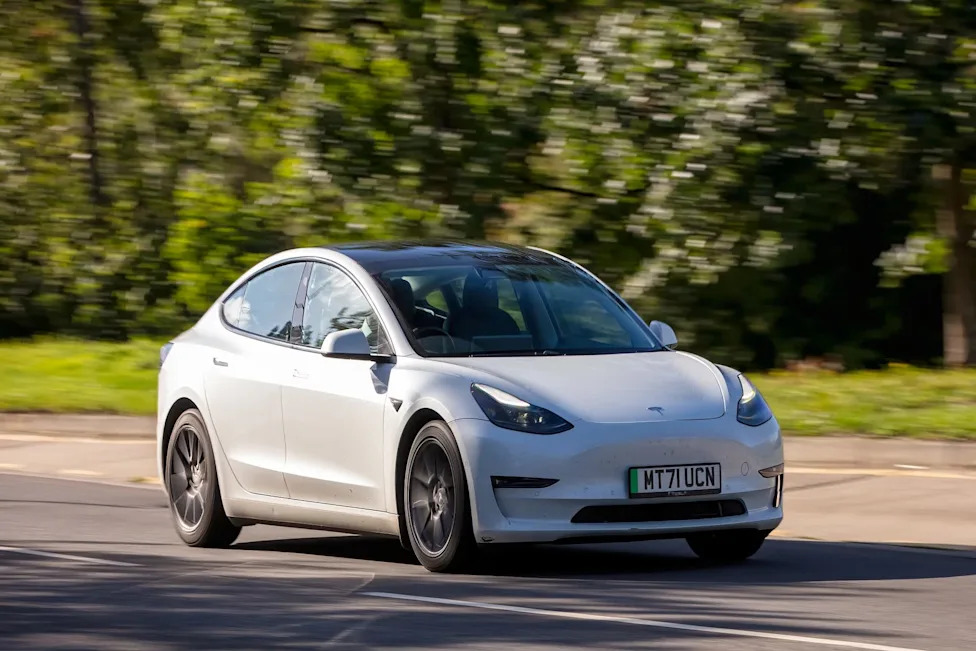
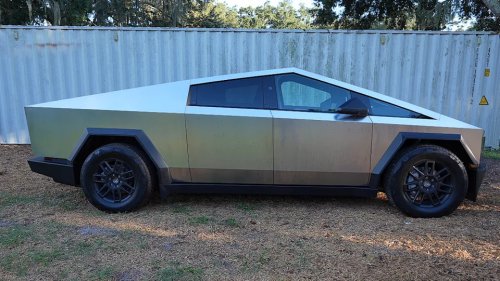
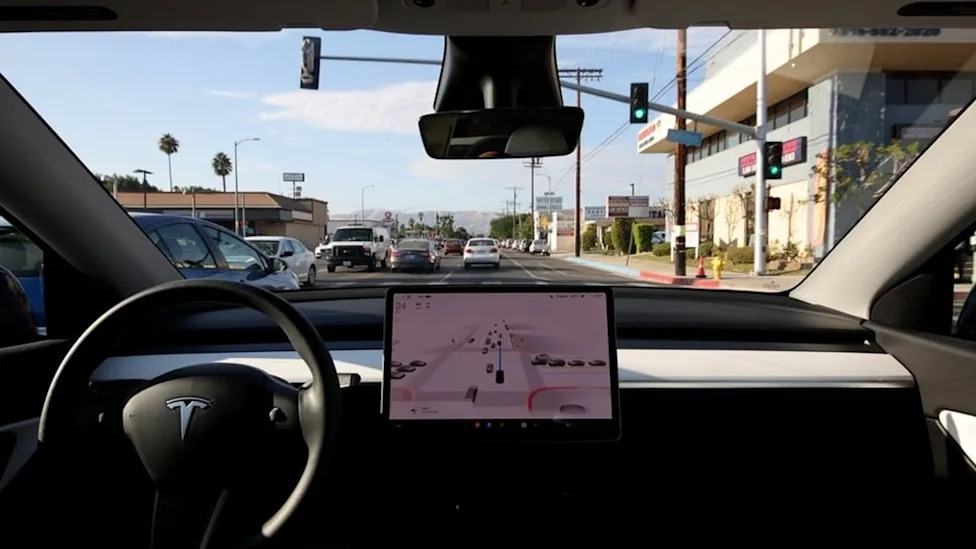
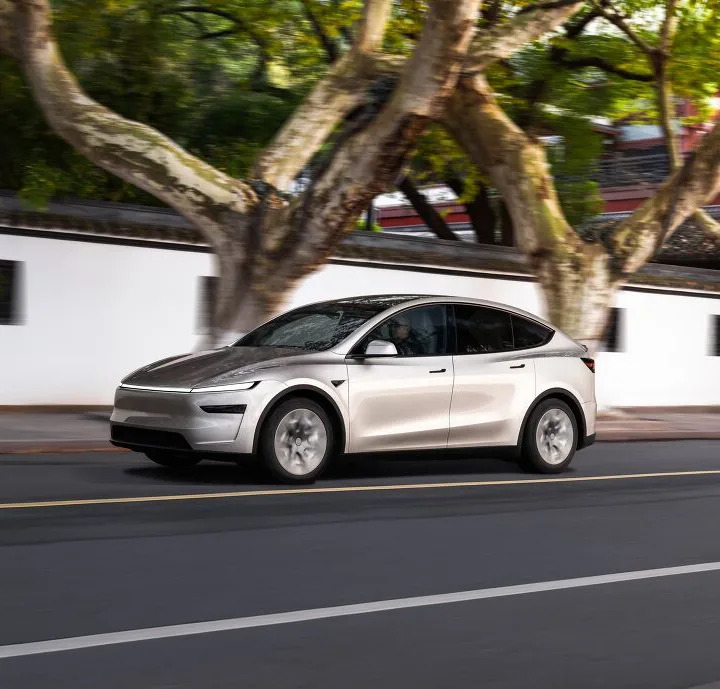
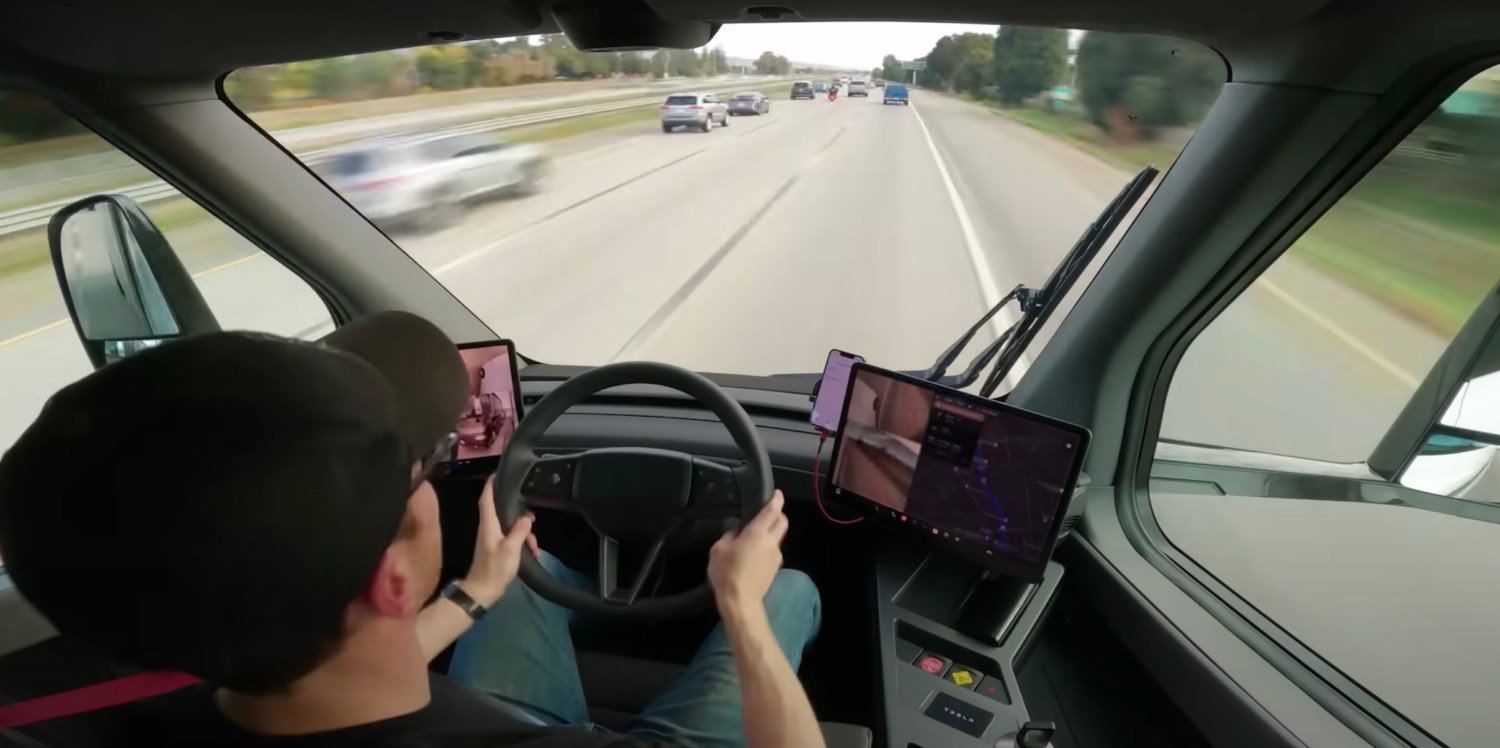
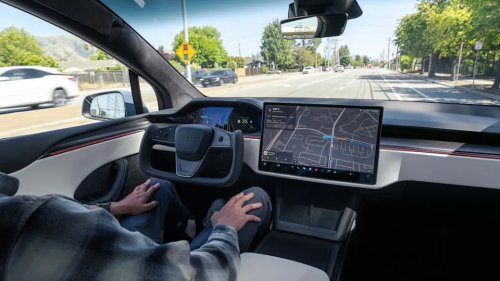
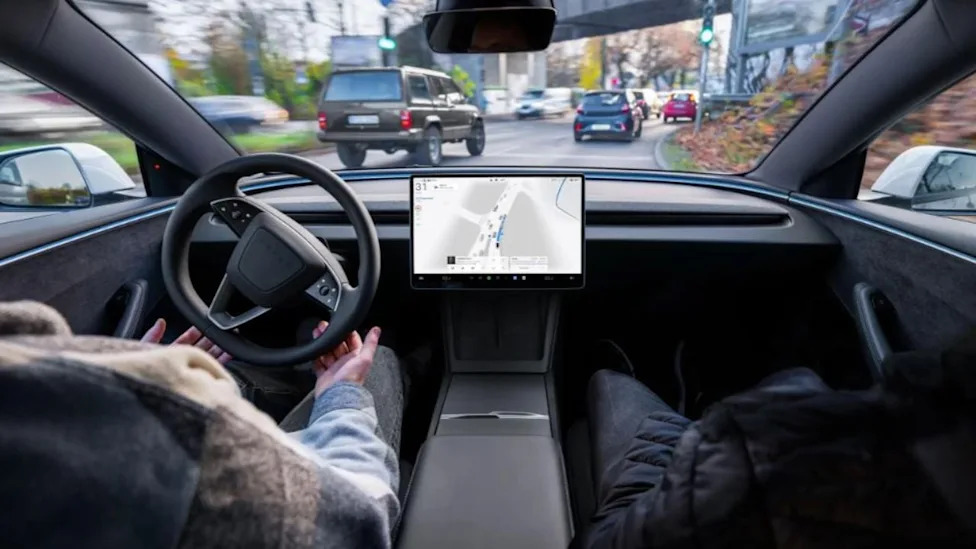
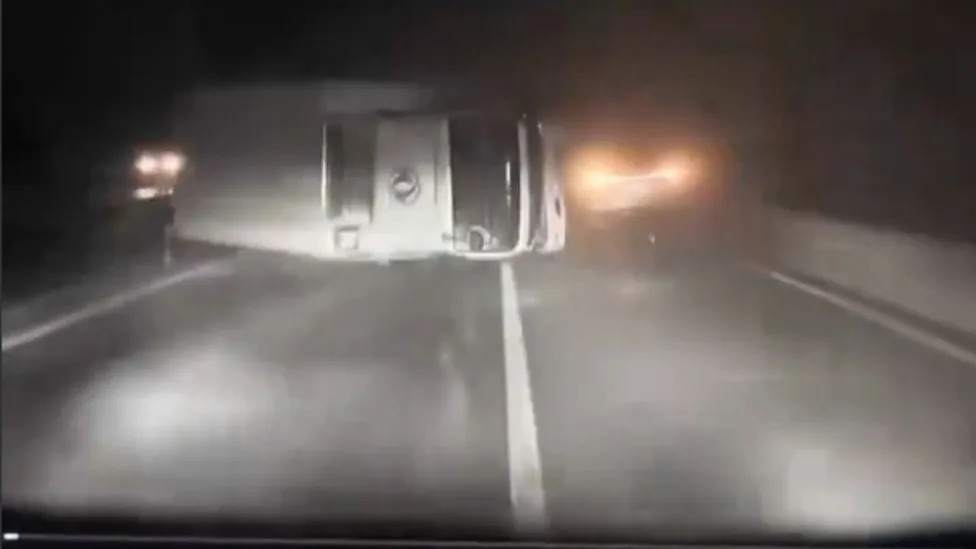
Photo Courtesy: Autorepublika.A cloud of smoke hanging across a dark highway became the setting for one of the internet’s latest autonomous driving debates. A viral Tesla interior-camera clip showed a car pushing through near-zero visibility before swerving around a wrecked truck engulfed in smoke and debris and an unlucky SUV.The footage, shared by the X account akafaceUS, exploded across social media because it managed to trigger two very different reactions at once. Some viewers saw proof that Tesla’s driver assistance technology can process danger faster than humans, while others argued the system should never have entered the smoke cloud in the first place.The scene appears to have taken place on a Chinese highway bridge at night, based on the road markings, interface language, and the damaged vehicle’s license plate format. Visibility was already poor before the Tesla reached the crash zone, with smoke and dust spreading across multiple lanes.AdvertisementAdvertisementFor automotive enthusiasts, the clip offers a fascinating look into the strengths and weaknesses of modern self-driving systems. For everyday drivers, it highlights a lesson that matters far beyond Tesla, AI, or autonomous driving hype: surviving dangerous road situations is often about anticipation, not just reaction.A Highway Turned Into a Blind CorridorImage Credit: aka/X.The video opens with the Tesla traveling at highway speed under dark nighttime conditions. Traffic appears relatively light, and there is little indication at first glance that catastrophe is waiting ahead. Then the atmosphere changes.A thick wall of smoke and airborne debris suddenly stretches across the roadway, reducing visibility to almost nothing. Through the haze, the outlines of a badly damaged white SUV become visible, apparently sitting disabled in the lane after a violent crash.The wreck appears severe. Flames or glowing embers can be seen near the damaged truck, while smoke continues pouring across the highway and into neighboring lanes.AdvertisementAdvertisementMost human drivers encountering a scene like that would instinctively lift off the throttle long before reaching the smoke cloud. Experienced defensive drivers are trained to treat obstructed visibility as an immediate threat because smoke can hide stalled vehicles, debris, pedestrians, or secondary collisions. That is where the Tesla clip became controversial.Tesla’s Cameras and AI Face a Split-Second TestInstead of slowing dramatically before entering the smoke, the Tesla continues forward. From inside the cabin, the driver display shows Tesla’s camera-based driving visualization attempting to interpret the chaos ahead in real time.As visibility collapses, the system appears to identify the crashed vehicle at the last possible moment. The Tesla then performs a sharp avoidance maneuver, steering around the disabled sedan and clearing the smoke without making contact.To supporters of Tesla’s Full Self-Driving and Autopilot systems, the clip demonstrated the incredible speed of machine vision. Human eyes can struggle in smoke because contrast disappears and depth perception weakens, especially at night.AdvertisementAdvertisementTesla’s software, however, is constantly analyzing camera feeds frame by frame, searching for shapes, lane markings, reflective surfaces, and movement patterns. Even partial visual information can help the AI estimate where obstacles are located.That capability likely helped the vehicle recognize the crash and find an escape path through the obscured roadway. For many viewers, it looked like science fiction becoming reality.Why Critics Say the System Still FailedThe backlash arrived just as fast as the praise. Critics argued that the most intelligent action would not have been the evasive swerve itself. Instead, they believe the correct response would have been aggressive slowing or even a complete stop before entering a wall of smoke with no visibility beyond it.That criticism touches on one of the biggest philosophical debates in autonomous driving today. Modern systems are becoming remarkably good at reacting to hazards, but human drivers often rely on intuition and caution before danger fully materializes.AdvertisementAdvertisementA veteran driver might interpret drifting smoke, unusual lighting, or distant brake lights as enough evidence to slow down immediately. Humans frequently make decisions based on incomplete environmental cues and gut-level risk assessment.AI systems operate differently. Tesla’s vision-based approach relies heavily on identifying actual objects and road structure from camera data. If the system cannot confidently classify a hazard until it is much closer, its reaction window becomes smaller, even if the maneuver itself is impressive.The Bigger Lesson for Drivers EverywhereThe viral clip matters because it captures both the promise and the limitation of today’s advanced driver assistance systems in one terrifying moment. The Tesla successfully avoided a devastating collision under conditions that could easily have ended in tragedy.Tesla is being hailed as the safest vehicle on the road after its self-driving system successfully avoided an accident, even when thick smoke and dust made it nearly impossible to see. pic.twitter.com/gVGaJwEYhc— aka (@akafaceUS) May 25, 2026That outcome deserves attention because machine perception and automated emergency responses are becoming powerful safety tools on modern roads. At the same time, the incident shows why drivers cannot treat semi-autonomous systems as replacements for human judgment. Cameras, sensors, and AI may react faster than people in certain situations, but caution, anticipation, and situational awareness remain critical survival skills.AdvertisementAdvertisementSmoke, dust, fog, and heavy rain all create environments where the safest choice is often slowing down before technology detects a confirmed obstacle. Whether someone drives a Tesla, a Toyota, a BYD, or a decade-old sedan, the laws of visibility and stopping distance still apply.That is why this clip resonated far beyond the EV community. It was not only a showcase of advanced technology. It was a real-world demonstration of how thin the margin between survival and disaster can become on a dark highway.If you want more stories like this, follow Guessing Headlights on Yahoo so you don’t miss what’s coming next.














 +77 others