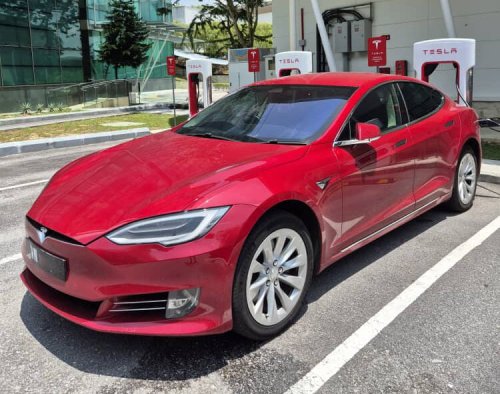
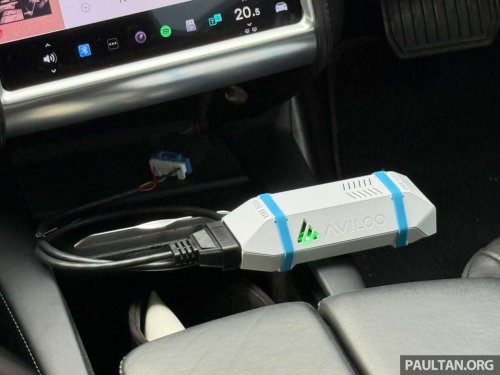
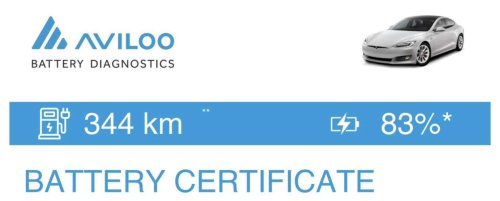
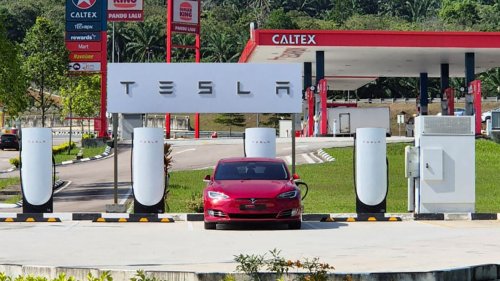
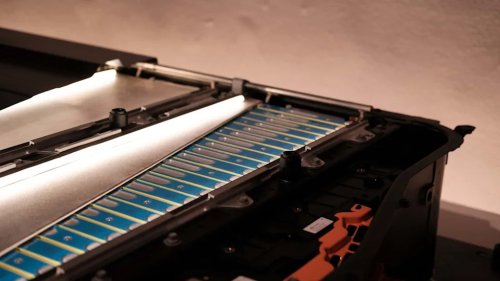
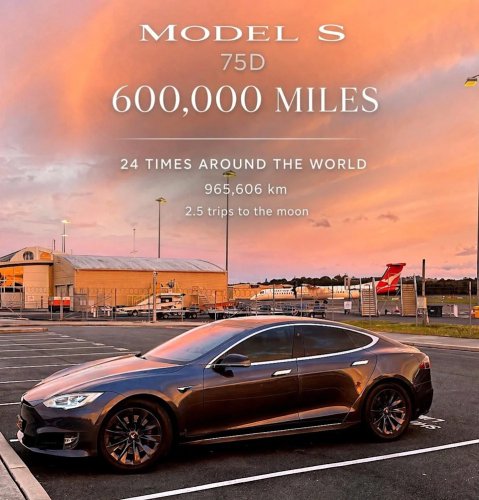
How often have you heard people who don’t believe in electric cars wish a new EV owner good luck because they think it’s likely that the new owner will have to deal with very expensive battery replacement cost in just 5-6 years. Perhaps we can’t blame them as many are merely speaking from how hybrids and plug-in hybrids of the last generation often require expensive battery replacements due to the often poor placement and stressful conditions that hybrid batteries have to work in. But how have electric cars, built on dedicated platforms, fared against the test of time? We decided to look into the condition of a 2017 Tesla Model S 75, which was brought into the country as part of Malaysian Green Technology Corporation’s Tesla leasing program fleet almost a decade ago. We performed an Aviloo Premium Test on the Tesla Model S to determine the battery state of health. To perform an Aviloo Premium Test, a device is connected to the EV and then the EV must be charged to 100%. Then while the device (called the Aviloo Box) remains connected, the EV is driven down to 10% state of charge through normal day to day use, within 7 days. The test is then considered complete, and the Aviloo Box sends the data it collected to Aviloo through the built in cellular data connection. An independent Aviloo Battery Certificate is then generated. Cropped version of the Aviloo results The results? Aviloo determined that the Tesla Model S still had 83% of its original battery capacity left, which left it with 344 km of WLTP range, down from 414 km WLTP range when it was new. Interestingly, the owner’s usage behaviour involved using DC fast charging almost 90% of the time, usually from a 20-30% battery level up to 80-90%. The reason for this is because that batch of Tesla Model S came bundled with free lifetime supercharging, so once Tesla Malaysia opened its first superchargers here, it had been running on free electricity the whole time. So yes, this EV did not need to have its battery pack changed after a decade due to supposed heavy degradation, let alone just 5-6 years as the common misconception is. In any case, battery warranties typically last around 8 years depending on brand, with Mercedes-Benz Malaysia being the most generous with a 10 year battery warranty. Of course fringe cases may exist, so if you’re in the market to buy a used EV, you can ask for it to be tested with an Aviloo battery test. There is another version of the test called an Aviloo Flash Test that is able to identify issues with the battery pack as well. What do you think of the Tesla Model S tested state of health – is 83% after nearly a decade an acceptable ownership experience? Looking to sell your car? Sell it with Carro. Bought a new Tesla? You need to make sure it has an insurance cover note 7 days before delivery day. You can use our Tesla Insurance service to get it insured. Use the promo code 'PAULTAN' when you checkout for 10% discount!