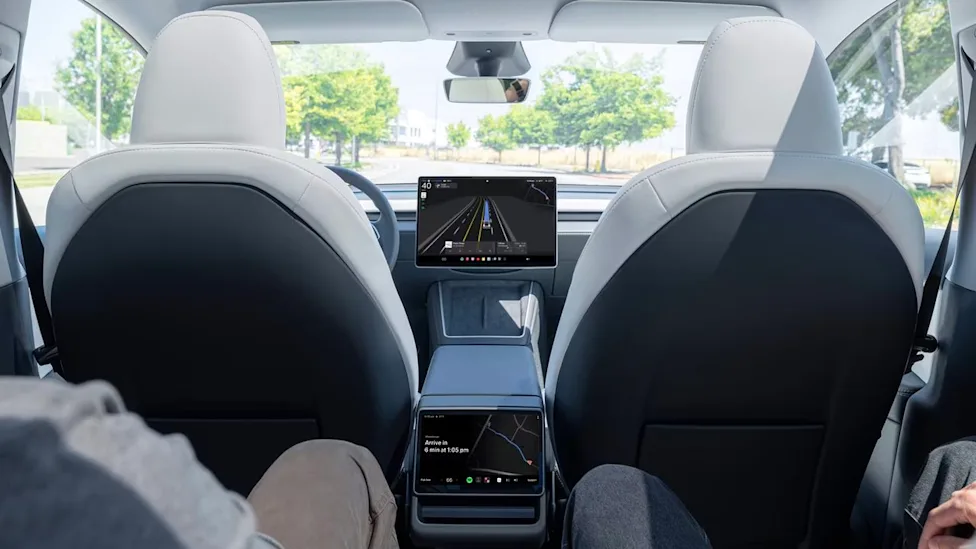
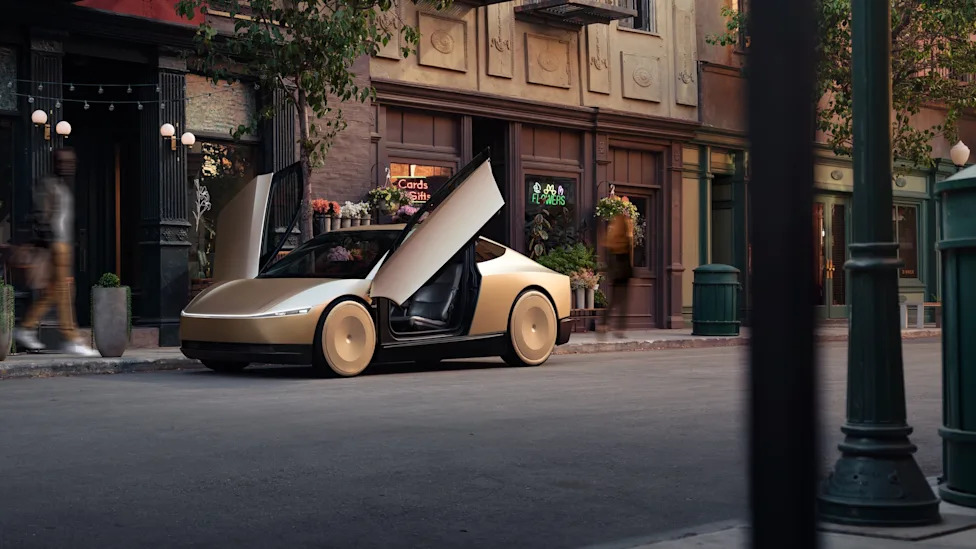
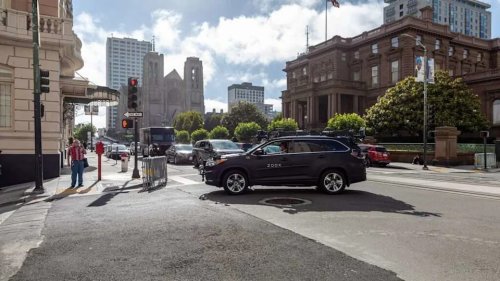
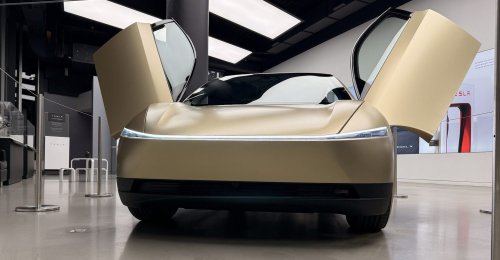
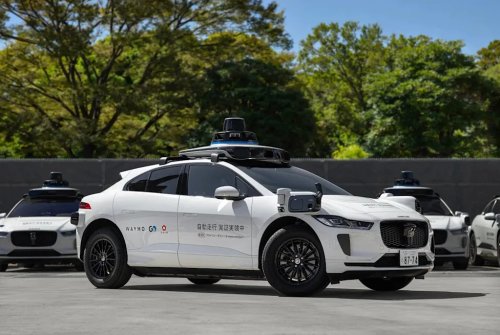
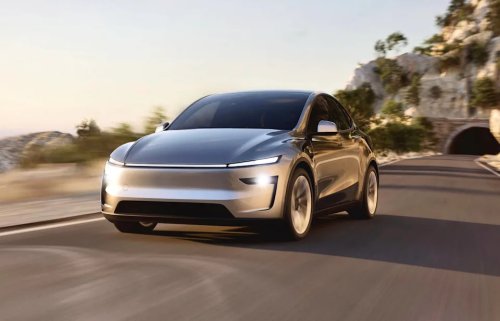
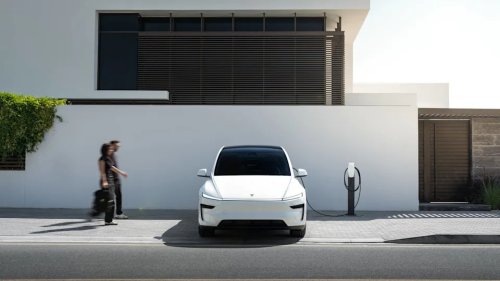
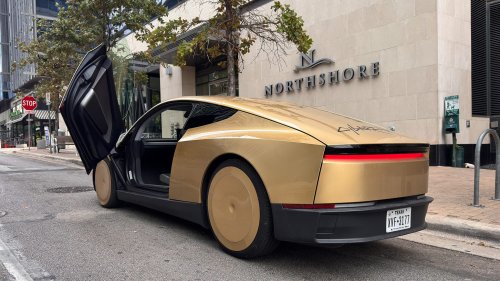
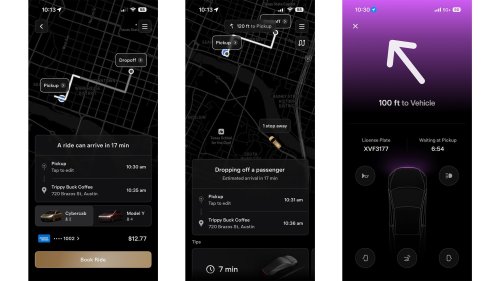
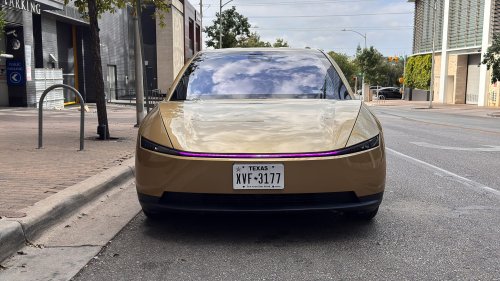
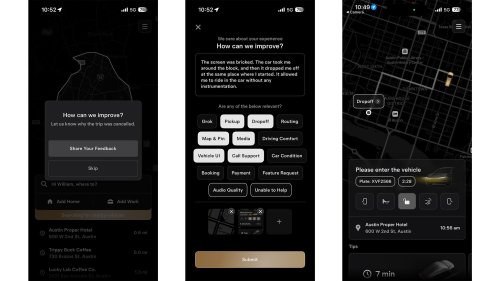
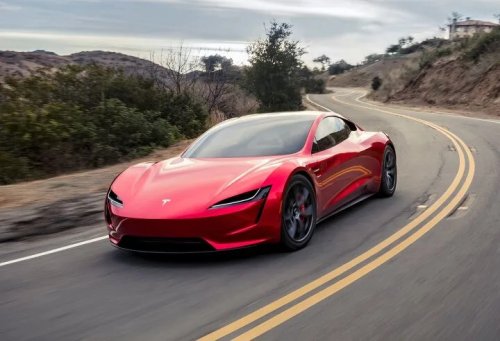
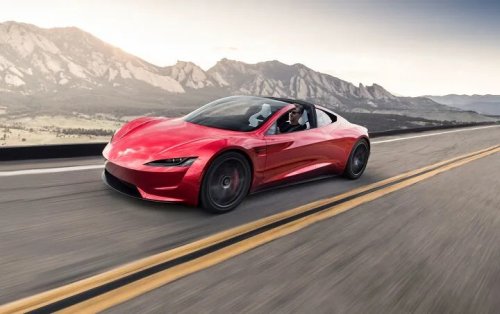
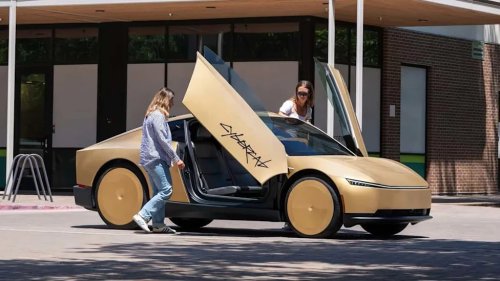
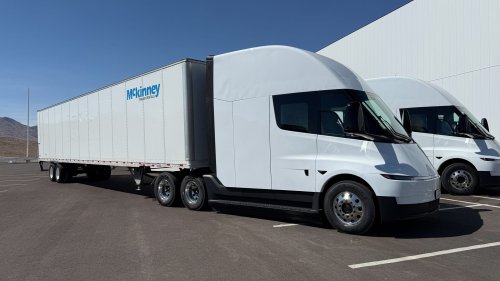
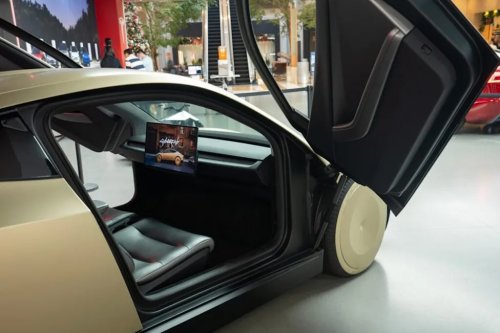
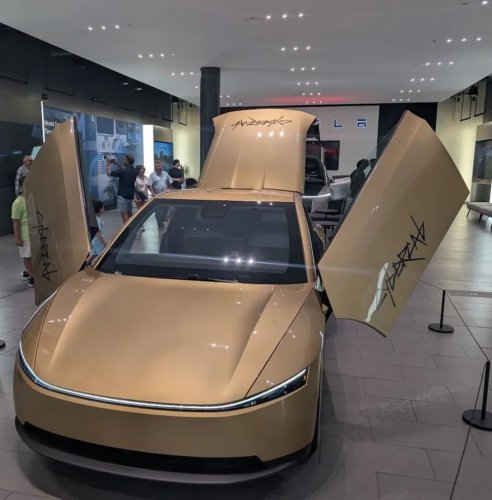
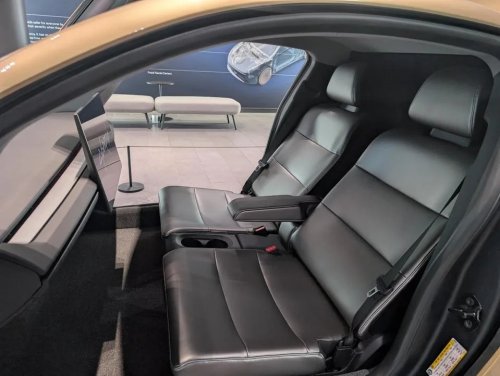
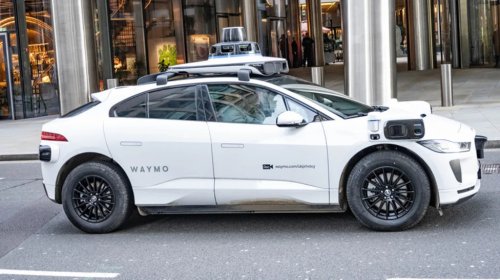
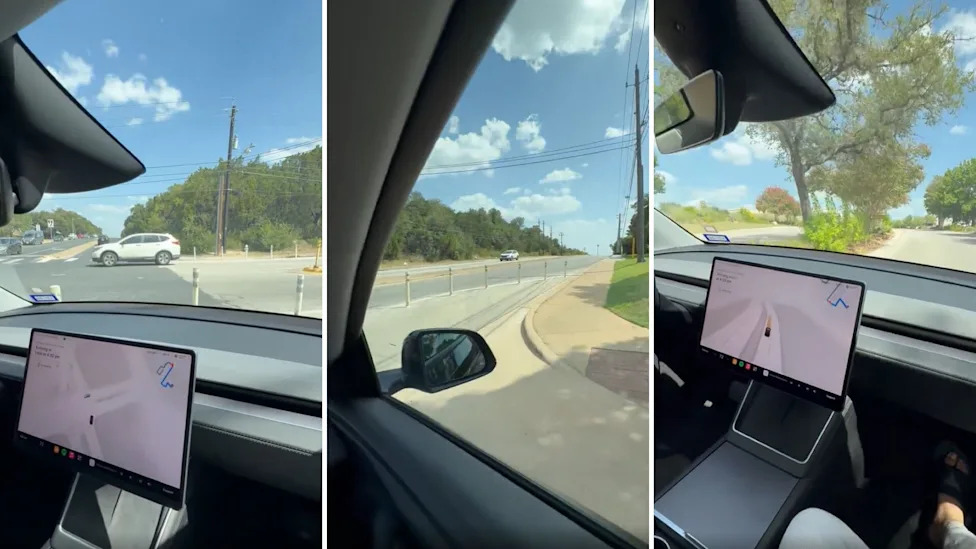
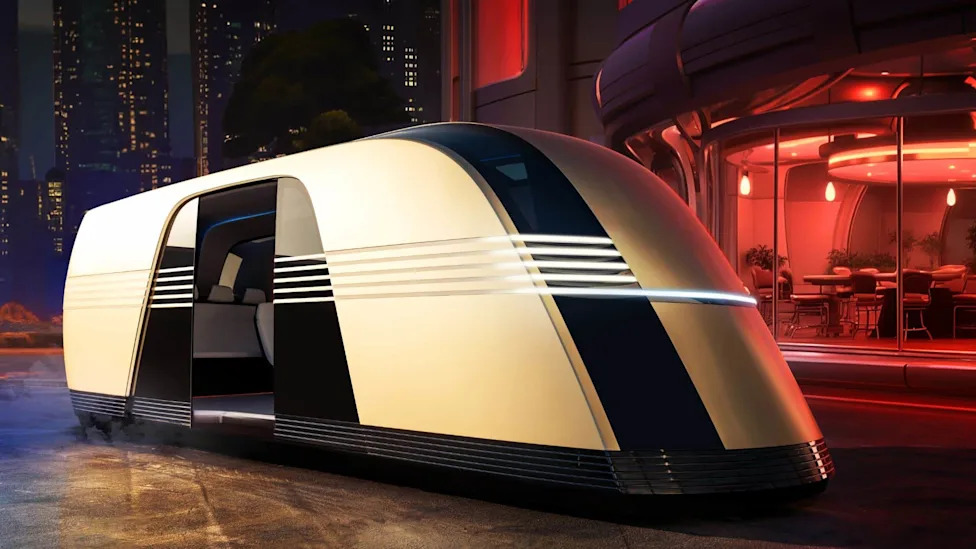
When you buy through links on our articles, Future and its syndication partners may earn a commission.Credit: TeslaTexas Robotaxi passenger films car hitting plastic bollardsCompany claims "impeccable" Robotaxi safety recordTesla is preparing Cybercabs for public roads imminentlyA Tesla Robotaxi user in Austin, Texas, has captured the moment their driverless ride failed to navigate a curb extension, marked off by plastic posts, turning directly into them and carrying on with the journey.AdvertisementAdvertisementThe incident came not long after Tesla's head of AI told investors the Robotaxi program has an "impeccable safety record" with "zero notable incidents," according to Electrek.The footage, posted to Reddit, shows the vehicle creeping forward, backing up, creeping forward again, and then driving right through the plastic posts.An audible thud can be heard as the vehicle hits the plastic poles, while the passenger can be heard saying, "It hit em, it hit em."The Robotaxi in question didn't have a safety operator behind the wheel, although it is unclear whether a remote operator was called upon to authorize the decision to drive through the marked-off area.Tesla Robotaxi Rams through several Bollards and keeps going.Tesla's decision to eschew "costly" LiDAR in favor of high-definition cameras and other sensors has been met with plenty of criticism, but this particular incident appears to indicate a potential issue with Tesla's mapping, rather than its sensors.AdvertisementAdvertisementAccording to Electrek, Redditors used the Texas Orthopedics building visible in the video's frame to pin down the exact corner where the incident took place on Google Maps, and Street View shows those posts have been in place since at least February 2024.Tesla's choice not to use a proprietary high-definition mapping system, as Waymo does, means it is largely up to the autonomous vehicle's on-board compute power to make on-the-fly decisions. Here, it looked like it failed.Despite this, VP of AI Ashok Elluswamy defended Tesla's Robotaxi safety record at the company's Q2 earnings call, claiming that the company has driven "more than 380,000 miles" with "zero notable incidents."Analysis: Tesla readies its Cybercab for public roadsCredit: TeslaDespite Tesla accumulating a fraction of the unsupervised autonomous ride-hailing miles compared to its closest rival, Waymo (220 million plays Tesla's 380,000), it has been reported that it could start trialing its fully autonomous Cybercab on public roads this month.AdvertisementAdvertisementAs a reminder, the Cybercab is a purpose-built, fully autonomous taxi that rolls off the production line without traditional pedals or a steering wheel, leaving every part of the driving experience to computers, cameras, and a handful of sensors.The Next Web reports that Tesla's own employees will be the first to test Cybercab on public roads, although it could start introducing the vehicles into its Austin autonomous fleet soon thereafter.However, Tesla's Austin fleet is reported to have shrunk to around 17 cars, down from about 25 in the spring, while those that still exist are operating in a tightly controlled, geofenced area that is a fraction of the size of the area Waymo is working with.While every autonomous ride-hailing service naturally deals with issues and incidents on a daily basis, the recent video clip from Austin shows that Tesla still has plenty of work to do in order to back up that "impeccable" safety record claim… and boost consumer confidence in a Cybercab service that lacks any physical controls.