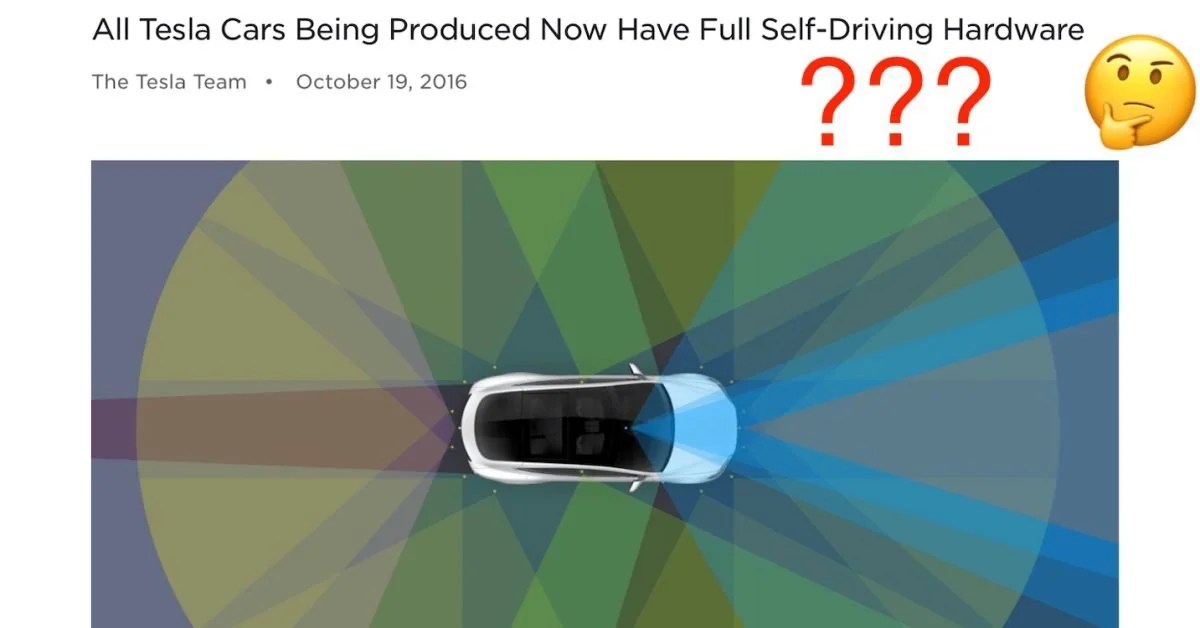
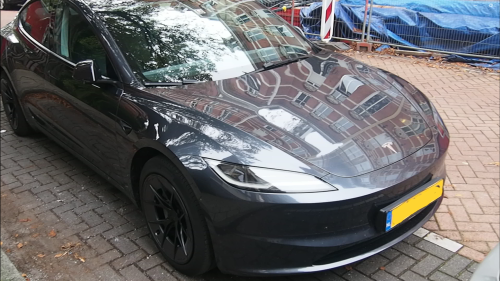
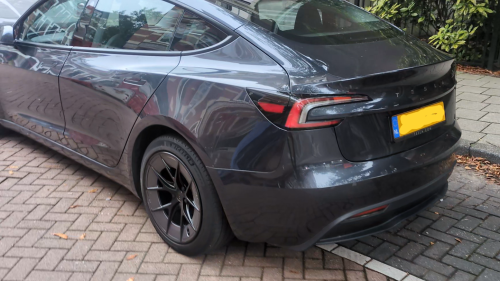
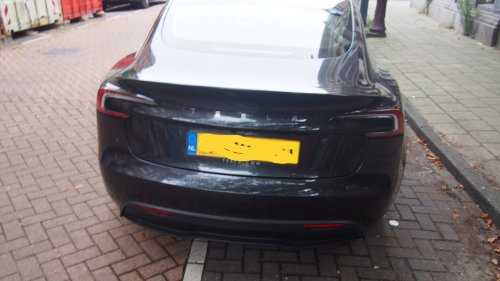
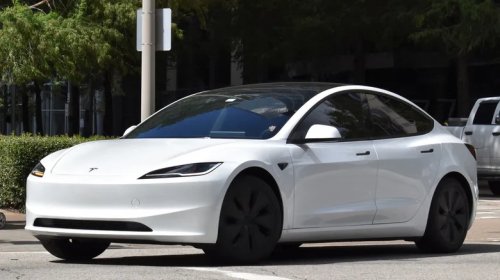
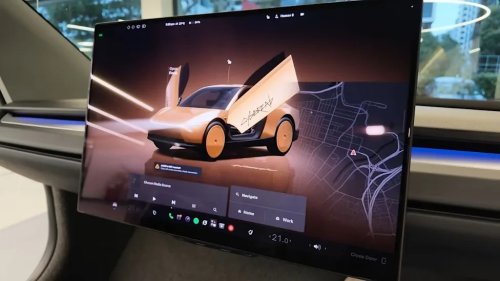
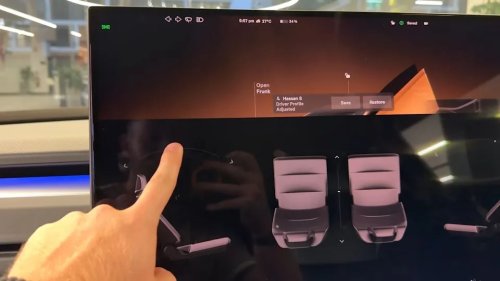
There are millions of Tesla vehicles on the road today which were sold on the promise of full autonomy, but without hardware capable of doing so. Tesla has hemmed and hawed about solutions to this problem – so one owner took it into his own hands. In late 2016, Tesla announced on its company blog that “All Tesla Cars Being Produced Now Have Full Self-Driving Hardware.” The post has since been deleted, but for many years, this was a promise that Tesla had made to its owners. But that was in 2016, and in the meantime, computer hardware has improved. And self-driving tasks are proving to be more cumbersome than some had predicted. It soon became apparent that the original Tesla self-driving hardware, or HW1, would not be good enough to fully power Tesla’s Full Self-Driving (FSD) software, which at the time it sold as an upfront purchase costing thousands of dollars. Tesla came out with a new version, HW2, and then another, HW3. Advertisement - scroll for more content For Tesla owners who had purchased the FSD package, Tesla offered free upgrades to HW3 (although, Tesla still charges some owners $1,000 for this hardware they already paid for). This swap was a quick service job, pulling the old computer out and dropping a new one in. But even HW3 proved not to be capable enough to let cars drive themselves. So, now we have HW4 (which Tesla has started calling AI4 to capitalize on the AI bubble), and HW4+. Tesla says that HW4 is finally enough for full self-driving tasks. But it also promises a future AI5 and AI6 coming at some point. Tesla has managed to hack together “lite” versions of FSD software for HW3 cars, but the FSD experience is diverging more and more between those with older hardware and those with current hardware. As of now, Tesla’s software is still not good enough to offer the promised level 5 autonomy in any car. The HW3->HW4 swap has proven to be more difficult than HW2->HW3 was, as it requires upgrading the cameras. Tesla says that it’s more than a simple swapout, and given that there are millions of HW2 and HW3 cars, there’s going to be a lot of parts and a lot of labor involved. In April, CEO Elon Musk proposed that the company would build “microfactories” in major cities to do the job of swapping out these millions of less-than-capable units. But we’ve heard nothing more about that since. Meanwhile, Tesla has used its cars’ inability to drive themselves as a demand lever, promising several “one-time” opportunities to transfer FSD capability to a new car. Tesla has since stopped selling FSD as an upfront purchase, only offering it as a monthly subscription, and it no longer offers the ability to transfer the software license you bought to a new car – despite that the promised software is still not delivered. Tesla’s non-delivery of its promise has finally started to rankle the Tesla faithful, with many demanding recompense. This has come in the form of individual small claims cases and large, country-wide class action suits that could end up costing the company tens of billions of dollars. Tesla’s response to these class actions was to tell owners to “be patient.” So, that’s a lot of background, based in Tesla’s CEO’s constant overpromising and failure to deliver, and on the apparent difficulty of upgrading computer hardware. But what if it’s actually not that hard to swap HW3 over to HW4? Tesla owner takes initiative, replacing HW3 is ‘light’ work One Tesla owner took it on his own to find out how difficult the upgrade from HW3 to HW4 was, and found that it was simpler than he thought it would be. Michal Gapinski, a Tesla owner in Poland, has a 2022 Model 3 which came with HW3. He describes himself as a “tinkerer by heart” and runs a company, Tesla Android, which adds various capabilities of Android software to Tesla cars. He posted about his success on twitter, saying that the retrofit was “not as bad as it seemed,” only required “light ECU hacking,” and the hardware job was mostly a matter of epoxy and zip ties (“trtytki,” in Polish). Epoxy, trytytki and yolo.It’s only slightly taller, a highland mount would work if you drill the mounting holes for it pic.twitter.com/7RCOpVJZv6— Michał Gapiński (@mikegapinski) August 15, 2026 However, the project is still in process, and Michal needs “a bit of stuff left to get all the features.” We haven’t seen driving video yet, just one photo of service mode, and one photo of the project in progress. According to Michal, Tesla “could have done it ages ago.” And given that he is a single man doing a single DIY project, surely Tesla could implement a process or machines that could accomplish it more efficiently at the scale required. So why isn’t Tesla doing it? Michal says that Tesla could “offer a paid upgrade,” and if Tesla did, surely many fans would pay for it. However, Tesla sold these cars with self-driving hardware. That means it is required to deliver that hardware. Court cases in multiple territories have found Tesla liable to pay back owners for this false advertising, so it is on Tesla to do the right thing and offer these upgrades for free, not as a paid option, for every owner who purchased an FSD license. (And those licenses should transfer to new vehicles, or the owner should be offered a refund, until level 5 self-driving capability is delivered) Something was promised, and now it needs to be delivered. While the Tesla “microfactory” plan seemed like nonsense from the moment Musk proposed it, Michal’s experience suggests that maybe it is more possible than we thought. Tesla made a big deal out of how difficult it would be to do these replacements, but if one man can do it on his own, surely Tesla can. Instead, it seems that Tesla’s current plan is no plan, other than running out the clock. Over time, cars will move gradually off of purchased FSD and onto subscribed FSD. A monthly subscription allows Tesla to sell the system with its current capabilities, rather than promised future capabilities, and gets rid of the liability that the company created for itself. As times goes on and Teslas get wrecked, sold, replaced and so on, there will be gradually fewer HW3 cars on the road. The longer Tesla waits, the less it will cost for them to replace the hardware on these units. But another clock is running: the multiple class action lawsuits around the globe, and public knowledge of and frustration over Tesla’s non-delivery of this product. More and more owners will seek legal remedies, will create legal precedents, and will continue to be a thorn in Tesla’s side until the company does the thing it has promised all along: provide level 5 self-driving capability to all owners who have purchased it, along with the hardware they bought in the first place. Charge your electric vehicle at home using rooftop solar panels. Find a reliable and competitively priced solar installer near you on EnergySage, for free. They have pre-vetted installers competing for your business, ensuring high-quality solutions and 20-30% savings. It’s free, with no sales calls until you choose an installer. Compare personalized solar quotes online and receive guidance from unbiased Energy Advisers. Get started here. – ad* Stay up to date with the latest content by subscribing to Electrek on Google News. You’re reading Electrek— experts who break news about Tesla, electric vehicles, and green energy, day after day. Be sure to check out our homepage for all the latest news, and follow Electrek on Twitter, Facebook, and LinkedIn to stay in the loop. Don’t know where to start? Check out our YouTube channel for the latest reviews.