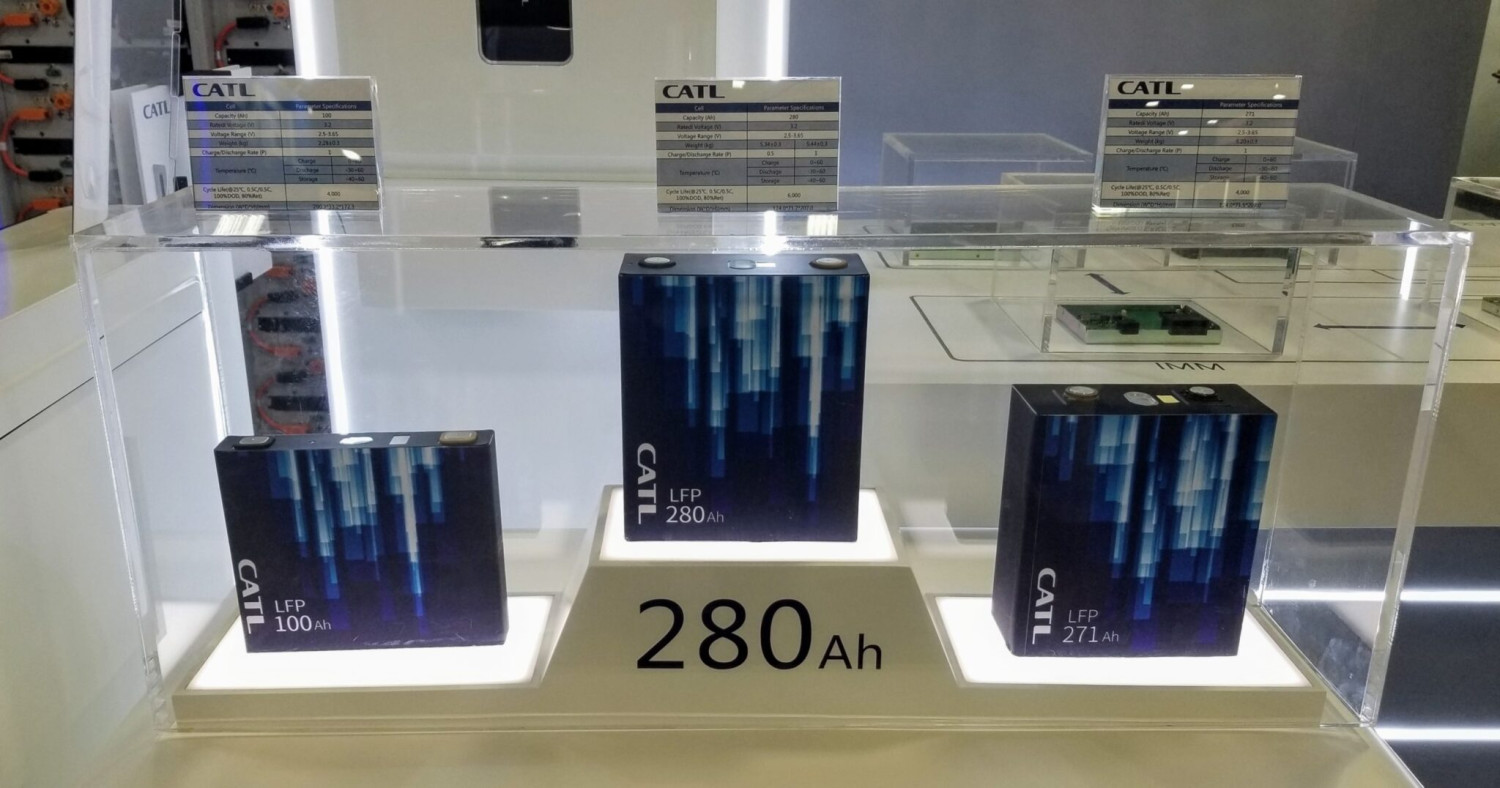
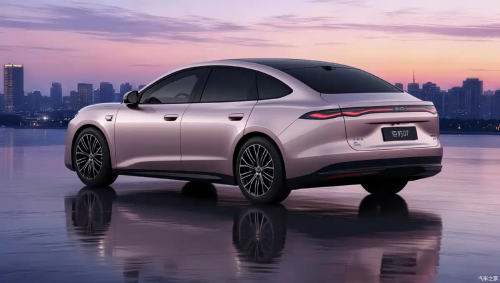
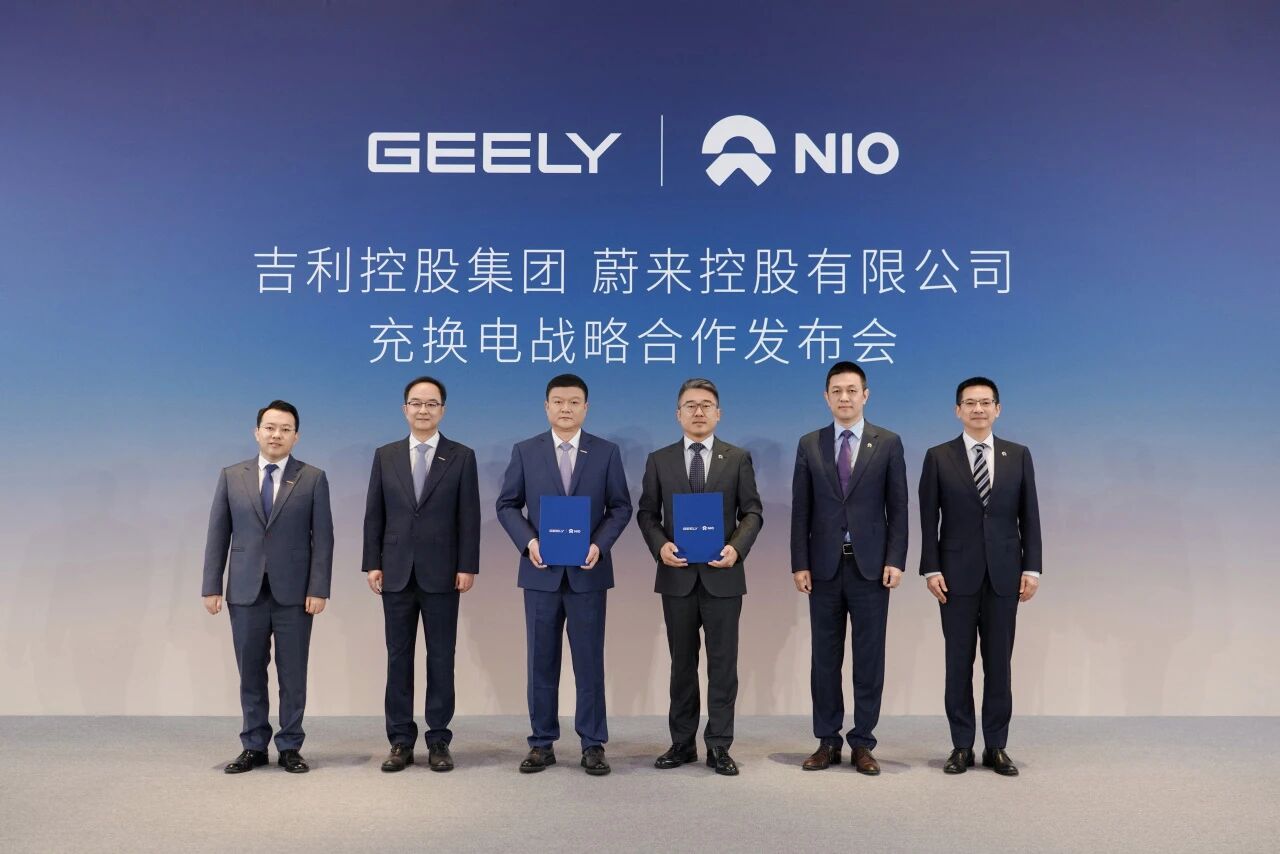
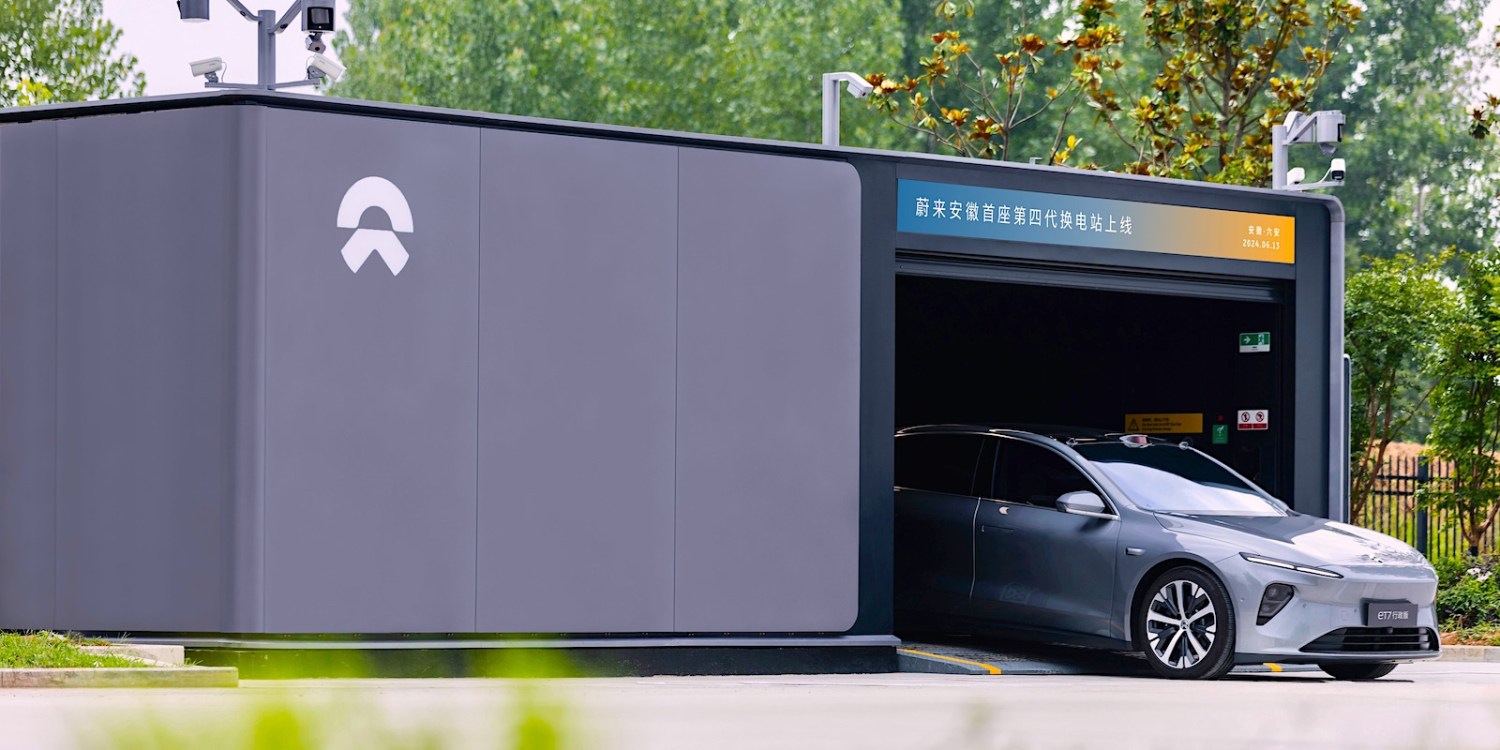
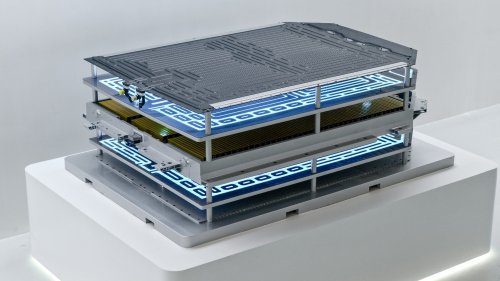
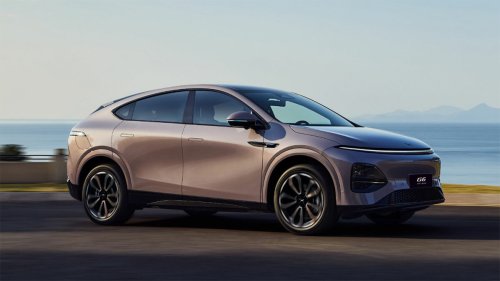
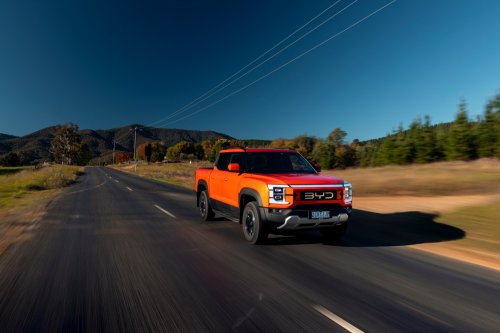
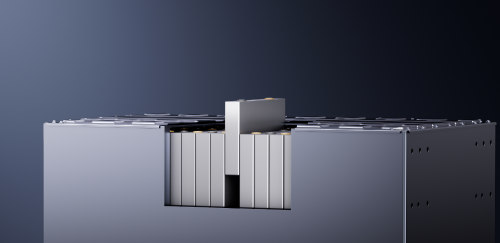
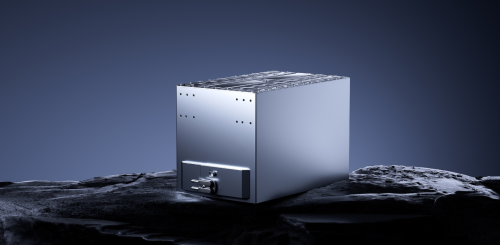
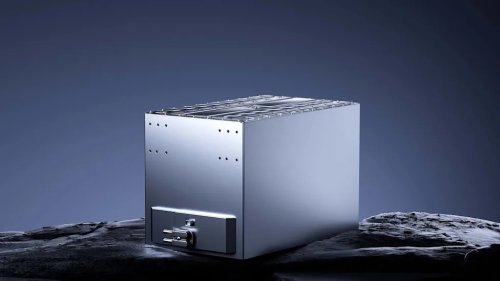
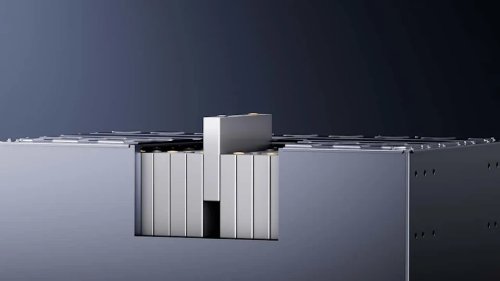
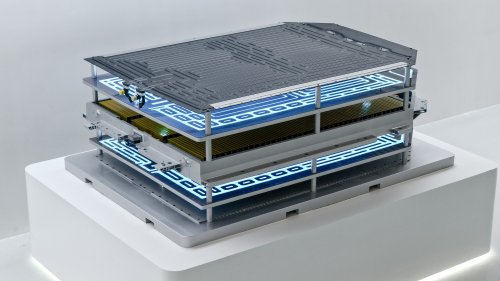
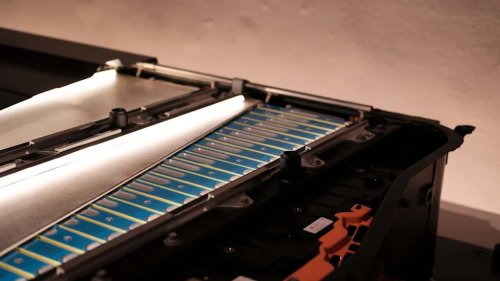
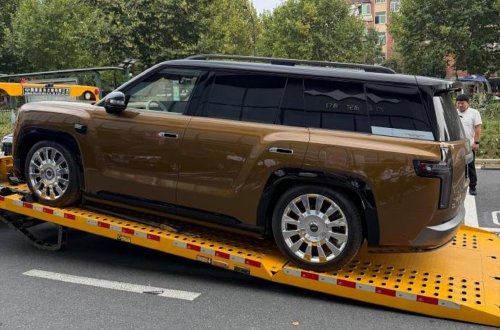
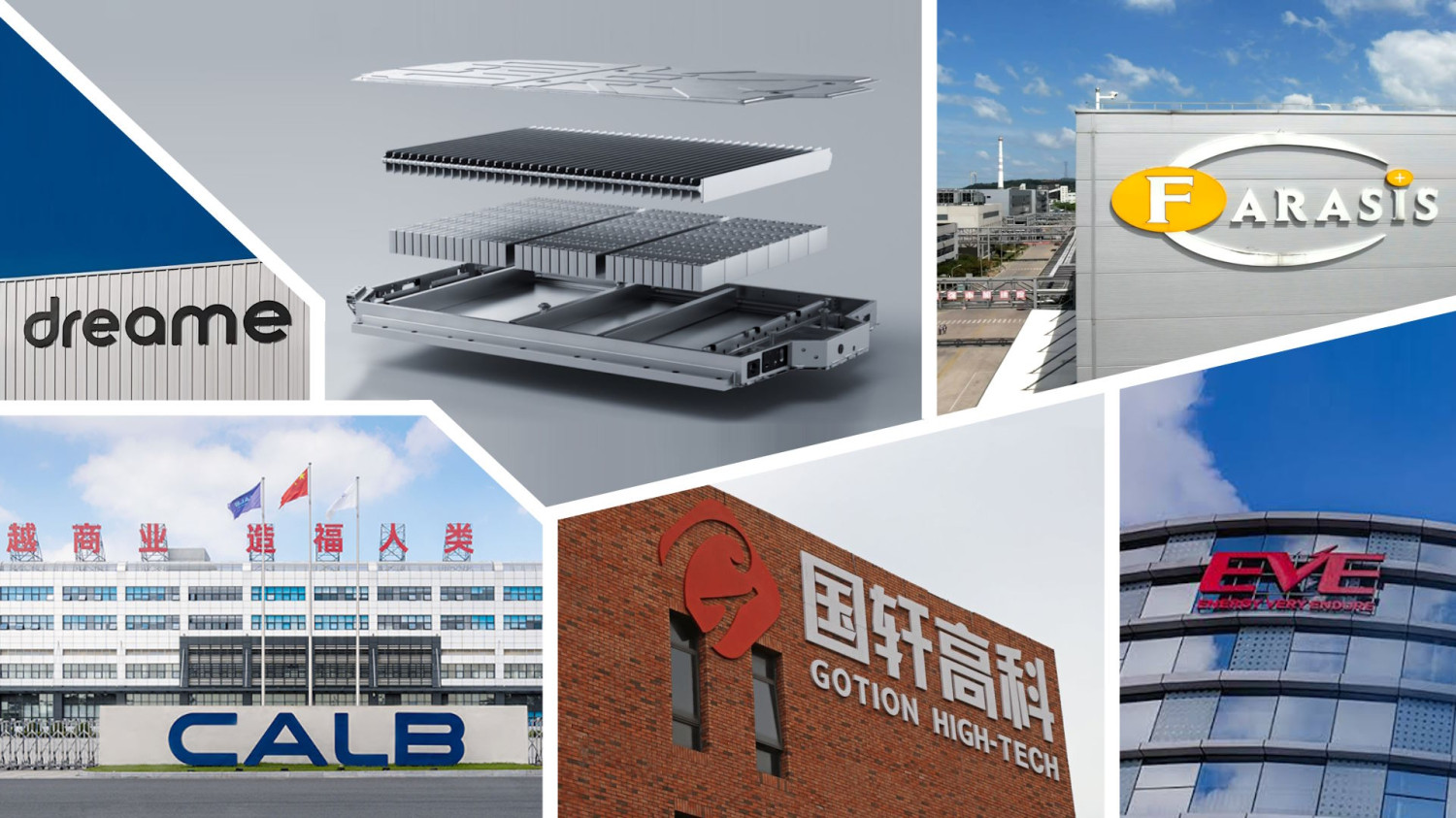
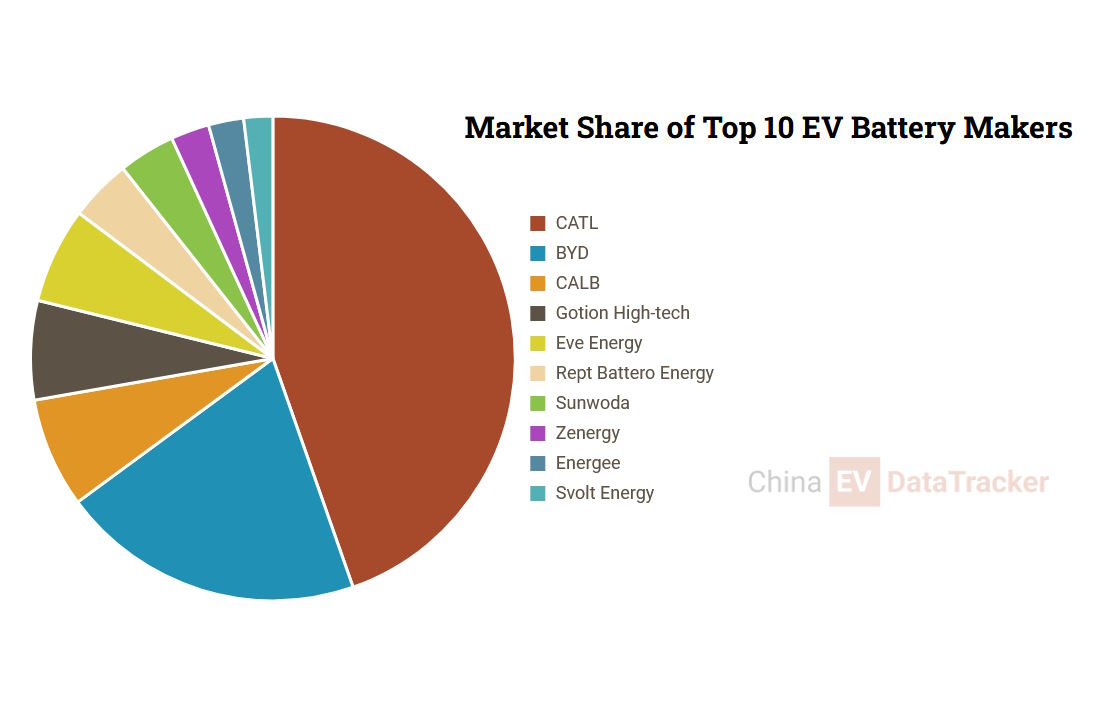
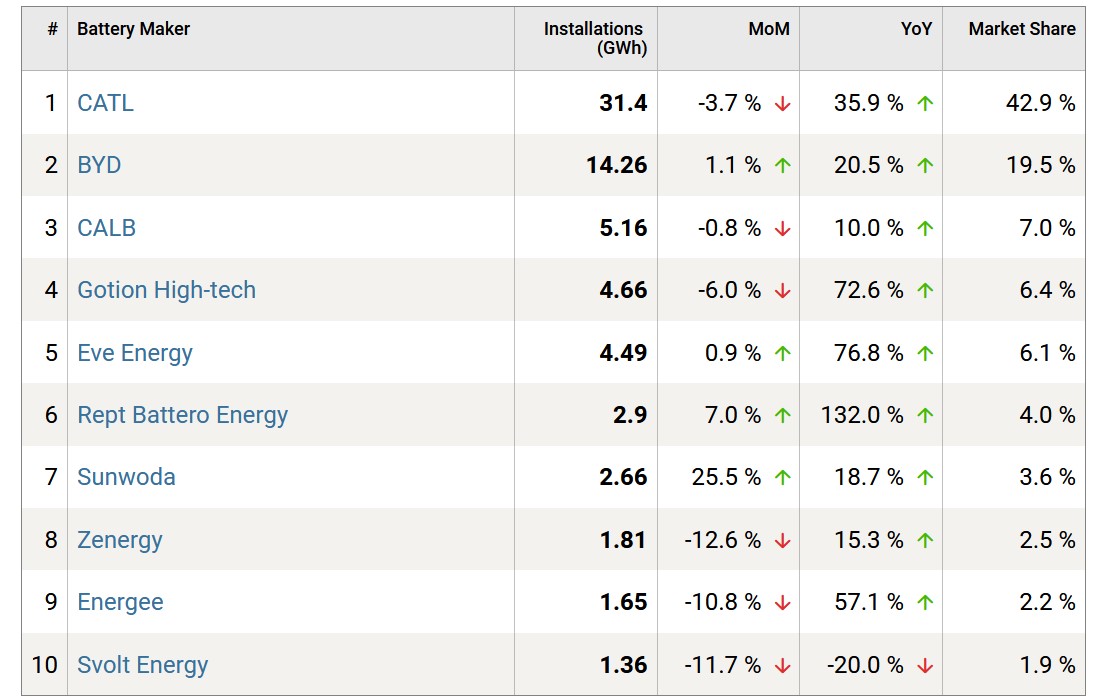
China's battery makers are joining BYD, CATL and Geely with plans for SSB trial production in 2027. Image modified by CarNewsChina. Understand China EV’s Market Real-time notifications when critical EV data is released All important data in one place 2,000,000+ data points Become a member The battle for solid-state batteries (SSBs) grows ever fiercer in China. Several Chinese battery makers, including Farasis Energy, CALB, and VW-backed Gotion High-Tech, have committed to trial production and real-world road tests of SSBs in 2027. This comes as BYD and CATL recently made statements regarding SSB development. BYD published six SSB patents and committed to 2027 trials, while CATL reiterated its 2027 trial plans to investors. CarNewsChina also reported on Geely’s timeline for SSBs, with the automaker aiming for trial production and real-world validation of its 500 Wh/kg SSB cells in 2027. The new cells will allow EVs to achieve diesel-like cruising range. Who’s joining the 2027 race? China’s State Council announced the “New Energy Vehicle Industry Development Plan (2021-2035)” in 2020, establishing a policy framework and outlining key goals for the country’s automotive and battery industries. One of these goals is to accelerate the development and commercialisation of SSBs. libattery.net reports that several battery makers in China have announced plans for SSB trial production and validation, with most of them converging on the 2027 deadline announced by BYD, CATL and Geely. CALB, China’s third-largest battery maker, published the same small-scale EV validation plans for 2027, and aims to ramp up SSB production in 2030 – 2032. It was previously troubled by swelling “banana cells” in GAC Aion cars. Gotion High-Tech, a battery maker backed by Volkswagen, is prioritising the development of 350 Wh/kg SSB cells. It plans to carry out road tests in 2027 with small-scale EV installations, then achieve full commercial production in 2029 – 2030. Farasis Energy, a cell maker backed by Mercedes-Benz, is another player with EV validation goals for 2027. It aims to achieve full-scale commercial production of SSBs in 2030. EVE Energy says that it has successfully developed sulfide-based SSB cells with capacities in the Ah range. It plans to showcase first-gen cells with a maximum energy density of 350 Wh/kg and 800 Wh/L in 2026, then move on to second-gen 1000 Wh/L SSB cells in 2028. More on China’s battery makers According to China EV DataTracker, CATL is China’s largest battery maker with a market share of 42.9%. BYD ranks second with 19.5%, and the remaining players hold single-digit market shares. CALB, Gotion, and EVE rank third, fourth, and fifth, respectively. Market share of China’s top 10 battery makers in July 2026. Source: China EV DataTracker The top four battery makers hold over 75% of China’s market share, and all four are committed to trial production in 2027. The same goes for the smaller players, who may view the race to SSBs as a way to leapfrog their bigger rivals. Interestingly, Dreame Technology, a firm more commonly known for its robotic vacuums and mops, has also published plans for its own SSBs. It claims that its “Galaxy Crystal” (Xing Kong Jing He) cells have a maximum capacity of 60 Ah with an energy density of over 450 Wh/kg. Dreame’s plan to roll out SSBs is the most aggressive among China’s battery makers, aiming to begin small-scale deliveries in 2026, then move to full commercial production in 2027. It remains to be seen whether Dreame’s SSB plans, alongside its Chiron- and Cullinan-lookalike cars, can become a reality. Source: libattery.net Most important news in your inbox. Recaps · scheduled All you need, in one email. Instant alerts · real-time Ping me when an article goes live. 0 of 27 topics selected Bundle into one email per day — instead of one email per article No spam · Unsubscribe with one click · Change settings anytime


















 +25 others