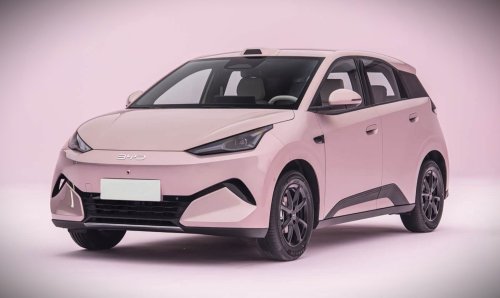
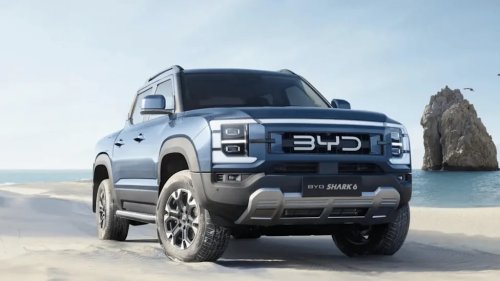
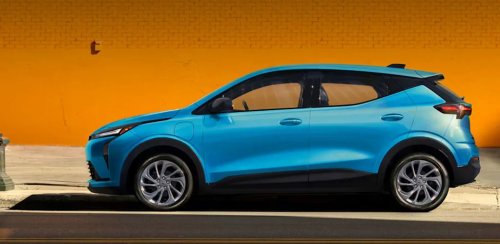
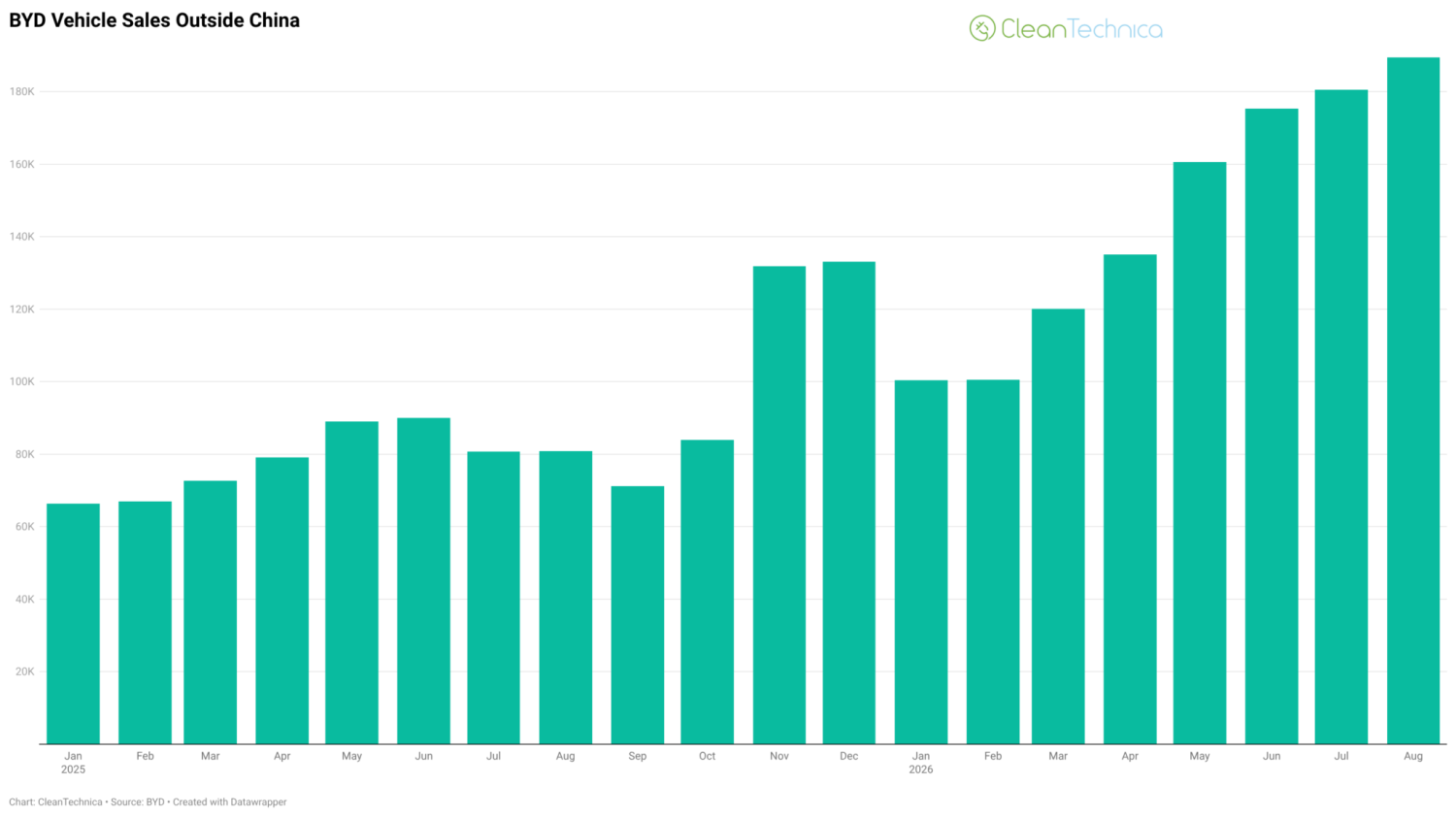
Once upon a time, legacy automakers that were struggling to find growth at home or in traditional large auto markets discovered that fast-growing China could be a cash cow. It was the big growth machine for automakers that were 100+ years old but originated from stale, stagnant markets. Then the Chinese auto market started to electrify — rapidly — and legacy automakers weren’t really ready for it. Chinese auto companies had a much more keen, inspired, excited approach to electrification and came to dominate the Chinese EV (and overall auto) market. Then, however, the Chinese EV and overall auto market stopped growing, and even started dwindling. For those Chinese companies producing an enormous number of electric vehicles month after month, new markets were needed — just like how legacy auto companies from the West turned to China for their own growth several years before. In the case of BYD, the largest of these EV producers, the company has found plenty of sales abroad, more and more month after month. That trend continued in August, but the company wants even much more. Let’s start with BYD’s August sales. BYD reportedly sold 189,466 vehicles outside of China in August. That was 134.5% more than it sold outside of China in August 2025. Month over month, the company achieved 5% growth. With the company’s sales outside of China growing month after month after month after month after month, August was another record month for this metric. Here’s how the long-term trend looks: Beyond the August numbers, the news this week is that BYD is aiming to sell 2.5 million vehicles outside of China in 2027. The company has sold 1,162,260 vehicles outside of China so far in 2026, which is an average of 145,282.5 per month. Extrapolating out to 12 months, that would be 1,743,390 vehicles. So, 2.5 million is a huge increase over 2026’s numbers, even though 2026 is showing a ginormous increase over any previous years. Deutsche Bank, which referenced a group meeting with BYD management, indicated in a note to clients that BYD had been targeting 1.9 million to 2 million sales abroad in 2026, which would be an increase of about 100% over 2025’s total. “Management indicated that shipping constraints limited overseas sales this year and that export volumes could otherwise have been higher,” Reuters adds. Aside from increasing the number of vessels BYD has shipping its cars across the globe, the company is expanding its manufacturing footprint outside of China. “BYD’s Hungary plant is expected to start assembly in November or December. Management is also evaluating additional overseas manufacturing locations, according to Deutsche Bank.” Localized production in certain major market would also make it easier for BYD to compete and make more money on its cars. “Local production would help BYD avoid the EU’s roughly 27% tariff on battery electric vehicles and Brazil’s 34% import tariff, representing savings of more than 40,000 yuan ($5,961) per vehicle, which management sees as offsetting ramp costs, Citi said.” Meanwhile, back at home, BYD actually intends to grow its share of the gigantic Chinese auto market — and significantly so. In 2025, BYD had nearly 15% of the Chinese auto market. It got up to about 18% by July of this year. However, the company is not content at all with that. BYD’s aim is to reach 25% share of the Chinese auto market. That would be a pretty huge portion of any large auto market, but especially the largest and one of the most diverse in the world. Stay tuned to CleanTechnica to see if BYD achieves its various sales targets or how they change over time.



















 +60 others



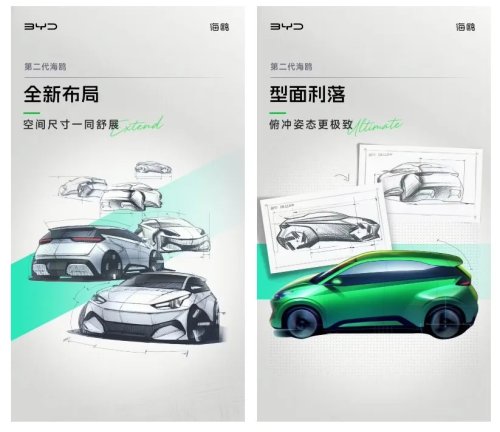
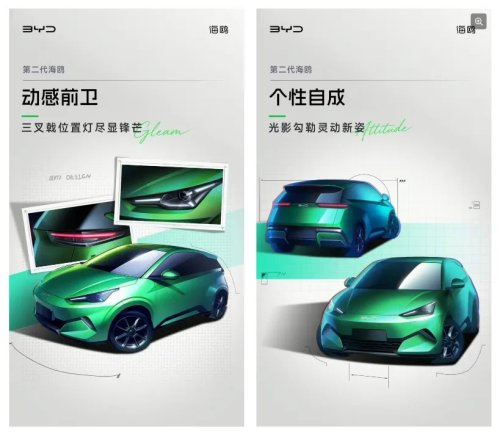
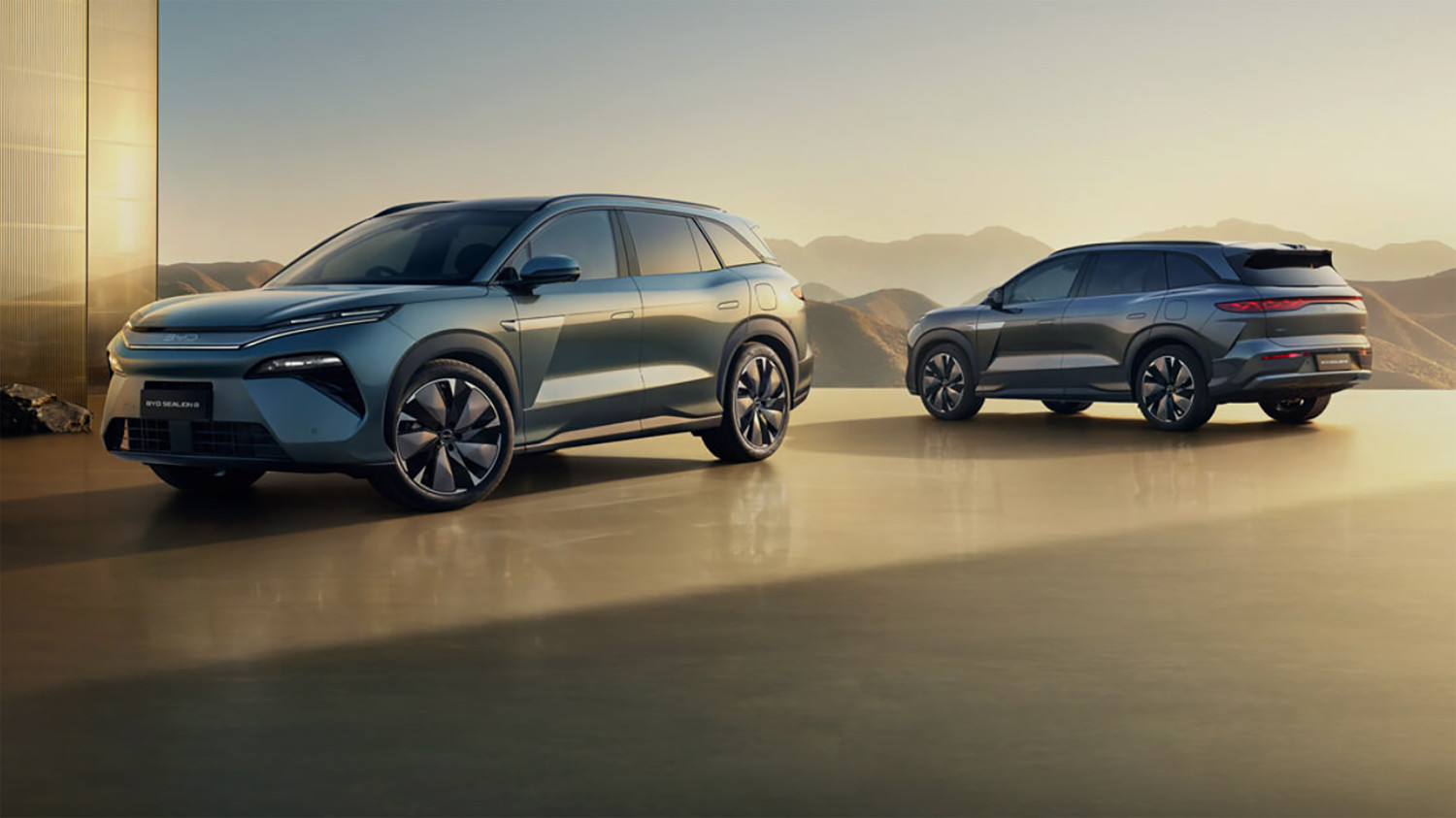
![BYD, BYD Seagull, BYD offers a closer look at the new Seagull EV [Images]](https://cdn.topcarnews.net/thumb/id/aHR0cHM6Ly9pMC53cC5jb20vZWxlY3Ry-ZWsuY28vd3AtY29udGVudC91cGxvYWRz-L3NpdGVzLzMvMjAyNi8wOS9CWUQtbmV3-LVNlYWd1bGwtRVYtdXBkYXRlLmpwZWc_-dz0xNTAwJmFtcDtxdWFsaXR5PTgyJmFt-cDtzdHJpcD1hbGwmYW1wO3NzbD0x/9c0b758dc4a218f611566b2a03c52e8a.jpeg?t=20260930&post_id=64651)
![BYD, BYD Seagull, BYD offers a closer look at the new Seagull EV [Images]](https://cdn.topcarnews.net/thumb/id/aHR0cHM6Ly9lbGVjdHJlay5jby93cC1j-b250ZW50L3VwbG9hZHMvc2l0ZXMvMy8y-MDI2LzA5L0JZRC1uZXctU2VhZ3VsbC1F-Vi0xLmpwZWc_c3RyaXA9aW5mbyZhbXA7-dz03MDA/9f44752c6c4b6208b3a29d7e2ceaf455.jpeg?t=20260930&post_id=64651)
![BYD, BYD Seagull, BYD offers a closer look at the new Seagull EV [Images]](https://cdn.topcarnews.net/thumb/id/aHR0cHM6Ly9lbGVjdHJlay5jby93cC1j-b250ZW50L3VwbG9hZHMvc2l0ZXMvMy8y-MDI2LzA5L0JZRC1uZXctU2VhZ3VsbC1F-Vi0zLmpwZWc_c3RyaXA9aW5mbyZhbXA7-dz03MDA/53e754be2aacba076b7b389ef9413f41.jpeg?t=20260930&post_id=64651)
![BYD, BYD Seagull, BYD offers a closer look at the new Seagull EV [Images]](https://cdn.topcarnews.net/thumb/id/aHR0cHM6Ly9lbGVjdHJlay5jby93cC1j-b250ZW50L3VwbG9hZHMvc2l0ZXMvMy8y-MDI2LzA5L0JZRC1uZXctU2VhZ3VsbC1F-Vi5qcGVnP3N0cmlwPWluZm8mYW1wO3c9-NzAw/3b0cb7f441d090c464769d93120d8543.jpeg?t=20260930&post_id=64651)
![BYD, BYD Seagull, BYD offers a closer look at the new Seagull EV [Images]](https://cdn.topcarnews.net/thumb/id/aHR0cHM6Ly9lbGVjdHJlay5jby93cC1j-b250ZW50L3VwbG9hZHMvc2l0ZXMvMy8y-MDI2LzA5L0JZRC1uZXctU2VhZ3VsbC1F-Vi0yLmpwZWc_c3RyaXA9aW5mbyZhbXA7-dz03MDA/ea2b4ebf38c4e9bf732d179d639b1562.jpeg?t=20260930&post_id=64651)
![BYD, BYD Seagull, BYD offers a closer look at the new Seagull EV [Images]](https://cdn.topcarnews.net/thumb/id/aHR0cHM6Ly9lbGVjdHJlay5jby93cC1j-b250ZW50L3VwbG9hZHMvc2l0ZXMvMy8y-MDI2LzA3L0JZRC1TZWFndWxsLUVWLXVw-ZGF0ZS0zLmpwZWc_c3RyaXA9aW5mbyZh-bXA7dz0xNDAw/02a0f7b5011767092a1ea11a79495fc7.jpeg?t=20260930&post_id=64651)
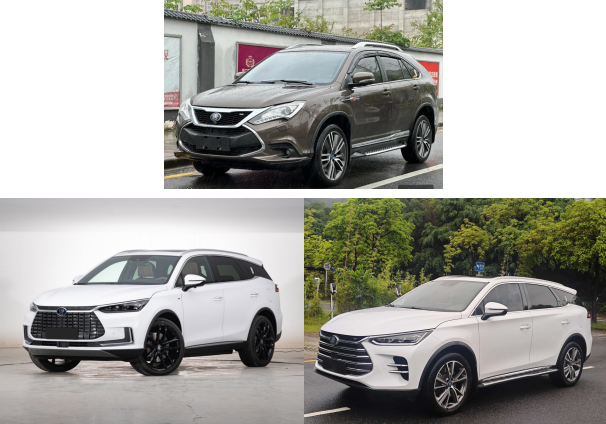



![BYD, BYD's $10,000 EV has a big sibling on the way: First look [Images]](https://cdn.topcarnews.net/thumb/id/aHR0cHM6Ly9pMC53cC5jb20vZWxlY3Ry-ZWsuY28vd3AtY29udGVudC91cGxvYWRz-L3NpdGVzLzMvMjAyNi8wOS9CWUQtR3Jl-YXQtU2VhZ3VsbC1FVi1maXJzdC1sb29r-LmpwZWc_dz0xNTAwJmFtcDtxdWFsaXR5-PTgyJmFtcDtzdHJpcD1hbGwmYW1wO3Nz-bD0x/4dd4fa96cdf12559891b44c0ae18cc65.jpeg?t=20260930&post_id=64341)
![BYD, BYD's $10,000 EV has a big sibling on the way: First look [Images]](https://cdn.topcarnews.net/thumb/id/aHR0cHM6Ly9lbGVjdHJlay5jby93cC1j-b250ZW50L3VwbG9hZHMvc2l0ZXMvMy8y-MDI2LzA3L0JZRC1TZWFndWxsLUVWLWxv-bmdlci5qcGVnP3N0cmlwPWluZm8mYW1w-O3c9MTQwMA/a412dc5ddf85cc7d169d4bcc3fdd7798.jpeg?t=20260930&post_id=64341)
![BYD, BYD's $10,000 EV has a big sibling on the way: First look [Images]](https://cdn.topcarnews.net/thumb/id/aHR0cHM6Ly9lbGVjdHJlay5jby93cC1j-b250ZW50L3VwbG9hZHMvc2l0ZXMvMy8y-MDI2LzA3L0JZRC1TZWFndWxsLUVWLXVw-ZGF0ZS5qcGVnP3N0cmlwPWluZm8mYW1w-O3c9MTQwMA/fecda1af96dbaf70d574ec2f9e5deb7a.jpeg?t=20260930&post_id=64341)
![BYD, BYD's $10,000 EV has a big sibling on the way: First look [Images]](https://cdn.topcarnews.net/thumb/id/aHR0cHM6Ly9lbGVjdHJlay5jby93cC1j-b250ZW50L3VwbG9hZHMvc2l0ZXMvMy8y-MDI2LzA3L0JZRC1TZWFndWxsLUVWLXVw-ZGF0ZS0xLmpwZWc_c3RyaXA9aW5mbyZh-bXA7dz0xNDAw/8dbbcf9dde61eec3ff01de1121cdaaf5.jpeg?t=20260930&post_id=64341)
![BYD, BYD's $10,000 EV has a big sibling on the way: First look [Images]](https://cdn.topcarnews.net/thumb/id/aHR0cHM6Ly9lbGVjdHJlay5jby93cC1j-b250ZW50L3VwbG9hZHMvc2l0ZXMvMy8y-MDI2LzA3L0JZRC1TZWFndWxsLUVWLXVw-ZGF0ZS0yLmpwZWc_c3RyaXA9aW5mbyZh-bXA7dz0xNDAw/5aa4369f36f3e45cef0b6dd83ae6128a.jpeg?t=20260930&post_id=64341)
![BYD, BYD's $10,000 EV has a big sibling on the way: First look [Images]](https://cdn.topcarnews.net/thumb/id/aHR0cHM6Ly9lbGVjdHJlay5jby93cC1j-b250ZW50L3VwbG9hZHMvc2l0ZXMvMy8y-MDI2LzA3L0JZRC1TZWFndWxsLUVWLXVw-ZGF0ZS0zLmpwZWc_c3RyaXA9aW5mbyZh-bXA7dz0xNDAw/02a0f7b5011767092a1ea11a79495fc7.jpeg?t=20260930&post_id=64341)