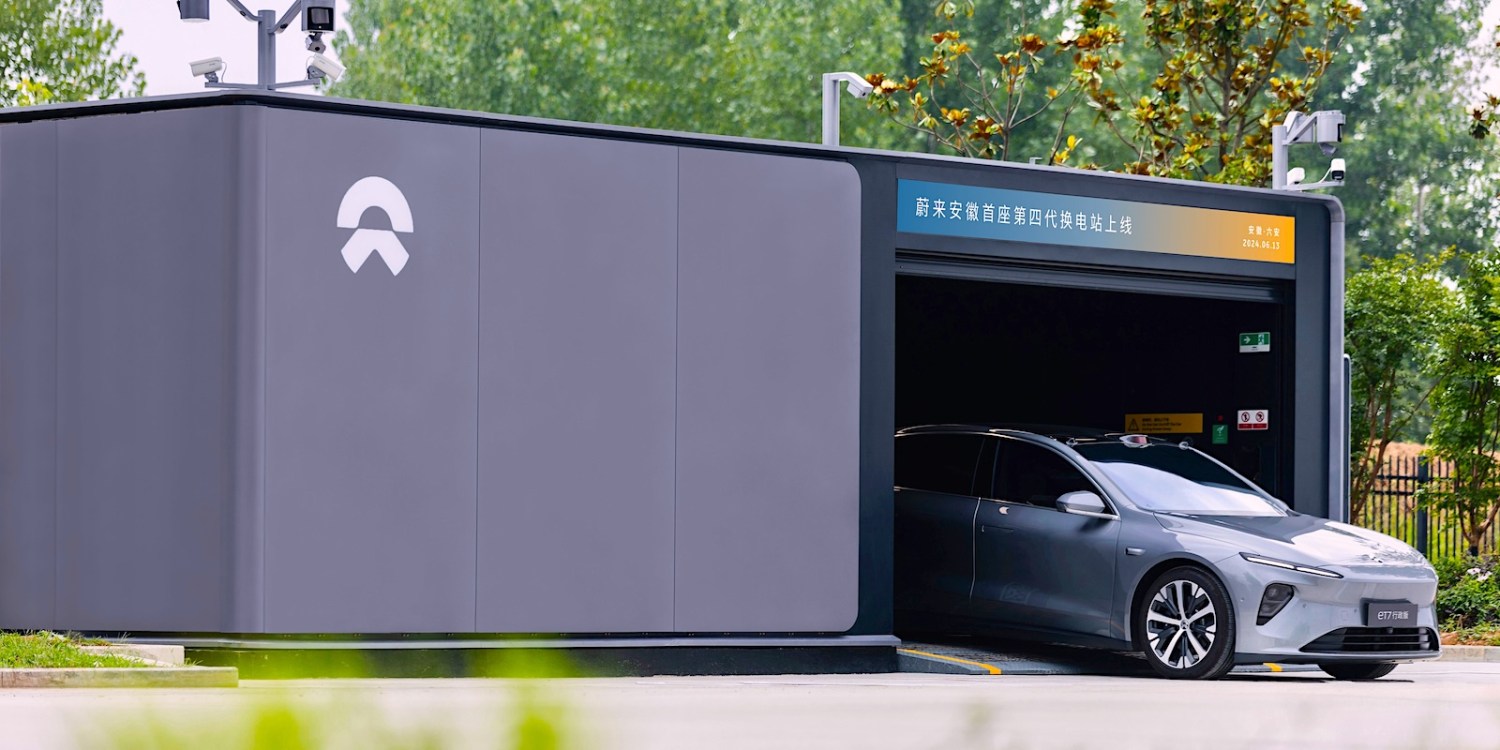
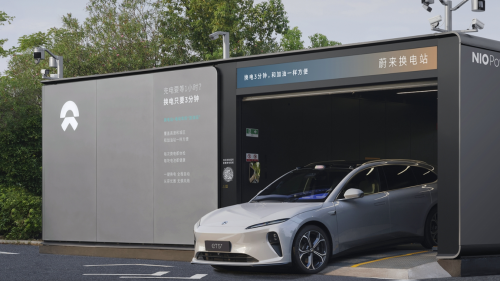
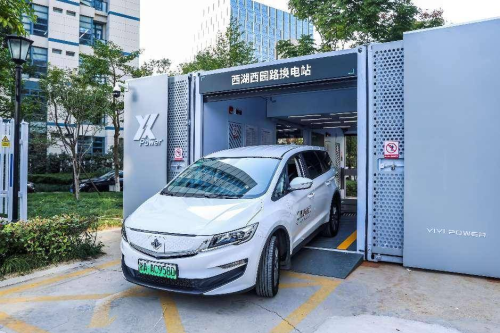
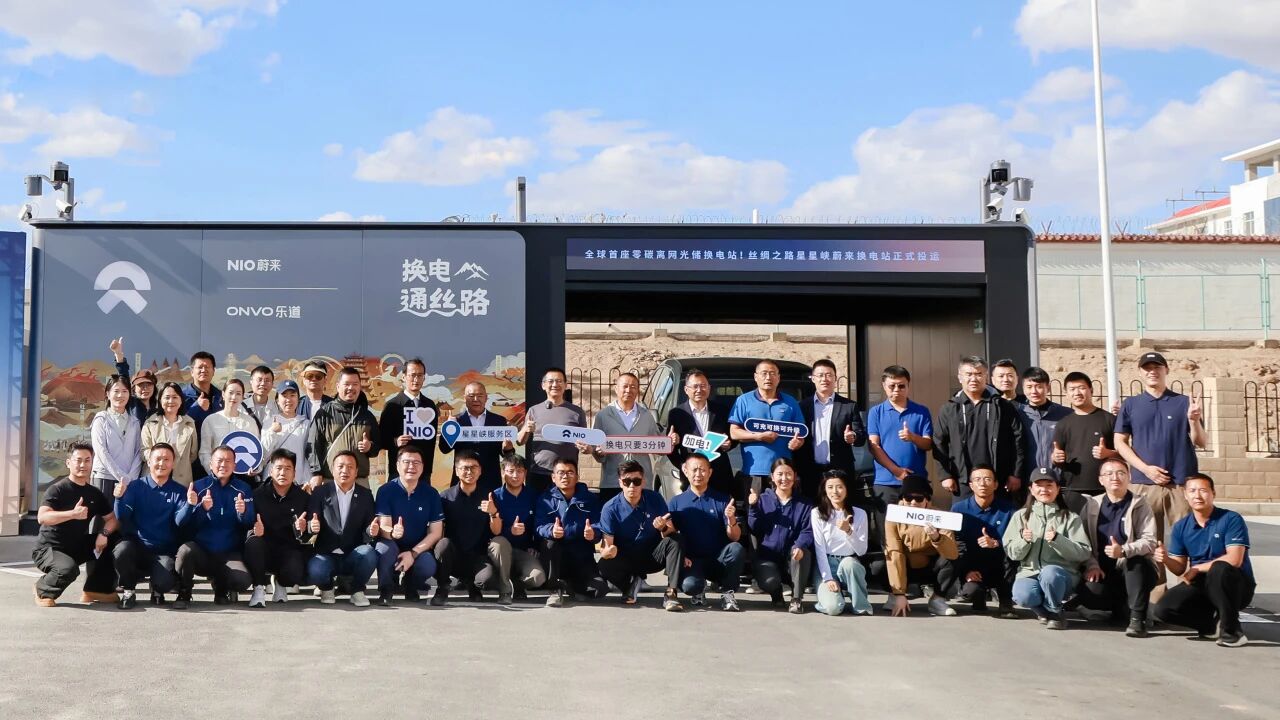
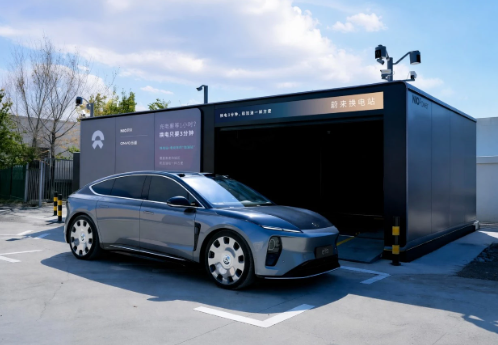
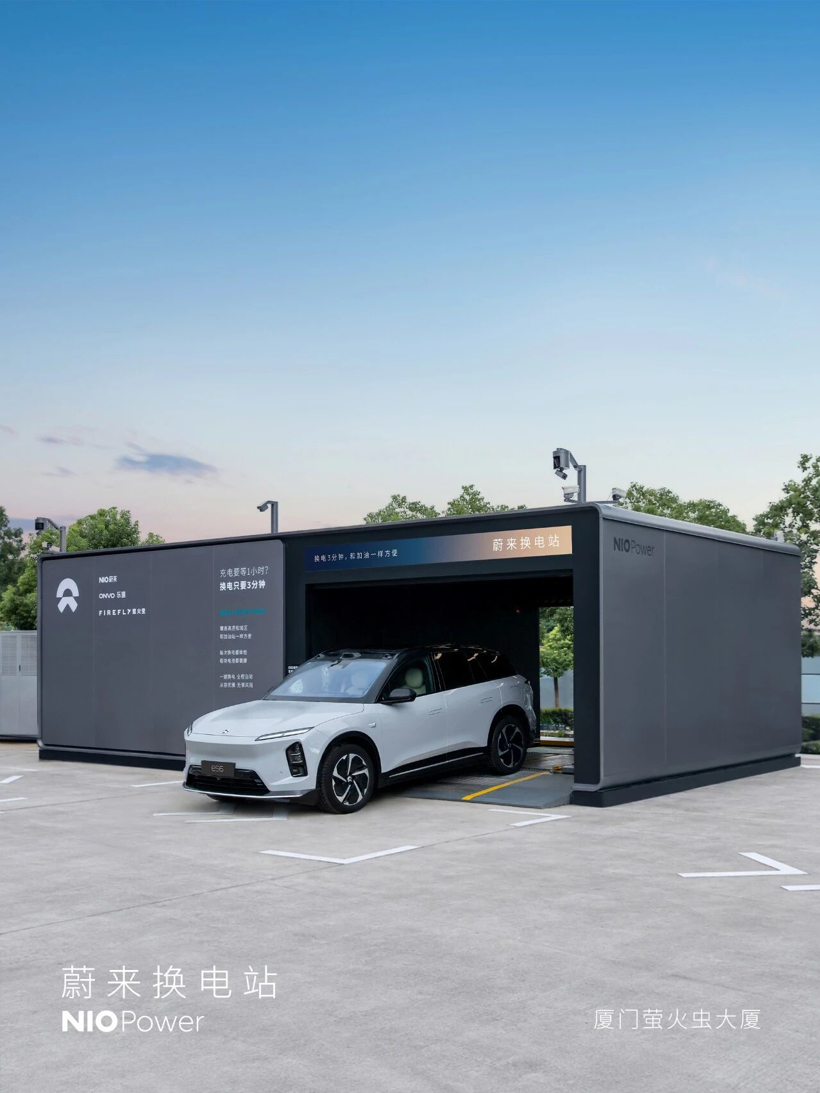
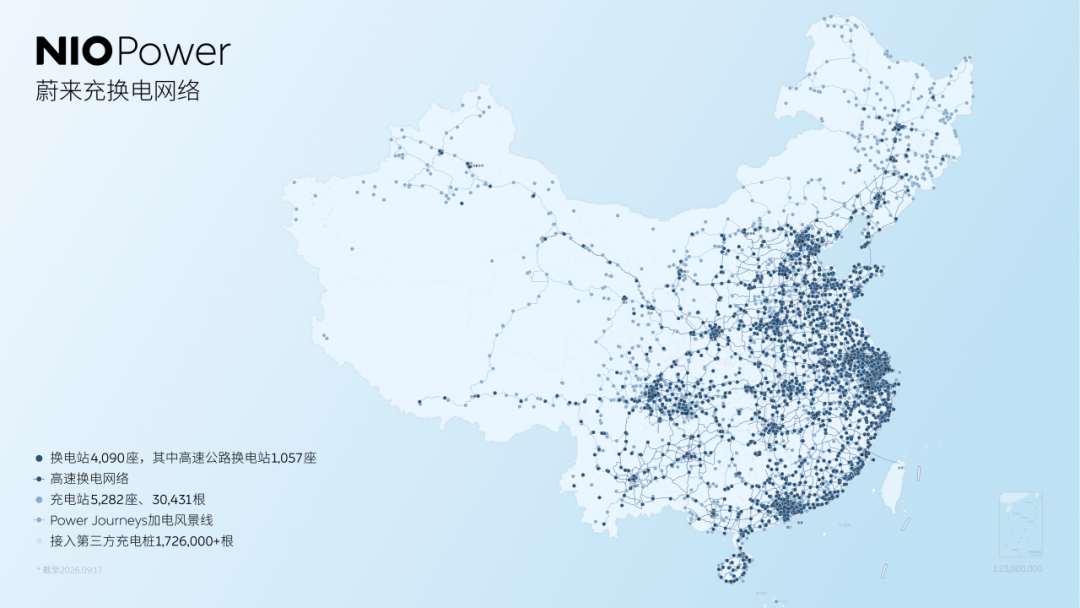
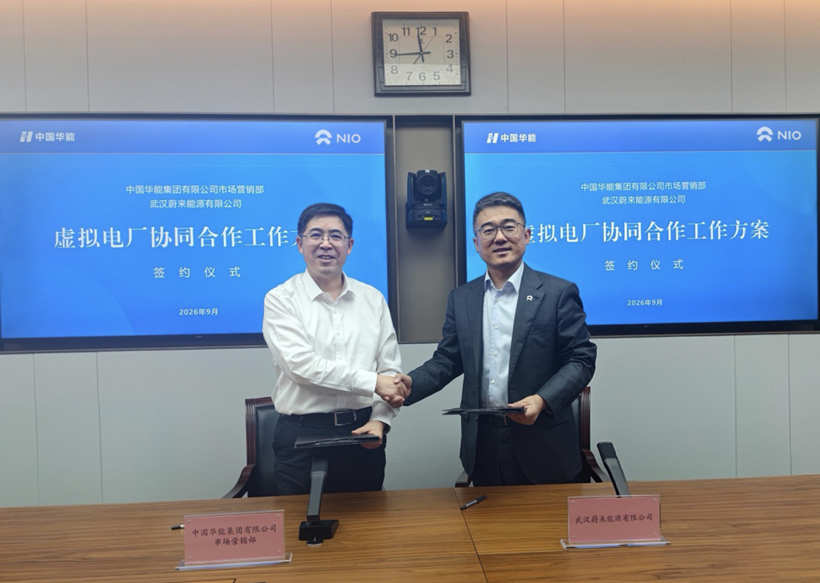
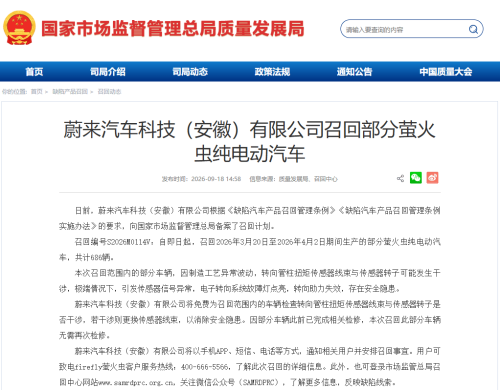
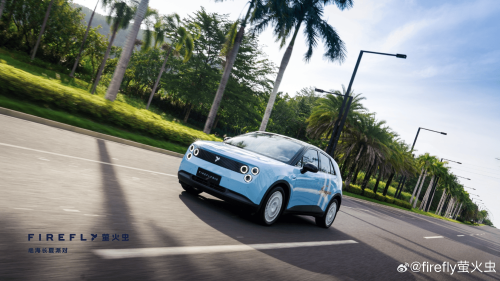
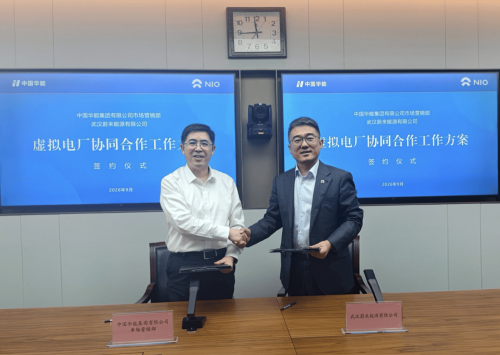
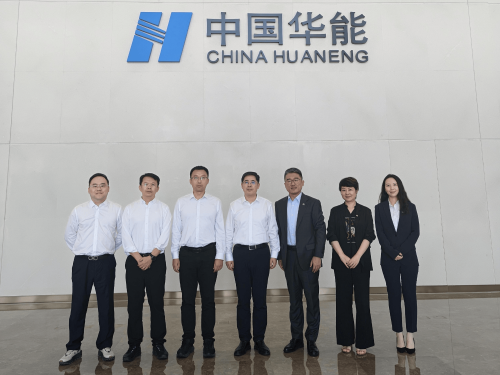
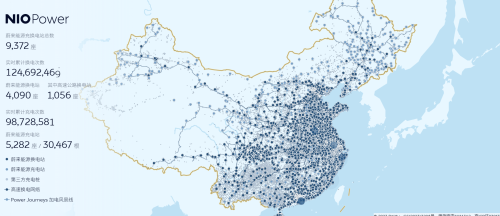
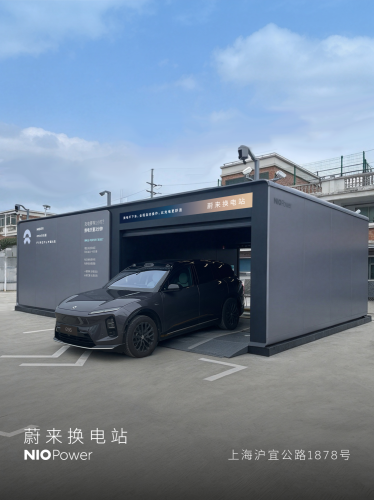
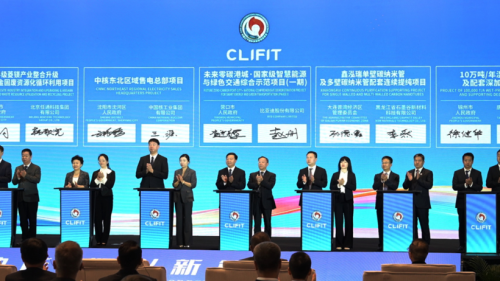
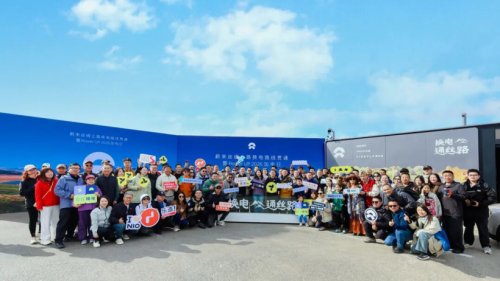
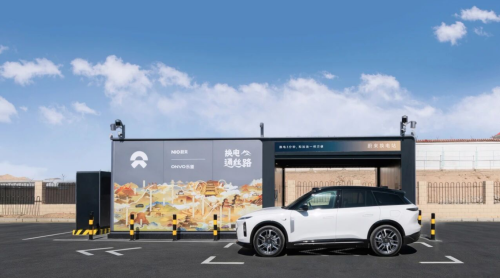
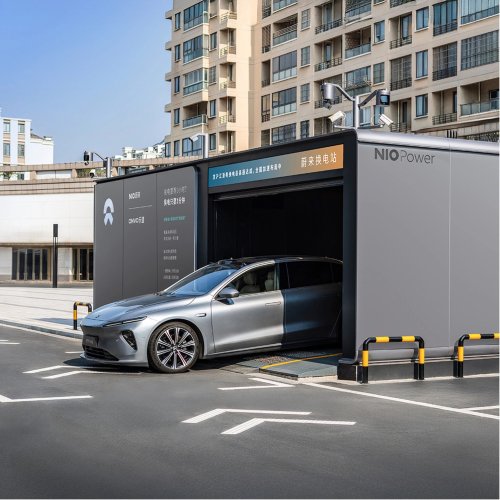
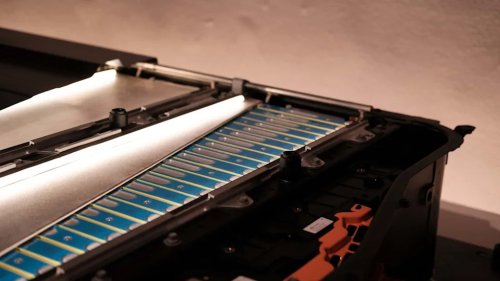
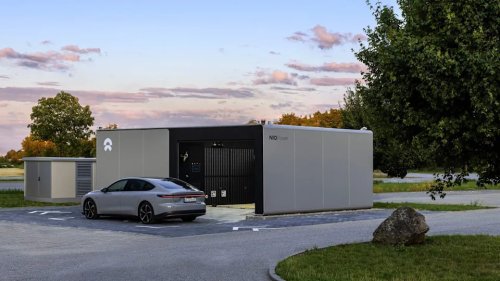
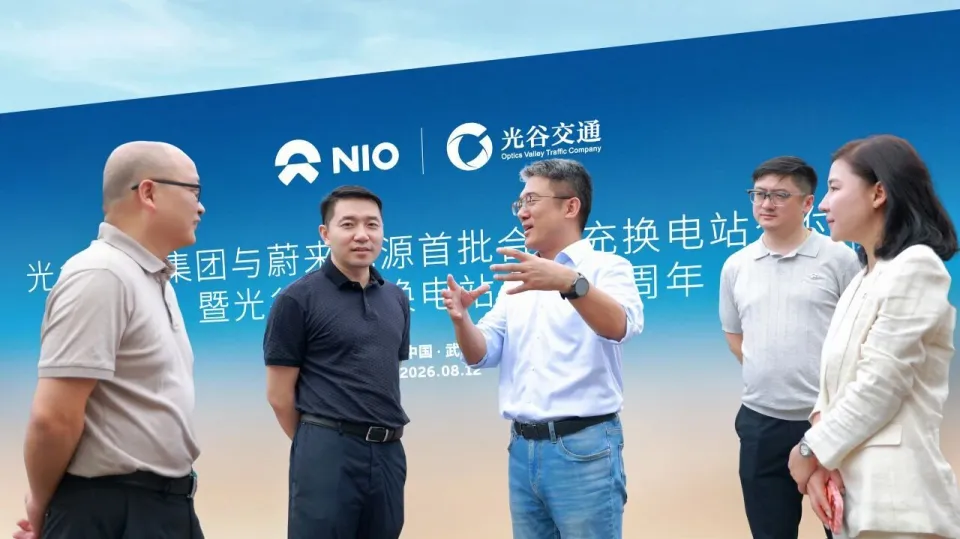
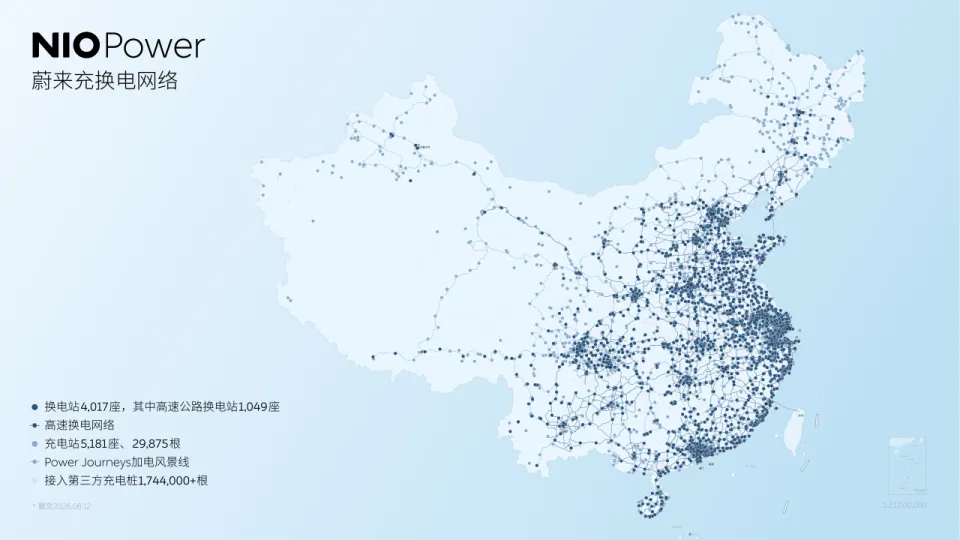
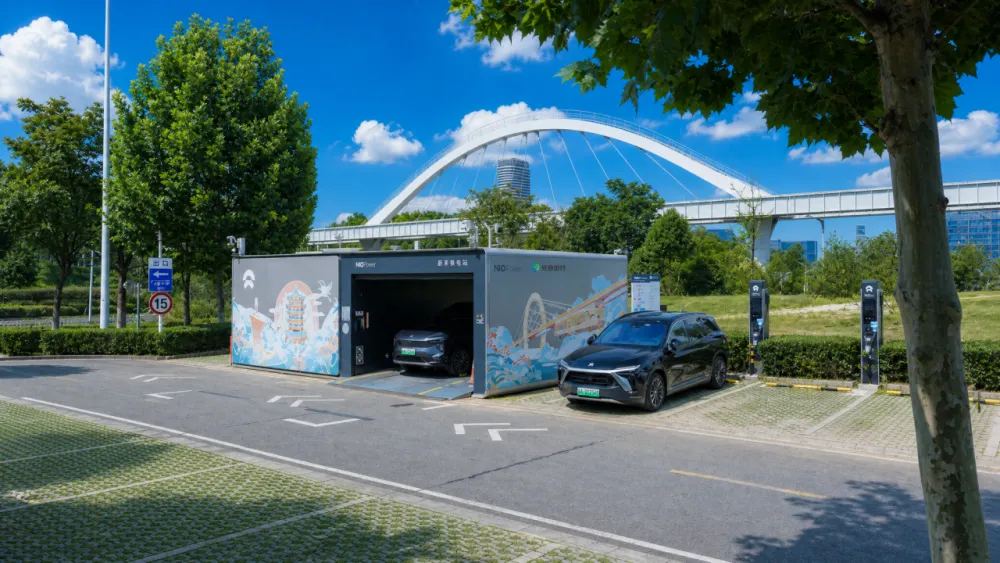
Nio Power and Optics Valley Traffic Company officially deliver first batch of collaborative charging and swapping stations. Credit: Nio Understand China EV’s Market Real-time notifications when critical EV data is released All important data in one place 2,000,000+ data points Become a member Nio Power has officially announced a strategic shift in its infrastructure ownership model in Wuhan, capital of Hubei province. In a recent delivery ceremony held with the state-owned Optics Valley Traffic Company, the two parties confirmed the handover of the first batch of 36 battery swap stations. Nio Power is a brand under Nio that focuses on electric vehicle energy services, primarily responsible for building the charging and battery swap network system. Following this transaction, all existing battery swap station assets within Wuhan are now owned by state-owned capital partners, while Nio Power retains the responsibility for professional operation and technical management. This move marks an implementation of the “State-Owned Asset Ownership + Nio Professional Operation” model in the Hubei region, as reported by Jiemian News. The shift allows Nio to transition from an asset-heavy “landlord” role to a “property and technical service provider.” By decoupling asset ownership from daily operations, Nio can achieve asset-light operations, optimise its financial structure, and alleviate the fiscal pressure associated with the high costs of building and maintaining infrastructure. Nio’s charging and battery-swapping network. Battery swapping is a capital-intensive venture. According to Nio, the construction cost for its first-generation stations was approximately 3 million yuan (400 thousand USD), while second-generation stations cost around 2 million yuan (300 thousand USD). Costs for third- and fourth-generation stations have further decreased to approximately 1.5 million yuan (200 thousand USD). To date, Nio has invested over 20 billion yuan (3 billion USD) in charging and swapping technology. As of August 12, the company has established a nationwide network of 9,198 charging and swapping stations, including 4,017 swap stations and 5,181 charging stations, supported by 29,875 charging piles. This network has facilitated over 120 million battery swaps and 200 million total charging/swapping services. Nio Power has expanded this collaborative approach beyond Wuhan, partnering with over 40 state-owned platforms and financial institutions across 25 provinces and regions to operate more than 800 swap stations. A Nio swap station in Wuhan. Credit: Optics Valley Traffic Company Financial data indicates a positive trend for Nio’s infrastructure. Company executives previously noted that swap stations in Shanghai are approaching the break-even point, with daily orders nearing 10,000. At the corporate level, Nio is showing signs of financial recovery. In the fourth quarter of 2025, the company recorded its first-ever quarterly profit, with a net profit of 2.8 billion yuan (400 million USD) and an operating profit of 1.25 billion yuan (200 million USD). In the first quarter of 2026, Nio achieved total revenue of 25.53 billion yuan (3.7 billion USD), a year-on-year increase of 112.2%, and an operating profit of 66.8 million yuan (10 million USD), marking two consecutive quarters of operating profitability. In the first seven months of 2026, Nio delivered a total of 227,057 new vehicles, up 68.0% year-on-year. This total includes 139,496 units for the Nio brand, 52,618 units for the Onvo brand, and 34,943 units for the Firefly brand. The company’s cumulative deliveries have now reached 1,224,649 vehicles. Most important news in your inbox. Recaps · scheduled All you need, in one email. Instant alerts · real-time Ping me when an article goes live. 0 of 27 topics selected Bundle into one email per day — instead of one email per article No spam · Unsubscribe with one click · Change settings anytime



















 +64 others