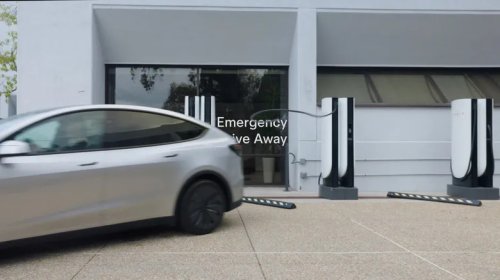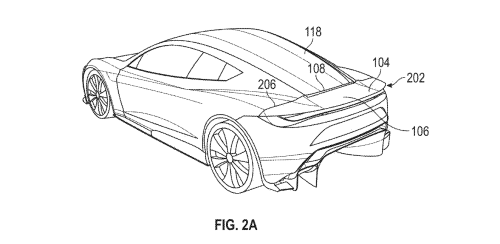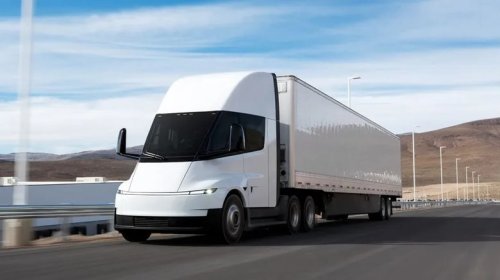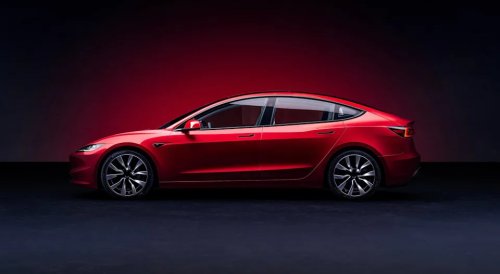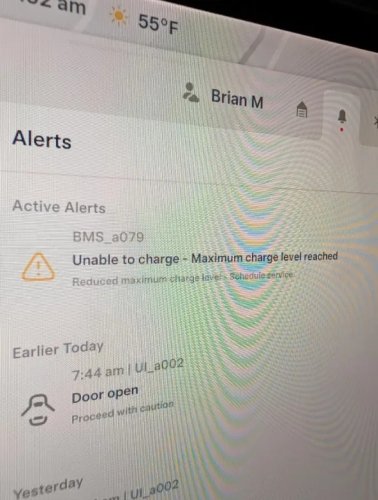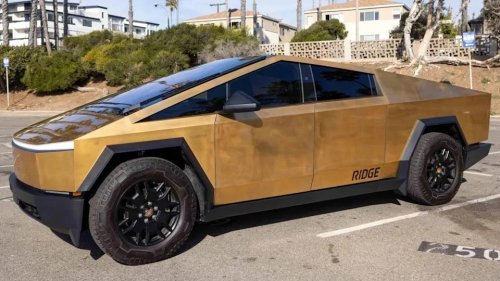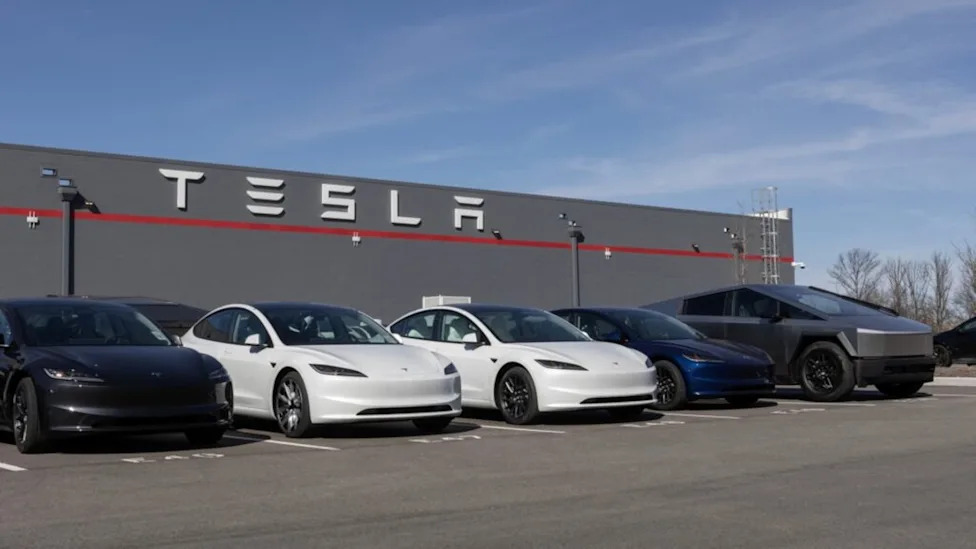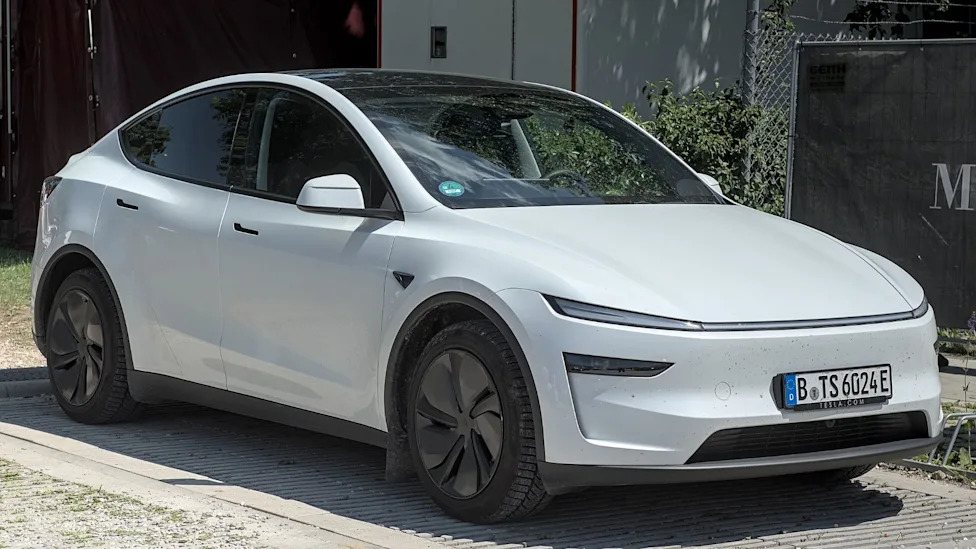














Tesla's Cybercab Has No Steering Wheel and No Backup Plan — Which Is Why Employees Ride First, Not YouTesla has reportedly told employees to be ready for the first public-road rides in the Cybercab, possibly before the end of August, according to a report from The Information relayed by CBT News. The obvious story here is that Tesla is finally putting Cybercab on the street. The more useful question is why Tesla's own people are the ones getting in first, and what that choice quietly admits about a vehicle built without any way for a rider to take over.Start with what actually makes Cybercab different from the robotaxi Tesla already runs. The Model Y rides you can hail today in Austin, Dallas, Houston, Miami, Orlando and Tampa are, mechanically, ordinary cars. They have a wheel, two pedals, and mirrors; the software just isn't supposed to need them. Cybercab isn't that. It was designed from a clean sheet with no wheel and no pedals to grab in the first place. That's not a software choice. It's a hardware decision, made two years ago on a stage, that this particular car will never have a manual fallback, under any circumstance.That single design decision drags Tesla directly into a fight the rest of the AV industry has already been having with Washington. Federal motor vehicle safety standards, the rules governing things as mundane as sun visors, mirrors and brake lights, were written assuming a human sits behind a wheel. A car with no wheel doesn't fail those standards so much as make them nonsensical. We covered this exact collision last month when Amazon's Zoox needed a formal federal exemption, granted under a narrow, decades-old provision called Part 555, just to legally charge people for rides in its own wheel-less pod. NHTSA didn't approve Zoox against a finished safety standard for driverless vehicles. It approved Zoox because no such standard exists yet, and the agency has said publicly it is still years from writing one.AdvertisementAdvertisementHere's the detail worth sitting with. NHTSA has maintained a public FAQ for years addressing concept vehicles with no steering wheel, accelerator or brake pedal, essentially describing this exact situation before Tesla ever built the car. The federal government saw this moment coming. It just hasn't finished deciding what the rulebook says now that it has arrived. Reporting on Tesla's plans notes that Cybercab's commercial regulatory status remains unresolved, which is a polite way of saying nobody outside Tesla has stated definitively what rules a paying ride in this specific car would need to satisfy.Which is almost certainly why the first passengers are employees, not customers. Sending your own people first isn't just a PR softener before the cameras show up. It's also a fairly standard way to generate real road miles and footage without necessarily tripping into the regulatory and insurance category that a ride sold to the public would trigger. Waymo, Cruise and Zoox all ran employee-only pilots before they ever asked a stranger to pay for a seat. Employees can be trained, briefed and asked to sign things a random tourist in Austin never would. It's a way to test the hardest version of the promise, complete autonomy with zero human recourse, while keeping the legal and reputational exposure inside the building a little longer.None of this is happening because Tesla has time to spare. The company's own second-quarter filing showed operating income down 57 percent year over year even as revenue crossed $100 billion for the first time, with R&D spending up 49 percent on what Tesla attributes largely to AI programs. A meaningful chunk of Elon Musk's 2025 pay package, still mostly unearned on paper, hinges on milestones the market reads as tied to autonomy reaching real scale. A visible, if small, Cybercab rollout gives the next shareholder letter something concrete to point to that isn't just another city added to the Model Y robotaxi map. Tesla has already shown a taste for optics over utility on this exact car, too: the same Cybercab got a satellite dish bolted in despite Tesla's own engineers admitting the vehicle doesn't need it to drive.The manufacturing side of this matters as much as the software side, maybe more. Retrofitting a Model Y with cameras and calling it a robotaxi is fundamentally a software story: the hardware already exists, and the rest is code and confidence. Building thousands of Cybercabs at Giga Texas, a car with no wheel and no pedals as a design constraint rather than an afterthought, is a manufacturing story. Retrofitting an existing car to drive itself is a bet on software. Building a car that was never given the option of a steering wheel is a bet the factory has to live with. It isn't a story that can be quietly walked back if the software falls short.AdvertisementAdvertisementNone of this means Cybercab is unsafe, and nothing here suggests Tesla is breaking a specific rule today. It means Tesla is moving into a stretch of regulatory road that the federal government has already flagged as unfinished business, using its own employees as the first data points, ahead of the moment casual readers will assume already happened when they see a headline about a driverless launch.The Cybercab reveal two years ago promised a cheaper, simpler autonomous future. The part nobody dwelled on then is the part that matters now: the simpler car is also the one with no way out if the software is wrong. Watch for whether Tesla ends up needing something that looks like Zoox's exemption, and watch how long "employees only" quietly remains the actual definition of this launch. That gap between what got announced and what regulators have actually signed off on is the real Cybercab story this month. Everything else is just footage.Join our Newsletter, follow our Instagram page, and connect with us on Facebook.