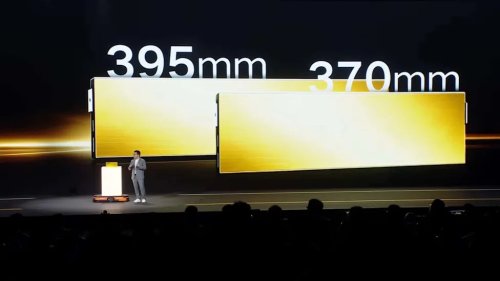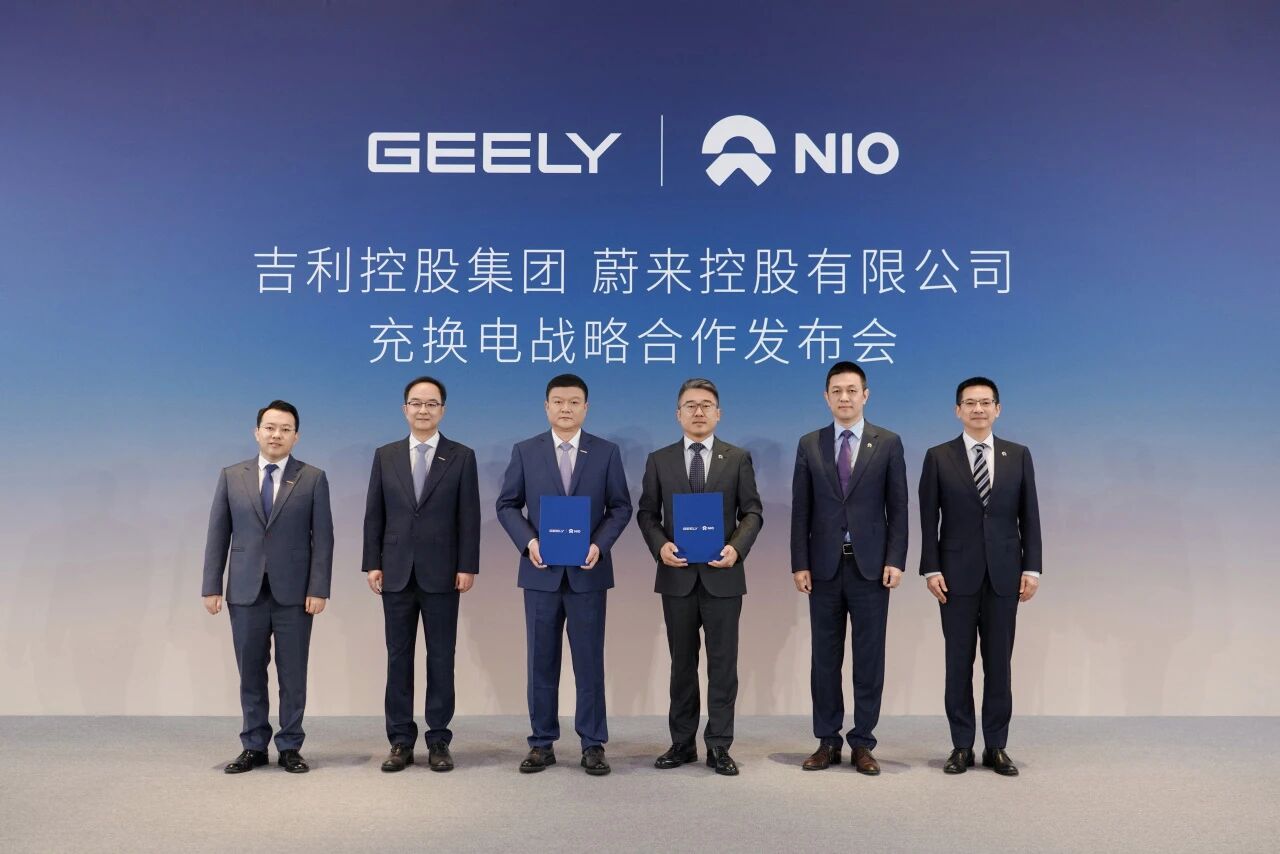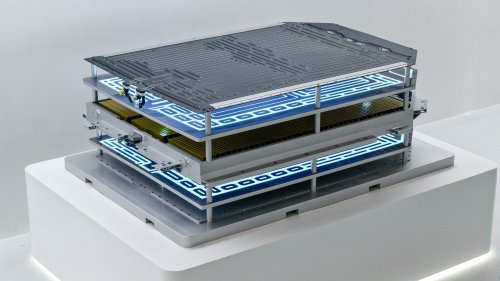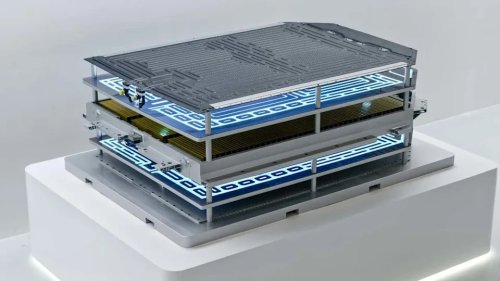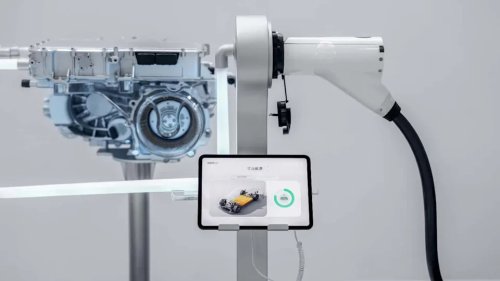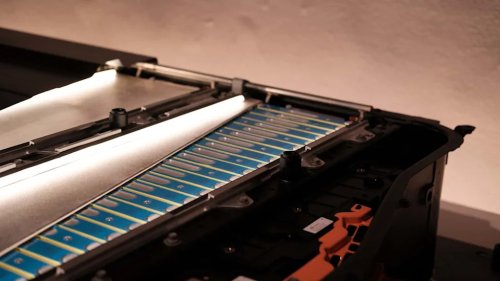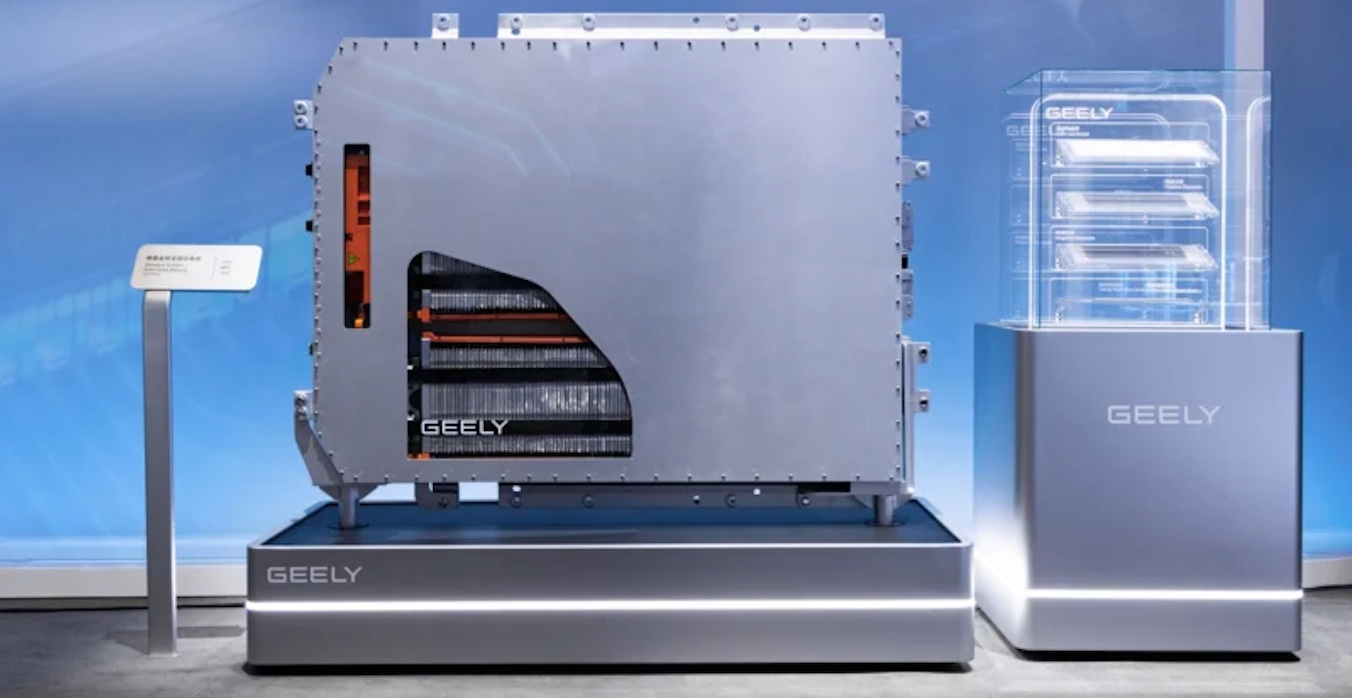



















Geely says its next-generation solid-state EV battery will reach an energy density of up to 500 Wh/kg, and it’s already running the cells through real-world validation ahead of a pilot rollout in 2027. That number is the whole story. At 500 Wh/kg, Geely’s cells would hold roughly twice the energy per kilogram of the best lithium-ion battery packs shipping in EVs today. Why 500 Wh/kg is such a big number The best high-nickel NMC cells in production EVs land around 250 to 300 Wh/kg at the cell level. Tesla’s 4680 sits near 245 Wh/kg. LFP cells, the chemistry powering most affordable EVs, come in lower still. At the pack level, once these cells are in modules and pack, the enegery density per kg drops even further. Zeekr’s current “Golden Brick” LFP pack is rated around 128 Wh/kg at the pack level. Advertisement - scroll for more content So a cell at 500 Wh/kg isn’t an incremental gain. It’s a doubling. Doubling energy density changes the math on every EV. You can keep the same range and cut the battery’s weight roughly in half, or keep the same weight and push range way up. A lighter pack means a lighter car, which needs less structure and less battery to hit the same numbers. The savings compound. Geely is selling the range version of that trade. The company says vehicles running these cells will get a range “comparable to diesel-powered cars,” over 1,000 km on a single charge. It also claims a lifespan of up to 1 million km (621,000 miles). What Geely actually announced The batteries are being developed inside Geely Holding, the parent that owns Geely, Zeekr, Lynk & Co, Volvo, Polestar, Lotus, and Smart. Geely says real-world validation started in 2026, with pilot deployment across those brands slated for 2027. The company also named a materials partner: Dow Chemical, which developed an adhesive for the solid-state cells that stays stable from –40 °C to 120 °C, according to Dow technical lead Bo Tong. Temperature stability is one of the harder problems in solid-state chemistry, so a named supplier on that piece is a real detail, not marketing. This isn’t Geely’s first move here. In January, Geely committed to building its first in-house solid-state pack and putting it on an existing EV platform for testing. The 500 Wh/kg target is the next step up from that program. But there’s a catch “Pilot deployment in 2027” is not the same as cars in driveways in 2027. A pilot line proves you can build the cell repeatably at low volume. Mass production, at a cost that works in a $30,000 car, is a different problem, and Geely hasn’t put a date on it. The company also hasn’t disclosed the chemistry. There’s no word on whether this is a sulfide or oxide electrolyte, or what the anode is, and Geely’s own materials have been inconsistent on whether 500 Wh/kg is a cell-level or pack-level figure. There’s no third-party cycle-life data behind the million-kilometer claim yet either. And Geely is far from alone in circling 2027. CATL is targeting 2027 for pilot production of its own 500 Wh/kg sulfide solid-state cell. BYD is chasing the same 2027 window for all-solid-state demonstrations before mass production later in the decade. Toyota has pointed at 2027-2028 for its solid-state debut. When every major player names the same year for a “pilot,” the year stops meaning much. The tech is genuinely arriving, though. Semi-solid batteries are already powering EVs on Chinese roads today. Full solid-state, at 500 Wh/kg, is the harder target still sitting on pilot lines. Electrek’s Take If Geely, or CATL, or anyone else lands a durable, affordable 500 Wh/kg cell, it resets what an EV can be: 1,000 km of range, or the same range in a car that weighs hundreds of kilos less. That’s the kind of jump that enables electrifying all ground transportation. It’s worth staying skeptical as we have been burnt on solid-state batteries before, but it does feel like things are moving fast in that realm right now. I’m cautiously getting excited. Home batteries and next-gen cells are reshaping the economics of energy storage, and pairing storage with rooftop solar is the best way to squeeze the most value out of both. With electricity rates up almost 10% last year and expected to keep climbing, going solar is one of the best ways to protect yourself against rising costs. And with lease and PPA options, you can do it with zero upfront cost and start saving immediately. If you want to find the best deal, check out EnergySage. It’s a free service with hundreds of pre-vetted installers competing for your business, so you save 20 to 30% compared to going it alone. No sales calls until you pick an installer. Get your free quotes here. Stay up to date with the latest content by subscribing to Electrek on Google News. You’re reading Electrek— experts who break news about Tesla, electric vehicles, and green energy, day after day. Be sure to check out our homepage for all the latest news, and follow Electrek on Twitter, Facebook, and LinkedIn to stay in the loop. Don’t know where to start? Check out our YouTube channel for the latest reviews.