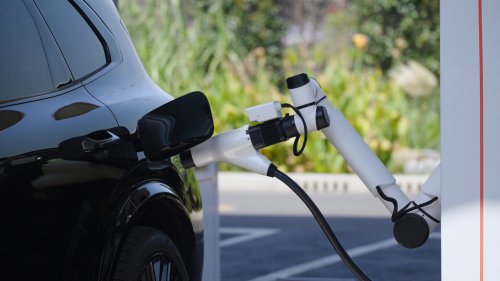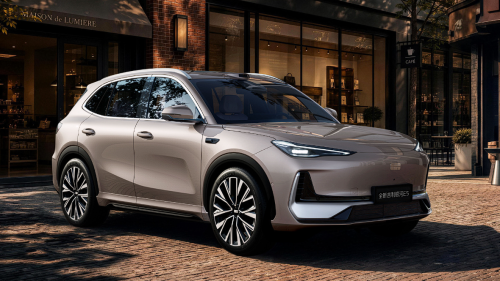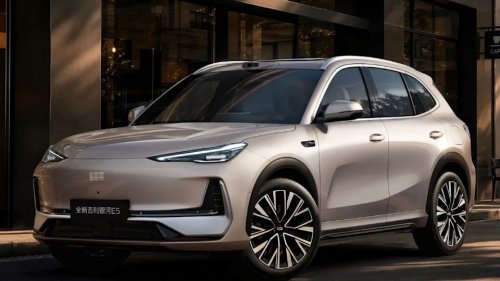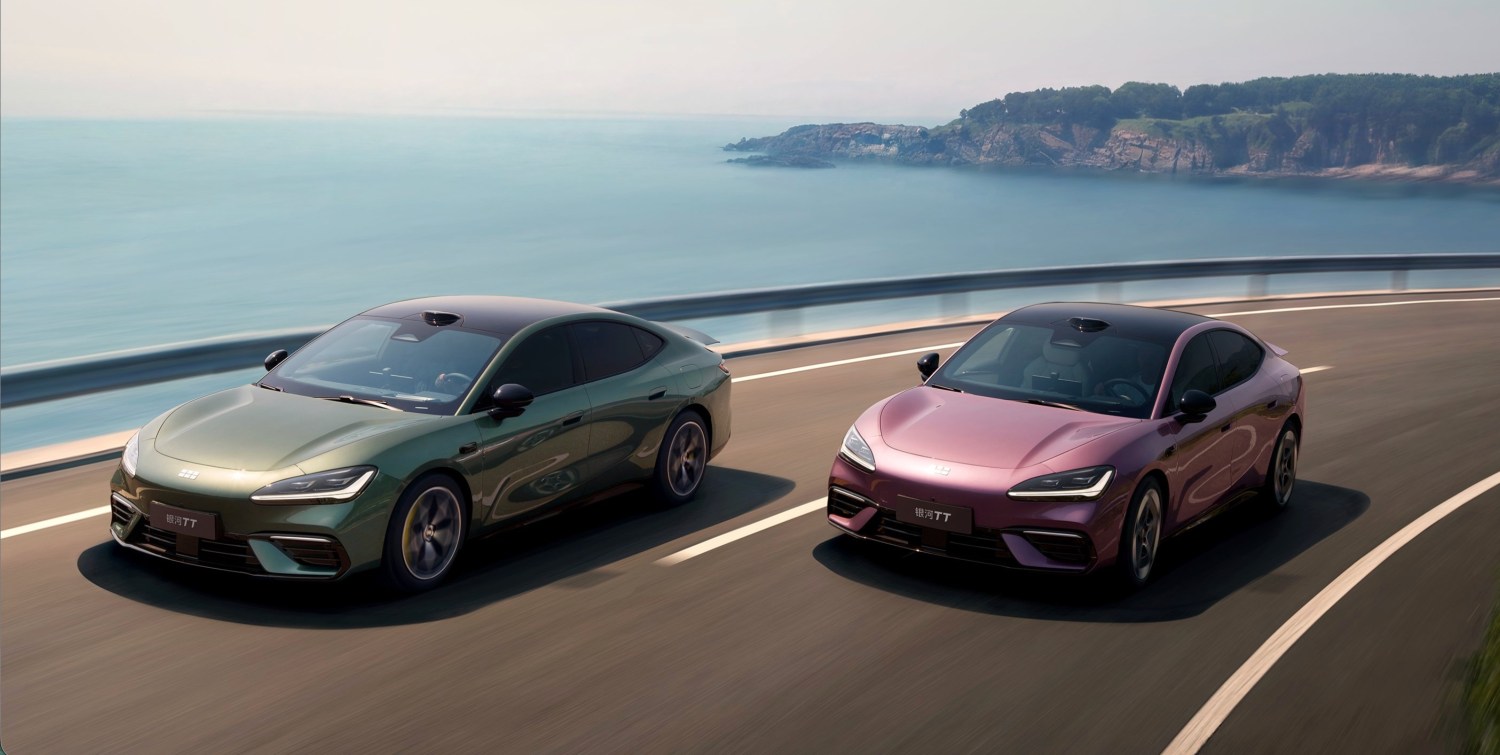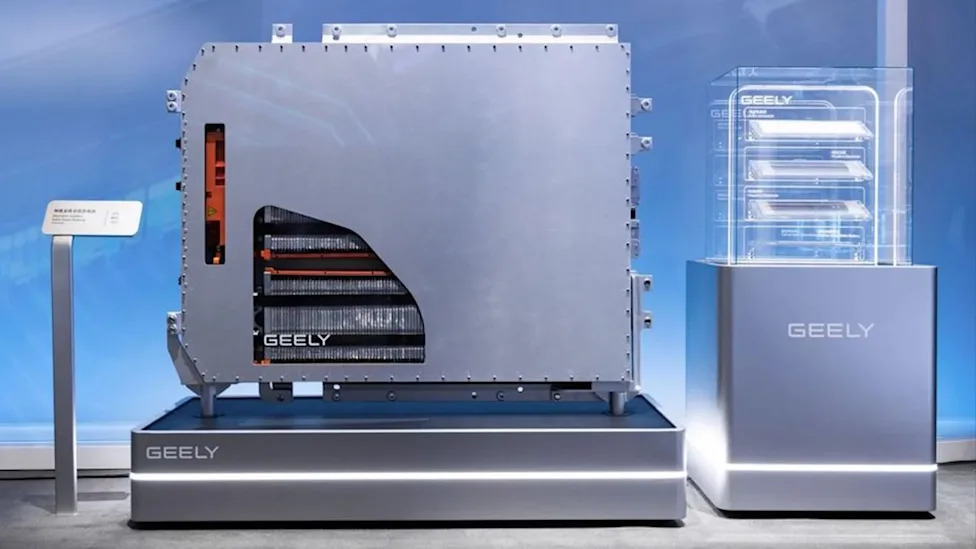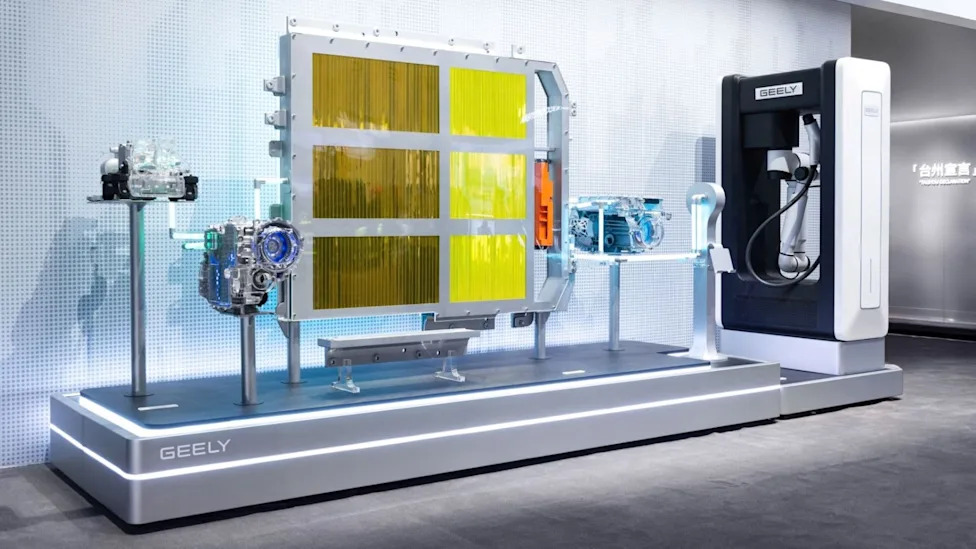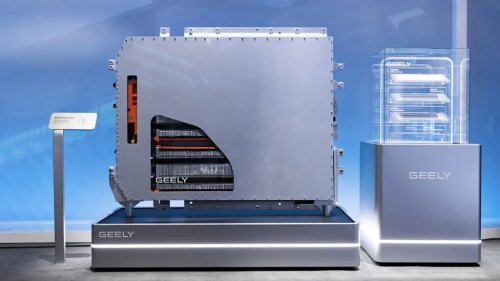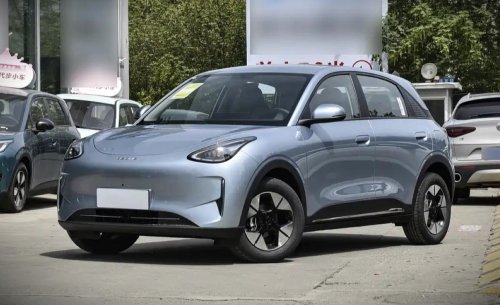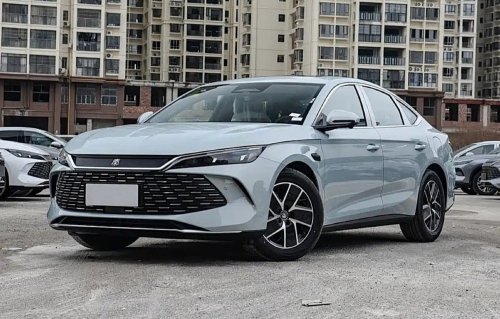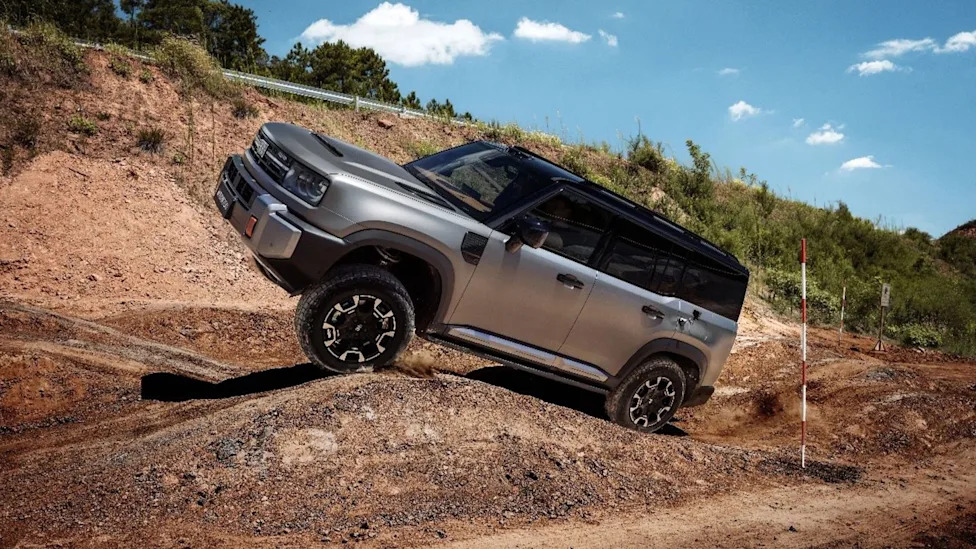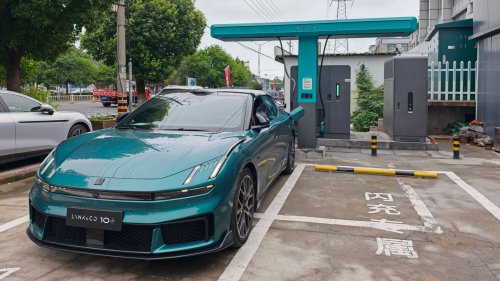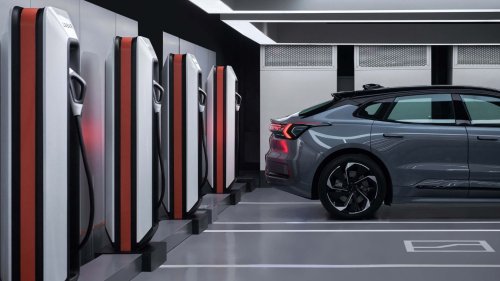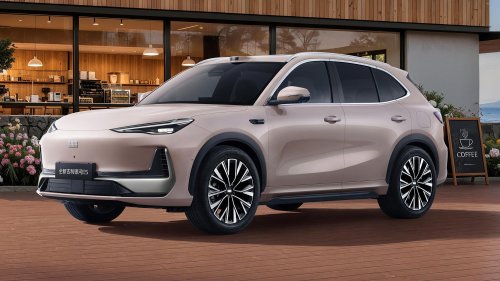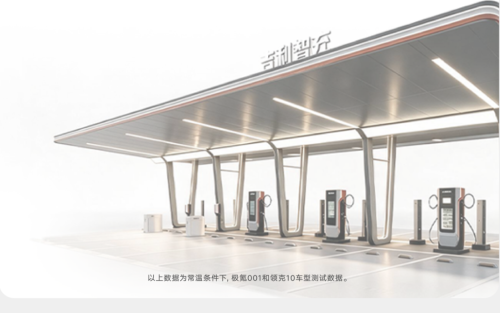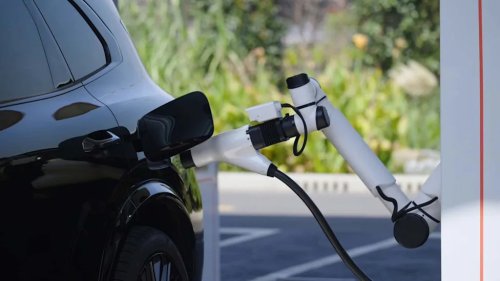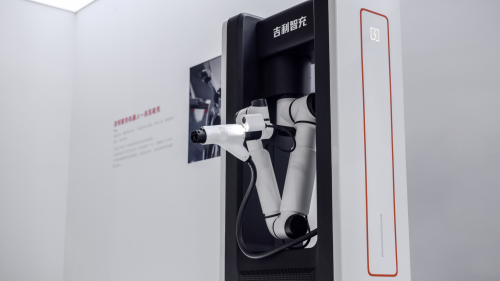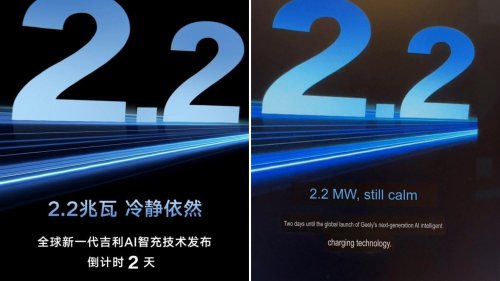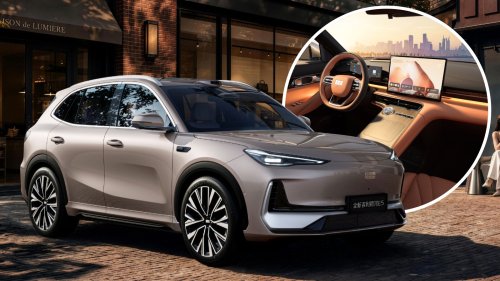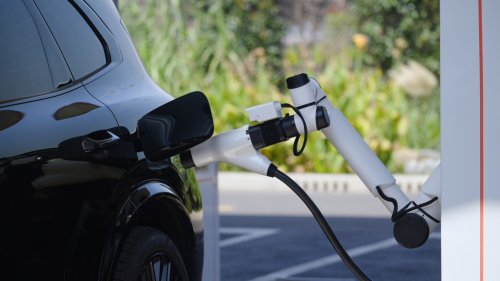
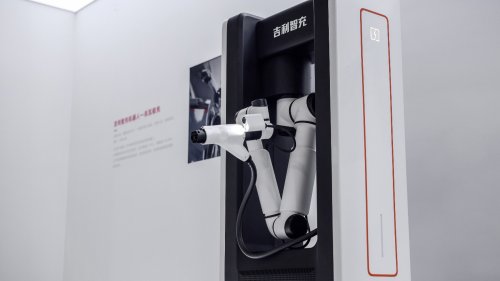
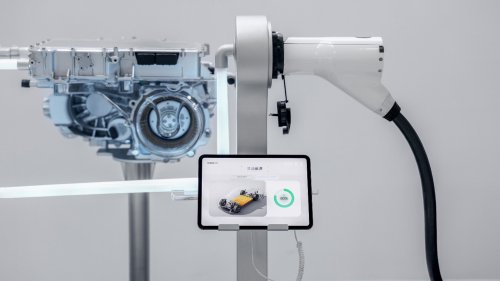
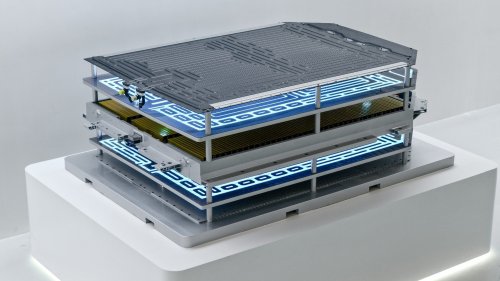



















Image: Geely Auto Group Geely says its new AI-powered fast charging system can reverse some of the battery damage caused by fast charging, using micro-pulse currents to add up to 20% more cycle life. Charging a car in under 5 minutes is great, but not if it wears the battery out years early. Geely claims that its ‘Smart Charging’ addresses that and it is using something that sounds like sorcery. A 2.25 MW charger was only half the story Earlier this week, we reported that Geely one-upped BYD with a 2.2 MW charger capable of 4-minute EV charges. The full announcement came on Wednesday in Ningbo, and the fifth-generation Geely Smart Charging Station is rated at up to 2,250 kW peak. Geely also shared real-world results. In testing, the battery used in the Lynk & Co 10 and Zeekr 001 went from 10% to 70% in 4 minutes 30 seconds, and from 10% to 97% in 8 minutes 40 seconds. Advertisement - scroll for more content That’s a hair quicker than BYD. Its 1,500 kW Flash Charging network, now at over 10,000 stations, takes Blade Battery 2.0 from 10% to 70% in 5 minutes and to 97% in 9 minutes. Image: Geely Auto Group But Geely spent most of its presentation on something else: what all that power does to the battery. Micro-pulses to undo fast-charging damage The main way fast charging hurts a lithium-ion cell is lithium plating. Push current in too fast and some lithium ions pile up on the surface of the anode (the negative electrode) instead of slotting into it. That lithium stops cycling, and the pack slowly loses capacity. Geely’s answer is what it calls “lithium-ion pulse restoration technology.” The system sends micro-pulse currents through the cells to “reactivate” the lithium ions that accumulated at the negative electrodes during repeated fast charging. Combined with AI-managed charging, Geely claims this increases battery cycle life by 20%. The bullet points in its press release say “up to 20%,” so treat that as a best case. There’s also a home charging component. Geely says it developed a low-rate charging strategy that “gradually” fixes degradation from repeated fast charging while you’re plugged in at home overnight. So the idea is that you fast charge on road trips, and your slow charger at home cleans up after it. AI that predicts heat 30 seconds ahead The brain behind all of this is Xingrui PowerMind, an energy AI model Geely co-developed with Chinese AI startup StepFun. It coordinates the vehicle, battery, charger, cloud, grid, and the station’s energy storage system. Image: Geely Auto Group Most EVs today cut charging power once the pack is already hot. Geely says PowerMind looks up to 30 seconds into the future instead, forecasting where battery temperature is heading and dialing power down before it gets there. Every car and battery gets its own profile, with the AI constantly changing how much current goes in, how hard the cooling works, and how long the session runs. The targets: an average battery temperature of 55°C during charging, and a peak under 65°C. To hit those numbers at 2.25 MW, Geely added what it calls the industry’s first five-point liquid cooling system. It cools the station’s energy storage battery, the charging pile, the cable, the charging port, and the battery pack, so no single link in the chain becomes the bottleneck. Image: Geely Auto Group A 6C battery for cheaper EVs Geely also listed two batteries. The Shendun Golden Battery, the one used in the Lynk & Co 10 and Zeekr 001 tests, supports a peak charging rate of 12C. And the one that matters more for most buyers is the Next-Gen Ultra Short Blade Battery. It’s meant for Geely’s more affordable models. Thanks to laser welding Geely developed for the cell tabs and covers, the company says the pack generates 10% less heat while charging, and peak charging rate goes up to 6C. If it holds up, that brings 10-minute-class charging to cars that don’t cost Zeekr money. Electrek’s Take If you thought that battery and charging technology were plateauing, think again. The pulse restoration claim is the most interesting part of this announcement, and it straight up sounds like magic. Lithium plating is real, and the fast charging arms race in China makes it a bigger problem every quarter. Automakers know it. Tesla has been limiting Supercharging speeds on packs with a high number of DC fast charges since 2017 to protect them. Geely trying to fix the problem instead of just throttling around it is the right approach. And most EVs in the US still top out well below 350 kW. How long before an automaker here even needs to worry about this? If you’re buying an EV, charging it at home with power from your own rooftop solar is the cheapest and gentlest way to fill it up. With electricity rates up almost 10% last year and expected to keep climbing, going solar is one of the best ways to protect yourself against rising costs. And with lease and PPA options, you can do it with zero upfront cost and start saving immediately. If you want to find the best deal, check out EnergySage. It’s a free service with hundreds of pre-vetted installers competing for your business, so you save 20 to 30% compared to going it alone. No sales calls until you pick an installer. Get your free quotes here. – ad* Stay up to date with the latest content by subscribing to Electrek on Google News. You’re reading Electrek— experts who break news about Tesla, electric vehicles, and green energy, day after day. Be sure to check out our homepage for all the latest news, and follow Electrek on Twitter, Facebook, and LinkedIn to stay in the loop. Don’t know where to start? Check out our YouTube channel for the latest reviews.