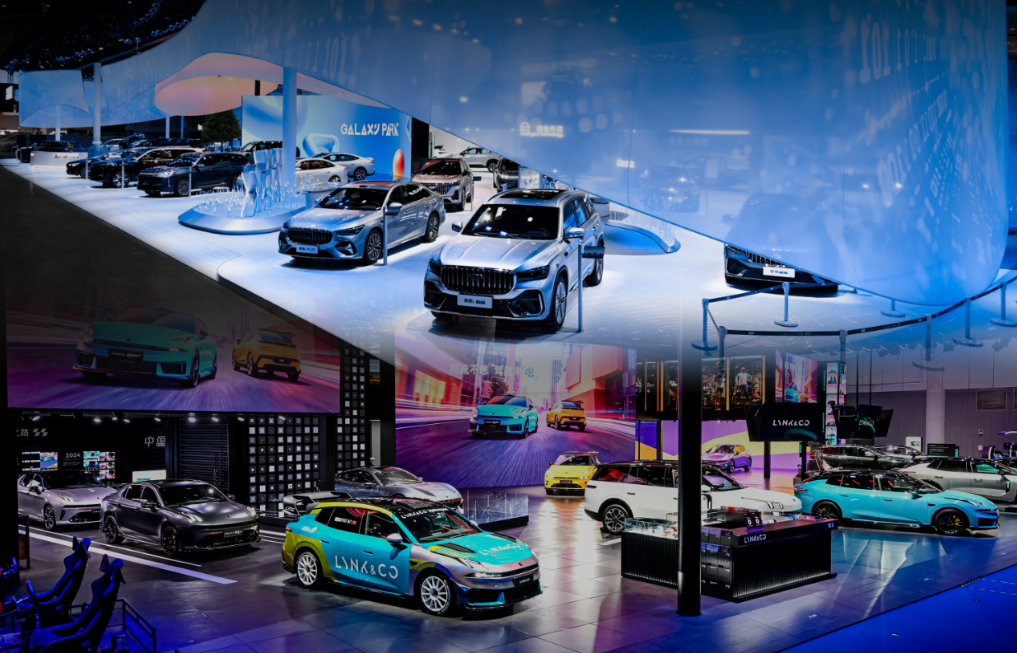
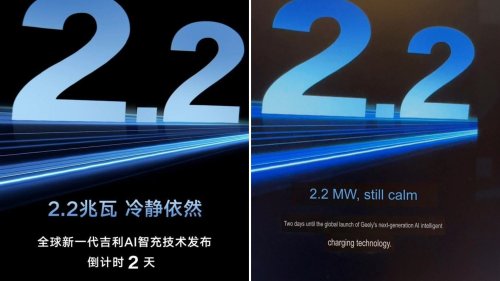
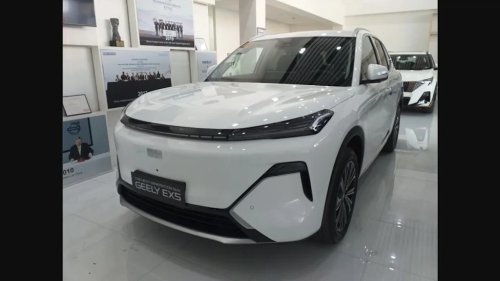
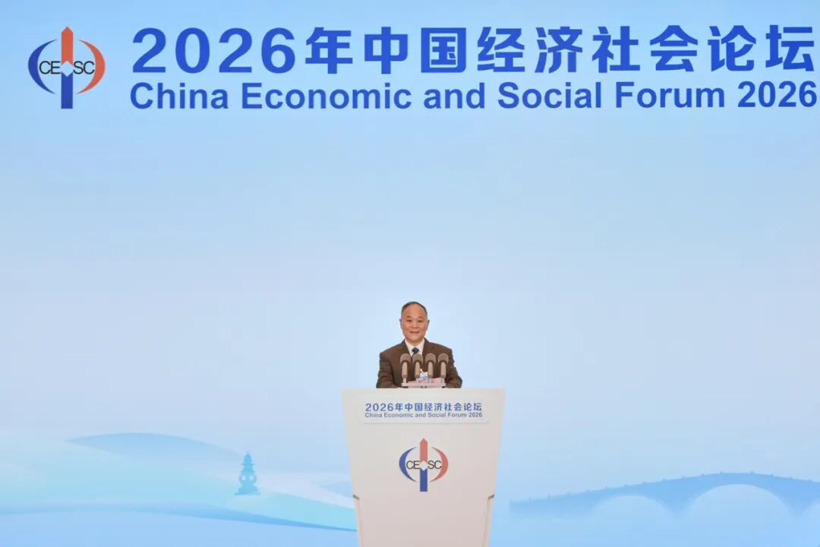
Gasgoo Munich-Li Shufu, chairman of Zhejiang Geely Holding Group, delivered a keynote speech on Sept. 15 at the 2026 China Economic and Social Forum.Globalization is reshaping supply chains, Li argued. As specialization deepens, the value of cooperation grows, while fragmentation threatens long-term growth. Amid the shift to electrification and intelligence, vehicles are evolving from transport tools into smart mobile terminals. Competition is moving toward technological innovation and ecosystem synergy.Image Source: Zhejiang Geely Holding GroupTo navigate the road ahead, Li outlined three strategic priorities. First, companies must commit to collaborative innovation. Breakthroughs in foundational technologies, such as chips, large models, and operating systems, cannot be achieved in isolation. They require integrating resources from academia, industry, and global partners. Second, the green transition must accelerate. New energy vehicles are pivotal to meeting carbon goals. ESG competence is emerging as a critical soft power factor in global competition. Third, global industrial coordination is essential. The sector must dismantle trade barriers and deepen cooperation across standards and markets. This will build a mutually beneficial industrial community.Citing Geely’s own trajectory, Li highlighted the company’s continued investment in frontier technologies like smart electric systems and green methanol, alongside the construction of a sky-earth integrated smart technology ecosystem. Geely has also deepened ties with international players including Proton, Renault, and Ford. Furthermore, the automaker is involved in drafting carbon-related standards. It has set a target to achieve full-chain carbon neutrality by 2045. Geely is also contributing to the development of international ESG frameworks.Li also addressed the challenges artificial intelligence poses to global governance, arguing that corporate innovation must adhere to ethical boundaries. Balancing technological progress with social responsibility is key to ensuring technology serves the public interest. Ultimately, Li believes globalization is not merely about market expansion and capital, but about the sharing of technology, culture, and values.



















 +47 others