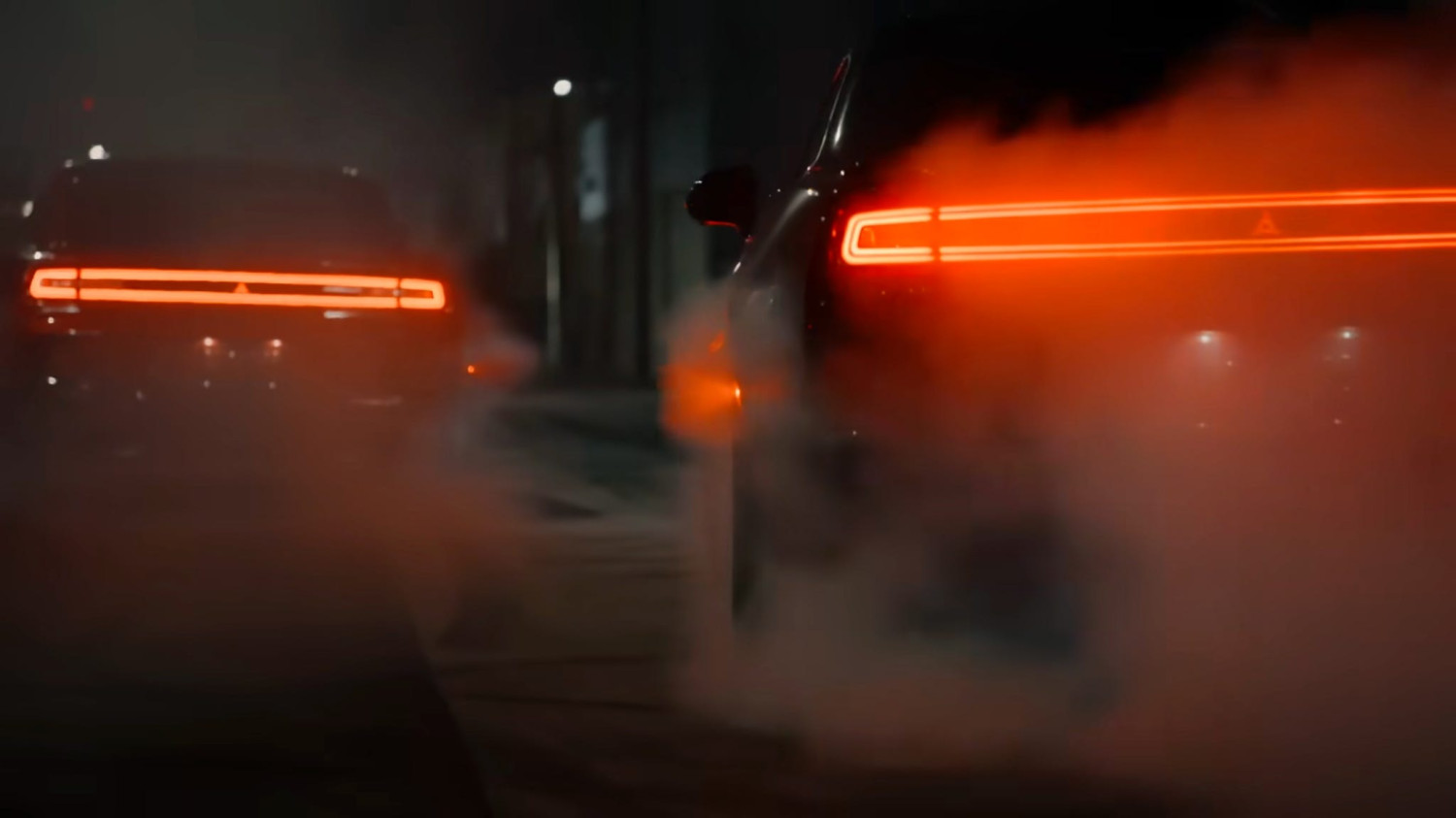
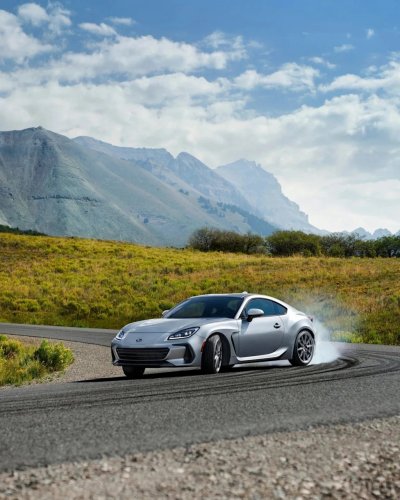
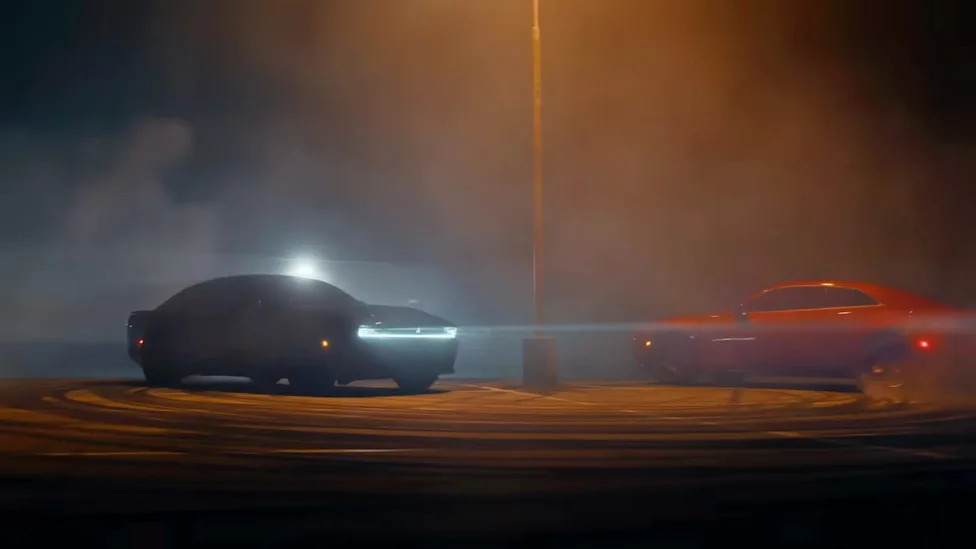
Performance Car Ads Could Increase Bad Driving: IIHSYouTube / Dodge (YouTube / Dodge)Hooking potential car buyers is a delicate art that, Madison Avenue might suggest, increasingly requires smoking tires and roaring engines. Commercials featuring high-performance driving are on the rise, according to the Insurance Institute for Highway Safety—and the organization says that isn't a good thing.The automotive safety watchdog claims that its recent study revealed 43 percent of vehicle ads aired during 2018, 2020, and 2022 highlighted speed, maneuverability, traction, stopping, or power, with the focus on these performance features increasing over that span. A mere three percent of car ads in 2022 focused on safety, according to the study.The IIHS says the potential impact of these ads on driver behavior is concerning. "Showing a stunt driver zooming around a tight turn in the rain might seem harmless, but these ads reinforce our cultural obsession with speed," IIHS president David Harkey said. "The fine print may caution that it’s a professional driver on a closed course, but the message they convey is that you can drive this way too."AdvertisementAdvertisementPerformance-forward auto advertising is anything but a new phenomenon. IIHS officials have been criticizing commercials featuring speeding since 1990, when Nissan aired a 300ZX ad during the Super Bowl that featured what the institute described as "a blatant disregard for public safety." Nissan pulled the ad, and the safety watchdog has since stayed hot on the heels of dangerous driving behavior in advertisements.The United States is a unique arena for such racy advertisements, as advertising standards here are ambiguous and easily bent. By contrast, countries like the United Kingdom have an explicit ban on ads that promote a culture of dangerous driving; messaging about power, acceleration, and handling is strictly limited to how it relates to safety.The new IIHS report surveyed more than 1500 television commercials from 2018 to 2022, as well as 1000 social media ads from 2020 to 2022, and compiled a database of 23 themes. This database focused on messaging related to speeding, luxury, prestige, heritage, and nostalgia. Each theme had a distinct set of visual cues that accompanied it, allowing coders from the University of Virginia’s media studies department to conduct a proper statistical analysis on the advertisements.By including ad-spending data from Nielsen Ad Intel, the research team identified that performance was the most common theme. Around 43 percent of modern vehicle ads focused primarily on the performance attributes of the car, and 16 percent highlighted speeding. 28 percent of the ads focused on traction, often in the form of spinning tires or kicking up dust clouds mid-drift."Advertising like this has helped normalize speeding, masking how dangerous it is," said IIHS research scientist Amber Woods, lead author of the study. "The vast majority of viewers are never going to take their vehicle through a mountain stream or up a sand dune, but this kind of ad could influence the way they drive in risky on-road conditions—in rainy or snowy weather, for instance."AdvertisementAdvertisementWhile performance was a common thread in most car commercials, sedan and SUV models featured higher rates of related claims. SUV advertisements, in particular, significantly increased their share of performance claims over the time frame studied, starting at 28 percent in 2018 and increasing to 45 percent by 2022.In turn, IIHS researchers said that driver behavior was likely influenced by the complacent attitude toward the dangers of speeding. "This study highlights the cultural dimension of our road safety crisis," Harkey said. "Automakers and broadcasters need to start treating unsafe speed the same way they would drunk driving or failure to use a seat belt."Road & Track has reached out to a series of automakers for comment on this report; we will update the story if we hear back.You Might Also LikeIf You Can Only Own One Car, Make It One of TheseThese Are the Most Popular Cars by State

















 +4 others