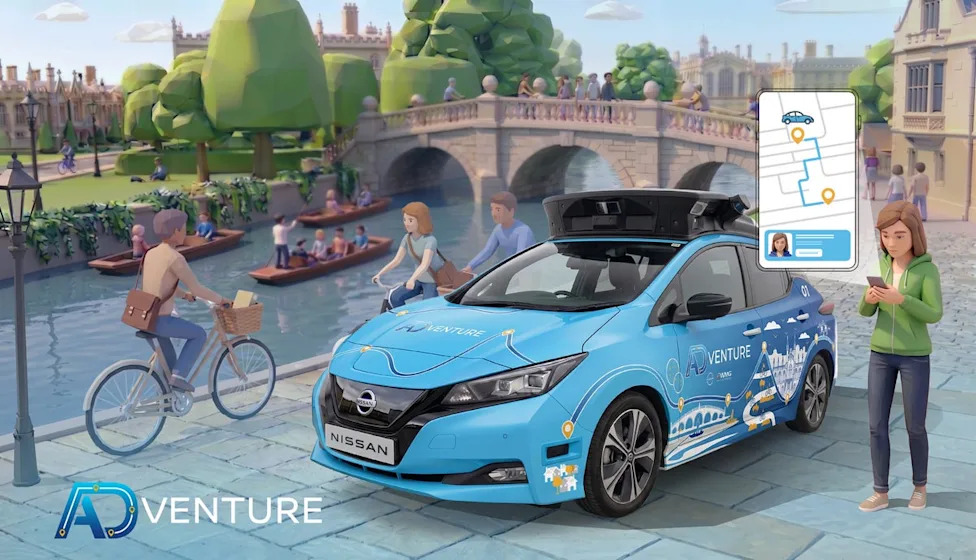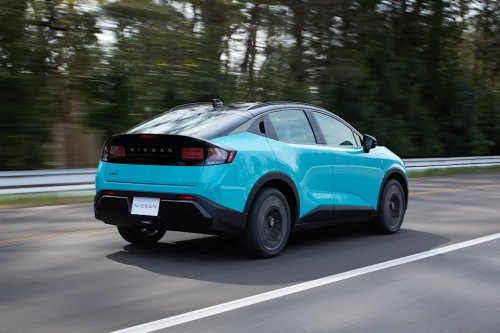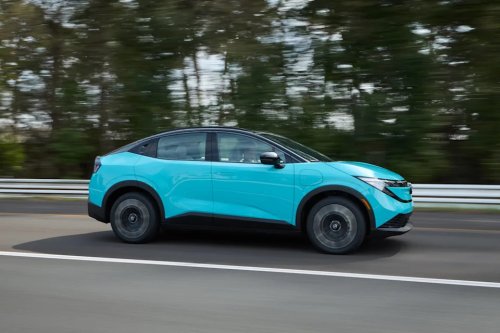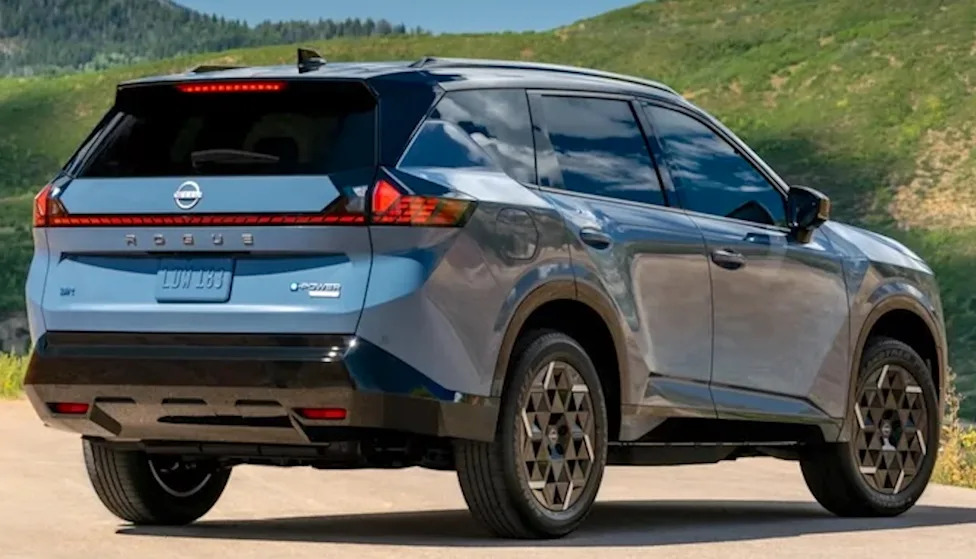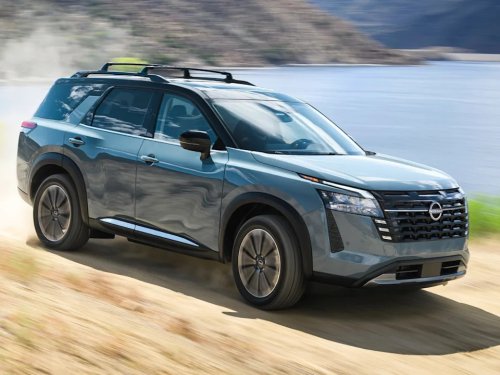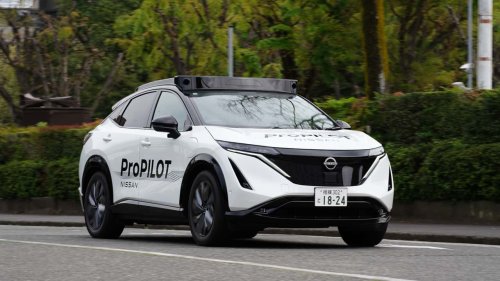
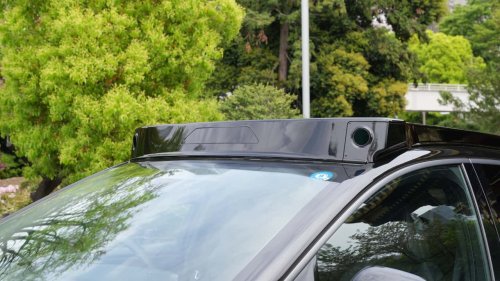
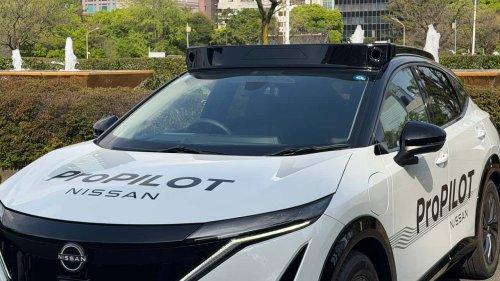
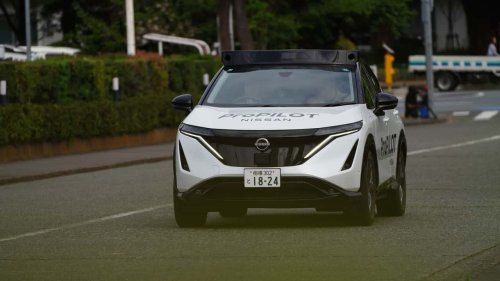
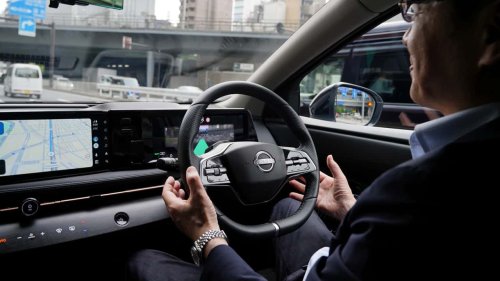
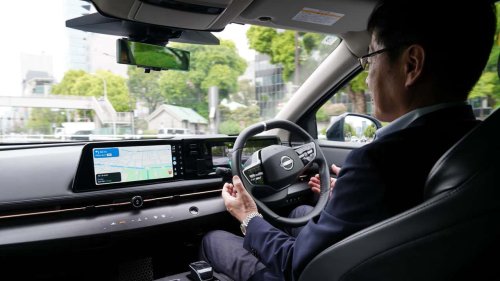
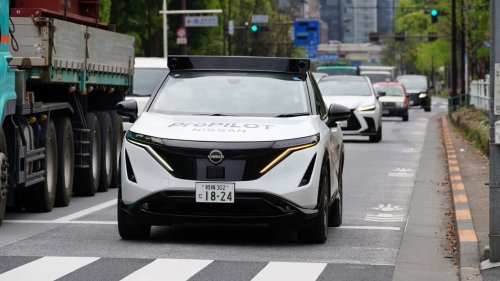
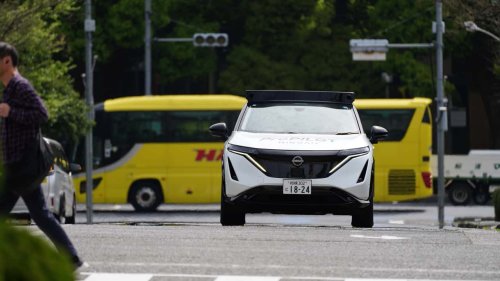
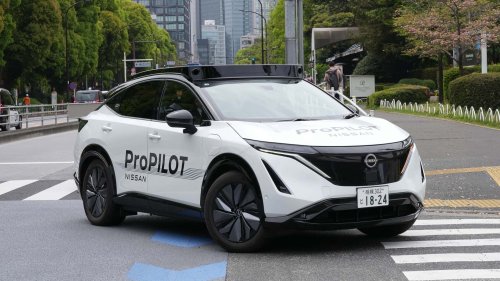


















Hands-free driving isn't a new concept. Japan has been working on autonomy since the 1970s, when engineers developed computer-controlled cars that would follow pre-determined white lines at a whopping 20 miles per hour. Not exactly practical, but it was the first step toward full autonomy nonetheless. Yet somehow, in the 50 years since Japan’s first "self-driving" car, there still isn’t a single vehicle you can buy that gets you from point A to point B without human interference. The closest you’ll get is one of Waymo’s robotaxis, and even those are… imperfect. But as autonomy development continues to ramp up and more automakers enter the space, Japan hopes to be at the forefront of the self-driving push yet again. Nissan, with a new technology it calls "AI Drive," aims to bring hands-free driving to the masses. And the early tests are pretty convincing. What Exactly Is AI Drive? That’s a great question. In the simplest sense, AI Drive is the force behind the company’s new hands-free driver assistance tech. Even after speaking with some of the engineers behind the project while in Japan, though, the specifics remain murky—probably to protect some proprietary goodies. On the technical side, at least, Nissan combines (undisclosed) AI software with its existing ProPilot driver-assistance system and a host of hardware. The Ariya prototype you see here has 11 cameras, five radar systems, and one LiDAR system mounted to the roof. While some hands-off companies have avoided LiDAR to cut costs—most notably Tesla—Nissan still believes in the tech. The company says it adds an extra sense of security, especially when driving at night with low visibility. And don't worry, it won't look that bulky if and when it reaches production. Tell us what you think! View Comments Photos by: Nissan As in most hands-off vehicles, the cameras are the big drivers here—pun intended. They scan the road with 360-degree visibility up to 40 to 50 meters (131 to 164 feet) in every direction. The system collects new data every 100 milliseconds, and the baked-in AI does its best to predict what might happen next. It should be said that Nissan’s AI Drive isn’t level 4 autonomy, which would be a vehicle that needs no physical human interaction or driver. Those driverless Waymos you see all over American cities, for example, offer level 4 autonomy. There isn’t a single new car on sale today in the US that has that kind of tech. Nissan stopped short of offering a definitive level for its AI Drive, saying that it’s still working through some of the specifics. By definition, it falls somewhere between high-level Level 2 and low-level Level 3. It doesn’t require the driver to touch the steering wheel when in motion, but they do need to look at the road. Drivers also still need to be ready to take over at a moment’s notice. There’s also a driver monitoring system installed, a mandatory regulation in many regions. Hands Off In Tokyo To get a better idea of what Nissan’s AI Drive system is actually like in the real world, the company took a few other journalists and me on a route through some of the busiest streets in Tokyo. The 40-minute jaunt wound through Shibuya, including the infamously busy Shibuya Crossing. It should be noted that, in many of these hands-off demonstrations, routes like this can be pre-determined, potentially giving hands-free systems a leg up on home turf. Nissan tells us that the route wasn’t pre-determined. Even if it was, some of the variables we came across couldn’t have been accounted for ahead of time. Here’s a good example. At one point, the car turns left down a narrow alleyway. The one-way street is lined with vans parked half on the curb, people unloading crates, and pedestrians darting across the road. As the car slowly creeps through the alleyway, a woman bolts across the road from right to left just in front of the vehicle without looking. Photos by: Nissan From the back seat, I didn’t even see her. But even before she fully committed to crossing, the car had clocked her, recognizing that she was close to the curb and may have wanted to cross. As she angled more toward the road, the Ariya had already slowed enough to brake well before even coming close to hitting her. Impressive. The rest of the test ride followed a similar pattern. I watched the Ariya navigate the infamously tricky Shibuya crossing with ease, weave around vehicles parked halfway in lanes, wait patiently at crosswalks, and pass with more than enough room for cyclists to feel safe. It felt natural—and, frankly, not scary at all. Other than the starting and stopping procedure from the hotel, the engineer in the driver’s seat never had to take full control of the steering wheel. The same can’t be said of other hands-off test rides I’ve done. The ride was entirely seamless from start to finish. Ready For The Road? For future Nissan buyers eager to get their hands on hands-free tech, it’s a great sign. The company hopes to eventually roll this tech out to 90 percent of its lineup, meaning nearly everything from the Rogue to the Pathfinder could eventually offer hands-free driving. In the short term, Nissan is partnering with Uber on a fleet of self-driving cabs across Japan, similar to Waymo’s partnership with Jaguar in America. Nissan’s self-driving cabs will be based on the Leaf, with the first pilot program planned for Tokyo in late 2026. Autonomous cabs are a good first step. The real challenge is scaling this tech to consumer cars—and making it work as seamlessly everywhere as it did in Tokyo. If Nissan can pull that off, hands-free driving won’t feel like the future for much longer. We want your opinion! What would you like to see on Motor1.com? Take our 3 minute survey. - The Motor1.com Team