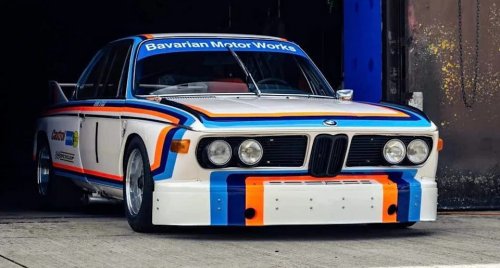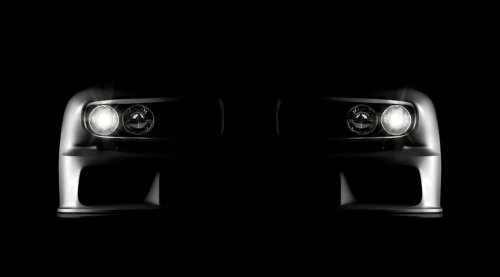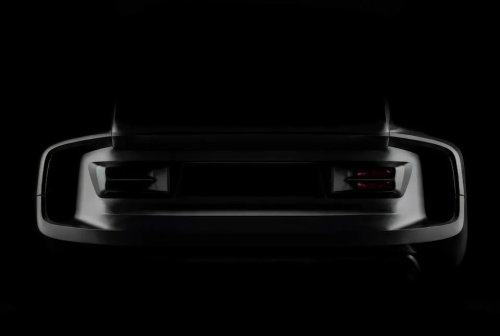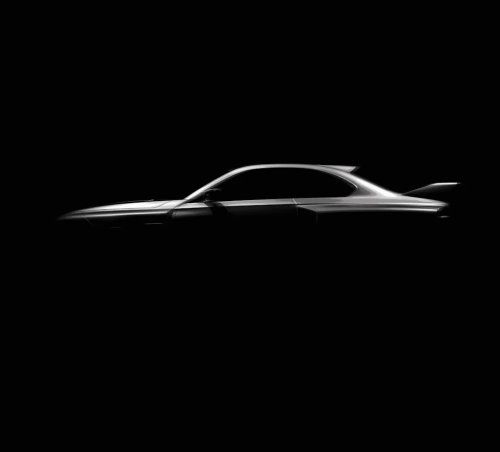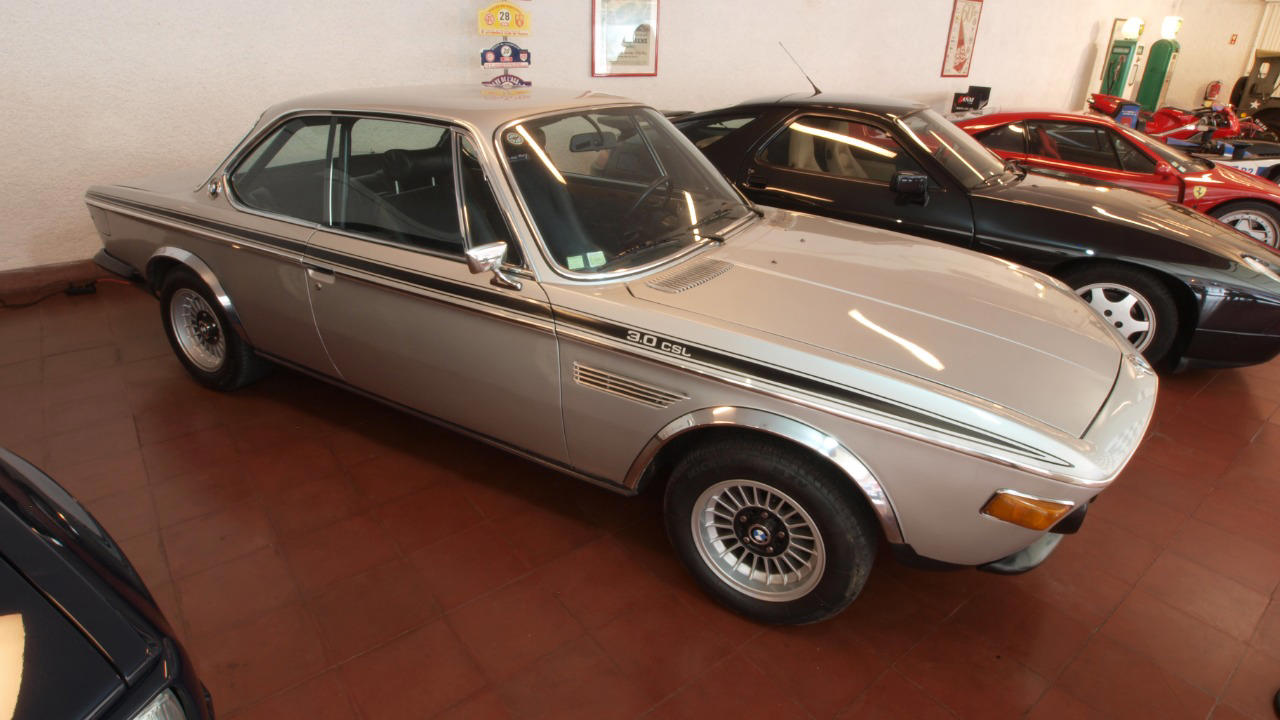



















The 1972 BMW 3.0 CSL arrived at a moment when regulations, fuel crises and changing buyer tastes were reshaping performance cars, yet it managed to move the game on rather than retreat. By stripping weight, sharpening aerodynamics and turning a luxury coupé into a racing weapon, it showed how intelligent engineering could keep speed and drama alive in a more constrained era. Half a century later, the car still reads like a manifesto for how to build a fast road machine that answers to the track first and the showroom second. A coupé built for a rulebook The story of the 3.0 CSL starts with a rulebook, not a sketchpad. Touring car regulations pushed manufacturers to race cars that were closely related to production models, so BMW took its elegant E9 3.0 CS coupé and reimagined it as a homologation special for German Touring Car competition. To qualify, BMW had to sell road cars that mirrored the race machines, which meant radical changes to the standard coupé’s weight, bodywork and specification. The name itself spelled out the mission. CSL stood for Coupé Sport Leichtbau, or Coupe Sport Lightweight, a label that appears repeatedly in period and modern descriptions of the model. BMW engineers removed sound deadening, electric windows, much of the trim and even the trunk lock and tool kit, as described in reports on the car’s stripped-back specification for German Touring Car homologation. The result was a coupé that could be up to 440 pounds lighter than a standard 3.0 CS, a huge saving that changed its character completely. The lightweight focus gave the CSL a different aura from the comfortable E9s that shared its basic shape. It was still recognisably a grand touring coupé, but the priorities had flipped. Comfort and luxury were now secondary to performance metrics that mattered on the circuit, from lap times to tyre wear. From elegant cruiser to “Batmobile” Visually, the 3.0 CSL charted the same journey from refinement to aggression. Early cars looked subtle, but later versions adopted the towering spoilers and add-on aero pieces that earned the car its “Batmobile” nickname. The large rear wing, front air dam and additional fins were not marketing indulgences but functional additions designed to keep the wide coupé stable at racing speeds. Modern video reviews of original cars, including one filmed on the streets of Wallingford in Oxfordshire, capture how dramatic the CSL still appears when parked among everyday traffic. In that clip, a white car with contrasting stripes and period-correct wheels uses its long bonnet and slim pillars to project a delicacy that modern safety regulations no longer allow, while the bolt-on aero turns it into something altogether more outrageous, as seen in the Wallingford walkaround. Underneath, the car remained closely related to the E9, but the CSL’s bodywork and stance made clear that it served a different purpose. The widened arches accommodated broader tyres, the ride height sat lower, and the car seemed ready for a pit lane rather than a hotel forecourt. Lightweight engineering as a performance weapon Weight reduction was not a marketing slogan but a genuine engineering strategy. Descriptions of the CSL’s construction highlight thinner gauge steel for the body, aluminium panels for the doors, bonnet and boot lid, and the removal of non-essential equipment. Even the rear bumper could be a lighter item compared with the standard car, all in the pursuit of lower mass. That focus on lightness gave the CSL a very different dynamic profile from heavier contemporaries. With less mass to move, the straight-six engine did not need supercar-level power to deliver serious pace. Period and retrospective guides to the model, such as a detailed overview of the BMW 3.0 CSL, describe outputs that evolved over time as displacement and tuning changed, but the constant thread is how effectively the chassis exploited every available horsepower. On the road, modern drivers who sample well-preserved examples talk about immediacy rather than outright speed. Steering feel, body control and the sense of connection between driver and machine stand out more than acceleration figures. That character stems directly from the CSL’s lightweight brief, which sharpened every control input and kept the car communicative at reasonable speeds. Racing success that defined a brand The CSL did not exist to win magazine comparison tests. It existed to win races, and by that measure it was a success. Contemporary and retrospective accounts of its competition record highlight that its racing versions won more than 100 events, a figure repeated in a social media post that describes how the 3.0 CSL, based on the E9 models, achieved “more than 100 races” in competition. That tally, cited in a BMW CSL overview, gave the car a reputation as one of the most successful touring machines of its era. Drivers such as Toine Hezemans became closely associated with the car’s exploits. A historical video account of the model’s story explains how Toine Hezemans secured success in European Touring Car competition with the CSL, which quickly became a fixture at circuits across the continent. Those campaigns helped shift BMW’s image from a maker of well crafted sedans to a brand that could build championship winning performance machinery, a transition summarised in a later reflection that describes how The CSL represented that leap for BMW in period touring car racing. The racing program also laid groundwork for later engineering projects. The CSL competed in Group 2 trim and inspired more extreme Group 5 evolutions, which pushed aerodynamics and power levels further as BMW chased honours against rivals such as the Porsche 935, as discussed in a retrospective on the Group 2 and. The original M car in all but name Although the 3.0 CSL predated the formal launch of BMW’s M division, many historians and enthusiasts describe it as the original M car. A detailed driving review refers to the CSL as being born from motorsport and describes it as BMW’s attempt to win the European Touring Car Championship, with the car’s specification shaped by that goal. The same review presents the CSL as a template for later M models, highlighting its balance of race technology and road usability, as captured in a motorsport focused assessment. The idea that the CSL is one of the most important BMW models in history recurs in official and enthusiast material. A classic-focused social media post calls it “one of the most important BMW ever” and goes on to explain the Coupé Sport Leichtbau name as Coupe Sport Lightweight, tying the car’s identity directly to its weight saving ethos. Another corporate channel from BMW USA repeats the same translation and frames the CSL name as shorthand for high performance and lightness, describing how CSL stands for Coupé Sport Leichtbau, or Coupe Sport Lightweight, in a post that pitches the car as high class by day and high performance by night. Together, those descriptions show how the CSL’s values became part of the M division’s DNA. Later icons such as the M3 and M5 would refine the formula, but the basic recipe of motorsport derived hardware, reduced weight and everyday usability first came together in the 3.0 CSL. Driving character: raw, noisy and alive Modern test drives of original CSLs paint a vivid picture of the car’s personality. Reports from enthusiasts who have driven preserved examples describe a car that feels raw by modern standards, with more noise, vibration and harshness than contemporary performance coupés, but also far more feedback. One driver talks about how the car “pulls” strongly and how it is hard to believe that period racers drove such relatively uncomfortable machines for long stints, a reaction captured in a recent video review. Another long form drive story recounts the experience of meeting a childhood idol and finally driving a 3.0 CSL on modern roads. The author describes the steering as full of feel, the engine as eager to rev and the chassis as playful yet secure, while also acknowledging the car’s age in areas such as braking performance and ergonomics. That piece, which treats the car as both museum piece and living machine, offers a rare blend of emotion and technical observation, as seen in the classic road test. These modern impressions align with period accounts that described the CSL as a demanding but rewarding car to drive quickly. It required commitment and skill, but in return it delivered a level of engagement that still resonates with drivers used to far more powerful but less communicative machinery. From 1972 to heritage icon Over time, the 3.0 CSL’s reputation has only grown. Auction listings for well documented examples treat the car as a blue chip collectible, with detailed descriptions of its CSL meaning, its Coupé Sport Leichtbau translation and its Coupe Sport Lightweight focus. A listing for an Italian market second series car, for example, spends as much time on the car’s historical context as on its condition, underlining how closely the model is tied to BMW’s broader story, as seen in a collector focused overview. Classic car guides and enthusiast sites now treat the CSL as a reference point for homologation specials in general. One widely cited synopsis describes it as a homologation model of the BMW 3.0 CS, spells out CSL as Coupé Sport Leichtbau in German for coupé sport lightweight and lists a curb weight of around 1,165 kilograms, or 2,568 pounds, figures that underline just how serious the weight saving program was, as detailed in a technical synopsis. At the same time, BMW’s own heritage communications have elevated the CSL alongside earlier game changers such as the BMW R 5 motorcycle from 1936. A corporate classic blog article groups the CSL with machines that were “way ahead of [their] time” technically and stylistically, describing how lightness and innovation made the car a “winning” concept in both racing and brand building, as presented in the winning light feature. The modern 3.0 CSL and the Hommage link BMW has not left the CSL legacy untouched. In recent years the company has created both concept and production tributes that draw directly on the 1972 car’s design and engineering themes. A striking concept, the 3.0 CSL Hommage, reinterpreted the original’s long bonnet, tall tail and exaggerated aero in a modern idiom, with a driving impression report describing how the concept car aimed to translate the lightweight coupé spirit into a contemporary package, as seen in a test of the Hommage concept. More recently, BMW built a limited run road car called simply the BMW 3.0 CSL, intended as a modern counterpart to the original. Official material on the car outlines its production numbers, design cues and mechanical specification, and explicitly positions it as a celebration of 50 years of high performance coupés. The company describes how the new car combines a powerful straight-six engine, manual transmission and rear wheel drive with a body that echoes the original’s proportions and livery, as detailed in the official 3.0 CSL. More from Fast Lane Only Unboxing the WWII Jeep in a Crate 15 rare Chevys collectors are quietly buying 10 underrated V8s still worth hunting down Police notice this before you even roll window down