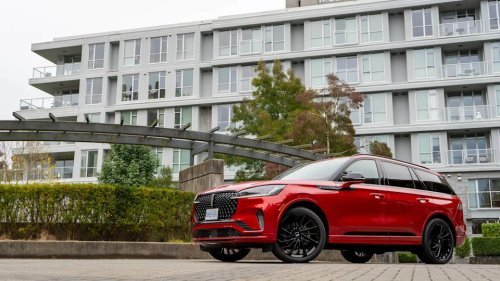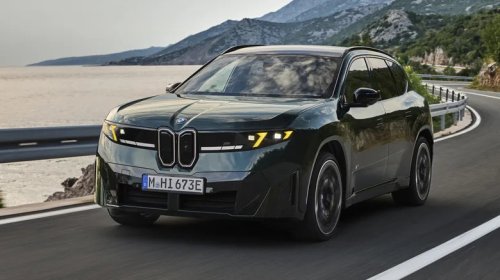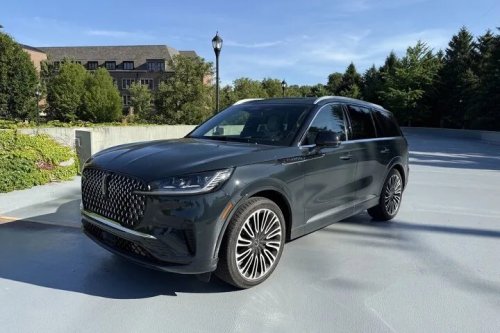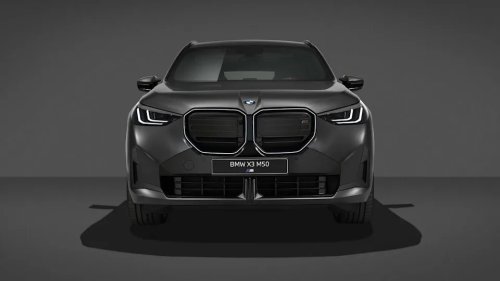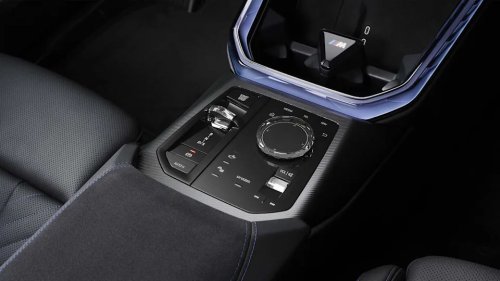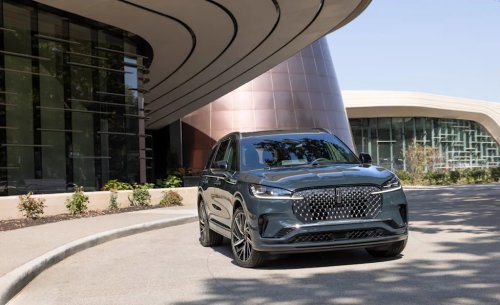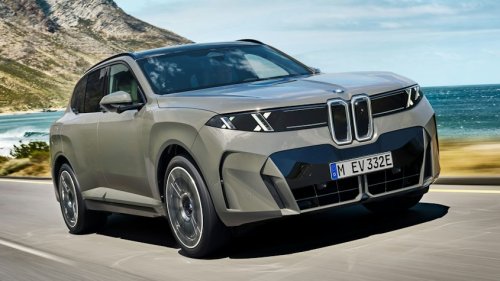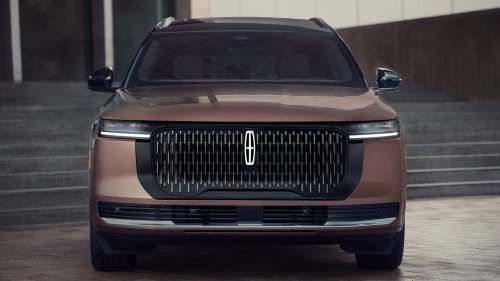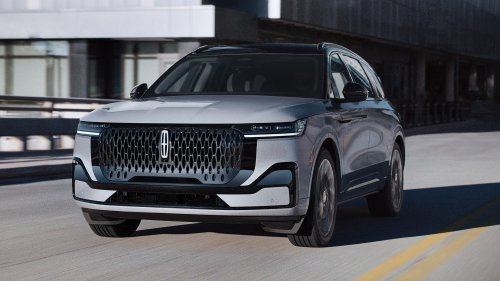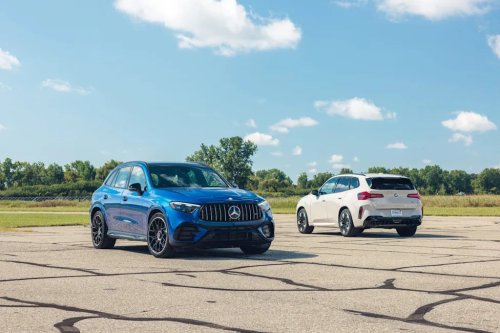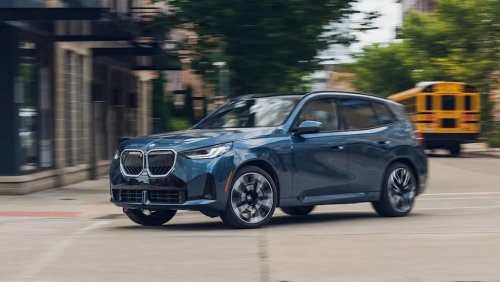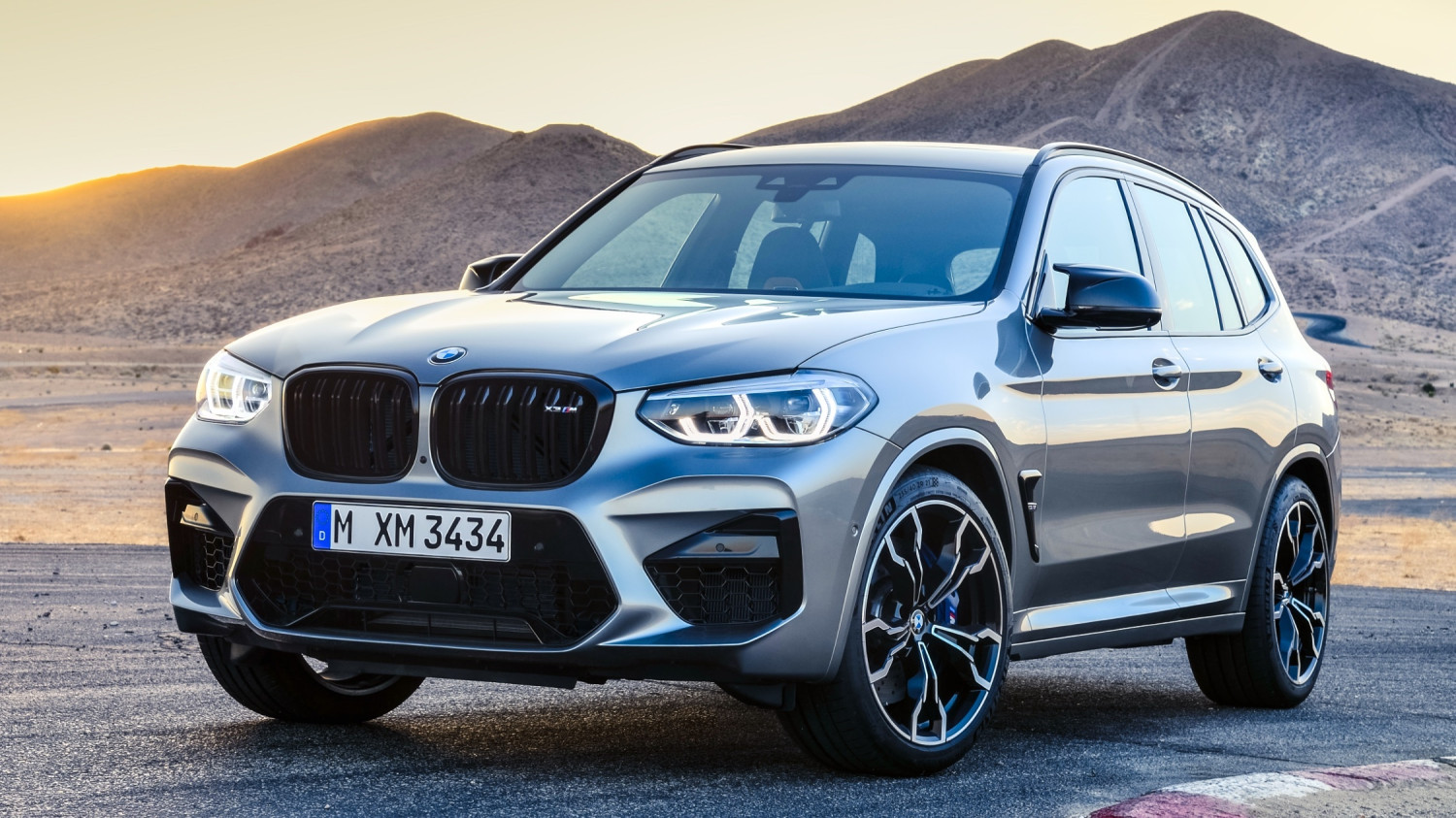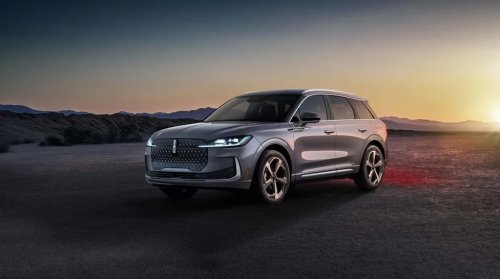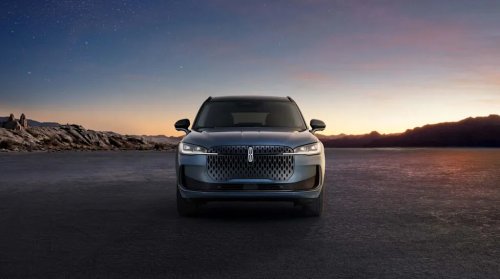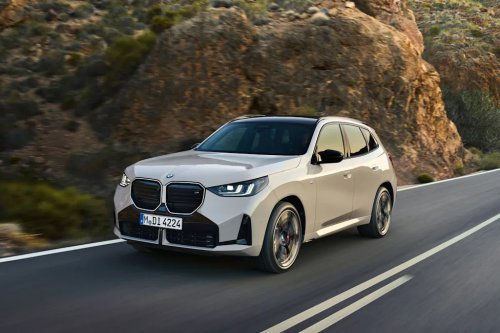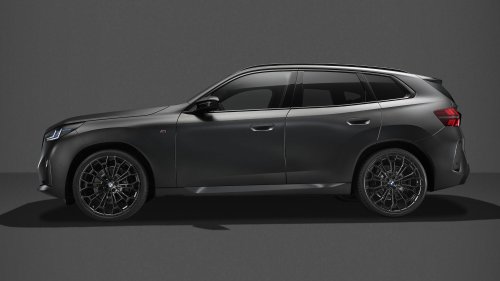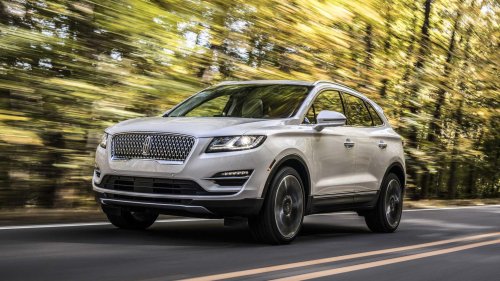
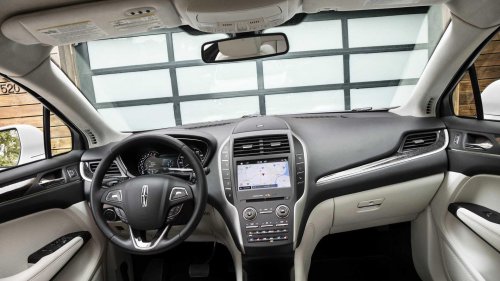
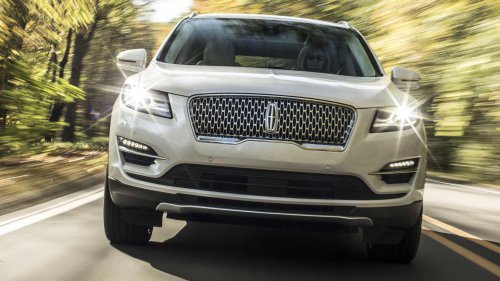
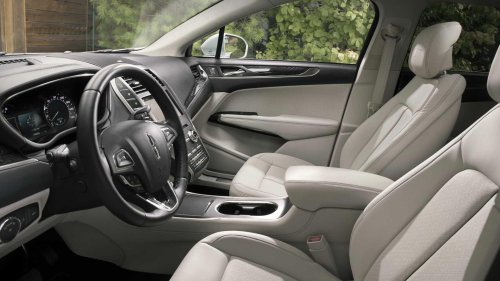
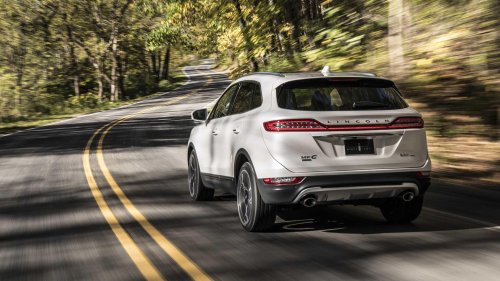
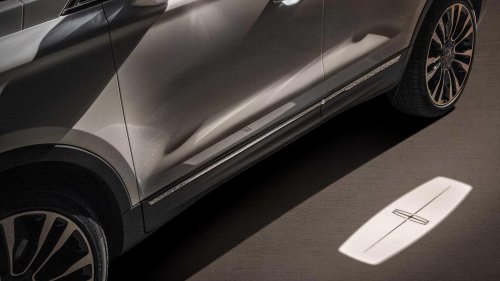



















Lincolns are often dismissed as little more than dressed-up Fords, but that characterization sells them short. Yes, the brand's vehicles have long shared platforms and powertrains with their Blue Oval counterparts, yet Lincoln typically goes much further in its pursuit of comfort and refinement. Better interior materials, quieter cabins, and softer suspension tuning help separate the experience from the mainstream vehicles they’re based on.Take the Lincoln MKC from a decade ago. Beneath the sheetmetal, it shared much of its DNA with the contemporary Ford Escape, yet in some respects it could genuinely challenge compact luxury SUVs from Germany, such as the BMW X3. Today, depreciation has turned the MKC into a serious bargain, making it a worthy option if soaring new car prices have you considering a used vehicle. From Town Cars To Compact Luxury Lincoln Key Facts To Know Debuted at 2013 Los Angeles Auto Show Shared a platform with the third-generation Ford Escape Pricing when new started from $33,995 Powered by a duo of turbocharged inline-fours Renamed the Corsair for its next generation For most buyers, Lincoln had long been associated with plush full-size sedans and the towering Lincoln Navigator SUV. But as luxury brands started increasingly chasing mainstream buyers with smaller and more affordable crossovers last decade, Lincoln joined the fight with the MKC. Before then, Ford had largely leaned on its mid-tier Mercury division to satisfy shoppers looking for a more premium experience without luxury-brand pricing. When Mercury was shuttered in 2010, however, Lincoln suddenly found itself tasked with appealing to a far broader customer base than before, and compact crossovers quickly became a key part of that strategy.Lincoln jumped headfirst into the segment with the MKC, first previewed as a lightly disguised concept at the 2013 Detroit Auto Show before reappearing in nearly unchanged production form later that year at the Los Angeles Auto Show. Sales began shortly after the LA debut for the 2015 model year, coinciding with a memorable advertising campaign starring Matthew McConaughey. The actor’s moody, introspective commercials quickly became pop-culture talking points and helped give Lincoln a more contemporary image at a time when the brand was trying to reinvent itself for younger luxury buyers. It worked as roughly half of MKC buyers were new to the brand, with Lincoln at the time saying many were coming from the likes of Mercedes-Benz, Lexus, and BMW.Lincoln The MKC shared its front-wheel-drive underpinnings with the third-generation Ford Escape, remaining on sale through 2020 before being replaced by today’s Lincoln Corsair. Yet despite its mainstream origins, the Lincoln delivered a genuinely upscale experience at a surprisingly reasonable price. Starting at just shy of $34,000 for 2015, the MKC packed in impressive features, pokey turbocharged engines, and one of the smoothest, quietest rides in the segment.For prospective buyers, Lincoln introduced a substantial refresh for 2019, and this is the model year to seek out today. The update brought a revised front-end design, an upgraded interior, and more standard technology. These changes, along with even more refinement to what was already a fairly polished vehicle, made the 2019 MKC an even more convincing rival to the X3 than earlier versions. How The MKC Stacks Up Lincoln The 2019 MKC offered two turbocharged four-cylinder engines, with the more powerful engine reserved for higher trims. This engine also came exclusively with all-wheel drive, pushing pricing close to $50,000 in fully loaded Black Label form. By comparison, the 2019 BMW X3 opened at roughly $41,000 with its turbo four, delivering similar real-world pace but in a more tightly engineered and more expensive overall package.Lincoln Equipment is where the Lincoln makes its case. Even entry MKC models came standard with 18-inch wheels, a powered tailgate, park sensors, remote engine start, a Wi-Fi hotspot, and Apple CarPlay and Android Auto integration, along with a broad suite of driver-assistance features. Forward collision warning and automatic emergency braking were standard, while blind-spot monitoring, lane-keeping assist, cross-traffic alert, and active park assist were available as you move up the range. The X3, despite carrying a much higher starting price, made Apple CarPlay available as part of a navigation package, while Android Auto wasn't even offered.Inside, the MKC leaned hard into comfort. The front seats are plush and supportive, and they came standard with heating, which, again on the X3, was only available via a package. The MKC also came with 12-way power adjustment, including four-way adjustment for lumbar support. The X3 came with 10-way adjustment without power lumbar support. Materials are generally pleasing in the MKC, but things look and feel noticeably cheaper in the rear. Rear-seat headroom is also tight compared with rivals, and examples equipped with a panoramic roof further compromise things for taller passengers. The X3 has the slight edge here, and a much bigger advantage when it comes to cargo space.On the road, the MKC surprises with composed, even slightly sporty, handling for a comfort-oriented SUV, especially when equipped with adaptive dampers. It never matches the X3 for steering precision or chassis balance, but it is more capable than its soft image suggests. The X3 remains the sharper tool, thanks in part to its native rear-wheel-drive chassis versus the front-drive setup of the MKC. The BMW simply delivers better body control, stronger feedback, and a more cohesive driving character overall.The MKC's powertrains are responsive, though their overall performance is somewhat dull. They're quick enough for daily duty, but won't win you any drag races. In contrast, the X3 delivers noticeably more engaging powertrains. Its standard turbo four is sharper and more responsive with stronger low-end pull, while its available 3.0-liter turbo inline-six is miles ahead of the MKC's available 2.3-liter turbo four, though it comes at a steep cost. How Much To Pay Today Lincoln Looking on the CarBuzz Marketplace, used MKCs can be found at surprisingly reasonable prices, even when shopping for later models with relatively low mileage. As mentioned above, the 2019 model is the one to seek out, blending updated styling and tech with better overall refinement. With a budget of around $15,000, buyers get a lot of MKC for the money, especially considering the standard equipment. Prices typically start near $10,000, although examples in that range usually show well over 100,000 miles on the odometer.Stretch the budget closer to $15,000, though, and the market opens up considerably. Clean 2019 MKCs with roughly 60,000 miles or less become realistic targets, making the Lincoln feel like a genuine bargain. Most examples on the market use the standard turbocharged 2.0-liter engine, while all-wheel drive adds little to the asking price. The optional 2.3-liter turbo, however, usually commands a premium of a couple thousand dollars.Compared with the 2019 BMW X3, the Lincoln looks especially appealing, since clean X3s with fewer than 100,000 miles rarely dip below the $15,000 mark. Based on CarBuzz price trends, you're looking at paying around $4,300 more on average for the BMW. However, you also have a much, much larger selection of listings with the BMW.There are some things to watch out for. The 2019 MKC generally earns above-average reliability ratings from RepairPal, but ownership isn’t entirely risk-free. CarComplaints documents recurring reports of major engine problems, particularly coolant intrusion issues affecting the 2.0-liter engine that can ultimately lead to complete failure. The optional 2.3-liter turbo isn’t completely immune to problems, but it’s widely regarded as the sturdier choice and justifies the extra spend with stronger performance as well. Earlier MKCs suffer many of the same issues, so whichever year is being dealt with, buyers need to carefully review maintenance records, verify any engine repairs, and definitely invest in a thorough pre-purchase inspection.The 2019 X3 generally rates better for reliability, although it still isn’t without its issues. CarComplaints shows owners have reported coolant leaks, cooling-system failures, and occasional electronic gremlins, particularly on higher-mileage examples. Models fitted with the six-cylinder engine are often regarded as the more dependable and desirable option, although they also command much higher prices on the used market. As with many older BMWs, maintenance and repair costs can also be noticeably higher than what buyers would typically pay for domestic brands. Luxury SUV Value With A Catch Lincoln For buyers willing to accept a few compromises, the Lincoln MKC represents an awful lot of luxury SUV for surprisingly little money. A clean 2019 model can undercut an equivalent BMW X3 by thousands while still delivering comfort, features, and respectable performance. Still, potential reliability headaches, particularly with the 2.0-liter engine, take some shine off the deal. Budgeting for repairs and buying carefully is essential if the MKC’s bargain pricing is going to stay a bargain.